Plant Profile & Key Characteristics
Overview: A soft herbaceous annual reaching about 20-40 cm (8-16 in), grown as an ornamental cool-season flowering pot and bedding plant.
Quick Specifications
| Specification | Attribute |
|---|---|
| Plant Type / Life Cycle | Annual (cool-season) |
| Mature Size | 20-40 cm tall (8-16 in) |
| Growth Rate | Fast |
| Hardiness | USDA zones 2-9 (spring) / 9-11 (autumn) |
Growth Form & Structure
- Height & Spread: 20-40 cm (8-16 in); commonly grown in containers and indoors.
- Growth Habit & Form: Mounded, soft-stemmed herbaceous annual.
- Lifespan & Maturity: Short-lived, fast-growing cool-season plant; very sensitive to heat.
Anatomy & Physical Features
- Leaves & Foliage: Soft, green, round to elliptic leaves, sometimes with a serrated edge and slightly hairy.
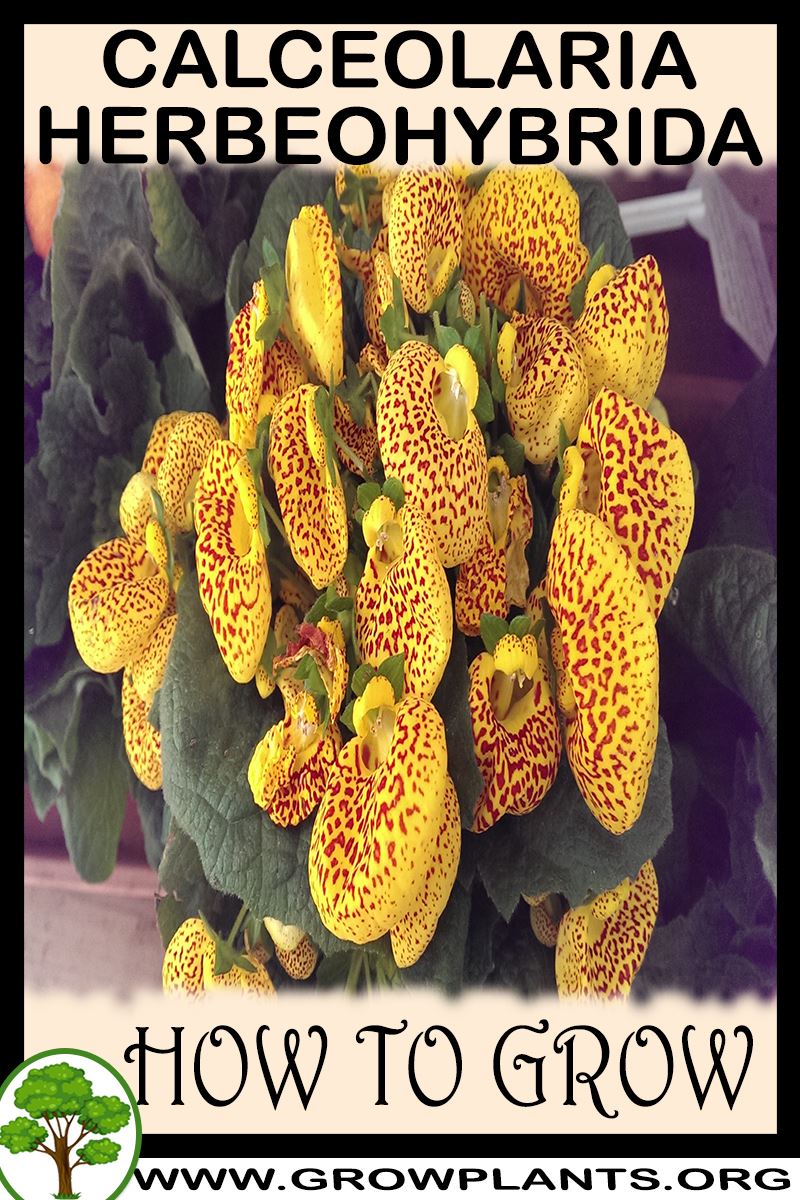
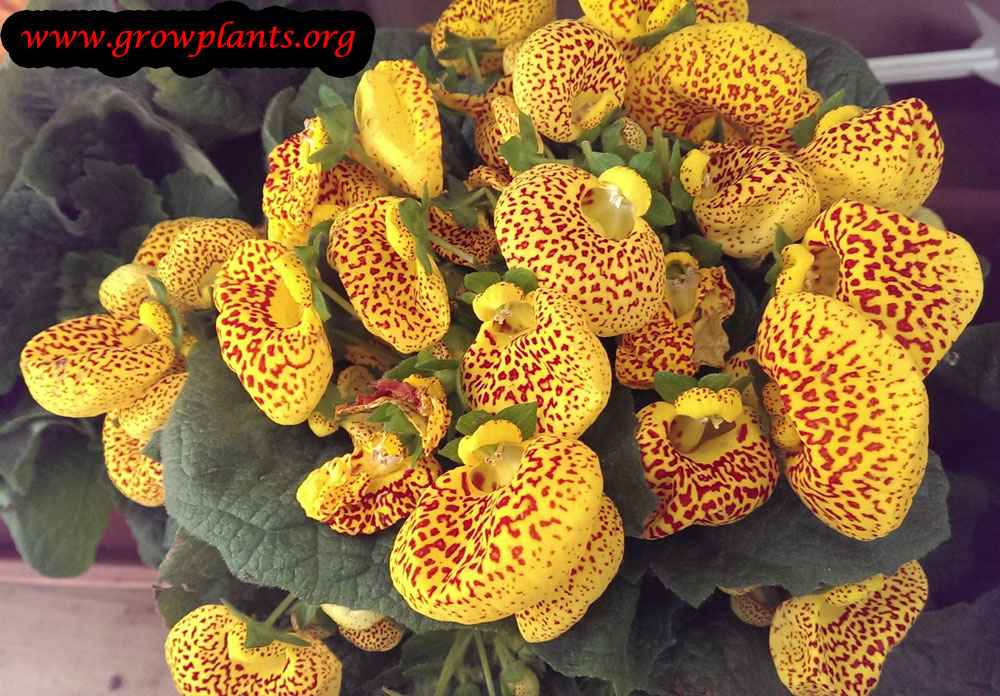
- Flower Characteristics: Distinctive inflated, pouch or slipper-shaped flowers in red, orange or yellow, spotted or striped.
Primary Uses & Landscape Value
- Functional & Ornamental Roles: Ornamental flowering pot plant, indoor colour and cool-season bedding.
Care Guide: Planting, Soil & Watering
Overview: A cool-season flowering annual for mediterranean to temperate gardens (hardiness zone 2-9, planted in spring, or 9-11 planted in autumn) that dislikes heat. It wants a cool spot in part to full shade with rich, consistently moist soil and a moderate to generous supply of water.
Quick Care Requirements
| Requirement | Ideal Condition |
|---|---|
| Planting Season | Cool season – spring (cool climates) or autumn–winter (warm climates) |
| Growth Rate | Fast |
| Soil Type | Rich, moisture-retentive, well-drained |
| Water Need | Moderate to High – keep evenly moist |
Planting & Establishment
- Best Planting Season: Time planting to the cool season – spring in cold climates, autumn to winter in hot ones – since the plant is very sensitive to heat.
- How to Plant:
- Hole Preparation: Plant into a shaded, cool position; in pots use a free-draining container so the moist mix never turns stagnant.
- Soil Amendments: Work compost or other organic matter into the soil to hold moisture around the roots.
- Planting Depth: Set the crown level with the soil surface – don’t bury the base of the rosette.
- Growth Speed & Expectations: Fast-growing but short-lived, reaching 20-40 cm and flowering through the cool season before fading in heat.
Soil, Watering & Drainage Care
- Soil Mix & Drainage Needs: A rich, moisture-retentive yet free-draining mix is best; keep it cool and evenly moist without waterlogging.
- Watering Schedule & Technique:
- Young / Newly Planted: Keep the soil consistently moist from planting – it must not dry out.
- Established: Water regularly to maintain even moisture, avoiding both drought and sogginess.
- Seasonal Adjustments: It needs steady moisture through its cool growing season; protect it from heat, which it will not tolerate however much you water.
Climate, Light & Hardiness
Calceolaria Herbeohybrida is a cool-season annual that is very sensitive to heat; it needs consistently cool, moist conditions and half to full shade, with its USDA zone use depending heavily on planting timing.
Quick Climate Specifications
| Climate Zones | Mediterranean, subtropics, temperate |
|---|---|
| USDA Hardiness Zones | 2–9 (spring planting); 9–11 (autumn planting in hot climates) |
| Frost Tolerance | Low |
| Light Conditions | Half Shade to Full Shade |
Sunlight & Light Exposure
Optimal Light Setup
Bright shade rather than direct sun suits this plant best.
Shade & Heat Management
Shade is essential to keep the plant cool, since heat - not cold - is the main threat to this species.
Temperature Extremes & Hardiness
USDA Hardiness & Regional Limits
Commonly grown as a cool-season annual. The site's zone 2–9 (spring) versus 9–11 (autumn) split reflects planting timing rather than year-round survival: in cold climates (roughly zone 2–9) it is planted and flowers during the cooler part of spring, while in hot climates (zone 9–11) it is instead planted in autumn or winter so it flowers before summer heat arrives.
Cold Damage & Winter Protection
Frost tender, so in cold climates it is strictly a spring-to-early-summer annual.
Extreme Heat Tolerance
Very poor; heat is what actually ends this plant in most gardens, making summer heat the dominant climate limit rather than winter cold.
Wind, Humidity & Microclimate
Humidity Preferences
Prefers cool, moist air; dry heat accelerates decline.
Growing in Pots, Balconies & Indoors
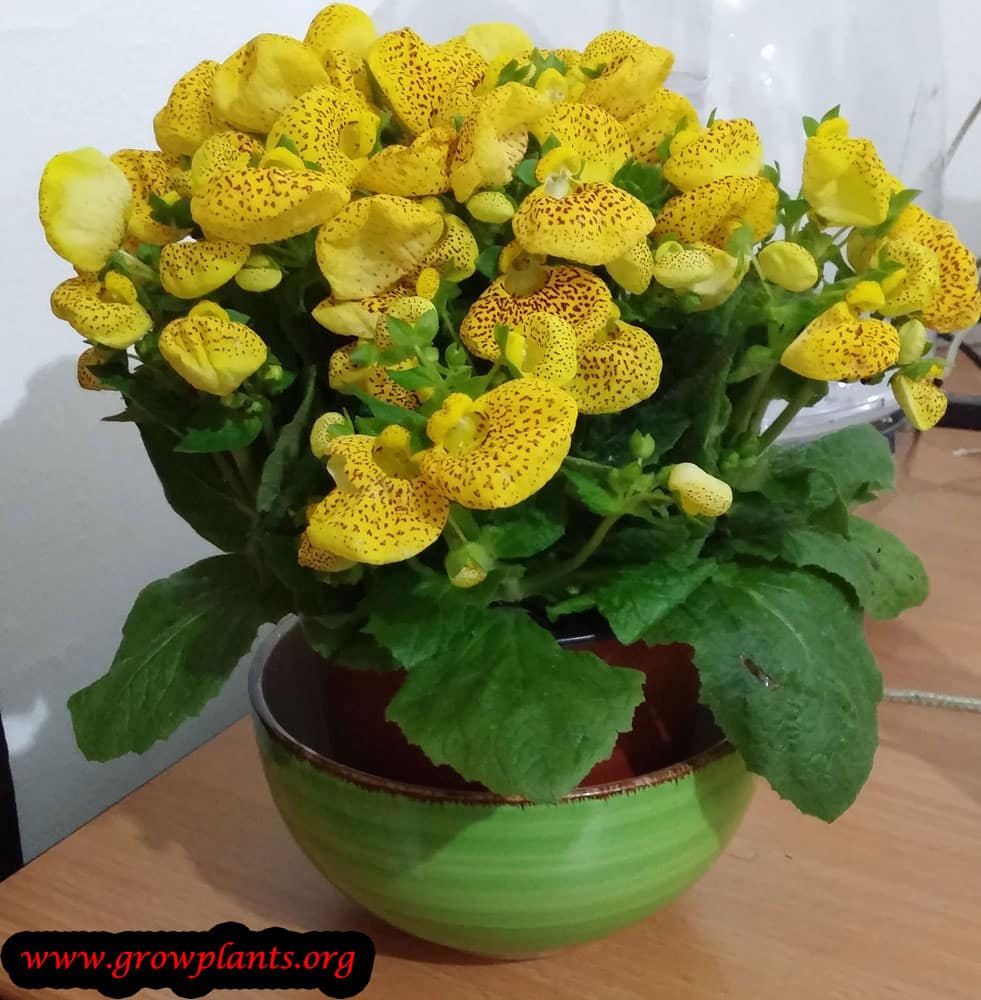
Slipper Flower (Calceolaria) is a classic indoor and container flowering plant, and the grower confirms it grows both as a houseplant and in pots. Its pouched, brightly speckled blooms are a familiar cool-season gift plant – happiest in a cool, bright room and usually treated as a short-lived seasonal display.
Quick Details
- Container Size: A small pot; it is compact at 20-40 cm (8-16 in) and often grown for a single season
- Indoor Suitability: A good indoor flowering plant, best kept cool
- Best Spot: Part to full shade; bright but out of hot, direct sun
- Soil & Drainage: Moist, well-drained potting mix
- Watering in Pots: Average to plenty – keep evenly moist, avoiding both drought and sogginess
Indoors & On the Windowsill
- Genuine indoor plant: The grower confirms it as a houseplant; give it a cool, bright room with indirect light – warmth and hot sun shorten the display fast.
- Getting the most from it: Keep it evenly moist and cool while in flower; it is usually enjoyed as a seasonal pot plant and replaced rather than kept on for years.
- Cool-season plant: It performs in the cooler part of the year, so a cool windowsill or an unheated but bright room suits it best.
On a Balcony or Patio
- Light & wind: On a sheltered patio in the cool season give it bright shade and steady moisture; protect it from hot sun and drying wind, which wilt it quickly.
- Practicalities: Small pots dry fast – check moisture often and never let it wilt.
Choosing the Pot, Soil & Long-Term Care
- Pot & drainage: Use a small pot with strong drainage holes; skip a standing-water saucer to avoid root rot. Terracotta breathes and dries faster, while glazed or plastic pots hold moisture longer, helpful for this moisture-lover.
- Potting mix: A rich, well-aerated organic mix – peat or coir with plenty of compost or organic matter, lightened with perlite or vermiculite for drainage.
- Feeding: Potted plants exhaust their soil quickly as nutrients leach out – feed lightly but regularly through the growing season.
- Repotting: Refresh the mix or pot up about every two years; for clumping perennials, lift and divide, trimming the roots and old top growth as you go.
Fertilizing & Feeding
A moderate feeder through its cool-season display: steady light feedings support the bean-shaped, dotted blooms, but feeding backs off as the plant is very sensitive to heat and its bloom cycle winds down.
Quick Fertilizing Specs
| Feeding Level | Moderate feeder |
|---|---|
| Main Nutrient Priority | Balanced feeding with adequate nitrogen and phosphorus to support foliage and its clustered, dotted blooms |
| Best Feeding Period | Through the cool growing season while forming buds and flowering |
| Organic Options | Compost or well-rotted organic matter worked into the soil |
| Reduce/Stop Feeding | Ease off feeding as heat arrives and the plant’s cool-season bloom finishes |
| Micronutrients | Usually met by a complete fertilizer and organic matter; correct only a diagnosed issue |
| Soil pH | Prefers evenly moist, humus-rich soil; near neutral is typical |
Feeding by Growth Stage
Establishment after transplanting
Help young plants settle in and build foliage before bud set in the cool season.
| Nutrient direction | A balanced, complete fertilizer supports steady leaf and root development. |
|---|---|
| Timing | Soon after transplanting seedlings, during cool weather. |
| Frequency | Light, regular feeding while the plant is actively rooting in and putting on leaves. |
| Fertilizer types | A balanced complete fertilizer, Compost or organic matter mixed into the planting soil |
| Precautions | Keep feedings light and avoid forcing soft growth, since this plant is very sensitive to heat stress. |
Bud formation and flowering
Sustain the clustered, dotted bean-shaped blooms through their cool-season display.
| Nutrient direction | Continue a balanced fertilizer; adequate nitrogen and phosphorus support strong buds and full color. |
|---|---|
| Timing | As flower buds form and through the bloom period in cool weather. |
| Frequency | A light, steady feeding sustains flowering without pushing excess leafy growth. |
| Fertilizer types | A balanced complete fertilizer formulated for flowering plants |
| Precautions | Avoid heavy feeding or high heat exposure, both of which stress this cool-season bloomer. |
Heat decline at season’s end
Let the plant finish its cycle gracefully as rising heat ends the bloom.
| Nutrient direction | No supplemental feeding is needed as the plant’s cool-season cycle closes. |
|---|---|
| Timing | As warm weather arrives and flowering fades. |
| Frequency | No feeding during this decline. |
| Fertilizer types | No feeding at this stage; the plant is finishing its cool-season cycle and heat stress makes fertilizing counterproductive. |
| Precautions | Withhold fertilizer now; feeding a heat-stressed, fading plant wastes nutrients and can worsen stress. |
Nutrient Deficiency Signs & Corrections
Older leaves turn pale green to yellow and new growth is weak.
| Possible causes | low available soil nitrogen, leaching from frequent watering, cool soil temperatures slowing nutrient uptake |
|---|---|
| Appears first on | older, lower leaves |
| What to check | recent feeding history, soil moisture and drainage, overall plant vigor |
| Possible correction | Apply a balanced complete fertilizer with adequate nitrogen and resume regular light feeding. |
New leaves turn yellow while the veins remain green.
| Possible causes | high soil pH limiting iron availability, waterlogged or poorly drained soil, root stress from overwatering |
|---|---|
| Appears first on | newest leaves |
| What to check | soil pH and drainage, watering frequency, root health |
| Possible correction | Correct soil pH toward neutral and apply a chelated iron product per its label. |
Leaf edges brown or scorch and the plant wilts despite moist soil.
| Possible causes | fertilizer salt buildup in the root zone, heat stress compounding root damage, inconsistent watering concentrating salts |
|---|---|
| Appears first on | leaf margins and tips |
| What to check | recent fertilizer amounts, watering consistency, ambient temperature and heat exposure |
| Possible correction | Ease off feeding, flush the soil with water, and protect the plant from heat until it recovers. |
Pruning, Training & Seasonal Maintenance
Calceolaria Herbeohybrida is a short-lived, cool-season annual (or pot plant) grown for a single bloom cycle, so its "pruning" is grooming rather than shaping: deadheading spent flowers and removing yellowing leaves as they occur, which is safe at any point in its short season and helps prolong the display. It has no woody framework to train or renew; once the display fades – especially under summer heat, to which it’s noted as very sensitive – the plant is typically discarded rather than cut back for regrowth.
Quick Pruning & Maintenance Specs
| Pruning Tolerance | Low (grooming only) |
| Primary Pruning Window | Throughout the bloom period, as needed |
| Typical Frequency | Every week or two while flowering, to remove spent blooms |
| Main Objective | Prolong bloom, tidy appearance |
| Young Plant Priority | One early pinch of the growing tip to encourage a bushier, fuller plant before buds form |
| Mature Plant Priority | Ongoing deadheading only |
| Best Tool Type | Fingers or precision snips |
| Avoid Heavy Pruning During | Heat-stress periods (species is very heat-sensitive) and right after transplanting |
Pruning by Plant Age & Size
Newly Established / Young
One early pinch of the growing tip once the plant has a few sets of leaves can encourage bushier branching before flower buds form.
Mature / Flowering
Ongoing deadheading only – no other pruning is needed for this short-cycle plant.
Seasonal Pruning Schedule
Ongoing Sanitary
Objective: prolong and tidy the bloom display. Remove: spent flowers and yellowed leaves continually through the bloom window. Don’t remove: healthy buds or foliage. There is no dormancy stage to prepare for – the plant is grown as an annual and typically not carried over.
Special Growth to Remove
- Spent flower stems – snap or snip off at the stem to tidy the plant and redirect its energy.
- Yellowed or damaged leaves – removed at the base of the leaf stalk.
Container & Small-Space Pruning
This is predominantly a pot/bedding plant – deadhead more frequently in containers, where the bloom display is concentrated and closely viewed. Don’t attempt to hard-prune and "renew" it the way a hardier perennial might; being heat-sensitive and short-lived, it’s better replaced than rejuvenated once it declines.
Tools
Precision snips for deadheading and leaf removal.
Tool Hygiene & Disease Risk
Routine – clean tools are sufficient; no notable transmissible disease risk beyond general good hygiene given the aphid/spider mite pressure noted.
Cut Placement & Technique
Remove spent flower stalks back to a leaf joint or the base of the flowering stem; remove damaged leaves at the base of the leaf stalk.
Common Pruning Mistakes
- Letting spent blooms sit – encourages seed set, reduces further flowering, and can invite botrytis in the humid conditions this plant favors.
- Cutting back hard hoping for a second flush once summer heat arrives – heat stress, not lack of pruning, ends the display.
When NOT to Prune
Avoid hard pinching or cutting once heat stress sets in – the plant is documented as very heat-sensitive and won’t recover the way a hardier perennial would. Avoid disturbing it right after transplanting.
Recommended Tools (by task)
- precision_snips – clean, small deadheading and leaf-cleanup cuts on a soft-stemmed annual.
Propagation Guide
Calceolaria Herbeohybrida is grown from seed or purchased seedlings, matching the site’s own list of starting methods, which do not include vegetative reproduction. As a hybrid bedding plant, seed-raised offspring can vary rather than reproduce a specific parent exactly, and the process is moderately easy but requires cool, precise conditions since the plant is markedly heat sensitive.
Quick Propagation Specs
| Best Propagation Method | Seed (or purchased seedlings) |
| Propagation Difficulty | Moderate – fine seed and cool-condition requirements demand care, though the process itself is straightforward |
| Seed True-to-Type | Hybrid offspring vary |
| Best Propagation Season | Timed so seedlings are ready for the site’s planting season: spring in cold climates, autumn–winter in hot climates |
| Seed Germination Time | A few weeks; can be somewhat slow and uneven with such fine seed |
| Germination Temperature | Cool, around 15–18°C (59–64°F) |
| Seed Sowing Depth | Surface-sown or barely covered; the very fine seed benefits from light to germinate |
Growing from Seed
Seed Handling & Viability
Calceolaria seed is extremely fine and dust-like; handle carefully and consider mixing it with fine sand for even sowing.
Sowing Season
Sow ahead of the site’s planting season (spring in cold climates, autumn to winter in hot climates) so seedlings are ready to go out as conditions turn cool.
Sowing Depth & Orientation
Surface-sow or barely cover; the fine seed needs light to germinate well.
Germination Conditions
Cool temperatures and bright, indirect light; avoid heat, since the plant is noted on the site as very sensitive to it.
Germination Time
A few weeks; germination can be somewhat slow and uneven with seed this fine.
Seedling Care
Prick out seedlings once large enough to handle into cool, humid conditions, keep them consistently moist in line with the site’s average-to-high water needs, and protect them from heat and direct hot sun throughout the seedling stage.
Bloom & Flower Guide
Quick Details
- Bloom Season: Winter to spring in cool climates; autumn in hot climates
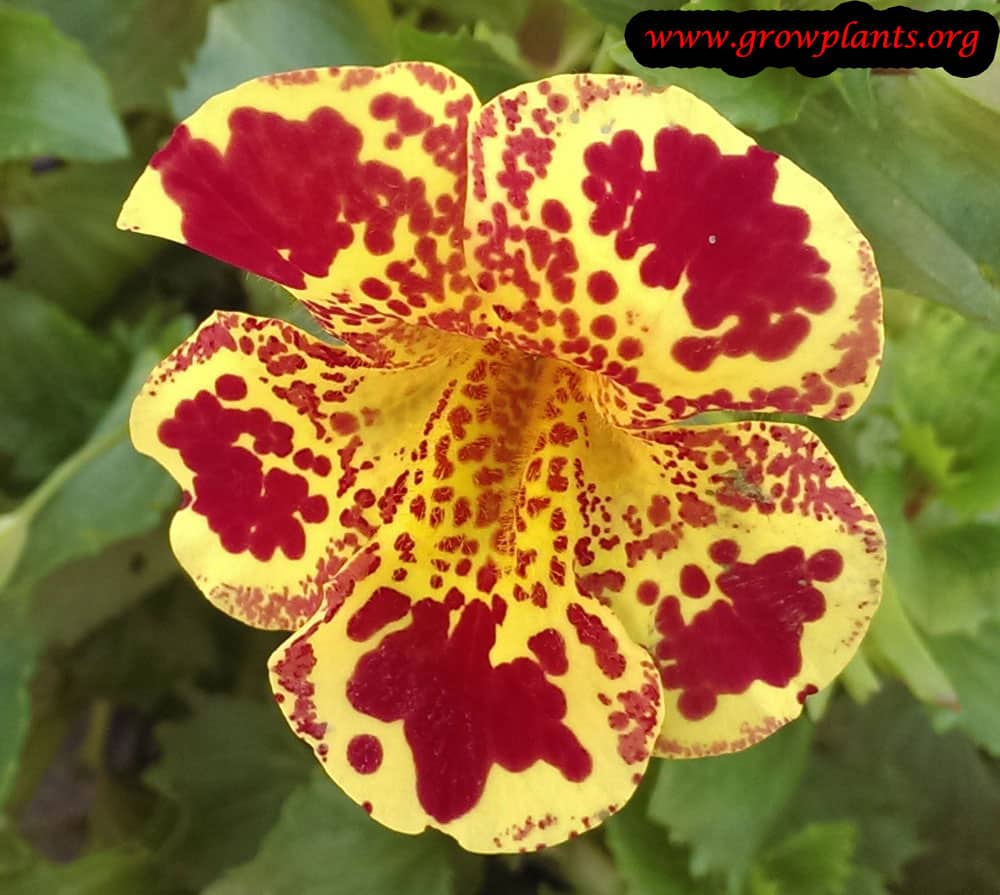
- Flower Appearance: Pouched, slipper-shaped flowers in red, orange or yellow, freckled with dots or stripes
- Edibility: Ornamental only – grown for its curious pouched blooms, not eaten
Detailed Blooming Overview
The pocketbook or slipper flower earns its name from its curious pouched blooms – each flower looks like a little inflated slipper or purse, usually with a small ‘ball’ in the centre. Colours run through warm reds, oranges and yellows, marked with contrasting dots or stripes. It is a cool-season plant that resents heat: in mild-summer areas it flowers through winter and spring, while in hot climates it is grown for an autumn display.
Flower Characteristics
- Pouched, slipper-shaped flowers with a rounded ‘belly’.
- Colours red, orange or yellow, marked with contrasting dots or stripes.
Bloom Care & Thinning
- Keeping it flowering: Keep it cool and evenly moist – heat quickly ends the display – and remove spent flowers and tired leaves.
Pests, Diseases & Troubleshooting
Overview: Pocketbook plant is a soft, cool-growing seasonal pot plant that is highly attractive to aphids and whitefly and very prone to Botrytis grey mould and crown rot in the damp, still conditions it is often grown in. It is short-lived by nature; the aim is to keep it cool, airy and evenly (not overly) watered through its brief display.
Quick Troubleshooting Overview
| Issue / Pest | Main Symptom | Primary Solution |
|---|---|---|
| Aphids | Sticky, distorted growth; virus spread | Insecticidal soap, sticky traps, remove badly hit |
| Whitefly | Clouds of white flies, honeydew, yellowing | Yellow sticky traps, soap/oil, Encarsia |
| Botrytis grey mould | Fuzzy grey rot on leaves, stems, flowers | Airflow, remove affected parts, keep dry |
| Spider mites / thrips | Stippling or silvery streaks, deformed buds | Raise humidity, soap/spinosad |
| Crown / root rot | Wilting, mushy collapse at soil line | Ease watering, drain well, don’t wet crown |
| Heat stress | Sudden wilting and collapse in warmth | Keep cool and shaded; it is a cool-season plant |
Common Pests & Management
- Aphids (Aphis / Myzus spp.):
- Symptoms: The main pest: dense green, peach or black clusters on soft new growth, buds and flower stalks, causing curling, honeydew, sooty mould and – importantly – the spread of viruses.
- Prevention & Control: Inspect frequently and act early: rinse or wipe off colonies, use yellow sticky traps, and spray insecticidal soap. Control aphids promptly, as they readily transmit the viruses that mottle and deform this plant.
- Whitefly (Trialeurodes vaporariorum):
- Symptoms: Tiny white flies that rise in clouds when the plant is disturbed, clustering on leaf undersides with honeydew, sooty mould and yellowing.
- Prevention & Control: Hang yellow sticky traps, introduce Encarsia formosa parasitoids under glass, and spray insecticidal soap or horticultural oil on leaf undersides, repeating to catch newly hatched scales.
- Spider mites (Tetranychus spp.):
- Symptoms: Fine stippling, bronzing and webbing in warm, dry air – a risk if the plant is kept too warm.
- Prevention & Control: Keep it cool and humid (its preferred conditions also discourage mites), hose or wipe foliage, and treat with insecticidal soap if needed.
- Thrips (Frankliniella spp.):
- Symptoms: Silvery streaking and speckling on leaves, deformed buds and flowers, and dark frass; thrips also vector Tomato spotted wilt virus.
- Prevention & Control: Monitor with blue sticky traps, remove affected buds, and treat with insecticidal soap or spinosad; control them to reduce virus risk.
- Fungus gnats & slugs/snails:
- Symptoms: Fungus-gnat larvae feed on roots in the constantly moist mix (small black flies around the pot); slugs and snails chew the soft leaves and flowers.
- Prevention & Control: Let the surface dry slightly between waterings and use sticky traps or Bti for gnats; hand-pick molluscs and use iron-phosphate bait.
Diseases & Fungal Issues
- Botrytis grey mould (Botrytis cinerea):
- Symptoms: The most damaging disease of this soft plant: fuzzy grey-brown mould rotting leaves, stems, buds and flowers, spreading fast in cool, damp, crowded, still air.
- Treatment & Management: Prevention is everything: give good air movement, avoid wetting the foliage and flowers, space plants, and promptly remove faded flowers and any mouldy tissue (bag, don’t compost). Lower humidity around the plant; a labelled botrytis fungicide helps only alongside these cultural fixes.
- Root & crown rot (Pythium / Phytophthora):
- Symptoms: Wilting, yellowing and a soft, blackened collapse at the soil line, from overwatering or water sitting in the crown of this rosette-forming plant.
- Treatment & Management: Water carefully at the soil surface (never into the crown), use a free-draining mix, and never let the pot stand in water. Discard severely affected plants; keep the growing area cool and airy.
- Powdery mildew & leaf spot:
- Symptoms: White powdery patches (mildew) or brown spots on leaves in crowded, humid conditions.
- Treatment & Management: Improve airflow and spacing, avoid overhead watering, and remove affected leaves; sulphur or potassium bicarbonate controls mildew.
- Viruses (TSWV, CMV – aphid/thrips-borne):
- Symptoms: Mottling, ring patterns, yellowing and distorted growth that does not wash off, spread by aphids and thrips.
- Treatment & Management: There is no cure – remove and destroy affected plants and rigorously control the aphid and thrips vectors; start with clean, healthy stock.
Growing Difficulties & Abiotic Problems
- Heat sensitivity:
- Cause & Symptoms: Sudden wilting, flower collapse and rapid decline in warm rooms – this is a cool-season plant that resents heat.
- Correction Strategy: Keep it cool (ideally around 10–16°C), out of direct sun and away from radiators; warmth shortens its already brief life.
- Overwatering & crown wet:
- Cause & Symptoms: Wilting despite moist soil, soft stems and rot where water collects in the crown.
- Correction Strategy: Water from below or at the soil surface, keep the crown dry, use a free-draining mix, and never leave it standing in a saucer of water.
- Short natural lifespan:
- Cause & Symptoms: The plant fades a few weeks after flowering – this is normal, not a failure of care.
- Correction Strategy: Enjoy it as a temporary seasonal display; keeping it cool, airy and evenly watered simply prolongs the show.
What Helps – Products & Tools
Useful items are yellow/blue sticky traps and insecticidal soap for aphids, whitefly and thrips, horticultural oil for whitefly and mites, a labelled botrytis fungicide (used with good airflow) for grey mould, and sulphur or potassium bicarbonate for powdery mildew – but the biggest levers are cool temperatures, ventilation and careful crown-dry watering.