
Plant Profile & Key Characteristics
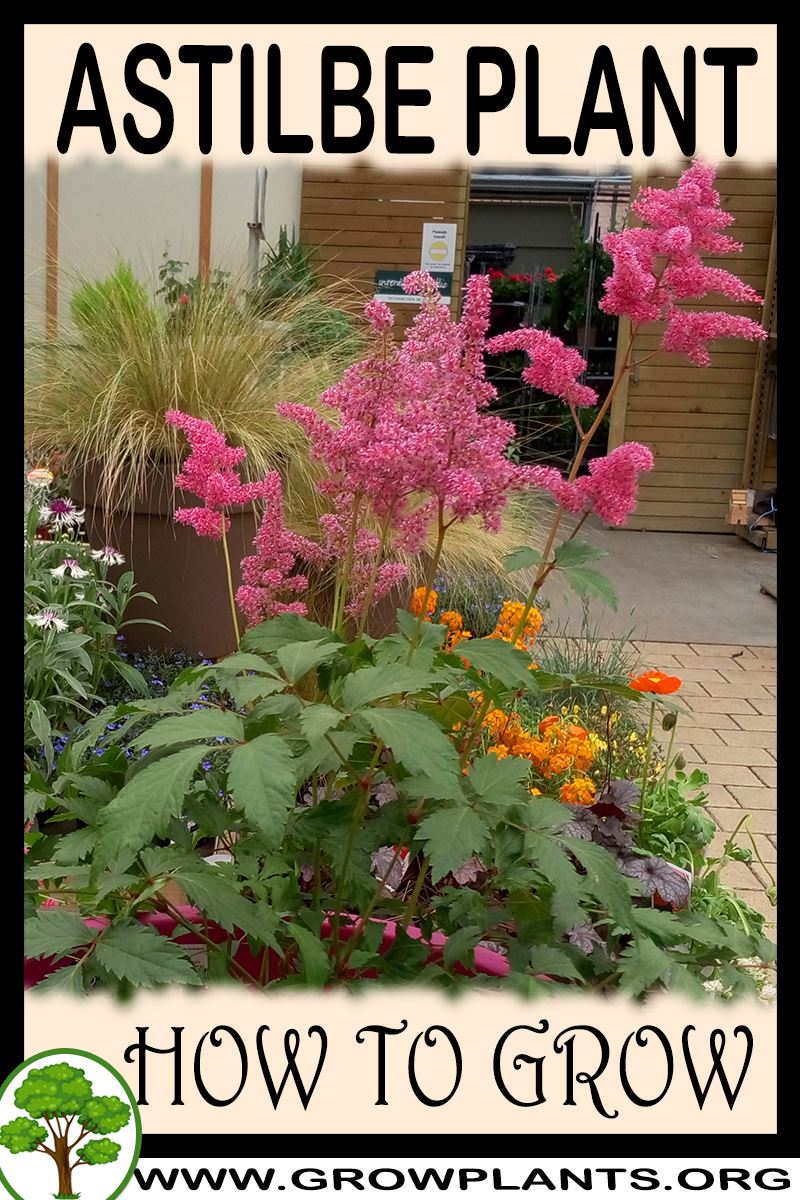
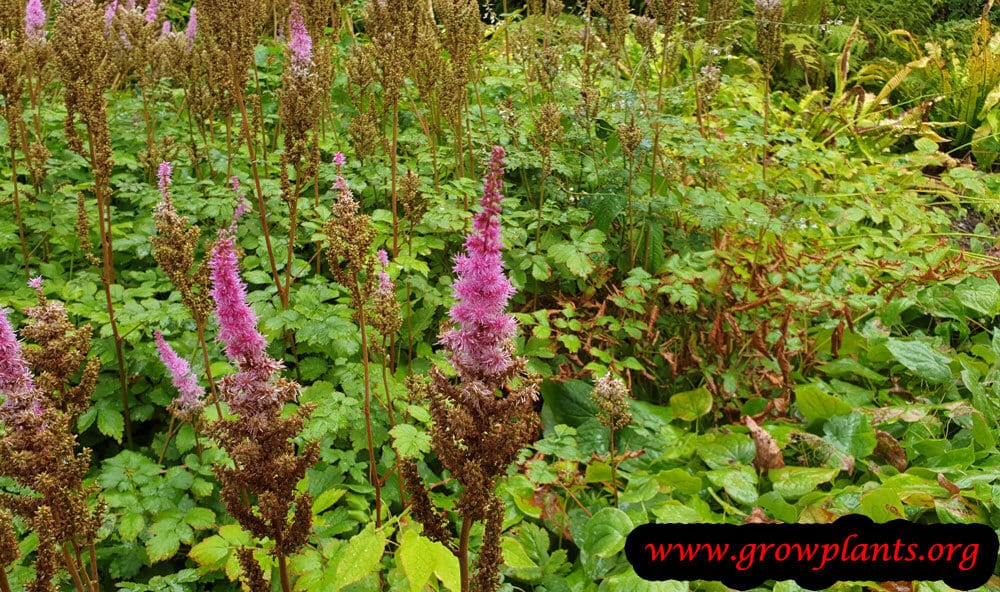
Overview: Astilbe (false spirea) is a herbaceous rhizomatous perennial forming mounds 20-60 cm (8-24 in) tall. This shade- and moisture-loving plant is grown as an ornamental for its feathery plumes and as a cut flower.
Quick Specifications
| Specification | Attribute |
|---|---|
| Plant Type / Life Cycle | Perennial (herbaceous) |
| Foliage Type | Deciduous (evergreen in mild climates) |
| Mature Size | 20-60 cm tall (8-24 in) |
| Growth Rate | Fast to moderate |
| Root System | Rhizomatous |
| Toxicity | Non-toxic (safe around pets) |
| Hardiness | USDA zones 4-10a (10b with care) |
Growth Form & Structure
- Height & Spread: 20-60 cm (8-24 in) tall, forming a mounded clump; grows well in containers with reliable moisture and good drainage.
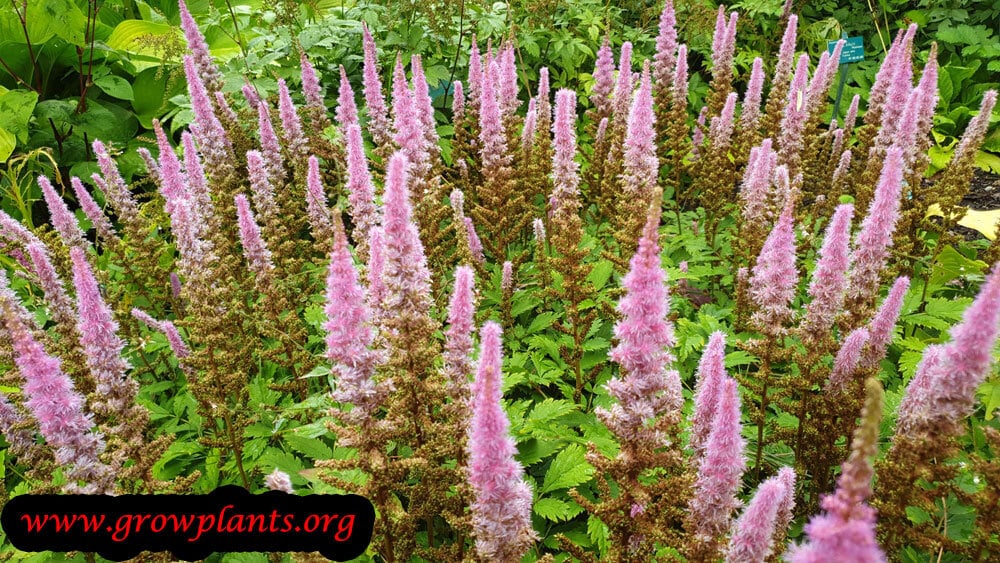
- Growth Habit & Form: Clump-forming rhizomatous perennial with divided ferny foliage and upright flower plumes.
- Lifespan & Maturity: Long-lived perennial; sensitive to transplanting.
Anatomy & Physical Features
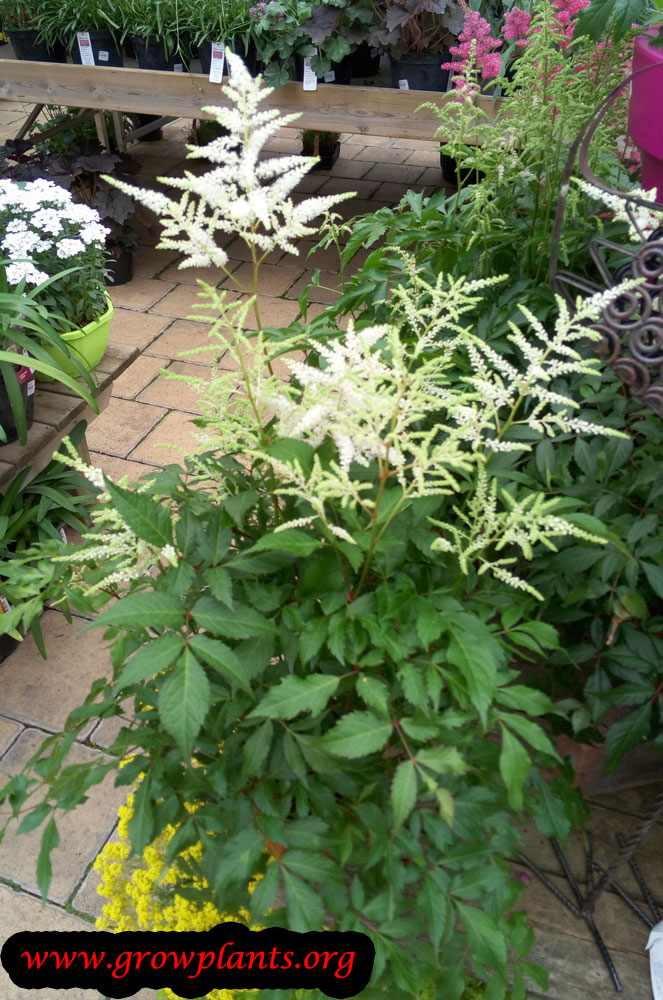
- Leaves & Foliage: Green elliptic leaves with serrated margins, often in groups of 3 to 7 leaflets, giving a ferny look.
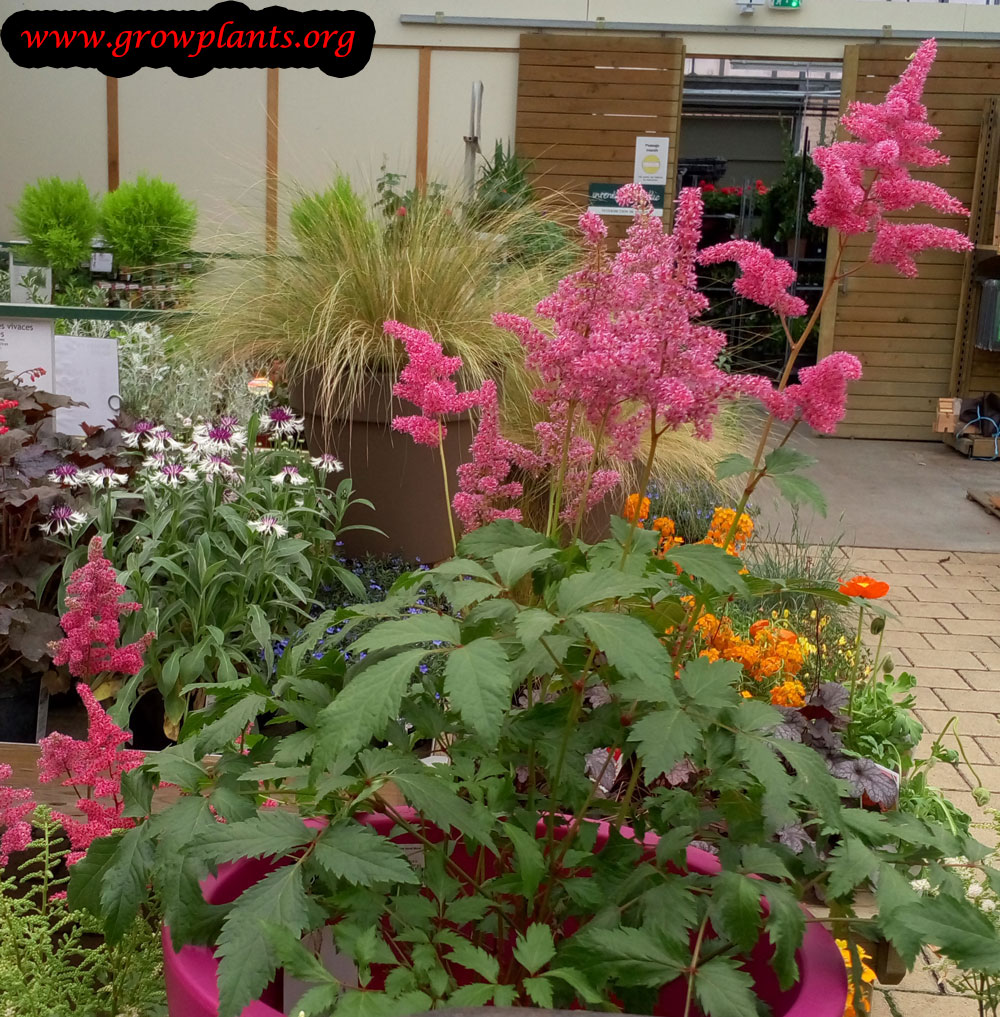
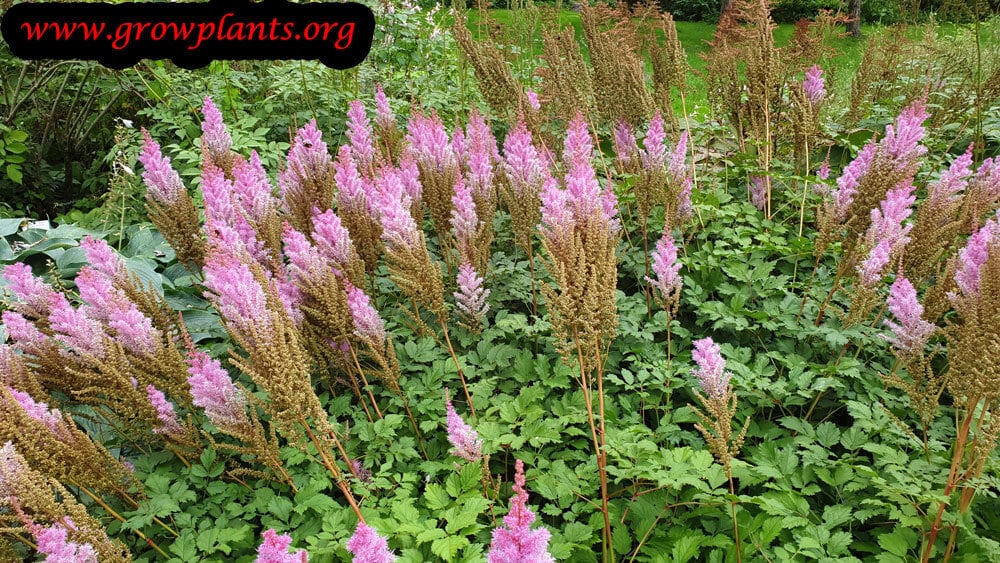
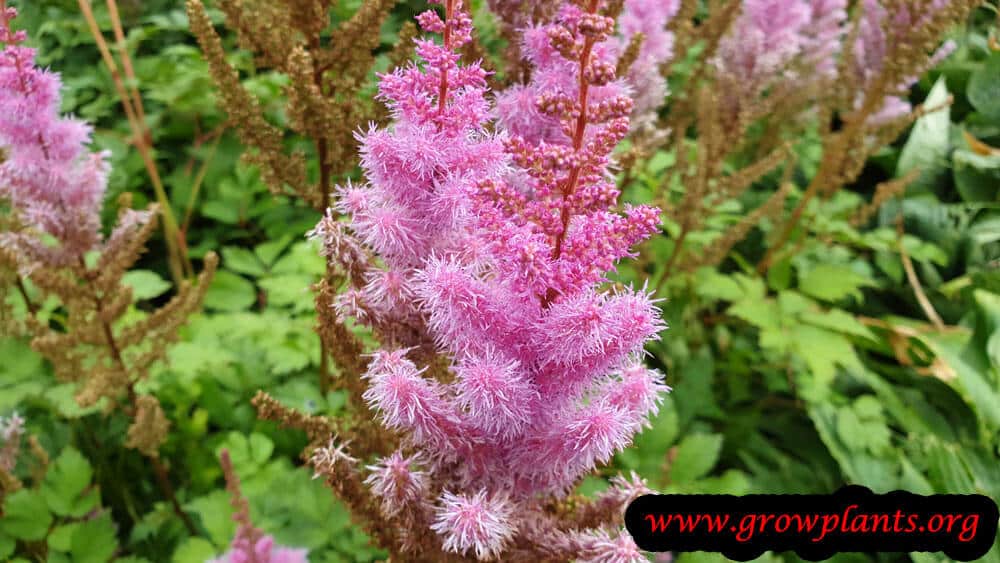
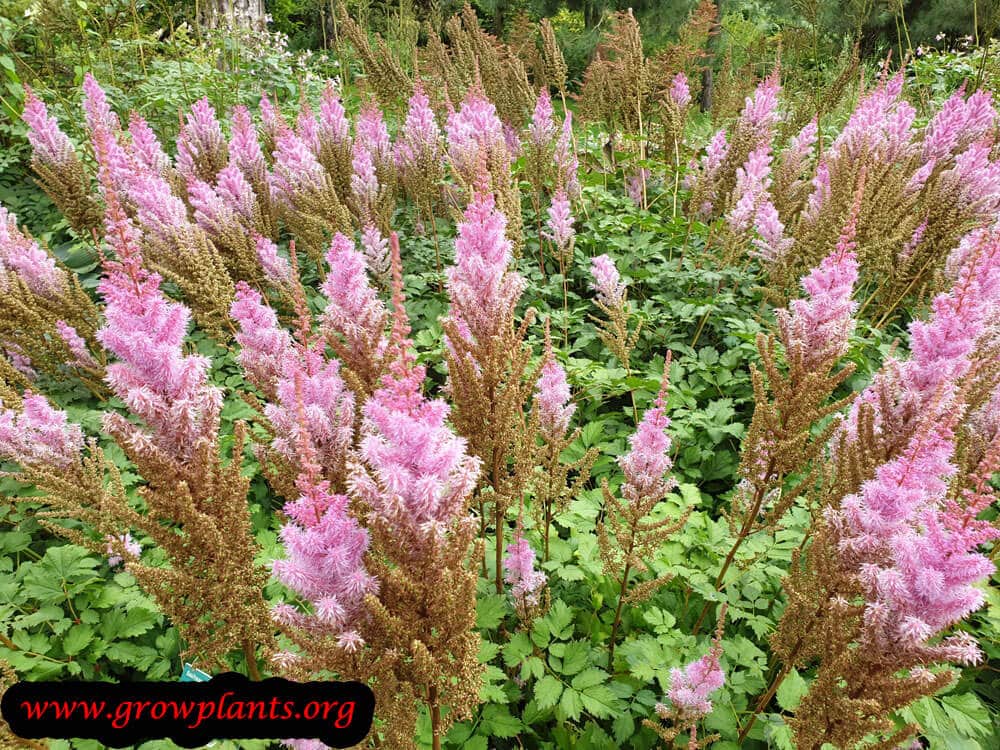
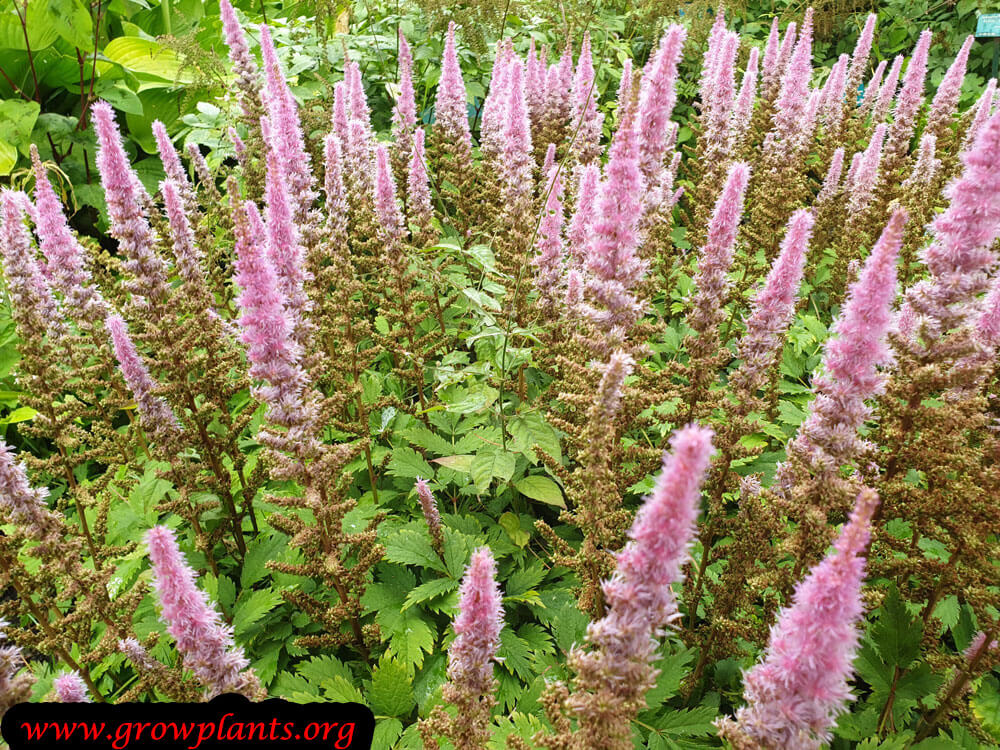
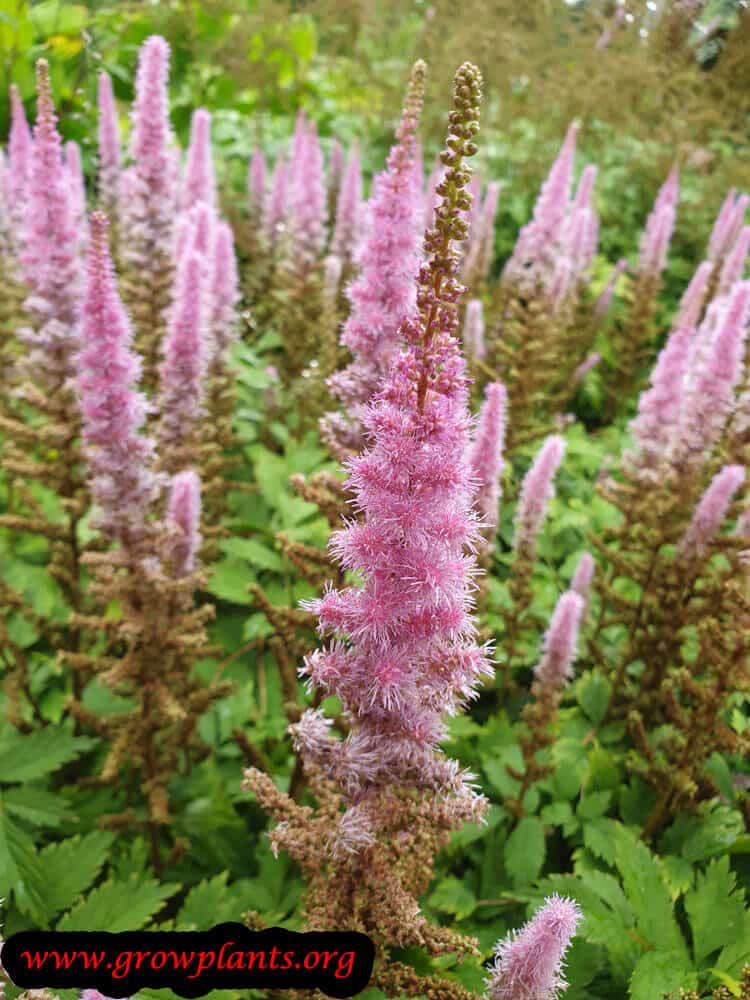
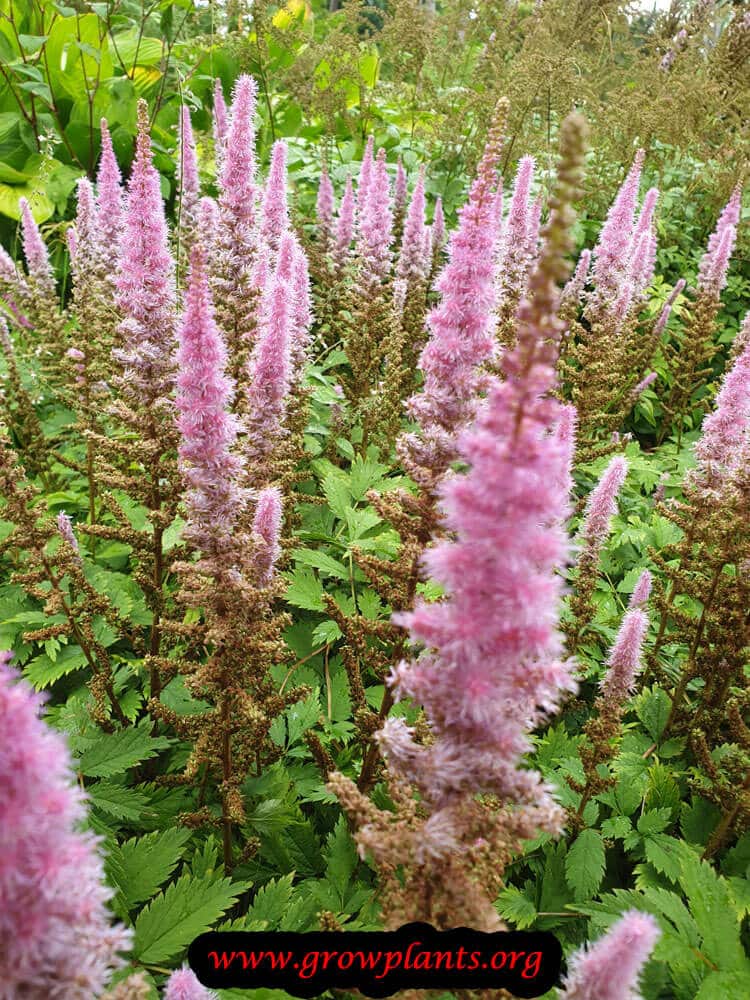
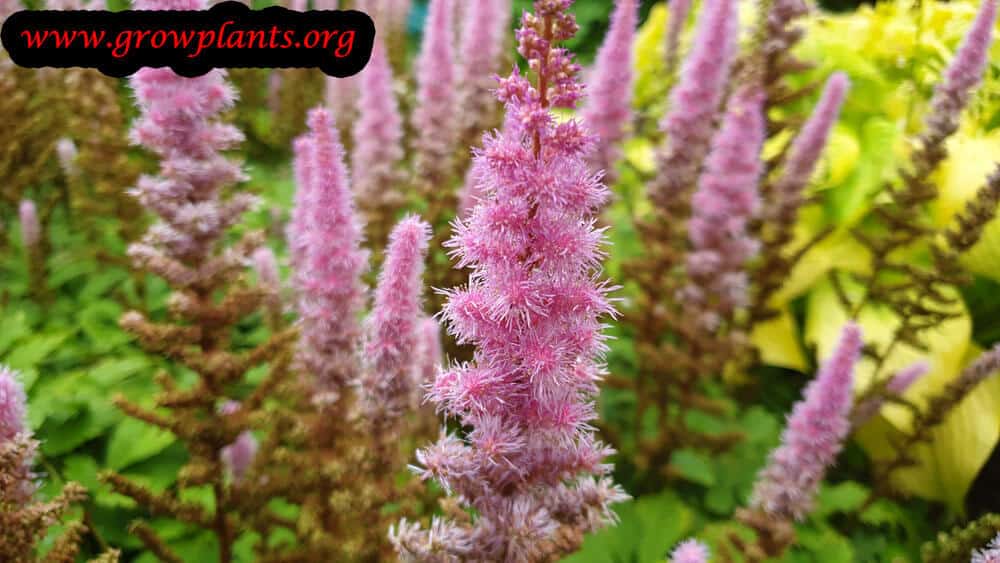
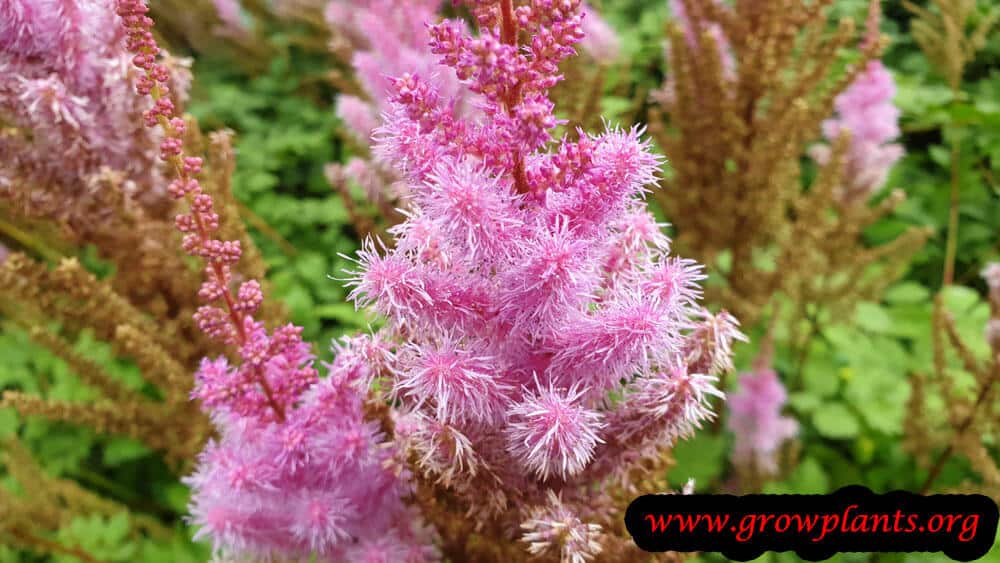
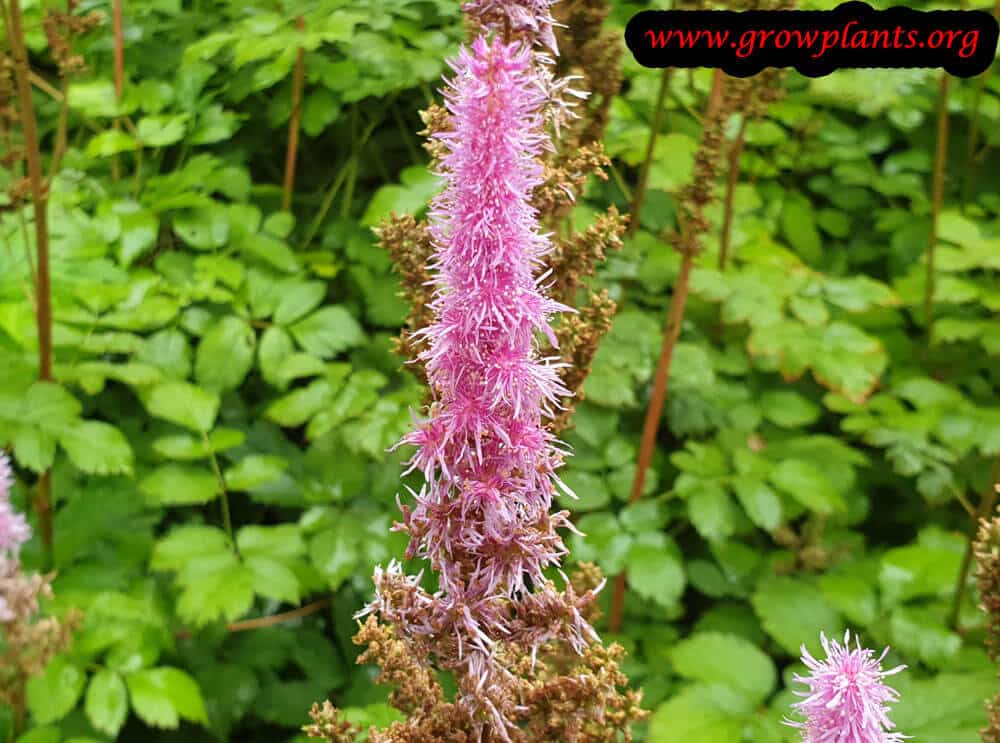
- Flower Characteristics: Fragrant feathery plumes of tiny flowers in red, white, pink, purple, yellow or orange (see Bloom guide).
Primary Uses & Landscape Value
- Functional & Ornamental Roles: Ornamental shade perennial and cut flower for moist borders and containers.
Care Guide: Planting, Soil & Watering
Overview: Astilbe is a moisture-loving herbaceous perennial for cool climates (hardiness zone 4–10a, or 10b with care) that grows in part to full shade. It needs rich, organic, constantly moist soil with good drainage, and shelter from hot afternoon sun.
Quick Care Requirements
| Requirement | Ideal Condition |
|---|---|
| Planting Season | Spring to summer (avoid hot spells); also autumn to winter as established plants |
| Growth Rate | Moderate to fast |
| Soil Type | Rich, organic, moisture-retentive yet well-drained |
| Water Need | Moderate to high – keep evenly moist, never waterlogged |
Planting & Establishment
- Best Planting Season: Plant in spring or summer, avoiding hot days; established plants can also go in from autumn to winter. In hot-summer areas choose the coolest, shadiest spot.
- How to Plant:
- Hole Preparation: Dig a hole about the width of the root ball, disturbing the roots as little as possible – astilbe resents transplanting.
- Soil Amendments: Mix in plenty of rich organic matter, lightened with a free-draining material such as coco coir, and mulch to keep the roots cool and moist.
- Planting Depth: Set the crown at soil level and mulch around it; in cold zones a winter mulch protects the plant.
- Growth Speed & Expectations: Growth is moderate to fast, forming a 20–60 cm clump.
Soil, Watering & Drainage Care
- Soil Mix & Drainage Needs: Rich, organic soil that stays moist but drains freely is essential – the plant wants lots of water but not standing water or puddles. If drainage is poor, water less and never let it sit wet; in containers make plenty of drainage holes and refresh the soil every few years.
- Watering Schedule & Technique:
- Young / Newly Planted: Keep newly planted astilbe constantly moist while it establishes; it never wants to dry out.
- Established: Water established plants deeply and often, ideally in several smaller applications so the soil absorbs it rather than pooling, keeping the soil evenly moist.
- Seasonal Adjustments: Water heavily through warm, dry weather and ease off in winter dormancy.
Climate, Light & Hardiness
Astilbe is a cold-hardy woodland perennial for temperate and cool-Mediterranean gardens; it wants half to full shade, especially where summers run hot, and it tolerates cold winters well down through zone 4.
Quick Climate Specifications
| Climate Zones | Temperate, cool Mediterranean, subtropics (with care) |
|---|---|
| USDA Hardiness Zones | 4–10a; marginally possible in 10b with attentive care |
| Frost Tolerance | High (dormant crown); tender new spring growth can be nipped by late frost |
| Light Conditions | Half Shade to Full Shade |
Sunlight & Light Exposure
Optimal Light Setup
Filtered or dappled shade mimicking woodland conditions suits Astilbe best.
Shade & Heat Management
In hot-summer climates, shade is essential: the plant's own notes warn it may scorch or even die in full sun where summers are hot, so plant it in the coolest, shadiest spot available.
Best Exposure / Orientation
North- or east-facing beds, or positions under high canopy, work well.
Temperature Extremes & Hardiness
USDA Hardiness & Regional Limits
Hardy from zone 4 through 10a; zone 4–6 winters mean genuinely cold conditions down to roughly −34 to −23°C (−30 to −10°F), which the dormant rhizome tolerates well. Zone 10b use is possible only with diligent care.
Cold Damage & Winter Protection
In zone 4–6, winter mulch over the crown is recommended for protection.
Frost Sensitivity
The dormant rhizome is very frost hardy; emerging spring shoots are more vulnerable to a late frost.
Extreme Heat Tolerance
Poor - heat, more than cold, is the real limiting factor for this species; hot sun can scorch or kill it, which is why shade becomes critical as climate warms.
Wind, Humidity & Microclimate
Humidity Preferences
Prefers consistently moist, humid, woodland-type conditions.
Microclimate Recommendations
In warm-summer regions, site Astilbe in the coldest, shadiest microclimate available to offset its heat sensitivity.
Growing in Pots, Balconies & Indoors
Astilbe can be grown as a houseplant and in containers, as the grower confirms – its feathery plumes and ferny foliage are lovely in a shady spot. It is a cool, shade-loving perennial, so indoors it wants a cool, bright room rather than a warm one, and it needs a cold rest in winter to perform again.
Quick Details
- Container Size: A medium pot for a plant of 20-60 cm (8-24 in), with room to keep the roots moist
- Indoor Suitability: Grower rates it as growable indoors; keep it cool, shaded and never dry
- Best Spot: Part to full shade – hot sun can scorch or even kill it in warm areas
- Soil & Drainage: Rich, organic, moisture-holding mix lightened for drainage (e.g. coir); moist but never standing wet
- Watering in Pots: Average to plenty – it wants lots of water but not a waterlogged, puddled soil
Indoors & On the Windowsill
- Indoors: The grower lists it as growable indoors; choose a cool room with bright, indirect light and keep the mix constantly moist – warmth and dryness are its enemies.
- Winter rest: It needs a cold dormancy to flower well, so let it die back and rest cool over winter (a sheltered balcony or unheated room) before regrowth.
- Overwintering: In cold gardens the pot can stay outside in a sheltered spot; the plant is hardy and actually needs the chill.
On a Balcony or Patio
- Light & wind: Bright light with some shelter from harsh midday sun suits it. Pots dry fast in heat and wind, so check moisture daily in warm weather and never let this moisture-lover dry out; shelter tall stems from wind. A drip irrigation kit with a timer can take over that watering check automatically.
- Practicalities: A large, wet pot is heavy – position it before filling, and allow for drainage runoff on paving or decking.
Choosing the Pot, Soil & Long-Term Care
- Pot & drainage: Use a medium pot with strong drainage holes; skip a standing-water saucer to avoid root rot. Terracotta breathes and dries faster, while glazed or plastic pots hold moisture longer, which suits this thirsty plant.
- Potting mix: A rich, well-aerated organic mix – peat or coir with plenty of compost or organic matter, lightened with perlite or vermiculite for drainage.
- Feeding: Potted plants exhaust their soil quickly as nutrients leach out – feed lightly but regularly through the growing season.
- Repotting: Refresh the mix or pot up about every two years; for clumping perennials, lift and divide, trimming the roots and old top growth as you go.
Grower’s Container Tip
- The grower’s watering-and-drainage rule: In his words: swap the soil every few years – once it stops absorbing water well – because astilbe is sensitive to standing water. Make plenty of holes in the base of the pot so excess drains out, and if water still stands, add more holes and check the soil is still healthy.
Fertilizing & Feeding
A moderate feeder that leans on rich, organic-matter-laden soil as much as fertilizer, with a single seasonal feeding ahead of bloom being enough for most plantings.
Quick Fertilizing Specs
| Feeding Level | Moderate feeder |
|---|---|
| Main Nutrient Priority | Balanced feeding paired with generous organic matter for the plume-like flower spikes and ferny foliage |
| Best Feeding Period | Early spring, ahead of the bloom season |
| Organic Options | Compost or other rich organic matter worked into moist, humus-rich soil |
| Reduce/Stop Feeding | Hold off feeding once the plant enters winter dormancy |
| Micronutrients | Usually adequate from organic matter and a complete fertilizer |
| Soil pH | Prefers moist, humus-rich soil on the acidic side |
Feeding by Growth Stage
Spring growth ahead of bloom
Fuel the ferny foliage and developing flower plumes as growth resumes from the rhizome.
| Nutrient direction | A balanced complete fertilizer worked in alongside organic matter supports strong foliage and the flower plumes to come. |
|---|---|
| Timing | Early in the growing season, ahead of the blooming period. |
| Frequency | A single feeding in spring, ahead of bloom, is typically enough for the season. |
| Fertilizer types | A balanced complete fertilizer, Compost or other rich organic matter worked into the soil |
| Precautions | This plant is sensitive to disturbance, so feed without disturbing the shallow rhizome and roots. |
Bloom
Sustain the cone-shaped flower plumes through their bloom period.
| Nutrient direction | Rich, moist, organic-matter soil carries most of the bloom; feeding needs beyond the spring application are usually minimal. |
|---|---|
| Timing | During the bloom period in the warm season. |
| Frequency | Feeding is rarely needed during bloom beyond what was applied earlier in spring. |
| Fertilizer types | A light organic top-dressing if the soil is thin |
| Precautions | Keep the soil consistently moist during bloom; drought stress affects flowering more than any extra feeding would help. |
Winter dormancy
Let the plant die back and rest through winter, protected by mulch in colder climates.
| Nutrient direction | None – withhold fertilizer through winter dormancy. |
|---|---|
| Timing | Autumn through winter, as foliage dies back. |
| Frequency | No feeding at this stage. |
| Fertilizer types | No feeding at this stage; do not fertilize until new growth resumes in spring. |
| Precautions | Withhold fertilizer during dormancy; apply mulch for winter protection instead of feeding. |
Nutrient Deficiency Signs & Corrections
Older fronds pale to yellow-green and flower plumes are sparse or undersized.
| Possible causes | low available soil nitrogen, soil that has become depleted of organic matter, nutrient leaching from the moist soil this plant needs |
|---|---|
| Appears first on | older, lower fronds |
| What to check | recent feeding history, soil organic matter level, how moist the soil has stayed |
| Possible correction | Apply a balanced complete fertilizer in spring and renew organic matter in the bed. |
New fronds show interveinal yellowing while veins stay green.
| Possible causes | soil pH drifting too high for this acid-preferring plant, poorly drained, compacted soil, root stress from transplant |
|---|---|
| Appears first on | newest fronds |
| What to check | soil pH if known, drainage, recent transplanting or root disturbance |
| Possible correction | Correct soil pH toward the acidic side it prefers and apply a chelated iron product per its label if needed. |
Frond margins brown and crisp, with poor or fading bloom.
| Possible causes | insufficient soil moisture, too much direct sun in a hot climate, root competition from nearby plants |
|---|---|
| Appears first on | frond margins and tips |
| What to check | soil moisture consistency, amount of direct sun exposure, mulch depth |
| Possible correction | Increase watering consistency, add mulch, and consider more shade rather than additional fertilizer. |
Pruning, Training & Seasonal Maintenance
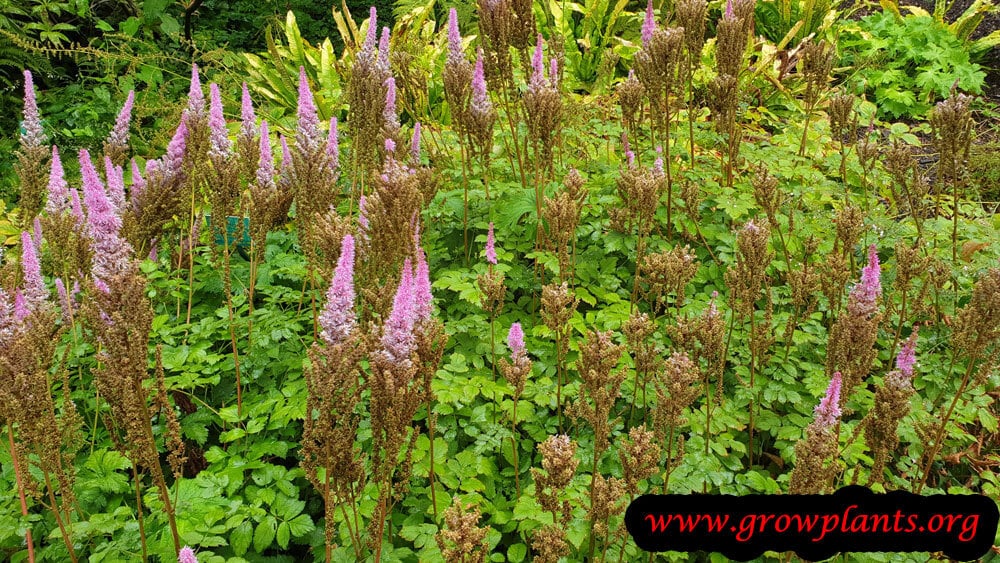
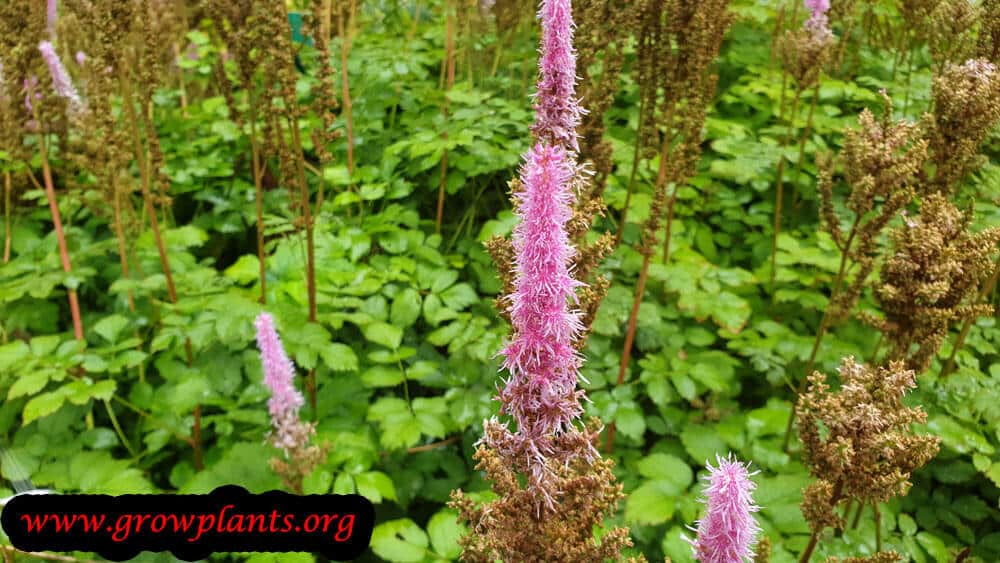
Astilbe is a herbaceous, rhizomatous perennial grown for its plume-shaped flower spikes; it has no woody structure, so pruning is limited to seasonal cleanup rather than shaping. Its dried flower plumes hold ornamental interest into winter, so growers commonly leave them standing after bloom and cut the plant back in late winter, just ahead of new spring growth, rather than deadheading immediately after flowering.
Quick Pruning & Maintenance Specs
| Pruning Tolerance | High – herbaceous perennial, cuts back hard each year without issue |
| Primary Pruning Window | Late winter, before new growth emerges |
| Secondary Maintenance Window | After bloom, if the spent plumes are not being left for winter interest |
| Main Objective | Remove old foliage and spent flower stalks to make way for new spring growth |
| Best Tool Type | Precision snips/bypass secateurs |
Pruning by Plant Age & Size
Newly Established
Leave the plant undisturbed through its first season beyond removing any damaged leaves – astilbe is noted as sensitive to transplant/root disturbance, so minimize unnecessary cutting near the crown while it settles in.
Mature / Established
Each year, cut the previous season’s foliage and flower stalks down to the base in late winter before the new shoots push through, or deadhead spent plumes after bloom if a tidier look is wanted through autumn.
Special Growth to Remove
- Spent flower plumes – can be left standing for winter texture/interest, or cut once faded if preferred.
- Old, dying foliage – cut back to the base in late winter ahead of new growth.
Tools
- precision_snips or bypass_secateurs – the only tools needed for this herbaceous perennial’s soft stems
Tool Hygiene & Disease Risk
Increased: astilbe can carry leaf spot along with thrips and aphids, so removing and discarding (rather than composting on-site) visibly spotted foliage helps limit reinfection the following season; wipe blades if cutting through diseased material before moving to healthy plants.
Cut Placement & Technique
Cut old stems and foliage back close to the crown without gouging into it, since the plant is sensitive to root/crown disturbance.
Post-Pruning Care
Keep the crown mulched over winter in the colder end of its range (zones 4–6) after cutting back. This plant benefits from an annual feeding timed before its bloom season, not as a response to pruning.
Common Pruning Mistakes
- Cutting back too early in autumn and losing the winter texture the dried plumes provide.
- Disturbing or gouging the crown while cutting old stems, given the plant’s sensitivity to root disturbance.
When NOT to Prune
Avoid cutting back while the plant is actively flowering if the display is still wanted, and avoid heavy-handed cuts near the crown, since astilbe is noted as sensitive to transplant/root disturbance.
Recommended Tools (by task)
- Late-winter cutback of old foliage/stalks – precision_snips or bypass_secateurs: soft, non-woody stems need nothing heavier.
- Deadheading spent plumes after bloom – precision_snips: quick, clean removal at the base of the flowering stem.
Propagation Guide
Astilbe divides very easily by its rhizome clump, which is the fastest way to get an established, true-to-cultivar plant – important since several of the site’s own named varieties (like ‘Burgundy Red’ and ‘Fireberry’) are hybrids that won’t come true from seed. The site’s own facts also confirm growing species Astilbe from seed is straightforward, though it requires a cold treatment before sowing and the seedlings are noted as transplant-sensitive; overall this is an easy plant to propagate by either method.
Quick Propagation Specs
| Best Propagation Method | Rhizome Division |
| Alternative Methods | Seed |
| Propagation Difficulty | Easy |
| Seed True-to-Type | Species generally true-to-type; named hybrid cultivars (e.g. ‘Burgundy Red’, ‘Fireberry’) will not come true from seed |
| Vegetative True-to-Type | Yes |
| Best Propagation Season | Division: early spring or autumn. Seed: sow direct in early spring, or even winter, after chilling (site data) |
| Seed Germination Time | 2–6 weeks (site data) |
| Germination Temperature | Cool to moderate – sown outdoors in early spring; the site notes hot days can cause germination problems |
| Seed Sowing Depth | About 1cm (0.5in) (site data) |
Growing from Seed
Seed Handling & Viability
Store seed in a dry location in the refrigerator until sowing (site data).
Dormancy & Pre-Sowing Treatment
Seeds require burying/chilling (cold stratification) before sowing, with a chilling-hours requirement of about 1–2 months (site data).
Sowing Season
Sow direct in the soil in early spring, or even in winter after the chilling period; the site notes hot weather during sowing can cause germination problems, so avoid sowing in summer heat (site data).
Sowing Depth & Orientation
Sow at about 1cm (0.5in) depth. Where grown in nursery rows, the site’s spacing figure of 30x40cm (12x16in) applies to planting out young plants rather than initial seed spacing.
Germination Conditions
Moist soil with good humidity; light to full shade (site data).
Germination Time
2–6 weeks (site data).
Seedling Care
Keep seedlings in moist, rich soil with mulch, in full shade if grown through summer heat; water an average amount, avoiding both overwatering and letting the soil dry out (site data). The site also notes Astilbe is sensitive to transplanting, so when moving seedlings, lift the full root ball with surrounding soil intact, ideally in winter (site data).
Rhizomes, Tubers, Bulbs & Corms
Rhizome Division
Divide established clumps in early spring or autumn, lifting the whole root ball (per the site’s own transplanting note, taking all the roots and surrounding soil) and separating the rhizome into sections that each carry healthy roots and visible growth buds. Division is the reliable way to reproduce a specific named cultivar, since these hybrids do not breed true from seed. Replant divisions promptly in rich, moisture-retentive soil, water in well, and mulch to help re-establishment – young divisions share the same transplant sensitivity noted for seedlings.
Bloom & Flower Guide
Quick Details
- Bloom Season: Late spring through summer, into autumn
- Time to First Bloom: Divisions usually flower their first summer; seed-grown plants take a year or two
- Flower Appearance: Soft, feathery plumes of tiny flowers in red, pink, purple, white, cream or soft orange
- Edibility: Ornamental / cut flower – grown for the plumes, not eaten
Detailed Blooming Overview
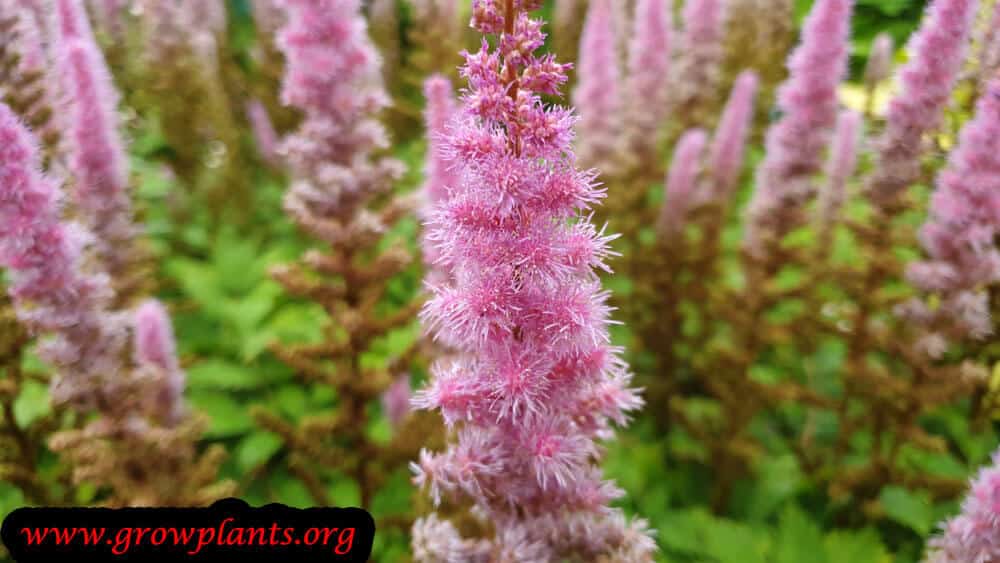
Astilbe is grown for its soft, feathery flower plumes that rise above ferny foliage in shade to part shade. The tiny, lightly fragrant flowers pack into upright, cone-to-pyramid shaped panicles in reds, pinks, purples, whites, cream and near-orange. In the cool, moist conditions it prefers, the plumes last well and make a fine fresh or dried cut flower.
Flower Characteristics
- Tiny flowers massed into upright, feathery plumes (cone to pyramid shaped).
- Colours span red, pink, purple, white, cream and soft orange.
- Good as a fresh or dried cut flower.
Bloom Care & Thinning
- Managing the bloom: Keep the soil consistently moist – astilbe resents drying out, especially while budding and flowering – and feed once a year before bloom.
- Spent plumes: These can be left standing for winter interest or trimmed for tidiness; removing them is not needed for the plant’s health.
Bloom Health & Protection
- Powdery mildew: In crowded, humid, still-air plantings a dusty grey film can settle on buds and leaves; improving airflow and spacing helps, and a sulfur-based fungicide can be used if it takes hold.
Pests, Diseases & Troubleshooting
Overview: Astilbe (Astilbe spp.) is a shade-and-moisture-loving perennial that is largely pest-free; its overriding problem is leaf scorch when the soil dries out, not any insect. Astilbe is a shade-and-moisture-loving perennial that is relatively pest-free; by far its most common problem is not a pest at all but leaf scorch – brown, crisped foliage when the soil dries out or the sun is too strong. Keep it in constantly moist, humus-rich soil in part shade and it stays healthy, with only occasional plant bugs, beetles, aphids or mites, and a little powdery mildew or leaf spot in poor airflow.
Quick Troubleshooting Overview
| Issue / Pest | Main Symptom | Primary Solution |
|---|---|---|
| Leaf scorch (dry soil) | Brown, crispy leaf edges and tips, wilting | Keep soil constantly moist, mulch, give part shade – the #1 issue |
| Tarnished plant bug | Distorted, dimpled new growth and flower stems | Weed control, encourage predators, insecticidal soap/neem |
| Spider mites | Stippled, dull leaves in dry conditions | Keep soil moist, rinse foliage, horticultural oil |
| Powdery mildew / leaf spot | White coating or brown spots on leaves | Improve airflow, avoid wetting foliage, fungicide if needed |
| Root/crown rot | Wilting/collapse in waterlogged, stagnant soil | Moist but drained soil; avoid standing water |
Common Pests & Management
- Tarnished plant bug (Lygus lineolaris):
- Symptoms: Feeding on shoots and flower buds causes distorted, dimpled, or blackened new growth and misshapen plumes.
- Prevention & Control: Keep the surroundings weed-free, encourage natural enemies, remove damaged growth, and treat persistent infestations with insecticidal soap or neem.
- Japanese beetle (Popillia japonica):
- Symptoms: Metallic beetles skeletonise leaves between the veins during their summer flight, leaving lacy foliage where numerous.
- Prevention & Control: Handpick beetles into soapy water in the early morning, avoid lure traps that attract more, encourage natural controls, and use neem to deter feeding on prized plants.
- Black vine weevil (Otiorhynchus sulcatus):
- Symptoms: Adults notch the leaf margins at night, while the more damaging white grubs chew the roots and crown, causing wilting and collapse.
- Prevention & Control: Remove leaf litter, handpick adults at night, and treat the soil with beneficial (entomopathogenic) nematodes to control the root-feeding grubs.
- Aphids (Aphididae):
- Symptoms: Clusters of soft green insects on new shoots and flower stems, with sticky honeydew and distorted growth.
- Prevention & Control: Rinse off with water, encourage ladybirds and lacewings, and treat persistent groups with insecticidal soap on the affected growth.
- Two-spotted spider mite (Tetranychus urticae):
- Symptoms: Fine stippling and a dull cast on leaves in hot, dry conditions – a sign the plant is too dry, which astilbe hates.
- Prevention & Control: Keep the soil constantly moist (the real fix), rinse foliage, raise humidity, and apply horticultural oil or insecticidal soap for persistent mites.
- Foliar nematode (Aphelenchoides spp.):
- Symptoms: Dark, angular blotches spreading between the leaf veins, giving a banded, wedge-shaped browning of the foliage.
- Prevention & Control: Remove and destroy affected leaves, avoid overhead watering and leaf wetness, keep foliage dry, and isolate infected plants; there is no easy cure.
Diseases & Fungal Issues
- Powdery mildew (Erysiphe / Golovinomyces):
- Symptoms: A white powdery coating on leaves in crowded, shaded, poorly ventilated plantings, causing yellowing.
- Treatment & Management: Improve airflow and spacing, avoid overhead watering, remove affected leaves, and apply sulphur, potassium bicarbonate or a horticultural-oil fungicide if it spreads.
- Cercospora leaf spot (Cercospora spp.):
- Symptoms: Brown to purple-bordered spots on the leaves that enlarge and merge in wet, humid weather.
- Treatment & Management: Remove spotted leaves and debris, improve air movement, avoid wetting foliage, and apply a copper fungicide only if it becomes severe.
- Root & crown rot (Pythium / Phytophthora / Fusarium spp.):
- Symptoms: Wilting, yellowing and collapse with dark, decayed roots and crown, in stagnant waterlogged soil (as opposed to the moist-but-drained soil astilbe wants).
- Treatment & Management: Provide moist but well-drained, humus-rich soil, avoid standing water and heavy stagnant ground, remove rotted plants, and improve drainage.
Growing Difficulties & Abiotic Problems
- Leaf scorch from dry soil:
- Cause & Symptoms: The signature astilbe problem: brown, crisp leaf edges and tips, wilting and browning plumes when the moisture-loving roots dry out or the sun is too intense.
- Correction Strategy: Grow in part shade in humus-rich soil kept constantly moist, mulch generously to hold moisture, and never let the root zone dry out – this prevents most ‘astilbe problems.’
- Poor bloom in deep shade:
- Cause & Symptoms: Few or weak plumes when grown in too much shade or allowed to dry out.
- Correction Strategy: Give bright dappled shade (not deep shade), keep soil moist and fertile, and divide congested clumps every few years to renew vigour.
- Winter heaving:
- Cause & Symptoms: Crowns pushed out of the soil by freeze-thaw cycles, exposing and drying the roots.
- Correction Strategy: Mulch over winter to buffer freeze-thaw, and re-firm and re-plant any heaved crowns in spring.
What Helps – Products & Tools
The single most important ‘tool’ for astilbe is consistent soil moisture – mulch and steady watering prevent the scorch that accounts for most complaints. For pests, insecticidal soap and neem cover plant bugs, aphids and mites; beneficial nematodes control vine-weevil grubs; handpicking manages Japanese beetles. For disease, sulphur/bicarbonate fungicides handle powdery mildew and copper handles leaf spot, but airflow and moisture management do most of the work.