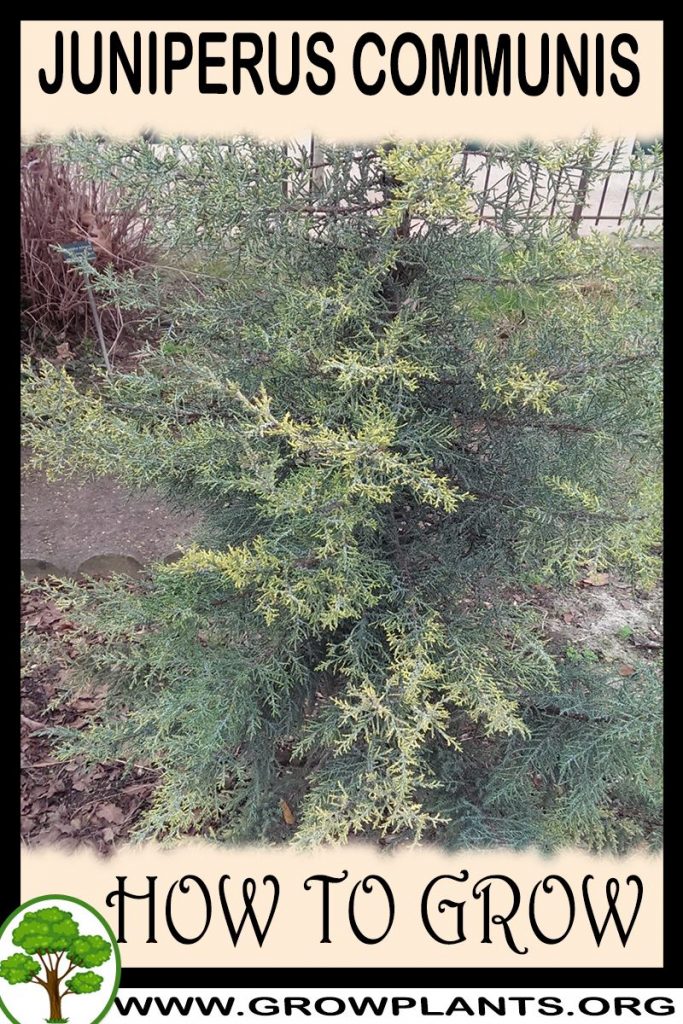
Plant Profile & Key Characteristics
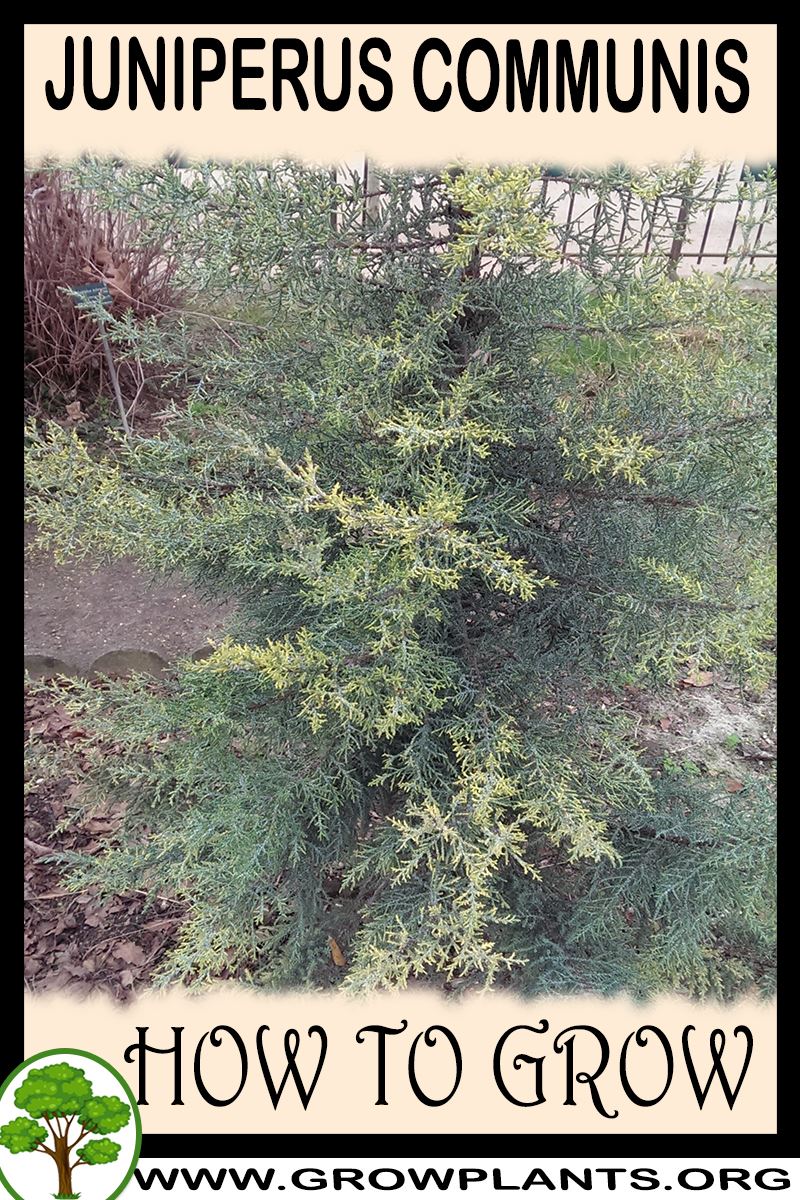
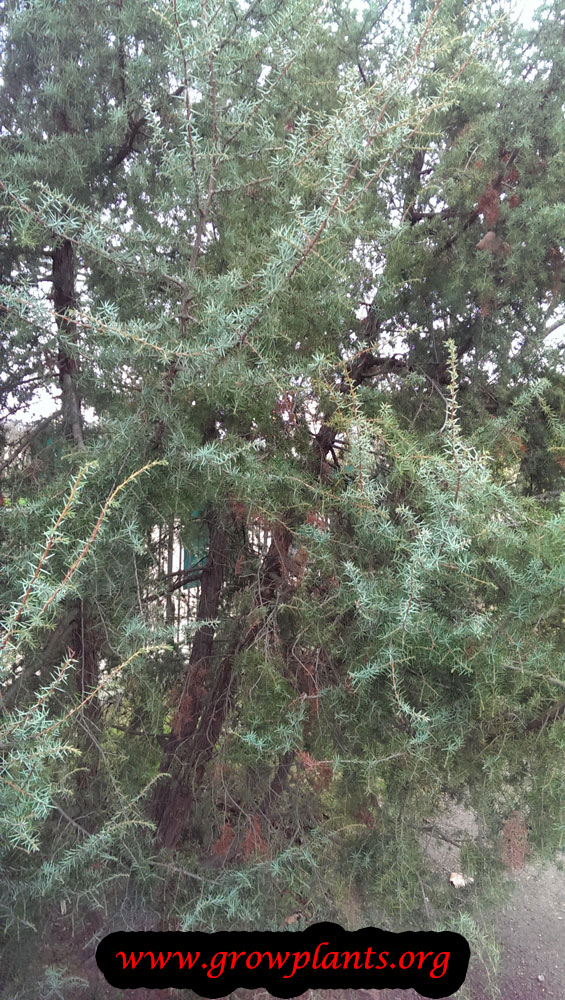
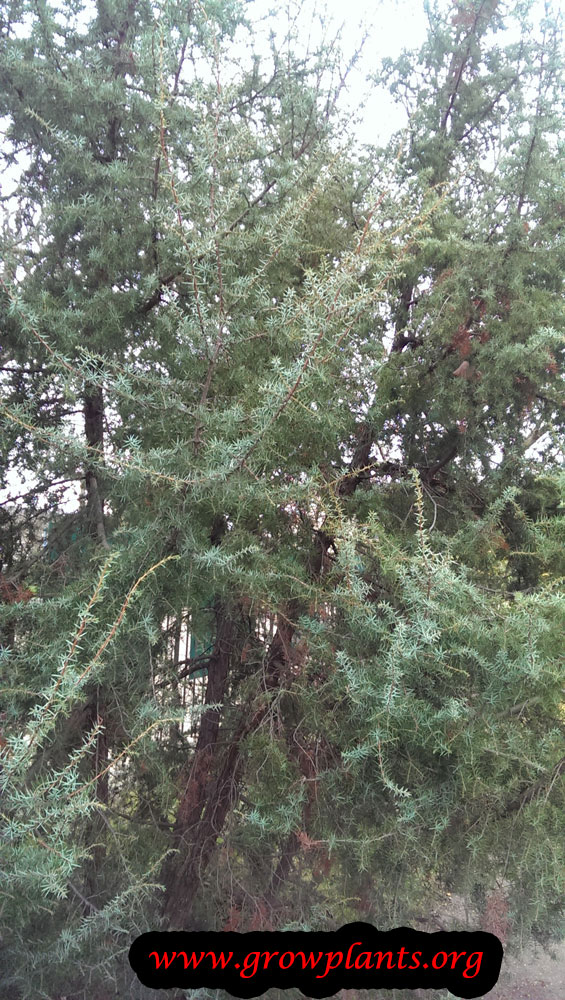
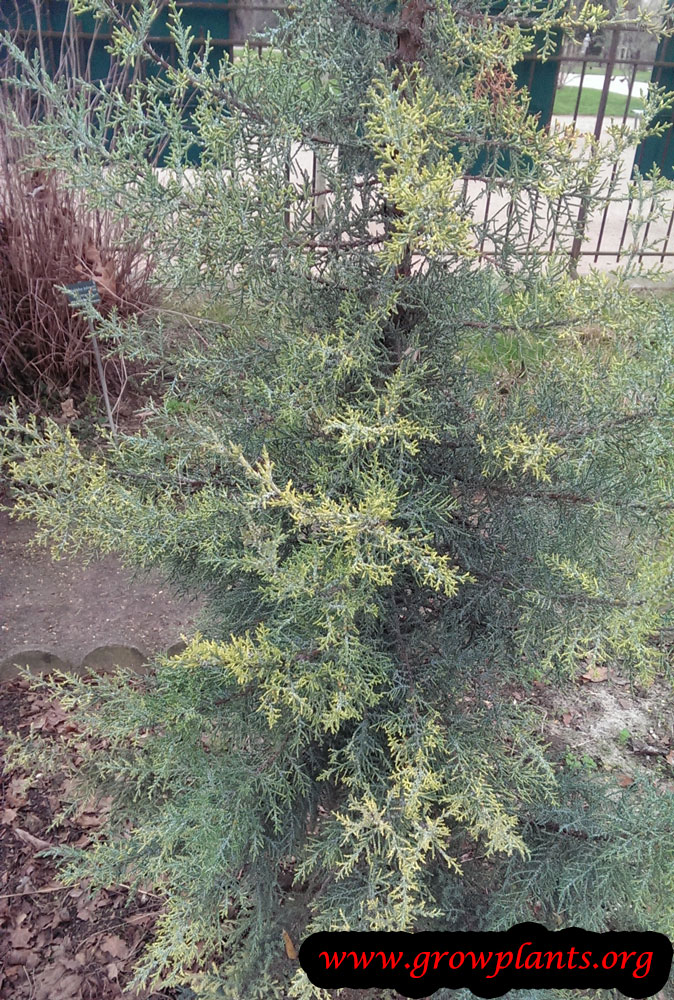
Overview: Juniperus communis (common juniper) is an evergreen coniferous shrub or small tree 3–8 m (10–24 ft) tall, grown ornamentally and for its aromatic edible berries. It is very hardy and suited to hedging and cold-climate gardens.
Quick Specifications
| Specification | Attribute |
|---|---|
| Plant Type / Life Cycle | Perennial |
| Foliage Type | Evergreen (coniferous) |
| Mature Size | 3–8 m tall (10–24 ft) |
| Growth Rate | Moderate |
| Toxicity | Berries edible and used to flavour gin and as a spice; avoid large medicinal doses and use during pregnancy |
| Hardiness | USDA zones 2–9 |
Growth Form & Structure
- Height & Spread: A shrub or small tree 3–8 m (10–24 ft); habit ranges from spreading to upright, and it can be grown in containers.
- Growth Habit & Form: Evergreen conifer, variable from low and spreading to a small upright tree.
- Lifespan & Maturity: Long-lived, slow-to-moderate evergreen conifer.
Anatomy & Physical Features
- Leaves & Foliage: Green, needle-like foliage joined at the leaf base; aromatic.
- Flower Characteristics: Dioecious – small yellow male and female cones on separate plants in spring.
- Fruit Profile: Small berry-like cones ripening blue-black, aromatic and edible.
Primary Uses & Landscape Value
- Edible Uses: Aromatic berries used as a spice and to flavour gin.
- Functional & Ornamental Roles: Ornamental and hedging conifer for cold climates.
Care Guide: Planting, Soil & Watering
Overview: This juniper is a tough, cold-hardy evergreen conifer for temperate and mediterranean climates that thrives in dry, well-drained soil and full sun to light shade. Once established it is notably drought tolerant, asking only for moderate water and, above all, sharp drainage.
Quick Care Requirements
| Requirement | Ideal Condition |
|---|---|
| Planting Season | In spring or summer |
| Growth Rate | Moderate |
| Soil Type | Dry, well-draining soil; tolerant of poor and stony ground |
| Water Need | Moderate while establishing, low once established (drought tolerant) |
Planting & Establishment
- Best Planting Season: Plant in spring or summer once the ground has warmed.
- How to Plant:
- Hole Preparation: Dig a hole about twice the width of the root ball and no deeper than it, loosening the sides so roots spread into the surrounding soil.
- Soil Amendments: Junipers prefer lean, sharply drained soil; on heavy ground add grit or coarse sand rather than rich organic matter.
- Planting Depth: Set the root ball so its top is level with the surrounding soil, keeping the root collar at grade and never mounding soil against the stem.
- Growth Speed & Expectations: Moderate; it fills out steadily into a dense evergreen for hedging, ground cover or specimen use.
Soil, Watering & Drainage Care
- Soil Mix & Drainage Needs: It needs excellent drainage above all and copes with poor, dry, stony soils; avoid heavy, wet ground, which causes root rot. Can be aggressive and is allelopathic, so site it away from plants it may crowd or suppress.
- Watering Schedule & Technique:
- Young / Newly Planted: Water regularly through the first season to settle the roots in, letting the topsoil dry between waterings.
- Established: Once established it needs little water, relying largely on rainfall; water deeply only in extended drought.
- Seasonal Adjustments: Reduce or stop watering over a cool, wet winter, and water occasionally during long summer dry spells.
Climate, Light & Hardiness
Common juniper is a very cold-hardy, drought-tolerant evergreen suited to temperate climates, growing well in full sun to half shade. It prefers cool weather, dry conditions, and well-drained soil over heat and humidity.
Quick Climate Specifications
| Climate Zones | Temperate climates |
|---|---|
| USDA Hardiness Zones | 2–9 |
| Frost Tolerance | High |
| Light Conditions | Full sun or half shade |
Sunlight & Light Exposure
Optimal Light Setup
Grows well in full sun to half shade, well suited to hedge or specimen planting.
Temperature Extremes & Hardiness
USDA Hardiness & Regional Limits
Reliably hardy across an unusually wide range, zone 2–9, one of the most cold-tolerant and widely distributed conifers.
Cold Damage & Winter Protection
Extremely cold-hardy; site guidance specifically favors cold weather for this species, and established plants need no winter protection within their hardiness range.
Frost Sensitivity
Very frost tolerant.
Wind, Humidity & Microclimate
Rainfall & Seasonal Moisture
Prefers dry conditions with well-drained soil; site guidance explicitly calls for dry, well-drained sites, and watering needs are only average.
Microclimate Recommendations
An open, sun-exposed, well-drained site best matches this juniper's preference for cool, dry conditions; avoid poorly drained or waterlogged spots.
Growing in Pots, Balconies & Indoors
Common juniper is not a houseplant, but the grower confirms it grows well in a container – it is a tough, sun-loving conifer that makes a fine patio, courtyard or bonsai subject in a pot for many years.
Quick Details
- Container Size: A roomy pot; dwarf and prostrate forms stay compact for years
- Indoor Suitability: Not an indoor plant – it needs full outdoor light and cool air
- Best Spot: Full sun (light shade tolerated), outdoors
- Soil & Drainage: Sharp, free-draining, gritty mix
- Watering in Pots: Average – let the top of the mix dry between waterings
Indoors & On the Windowsill
- Houseplant reality: Not a houseplant – indoors the light is too weak and the air too warm and still. Keep it outside year-round.
- Windowsill: A cool, very bright unheated porch or sill can hold a small plant briefly, but its home is outdoors.
- Overwintering: Fully cold-hardy; it actually wants the cold and needs no winter indoor protection in most climates.
On a Balcony or Patio
- Light & wind: Give it the sunniest spot; it shrugs off wind and reflected heat. Pots on a balcony or patio dry fast – walls, railings and paving reflect heat – so check moisture often and water more in warm, windy spells. Remember a full pot is heavy and sheds run-off when watered.
- Long-lived in pots: Slow and forgiving – a good choice for a permanent balcony or patio container, and a traditional bonsai subject.
Choosing the Pot, Soil & Long-Term Care
- Pot & drainage: Use a pot with strong drainage holes and skip a standing-water saucer so the roots never sit wet – that is the fastest route to root rot. Terracotta breathes and dries faster, while glazed or plastic pots hold moisture longer.
- Potting mix: A gritty, free-draining mix – potting mix cut with extra perlite or coarse grit; junipers hate wet feet.
- Watering in pots: Average and steady; let the surface dry between drinks – never waterlogged.
- Feeding: Potted plants need feeding a little more often than those in the ground, as regular watering steadily leaches nutrients away – feed lightly through the growing season.
- Repotting: Refresh the mix and pot up about every couple of years, lightly trimming roots and top growth to keep it in balance.
Fertilizing & Feeding
A light feeder overall: modest balanced feeding during establishment is enough, and many established plantings in reasonable soil need very little supplemental fertilizer at all.
Quick Fertilizing Specs
| Feeding Level | Light feeder |
|---|---|
| Main Nutrient Priority | Balanced feeding, mainly to support establishment |
| Best Feeding Period | Spring as new growth resumes |
| Organic Options | Compost worked into the planting area or used as a topdressing |
| Reduce/Stop Feeding | Taper off as the plant fills in and matures |
| Micronutrients | Usually unnecessary in reasonable soil; correct only a diagnosed issue |
| Soil pH | Tolerates a wide range; no special adjustment usually needed |
Feeding by Growth Stage
Establishment after planting
Help a newly planted juniper form new roots and settle into the landscape or a container.
| Nutrient direction | A balanced, modest complete fertilizer supports root establishment without pushing soft top growth. |
|---|---|
| Timing | During the first growing seasons after planting, once new growth shows the plant has rooted in. |
| Frequency | A light feeding as active growth begins, repeated later in the season only if growth still looks sparse. |
| Fertilizer types | A balanced, general-purpose fertilizer for trees and shrubs, Compost or aged organic matter worked into the planting area |
| Precautions | Keep new plantings on the lean side; junipers that grow too rich and soft become more prone to disease and winter injury. |
Established maintenance
Maintain steady, tight growth on an established hedge or specimen juniper without forcing lush new growth.
| Nutrient direction | Very light, balanced feeding is usually enough once the plant is established in reasonable soil. |
|---|---|
| Timing | In spring as new growth resumes, mainly if the plant shows pale color or thin growth. |
| Frequency | An occasional light feeding is plenty; many established junipers in average garden soil need none at all. |
| Fertilizer types | A balanced, general-purpose fertilizer, used only if growth looks pale or thin, A topdressing of compost in place of a synthetic feed |
| Precautions | Avoid routine heavy feeding: overly vigorous growth on junipers is more susceptible to blight and winter dieback, and this species can already compete aggressively with neighboring plants. |
Container-grown plants
Replace nutrients that wash out of a pot faster than they would from garden soil.
| Nutrient direction | A light, balanced feeding through the growing season, since container substrate holds far fewer reserves than garden soil. |
|---|---|
| Timing | Through the active growing season for plants kept in a planter or container. |
| Frequency | Light, regular feedings through the growing season rather than one heavy application. |
| Fertilizer types | A balanced, general-purpose fertilizer suited to container plantings, A controlled-release product mixed into the potting media |
| Precautions | Good drainage matters more than feeding rate; junipers in containers dislike soggy, waterlogged media. |
Nutrient Deficiency Signs & Corrections
Older interior foliage turns pale yellow-green and overall growth slows or thins out.
| Possible causes | low available soil nitrogen, poor, sandy or heavily leached soil, dense shade reducing vigor |
|---|---|
| Appears first on | older, interior needles |
| What to check | recent feeding history, soil type and drainage, amount of sun the plant receives |
| Possible correction | Apply a balanced complete fertilizer and improve soil organic matter, then reassess after new growth appears. |
New growth at branch tips turns yellow while the older needles behind it stay green.
| Possible causes | high soil pH limiting iron availability, waterlogged or compacted roots, root stress from recent transplanting |
|---|---|
| Appears first on | newest growth at branch tips |
| What to check | soil pH and drainage, recent watering pattern, planting depth and root condition |
| Possible correction | Correct drainage and pH issues first, then apply a chelated iron product per its label if the pattern persists. |
Branches or whole sections brown from the inside out or die back unevenly.
| Possible causes | waterlogged, poorly drained soil suffocating roots, drought stress in a very lean, fast-draining site, normal interior needle shedding on older growth |
|---|---|
| Appears first on | interior or lower branches |
| What to check | soil drainage and recent rainfall or irrigation, whether browning is confined to old interior needles or spreading, root condition near the trunk |
| Possible correction | Address the underlying drainage or watering issue; fertilizer will not fix dieback caused by root stress. |
Pruning, Training & Seasonal Maintenance
Common juniper’s growth form is genuinely variable — from a spreading shrub to a small erect tree, per its own facts — so unlike many shrubs, the single most important early decision is committing to a shape while the plant is young, since junipers will not resprout from cut-back bare wood later. Ongoing pruning tolerance is moderate, mainly for hedge/form maintenance and deadwood removal; this species is also noted as an aggressive grower, so containing spread matters throughout its life.
Quick Pruning & Maintenance Specs
| Pruning Tolerance | Moderate, on green growth only |
| Primary Pruning Window | Active growing season for shaping cuts (fastest healing) |
| Secondary Maintenance Window | Light dormant-season correction of thin codominant stems |
| Typical Frequency | 1–2x/year if hedged; otherwise minimal |
| Main Objective | Commit to and maintain a chosen form (shrub vs small tree); remove deadwood/blighted twigs |
| Young Plant Priority | Select and commit to a leader, or a multi-stem shrub form, early |
| Mature Plant Priority | Maintain the chosen form; remove deadwood; control spread/height if hedged |
| Best Tool Type | Bypass secateurs; hedge shears if grown as a hedge |
| Avoid Heavy Pruning During | Wet, humid weather (blight) and peak summer heat |
Pruning by Plant Age & Size
Newly Established
Minimal pruning beyond removing transplant damage.
Young / Formative
This is the critical stage: if growing it as a small tree, select a single (or few) leader(s) and remove competing upright stems at their base; if growing it as a multi-stem shrub or hedge, no leader selection is needed — just shape lightly.
Mature / Established
Maintain the established form; remove deadwood; prevent one shoot re-asserting the opposite habit (for example, a strong upright shoot on an otherwise spreading specimen).
Seasonal Pruning Schedule
| Stage | Objective | Remove | Do Not Remove | Expected Response |
| Summer Canopy Management | Shape/hedge maintenance; easiest to spot blight | Wayward shoots, hedge overgrowth, blighted twigs | Sound green growth within the chosen outline | Fills back in within the same growing season |
| Dormant / Winter | Structural leader correction while stems are thin | The weaker of two competing leaders | The selected leader | Prevents permanent forking as wood thickens |
Structural Pruning & Training
Leader selection while young is the main structural act (see above). Interior thinning is not usually beneficial — the naturally airy, needle-based canopy doesn’t need it the way dense-leaved shrubs do. Renewal pruning does not apply, since this species does not resprout from old wood.
Container & Small-Space Pruning
Container growing is confirmed workable. In a pot, keep the multi-stem shrub form rather than trying to sustain a small-tree leader, which is harder to maintain long-term in confined roots; pinch and trim to control spread within the pot’s footprint, and check drainage, since junipers dislike waterlogged roots.
Tools
- Bypass secateurs for young leader-selection and general shaping cuts.
- Hedge shears if maintained as a clipped hedge, matching its own ‘ornamental hedge plant’ use.
Tool Hygiene & Disease Risk
Increased — juniper twig blight (Phomopsis/Kabatina) is a documented disease risk in this genus, spread readily on pruning tools especially in wet weather. Disinfect between plants and cuts, and avoid pruning wet foliage.
Cut Placement & Technique
Cut to a lateral within green growth. For young leader selection, cut the unwanted competing stem flush at its base rather than shortening it.
Heavy Pruning & Rejuvenation
Not tolerated — no rebudding from bare wood. An overgrown or misshapen specimen generally cannot be reliably rejuvenated by hard cutback.
Post-Pruning Care
Minimal; avoid pruning stress during drought and monitor cut areas for blight in humid weather.
Common Pruning Mistakes
- Letting a nominally shrub-form specimen send up an unwanted vertical leader (or vice versa) without correcting it early, producing a confused, asymmetric plant that can’t be fixed later.
- Using hedge shears for structural leader-selection cuts — too imprecise for that job.
- Pruning in wet weather.
When NOT to Prune
Avoid wet, humid conditions (blight spread) and the hottest, driest stretches of summer.
Recommended Tools (by task)
- bypass_secateurs — young leader selection and general shaping.
- hedge_shears — maintenance where grown and clipped as a hedge.
- blade_disinfectant — juniper blight is a documented, tool-spread risk in this genus.
Pruning Troubleshooting
| Problem | Possible Cause | What to Check | Corrective Action |
| Plant developing a confused/asymmetric form | Competing leaders not resolved while young | Multiple vertical stems of similar vigor | Select the strongest, remove others at the base while still thin; limited correction on older wood |
| Browning twig tips | Phomopsis/Kabatina blight | Cankered, tan/brown twig bases, especially after wet weather | Prune into healthy green wood, disinfect tools, improve air circulation |
| Bare patches after shearing | Cut into leafless interior wood | Cut location relative to the green zone | No reliable fix; avoid this cut going forward |
Propagation Guide
Common juniper is usually grown from seed for typical garden use, though the species is dioecious and seed has deep dormancy that can delay germination for a year or more, so semi-hardwood cuttings are a faster, more predictable alternative – cuttings are also the only way to guarantee the sex (and therefore whether a plant will bear the ornamental blue-black cones) of the resulting plant. Difficulty is Moderate by cuttings and Difficult by seed.
Quick Propagation Specs
| Best Propagation Method | Semi-hardwood stem cuttings (or seed for species-grown stock) |
| Alternative Methods | Seed (slow, erratic germination); layering of low branches on spreading forms |
| Propagation Difficulty | Moderate (cuttings); seed is Difficult due to deep dormancy |
| Seed True-to-Type | Usually true-to-type |
| Vegetative True-to-Type | Yes – also guarantees plant sex, since male and female flowers grow on separate plants |
| Best Propagation Season | Take cuttings in late autumn to winter; sow stratified seed in spring |
| Cutting Rooting Time | Several weeks to a few months |
| Seed Germination Time | Often delayed to the second spring after sowing without extended stratification |
Growing from Seed
Seed Handling & Viability
Remove the fleshy cone pulp before sowing or storing seed, since it can inhibit germination.
Dormancy & Pre-Sowing Treatment
Seed has a hard coat plus embryo dormancy; scarification followed by extended cold, moist stratification improves germination, and untreated seed commonly waits until its second spring to sprout.
Sowing Season
Sow cleaned seed outdoors in autumn for natural stratification, or sow pre-stratified seed in spring.
Sowing Depth & Orientation
Shallow, lightly covered.
Germination Conditions
Cool and evenly moist.
Germination Time
Slow and irregular, sometimes spanning more than one season.
Seedling Care
Keep seedlings lightly shaded while young; note that seed-grown plants are of unknown sex until they mature and flower, since male and female flowers occur on separate plants.
Stem Cuttings
Cutting Type
Semi-hardwood cuttings, ideally taken from a plant of known or desired sex.
Best Timing
Late autumn to winter.
Cutting Preparation
Take cuttings with a heel of older wood, and strip the lower foliage.
Rooting Setup
Free-draining, gritty mix in a humid environment.
Rooting Hormone
Beneficial – speeds otherwise slow juniper rooting.
Rooting Time
Several weeks to a few months.
Bloom & Flower Guide
Quick Details
- Bloom Season: Spring
- Flower Appearance: Small yellow male (pollen) cones and tiny green female cones, on separate plants
- Edibility: Ornamental / none at the bloom stage – grown as a hedge and for its later aromatic cones
Detailed Blooming Overview
Common juniper is a conifer and does not carry true flowers. It is dioecious, so plants are either male or female. In spring the males release pollen from small yellow cones, while the females bear tiny green cones. You need a male nearby for the female cones to be fertilised and go on to develop.
Flower Characteristics
- Male pollen cones are small and yellow.
- Female cones are tiny and green at pollination.
- Dioecious: a plant is either male or female.
Bloom Care & Thinning
- Nothing to deadhead: The cones need no thinning.
- Pollination: Wind carries pollen from male to female plants – grow both if you want the females to develop cones.
- Placement: Full sun and free-draining soil suit juniper best and encourage good coning.
Fruit & Uses
Common juniper is grown for its berry-like cones (botanically a fleshy cone, popularly called a “berry”), which ripen from green to a deep purple-black and are the plant’s only edible part. They are almost never eaten raw off the shrub in quantity — instead they are dried and used sparingly as a pungent, resinous spice.
Quick Edible Specs
| Edible Parts | Fruit (the purple-black, berry-like cones) |
| Main Use(s) | Culinary spice (game meats, marinades, sauerkraut, pickling); flavoring agent for gin; traditionally used in herbal teas |
| Eaten Raw or Cooked | Typically dried and used as a cooked/infused spice rather than eaten fresh; a few ripe berries can be chewed raw but are strongly resinous |
| Preparation Required | None strictly required, but usually dried and lightly crushed before use as a spice |
| Harvest Season | Autumn, once cones have fully colored to purple-black |
| Time to First Harvest | Not a fast crop — the shrub must reach maturity and each cone itself takes multiple growing seasons to ripen (see Fruit section below) |
| Storage | Dries well; store dried berries in a sealed container away from light for long-term spice use |
| Safety/Toxicity Caveat | Use in culinary (spice) quantities only — excessive or prolonged raw consumption can irritate the kidneys and digestive tract; not advised in medicinal doses during pregnancy |
Fruit
The edible part is the rounded, berry-like cone, roughly pea-sized, that ripens from green through blue to a final purple-black colour with a light waxy bloom. Unusually among conifers, the cones take more than one growing season (commonly two to three years) to fully ripen, so a single shrub can carry both green (unripe) and purple-black (ripe) cones at the same time — only harvest the dark, fully coloured ones. They are picked by hand, ideally by rolling ripe cones off the branch rather than pulling green ones. Ripe berries are the classic flavoring for gin and are widely used, usually dried, as a spice for venison, pork, and other game dishes, in marinades, brines, and sauerkraut.
Harvesting
Harvest in autumn, selecting only the fully dark purple-black cones and leaving green, immature ones on the plant to continue ripening. Because ripening is staggered, the same shrub can be checked and picked over more than one session in a season. After picking, spread the berries out to air-dry before storing.
Preparation, Uses & Safety
Dried juniper berries are lightly crushed just before use to release their resinous, pine-and-citrus aroma, then used whole or ground as a spice in savory cooking, or infused for tea. They are also the defining botanical flavoring in gin production. Use in normal culinary spice amounts; eating large quantities of raw berries, or using juniper medicinally over a long period, can be irritating to the kidneys and digestive system, and it is best avoided in medicinal quantities during pregnancy. As with any wild or garden-picked juniper, confirm the species before eating, since not all junipers are safe (see notes on Juniperus sabina, a related but toxic species).
Pests, Diseases & Troubleshooting
Overview: Junipers are tough, drought-hardy conifers, but in the wrong conditions they face chewing and sucking pests (bagworms, spider mites, scale, webworm) and a distinctive set of diseases – the Gymnosporangium rusts that shuttle between junipers and apples/hawthorns, plus Phomopsis and Kabatina tip blights. Good air movement, sun, sharp drainage and prompt removal of infected wood prevent most trouble.
Quick Troubleshooting Overview
| Issue / Pest | Main Symptom | Primary Solution |
|---|---|---|
| Bagworms | Spindle-shaped bags of foliage; branches stripped | Hand-pick bags in winter; Bt on young larvae |
| Spider mites | Fine stippling, bronzing, webbing in dry heat | Hose foliage; horticultural oil / miticide |
| Juniper scale | White then dark bumps on needles, yellowing | Dormant/horticultural oil at crawler stage |
| Juniper webworm | Webbed, browning shoot tips | Prune out webs; Bt or spinosad on larvae |
| Cedar-apple & related rusts | Orange gelatinous galls; on nearby apples too | Prune galls; separate from rosaceous hosts |
| Tip blights | Browning shoot tips dying back | Prune in dry weather; airflow; copper if severe |
Common Pests & Management
- Bagworms (Thyridopteryx ephemeraeformis):
- Symptoms: Small spindle-shaped bags covered in bits of foliage hang from the branches; larvae inside strip needles, and heavy infestations can defoliate and kill sections of an evergreen that does not readily re-leaf.
- Prevention & Control: Hand-pick and destroy the bags through autumn and winter to remove overwintering eggs, encourage birds and parasitic wasps, and spray Bacillus thuringiensis while larvae are young and still feeding outside the bag.
- Spruce spider mite (Oligonychus ununguis):
- Symptoms: Needles become finely stippled, dull and bronzed, with fine webbing; a cool-season mite that also flares in hot dry spells, causing interior browning and thinning.
- Prevention & Control: Rinse the foliage forcefully to dislodge mites, avoid dusty drought stress, and treat with horticultural oil or a miticide; check with a white-paper tap test to time sprays.
- Juniper scale (Carulaspis juniperi):
- Symptoms: Tiny round white-to-grey then darkening scales encrust the needles; foliage yellows, growth stalls, and the plant looks off-color and stunted.
- Prevention & Control: Apply horticultural or dormant oil timed to the crawler stage to smother them, prune out heavily encrusted wood, and keep trees vigorous; repeat as crawlers emerge.
- Juniper webworm (Dichomeris marginella):
- Symptoms: Shoot tips webbed together with browning, dead needles bound in silk; young larvae mine needles before webbing foliage, disfiguring especially upright junipers.
- Prevention & Control: Prune out and destroy the webbed tips, and spray Bacillus thuringiensis or spinosad on young larvae before they are protected inside dense webbing.
- Aphids & tip midge (Cinara / Oligotrophus spp.):
- Symptoms: Sticky honeydew and sooty mold from aphids, or swollen, distorted browning shoot tips from tip-midge larvae.
- Prevention & Control: Hose off aphids and conserve their predators; prune out and destroy midge-galled tips; treat with horticultural oil only where damage is significant.
Diseases & Fungal Issues
- Gymnosporangium rusts (cedar-apple & kin) (Gymnosporangium spp.):
- Symptoms: Brown woody galls on juniper twigs that, in wet spring weather, swell into bright orange gelatinous horns; the fungus needs an alternate rosaceous host (apple, crabapple, hawthorn, quince) to complete its cycle, spotting their leaves and fruit.
- Treatment & Management: Prune out and destroy the galls before they gelatinize, avoid planting susceptible junipers close to apples/hawthorns, choose resistant cultivars, and use preventive fungicide on high-value hosts rather than the juniper itself.
- Phomopsis tip blight (Phomopsis juniperovora):
- Symptoms: New shoot tips turn dull green then reddish-brown and die back; small black fruiting bodies form on dead tissue, worst on young, soft growth in wet weather.
- Treatment & Management: Prune out blighted tips well below the damage in dry weather, sterilize tools between cuts, improve airflow, avoid overhead watering, and apply copper or an appropriate fungicide to protect flushing growth in wet springs.
- Kabatina tip blight (Kabatina juniperi):
- Symptoms: Tips die back in a similar way to Phomopsis but typically on year-old wood in late winter/early spring, often entering through wounds; a grey band marks the junction of live and dead tissue.
- Treatment & Management: Prune out affected tips, avoid mechanical and winter injury, maintain vigor and drainage; fungicides are of limited help since it enters through wounds – sanitation is key.
- Phytophthora root rot (Phytophthora spp.):
- Symptoms: Overall yellowing, thinning and dieback with root and crown decay in heavy, wet, poorly drained soils.
- Treatment & Management: Plant on well-drained sites or mounds, do not overwater, keep mulch off the trunk, and remove plants killed by root rot; junipers demand sharp drainage.
Growing Difficulties & Abiotic Problems
- Winter burn / desiccation:
- Cause & Symptoms: Foliage browns, especially on the windward and sunny sides, when frozen soil prevents roots replacing water lost from the needles in cold, drying winds.
- Correction Strategy: Water well before the ground freezes, mulch the roots, shelter from harsh winter wind, and site plants out of exposed frost-and-wind funnels.
- Interior needle browning:
- Cause & Symptoms: Older inner needles naturally brown and shed, but excessive interior browning also signals shade, poor airflow or mite/blight stress.
- Correction Strategy: Some seasonal shedding is normal; improve light and airflow, shake or blow out dead needles, and rule out mites and tip blight if it is heavy.
- Root rot from wet soil:
- Cause & Symptoms: Yellowing and decline where junipers sit in heavy, poorly drained or over-irrigated ground.
- Correction Strategy: Give them the sharp drainage and full sun they need; raise beds, amend heavy soil with grit, and cut back watering.
What Helps – Products & Tools
Juniper management is cultural first: full sun, sharp drainage, airflow and prompt pruning of infected or webbed wood in dry weather. Horticultural or dormant oil handles scale and mites, Bacillus thuringiensis or spinosad targets bagworm and webworm larvae, and copper fungicide protects new growth from Phomopsis tip blight. For the Gymnosporangium rusts, separate junipers from apples and hawthorns and remove galls rather than spraying the juniper.