


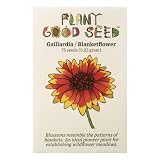


Plant Profile & Key Characteristics
Overview: Arizona blanketflower (Gaillardia arizonica) is a herbaceous annual 20–40 cm (8–16 in) tall grown for its yellow daisy-like flowers over a long season. It is drought-tolerant, pollinator-friendly and suited to borders, ground cover and containers.
Quick Specifications
| Specification | Attribute |
|---|---|
| Plant Type / Life Cycle | Annual |
| Foliage Type | Herbaceous |
| Mature Size | 20–40 cm (8–16 in) |
| Growth Rate | Fast to moderate |
| Hardiness | USDA 5–11 (4 with care) |
Growth Form & Structure
- Height & Spread: 20–40 cm (8–16 in) clump; grows well in 10–15 L (2.5–4 gal) containers.
- Growth Habit & Form: Neat clump-forming herb with wiry flower stems held above the foliage; can be divided.
- Lifespan & Maturity: Fast to flower in its single season from seed.
Anatomy & Physical Features
- Leaves & Foliage: Green lance-shaped leaves in a basal clump.
- Flower Characteristics: Yellow daisy-like flowers with a yellow central disc.
Primary Uses & Landscape Value
- Functional & Ornamental Roles: Drought-tolerant ornamental for sunny borders and ground cover; an excellent pollinator plant and cut flower.
Care Guide: Planting, Soil & Watering
Overview: Blanket flowers are tough, sun-loving plants that do best in light, sharply drained soil and dislike high humidity and wet feet. They are drought-tolerant once established but flower most freely with light, regular watering.
Quick Care Requirements
| Requirement | Ideal Condition |
|---|---|
| Planting Season | Spring in zones 4-10a; spring-autumn in zones 10b-11 |
| Growth Rate | Moderate to fast |
| Soil Type | Light and well-draining; tolerates lean soil, dislikes heavy wet ground |
| Water Need | Moderate – drought-tolerant, but water regularly for best bloom |
Planting & Establishment
- Best Planting Season: Plant in spring in zones 4-10a, or spring to autumn in zones 10b-11.
- How to Plant:
- Hole Preparation: Dig a hole at least 50-150% wider than the root ball; on heavy ground make it larger still and mix in lighter material to sharpen drainage.
- Soil Amendments: Blend in organic matter, dead leaves, compost and humus.
- Planting Depth: Set the crown level with the surrounding soil so it is not buried.
- Growth Speed & Expectations: Fast to moderate growth into a low clump 20-40 cm (8-16 in).
Soil, Watering & Drainage Care
- Soil Mix & Drainage Needs: Drainage is the priority – a light, gritty, well-ventilated mix. In containers use potting mix or peat soil with perlite plus some humus, and provide plenty of drainage holes. Mulch helps in winter dormancy and in hot summers.
- Watering Schedule & Technique:
- Young / Newly Planted: Keep the soil lightly moist while the plant roots in, without waterlogging it.
- Established: Water regularly for the best flowering, but let the plant lean on its drought tolerance rather than sitting wet.
- Seasonal Adjustments: Reduce watering in cool, damp weather; the plant resents standing moisture and high humidity.
Climate, Light & Hardiness
Gaillardia arizonica (Arizona blanketflower) thrives in sunny, well-drained sites across temperate, subtropical, and Mediterranean climates, and needs full sun for its strongest bloom. It is a true annual, completing its life cycle within a single frost-free growing season across USDA zones 5–11, and with a sheltered site it can also be sown into zone 4.
Quick Climate Specifications
| Climate Zones | Temperate, Subtropical, Mediterranean |
| USDA Hardiness Zones | 5–11 (grown as an annual); sowable into zone 4 with a favorable, sheltered site |
| Frost Tolerance | Low (consistent with its annual life cycle) |
| Light Conditions | Full Sun |
| Wind Tolerance | Moderate to High |
Sunlight & Light Exposure
Optimal Light Setup
Full sun is essential for the strongest, most continuous bloom; give it at least 6 hours of direct sun a day.
Direct Sun Requirement
Grows in part shade but flowers noticeably less, and stems tend to stretch and flop when light is limited.
Shade & Heat Management
As a heat- and drought-tolerant dryland native, it rarely needs shade for heat relief; good air circulation in full sun helps offset its dislike of high humidity.
Best Exposure & Orientation
Open, sunny borders or raised beds with reflected warmth suit it best; avoid low, shaded, or damp corners.
Temperature Extremes & Hardiness
USDA Hardiness & Regional Limits
Grown as a warm-season annual across hardiness zones 5–11, completing its life cycle within a single frost-free season; with a favorable, sheltered site it can also be sown into zone 4. This is a matter of life cycle rather than tenderness – the species is a true annual and does not persist through winter even where winters are mild, though self-sown seedlings often return the following year.
Cold Damage & Winter Protection
Growth stops once autumn nights turn cold, and hard frost kills the plant outright; there is no crown to protect or overwinter.
Frost Sensitivity
Low to moderate – tolerates light frost briefly, but a hard freeze ends the plant's growing season for good, consistent with its annual life cycle.
Extreme Heat Tolerance
Very good – native to hot, dry parts of the southwestern United States and well adapted to long, hot growing seasons provided the soil drains freely.
Frost-Free Growing Season
Needs a full frost-free stretch from spring sowing through summer bloom; sow after the last spring frost date for the site.
Wind, Humidity & Microclimate
Humidity Preferences
Dislikes high humidity; still, damp air around the foliage increases the risk of powdery mildew.
Dry-Air Tolerance
Good – well suited to the drier air of arid and Mediterranean-type climates.
Wind Tolerance
Moderate to high – its sturdy, low clumping habit copes well with breezy sites.
Rainfall & Seasonal Moisture
Drought-tolerant once established and prefers modest, well-drained moisture over constantly wet soil; waterlogged ground risks crown and root rot during the growing season.
Microclimate Recommendations
Open, sunny beds with sharp drainage suit it best; use a raised bed or slope in heavy soils and avoid low, damp pockets.
Growing in Pots, Balconies & Indoors
Blanket flower (Gaillardia) is a sun-loving, drought-tough daisy that makes a cheerful, long-flowering container plant for a sunny patio, balcony or terrace. It is not a true houseplant – indoors the light is far too weak for it to bloom, so give it the strongest sun you can and keep it outdoors.
Quick Details
- Container Size: 10-15 L (2.5-4 gal); start with a pot at least 100-200% wider than the root ball
- Indoor Suitability: Not a houseplant – it needs full outdoor sun to flower; at best a very sunny windowsill, and even then it stays weak
- Best Spot: Full sun – a bright, open balcony or patio
- Soil & Drainage: Potting mix or peat with perlite, enriched with humus and organic matter; free-draining with plenty of holes
- Watering in Pots: Average water – let the top dry between waterings; drought-tolerant but flowers best watered regularly, and pots dry fast
Indoors & On the Windowsill
- Houseplant limits: The grower does not recommend it indoors – it is a full-sun plant, so ordinary room light is far too weak and it grows leggy and refuses to bloom.
- Windowsill option: With no outdoor space, only the sunniest possible windowsill (all-day direct sun) gives it a chance, and even then expect fewer flowers than outdoors.
- Overwintering: In cold-winter climates a potted plant can be moved to a bright, cool, frost-free spot for the winter and set back outside once frost has passed – one of the main reasons to grow this short-lived perennial in a pot.
On a Balcony or Patio
- Light & wind: Give it the sunniest, most open spot. On an exposed balcony the flower stems can flop, so add a light stake or choose a compact cultivar; walls and railings throw back heat and dry pots quickly, so check moisture often in warm weather.
- Practicalities: Make sure drainage water can run off cleanly. A 20-40 cm (8-16 in) plant in a 10-15 L pot of moist mix is manageable but not light – set the pot in place before filling.
Choosing the Pot, Soil & Long-Term Care
- Pot & drainage: A 10-15 L pot with plenty of drainage holes; if you use a saucer, let it fill after watering but make sure it drains dry the same day – never leave the roots standing in water or they rot. Terracotta breathes and dries faster, which suits this drought-lover; glazed or plastic holds moisture longer.
- Potting mix: A light, aerated blend – potting mix or peat/coir with perlite, mixed with humus and organic matter.
- Feeding: Potted plants use up nutrients faster as watering leaches them out, so a light feed through the growing and flowering season keeps it going – go easy, since too much feed gives leaves at the expense of flowers.
- Repotting: Pot up or refresh the mix every year or two, giving a light trim of tired growth at the same time.
Grower’s Container Tip
- Sizing and saucer: Start in a pot at least 100-200% larger than the root ball so the roots have room to run; if you stand it on a saucer or tray, let water collect after watering but make sure it drains dry the same day.
Fertilizing & Feeding
A light feeder: blanket flower thrives in lean, well-drained soil, so a light balanced feeding in spring before bloom is usually plenty, with feeding eased off while the plant rests in cool weather. Rich feeding gives leafy growth and fewer flowers.
Quick Fertilizing Specs
| Feeding Level | Light feeder |
|---|---|
| Main Nutrient Priority | Balanced feeding with adequate nitrogen; balanced feeding, not extra phosphorus, drives bloom |
| Best Feeding Period | Spring before bloom, through the active flowering season |
| Organic Options | Compost, humus, and other organic matter |
| Reduce/Stop Feeding | Ease off and hold feeding through cool weather and overwintering |
| Micronutrients | Usually met by a complete fertilizer and organic matter; correct only diagnosed issues such as iron chlorosis |
| Soil pH | Tolerates a wide range; prefers well-drained, near-neutral soil |
Feeding by Growth Stage
Spring flush before bloom
Support the fresh mound of foliage and set the stage for a long flowering display as growth resumes.
| Nutrient direction | A balanced complete fertilizer with adequate nitrogen to build a healthy plant without forcing soft, floppy growth. |
|---|---|
| Timing | In spring as growth resumes, ahead of the main blooming season. |
| Frequency | A light feeding as growth starts is usually plenty for this lean-soil plant. |
| Fertilizer types | A balanced complete fertilizer, Compost, humus, and organic matter worked in |
| Precautions | Feed sparingly; blanket flower blooms best in lean, well-drained soil and rich feeding pushes leaves at the expense of flowers. |
Main flowering season
Sustain steady, well-colored flowers through the long blooming season.
| Nutrient direction | A balanced complete fertilizer with adequate nitrogen; balanced feeding, not extra phosphorus, drives good bloom. |
|---|---|
| Timing | Through the active flowering season. |
| Frequency | Light feeding is usually enough; this drought-tolerant plant flowers well without heavy feeding. |
| Fertilizer types | A balanced complete fertilizer, Compost or humus as a light top-dressing |
| Precautions | Avoid overfeeding and high-phosphorus ‘bloom’ products; excess nutrients give lush foliage and fewer flowers. |
Rebloom after deadheading
Encourage a fresh round of flowers after spent blooms are removed.
| Nutrient direction | A light balanced feeding after deadheading helps refuel the plant for continued flowering. |
|---|---|
| Timing | After deadheading spent flowers during the flowering season. |
| Frequency | A light balanced feeding to support renewed flowering, kept modest. |
| Fertilizer types | A balanced complete fertilizer |
| Precautions | Keep feeding light; deadheading and lean soil, more than fertilizer, keep this plant blooming. |
Cool-season dormancy or rest
Let the plant coast through cool weather or overwintering without pushing tender new growth.
| Nutrient direction | None – no supplemental feeding while the plant is dormant or resting. |
|---|---|
| Timing | During cool weather, winter dormancy, or overwintering. |
| Frequency | No feeding at this stage; resume only when active growth returns. |
| Fertilizer types | No feeding at this stage; do not fertilize until active growth resumes in spring. |
| Precautions | Withhold fertilizer during dormancy; feeding a resting plant wastes nutrients and risks salt buildup and soft, cold-tender growth. |
Nutrient Deficiency Signs & Corrections
Older, lower leaves fade to pale green or uniform yellow and overall growth slows.
| Possible causes | low available soil nitrogen, nitrogen leaching from heavy watering or rain, thin, low-organic-matter soil |
|---|---|
| Appears first on | older, lower leaves |
| What to check | recent feeding history, soil organic matter, watering and drainage |
| Possible correction | Apply a balanced nitrogen-containing complete fertilizer and build soil organic matter, then water evenly. |
New, upper leaves show interveinal yellowing while the veins stay green.
| Possible causes | high soil pH reducing iron availability, waterlogged or poorly drained soil impairing root uptake, genuinely low soil iron |
|---|---|
| Appears first on | new, upper leaves |
| What to check | soil pH, drainage and how wet the root zone stays, overall root health |
| Possible correction | Correct soil pH and drainage first, and apply a chelated iron product per its label if symptoms persist. |
Lush, leafy growth with few flowers, sometimes with scorched leaf margins.
| Possible causes | excess nitrogen from over-fertilizing, fertilizer salt buildup in the root zone, overly rich soil for a lean-soil native |
|---|---|
| Appears first on | new growth and leaf margins |
| What to check | recent fertilizer amounts, soil richness and salt buildup, light levels and deadheading |
| Possible correction | Ease off feeding, water thoroughly to flush accumulated salts, keep the plant in full sun, and deadhead to restore flowering. |
Pruning, Training & Seasonal Maintenance
Gaillardia arizonica (Arizona blanketflower) is a true annual and, at 20-40cm, the smallest and lowest-growing plant of this batch – a compact desert-annual habit rather than a taller mounding perennial form. It completes its life cycle in a single season with no persistent crown, so pruning tolerance is moderate but limited to maintenance: deadheading extends bloom, tip pinching on the low young plant builds fullness, and there is no dormant-season cutback or rejuvenation to perform.
Quick Pruning & Maintenance Specs
| Pruning Tolerance | Moderate – deadheading and tidying only, no structural or rejuvenation pruning (annual, no persistent crown) |
| Primary Pruning Window | Continuous light deadheading through the single growing/bloom season |
| Typical Frequency | Deadhead every 1-2 weeks in active bloom |
| Main Objective | Prolong bloom on a low, compact plant, or stop deadheading late-season to let seed mature |
| Young Plant Priority | One early tip pinch to build a fuller, more floriferous low mound given its naturally small stature |
| Mature Plant Priority | Deadhead through the season; let the last flush set seed before the plant finishes with frost |
| Best Tool Type | Precision snips – thin, soft stems on a small plant |
| Avoid Heavy Pruning During | Early establishment and, if collecting seed, the final bloom flush |
Pruning by Plant Age & Size
Newly Established
Remove only damaged growth; because this is the smallest, lowest form in the batch, one early pinch matters more here than on taller types – it directly multiplies the limited number of flowering stems a compact 20-40cm plant can carry.
Young / Formative
No structural training applies to this low annual habit; shaping is limited to the early pinch and ongoing deadheading.
Established / Peak Bloom
Deadheading is the entire task through the bloom season. There is no multi-year mature stage – like 2641, this species does not persist beyond one season, so no crown division or dormant cutback applies.
Seasonal Pruning Schedule
Ongoing Sanitary (through the single growing season)
Objective: sustain flowering on the compact plant for as long as the season allows. Remove spent flower stems as color fades; leave healthy foliage.
End of Season
Objective: transition from bloom to seed. Stop deadheading on the final flush so seed heads mature before frost; the whole plant is removed at season’s end rather than cut back.
Special Growth to Remove
- Spent flower stems – deadhead through the season if prolonging bloom.
- Dead/damaged leaves as they appear.
Not applicable: rootstock/root suckers, watersprouts, and any dormant-season crown cutback.
Container & Small-Space Pruning
Its naturally small, low stature (the most compact plant in this batch) makes it well suited to pots and small spaces with essentially no size-control pruning needed – deadheading is the only ongoing task, kept on the same schedule as in-ground plants.
Tools
- Precision snips – the only tool needed for deadheading and the early pinch on this small, soft-stemmed annual.
Tool Hygiene & Disease Risk
Routine: clean sharp snips suffice. Shares the documented powdery mildew susceptibility of the genus – remove and discard affected foliage rather than composting it.
Cut Placement & Technique
Deadhead by cutting the flower stem just above the nearest leaves, not flush at the base.
Heavy Pruning & Rejuvenation
Not applicable. As a true annual with no persistent crown, there is no hard cutback or rejuvenation cycle – the plant is removed once its single season ends.
Post-Pruning Care
Water at the plant’s normal moderate level; it dislikes high humidity, so avoid overwatering after deadheading. Watch for slugs, a documented pest, especially on the low, ground-hugging foliage of this compact species. No pruning-triggered fertilizing is warranted.
Common Pruning Mistakes
- Attempting a dormant-season rejuvenation cutback as if this were a perennial – there is no crown to regrow from.
- Skipping the early pinch, which matters more here than on taller Gaillardia given how few flowering stems a 20-40cm plant carries.
- Deadheading right up to frost with no seed left if self-sowing or reseeding is wanted.
When NOT to Prune
- Immediately after transplanting, before establishment.
- On the final bloom flush, if seed collection or self-sowing is wanted.
Recommended Tools (by task)
- precision_snips – the sole tool needed for deadheading and the early formative pinch on this small, soft-stemmed annual.
Propagation Guide
Gaillardia arizonica (Arizona blanketflower) is grown as an annual and is best started from seed sown fresh each year. Division of an actively growing plant is possible within the same season using the site’s method, but it does not carry the plant over as a permanent clump.
Quick Propagation Specs
| Best Propagation Method | Seed |
| Alternative Methods | Division of an actively growing clump, within the same growing season only |
| Propagation Difficulty | Easy |
| Seed True-to-Type | Usually true-to-type when isolated from other Gaillardia, which can cross-pollinate with it |
| Vegetative True-to-Type | Yes, for divisions taken within the same season |
| Best Propagation Season | Spring for sowing seed |
| Germination Temperature | Roughly 15–24°C (60–75°F), typical for the genus |
Growing from Seed
Sowing Season
Sow in spring, as with other annual Gaillardia.
Sowing Depth & Orientation
Sow shallowly; Gaillardia seed generally germinates best with some light exposure rather than being buried deeply.
Germination Conditions
A warm (around 15–24°C / 60–75°F), sunny position with lightly, evenly moist soil suits germination.
Germination Time
Usually within a few weeks; germination can be uneven.
Seedling Care
Grow seedlings in full sun with lightly moist soil while young, then let it dry more between waterings as plants establish.
Division, Offsets, Pups & Suckers
Because this is an annual, division mainly serves to multiply an already-growing plant during the same season rather than to maintain a permanent clump. Water the ground for a few days beforehand to loosen the soil, dig up the plant by hand to avoid damaging the roots, and where sections are joined, sever the connection cleanly with a cutter before replanting promptly. Plants stay compact (about 20–40cm / 8–16in), so only divide once reasonably established.
Bloom & Flower Guide
Quick Details
- Bloom Season: From early summer through autumn in temperate zones, and nearly year-round where winters stay frost-free
- Time to First Bloom: Fast — from an early sowing it typically flowers in its first year, often within a few months of germinating
- Flower Appearance: Yellow flowers with a yellow central disc; daisy-like heads with a central disc ringed by ray florets
- Edibility: Ornamental — grown for its long-lasting daisy flowers; non-toxic, but not a culinary crop
Detailed Blooming Overview
Gaillardia, the blanket flower, is a tough, sun-loving member of the daisy family (Asteraceae) prized for months of warm-toned, daisy-like heads. Each “flower” is really a head of many tiny florets — a central disc surrounded by a ring of rays — and it keeps opening fresh blooms right through the warm season, drawing bees and butterflies while shrugging off heat and drought.
Flower Characteristics
- Yellow flowers with a yellow central disc.
- Each daisy-like head is a central disc encircled by ray florets, often banded in two tones.
- Rich in nectar and pollen — a reliable magnet for bees and butterflies.
Bloom Care & Thinning
- Deadheading: as the colour fades, cut the spent flower stem back to just above the leaves — this keeps fresh buds coming all season.
- Light & soil: full sun and free-draining soil give the most flowers; rich, damp ground gives lush leaves and fewer blooms.
- Longevity: regular deadheading also stops the shorter-lived kinds exhausting themselves, helping them carry on flowering into the next season.
Bloom Health & Protection
- Aster yellows, a phytoplasma spread by leafhoppers, can distort the blooms into greenish, deformed heads; there is no cure, so affected plants are best removed and leafhoppers kept in check.
- Powdery mildew may film the foliage and buds in humid, crowded spots; better airflow, careful watering and a sulfur- or potassium-bicarbonate-based fungicide help.
- Aphids can gather on buds; a jet of water or insecticidal soap manages them.
Pests, Diseases & Troubleshooting
Overview: Blanket flowers (Gaillardia) are tough, sun-loving prairie daisies that stay remarkably clean when grown hard, lean and dry — most trouble follows from too much water, crowding or shade rather than from pests. The two things that genuinely shorten their lives are wet, poorly drained soil (crown and root rot) and aster yellows spread by leafhoppers, so drainage and vector control matter more than routine spraying. Manage them the organic, cultural way first: full sun, airy spacing, sharp drainage and lean soil, stepping up to soaps, oils or a mild fungicide only when a problem is confirmed.
Quick Troubleshooting Overview
| Issue / Pest | Main Symptom | Primary Solution |
|---|---|---|
| Aphids | Sticky clusters on buds and new shoots, distorted tips | Blast with water, encourage ladybirds, insecticidal soap if heavy |
| Aster yellows (via leafhoppers) | Green, tufted, deformed “witches’-broom” flowers; yellow stunted growth | No cure — pull and destroy infected plants, control leafhoppers & weeds |
| Spider mites | Fine pale stippling and webbing in hot, dry spells | Raise humidity, hose foliage, apply horticultural oil |
| Powdery mildew | White powdery film on leaves in humid, crowded plantings | Improve airflow, avoid overhead water, sulfur or potassium-bicarbonate spray |
| Crown / root rot | Sudden wilt, blackened base, plant collapses — often after wet winter | Improve drainage, plant high, never overwater; usually fatal once advanced |
| Slugs & snails | Ragged holes and slime trails on seedlings and low leaves | Hand-pick at night, iron-phosphate bait, grit barrier |
Common Pests & Management
- Aphids (Aphis / Macrosiphum spp.):
- Symptoms: Soft green, yellow or black insects clustered on flower buds, stem tips and leaf undersides; curled, distorted new growth, sticky honeydew and later black sooty mold. Ants “farming” the colonies are a giveaway.
- Prevention & Control: Encourage ladybirds, lacewings and hoverflies; avoid over-feeding with nitrogen, which forces soft aphid-prone growth. Dislodge colonies with a firm jet of water, then use insecticidal soap or neem oil on the undersides if numbers stay high.
- Aster leafhopper (Macrosteles quadrilineatus):
- Symptoms: Small, wedge-shaped green insects that hop or fly when disturbed; direct feeding causes pale flecking, but their real damage is transmitting the aster yellows phytoplasma (see diseases). Watch for the signature deformed, greenish tufted flowers that follow.
- Prevention & Control: Keep the bed and surrounds weed-free (weeds are the yellows reservoir); floating row cover protects valuable plantings. Sticky traps monitor flights; insecticidal soap or neem knocks numbers back, but removing infected plants promptly matters most.
- Two-spotted spider mite (Tetranychus urticae):
- Symptoms: Fine yellow-white stippling that gives leaves a dull, sandblasted look; fine webbing on undersides and between leaves in hot, dry, dusty conditions. Leaves bronze and drop in bad infestations.
- Prevention & Control: Mites thrive on drought-stressed, dusty plants — hose foliage periodically and keep plants adequately (not excessively) watered. Predatory mites help; horticultural or neem oil applied to undersides, repeated at 5–7 day intervals, breaks the cycle. Avoid broad-spectrum insecticides that kill mite predators.
- Whitefly (Trialeurodes vaporariorum):
- Symptoms: Tiny white moth-like insects that flutter up in clouds when foliage is disturbed; nymphs on leaf undersides suck sap, causing yellowing, honeydew and sooty mold. Most common on soft growth and in sheltered, warm spots.
- Prevention & Control: Yellow sticky traps catch adults and monitor build-up; encourage parasitic wasps and lacewings. Spray insecticidal soap or neem to the undersides in the cool of evening, repeating to catch newly hatched nymphs.
- Thrips (Frankliniella spp.):
- Symptoms: Slender pale insects hiding in buds and flowers; silvery scarring and streaking on petals and leaves, distorted or flecked blooms, tiny black fecal specks. They can also spread viruses.
- Prevention & Control: Remove spent flowers and plant debris where they breed; blue sticky traps monitor them. Encourage predatory mites and minute pirate bugs; spinosad or insecticidal soap helps in heavy infestations — apply in the evening to protect bees.
- Slugs & snails (Deroceras, Cornu spp.):
- Symptoms: Ragged holes chewed in seedlings, young leaves and low foliage, with tell-tale silvery slime trails; worst in wet weather and on soft new plantings.
- Prevention & Control: Hand-pick after dark, water in the morning so soil dries by night, and clear hiding places (boards, dense mulch against crowns). A grit, copper or wool barrier protects young plants; scatter iron-phosphate bait if pressure is high.
Diseases & Fungal Issues
- Aster yellows (phytoplasma):
- Symptoms: The classic Gaillardia signature — flowers become green, stunted and tufted with leafy “witches’-broom” petals; overall yellowing, spindly upright growth and no proper bloom. Spread by leafhoppers, not by soil or tools.
- Treatment & Management: There is no cure. Dig and destroy affected plants promptly (do not compost), control leafhoppers, and remove nearby weed hosts such as dandelion, plantain and wild lettuce that harbour the phytoplasma.
- Powdery mildew (Golovinomyces / Podosphaera spp.):
- Symptoms: White to grey powdery patches on upper leaf surfaces and stems, mostly in humid weather or where air is stagnant; leaves may yellow and distort. Rarely fatal but weakens plants and mars appearance.
- Treatment & Management: Space plants for airflow, site in full sun, and avoid wetting foliage late in the day. Remove badly affected leaves; treat with sulfur, potassium bicarbonate or a horticultural-oil spray, and choose vigorous, well-grown plants that resist it better.
- Downy mildew (Plasmopara / Basidiophora spp.):
- Symptoms: Yellow angular blotches on the upper leaf with greyish or purplish downy growth on the underside in cool, wet, humid conditions; leaves brown and die back from the base upward. Unlike powdery mildew it favours wet, cool weather.
- Treatment & Management: Improve drainage and spacing, avoid overhead irrigation, and clear infected debris. Copper-based fungicides give protection in persistently wet spells; keep plants lean and open so foliage dries quickly.
- Leaf spots (Septoria / Cercospora spp.):
- Symptoms: Small round to angular brown or purplish spots, sometimes with a pale centre or yellow halo, on lower and older leaves first; heavy spotting causes yellowing and leaf drop in warm, wet weather.
- Treatment & Management: Remove and destroy spotted leaves, mulch to stop soil splash, water at the base, and keep plants open. Copper fungicide protects new growth if spotting is persistent; rarely needs more than sanitation.
- Botrytis / gray mold (Botrytis cinerea):
- Symptoms: Fuzzy grey-brown mould on faded flowers, buds and crowded stems in cool, damp, still conditions; flowers rot and stems collapse. Enters through spent blooms and dead tissue.
- Treatment & Management: Deadhead regularly, remove faded flowers and debris, improve airflow and avoid overhead watering. In persistent damp weather a preventive fungicide helps, but sanitation and dry, open growth are the real controls.
- Root & crown rot (Pythium, Phytophthora, Rhizoctonia, Sclerotium):
- Symptoms: Sudden wilting despite moist soil, yellowing lower leaves, and a blackened, mushy crown or roots; whole plant collapses — the classic reason blanket flowers are “short-lived,” especially over a wet winter or in heavy clay.
- Treatment & Management: Prevention is everything: sharp drainage, lean soil, planting on a slight mound with the crown high, and never overwatering. Once the crown is rotten the plant rarely recovers — remove it and improve the site before replanting.
Growing Difficulties & Abiotic Problems
- Wet feet & short life:
- Cause & Symptoms: The defining Gaillardia problem — in rich, heavy or poorly drained soil (and especially wet winters) the crown rots and the plant, though technically perennial, behaves as an annual and dies out. Symptoms are collapse, yellowing and a soft base.
- Correction Strategy: Grow lean and dry: full sun, gritty free-draining soil, raised beds or mounds, minimal winter water. Divide clumps every couple of years to keep them vigorous, and let self-sown seedlings carry the planting on.
- Flopping & legginess:
- Cause & Symptoms: Too much shade, over-rich soil or excess nitrogen produces tall, weak, sprawling stems that splay open and flower poorly.
- Correction Strategy: Site in full sun and lean soil, avoid high-nitrogen feed, and shear plants back after the first flush to rebuild compact growth and trigger a fresh round of bloom.
- Poor bloom / few flowers:
- Cause & Symptoms: Sparse flowering usually means not enough sun, too much feeding, or spent flowers left on the plant.
- Correction Strategy: Give at least six hours of direct sun, hold back fertilizer, and deadhead regularly — consistent deadheading is the single best way to keep blanket flowers blooming for months.
- Sunscald / drought stress:
- Cause & Symptoms: Though very heat- and drought-tolerant once established, newly planted or root-bound specimens can wilt, brown at the edges and stall in extreme heat before roots settle in.
- Correction Strategy: Water new plantings steadily through the first season, then taper off — established plants prefer to run dry. A thin gravel mulch keeps roots cool without holding moisture against the crown.
What Helps — Products & Tools
For blanket flowers, reach first for the gentle, targeted tools: insecticidal soap and neem oil for aphids, whitefly, thrips and mites; horticultural oil for mites and soft-bodied pests; yellow & blue sticky traps to monitor and reduce leafhoppers, whitefly and thrips; and iron-phosphate slug bait for seedlings. On the disease side, sulfur or potassium-bicarbonate handles powdery mildew and copper fungicide covers downy mildew and leaf spots. The best “products,” though, are cultural — sharp drainage and full sun prevent the rots and yellows that actually kill these plants.