

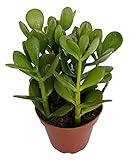


Plant Profile & Key Characteristics
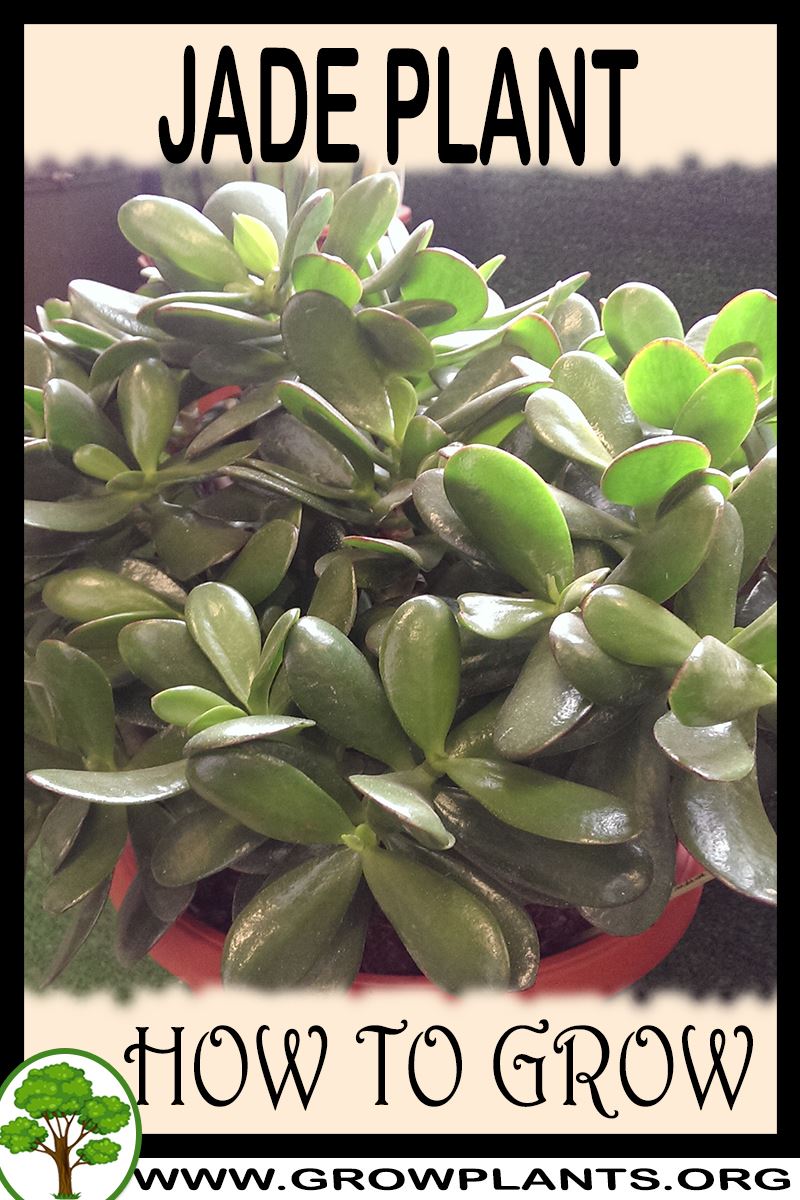
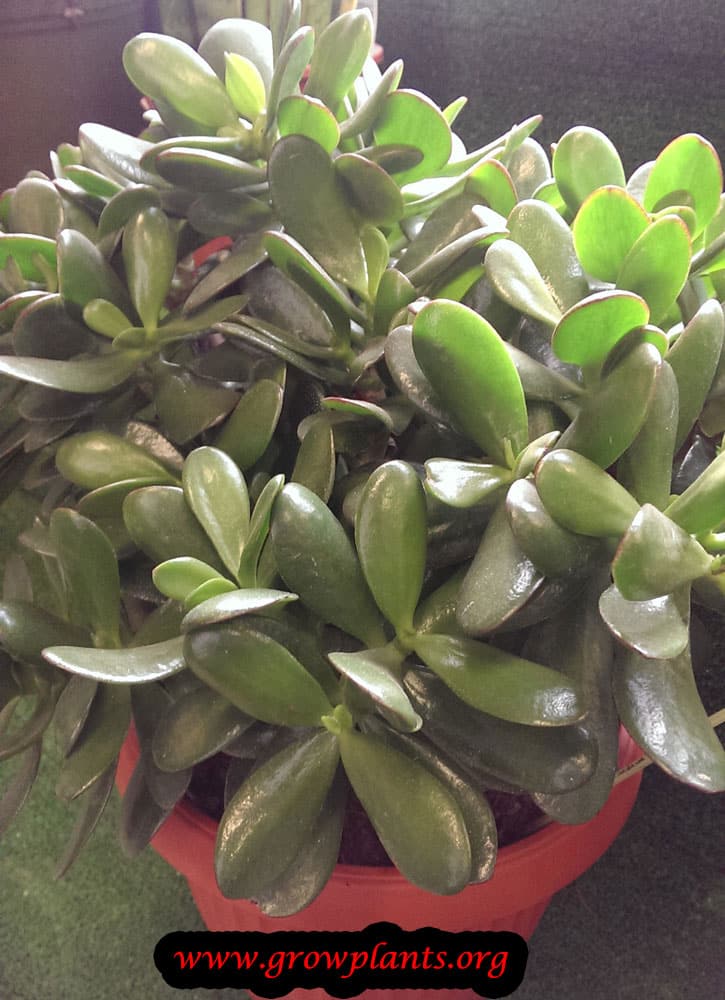
Overview: Jade plant (Crassula ovata, ‘money tree’) is an evergreen succulent shrub reaching 0.3-4 m (1-12 ft) tall, with glossy, thick oval leaves on stout branching stems. It is one of the most popular drought-tolerant ornamentals for gardens, containers, bonsai and indoor culture.
Quick Specifications
| Specification | Attribute |
|---|---|
| Plant Type / Life Cycle | Perennial (evergreen succulent) |
| Foliage Type | Evergreen (succulent) |
| Mature Size | 0.3-4 m (1-12 ft) tall |
| Growth Rate | Slow |
| Toxicity | Toxic to pets (dogs, cats, horses) |
| Hardiness | USDA zone 10-12 |
Growth Form & Structure
- Height & Spread: 0.3-4 m (1-12 ft) tall; grown in containers and indoors, using a gritty, free-draining mix in a pot only about 30% larger than the root ball
- Growth Habit & Form: Stout, tree-like branching succulent shrub with a thick woody base — a classic bonsai and houseplant subject
- Lifespan & Maturity: Long-lived succulent perennial; slow, especially while young
Anatomy & Physical Features
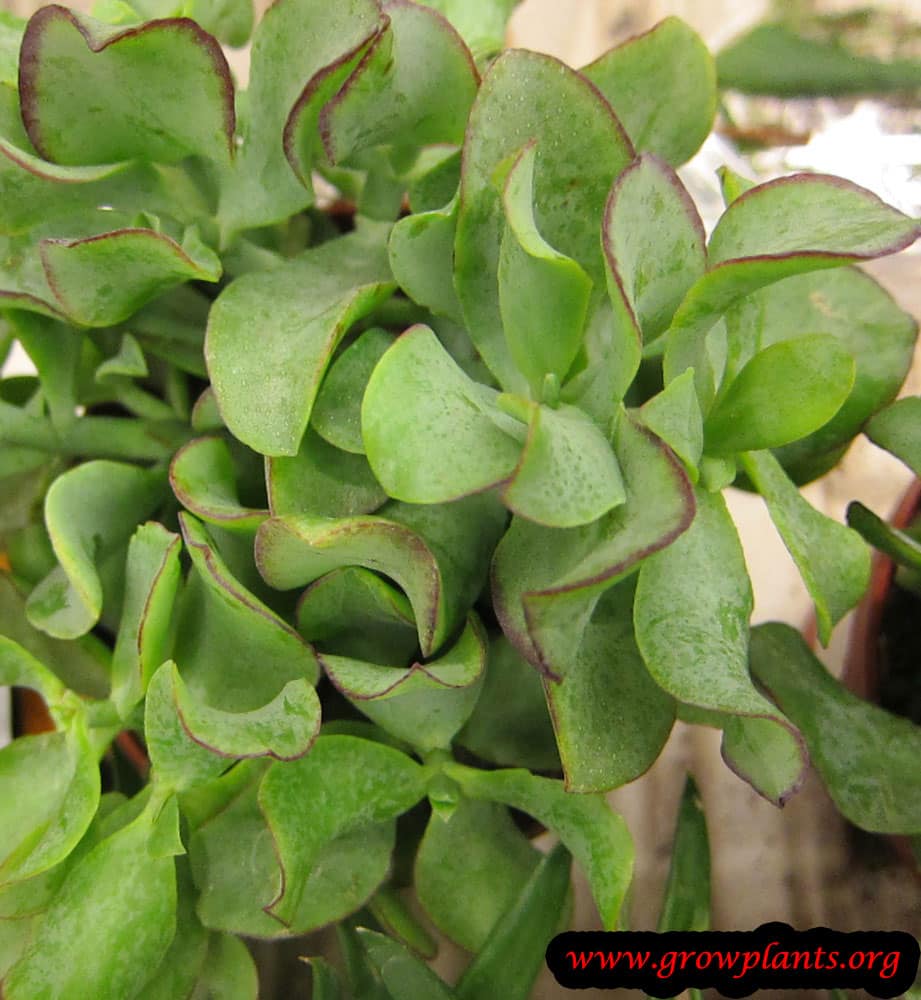
- Leaves & Foliage: Glossy green oval fleshy leaves, often edged red in strong light; some cultivars have more cylindrical leaves
- Flower Characteristics: White to pinkish star-shaped flowers in clusters in winter to spring.
Primary Uses & Landscape Value
- Functional & Ornamental Roles: Ornamental drought-tolerant succulent for rockeries, containers and bright indoor spots; a classic bonsai subject and one of the best-known succulent houseplants
Care Guide: Planting, Soil & Watering
Overview: Jade plant is a slow-growing succulent that thrives in bright light and gritty, fast-draining soil. It stores water in its fleshy leaves and is very drought tolerant, so it needs only small amounts of water and will rot if the soil stays wet — sharp drainage is essential.
Quick Care Requirements
| Requirement | Ideal Condition |
|---|---|
| Planting Season | Year-round in frost-free conditions (avoid winter in cold climates) |
| Growth Rate | Slow |
| Soil Type | Gritty, very well-draining succulent / cactus mix (sandy) |
| Water Need | Low — water sparingly and let the soil dry out fully between waterings |
Planting & Establishment
- Best Planting Season: Plant at almost any time of year in frost-free conditions; in cooler climates avoid planting in winter and wait for the warmer months. It is frost-tender, hardy in about zones 10–12.
- How to Plant:
- Hole Preparation: Dig a hole just larger than the root ball, and choose a spot with excellent drainage where water never pools.
- Soil Amendments: Mix in plenty of coarse sand, grit or lava rock so water drains away fast; in rainy areas plant on a raised bed or mound so the roots never sit in a puddle.
- Planting Depth: Set the plant with the base of the stem at soil level; do not bury the fleshy stem, which rots easily if kept damp.
- Growth Speed & Expectations: Growth is slow, especially while the plant is young, reaching around 0.3-4 m (1-12 ft); be patient as it fills out over the years.
Soil, Watering & Drainage Care
- Soil Mix & Drainage Needs: Use a gritty, free-draining succulent mix, ideally with sand or lava grit; in containers make sure there are drainage holes and never use a saucer that keeps water sitting under the pot. Overwatering and soggy soil are the main killers of this plant.
- Watering Schedule & Technique:
- Young / Newly Planted: Water sparingly as the plant settles, always letting the soil dry before watering again.
- Established: Water only a small amount once the soil has dried out completely — a good cue is when the leaves start to feel soft; take great care not to overwater.
- Seasonal Adjustments: Water even less in winter and cool, damp weather, and water a little more during warm, active growth.
Climate, Light & Hardiness
Jade plant is a shrubby succulent grown in full sun to shade for its fleshy leaves, popular as a houseplant and as bonsai. It is frost-tender - the site data lists hardiness zones 10–12 and recommends keeping it frost-free - but it tolerates dry air and heat well.
Quick Climate Specifications
| Climate Zones | Mediterranean, desert, subtropical, temperate (protected), or indoor |
|---|---|
| USDA Hardiness Zones | Approximately 10–12 |
| Optimal Temp Range | ~18–28°C (64–82°F); a comfortable indoor range |
| Cold Damage Begins | In the low single digits, roughly 4–5°C (39–41°F) |
| Approx. Survival Minimum | Near 0°C (32°F) briefly, only if kept dry; varies |
| Frost Tolerance | Very low |
| Light Conditions | Full sun to shade |
| Wind Tolerance | Moderate |
Sunlight & Light Exposure
Optimal Light Setup
Bright light to full sun keeps growth compact and can bring out red leaf edges; it also grows in partial shade, becoming looser and greener. Indoors, give it the brightest spot available.
Shade & Heat Management
Move plants into strong sun gradually to prevent scorching of the soft leaves.
Temperature Extremes & Hardiness
USDA Hardiness & Regional Limits
Best kept frost-free (about zone 10 and warmer). In colder areas it is a container plant that is sheltered or brought indoors for winter.
Cold Damage & Winter Protection
As with other succulents, cold combined with wet soil is the real danger; brief cool spells are tolerated when the plant is dry. Frost damages the fleshy leaves and stems, so protect from freezing.
Extreme Heat Tolerance
Good in warm, dry heat; very intense sun on unacclimated plants can scorch leaves.
Wind, Humidity & Microclimate
Dry-Air Tolerance
High - it is comfortable in dry indoor and outdoor air, unlike most foliage houseplants.
Microclimate Recommendations
A warm, bright, sharply drained position suits it; keep containers dry and sheltered in cold, wet weather.
Growing in Pots, Balconies & Indoors
Jade plant (Crassula ovata) is an easy-going succulent that makes a genuinely good houseplant, and it is just as happy in a pot on a balcony or patio. Although it can slowly grow shrub- or small-tree-sized with age, it is very slow and stays an easy, manageable pot plant for many years. Give it the brightest spot you can – indoors it wants a sunny windowsill rather than a dim corner – and let the soil dry out between waterings.
Quick Details
- Container Size: A pot only about 30% larger than the root ball – pot up gradually every few years rather than starting in an oversized container
- Indoor Suitability: A good houseplant in a bright, sunny spot
- Best Spot: Bright light – a sunny window indoors; full sun to light shade outdoors, and a grow light can help where a sunny window isn’t available
- Soil & Drainage: Free-draining, gritty mix – sandy soil, or perlite with peat, over a layer of lava grit; drainage holes essential
- Watering in Pots: Sparingly – let it dry out fully between waterings and never leave it standing in water
Indoors & On the Windowsill
- A real houseplant: The grower confirms Jade plant grows well indoors. A ready-made cactus and succulent soil mix provides that structure without mixing it yourself. Stand it in the brightest window you have; the more direct light it gets, the tighter and better-colored the growth.
- Windowsill growing: A sunny sill is ideal. In too little light the stems stretch and go soft, so favor a bright south- or west-facing window and turn the pot now and then for even growth.
- Overwintering: This is a frost-tender succulent. In cold-winter climates keep it as a potted plant that comes indoors before the first frost and spends winter on a bright, cool sill, watered only lightly.
- Keep it out of reach: Jade-type Crassulas are mildly toxic if chewed, so stand the pot where curious pets and small children cannot nibble it.
On a Balcony or Patio
- Light, heat & wind: Happy in full sun to light shade on a balcony or patio. Walls and railings reflect heat and pots dry fast, so check the soil in warm weather – though as a succulent it would rather run dry than stay wet. Shelter tall, brittle stems from strong wind.
- Practicalities: Use a pot with open drainage holes and tip out any saucer runoff after rain so the roots never sit in water.
Choosing the Pot, Soil & Long-Term Care
- Pot & drainage: Choose a pot only about 30% bigger than the root ball with strong drainage holes; skip a standing-water saucer to avoid root rot. Terracotta breathes and dries fast, which suits this plant; glazed or plastic holds moisture longer, so water even more sparingly in those.
- Potting mix: A gritty, free-draining mix – sandy soil with a little organic matter, a layer of lava grit at the base, or perlite blended into a peat/coir mix. In rainier spots make the mix even sharper for faster drainage.
- Feeding: Potted succulents need only light feeding, but nutrients still leach from container soil, so a weak, occasional feed through the growing season is enough.
- Refreshing the mix: Potting soil loses structure over time – repot into fresh mix and a slightly larger pot every few years (every five years or more if the mix stays gritty and it is never overwatered).
Grower’s Container Tip
- Pot up gradually, drain hard: The grower’s rule is to keep the pot only about 30% larger than the root ball – an oversized pot holds too much wet soil and does more harm than good. Step up to the next size every few years instead of starting big, always with plenty of drainage holes, a lava-grit layer at the bottom and sandy soil above; the wetter your climate, the sharper the drainage should be.
Growing this plant in a greenhouse
A greenhouse can give jade plant frost protection and cold protection.
Greenhouse at a glance
| Greenhouse suitability | Good - clearly useful |
|---|---|
| Main benefits | frost protection, cold protection |
| Outdoor protection advisable below | about 5°C |
| Maintain greenhouse minimum | around 5°C for active growth |
| Suitable types | unheated greenhouse, polycarbonate greenhouse |
| Heating | Heating is optional - useful mainly for winter growing in cold areas. |
Related greenhouse guides
- Greenhouses: How to Choose the Right Greenhouse
- Polycarbonate Greenhouses: What to Look for Before Buying
- Greenhouse Climate Control: Temperature, Ventilation and Humidity
Fertilizing & Feeding
A very light feeder: a dilute, low-nitrogen feeding through the warm active growing season is plenty, and it is best to withhold fertilizer while the plant is resting.
Quick Fertilizing Specs
| Feeding Level | Light feeder |
|---|---|
| Main Nutrient Priority | A dilute, low-nitrogen feed; succulents need very little |
| Best Feeding Period | During the warm active growing season |
| Organic Options | A little compost or worm castings blended into a gritty, fast-draining mix |
| Reduce/Stop Feeding | Withhold fertilizer through the cool-season rest or overwintering |
| Micronutrients | Rarely needed; correct only a confirmed deficiency |
| Soil pH | Tolerates a wide range; sharp drainage in a gritty mix matters more |
Feeding by Growth Stage
Warm-season active growth
Support steady, firm growth through the warm months without forcing soft, weak stems.
| Nutrient direction | A dilute, low-nitrogen complete fertilizer; the plant stores its own reserves and needs only a gentle boost. |
|---|---|
| Timing | During the warm active growing season. |
| Frequency | A light, dilute feeding while the plant is actively growing is usually enough. |
| Fertilizer types | A dilute, low-nitrogen complete fertilizer, A little compost or worm castings blended into a gritty mix |
| Precautions | Feed sparingly; overfeeding produces soft, floppy, stretched growth and can leave fertilizer salts in the fast-draining mix. |
Cool-season dormancy or rest
Let the plant rest through cool weather or low light without pushing tender growth.
| Nutrient direction | None – withhold fertilizer while the plant is resting. |
|---|---|
| Timing | During cool weather, winter, or a low-light indoor rest. |
| Frequency | No feeding at this stage; resume only when active growth returns. |
| Fertilizer types | No feeding at this stage; do not fertilize until active growth resumes. |
| Precautions | Do not fertilize a resting succulent; feeding now wastes nutrients and risks salt injury to the roots. |
Nutrient Deficiency Signs & Corrections
Older, lower leaves fade to pale green or uniform yellow and new growth slows.
| Possible causes | low available nitrogen in an exhausted potting mix, nitrogen leaching from a fast-draining, gritty medium, long spell without any feeding |
|---|---|
| Appears first on | older, lower leaves |
| What to check | how long since the mix was refreshed or fed, overall vigor and color of new growth, drainage and how quickly the mix flushes through |
| Possible correction | Apply a dilute, low-nitrogen complete fertilizer during active growth and refresh tired mix with a little compost. |
Leaf tips and margins brown or scorch and roots look damaged despite careful watering.
| Possible causes | fertilizer salt buildup in the fast-draining mix, overfeeding or feeding too strong a solution, sparse watering that concentrates salts around the roots |
|---|---|
| Appears first on | leaf tips and margins |
| What to check | recent feeding strength and how often it was applied, any white salt crust on soil or pot, drainage and watering thoroughness |
| Possible correction | Ease off feeding, water the mix thoroughly to flush accumulated salts, then return to lighter, more dilute feeding. |
Newest leaves yellow between the veins while the veins themselves stay green.
| Possible causes | reduced iron uptake in alkaline soil or hard water, waterlogged or poorly drained roots limiting uptake, cold, wet mix slowing root activity |
|---|---|
| Appears first on | youngest leaves at the growing tips |
| What to check | drainage and whether the mix stays wet, irrigation water hardness or alkalinity, root health and soil temperature |
| Possible correction | Improve drainage and correct soil or water alkalinity; if it persists, apply a chelated iron product per its label. |
Pruning, Training & Seasonal Maintenance
Jade Plant is the most tree-like member of this group, capable of reaching roughly 4m (12ft) with a genuinely woody, thickening trunk and multiple structural branches, and it is widely trained as a bonsai subject. Its documented growth pattern is slow while young but speeds up once the plant is larger and established, so young plants should be pruned sparingly to encourage branching, while mature specimens tolerate much more assertive structural and even hard rejuvenation pruning. The safest window is the warm active-growth season (spring into summer); pruning does not sacrifice next year’s bloom in general, since winter–spring flowers form on the current season’s mature stem tips, but heavy pruning right before the winter–spring bloom will reduce flowering that season by removing the shoots that would have flowered.
Quick Pruning & Maintenance Specs
| Pruning Tolerance | Moderate (young) to High (mature, woody-trunked specimens) |
| Primary Pruning Window | Spring–early summer |
| Secondary Maintenance Window | Light pinching/grooming through summer |
| Typical Frequency | Structural shaping about once a year on young plants; more frequent pinching for bonsai forms |
| Main Objective | Build/maintain a defined trunk-and-branch structure (or bonsai silhouette) and control eventual size |
| Young Plant Priority | Pinch tips to force branching low, while wood is still thin and easy to cut |
| Mature Plant Priority | Selective structural thinning, deadwood/crossing-branch removal, canopy density and size control on an already-woody framework |
| Best Tool Type | Bypass secateurs for established stems; precision snips for tip pinching |
| Avoid Heavy Pruning During | Winter dormancy/cold, and just before the winter–spring bloom if flower display matters that season |
Pruning by Plant Age & Size
Newly Established
Minimal — remove only damaged growth; let roots establish before any structural cut.
Young / Formative
Modified-leader or multi-leader structure, depending on whether a single-trunk tree form or a bushier shrub is wanted. Repeated tip-pinching low on the plant while stems are still thin builds the branch framework early, when cuts are easiest and heal fastest; for bonsai training, wiring and more frequent pinching begin at this stage.
Mature / Established
Maintain the chosen framework — remove crossing/rubbing branches, thin an overly dense canopy so light reaches interior growth, and manage the now genuinely woody trunk’s size with structural cuts back to a lateral branch or bud rather than random shearing.
Seasonal Pruning Schedule
- Active Growth (Spring–early Summer): objective is structural shaping and framework building; remove crossing/damaged growth, pinch or cut back for form; response is vigorous branching from cut points, especially on larger/established plants that grow faster than young ones; minimal impact on the upcoming winter–spring bloom if done early in the season.
- Pre-Bloom (autumn, before winter–spring flowering): objective is preserving flowering; avoid heavy structural cuts now, since they remove the shoots about to flower; light grooming (dead leaves) only.
- Post-Flowering (late winter–spring): objective is tidy appearance and redirecting energy; remove spent flower clusters; light shaping can resume once bloom finishes.
Structural Pruning & Training
This is the one plant in the group where formal structural training is the centerpiece. Choose and maintain a single- or multi-trunk form; remove crossing/rubbing branches and inward-growing shoots to keep an open canopy; control the plant’s eventual size (up to about 4m unpruned) with regular structural cuts back to a visible branch junction rather than indiscriminate topping. Canopy thinning genuinely helps this species by improving light penetration to interior leaves and reducing the weight-related limb breakage that heavy, water-swollen branches are prone to.
Special Growth to Remove
- Dead/shriveled lower leaves
- Spent flower clusters after the winter–spring bloom
- On older specimens, weak, overly thin shoots arising from old wounds or the trunk base that don’t contribute to the desired framework
Container & Small-Space Pruning
In a container (including bonsai pots), size control through canopy pruning becomes essential, since Jade Plant can otherwise grow to several meters. Pinch and cut back far more assertively than an in-ground specimen to keep the top proportionate to the pot. Because the trunk continues to thicken even when the canopy is kept small, periodic canopy reduction — not just occasional repotting — is the main long-term tool for keeping a potted or bonsai specimen in scale.
Tools
Bypass secateurs for cutting established woody stems and branches; precision snips for tip-pinching young growth and bonsai fine work; a grafting knife (or a single clean blade) for larger structural cuts on a thick, established branch junction where a very clean callusing surface matters most.
Tool Hygiene & Disease Risk
Increased risk: Jade Plant’s thick, water-filled tissue is prone to rot organisms colonizing fresh wounds in humid or overwatered conditions. Use clean, sharp tools, avoid crushing cuts on the fleshy wood, and let larger structural cuts callus in a dry, shaded spot before resuming normal watering.
Cut Placement & Technique
Make structural cuts just above a leaf node or visible branch junction, angled to shed water rather than flat; avoid flush cuts into the trunk that expose excess wound surface. For large branches on an old, thick-trunked specimen, cut in stages to avoid tearing bark, as with any woody plant.
Heavy Pruning & Rejuvenation
Well tolerated on established plants: an overgrown or leggy Jade Plant can be cut back hard in spring, and because larger/older specimens grow faster than young ones, recovery on a big rejuvenated plant is often quicker than expected. Still, spread very hard cutbacks (removing most of the canopy) over two seasons on a large specimen rather than all at once, and expect reduced or absent flowering the following winter–spring after a hard cutback.
Post-Pruning Care
Withhold water for several days after any significant cut to let wounds dry and callus; skip fertilizing immediately after pruning, since it forces soft regrowth rather than letting the plant recover on its own schedule. Protect a canopy that has just been opened up (previously shaded interior/lower growth) from harsh direct sun for a couple of weeks to prevent sunburn on tissue not previously exposed. On bonsai or heavily thinned specimens, check that remaining branches can support their own weight, since the fleshy foliage is heavy.
Common Pruning Mistakes
- Shearing the outer canopy into a ball instead of making structural cuts back to a node, which produces dense stub growth and hides the trunk/branch form that makes Jade Plant valuable as a specimen or bonsai
- Pruning hard right before the winter–spring bloom and losing that season’s flowers
- Overwatering immediately after a big cutback, the leading cause of trunk/branch rot in this species
- Treating a young plant like a mature one and cutting its still-thin, slow-growing wood too hard
When NOT to Prune
- During winter dormancy/cold weather
- In the weeks just before winter–spring flowering, if bloom display is wanted that year
- Immediately after transplanting or repotting
- During prolonged wet weather, when large cuts cannot dry and callus
Recommended Tools (by task)
- precision_snips — tip-pinching on young plants and fine bonsai work; a low-intent shaping tool.
- bypass_secateurs — cutting established woody stems and mid-size structural branches on a maturing specimen, a clean cut without crushing.
- grafting_knife — a single very clean cut for major structural work on a thick, older trunk/branch junction, where wound quality matters most.
Propagation Guide
The classic Jade plant is most easily propagated from leaf or stem cuttings, which root readily and quickly produce a plant identical to the parent. Seed germinates in a matter of weeks and is generally reliable for the plain species, but named cultivars (such as those with cylindrical leaves) should be propagated vegetatively to preserve their exact leaf form. Overall difficulty is Easy.
Quick Propagation Specs
| Best Propagation Method | Leaf or stem cuttings |
| Alternative Methods | Seed; rooted offsets/pups |
| Propagation Difficulty | Easy |
| Seed True-to-Type | Usually true-to-type for the plain species; cultivar-dependent for named forms |
| Vegetative True-to-Type | Yes (identical clone) |
| Best Propagation Season | Spring through summer |
| Seed Germination Time | 3–6 weeks |
| Cutting Rooting Time | Typically several weeks |
| Germination Temperature | 23–27°C (73–80°F) |
| Seed Sowing Depth | About 0.5cm (0.25in) |
Growing from Seed
Seed Handling & Viability
Store seed dry and dark at room temperature until sowing.
Sowing Season
Spring after the last frost in cooler zones, extending to spring–summer or spring–autumn in warmer zones, and possible year-round in frost-free (zone 12) conditions.
Sowing Depth & Orientation
Sow shallowly, about 0.5cm (0.25in) deep, into a light, sandy or well-ventilated, well-draining mix.
Germination Conditions
Keep the mix lightly moist but never soggy or fully dry, in light (not necessarily direct sun), around 23–27°C (73–80°F); overwatering at this stage causes germination problems.
Germination Time
Around 3–6 weeks.
Seedling Care
Keep seedlings in light with evenly moist, well-ventilated soil; space or transplant at roughly 2x2cm (1x1in) as they grow on.
Stem Cuttings
Cutting Type
Short stem sections work well for this shrubby jade, including thicker semi-woody stems from older plants used for bonsai.
Best Timing
Spring to summer, during active growth.
Cutting Preparation
Let the cutting dry and callus in a shaded spot for a few days before inserting into soil.
Rooting Setup
Insert the callused cutting into potting mix or sandy soil; keep lightly moist and never overwatered.
Rooting Hormone
Not necessary; Jade plant cuttings root readily unaided, though a hormone can be used to speed things along.
Rooting Time
Typically several weeks under warm conditions.
Leaf & Root Cuttings
Leaf-base cuttings work well and are a common way home growers multiply Jade plant: remove a leaf cleanly at its base, dry/callus a few days in shade, then set the base onto or lightly into sandy or potting soil, keeping it just barely moist until a new plantlet forms and the original leaf shrivels. Variegated or cultivar leaf forms may not reproduce identically from leaf cuttings in all cases and are best confirmed on the new growth.
Division, Offsets, Pups & Suckers
Basal pups can also form, particularly on older, multi-stemmed specimens; separate rooted pups once large enough to handle and pot into a well-drained mix, watering sparingly until established.
Bloom & Flower Guide
Quick Details
- Bloom Season: Winter to spring
- Time to First Bloom: Usually only on well-established plants; many Crassula wait several years and flower after a cool, dry autumn rest
- Flower Appearance: White to pale-pink star-shaped flowers, each with five pointed petals, in clusters on short stems
- Edibility: Ornamental only – not eaten; jade (Crassula ovata) is toxic to cats and dogs and mildly irritating to people if chewed.
Detailed Blooming Overview
Like most Crassula, Crassula ovata holds its flowering for cooler, shorter days, sending up clusters of tiny star-shaped blooms above the fleshy leaves. The display is modest but nectar-rich, and a mature plant that has had a cool, dry rest is the one most likely to flower.
Flower Characteristics
- White to pale-pink star-shaped flowers, each with five pointed petals, in clusters on short stems.
- Carried in clusters on short stems above the fleshy foliage; the individual flowers are small but numerous.
- Lightly scented and rich in nectar, drawing bees and other small pollinators.
Bloom Care & Thinning
- Encouraging bloom: Give bright light and a cooler, drier rest through autumn and winter; maturity plus that seasonal trigger is what brings on the buds.
- After flowering: Trim spent flower stems back to the foliage to keep the plant tidy and return its energy to growth.
- Pollination: The small star flowers are both self- and insect-pollinated; bees and hoverflies are the usual visitors.
- Safety: Jade (Crassula ovata) is toxic to cats and dogs if chewed and its sap can irritate skin, so keep flowering plants away from curious pets.
Bloom Health & Protection
- Mealybugs: The classic Crassula pest, often tucked into flower clusters and leaf joints; dabbing them with a cotton bud dipped in alcohol, or treating with insecticidal soap or neem oil, keeps them in check.
- Aphids on flower stalks: Tender bloom stems can attract aphids; a firm spray of water or a little insecticidal soap usually clears them.
- Grey mould (Botrytis) on faded flowers: In cool, damp air spent blooms can rot; remove them promptly and improve airflow, reaching for a general fungicide only if it persists.
Pests, Diseases & Troubleshooting
Overview: As a leaf-and-stem succulent, this plant is naturally resilient and its number-one danger is not a pest but overwatering, which rots the stem and roots. The pests that do matter are sap-suckers – above all mealybug (including the hidden root form) – plus scale, spider mites, aphids and vine weevil. Grow it lean in a gritty, fast-draining mix with strong light and good airflow, inspect the crown and roots regularly, and treat problems early and organically.
Quick Troubleshooting Overview
| Issue / Pest | Main Symptom | Primary Solution |
|---|---|---|
| Overwatering / root & stem rot | Soft, translucent, blackening stem or mushy roots; leaf drop | Withhold water, cut to clean tissue, re-root in gritty mix |
| Mealybug (incl. root mealybug) | White cottony fluff in leaf axils or on roots | 70% alcohol swab; root drench; isolate plant |
| Scale | Brown limpet bumps on leaves and stems | Scrape off; dab alcohol or horticultural oil |
| Spider mite | Fine stippling and bronzing on leaves in dry heat | Improve airflow, rinse, oil / predatory mites |
| Vine weevil | Notched leaf edges; larvae eat roots, plant collapses | Trap adults; biological nematode drench for larvae |
| Etiolation / sunburn | Stretched pale growth, or bleached scorched patches | Increase light gradually; acclimatise to sun |
Common Pests & Management
- Mealybugs (Planococcus citri & Pseudococcus spp.):
- Symptoms: White cottony tufts wedged into leaf axils, the growing crown and the undersides of fleshy leaves, with sticky honeydew and sooty mould. The hidden root mealybug (Rhizoecus spp.) coats the roots and inner pot wall with a white waxy ‘flour’, causing unexplained slow decline seen only at repotting.
- Prevention & Control: Inspect the crown and, at repotting, the roots. Dab colonies with a cotton bud of 70% isopropyl alcohol and rinse; for root mealybug, bare-root, wash, and repot into fresh gritty mix and a clean pot. Isolate new plants. Insecticidal soap or neem covers light attacks; a soil systemic drench is the reliable option for root or heavy infestations.
- Scale insects (Coccidae & Diaspididae):
- Symptoms: Small fixed brown or tan limpet-like bumps on stems and leaves; soft scale leaves sticky honeydew and sooty mould, and clusters weaken and yellow the plant.
- Prevention & Control: Scrape off with a fingernail or soft brush and dab with alcohol or a light horticultural-oil solution, treating in the cool evening rather than in hot sun. Repeat every couple of weeks until clear; prune out heavily encrusted stems.
- Spider mites (Tetranychus urticae):
- Symptoms: Fine pale stippling, a dull bronzed cast and faint webbing at the growing tips in hot, dry, stagnant air; new growth scars and distorts.
- Prevention & Control: Improve ventilation and occasionally rinse the plant; avoid the hot, dry, still conditions they love. Introduce predatory mites under cover, or apply horticultural oil / insecticidal soap, rotating types to avoid resistance.
- Aphids (Aphis & Myzus spp.):
- Symptoms: Clusters of soft green, grey or black insects on flower stalks and tender new growth, causing distortion, honeydew and sooty mould – flower spikes are especially attractive to them.
- Prevention & Control: Rinse off with water, support natural predators, and use insecticidal soap or neem if they persist. Cutting off an infested flower stalk often removes the problem outright.
- Vine weevil (Otiorhynchus sulcatus):
- Symptoms: Adults notch the leaf margins at night, but the real damage is done by white C-shaped larvae in the soil that eat the roots and lower stem, causing sudden collapse of a seemingly healthy plant – a serious risk in containers.
- Prevention & Control: Check for adults at night and trap them; inspect roots at repotting. Drench the soil with parasitic nematodes (Steinernema/Heterorhabditis) in warm conditions to kill larvae, and a soil systemic is the chemical fallback. Fresh, clean media reduces carry-over.
Diseases & Fungal Issues
- Root, stem & basal rot (Pythium, Phytophthora & Fusarium spp.):
- Symptoms: The primary killer of these succulents: the stem base or crown turns soft, translucent, brown or black, leaves drop or go mushy, and roots are dark and rotten – almost always from wet, airless, cold soil or water sitting in the crown.
- Treatment & Management: Prevention is the cure – gritty free-draining mix, unglazed pots, water only when the soil is dry, and never let water pool in the rosette or saucer. If rot begins, cut back to firm, clean tissue, dust with sulfur, let it callus, and re-root the healthy top as a cutting; discard badly rotted plants.
- Powdery mildew (Erysiphales):
- Symptoms: A white powdery film or, on jade-type plants, corky brown scab-like spots on the leaves in humid, crowded, poorly ventilated conditions; largely cosmetic but disfiguring.
- Treatment & Management: Improve airflow and light and avoid wetting the foliage; remove badly affected leaves. Sulfur or potassium-bicarbonate sprays check spread when needed.
- Botrytis grey mould (Botrytis cinerea):
- Symptoms: Fuzzy grey mould on damaged or dying leaves and on the crown in cool, damp, stagnant conditions, spreading into healthy tissue.
- Treatment & Management: Remove affected tissue and dead leaves, improve ventilation, and keep the plant drier and warmer. Avoid overhead watering and overcrowding.
Growing Difficulties & Abiotic Problems
- Overwatering & rot (the main killer):
- Cause & Symptoms: Wet, slow-draining soil and frequent watering suffocate and rot the roots and stem; leaves yellow, go soft and translucent, and drop, or the stem blackens at the base.
- Correction Strategy: Grow in a gritty mineral mix, water thoroughly only when the soil is fully dry, and cut watering right back in the cool/dormant season. Use small unglazed pots with drainage and never leave the plant standing in water.
- Etiolation (stretched, leggy growth):
- Cause & Symptoms: Too little light makes the stem elongate and the leaves space out and pale, losing the plant’s compact form and colour.
- Correction Strategy: Move to the brightest spot or add a grow light; the stretched section stays as is, but tight, colourful growth resumes with strong light, and leggy stems can be beheaded and re-rooted.
- Sunburn & scorch:
- Cause & Symptoms: Sudden strong sun – after winter or a move from indoors – bleaches or browns the leaves with permanent scorched patches.
- Correction Strategy: Acclimatise gradually to stronger light over a couple of weeks and shade during the fiercest midday sun in hot climates. Note that stress-colouring red edges under good light is desirable and harmless, unlike scorch.
- Edema & corky spots:
- Cause & Symptoms: Erratic watering, especially a big drink after drought in cool humid conditions, bursts leaf cells and leaves corky brown bumps, often on jade-type leaf undersides.
- Correction Strategy: Water evenly and moderately, improve light and airflow, and avoid feast-or-famine swings. The corky marks are permanent but harmless; distinguish them from soft, spreading rot.
- Leaf drop & shrivel:
- Cause & Symptoms: Underwatering, cold drafts or sudden environmental change cause leaves to shrivel or drop; some drop is normal after stress or in low light.
- Correction Strategy: Water when the soil is dry, protect from cold drafts and frost, and make environmental changes gradually. A firm, plump plant with occasional lower-leaf loss is normal.
What Helps – Products & Tools
The core kit is 70% isopropyl alcohol and insecticidal soap for mealybug and scale, horticultural oil for scale and spider mites (applied in the cool evening), parasitic nematodes or a soil systemic drench for root mealybug and vine weevil larvae, and sulfur or potassium bicarbonate for powdery mildew. Most important of all are the cultural tools: a gritty fast-draining mix, unglazed pots and a careful hand on the watering can.