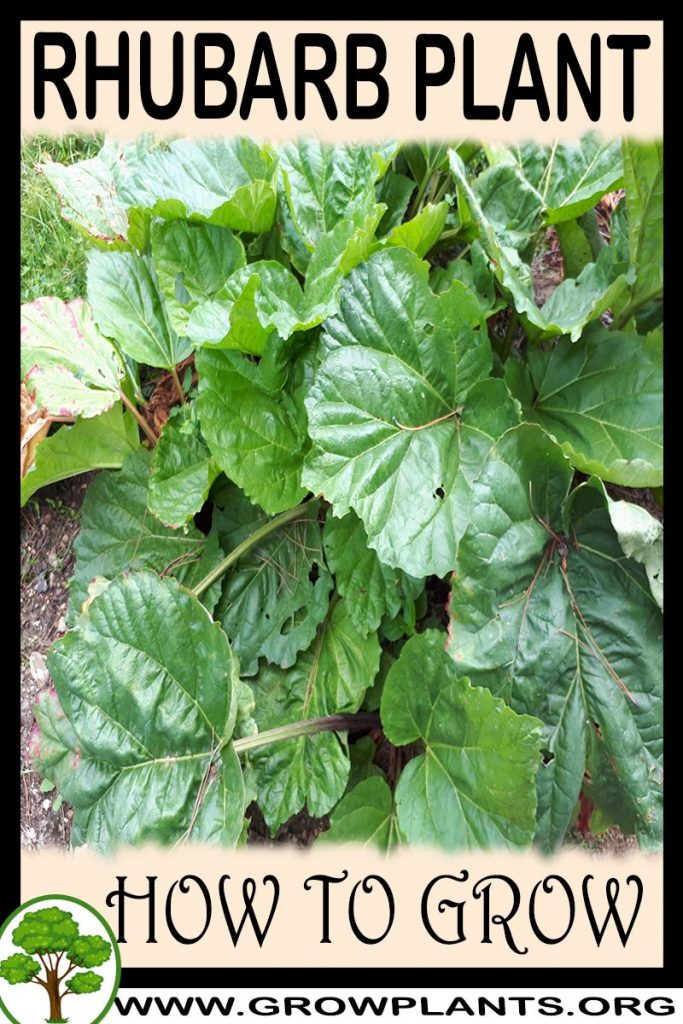
Plant Profile & Key Characteristics
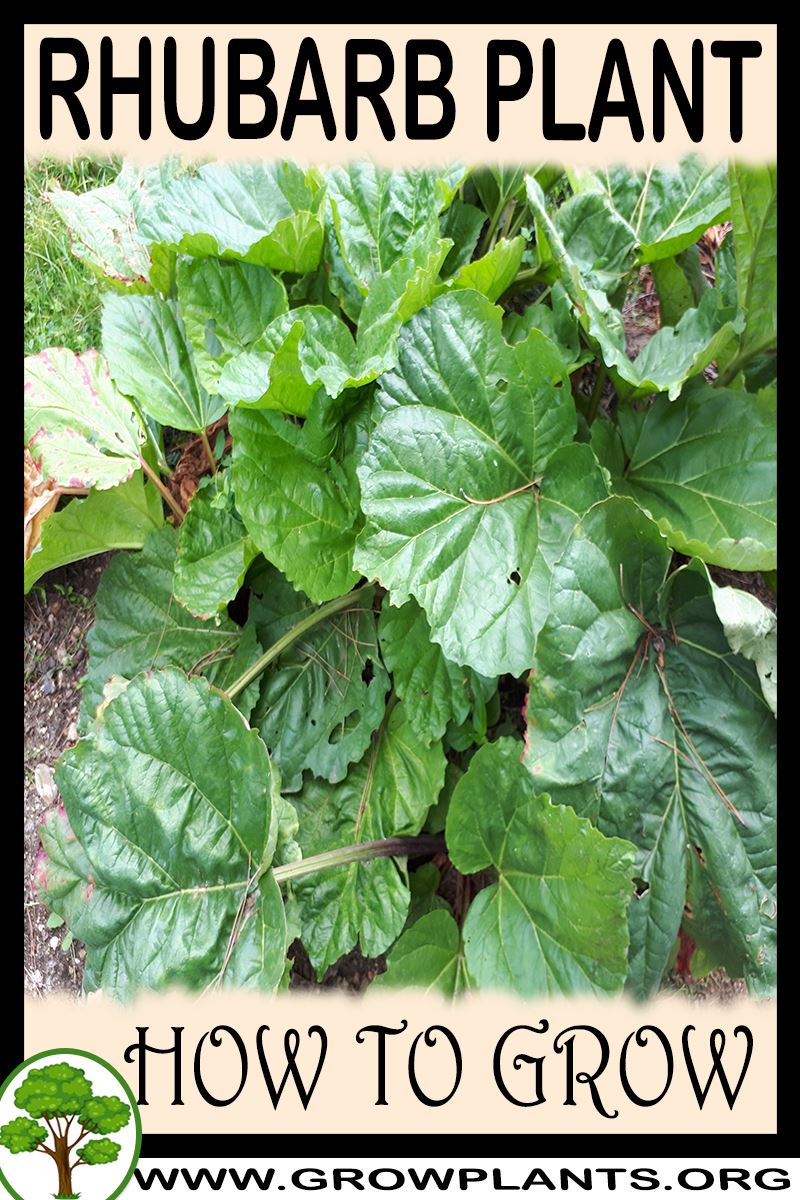
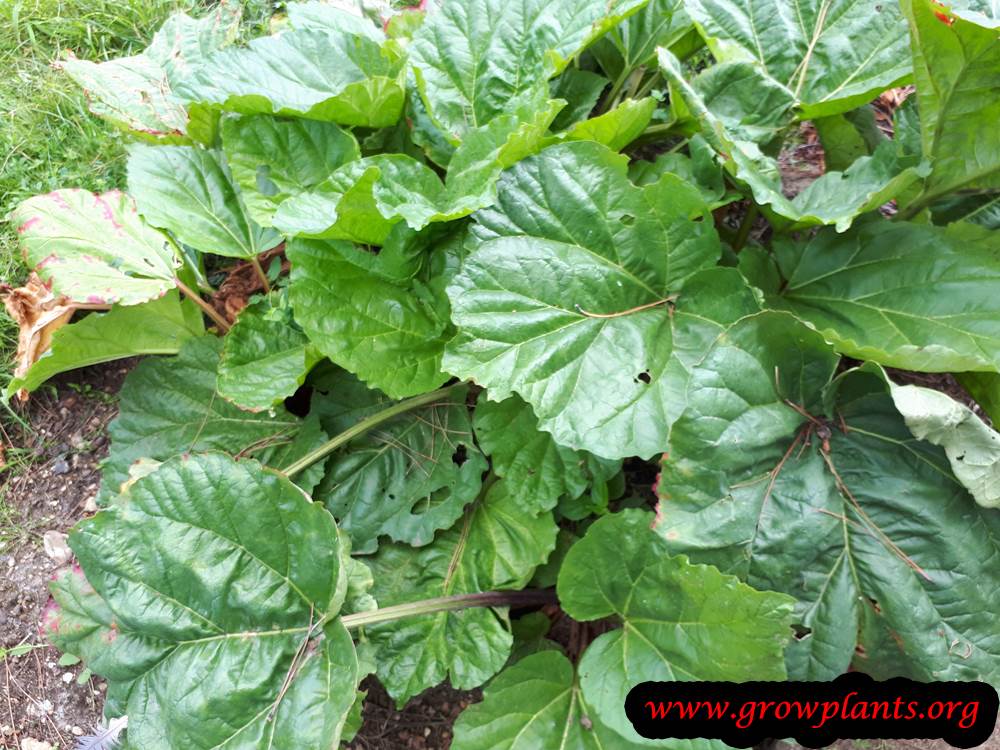
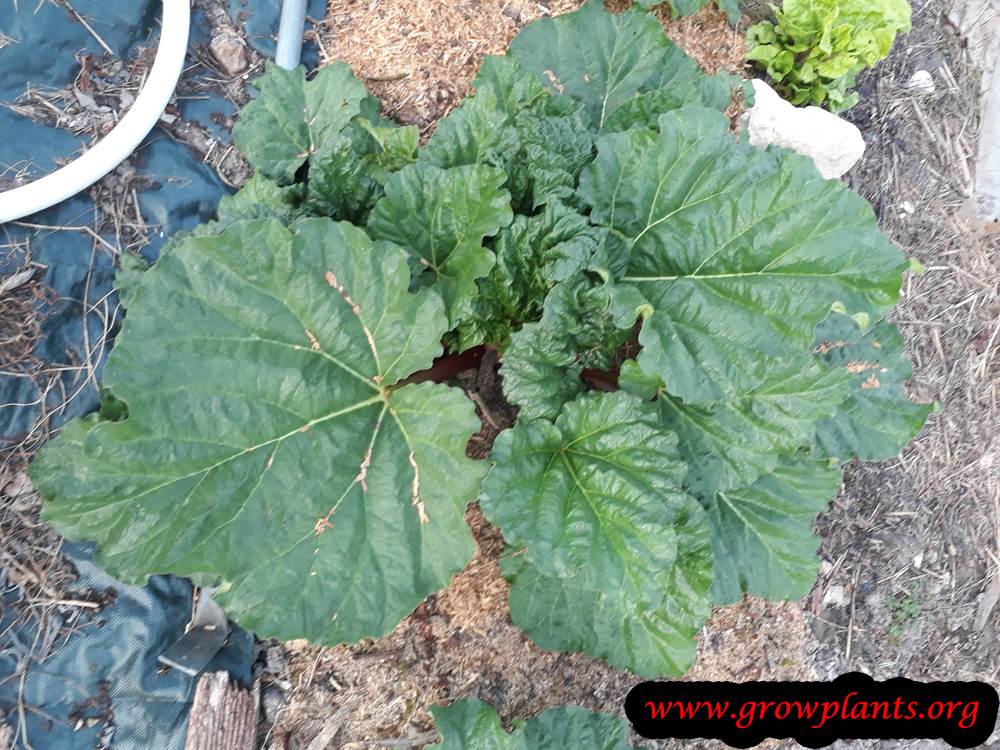
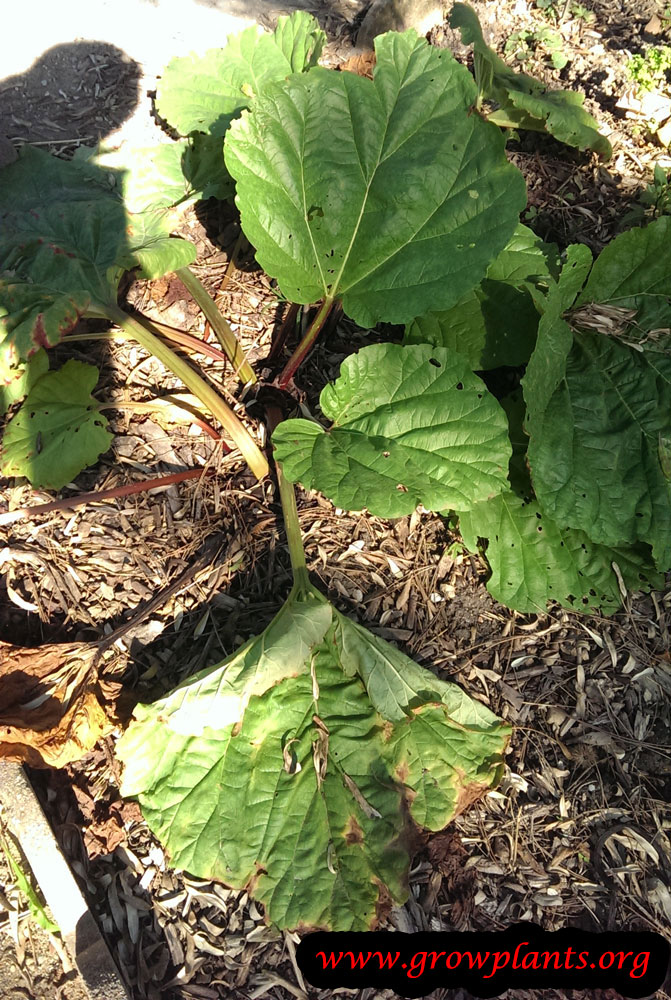
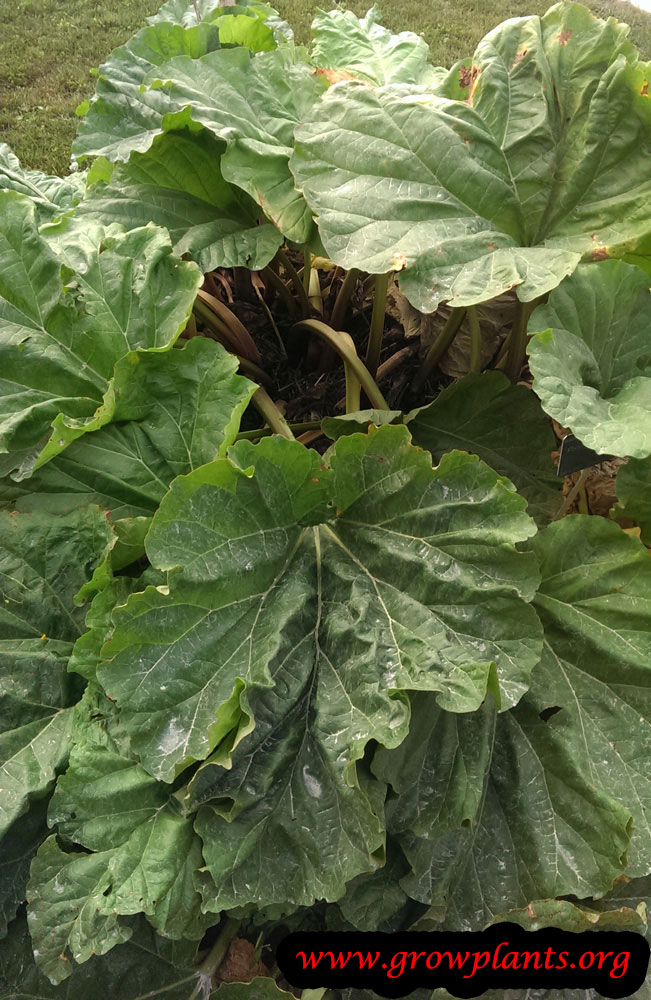
Overview: A hardy herbaceous perennial forming a clump of huge deltoid leaves on thick 0.5-1 m (20-40 in) stalks, grown for its edible red-green leaf stalks. It dies back to a rhizome in cold winters and regrows each spring.
Quick Specifications
| Specification | Attribute |
|---|---|
| Plant Type / Life Cycle | Herbaceous perennial (rhizomatous) |
| Foliage Type | Deciduous in cold winters; evergreen in mild climates |
| Mature Size | 0.5-1 m (20-40 in) tall, leaves up to about 0.5 m |
| Growth Rate | Fast to moderate |
| Root System | Thick rhizome with fleshy storage roots |
| Toxicity | Stalks edible; the leaves are poisonous (high oxalic acid) |
| Hardiness | USDA zones 3-9 |
Growth Form & Structure
- Height & Spread: A 0.5-1 m (20-40 in) clump in the ground or a large container.
- Growth Habit & Form: Clump-forming herbaceous perennial rising from a crown and rhizome.
- Lifespan & Maturity: Long-lived; a crown crops for many years, with stalks harvestable once established.
Anatomy & Physical Features
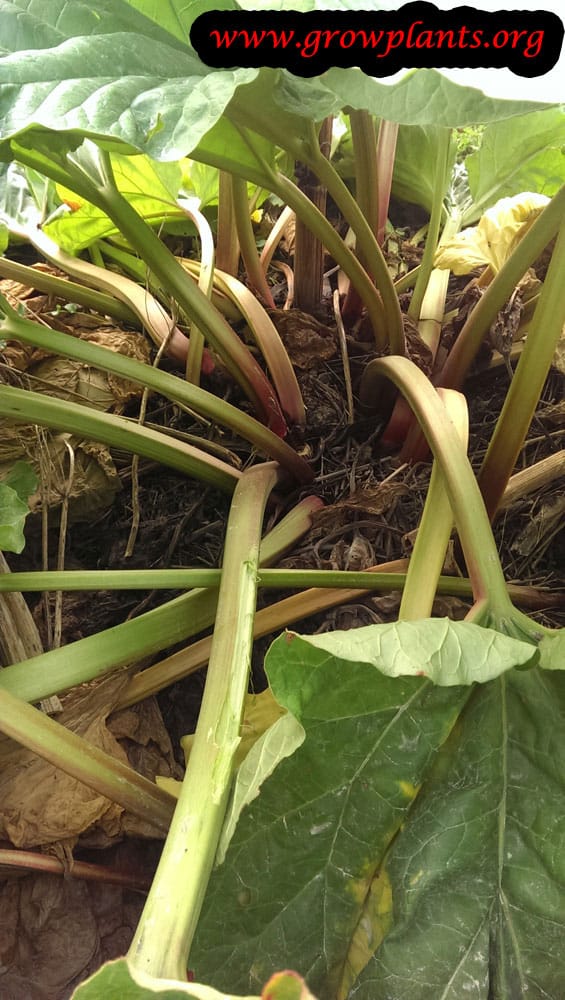
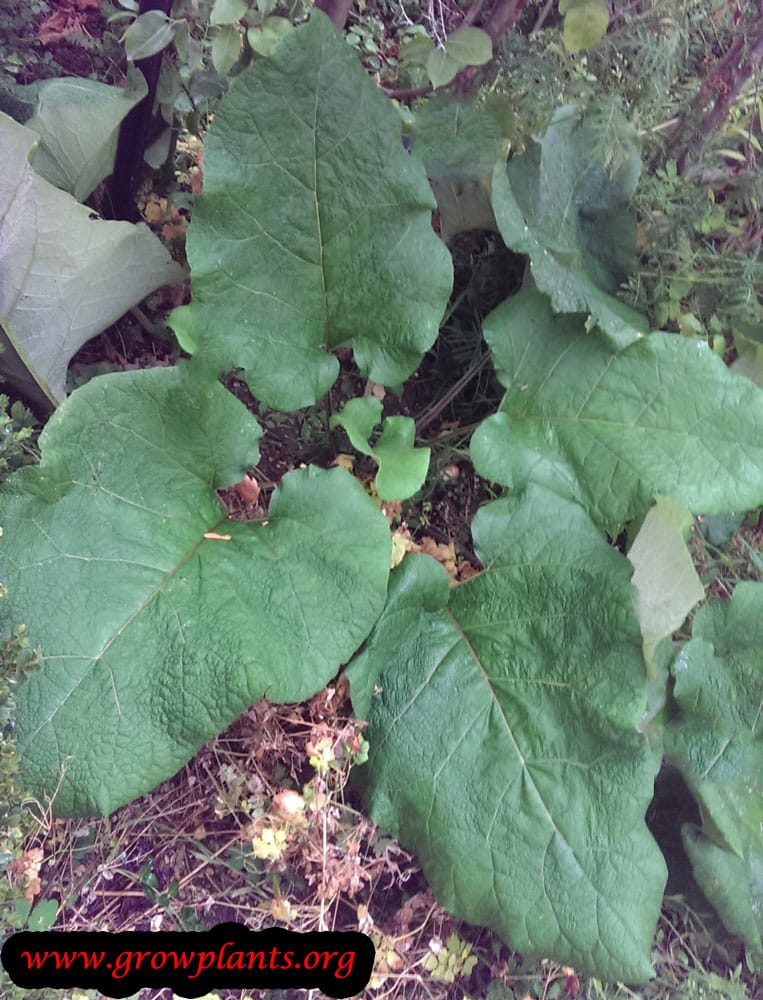
- Leaves & Foliage: Large green deltoid to irregular leaves, sometimes with red veins, up to about 0.5 m across.
- Flower Characteristics: A tall inflorescence of small white flowers.
Primary Uses & Landscape Value
- Edible Uses: Leaf stalks cooked into sweets and jams and used in alcoholic beverages; the leaves are NOT eaten.
- Functional & Ornamental Roles: An edible crop that also serves as a bold ornamental foliage plant.
Care Guide: Planting, Soil & Watering
Overview: Rhubarb is a hardy, long-lived perennial grown from crowns that thrives in full sun to part shade in deep, rich, moisture-retentive soil. It is a hungry, thirsty plant that grows best in cool climates and consistently moist, slightly acidic ground.
Quick Care Requirements
| Requirement | Ideal Condition |
|---|---|
| Planting Season | Spring, summer or autumn (plant crowns while dormant, in cool weather) |
| Growth Rate | Moderate to Fast |
| Soil Type | Deep, rich, moisture-retentive, well-draining |
| Soil pH | Slightly acidic (about 6.0–6.8) |
| Water Need | Moderate to High — keep consistently moist |
Planting & Establishment
- Best Planting Season: Plant crowns in the cooler part of the year — early spring or autumn are ideal — while the plant is dormant, so it establishes before summer heat. It needs a cold winter to break dormancy and perform well.
- How to Plant:
- Hole Preparation: Dig a generous hole, wider than the crown, and enrich the surrounding soil deeply, as the plant will occupy the spot for many years.
- Soil Amendments: Work in plenty of well-rotted manure, compost or organic matter — rhubarb is a heavy feeder that rewards rich, humus-laden soil.
- Planting Depth: Set the crown so the growing buds sit just at or slightly below (about 2–3 cm) the soil surface; planting too deep can rot the crown.
- Growth Speed & Expectations: Moderate to fast once established, sending up large leaves each season; allow a year or two before harvesting heavily so the crown builds strength.
Soil, Watering & Drainage Care
- Soil Mix & Drainage Needs: It wants rich, deep soil that stays moist yet never waterlogged; improve heavy or thin soils with organic matter and mulch well to hold moisture. A slightly acidic soil suits it best.
- Watering Schedule & Technique:
- Young / Newly Planted: Keep newly planted crowns consistently moist while they establish, never letting the soil dry out.
- Established: Water regularly and deeply, especially in dry weather — steady moisture drives lush, tender stalks; mulch to conserve it.
- Seasonal Adjustments: Water generously through the warm growing season; reduce in winter when the plant dies back and rests.
Climate, Light & Hardiness
Rhubarb is a very cold-hardy temperate perennial crop that thrives in cool climates with a genuine cold winter, growing in full sun to half shade on moist ground. Per site data it is hardy in zones 3–9, and heat - not cold - is the main factor that limits it.
Quick Climate Specifications
| Climate Zones | Cool to cold temperate |
|---|---|
| USDA Hardiness Zones | 3–9 (site data) |
| Approx. Survival Minimum | Dormant crowns survive zone 3 winters (roughly −40 °C / −40 °F) |
| Frost Tolerance | High (dormant crown); emerging spring foliage can be nipped by hard late frost |
| Light Conditions | Full sun to half shade |
| Wind Tolerance | Moderate |
Sunlight & Light Exposure
Optimal Light Setup
Full sun gives the strongest stalks; in warmer parts of its range half shade during the hottest hours reduces stress.
Direct Sun Requirement
It is a sun-loving crop - full sun through the cool growing season drives vigorous leaf and stalk production.
Best Exposure / Orientation
An open, sunny site with deep, moist, humus-rich soil suits it; in hot-summer regions a cooler aspect prolongs the harvest.
Temperature Extremes & Hardiness
USDA Hardiness & Regional Limits
Site data gives zones 3–9. Its northern extent reflects outstanding winter-cold survival; its southern extent (about zone 9) is set by summer heat, since rhubarb performs poorly where winters are mild and summers are long and hot.
Cold Damage & Winter Protection
The dormant crown is extremely cold-hardy and needs no protection through most of its range. Newly emerged spring leaves can be damaged by a hard late frost but the crown recovers.
Frost Sensitivity
Very low for the dormant crown; a cold winter is actually beneficial.
Extreme Heat Tolerance
Poor. Prolonged summer heat forces early dormancy, weakens the crown and thins the stalks - this is the practical limit on where rhubarb can be grown.
Chilling Requirement
Rhubarb needs a real winter chilling period to break dormancy and grow vigorously; in mild-winter, hot-summer climates it lacks the cold it requires and tends to be short-lived.
Wind, Humidity & Microclimate
Wind Tolerance
Moderate; the large leaves catch strong wind, so a reasonably sheltered position is best.
Rainfall & Seasonal Moisture
Suited to climates with reliable moisture through the growing season; it favours cool, evenly moist conditions over hot, dry ones.
Microclimate Recommendations
In warm regions choose the coolest, most moisture-retentive corner of the garden to compensate for a shortage of winter chill and an excess of summer heat.
Growing in Pots, Balconies & Indoors
Rhubarb is a hardy perennial vegetable, and the grower does not recommend it as a houseplant – it needs a cold winter dormancy and full outdoor light. It does grow well in a large, deep container on a sunny patio, where its bold leaves and edible stalks earn their space.
Quick Details
- Container Size: A large, deep pot (at least 30-40 L / 8-10 gal) – it is a big, deep-rooted feeder
- Indoor Suitability: Not a houseplant – it needs a cold winter rest and strong sun; grow it outdoors
- Best Spot: Full sun to light shade, out in the open
- Soil & Drainage: Deep, rich, moisture-retentive but free-draining soil, heavy with organic matter
- Watering in Pots: Keep steadily moist through growth – pots dry fast and rhubarb is thirsty – but never waterlogged
- Safety: The leaves are toxic (high in oxalic acid) – only the stalks are edible; keep foliage away from children and pets
Indoors & On the Windowsill
- Not a houseplant: The grower marks it unsuitable indoors. It needs winter cold to rest and regrow, and full sun to build strong stalks – a room offers neither.
- Overwinter outdoors: Leave the pot outside; the crown benefits from the cold and re-sprouts in spring.
On a Balcony or Patio
- A big patio crop: In a large tub on a sunny balcony or patio it crops for years; give it room and steady feeding.
- Weight & water: A full, deep pot is heavy and dries fast – site it before filling and water generously in warm weather.
Choosing the Pot, Soil & Long-Term Care
- Pot & drainage: Big and deep with strong drainage holes; skip a standing saucer to avoid rot.
- Potting mix: Rich and organic, moisture-retentive yet free-draining.
- Feeding: A hungry crop – feed generously and regularly, more so in a pot where nutrients leach.
- Repotting & dividing: Refresh the soil yearly and divide the crown every few years to keep it productive.
Fertilizing & Feeding
A heavy feeder: this vigorous perennial crop wants rich soil, generous organic matter, and nitrogen-forward feeding through the growing season, then rest while dormant.
Quick Fertilizing Specs
| Feeding Level | Heavy feeder |
|---|---|
| Main Nutrient Priority | Nitrogen-forward feeding for leafy stalks, on a base of rich organic matter |
| Best Feeding Period | Spring through the active growing season |
| Organic Options | Compost and well-rotted manure |
| Reduce/Stop Feeding | Ease off after the foliage dies back for winter |
| Micronutrients | Usually supplied by rich organic soil; correct only diagnosed problems |
| Soil pH | Slightly acidic |
Feeding by Growth Stage
Establishment of new crowns
Build rich, fertile soil so newly set crowns establish strong roots.
| Nutrient direction | Work plenty of organic matter into the bed and feed with a balanced complete fertilizer. |
|---|---|
| Timing | At planting and as the crowns establish. |
| Frequency | An initial feeding worked into rich, well-prepared soil. |
| Fertilizer types | A balanced complete fertilizer, Generous compost or well-rotted manure |
| Precautions | Start with rich soil; this is a hungry, long-lived crop. |
Leafy stalk growth
Drive lush leaf-stalk growth through the active season.
| Nutrient direction | A nitrogen-forward complete fertilizer sustains the leafy stalks. |
|---|---|
| Timing | In spring and through the active growing season. |
| Frequency | Feed as strong leaf growth pushes, renewing organic matter. |
| Fertilizer types | A nitrogen-forward complete fertilizer, Compost or well-rotted manure as a top-dressing |
| Precautions | Keep moisture steady; heavy feeding without water can scorch roots. |
Winter dormancy
Let the crop die back and rest over winter.
| Nutrient direction | None – withhold fertilizer while the crop is dormant. |
|---|---|
| Timing | After the foliage dies back in autumn and through winter. |
| Frequency | No feeding during dormancy; resume in spring as growth returns. |
| Fertilizer types | No feeding at this stage; hold off fertilizing until spring growth resumes. |
| Precautions | Do not fertilize the dormant crown; a compost top-dressing can wait until spring. |
Nutrient Deficiency Signs & Corrections
Older, lower leaves fade to pale green or uniform yellow and overall growth slows.
| Possible causes | low available soil nitrogen, nitrogen leaching from heavy watering or rain, thin soil low in organic matter |
|---|---|
| Appears first on | older, lower leaves |
| What to check | recent feeding history, soil organic matter, watering and drainage |
| Possible correction | Apply a nitrogen-containing complete fertilizer and build soil organic matter, then water evenly. |
Interveinal yellowing on older leaves while the veins themselves stay green.
| Possible causes | low soil magnesium, high potassium feeding competing with magnesium uptake, leaching in light, sandy soils |
|---|---|
| Appears first on | older, lower leaves |
| What to check | soil magnesium status, how potassium-heavy recent feeding has been, soil texture and leaching |
| Possible correction | Apply a labeled magnesium source such as Epsom salt or a dolomitic amendment and rebalance feeding. |
Leaf margins brown or scorch and growth stalls despite adequate watering.
| Possible causes | fertilizer salt buildup in the root zone, under-watering that concentrates salts, excessive or too-frequent feeding |
|---|---|
| Appears first on | leaf margins and tips |
| What to check | recent fertilizer amounts, watering consistency, drainage, especially in containers |
| Possible correction | Ease off feeding, water thoroughly to flush accumulated salts, then return to lighter feeding. |
Pruning, Training & Seasonal Maintenance
Rhubarb is an edible herbaceous perennial grown for its thick leaf-stalks (the leaf blades are poisonous). It has no woody parts, so its ‘pruning’ is really crop management: remove flower stalks the moment they bolt so the plant pours energy into stalks and crown instead of seed, clear dead leaves at season’s end, and divide the dormant crown every few years to keep stalks thick. Hardy to zone 3, it dies back each winter and regrows from the crown, so the crown — not any cut stem — is what you are protecting and renewing.
Quick Pruning & Maintenance Specs
| Pruning Tolerance | Low structural, but active flower-stalk and leaf management is essential |
| Primary Pruning Window | Spring–summer — remove bolting flower stalks as they appear |
| Secondary Maintenance Window | Autumn — clear collapsed, frost-killed leaves; leave the crown |
| Typical Frequency | As needed through the season; divide the dormant crown every 5–6 years |
| Main Objective | Prevent bolting, keep stalks thick and productive, rejuvenate the crown |
| Young Plant Priority | Do not harvest in years 1–2; remove flower stalks and build the crown |
| Mature Plant Priority | Remove flower stalks, harvest moderately, divide when the centre declines |
| Best Tool Type | Bypass secateurs or a sharp knife for stalks; a spade for crown division |
| Avoid Heavy Pruning During | Establishment years, and late summer — leave enough leaves to recharge the crown |
Pruning by Plant Age & Size
Newly Established
Do not harvest in the first year or two — the plant needs its full canopy of leaves to build a strong crown. Remove any flower stalk that appears, and let all the foliage feed the roots.
Young / Formative
No training applies — there is no stem to shape, only a crown throwing up leaf-stalks. Keep removing flower stalks and building reserves; take at most a very light pull of stalks by the second year.
Mature / Established
Harvest by pulling the outer stalks (always leaving at least a third of the plant), remove flower stalks on sight, and when the crown’s centre grows old and woody with thin stalks, lift and divide it in dormancy to restore vigour.
Seasonal Pruning Schedule
Spring (Growth & Early Bolting)
Objective: keep energy in stalks. Remove: the first flower stalks as they emerge, cutting or pulling them at the base; begin light harvest from year three. Do NOT: strip all the leaves. Response: stalks stay thick and the crown strengthens.
Summer
Objective: sustain and then recharge. Remove: any further bolting flower stalks. Do NOT: keep harvesting heavily into late summer — stop and let the remaining leaves rebuild the crown for next year. Impact: over-harvesting now means weak stalks next spring.
Autumn (Die-back)
Objective: clean up. Remove: collapsed, frost-killed leaves once they yellow and flop. Do NOT: cut into the crown — it overwinters dormant. A period of winter cold actually benefits next year’s growth.
Dormant Winter
Objective: rejuvenate when needed. Do: lift and divide an old declining crown into pieces that each carry a bud.
Special Growth to Remove
- Flower / seed stalks (bolting): the single most important cut — remove the tall white flower stalk at its base as soon as it appears, so the plant does not spend itself on seed.
- Dead and frost-collapsed leaves: clear them in autumn; do not compost them into the crown where stubs can rot.
- Harvested stalks: pull them with a slight twist to release cleanly at the base — do not cut and leave a stub that rots into the crown. Discard the poisonous leaf blades.
Structural Pruning & Training
None applies — there is no branch structure. The plant’s renewal is entirely by crown division: every 5–6 years a mature crown’s centre becomes woody and unproductive, so lift it in dormancy, cut it into sections each with a healthy bud and roots, discard the old core, and replant the vigorous outer pieces.
Container & Small-Space Pruning
Rhubarb can be grown in a large, deep container to accommodate its heavy crown and hungry roots. Management is the same — remove flower stalks, do not over-harvest, and refresh or divide the crown when it fills the pot — but watch feeding and watering closely, as this heavy feeder exhausts a confined soil volume faster.
Tools
Flower stalks and leaf-stalks are thick but not woody: bypass secateurs or a clean sharp knife cut them, though harvest stalks are best pulled by hand. A sharp spade divides the crown. There is no call for loppers, a saw or hedge shears.
Tool Hygiene & Disease Risk
Routine, rising to Increased where crown rot is present. Rhubarb’s main risk is crown or root rot; if you are cutting away rotted crown tissue, clean the blade and do not carry the disease to healthy plants or divisions. For ordinary flower-stalk removal and harvest, clean tools are enough.
Cut Placement & Technique
- Remove the flower stalk right at the base, low on the crown, leaving no stub.
- Harvest stalks by gripping low and pulling with a twist so the stalk comes away clean rather than snapping and leaving a rot-prone stump.
- When dividing, make clean cuts so each crown piece keeps a plump bud and roots; replant with the bud just at the soil surface, never buried deep.
Heavy Pruning & Rejuvenation
There is no woody cut-back. Rejuvenation is crown division: dig the dormant crown, split it into budded pieces, discard the tired centre, and replant. Vigour and stalk thickness are restored the following season. Expect no harvest the first year after dividing while the new sections rebuild.
Post-Pruning Care
After removing flower stalks, water and feed — unlike a hard-pruned shrub, this productive crop genuinely benefits from feeding to rebuild the crown and stalks. After dividing, set the crown bud at the surface, mulch generously, and keep the soil moist but not waterlogged while it re-roots.
Common Pruning Mistakes
- Letting the plant flower and set seed — it saps stalk vigour; always remove bolts early.
- Harvesting too soon (years 1–2) or too heavily and too late, which starves the crown.
- Cutting harvest stalks and leaving stubs that rot into the crown instead of pulling them.
- Eating or composting the poisonous leaf blades onto the crown; burying the crown too deep at division.
When NOT to Prune
- Do not harvest or strip stalks during the establishment years — let the leaves build the crown.
- Do not remove all the leaves at once, and ease off harvesting after mid-summer.
- Divide only when dormant — not during active spring/summer growth.
Recommended Tools (by task)
- bypass_secateurs — cleanly cutting bolting flower stalks and trimming leaf-stalks at the base.
- garden_spade — lifting and dividing the dormant crown into budded pieces.
Pruning Troubleshooting
| Problem | Possible Cause | What to Check | Corrective Action |
| Repeated bolting (flower stalks) | Plant stress, heat, or an old crown | Age of crown; watering and heat stress | Remove each flower stalk at the base promptly; water and feed; divide an old crown |
| Thin, weak stalks | Over-harvesting, congested old crown, or poor feeding | How much was harvested; crown age; soil fertility | Stop harvesting to let leaves recharge the crown; divide every 5–6 years; feed heavily |
| Crown soft / rotting | Cut stubs left in the crown or waterlogged, buried crown | Drainage; planting depth; leftover stalk stubs | Pull stalks cleanly; replant the bud at the surface with good drainage |
| No regrowth after dividing | Pieces lacked a viable bud, or planted too deep | Whether each division had a bud and roots; planting depth | Divide into budded sections only; set the bud at the soil surface |
Propagation Guide
Rhubarb is best increased by crown division — the site states that vegetative propagation is necessary here — splitting a dormant crown into rooted sections. Seed is possible but seedlings are variable and do not come true to the parent, so division is used to keep a known, productive clone. It is easy to moderate.
Quick Propagation Specs
| Best Propagation Method | Crown division |
| Alternative Methods | Seed (variable, not for keeping a named clone) |
| Propagation Difficulty | Easy–Moderate |
| Seed True-to-Type | No – seedlings variable; vegetative division needed to keep a selected clone |
| Vegetative True-to-Type | Yes |
| Best Propagation Season | Dormant season – early spring (or autumn) |
Rhizomes, Tubers, Bulbs & Corms
Crown Division
Lift a dormant, well-established crown and cut the fleshy storage crown into sections with a spade or sharp knife. Each section must carry at least one strong bud (eye) together with a portion of the crown and roots; single-bud pieces from the vigorous outer parts establish best, while the old woody centre can be discarded. Replant the divisions with the bud just at or slightly below the soil surface. Site planting is spring, summer or autumn, but dividing while the plant is dormant (late winter to early spring, or autumn) is least disruptive.
Growing from Seed
Seed Handling & Viability
Store seed dry and cool until sowing.
Sowing Season
Sow in spring. Expect variable seedlings, so raise several and select the best plants.
Seedling Care
Grow seedlings on and choose vigorous individuals; a plant kept from a good seedling can then itself be increased by division to fix its qualities.
Bloom & Flower Guide
Quick Details
- Bloom Season: Summer, when the plant “bolts”
- Flower Appearance: A tall stalk topped with a large plume (inflorescence) of many small creamy-white flowers
- Edibility: Not eaten – the flower is ornamental, and the plant’s leaves are toxic (high in oxalic acid). Only the leaf stalk is edible, and that belongs to the harvest, not the bloom
Detailed Blooming Overview
Rhubarb is grown for its tart leaf stalks, so flowering is generally something to manage rather than encourage. In summer, and especially on older or stressed plants, it throws up a tall stalk crowned with a frothy plume of small creamy-white flowers. Once this happens the plant pours energy into seed rather than into the stalks you want to harvest.
Flower Characteristics
- Many small creamy-white flowers.
- Carried in a tall, branched plume (inflorescence) held well above the leaves.
Bloom Care & Thinning
- Managing the bloom: Unless you want seed, cut the flower stalk out at the base as soon as it appears – this keeps the plant’s energy in the leaf stalks and prolongs the harvest.
- Pollination: Visited by bees and butterflies (the grower notes insect visitors); wind also plays a part in this insect-and-wind-pollinated crop.
- Safety: Keep in mind the leaf blades are poisonous – handle prunings accordingly and never eat the foliage or flower.
Fruit & Uses
Rhubarb is grown for its edible leaf stalks (petioles), which are usually cooked and sweetened for pies, sweets, jams and drinks. The leaf blades are poisonous and must never be eaten.
Quick Edible Specs
| Edible Parts | Leaf stalks (petioles) — green or red |
|---|---|
| Main Use(s) | Culinary — sweets, jams and pies (cooked); also used in alcoholic beverages |
| Eaten Raw or Cooked | Cooked (usually sweetened; the stalks are very tart) |
| Preparation Required | Cut off and discard the leaf blades; wash and cook the stalks |
| Harvest Season | All year |
| Storage | Best fresh; cut stalks can be stewed and stored/frozen |
| Safety/Toxicity Caveat | Leaves are poisonous (high in oxalic acid) — eat only the stalks, never the leaf blades |
Shoots & Stems
The eaten part is the firm leaf stalk, which may be green or red. Harvest young, fully grown stalks by pulling or cutting them at the base from ground level. Trim off the leaf blade at the top of the stalk straight away and discard it.
Preparation, Uses & Safety
Safety first: the leaf blades of rhubarb are poisonous (high oxalic acid content) and should never be eaten — only the stalks are edible. The stalks are tart, so they are almost always cooked and sweetened: for sweets, jams and pies, and to flavour alcoholic beverages. Preserve and reserve the stalks only.
Pests, Diseases & Troubleshooting
Rhubarb (Rheum) is a robust, long-lived perennial that suffers few pests; its serious threats are crown and root rots in wet or poorly drained soil, plus the rhubarb curculio weevil and slugs on young growth. Healthy, well-drained soil, careful watering and good hygiene prevent nearly all problems – and the source note is correct that the leaves are poisonous.
Quick Troubleshooting Overview
| Issue / Pest | Main Symptom | Primary Solution |
|---|---|---|
| Rhubarb curculio | Sap oozing from punctures in stalks and crown | Handpick the weevils; remove nearby wild docks |
| Slugs & snails | Holes and slime on emerging leaves and stalks | Traps, barriers, iron-phosphate bait, evening handpicking |
| Aphids | Curled young leaves, sticky honeydew | Water jet, insecticidal soap, encourage beneficials |
| Crown / root rot | Wilting, blackened, foul crown; stalks collapse | Improve drainage; never plant in wet soil; remove rotted crowns |
| Leaf spot | Brown/white spots with dark margins on leaves | Remove affected leaves, improve airflow, copper if severe |
| Poisonous leaves | Oxalic acid – leaf blades toxic to eat | Eat only the stalks; discard or compost the leaves |
Common Pests & Management
- Rhubarb curculio (Lixus concavus):
- Symptoms: A large rusty, yellow-dusted weevil that bores into stalks, crowns and roots; feeding punctures ooze sap and weaken the plant. This is the ‘weevil’ correctly noted in the source and the main insect pest of rhubarb.
- Prevention & Control: Handpick the conspicuous weevils in the morning when they are sluggish and drop them into soapy water. Remove nearby curly dock and wild rhubarb, their alternate breeding hosts, and clear crop debris. Chemical control is rarely warranted.
- Slugs & snails (Deroceras / Cornu spp.):
- Symptoms: Ragged holes chewed in emerging leaves and tender young stalks, with silvery slime trails; worst in cool, wet weather and heavily mulched crowns.
- Prevention & Control: Pull mulch back from the crown in spring, water in the morning, set beer traps or copper barriers, and handpick after dark. Iron-phosphate pellets are a pet-safe bait.
- Aphids (Aphis / Myzus spp.):
- Symptoms: Colonies of soft green or dark aphids on young leaves and flower stems cause curling and sticky honeydew with sooty mould; they can also spread viruses.
- Prevention & Control: Dislodge them with a jet of water and encourage ladybirds and lacewings. Remove flower stalks that draw pests. Insecticidal soap or neem controls heavy colonies; spray in the evening.
Diseases & Fungal Issues
- Crown & root rot (Phytophthora / Pythium spp.):
- Symptoms: Stalks wilt and collapse, the crown turns soft, black and foul-smelling, and the plant may die out in patches; almost always linked to waterlogged, poorly drained soil. The most serious rhubarb disease.
- Treatment & Management: Plant in raised, free-draining soil rich in organic matter and never let crowns sit in water. Set crowns with the buds just at soil level, avoid overwatering, and dig out and destroy rotted crowns rather than replanting the same wet spot.
- Leaf spot (Ramularia / Ascochyta rhei):
- Symptoms: Small spots that enlarge into brown or white lesions with reddish-purple margins, sometimes dropping out to leave holes; heavy spotting reduces vigour.
- Treatment & Management: Pick off and destroy spotted leaves, clear old foliage in autumn, and space plants for airflow. Copper fungicide protects new growth where spotting is severe.
- Powdery & downy mildew (Erysiphe / Peronospora spp.):
- Symptoms: White powdery patches (powdery mildew) or yellow blotches with greyish down beneath (downy mildew) on the large leaves in crowded, humid plantings.
- Treatment & Management: Space and divide congested clumps for airflow, avoid overhead watering, and remove affected leaves. Sulfur or potassium bicarbonate helps against powdery mildew.
- Verticillium / crown wilt (Verticillium dahliae):
- Symptoms: Progressive wilting and yellowing with browning of the vascular tissue inside the crown and stalks; a soil-borne wilt that shortens the plant’s life.
- Treatment & Management: There is no cure – remove affected plants, avoid replanting susceptible crops in the same ground, and start new crowns from clean stock in fresh, well-drained soil.
Growing Difficulties & Abiotic Problems
- Poisonous leaf blades:
- Cause & Symptoms: The leaf blades are high in oxalic acid and other compounds and are toxic if eaten – a handling and safety issue, not a disease.
- Correction Strategy: Harvest and eat only the leaf stalks; cut off and discard or compost the blades, and keep them away from people and pets.
- Bolting (running to seed):
- Cause & Symptoms: Heat, age, drought or stress trigger tall flower stalks that drain the crown’s energy.
- Correction Strategy: Cut out flower stalks as soon as they appear, keep plants watered and mulched, and divide old, congested crowns every few years to rejuvenate them.
- Thin, spindly stalks:
- Cause & Symptoms: Overcrowded crowns, poor soil fertility, too much shade, or harvesting too hard weaken the plant.
- Correction Strategy: Feed with well-rotted manure or compost, grow in full sun, divide crowded clumps, and never strip more than a third to a half of the stalks at once.
- Winter/frost crown damage:
- Cause & Symptoms: Waterlogged soil combined with freezing can rot or heave shallow crowns.
- Correction Strategy: Ensure sharp drainage, mulch the crown in cold climates, and avoid low spots where water collects.
What Helps – Products & Tools
Rhubarb needs very little: iron-phosphate slug bait and simple barriers for young growth, insecticidal soap or neem for occasional aphids, and copper or sulfur fungicide only if leaf spot or mildew becomes troublesome. The real ‘products’ are well-drained, fertile soil and sharp hygiene – removing rotted crowns and old foliage – which head off the rots that actually threaten the crop.