
Plant Profile & Key Characteristics
Overview: The friendship plant (Pilea involucrata) is a compact evergreen subshrub, 15–30 cm (6–12 in) tall, grown for its deeply quilted, richly coloured foliage. It is a popular tender houseplant for warm, humid, shaded spots.
Quick Specifications
| Specification | Attribute |
|---|---|
| Plant Type / Life Cycle | Perennial evergreen subshrub |
| Foliage Type | Evergreen |
| Mature Size | 15–30 cm (6–12 in) tall |
| Growth Rate | Fast to moderate |
| Root System | Fibrous, shallow root system |
| Toxicity | Non-toxic — Pilea are considered safe around cats and dogs |
| Hardiness | USDA zone 11b and warmer (grown as a houseplant elsewhere) |
Growth Form & Structure
- Height & Spread: A low, spreading plant only 15–30 cm (6–12 in) high; well suited to pots, terrariums and hanging displays indoors.
- Growth Habit & Form: Bushy, mounding subshrub with soft, branching stems that spread to form a low clump of foliage.
- Lifespan & Maturity: A short-lived but fast-filling perennial; easily refreshed from cuttings, which is also how specific leaf colours are kept true.
Anatomy & Physical Features
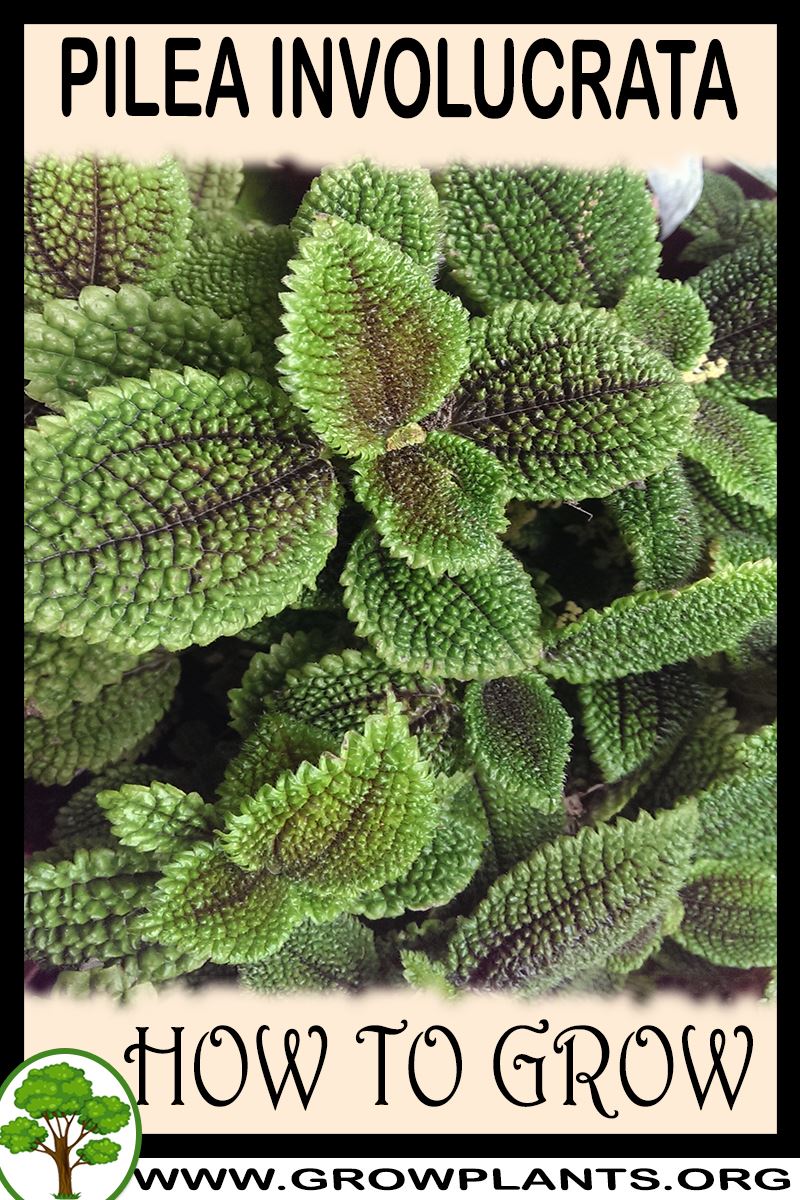
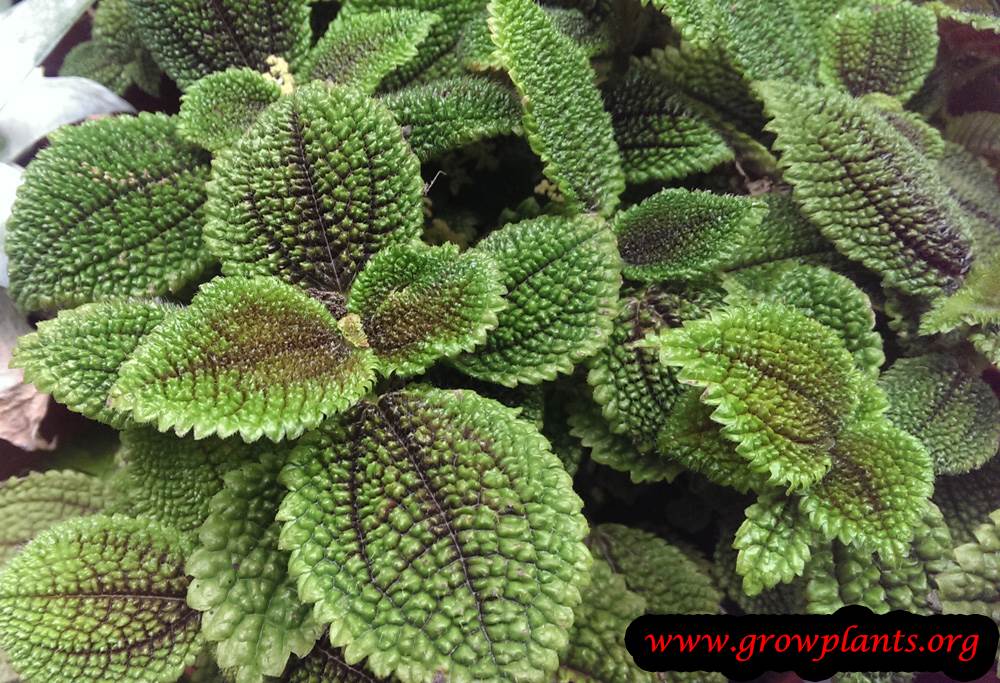
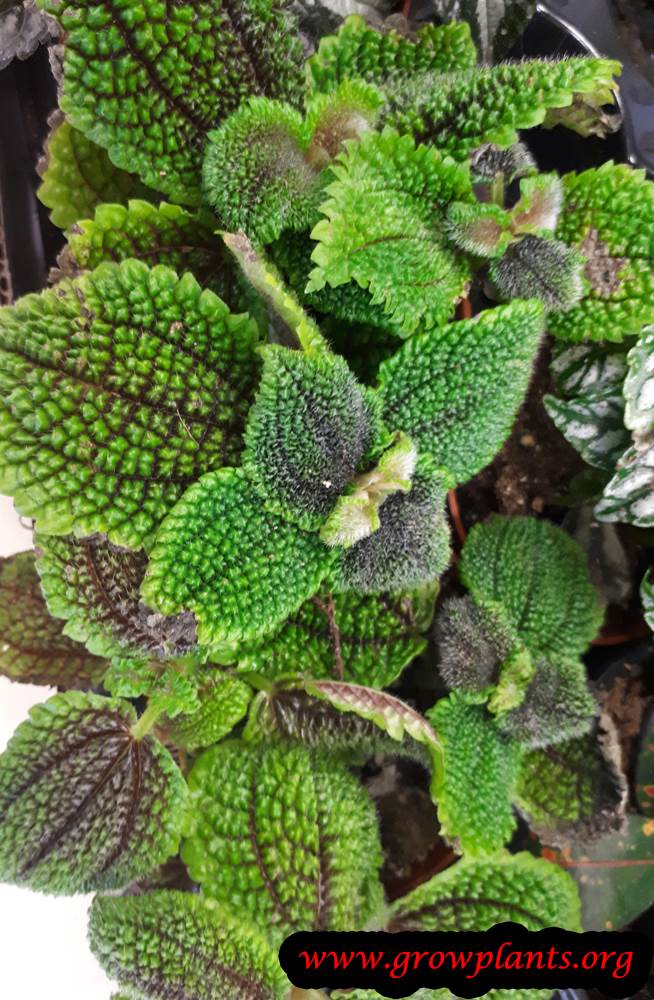
- Leaves & Foliage: Oval leaves with a deeply textured, scale-like quilted surface, coloured green, purple, red, black or multicoloured.
- Flower Characteristics: Insignificant small white or pink star-shaped flowers in clusters; grown chiefly for foliage rather than bloom.
Primary Uses & Landscape Value
- Functional & Ornamental Roles: Ornamental foliage houseplant for terrariums, dish gardens and shaded containers, valued for its coloured, textured leaves and easy propagation.
Care Guide: Planting, Soil & Watering
Overview: Pilea involucrata (Friendship plant) is a tropical foliage subshrub (hardiness zone 11b and warmer) that thrives in warmth, high humidity and consistently moist, rich soil. It grows best in a peaty, free-draining potting mix that stays evenly damp but never waterlogged, and is happiest as a houseplant or in shaded, frost-free gardens.
Quick Care Requirements
| Requirement | Ideal Condition |
|---|---|
| Planting Season | In the warm season, spring through autumn; year-round indoors |
| Growth Rate | Moderate to fast |
| Soil Type | Rich, humus-heavy, free-draining potting mix that holds moisture |
| Water Need | High – keep the soil evenly moist and never let it dry out |
Planting & Establishment
- Best Planting Season: Plant or repot in the warm season, from spring through autumn; indoors it can be started at any time of year, ideally as growth resumes in spring.
- How to Plant:
- Hole Preparation: Loosen a hole or fill a pot a little wider than the root ball so young roots spread easily.
- Soil Amendments: Blend in plenty of compost or leaf mould, plus peat and perlite, for a rich yet airy mix.
- Planting Depth: Set the plant at the same depth it grew before, keeping the crown at soil level so the stems are not buried.
- Growth Speed & Expectations: Expect moderate to fast growth in warm, humid, well-lit conditions, forming a low mound 15-30 cm (6-12 in) tall.
Soil, Watering & Drainage Care
- Soil Mix & Drainage Needs: Use a rich, moisture-retentive but airy mix; ensure pots have drainage holes so excess water escapes and roots never sit wet, which causes rot.
- Watering Schedule & Technique:
- Young / Newly Planted: Water newly planted or repotted specimens frequently to settle the roots and keep the mix continuously moist.
- Established: Keep the soil evenly moist at all times, watering as soon as the surface begins to dry, and pair with high humidity from misting or a pebble tray.
- Seasonal Adjustments: Ease off in the cooler, darker months when growth slows, but never let the mix dry out completely.
Climate, Light & Hardiness
Pilea involucrata (friendship plant) is a frost-tender tropical foliage plant best grown as a houseplant outside true tropical/subtropical zones. It needs warmth, high humidity, and half to full shade rather than direct sun.
Quick Climate Specifications
| Climate Zones | Tropic, subtropical, mediterranean; commonly grown as a houseplant |
|---|---|
| USDA Hardiness Zones | 11b+ |
| Light Conditions | Half shade to full shade |
| Frost Tolerance | None |
Sunlight & Light Exposure
Optimal Light Setup
Prefers half to full shade with bright, indirect light; direct sun is not needed and can scorch the decorative, textured foliage.
Shade & Heat Management
Bright, filtered indoor light or a shaded outdoor spot in warm climates suits this plant well.
Temperature Extremes & Hardiness
USDA Hardiness & Regional Limits
Reliably grown outdoors only in USDA zone 11b and warmer; elsewhere it is grown as a houseplant that needs consistent warmth year-round.
Frost Sensitivity
Has no frost tolerance – even light chilling can damage the soft foliage, so it should be kept well above freezing at all times.
Wind, Humidity & Microclimate
Humidity Preferences
Needs consistently high humidity to thrive, reflecting its tropical origins; dry indoor air can cause leaf browning.
Microclimate Recommendations
A warm, humid, shaded spot such as a bathroom or kitchen windowsill (out of direct sun) or a humidity tray helps replicate its native conditions indoors.
Growing in Pots, Balconies & Indoors
Friendship plant is a compact, shade-loving foliage plant and the grower confirms it as a genuine houseplant. Its small size and love of indirect light make it ideal for pots indoors, on a shaded balcony, or in a terrarium.
Quick Details
- Container Size: 5-10 L (1.3-2.6 gal); it stays small, so it needs no large pot
- Indoor Suitability: A true houseplant – thrives in bright, indirect indoor light
- Best Spot: Half to full shade; bright indirect light, no harsh midday sun
- Soil & Drainage: Rich, free-draining mix that stays lightly moist
- Watering in Pots: Keep evenly moist but never waterlogged; it likes humidity
Indoors & On the Windowsill
- A genuine houseplant: The grower confirms it – one of the easier foliage houseplants. Give it bright, indirect light out of direct sun, which scorches the leaves.
- Humidity: As a tropical it enjoys humidity; group it with other plants or stand the pot on a damp pebble tray, and it is a natural for a terrarium or bathroom.
- Windowsill growing: An east or north sill suits it; keep it off hot, sun-baked glass.
On a Balcony or Patio
- Light & shade: Outdoors it wants a shaded, sheltered corner – never full sun. Bring it in before cold weather, as it is frost-tender.
- Practicalities: It is light and easy to move, so shift it to follow the shade and shelter it from wind and heavy rain.
Choosing the Pot, Soil & Long-Term Care
- Pot & drainage: A small 5-10 L pot with strong drainage holes and never leave it standing in a saucer of water, or the roots rot. Terracotta breathes and dries faster; glazed or plastic holds moisture longer.
- Potting mix: A well-aerated, organic-rich mix – potting compost, or peat/coir with perlite or vermiculite. It likes moisture but not sogginess.
- Feeding: Feed lightly through the growing season – potted plants leach nutrients faster than plants in the ground.
- Repotting: Pot up only when roots fill the pot; it is easily refreshed from cuttings, which root readily.
Fertilizing & Feeding
A light-to-moderate feeder grown for its richly colored, textured leaves; steady light feeding through the growing season keeps foliage color strong without pushing leggy growth.
Quick Fertilizing Specs
| Feeding Level | Light to moderate feeder |
|---|---|
| Main Nutrient Priority | Balanced or slightly nitrogen-leaning feeding to support leaf color and density |
| Best Feeding Period | Spring through the active indoor growing season |
| Organic Options | A general houseplant fertilizer worked in at watering |
| Micronutrients | Usually supplied by a complete houseplant fertilizer; correct specific issues only when diagnosed |
| Soil pH | Prefers rich, evenly moist, well-drained potting mix |
Feeding by Growth Stage
Settling in after potting or repotting
Let roots recover and establish in fresh potting mix before asking the plant to support new growth.
| Nutrient direction | None – hold off on fertilizer while roots settle into fresh mix. |
|---|---|
| Timing | The first few weeks after potting or repotting. |
| Frequency | No feeding at this stage. |
| Fertilizer types | No feeding at this stage – fresh potting mix supplies enough for initial recovery |
| Precautions | Do not fertilize freshly potted or stressed plants; tender roots can be injured by feeding before they recover. |
Active growing season
Support full, colorful foliage and steady new growth during the plant’s active period.
| Nutrient direction | A balanced houseplant fertilizer to maintain leaf color and density. |
|---|---|
| Timing | Spring through summer while the plant is actively producing new leaves. |
| Frequency | Light, regular feeding worked into moist, well-drained potting mix. |
| Fertilizer types | A balanced complete houseplant fertilizer |
| Routine trace nutrients | iron, manganese |
| Precautions | Keep feeding light; this plant is sensitive to salt buildup and overfeeding can scorch leaf margins. |
Lower-light slowdown
Match feeding to the plant’s reduced growth rate during shorter, lower-light days.
| Nutrient direction | None – withhold fertilizer while growth has slowed for the season. |
|---|---|
| Timing | Autumn through winter, when indoor light and growth are reduced. |
| Frequency | No feeding at this stage. |
| Fertilizer types | No feeding at this stage – resume light feeding once active spring growth returns |
| Precautions | Do not fertilize a slow-growing plant; unused nutrients accumulate as salts in the potting mix. |
Nutrient Deficiency Signs & Corrections
Older leaves fade to pale green or yellow and new leaves emerge smaller than usual.
| Possible causes | low feeding over an extended period, potting mix depleted of nutrients, poor drainage limiting root uptake |
|---|---|
| Appears first on | older, lower leaves |
| What to check | recent feeding history, how long since the last repotting, drainage and moisture of the potting mix |
| Possible correction | Resume light, balanced feeding during the active growing season and consider a mix refresh if it has been several years. |
Brown, crisp leaf margins or tips, sometimes with a visible white crust on the soil surface.
| Possible causes | overfeeding or feeding too frequently, salt buildup from fertilizer residue, insufficient leaching of the potting mix |
|---|---|
| Appears first on | leaf tips and margins |
| What to check | recent feeding frequency and strength, presence of a white crust on the soil surface, how the pot drains when watered |
| Possible correction | Flush the potting mix thoroughly with plain water and reduce feeding frequency going forward. |
Wilting despite moist soil, soft blackened stems near the base, and collapsing growth.
| Possible causes | overwatering, poorly drained potting mix, fungal root pathogens favored by soggy, over-fed soil |
|---|---|
| Appears first on | the root system and stem base |
| What to check | potting mix drainage, recent watering frequency, root color and firmness when checked |
| Possible correction | Improve drainage, let the mix dry appropriately between watering, and withhold feeding until the plant recovers. |
Pruning, Training & Seasonal Maintenance
Friendship plant tolerates light-to-moderate pruning, and since it is a soft-stemmed subshrub grown as a houseplant with no strong forced dormancy, pinching and shaping are most effective, and least stressful, during active growth in spring and summer; dead or damaged growth can be removed any time it is noticed. Pruning has no effect on flowering, which is minor and incidental on this plant, but it strongly affects habit: unpinched stems stretch and sprawl, so regular tip pruning is what keeps the mounded, bushy form that best shows off the colorful leaves.
Quick Pruning & Maintenance Specs
| Pruning Tolerance | Moderate-High (soft stems regenerate readily) |
| Primary Pruning Window | Spring-summer active growth, for pinching and shaping |
| Secondary Maintenance Window | Any time, for dead or damaged leaf/stem removal |
| Typical Frequency | Light pinching every 4-6 weeks through the growing season |
| Main Objective | Compact, bushy habit and fresh colorful foliage |
| Young Plant Priority | Pinch growing tips early to build branching from the base |
| Mature Plant Priority | Cut back leggy or trailing stems; renew from the base if it gets sparse |
| Best Tool Type | Fingers for pinching, or precision snips |
| Avoid Heavy Pruning During | Low-light winter rest, and right after repotting |
Pruning by Plant Age & Size
Newly Established
Minimal – remove only damaged growth from the move; do not cut back hard while roots are settling in.
Young / Formative
No formal training system; simply pinch the growing tips of young stems to encourage branching low down rather than letting a single stem run.
Mature / Established
Periodically cut back stretched or leggy stems to a lower leaf pair to renew compact growth; a plant that has gone bare at the base can be cut back hard in spring to resprout, or refreshed by taking stem cuttings (this species roots easily and is often propagated this way).
Seasonal Pruning Schedule
Pre-Growth / Early-Spring – objective: control legginess before the main growth flush; what to remove: stretched stems and dead or yellowed leaves; what not to remove: healthy compact growth; expected response: a flush of new branching; flowering impact: none, since it is grown for foliage, not flowers.
Ongoing Sanitary – remove dead, damaged, or discolored leaves and spent flower clusters as they appear, at any time of year.
Structural Pruning & Training
Pinch growing tips for density; thin out any crossing or overcrowded stems in the crown to keep air moving, since this species is grown in humidity and consistently moist soil where stagnant, crowded growth invites rot; control height and spread by cutting long trailing stems back to a node.
Special Growth to Remove
Leggy, etiolated stems reaching for light (cut back to a node to force branching); dead or badly discolored leaves; spent flower clusters (flowers are small and incidental, not a display feature).
Container & Small-Space Pruning
As a houseplant or small-pot subject, favor frequent light pinching over occasional hard cuts to keep it compact for a windowsill or tabletop. Repotting is also a good moment to cut stems back by up to a third to reinvigorate a plant that has thinned out.
Tools
Precision snips for cutting soft, succulent-textured stems; fingers alone are enough for simple tip pinching.
Tool Hygiene & Disease Risk
Routine – clean, sharp snips are sufficient. No transmissible pathogen is documented for this species, but wipe blades if aphids (a listed pest) or any rot is present before moving to another plant.
Cut Placement & Technique
Pinch or cut just above a leaf node; a clean, sharp cut on the soft stem is important to avoid tearing and the rot entry point that a ragged cut can create.
Heavy Pruning & Rejuvenation
Tolerated – a leggy, bare-based plant can be cut back hard, to a few centimeters, in spring and will regrow readily from remaining nodes. Because this species is so easy to propagate from cuttings, many growers simply take fresh cuttings and start a fuller replacement plant instead of rejuvenating an old leggy one.
Post-Pruning Care
Keep humidity and soil moisture consistent as usual (this species wants rich, evenly moist soil that is never allowed to dry out); do not add extra fertilizer just because of a cutback; watch freshly cut stems for rot if conditions are overly wet.
Common Pruning Mistakes
Letting stems run unpinched until very leggy, then needing a drastic cutback; cutting back hard during the low-light winter rest, when regrowth is slow and cuts are more vulnerable to rot; overwatering freshly cut stems.
When NOT to Prune
Avoid a hard cutback right after repotting, and during the low-light winter rest period when regrowth is slow.
Recommended Tools (by task)
- precision_snips – for pinching tips and trimming soft, leggy stems back to a node.
Propagation Guide
Pilea involucrata is not a bulbous geophyte. Use stem cuttings and division of rooted growth where available.
Quick Propagation Specs
| Preferred Method | Stem cuttings; division or rooted offsets where present |
| Relevant Structure | Stem cuttings |
Vegetative Propagation
Use only healthy plant material that naturally carries the appropriate propagation structure for this plant. Separate or prepare propagules carefully and establish them in a clean, free-draining growing medium.
Growing from Seed
Where seed is an appropriate secondary method, use mature viable seed.
Aftercare
Protect newly propagated plants from severe drought and waterlogging until roots and shoots are established.
Bloom & Flower Guide
Quick Details
- Bloom Season: Spring into summer
- Flower Appearance: Very small white-to-pink star-shaped flowers gathered in modest clusters
- Edibility: Grown as an ornamental (mainly for its textured foliage); non-toxic and considered safe around pets
Detailed Blooming Overview
The friendship plant is grown above all for its quilted, deeply textured leaves. Its flowers are small and unshowy – little clusters of white-to-pink stars that appear in the warmth of spring and summer – a quiet bonus rather than the main event.
Flower Characteristics
- Tiny star-shaped flowers in white or pink, borne in small clusters, as the grower notes.
- Inconspicuous against the bold foliage.
Bloom Care & Thinning
- Encourage flowering: Warmth and humidity bring on what bloom there is.
- Shape: Pinch back regularly to keep the plant compact and leafy.
- Tidying: Remove spent flower clusters to keep the foliage looking clean.
Pests, Diseases & Troubleshooting
Overview: The friendship plant is a compact tropical foliage houseplant whose troubles are the familiar indoor set: fungus gnats and root rot from soggy compost, plus sap-sucking mites, mealybugs and aphids that thrive in warm, dry indoor air. It is not prone to true diseases outdoors so much as to cultural problems — overwatering, low humidity and low light. Keep it warm, humid, brightly but indirectly lit, and watered only when the surface dries, and it stays largely trouble-free.
Quick Troubleshooting Overview
| Issue / Pest | Main Symptom | Primary Solution |
|---|---|---|
| Fungus gnats | Small black flies over the soil; larvae in wet compost | Let soil surface dry; sticky traps; a BTI drench for larvae |
| Spider mites | Fine stippling, dull leaves, faint webbing in dry air | Raise humidity; rinse foliage; insecticidal soap or horticultural oil |
| Mealybugs | White cottony tufts in leaf axils and stems | Dab with alcohol; insecticidal soap/neem, repeat weekly |
| Aphids / whitefly | Sticky new growth, clouds of tiny white flies | Rinse off; insecticidal soap; yellow sticky traps for whitefly |
| Root rot | Wilting, blackened stem bases in soggy soil | Reduce watering; repot into fresh, free-draining mix |
| Crispy leaf edges | Brown, dry margins in dry air or over-fertilizing | Raise humidity; flush salts; steady watering |
Common Pests & Management
- Fungus gnats (Bradysia spp.):
- Symptoms: Tiny dark flies drifting over the pot; slender larvae in the top of constantly moist compost feed on organic matter and fine roots, weakening seedlings and cuttings.
- Prevention & Control: Let the top of the mix dry between waterings, which breaks their cycle, and cover the surface with grit. Use yellow sticky traps for adults and a Bacillus thuringiensis subsp. israelensis (BTi) drench for larvae; avoid standing water in saucers.
- Spider mites (Tetranychus urticae):
- Symptoms: Fine pale stippling, a dull grey-green cast, and delicate webbing on leaf undersides in warm, dry indoor air; leaves yellow and drop.
- Prevention & Control: Raise humidity, keep the plant away from heating vents, and rinse foliage undersides regularly. Treat with insecticidal soap or horticultural oil, covering undersides and repeating every few days to catch hatchlings.
- Mealybugs (Pseudococcus, Planococcus spp.):
- Symptoms: White cottony tufts tucked into leaf axils, stem joints and undersides, with sticky honeydew and sooty mold; growth stalls.
- Prevention & Control: Dab colonies with a cotton bud of rubbing alcohol, then spray with insecticidal soap or neem, repeating weekly until clear; isolate the plant, and check the roots for hidden root mealybug when repotting.
- Aphids and whitefly (Aphis / Trialeurodes vaporariorum):
- Symptoms: Aphids cluster on soft new growth; whiteflies rise in a small cloud when the plant is disturbed. Both leave sticky honeydew and cause distortion.
- Prevention & Control: Rinse plants under a tap, hang yellow sticky traps for whitefly, and spray insecticidal soap or neem on leaf undersides; repeat to break the life cycle and isolate new or infested plants.
- Thrips (Thrips spp.):
- Symptoms: Silvery scarring and tiny black fecal specks on leaves, with distorted new growth.
- Prevention & Control: Remove badly damaged leaves, use blue or yellow sticky traps to monitor, and treat with insecticidal soap or spinosad; keep plants unstressed and inspect incoming plants.
Diseases & Fungal Issues
- Root and stem rot (Pythium, Phytophthora, Rhizoctonia spp.):
- Symptoms: The main killer: lower stems blacken and get mushy and the plant wilts even though the soil is wet; roots are brown and slimy.
- Treatment & Management: Water only when the surface dries, use a light, free-draining mix, and never leave the pot standing in water. Repot rot-affected plants into fresh mix after trimming away dead roots; there is no spray substitute for correct watering.
- Botrytis / grey mold (Botrytis cinerea):
- Symptoms: Fuzzy grey mold on soft, crowded or damaged tissue in cool, damp, still air.
- Treatment & Management: Improve air circulation, remove dead and decaying leaves promptly, and avoid wetting the foliage in cool conditions; lower humidity slightly if mold recurs.
- Leaf spot (various fungi/bacteria):
- Symptoms: Brown or water-soaked spots, sometimes yellow-haloed, spreading when leaves stay wet.
- Treatment & Management: Keep water off the foliage, remove spotted leaves, and space plants for airflow; the problem usually stops once leaves are kept dry.
Growing Difficulties & Abiotic Problems
- Overwatering:
- Cause & Symptoms: Soggy compost suffocates roots, causing wilting, yellowing and eventual rot — the most common cause of decline.
- Correction Strategy: Water only when the top of the mix is dry, use pots with drainage, and empty saucers; err on the dry side in low light and winter.
- Low humidity / crispy edges:
- Cause & Symptoms: Dry indoor air browns and crisps leaf margins and encourages spider mites.
- Correction Strategy: Group plants, use a pebble tray or humidifier, and keep away from radiators and cold drafts to hold humidity up.
- Low light and legginess:
- Cause & Symptoms: Too little light causes pale, stretched, sparse growth and small leaves.
- Correction Strategy: Move to bright, indirect light and turn the pot regularly; pinch back to keep the plant bushy.
- Fertilizer salt / leaf-tip burn:
- Cause & Symptoms: Over-feeding builds up salts that scorch leaf tips.
- Correction Strategy: Feed weakly during active growth only, flush the pot with plain water periodically, and reduce feeding in low light.
What Helps — Products & Tools
The toolkit is simple: insecticidal soap, neem or horticultural oil for sap-suckers, yellow sticky traps and a BTi drench for fungus gnats, and rubbing alcohol for spot-treating mealybugs; the best ‘products’ are a free-draining mix, a humidifier, and disciplined watering. Isolate new plants before introducing them.