

Plant Profile & Key Characteristics
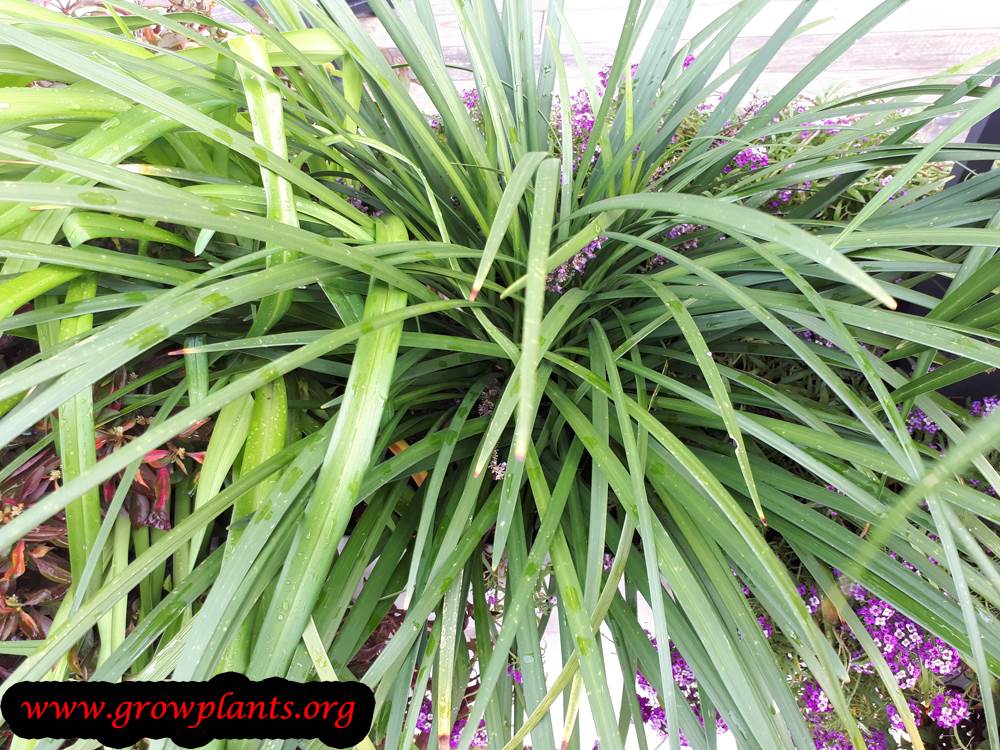
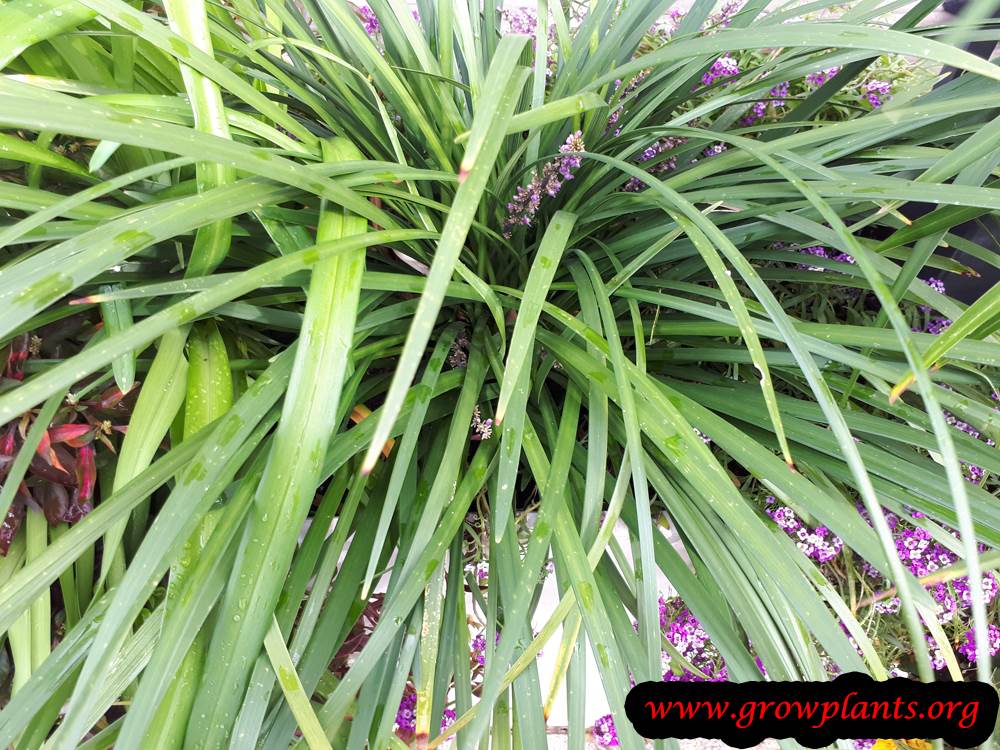
Overview: Liriope muscari (big blue lilyturf) is an evergreen, grass-like clumping perennial 20-40 cm tall, widely used as a groundcover and edging. It sends up spikes of purple, pink or white star-shaped flowers.
Quick Specifications
| Specification | Attribute |
|---|---|
| Plant Type / Life Cycle | Perennial (evergreen grass-like) |
| Foliage Type | Evergreen |
| Mature Size | 20-40 cm tall and wide (8-16 in) |
| Growth Rate | Moderate to Fast |
| Root System | Fibrous with short rhizomes; clump-forming (non-running) |
| Hardiness | USDA zones 6-10 |
Growth Form & Structure
- Height & Spread: Forms tidy grassy clumps 20-40 cm across; excellent in containers and as edging.
- Growth Habit & Form: Dense, tufted, clump-forming grass-like perennial that spreads slowly, ideal for groundcover.
- Lifespan & Maturity: Long-lived perennial, quickly bulking into full clumps and easily divided.
Anatomy & Physical Features
- Leaves & Foliage: Strap-like, linear green leaves, sometimes variegated white or yellow.
- Flower Characteristics: Small star-shaped flowers in purple, pink or white, held on raceme-like spikes above the foliage.
Primary Uses & Landscape Value
- Functional & Ornamental Roles: Evergreen groundcover, path and bed edging, mass planting and container filler; tolerant of shade.
Care Guide: Planting, Soil & Watering
Overview: Lilyturf is an adaptable evergreen groundcover for full sun to half shade that prefers rich, well-drained soil kept lightly moist. It grows steadily on moderate watering and is tough once established.
Quick Care Requirements
| Requirement | Ideal Condition |
|---|---|
| Planting Season | During the warm season, spring through autumn |
| Growth Rate | Moderate to Fast |
| Soil Type | Rich, well-draining soil that stays lightly moist |
| Water Need | Moderate — keep the soil lightly moist, letting the surface dry between waterings |
Planting & Establishment
- Best Planting Season: Plant during the warm season, anytime from spring through autumn.
- How to Plant:
- Hole Preparation: Dig a hole a little larger than the root ball and loosen the surrounding soil so young roots can spread easily.
- Soil Amendments: Work in compost or well-rotted organic matter to enrich the bed and improve both fertility and drainage.
- Planting Depth: Set the plant at the same level it grew in its pot, with the root collar at the soil surface — do not bury the stem.
- Growth Speed & Expectations: Expect moderate to fast growth in optimal conditions, filling out quickly through the warm season.
Soil, Watering & Drainage Care
- Soil Mix & Drainage Needs: Provide rich, well-draining soil that holds some moisture; in containers use a fertile free-draining potting mix with drainage holes so the roots stay moist but never waterlogged.
- Watering Schedule & Technique:
- Young / Newly Planted: Water regularly after planting to keep the soil evenly moist while roots establish.
- Established: Water deeply and consistently, letting the surface dry slightly between waterings.
- Seasonal Adjustments: Water more often in summer heat and less in the cooler, wetter months.
Climate, Light & Hardiness
Liriope muscari (lily turf) is an adaptable evergreen groundcover suited to temperate, subtropical, and mediterranean climates, hardy in USDA zones 6–10. It grows well in full sun to half shade with average, consistent moisture.
Quick Climate Specifications
| Climate Zones | Temperate, subtropical, mediterranean |
|---|---|
| USDA Hardiness Zones | 6–10 |
| Approx. Survival Minimum | Established plants typically tolerate winter minimums consistent with zone 6 (roughly −23°C to −17.8°C / −10°F to 0°F) |
| Frost Tolerance | High |
| Light Conditions | Full sun to half shade |
Sunlight & Light Exposure
Optimal Light Setup
Full sun to half shade; variegated forms often show their best color with more light.
Direct Sun Requirement
Tolerates full sun.
Shade & Heat Management
Also does well in half shade, useful under trees or in shadier borders.
Best Exposure / Orientation
Flexible - a reliable groundcover for sun-to-part-shade areas.
Temperature Extremes & Hardiness
USDA Hardiness & Regional Limits
Hardy zone 6–10, remaining evergreen across most of this range.
Cold Damage & Winter Protection
Foliage may look tattered after a hard winter at the cold end of its range, but the plant itself is not killed; dead leaves and bloom stems are simply cleaned up as needed.
Frost Sensitivity
Low; well adapted to winter freezes typical of zone 6 and up.
Extreme Heat Tolerance
Performs well into the warmer, subtropical conditions of zone 10.
Wind, Humidity & Microclimate
Rainfall & Seasonal Moisture
Needs an average amount of water in well-drained, moisture-retentive, rich soil.
Microclimate Recommendations
An adaptable groundcover for a broad range of exposures; because it spreads assertively (noted as aggressive), edging or containment helps manage its spread.
Growing in Pots, Balconies & Indoors
Liriope muscari (lilyturf) is a tough, grassy evergreen with spikes of violet flowers – excellent in containers and edging, though the grower confirms it is not a houseplant. It thrives in a shaded or part-sun pot on a balcony or patio.
Quick Details
- Container Size: Small to medium – it clumps up steadily and looks good in a broad pot or trough.
- Indoor Suitability: No – not a houseplant; a bright, indirect sill at most.
- Best Spot: Full sun to part shade – it is very shade-tolerant.
- Soil & Drainage: Ordinary free-draining mix; very undemanding.
- Watering in Pots: Even, moderate moisture; established clumps tolerate short dry spells.
Indoors & On the Windowsill
- Not a houseplant: The grower says no – it is a hardy outdoor evergreen that needs a cool season and does not suit a warm room.
- Outdoor container plant: Its strength is as an easy, year-round container and edging plant, especially in shade where little else thrives.
- Winter interest: Being evergreen and hardy, it holds its foliage through the cold season on a patio or balcony.
On a Balcony or Patio
- Shade-tolerant and tough: It copes with the shady, awkward corners of a balcony that many plants dislike, and shrugs off wind and reflected heat better than most.
- Watering: Keep pots evenly moist; it is forgiving of the odd dry spell once established.
Choosing the Pot, Soil & Long-Term Care
- Pot & drainage: Choose a pot with strong drainage holes and skip a standing-water saucer, which invites root rot; terracotta breathes and dries quickly, while glazed or plastic hold moisture longer.
- Potting mix: Fill with a well-aerated, organic-rich medium – a good potting mix, or peat/coir blended with perlite or vermiculite for drainage.
- Feeding: Container plants run through nutrients fast because watering washes them out, so feed a little more often through the growing season than you would in open ground.
- Repotting: Divide and refresh the clump every couple of years when it fills the pot – an easy way to make more plants.
Fertilizing & Feeding
A light feeder: this tough, grass-like groundcover is grown mainly for its foliage and holds up well on modest nutrition, needing only an occasional balanced feeding through the growing season and none while growth is slow.
Quick Fertilizing Specs
| Feeding Level | Light feeder |
|---|---|
| Main Nutrient Priority | Balanced feeding with adequate nitrogen to keep foliage full and well colored |
| Best Feeding Period | Spring through the growing season |
| Organic Options | Rich, moist, well-drained soil amended with compost or other organic matter |
| Reduce/Stop Feeding | Hold off feeding through cool weather when growth slows |
| Micronutrients | Usually met by a complete fertilizer in rich soil; correct only diagnosed issues |
| Soil pH | Adaptable; performs well in rich, moist, well-drained soil across a wide range |
Feeding by Growth Stage
Spring growth flush
Refresh the grass-like foliage clumps, whether plain green or variegated, as growth resumes.
| Nutrient direction | A balanced, complete fertilizer with adequate nitrogen keeps the strap-like leaves full and well colored. |
|---|---|
| Timing | As new growth resumes in spring, especially after cutting back old foliage. |
| Frequency | A light feeding at the start of active growth suits this low-demand groundcover. |
| Fertilizer types | A balanced complete fertilizer, Compost or other organic matter worked into the bed |
| Precautions | Keep feeding light; this species tolerates neglect well and heavy feeding offers little visible benefit. |
Summer flower spike bloom
Support the purple, pink, or white star-shaped flowers carried on upright spikes above the foliage.
| Nutrient direction | Continue light, balanced feeding; strong foliage nutrition is what carries this secondary flower display. |
|---|---|
| Timing | Through spring, summer, and into autumn while flower spikes are present. |
| Frequency | An occasional light feeding through the season is usually enough. |
| Fertilizer types | A balanced complete fertilizer, A top-dressing of compost as needed |
| Precautions | Avoid heavy feeding, which favors leafy bulk over the flower spikes and can make variegated forms revert to plainer green growth. |
Cool-season rest
Let this evergreen groundcover coast through cool weather without pushing new growth.
| Nutrient direction | None – withhold fertilizer while growth is slow through cool weather. |
|---|---|
| Timing | During the cooler part of the year, at the cooler edge of its hardiness range. |
| Frequency | No feeding at this stage. |
| Fertilizer types | No feeding at this stage; do not fertilize until active growth resumes in spring. |
| Precautions | Do not fertilize while growth is dormant or nearly so; feeding now wastes nutrients and risks salt buildup around the roots. |
Nutrient Deficiency Signs & Corrections
Foliage looks thin and pale rather than the deep, full green expected of a healthy clump.
| Possible causes | low soil nitrogen, root competition from nearby trees or shrubs, soil lacking organic matter |
|---|---|
| Appears first on | older leaves and overall foliage color |
| What to check | recent feeding history, nearby root competition, soil organic matter |
| Possible correction | Apply a balanced complete fertilizer with nitrogen and improve soil organic matter. |
Leaf tips and margins brown or scorch on plantings near walkways, driveways, or roads in winter.
| Possible causes | de-icing salt runoff or spray reaching foliage and roots, fertilizer salt buildup compounding the injury, restricted drainage holding salt in the root zone |
|---|---|
| Appears first on | leaf tips and margins on exposed, roadside-facing foliage |
| What to check | proximity to salted walkways or roads, recent fertilizer amounts, drainage after winter thaw |
| Possible correction | Where practical, limit salt exposure, flush the root zone with water after thaw, and avoid additional feeding until new growth looks healthy. |
Interveinal yellowing on older leaves while the veins themselves stay green.
| Possible causes | low soil magnesium, heavy potassium feeding competing with magnesium uptake, leaching in light, sandy soils |
|---|---|
| Appears first on | older leaves |
| What to check | soil magnesium status, recent feeding balance, soil texture and drainage |
| Possible correction | Apply a labeled magnesium source such as Epsom salt or a dolomitic amendment and rebalance feeding. |
Pruning, Training & Seasonal Maintenance
This clumping, grass-like evergreen groundcover tolerates being cut hard to the ground once a year, and for most plantings that is genuinely worth doing – a coarse late-winter cutback removes the past year’s tattered, weather-worn foliage so clean new leaves can emerge unobstructed. The key is timing: this hard cut must happen before new spring shoots appear, since a late cutback shears off the new growth tips and leaves the whole clump looking blunt and browned for the rest of the season. Light removal of individual dead leaves or spent bloom stalks, by contrast, can be done anytime without that timing risk.
Quick Pruning & Maintenance Specs
| Pruning Tolerance | High – tolerates being cut to the ground annually |
| Primary Pruning Window | Late winter, before new spring shoots emerge |
| Secondary Maintenance Window | Spot removal of dead leaves or spent bloom stems, any time of year |
| Typical Frequency | One hard cutback per year plus incidental light grooming |
| Main Objective | Remove old, weather-worn foliage for a clean new flush |
| Young Plant Priority | Let newly divided or planted clumps establish before a hard cutback |
| Mature Plant Priority | Annual late-winter renewal cut |
| Best Tool Type | Hedge shears or a string trimmer set high for mass plantings; hand shears for small clumps |
| Avoid Heavy Pruning During | After new spring shoots have emerged |
Pruning by Plant Age & Size
Newly Established
Skip the hard cutback in the first season – let divisions or new plantings root in fully first.
Young / Formative
No structural training system – it is a clumping, grass-like groundcover with no framework to build.
Mature / Established
Routine annual late-winter cutback of the whole clump; periodic division of overcrowded clumps doubles as a rejuvenation measure.
Seasonal Pruning Schedule
Pre-Growth / Late-Winter: clear away the previous year’s worn foliage before new leaves emerge by cutting back all old foliage close to the crown, without cutting into the crown or roots themselves; the result is a flush of clean new leaves, with no flowering impact since flowers form fresh from the crown each season.
Ongoing Sanitary (through the growing season): tidy individual dead or damaged leaves and spent bloom stalks as needed; timing is flexible since this spot grooming does not risk cutting new growth the way the late-winter mass cutback does.
Structural Pruning & Training
Beyond the annual cutback, the main structural concern is height and spread control given the source’s own aggressive spreading note – trim or divide clump edges to keep it within bounds. Canopy thinning is not relevant to this dense, grass-like clump.
Special Growth to Remove
- Dead or tattered leaves
- Spent flowering stalks once bloom fades, directly per the source’s own how-to-prune note
- Outward-creeping sections, given its documented aggressive spread
Container & Small-Space Pruning
Works well in containers at its modest 20-40cm size. The same late-winter cutback applies, timed carefully since container plants can push new growth slightly earlier in a warm microclimate. Divide and refresh potting mix periodically as the clump fills the container.
Tools
Hedge shears for the once-a-year mass cutback – a genuine hedging-style use here since it is a wholesale clump-wide cut, not a selective one; precision snips for spot removal of individual dead leaves or spent bloom stalks through the year.
Tool Hygiene & Disease Risk
Routine, with one specific note: scale, among its documented pests, can occasionally be carried on pruning tools between infested clumps, so wipe blades between clearly infested and clean plantings.
Cut Placement & Technique
For the late-winter cutback, shear the whole clump down uniformly to a few centimeters above the crown. For spot grooming, snip individual dead leaves or spent bloom stalks at their base rather than mid-blade.
Heavy Pruning & Rejuvenation
The annual hard cutback described above is the routine rejuvenation for this plant – well tolerated, with a full flush of clean new leaves expected within a few weeks, provided the timing (before new shoots emerge) is respected.
Post-Pruning Care
Water normally after the cutback; no need for extra feeding to push regrowth. Watch for the slugs and snails noted among its pests, which can find tender new post-cutback leaves more attractive than tougher older foliage.
Common Pruning Mistakes
- Cutting back too late, after new shoots have already emerged, leaving blunt, browned leaf tips for the rest of the season
- Never cutting back at all, leading to a build-up of tattered, scale-prone old foliage
- Shearing so low that the crown itself is nicked
When NOT to Prune
Do not do the hard cutback once new spring growth has started, and avoid it on a newly planted or freshly divided clump before it has re-established.
Recommended Tools (by task)
| hedge_shears | The once-a-year, whole-clump late-winter cutback, timed before new shoots emerge |
| precision_snips | Spot removal of individual dead leaves or spent bloom stalks through the growing season |
Propagation Guide
Liriope muscari is most easily and most reliably increased by dividing the clump, which is fast and, unlike seed, preserves leaf variegation on variegated forms. Seed produces true species plants but germinates slowly and unevenly, so it is a secondary option best reserved for the plain green form. Overall difficulty is easy, helped by this plant’s naturally spreading, clump-forming habit (noted on the site as aggressive).
Quick Propagation Specs
| Best Propagation Method | Clump division |
| Alternative Methods | Seed (species/green forms only) |
| Propagation Difficulty | Easy |
| Seed True-to-Type | Variable – does not preserve leaf variegation |
| Vegetative True-to-Type | Yes |
| Best Propagation Season | Spring, as new growth resumes (also possible in early autumn) |
| Seed Germination Time | Slow and erratic, often several weeks to a few months – the seed coat is notably hard |
| Germination Temperature | 21–27°C (70–80°F) |
| Seed Sowing Depth | Shallow, lightly covered |
Growing from Seed
Mainly used for the plain green species, since variegated leaf patterns (noted on the site) are not reproduced from seed. Sow shallowly and expect slow, uneven germination over several weeks to a few months given the hard seed coat.
Division, Offsets, Pups & Suckers
Timing
Best in spring as new growth begins, or in early autumn in milder climates.
Minimum Viable Size & Roots
Each division should include several leaf fans with roots attached; the clump’s short rhizomatous spread (part of why it’s noted as aggressive) makes it easy to pull or cut sections apart.
Leaf Reduction & Establishment Care
Trimming the foliage back by about half reduces moisture stress after division; keep newly planted divisions consistently moist in rich, well-drained soil until re-established.
Bloom & Flower Guide
Quick Details
- Bloom Season: Late summer into autumn (grower notes spring through autumn in cultivation)
- Time to First Bloom: Flowers reliably once the clump has established, usually from its second year
- Flower Appearance: Dense upright spikes of small, rounded, star-shaped flowers in purple, pink or white, like little grape hyacinths
- Edibility: Grown as an ornamental groundcover — the flowers are not eaten
Detailed Blooming Overview
Lilyturf sends up stiff, upright flower spikes through its grassy evergreen foliage in late summer, each packed with small rounded flowers that recall a grape hyacinth. It is one of the most useful flowering groundcovers for shade and edging.
Flower Characteristics
- Many small, six-lobed, star-shaped flowers.
- Purple, pink or white.
- Densely arranged on an erect raceme held clear of the leaves.
Bloom Care & Thinning
- Site for best flowering: Adaptable from sun to shade; tough and drought-tolerant once established.
- Managing the bloom: Shear off the old foliage in late winter so the new leaves and flower spikes come through cleanly.
- Pollination: Worked by bees and other insects.
Fruit & Uses
Liriope muscari is grown almost entirely as an ornamental groundcover, but the fleshy, tuberous swellings on its roots have a minor traditional use as a foraged food: cooked, or candied as a sweet. This is a lesser-known wild-food use rather than a cultivated crop, so treat it as a curiosity to try in small amounts rather than a reliable harvest.
Quick Edible Specs
| Edible Parts | Root (the fleshy, tuberous swellings near the root tips) |
|---|---|
| Main Use(s) | Minor wild-foraged food (cooked root); occasionally candied as a sweet; also has traditional medicinal use (not detailed here) |
| Eaten Raw or Cooked | Cooked |
| Preparation Required | Cook (specific method not well documented); candying is an alternative sweet preparation |
| Harvest Season | Roots can be lifted once the clump is established, outside active spring growth is generally gentlest on the plant |
| Storage | Best used fresh after digging; not documented as a long-term storage root |
| Safety/Toxicity Caveat | No toxicity documented, but this is a minor/uncommon foraged use with limited culinary detail available – treat as marginal rather than a verified everyday food |
Roots & Tubers
Not every root is markedly tuberous – the edible part is specifically the fleshy, swollen portion that sometimes forms near the tip of the fibrous roots. Digging disturbs and can set back the clump, so this is a use for occasional foraging rather than repeat harvesting from the same plant, and digging up roots will affect the plant’s growth (see Propagation/Care for how the plant is normally divided). Once lifted, the tuberous root is cooked before eating; some traditions also candy it as a sweet.
Preparation, Uses & Safety
Cooking is the standard preparation; no specific detoxification step is documented, but because this is a marginal, lesser-known use, only small amounts should be tried, and identification should be certain before eating any wild-dug root. Beyond this minor food use, the root also has a traditional medicinal reputation in parts of East Asia; that is noted only as a traditional-use fact here, with no health claims made.
Pests, Diseases & Troubleshooting
Overview: Lilyturf (Liriope muscari) is a tough, shade-tolerant groundcover with few pests, but slugs and snails, scale insects, mealybugs and spider mites can trouble it, and it is prone to anthracnose leaf spot, crown and root rot, and leaf-tip browning from salt or drought. Most problems trace to overwatering or matted old foliage; good drainage and an annual cut-back keep it healthy.
Quick Troubleshooting Overview
| Issue / Pest | Main Symptom | Primary Solution |
|---|---|---|
| Slugs and snails | Ragged holes and slime on leaves | Handpick, iron-phosphate bait |
| Scale / mealybugs | Bumps or white fluff, sticky honeydew | Prune, horticultural oil |
| Anthracnose leaf spot | Brown spots and streaks, dying leaf tips | Cut back, remove debris, airflow |
| Crown / root rot | Yellowing, mushy crown in wet soil | Improve drainage, ease watering |
| Leaf-tip browning | Brown, scorched leaf tips | Reduce salt, mulch, steady moisture |
Common Pests & Management
- Slugs and snails (Deroceras & Helix spp.):
- Symptoms: Irregular holes chewed in the strappy leaves with silvery slime trails, worst in shaded, damp plantings.
- Prevention & Control: Hand-collect after dark, thin dense clumps to reduce hiding places, and use iron-phosphate bait or grit barriers.
- Scale insects (Diaspididae & Coccidae):
- Symptoms: Small immobile brown or white bumps along leaves and crowns, with sticky honeydew, sooty mould and general yellowing.
- Prevention & Control: Wipe off or prune out light infestations, cut the whole clump to the ground in late dormancy, and apply horticultural oil to smother crawlers.
- Mealybugs (Pseudococcus spp.):
- Symptoms: Cottony white masses in leaf bases and crowns, with honeydew and sooty mould weakening the plant.
- Prevention & Control: Dab colonies with an alcohol-moistened swab, wash off with soapy water, apply horticultural oil, and encourage predators.
- Spider mites (Tetranychus urticae):
- Symptoms: Fine pale stippling and dull, bronzed leaves with faint webbing in hot, dry, sheltered spots.
- Prevention & Control: Rinse foliage, raise humidity, and treat with horticultural oil or insecticidal soap on the undersides.
Diseases & Fungal Issues
- Anthracnose leaf spot (Colletotrichum spp.):
- Symptoms: Reddish-brown spots and streaks that run down the leaf blades, browning and killing leaf tips, worst in warm wet weather.
- Treatment & Management: Cut back and remove affected foliage (an annual shear before new growth resets the planting), improve airflow, water at the base, and use a copper or appropriate fungicide only if severe.
- Crown & root rot (Phytophthora / Rhizoctonia spp.):
- Symptoms: Yellowing, collapsing clumps with a soft, rotten crown and dark roots in soggy, poorly drained soil.
- Treatment & Management: Plant in well-drained soil, avoid overwatering and overhead irrigation, divide congested clumps, and remove rotted crowns with surrounding soil.
- Southern blight (Sclerotium rolfsii):
- Symptoms: Sudden wilting with white fungal threads and tan mustard-seed sclerotia at the crown and soil surface in hot, humid conditions.
- Treatment & Management: Remove affected plants and infested soil, improve drainage, avoid deep mulch against crowns, and rotate the planting.
Growing Difficulties & Abiotic Problems
- Leaf-tip and margin browning:
- Cause & Symptoms: Salt build-up (from fertiliser or de-icing/seaside exposure) and drought scorch the leaf tips brown.
- Correction Strategy: Leach salts with occasional deep watering, mulch to steady moisture, avoid overfeeding, and shear off tatty foliage annually.
- Crown rot from overwatering:
- Cause & Symptoms: Constantly wet soil rots the crown, yellowing and collapsing the clump.
- Correction Strategy: Water only when the surface dries, plant in free-draining soil, and never let clumps sit in standing water.
- Winter-worn, ragged foliage:
- Cause & Symptoms: Old leaves become browned and shabby by late winter, spoiling the display.
- Correction Strategy: Shear the whole planting close to the ground before new growth emerges for a fresh flush; do it before shoots appear to avoid cut leaf tips.
What Helps – Products & Tools
Lilyturf needs little: iron-phosphate bait for slugs and snails, horticultural oil for scale, mealybugs and mites, and a copper or appropriate fungicide for anthracnose if an annual cut-back and airflow do not suffice. The most valuable ‘tool’ is a pair of shears for the yearly renovation. Spray in the evening to protect pollinators and follow the label.