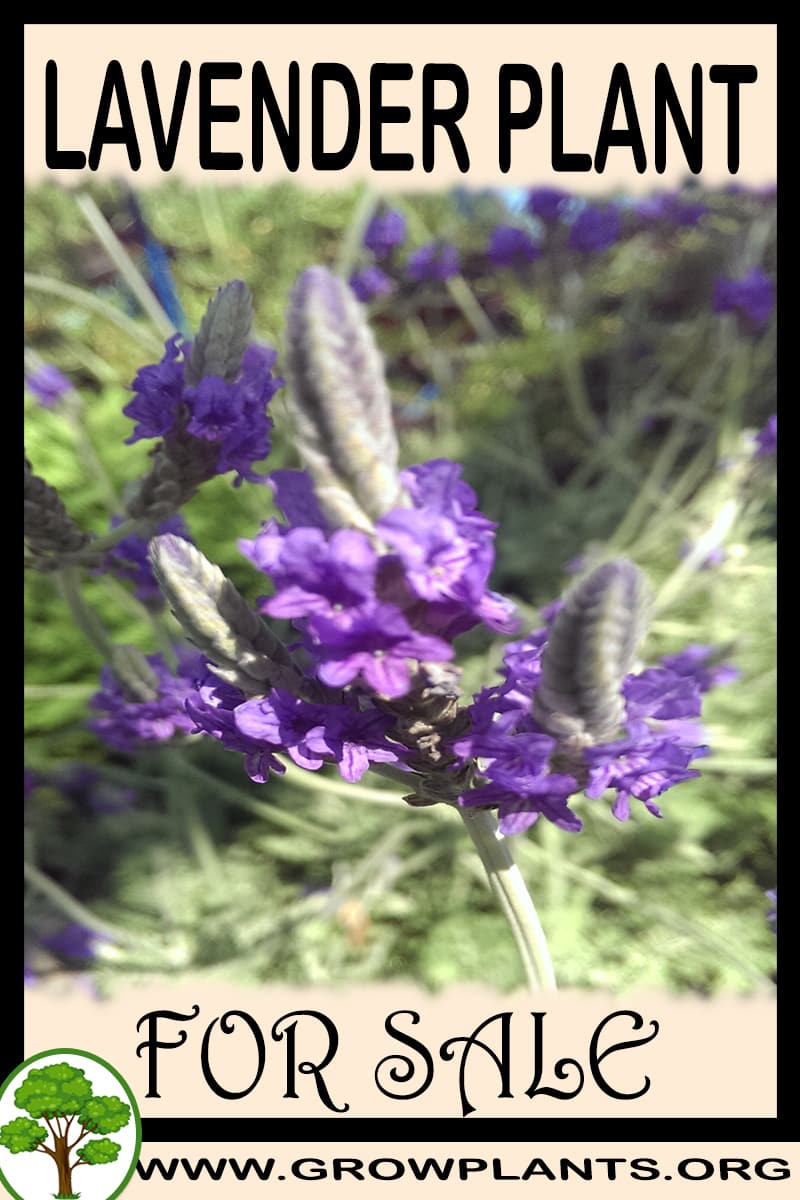
Lavender is a fragrant, drought-tolerant evergreen shrub prized for its purple flower spikes and aromatic foliage. Autumn is the ideal time to buy and plant – here’s what to look for in a healthy plant and how to keep it thriving for years.
Popular Lavender Species & Gardening Supplies
As an Amazon Associate I earn from qualifying purchases.
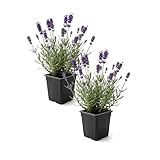


Don’t see the exact variety you’re looking for?
Explore all live Lavender plants, pots, and starter kits on Amazon ↗
At-a-Glance Specifications
Needs sun & sharp drainage to thrive
English to ~-15 °C; French/Spanish need shelter
Space plants 3–4 ft apart for airflow
Shade sharply reduces flowering
Alkaline pH 6.5–7.5
Water sparingly; avoid over-watering
Pre-purchase considerations
- Pick the right size: Choose a 2-year-old plant in about a 1.5-litre pot – a bigger root system establishes far better after transplanting.
- Best buying window: Autumn is ideal. Cool temperatures, gentler sun and low-to-moderate rainfall give lavender the perfect start.
- True to type: Plants grown from cuttings are exact replicas of the parent, so you know precisely the form and fragrance you are getting.
Growing tips before you buy
- Cold snap protection: For cold gardens choose a hardy English type; shelter more tender French and Spanish lavenders, or grow them in movable pots.
- Container vs. in-ground: In hot, humid areas plant on a raised bed or mound for air circulation; pots suit cold-winter gardens that need overwintering.
- Sunlight mapping: Reserve your sunniest spot – full sun is required for a good flush of blooms, and shade will lessen flowering.
- Drainage readiness: Prepare sandy, gritty, alkaline soil; on heavy ground work in stone or compost, or use a 50/50 native-soil-to-stone mix.
Cultivation & care standards
- Soil: Give sharp drainage and an alkaline pH of 6.5–7.5. Lavender will not thrive in acidic or heavy, wet soil – amend heavy ground with grit.
- Spacing: Plant 3–4 ft apart for good air circulation, especially in humid climates where crowding invites disease.
- Irrigation: Water daily in its nursery pot until planted; afterwards water only when the soil is dry. Established plants are extremely drought-resistant – avoid over-watering.
- Pruning: Prune once a year after blooming. Cut back the flower stems plus about a third of the gray-leaved stems, but never into bare, leafless wood.
- Harvesting: Cut flower stems in the cool of the morning once the dew has dried. Most lavenders bloom for around five weeks, giving ample time to enjoy them.
🎬 Watch: Lavender – Planting, Care & Pruning
Uses & benefits
Lavender is as useful as it is beautiful. The fragrant flower spikes are cut fresh or dried for bouquets, sachets and culinary buds, and are the source of prized essential oil for aromatherapy. In the garden it forms an aromatic, evergreen, pollinator-friendly border that hums with bees all summer.
Frequently Bought Together
Everything you need to successfully plant and grow this specimen.
Healthy, nursery-grown & ready to pot
Nutrient-rich, well-draining mix
Breathable pot that prevents root rot
Feeds for healthy, vibrant growth
*As an Amazon Associate, we earn from qualifying purchases.*
Ready to grow? Check out our complete Lavender Plant Grow & Care Guide ↗ for detailed watering schedules, sunlight tips, and troubleshooting.