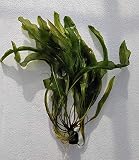


Plant Profile & Key Characteristics
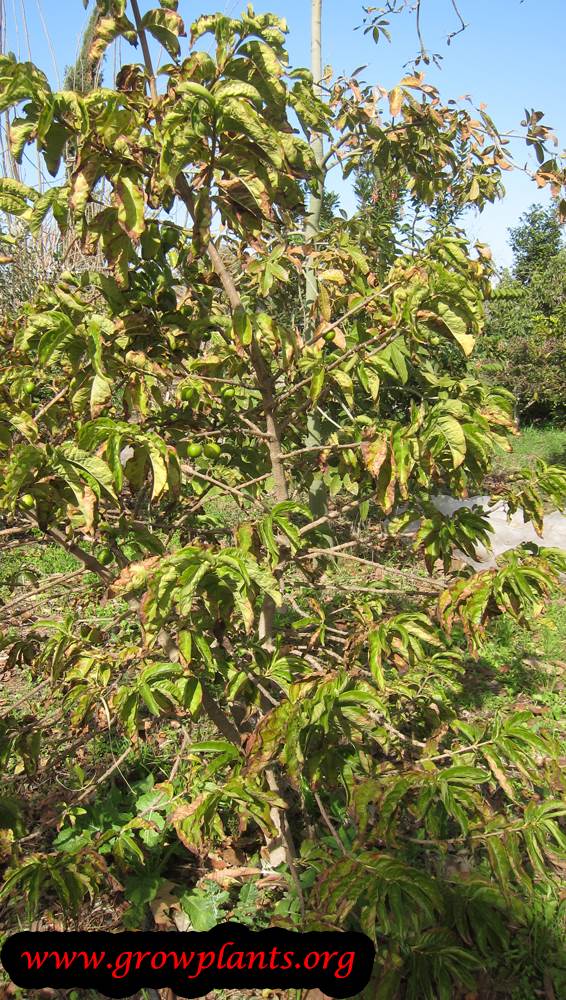
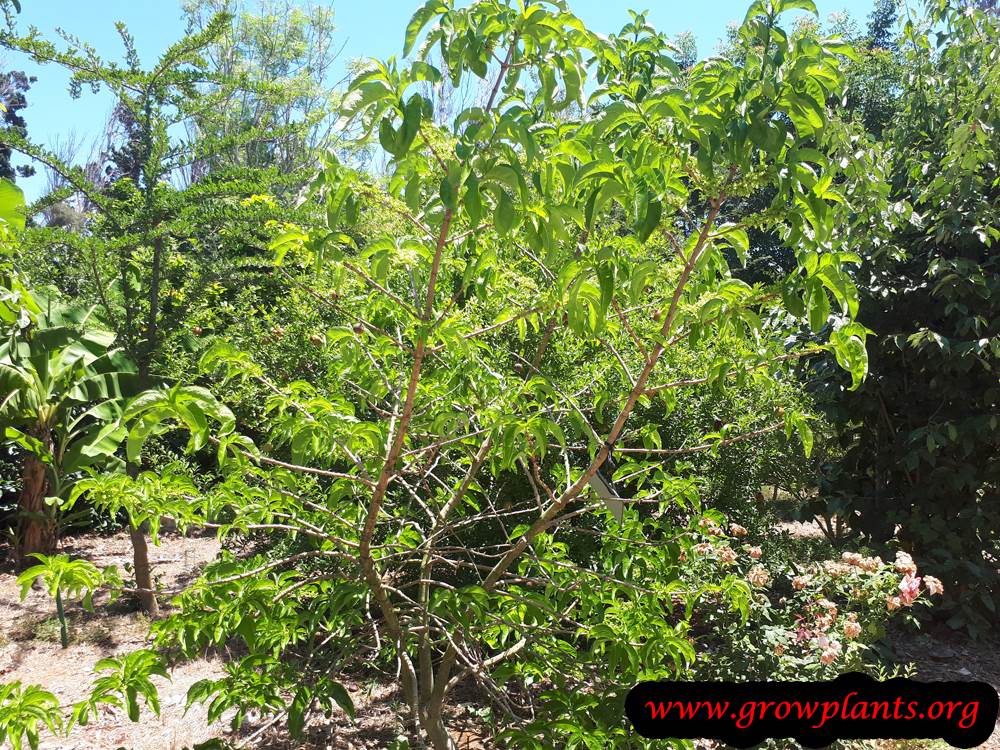
Overview: Spanish tamarind is a deciduous shrub or small tree growing 2-8 m (6-24 ft) tall, grown for its sweet, tamarind-flavoured orange fruit and drought tolerance. It is a slow-growing perennial for warm climates (USDA zones 10-11).
Quick Specifications
| Specification | Attribute |
|---|---|
| Plant Type / Life Cycle | Perennial (deciduous shrub / small tree) |
| Foliage Type | Deciduous |
| Mature Size | 2-8 m (6-24 ft) tall |
| Growth Rate | Slow |
| Toxicity | Non-toxic / edible fruit |
| Hardiness | USDA zones 10-11 |
Growth Form & Structure
- Height & Spread: 2-8 m (6-24 ft) tall as a shrub or small tree; can also be container-grown.
- Growth Habit & Form: Multi-stemmed deciduous shrub or small tree.
- Lifespan & Maturity: Bears fruit in about 2-4 years.
Anatomy & Physical Features
- Leaves & Foliage: Green, elliptic leaves.
- Flower Characteristics: Tiny green flowers (1-2 mm) borne in clusters.
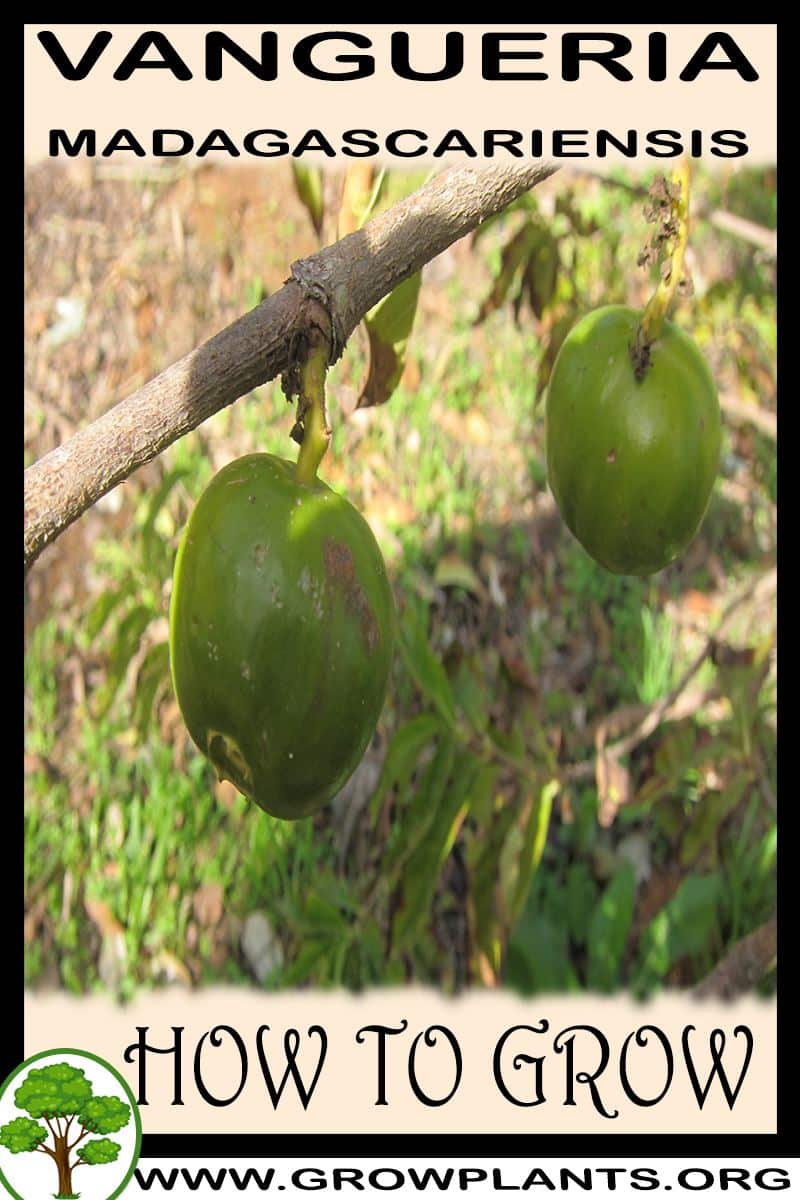
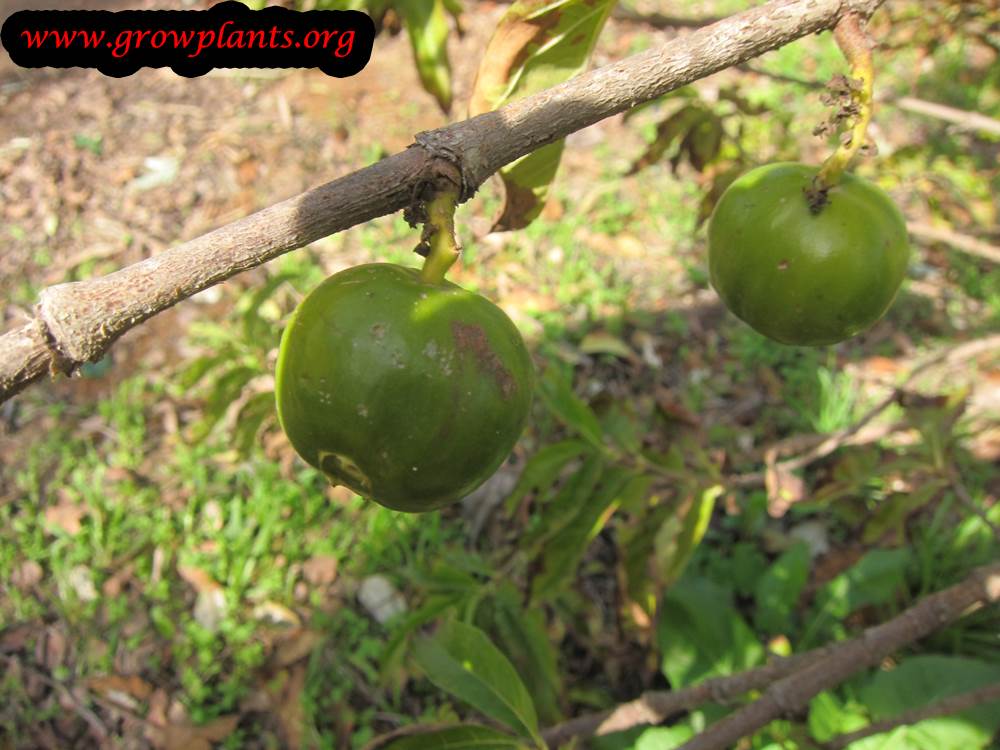
- Fruit Profile: Drop-shaped orange fruit with a sweet, tamarind-like flavour.
Primary Uses & Landscape Value
- Edible Uses: Fruit eaten raw or dried, and made into beverages including alcoholic drinks.
- Functional & Ornamental Roles: Drought-tolerant ornamental and fruit tree for warm, dry gardens.
Care Guide: Planting, Soil & Watering
Overview: Vangueria madagascariensis (Spanish tamarind) is a drought-tolerant deciduous shrub or small tree (zone 10-11) for full sun. It grows in any freely draining soil and needs only modest water once established.
Quick Care Requirements
| Requirement | Ideal Condition |
|---|---|
| Planting Season | In the cooler seasons – autumn through spring |
| Growth Rate | Slow |
| Soil Type | Well-draining |
| Water Need | Low to Moderate |
Planting & Establishment
- Best Planting Season: Plant during the cooler part of the year, autumn through spring, so roots settle before summer heat.
- How to Plant:
- Hole Preparation: Dig a hole a little wider than the root ball in loosened, free-draining ground.
- Soil Amendments: Work some compost or organic matter into the backfill to get it started; sharp drainage matters more than richness.
- Planting Depth: Set the root ball level with the surrounding soil and keep the stem base at its original depth.
- Growth Speed & Expectations: A slow grower that eventually reaches 2-8 m (6-24 ft).
Soil, Watering & Drainage Care
- Soil Mix & Drainage Needs: Give it well-drained soil; being drought tolerant it dislikes wet feet, so avoid heavy, waterlogged spots.
- Watering Schedule & Technique:
- Young / Newly Planted: Water regularly through the first season to establish the roots.
- Established: Once settled it needs only occasional deep watering and tolerates dry spells.
- Seasonal Adjustments: Water a little more in summer heat and hold back in the cool, wet season.
Climate, Light & Hardiness
Vangueria madagascariensis (Spanish tamarind) is a drought-tolerant, full-sun shrub or small tree for subtropical, mediterranean, and desert gardens, shedding its leaves seasonally as part of its natural deciduous habit. It is only reliably hardy in warm-winter regions, USDA zone 10–11.
Quick Climate Specifications
| Climate Zones | Subtropical, mediterranean, desert |
|---|---|
| USDA Hardiness Zones | 10–11 |
| Frost Tolerance | Low |
| Light Conditions | Full Sun |
| Wind Tolerance | Moderate |
Sunlight & Light Exposure
Optimal Light Setup
Full sun is needed for healthy growth, flowering, and fruiting.
Direct Sun Requirement
Needs strong, direct sun for most of the day – consistent with its drought-tolerant, sun-adapted nature.
Best Exposure / Orientation
An open, unshaded site suits this slow-growing tree best.
Temperature Extremes & Hardiness
USDA Hardiness & Regional Limits
Outdoor culture is limited to USDA zone 10–11, reflecting its subtropical-to-desert origin; it is not suited to climates with regular hard freezes.
Cold Damage & Winter Protection
As with many subtropical fruiting trees, young plants are likely more cold-sensitive than mature, established specimens; protect young trees from cold snaps.
Frost Sensitivity
Frost-sensitive; the plant is best suited to essentially frost-free winters.
Extreme Heat Tolerance
Excellent – it is a drought-tolerant species that copes well with desert and subtropical heat once established, needing only small to average amounts of water.
Wind, Humidity & Microclimate
Dry-Air Tolerance
Good, given its drought-tolerant, desert-adapted nature.
Wind Tolerance
Moderate for an established shrub or small tree of this size (2–8 m).
Rainfall & Seasonal Moisture
Adapted to a dry-season/wet-season rainfall pattern typical of subtropical and desert climates, needing only small to average supplemental water once established.
Microclimate Recommendations
A warm, open, sun-exposed site with good drainage suits it well; avoid low-lying frost pockets given its limited cold tolerance.
Growing in Pots, Balconies & Indoors
Spanish tamarind (Vangueria madagascariensis) is a fruiting tree/large shrub of 2-8 m (6-24 ft). The grower notes it is not an indoor houseplant, but it can be grown in a large container – mainly while young – on a sunny patio.
Quick Details
- Container Size: A large, deep pot; pot up as the young tree grows
- Indoor Suitability: Not a houseplant – a full-sun fruiting tree
- Best Spot: Full sun, warm and sheltered
- Soil & Drainage: Free-draining mix
- Watering in Pots: Small to average; let it dry a little between waterings
Indoors & On the Windowsill
- Houseplant limits: The grower marks it as not for indoors – it needs full sun and grows into a tree, far beyond what a room or sill can support.
- Overwintering: In cool climates keep it potted and move it to a bright, frost-free place over winter.
On a Balcony or Patio
- Light & wind: Give it the warmest, sunniest, most sheltered spot. A large pot is heavy – position it before filling and planting.
Choosing the Pot, Soil & Long-Term Care
- Pot & drainage: A pot with strong drainage holes is essential; skip a permanently full standing-water saucer to avoid root rot. Terracotta breathes and dries faster, while glazed or plastic holds moisture longer.
- Potting mix: A well-aerated, organic-rich mix – potting mix or peat/coir with perlite or vermiculite – works best.
- Feeding: Potted plants need feeding more often than those in the ground, since watering steadily leaches nutrients out of the container.
- Repotting: Pot up as it grows and refresh the mix every couple of years; it is a container plant only while young.
Fertilizing & Feeding
Light – a slow-growing, drought-tolerant shrub or small fruiting tree; it performs well on modest, well-spaced feeding rather than a heavy fertilizing routine, in keeping with its naturally undemanding growth habit.
Quick Fertilizing Specs
| Feeding Level | Light – a slow-growing, drought-tolerant tree that does not need heavy fertilizing. |
|---|---|
| young_feeding | Light, steady feedings to help a young plant establish. |
| mature_feeding | Light balanced feeding through the growing season, shifting attention to potassium as fruit develops. |
| Main Nutrient Priority | Modest nitrogen while young and building structure, then balanced nutrition with attention to potassium once bearing. |
| Best Feeding Period | Through the main growing season, tapering off as growth slows. |
| Organic Options | Compost or well-rotted organic matter worked into the root zone. |
| Soil pH | Tolerates a range of well-drained soils. |
| Reduce/Stop Feeding | Ease off feeding as growth slows or during dry, slow-growth periods. |
| Micronutrients | Iron, manganese and zinc are commonly supplied by a complete fruit-tree fertilizer; correct deficiencies only if they actually appear. |
Feeding by Growth Stage
Newly planted
Help a young plant establish roots without overwhelming a naturally slow, steady grower.
| Nutrient direction | A light, balanced feed once initial rooting begins. |
|---|---|
| Timing | In the first growing season after planting, once new growth appears. |
| Frequency | A few light feedings through the first season rather than one heavy application. |
| Fertilizer types | Light balanced complete fertilizer, Compost or well-rotted organic matter |
| Precautions | Hold feeding back until new roots are active rather than fertilizing right at planting, and keep any feed away from direct contact with the trunk. |
Young tree, building structure
Support steady, if unhurried, development of branches and foliage.
| Nutrient direction | A modestly nitrogen-forward complete fertilizer, applied lightly in keeping with this species’ naturally slow growth. |
|---|---|
| Timing | During the plant’s early years of active growth, before it begins bearing. |
| Frequency | Light, regular feeding through the growing season. |
| Fertilizer types | Light, nitrogen-forward complete fruit-tree fertilizer, Compost or well-rotted organic matter |
| Routine trace nutrients | iron, manganese, zinc |
| Precautions | Keep feeding light and steady; this slow, drought-tolerant grower does not respond well to heavy or infrequent fertilizing. |
Established, approaching bearing age
Maintain steady, modest growth as the plant matures toward its first fruit.
| Nutrient direction | A light, balanced complete fertilizer, easing back the nitrogen emphasis of the young-tree stage. |
|---|---|
| Timing | As the plant matures and approaches the age at which it typically begins to bear fruit. |
| Frequency | Light, regular feeding through the growing season. |
| Fertilizer types | Light balanced complete fruit-tree fertilizer |
| Routine trace nutrients | iron, manganese, zinc |
| Precautions | Avoid excess nitrogen at this stage, which can delay the shift into fruiting by favoring leafy growth. |
Mature, bearing fruit
Support reliable fruit production without pushing this naturally modest grower beyond its needs.
| Nutrient direction | A light, balanced complete fertilizer with attention to potassium as flowering moves into fruit development. |
|---|---|
| Timing | Through the growing season, timed around flowering and fruit development. |
| Frequency | Light, regular feeding through the growing season, easing off after harvest. |
| Fertilizer types | Light balanced complete fruit-tree fertilizer with attention to potassium |
| Routine trace nutrients | iron, manganese, zinc |
| Precautions | Avoid heavy nitrogen close to fruit set, which can favor foliage over fruit. |
Nutrient Deficiency Signs & Corrections
Pale green to yellowish leaves overall and unusually slow shoot growth even for this naturally slow species.
| Possible causes | Low soil nitrogen, Poorly drained soil limiting root function, Root or stem gall affecting nutrient movement |
|---|---|
| Appears first on | Older leaves throughout the canopy first. |
| What to check | Recent feeding history, Soil drainage around the root zone, Stems and roots for gall growths |
| Possible correction | Resume a light, balanced or nitrogen-forward complete fertilizer appropriate to the plant’s stage, improve drainage if needed, and address any gall growths directly since feeding alone will not resolve them. |
Yellowing between the veins of the newest leaves while the veins stay green.
| Possible causes | High or alkaline soil pH locking up iron or manganese, Overly wet or cold roots reducing micronutrient uptake, Genuinely low available iron or manganese in the soil |
|---|---|
| Appears first on | New growth at the branch tips. |
| What to check | Soil pH, Drainage and recent watering, Whether older leaves remain green |
| Possible correction | Correct soil pH toward a more favorable range, improve drainage, and if it persists apply a chelated iron or manganese product per its label. |
Good flowering but little fruit actually developing and maturing.
| Possible causes | Boron deficiency affecting flower and fruit development, Poor pollination conditions during bloom, Drought stress during flowering and early fruit development |
|---|---|
| Appears first on | The current season’s flowers and young fruit. |
| What to check | Watering consistency through bloom and early fruit set, even for this drought-tolerant species, Pollinator activity during flowering, Whether the plant otherwise shows healthy, if slow, growth |
| Possible correction | Keep watering consistent through bloom despite the plant’s general drought tolerance, and only if boron deficiency is confirmed apply a boron-containing product carefully per its label, since the margin between too little and too much boron is narrow. |
Leaf edge browning or wilting despite adequate soil moisture, or stunted new growth.
| Possible causes | Over-application of fertilizer on a species that naturally needs little, Root stress from poor drainage, Recent root disturbance from transplanting or nearby digging |
|---|---|
| Appears first on | Leaf margins and the newest growth. |
| What to check | Recent fertilizer amounts, Soil drainage, Any recent root disturbance near the plant |
| Possible correction | Ease off feeding, water to help flush excess salts, and improve drainage around the root zone. |
Pruning, Training & Seasonal Maintenance
Vangueria madagascariensis is slow-growing and drought-tolerant, and needs only light, corrective pruning rather than routine shaping. The main objective is sanitation: removing dead, weak, and weeping branches during the autumn/winter dormant period, once fruit harvest is finished and before the next spring’s flowering and growth resume. Because the species is naturally slow to size up and slow to reach bearing age (2–4 years to first fruit), heavy pruning is best avoided so as not to further set back an already unhurried plant.
Quick Pruning & Maintenance Specs
| Pruning Tolerance | Low to Moderate – light corrective pruning, not routine shaping |
| Primary Pruning Window | Autumn/winter, after fruit harvest |
| Typical Frequency | Once a year, or as dead/weak/weeping wood appears |
| Main Objective | Remove dead, weak, and weeping branches; sanitation over shaping |
| Young Plant Priority | Minimal – correct only genuinely weak or damaged growth |
| Mature Plant Priority | Ongoing removal of dead wood and any gall-affected growth |
| Best Tool Type | Bypass secateurs and loppers for most cuts; a pruning saw for larger dead limbs |
| Avoid Heavy Pruning During | Spring flowering and summer fruit development |
Pruning by Plant Age & Size
Newly Established
Leave young plants largely unpruned while they establish; remove only clearly dead or damaged growth from transplanting.
Young / Formative
No imposed training system (central leader, vase, etc.) is called for – this species naturally develops as a multi-stemmed shrub or small tree. Formative work is limited to removing weak or weeping shoots that are unlikely to develop into sound branches.
Mature / Established
On established plants, prioritise removing dead wood, weak growth, and branches with a pronounced weeping/drooping habit that source guidance specifically calls out, plus any shoots showing gall infestation.
Seasonal Pruning Schedule
| Autumn/winter (dormant, post-harvest) | Objective: sanitation. Remove: dead, weak, and weeping branches; galled shoots. Do not remove: sound branch structure that will carry next spring’s flowers. Response: cleaner framework heading into spring growth. Fruiting impact: minimal if kept light; the plant is dormant/leafless and not actively flowering or fruiting at this time. |
| Spring–summer (flowering and fruit development) | Objective: none – this is a growing/cropping period, not a pruning period. Remove: nothing structural. Do not remove: flowering or fruiting wood. Response: n/a. Fruiting impact: cutting now would sacrifice the current crop. |
Flowering & Fruiting Wood
Flowering (spring/summer) is followed relatively quickly by fruit maturing by end of summer/autumn, which suggests fruit sets on the current season’s growth rather than older wood. Confirmed guidance is limited, so treat this cautiously: the safest approach is to confine pruning to the dormant autumn/winter window, after fruit is harvested and before the next flush of growth that will carry the following season’s flowers.
Special Growth to Remove
- Dead branches – the primary sanitation cut for this species.
- Weak branches – unlikely to support fruit weight or withstand wind; remove during dormant pruning.
- Weeping branches – specifically flagged in source guidance; remove where they compromise the plant’s structure or access.
- Gall-affected shoots – cut out and dispose of (not compost) to reduce the local gall pest population.
Container & Small-Space Pruning
Where grown in a large container for its drought tolerance, size control becomes more relevant given the species can reach up to 8 m in open ground; combine light height management with the same dormant-season timing rather than pruning during active growth.
Tools
- Bypass secateurs for small dead or weak twigs.
- Loppers for medium weak or weeping branches.
- Pruning saw for larger dead limbs on established specimens.
Tool Hygiene & Disease Risk
Increased risk when removing gall-affected growth: clean blades between cuts (and between plants) when pruning out galled shoots, since gall-forming pests can be spread on contaminated tools; routine dead-wood removal on unaffected material needs only ordinary clean, sharp tools.
Cut Placement & Technique
Cut weak or weeping branches back to a healthy lateral or to the branch collar rather than leaving stubs; for larger dead limbs, stage the cut to avoid tearing bark on this slow-healing, slow-growing species.
Heavy Pruning & Rejuvenation
Not recommended: given its naturally slow growth, this species is poorly suited to hard rejuvenation pruning, which would take an already slow plant even longer to recover framework and return to bearing. Limit work to the dead/weak/weeping wood the source guidance specifically calls for.
Post-Pruning Care
No special feeding is needed after a light dormant-season prune; monitor for continued gall activity on regrowth and keep watering minimal, consistent with the plant’s drought tolerance.
Common Pruning Mistakes
- Pruning during spring flowering or summer fruit development, sacrificing the current crop.
- Hard, rejuvenation-style cutting on a species that is naturally slow to recover.
- Leaving gall-affected shoots in place instead of removing them as part of routine sanitation.
When Not to Prune
Avoid pruning during spring flowering and through fruit development into the end-of-summer/autumn harvest; wait until the dormant autumn/winter period once fruit is picked.
Recommended Tools (by task)
- Small dead or weak twigs – bypass_secateurs: clean cuts for routine sanitation.
- Weeping or medium weak branches – loppers: extra reach and power for the branches the source guidance specifically flags.
- Larger dead limbs on an established plant – pruning_saw: for cuts beyond what secateurs/loppers can manage cleanly.
Pruning Troubleshooting
| Problem | Possible Cause | What to Check | Corrective Action |
| Recurring gall growths after pruning | Galled shoots left in place or tools spread the pest between cuts | Whether previously galled wood was fully removed; tool cleaning between cuts | Remove and discard all galled shoots; disinfect blades between cuts during gall removal |
| Branches dying back after dormant pruning | Cuts made too large/flush, or pruning done outside the dormant window | Cut placement and timing relative to the autumn/winter window | Re-cut to just outside the branch collar; confine future pruning to dormancy |
| Slow return to fruiting after cutting | Pruning was too heavy for this naturally slow-growing species | Volume of wood removed in the last prune | Limit future cuts to genuinely dead, weak, or weeping wood only |
Propagation Guide
Vangueria madagascariensis (Spanish tamarind) is propagated mainly from seed; grafting is not required for this species and named fruiting selections are not a major feature of its cultivation. Since seedling growth is naturally slow for this tree, propagation is best rated a moderate project needing patience rather than special technique.
Quick Propagation Specs
| Best Propagation Method | Seed |
| Alternative Methods | Semi-hardwood cuttings or air layering, to reproduce a good individual tree (optional, uncommon) |
| Propagation Difficulty | Moderate |
| Seed True-to-Type | Usually true-to-type — open, non-cultivar seed |
| Best Propagation Season | Autumn, winter or spring, matching the site’s planting season |
| Seed Germination Time | Can take several weeks and may be uneven |
| Germination Temperature | Warm, roughly 20-27°C (68-80°F), suited to this subtropical/tropical species |
| Seed Sowing Depth | Shallow, just covering the seed |
Growing from Seed
Seed Handling & Viability
As with many subtropical/tropical fruit trees, viability likely declines once the seed is fully dried out, so sowing reasonably fresh seed rather than long-term storage is the safer approach.
Sowing Season
Autumn through spring, following the tree’s own listed planting season.
Sowing Depth
Shallow, just covering the seed, in well-drained soil.
Germination Conditions
Warm conditions and consistent, moderate moisture favor germination, in line with the tree’s preference for well-drained soil.
Germination Time
Germination can be slow and somewhat uneven; allow several weeks before judging results.
Seedling Care
Growth is naturally slow for this species, per the site’s own growth-speed rating, so seedlings should be given time and consistent care rather than expected to size up quickly.
Air & Ground Layering
Air layering a semi-hardwood branch is an optional way to reproduce one particularly good-fruiting tree exactly, though the site confirms this is not necessary for the species and it is far less commonly practiced than growing from seed.
- Use a partially mature, semi-hardwood branch; wound or girdle a section and wrap with moist sphagnum moss and plastic.
- Best attempted during the warm growing season.
- Rooting is likely to be slow given the tree’s naturally slow growth rate; allow a few months before a usable root mass forms.
Bloom & Flower Guide
Quick Details
- Bloom Season: Spring and summer
- Flower Appearance: Very small green flowers, only 1–2 mm across, borne in clusters
- Edibility: The flowers are not eaten; grown as an ornamental and fruiting shrub or small tree
Detailed Blooming Overview
Vangueria flowers make no attempt at show – they are tiny, green and easy to miss, gathered in small clusters among the foliage in spring and summer. Their value is practical: they are worked by bees, whose visits set the crop that follows.
Flower Characteristics
- Minute green flowers, 1–2 mm across.
- Held in modest clusters rather than showy heads.
Bloom Care & Thinning
- Pollination: Bees do the work – keep the flowering canopy free of insecticides so they can visit freely.
- Steady conditions: Even moisture and warmth through bloom support a good set on this drought-tolerant tree.
Fruit & Uses
Vangueria madagascariensis (Spanish tamarind tree) is grown for its orange, drop-shaped fruit, which has a sweet flavor reminiscent of tamarind. The fruit is eaten fresh raw, dried, or made into beverages, including alcoholic ones.
Quick Edible Specs
| Edible Parts | Fruit |
| Main Use(s) | Culinary – fresh eating, drying, beverages (including alcoholic) |
| Eaten Raw or Cooked | Raw (fresh or dried); no cooking required |
| Preparation Required | None – site notes no special work is needed on the fruit beyond normal picking |
| Harvest Season | End of summer into autumn |
| Time to First Harvest | A few years after planting – see the plant’s general growth information for the qualitative timeline |
| Storage | Fresh fruit is short-lived; drying extends storage life |
| Safety/Toxicity Caveat | None noted on the site; no toxicity is reported for the ripe fruit |
Fruit
The orange, drop-shaped fruit ripens at the end of summer through autumn and has a sweet, tamarind-like taste. Ripe fruit is picked and eaten raw out of hand, dried for later use, or processed into beverages, including a traditional alcoholic drink. Birds are the main competing pest for the ripening fruit, so timely picking helps secure the harvest; otherwise no special fruit-care work is required.
Harvesting
Harvest as fruit ripens to its orange color from late summer into autumn; picking is straightforward with no special equipment or technique noted, though picking promptly reduces losses to birds.
Preparation, Uses & Safety
Ripe fruit is eaten fresh, dried for storage, or turned into non-alcoholic and alcoholic beverages. No preparation beyond normal washing/drying is required, and no safety caveats are noted for the ripe fruit.
Pests, Diseases & Troubleshooting
Overview: Spanish tamarind is a warm-climate African fruit tree that is not widely documented for pests; likely issues are the general sap-suckers (aphids, scale, mealybug), fruit flies on the ripening fruit, and common fungal leaf spots and root rot in poor drainage. Treat this section as a well-reasoned general guide and confirm local specifics.
Quick Troubleshooting Overview
| Issue / Pest | Main Symptom | Primary Solution |
|---|---|---|
| Aphids & scale | Honeydew, sooty mould on shoots | Beneficials; oil/soap |
| Fruit flies | Maggoty, dropping fruit | Sanitation; bagging; bait traps |
| Fungal leaf spot | Brown spots, early leaf drop | Sanitation; airflow; copper if needed |
| Powdery mildew | White coating on leaves | Airflow; sulfur/bicarbonate |
| Root rot | Wilting, decline in wet soil | Improve drainage; avoid waterlogging |
Common Pests & Management
- Aphids (Aphidoidea):
- Symptoms: Clusters of small soft-bodied green, black or grey insects on new shoots, buds and leaf undersides; curled or distorted young growth, sticky honeydew and a black sooty mould film; ants farming the colonies. Look-alikes include whitefly nymphs (flat, static) and psyllids.
- Prevention & Control: Encourage and protect ladybirds, lacewings, hoverflies and parasitic wasps; knock colonies off with a strong jet of water and pinch out badly infested tips. Avoid excess nitrogen, which drives soft aphid-prone growth. If numbers stay high, treat with insecticidal soap or a horticultural/neem oil, spraying leaf undersides in the cool of the evening to protect pollinators.
- Scale insects (Coccoidea):
- Symptoms: Immobile brown, tan or waxy-white bumps along stems and leaf veins; yellowing, weak growth, honeydew and sooty mould with soft (unarmoured) scales. Hard scales sit tight and do not wipe off easily.
- Prevention & Control: Rub off light infestations by hand or with a soft brush; prune out heavily encrusted stems. Conserve parasitic wasps and predatory beetles that keep scale in check. For active crawlers, apply horticultural oil to smother them, repeating as new crawlers emerge; oils give the best organic control against the protective waxy shell.
- Fruit flies (Ceratitis / Bactrocera spp.):
- Symptoms: Maggots tunnelling in the ripening fruit, which softens, oozes and drops early; small punctures (‘stings’) on the skin where females lay eggs. A common problem on tropical and subtropical fruit.
- Prevention & Control: Harvest fruit promptly and clear fallen fruit to break the breeding cycle, and bag developing fruit where practical. Hang protein-bait and pheromone fruit-fly traps to monitor and reduce numbers; encourage natural enemies and keep the ground clean beneath the tree.
- Mealybugs (Pseudococcidae):
- Symptoms: White, cottony, waxy tufts tucked into leaf axils, stem joints and along veins; sticky honeydew, sooty mould and slow, distorted growth. Heavy infestations weaken the plant.
- Prevention & Control: Isolate affected plants; dab visible colonies with a cotton bud dipped in horticultural oil or diluted alcohol; wash off honeydew. Support natural enemies such as ladybirds and lacewings, and the mealybug destroyer beetle under cover. Persistent cases respond to repeated horticultural oil or insecticidal soap, reaching hidden crevices where the females shelter.
Diseases & Fungal Issues
- Fungal leaf spot (Cercospora / Septoria etc.):
- Symptoms: Round to angular brown or purple-bordered spots on the leaves, sometimes merging into blotches; heavy spotting causes yellowing and early leaf drop in warm, wet conditions.
- Treatment & Management: Remove and destroy spotted leaves and fallen debris, water at the base to keep foliage dry, and space plants for airflow. Rotate annual plantings. A copper fungicide gives protection where the disease is persistent, but sanitation is the first line of defence.
- Powdery mildew (Erysiphales):
- Symptoms: White to greyish powdery patches on upper leaf surfaces, stems and sometimes buds; leaves may yellow, distort and drop in severe cases. Worst in warm days, cool nights and crowded, shaded plantings.
- Treatment & Management: Improve airflow with correct spacing and thinning, site in good light, and avoid wetting foliage late in the day; water at the roots. Remove and destroy affected leaves and clean up debris. Resistant varieties help. Organic sprays of potassium bicarbonate, sulfur or a diluted horticultural oil check spread if applied early and repeated.
- Root and crown rot (Phytophthora / Pythium spp.):
- Symptoms: Wilting despite moist soil, yellowing lower leaves, dark soft roots and a blackened crown; general decline and collapse. Waterlogged or poorly drained soil is the trigger.
- Treatment & Management: Prevention is decisive: plant in free-draining soil or raised beds, avoid overwatering, and never let containers stand in water. Remove and destroy badly affected plants. Improve drainage and let the surface dry between waterings; biological drenches (Trichoderma) can help protect healthy roots.
Growing Difficulties & Abiotic Problems
- Cold and frost sensitivity:
- Cause & Symptoms: Leaf and shoot-tip damage or dieback after frost; these are warm-climate (African/tropical) trees intolerant of hard cold.
- Correction Strategy: Grow in a frost-free position or protect young trees over cold spells; site in a warm, sheltered spot and establish well before any cool season.
- Drought and establishment stress:
- Cause & Symptoms: Wilting, leaf drop and poor fruiting in young or newly planted trees during dry spells.
- Correction Strategy: Water regularly while establishing and mulch to conserve moisture; mature trees are more drought-hardy but crop better with steady water during fruit development.
What Helps — Products & Tools
As a lesser-grown fruit tree, rely on general tools: horticultural/neem oil and insecticidal soap for aphids, scale and mealybug, protein-bait fruit-fly traps and fruit bagging for the fruit flies, and copper fungicide plus good sanitation and airflow for leaf spots. Verify the exact local pests with a regional source.