Plant Profile & Key Characteristics
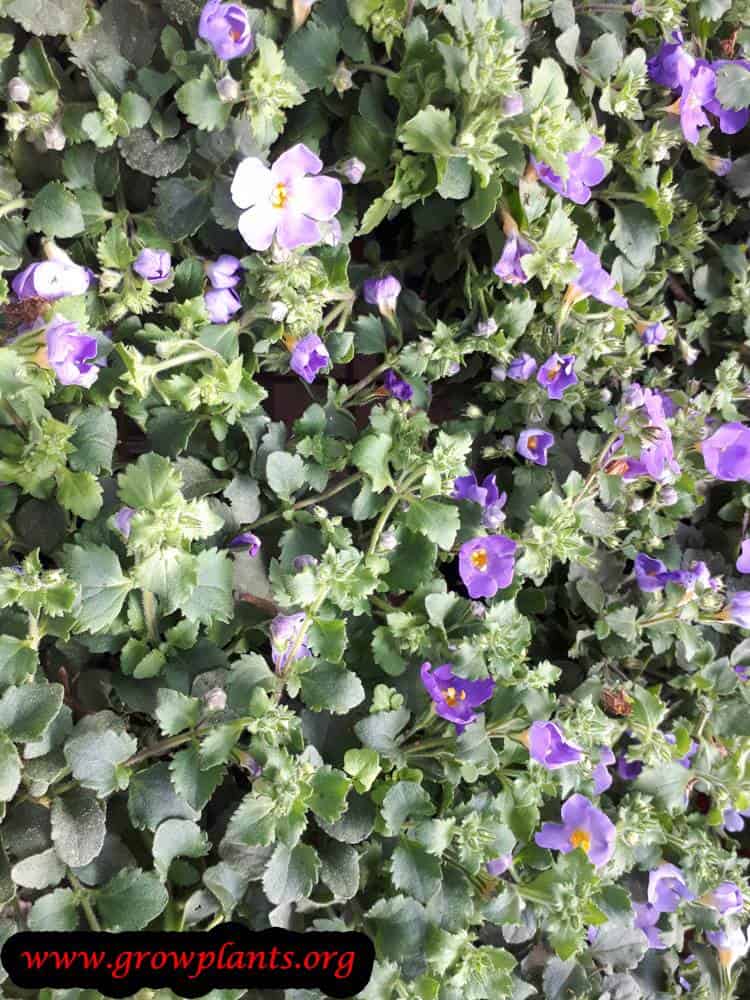
Overview: A creeping evergreen subshrub, 10-45 cm (4-18 in) tall, grown as a trailing ornamental ground cover smothered in small five-petalled flowers. It is grown as a perennial in mild climates and as an annual elsewhere.
Quick Specifications
| Specification | Attribute |
|---|---|
| Plant Type / Life Cycle | Perennial or annual |
| Foliage Type | Evergreen (where mild) |
| Mature Size | 10-45 cm (4-18 in) tall/long |
| Growth Rate | Fast to moderate |
| Hardiness | USDA zone 9+ as perennial (4-9 as annual) |
Growth Form & Structure
- Height & Spread: 10-45 cm (4-18 in), trailing; excellent for containers and hanging baskets.
- Growth Habit & Form: Low, creeping, spreading ground cover.
- Lifespan & Maturity: Fast-to-moderate; forms a flowering mat quickly within the season.
Anatomy & Physical Features
- Leaves & Foliage: Small green leaves with serrated edges.
- Flower Characteristics: Simple five-petalled flowers in white, pink or purple (full detail in the Bloom section).
Primary Uses & Landscape Value
- Functional & Ornamental Roles: Ornamental ground cover and trailing ‘spiller’ for hanging baskets and mixed containers.
Care Guide: Planting, Soil & Watering
Overview: This trailing ornamental bacopa likes full sun to light shade in mild climates and flowers over a long season. It needs consistently moist soil and a moderate, steady supply of water, and dislikes drying out in heat.
Quick Care Requirements
| Requirement | Ideal Condition |
|---|---|
| Planting Season | Year-round in frost-free climates; in spring elsewhere |
| Growth Rate | Moderate to fast |
| Soil Type | Fertile, moisture-retentive yet free-draining |
| Water Need | Moderate – keep evenly moist and never let it dry out, especially in heat |
Planting & Establishment
- Best Planting Season: Year-round in frost-free climates, or in spring once frost has passed in cooler areas.
- How to Plant:
- Hole Preparation: Dig a hole about twice the width of the root ball and just as deep, loosening the sides so young roots spread easily.
- Soil Amendments: Mix a few handfuls of compost or well-rotted organic matter into the backfill, adding grit or perlite if drainage is slow.
- Planting Depth: Set the plant so the root collar sits level with the surrounding soil; never bury the stem or trunk base.
- Growth Speed & Expectations: A quick, moderate to fast grower forming a spreading, trailing mat 10-45 cm across.
Soil, Watering & Drainage Care
- Soil Mix & Drainage Needs: Grow in fertile soil that holds moisture but still drains freely; it resents both drought and waterlogging. It excels in containers and hanging baskets of good potting mix, where even moisture is easier to maintain.
- Watering Schedule & Technique:
- Young / Newly Planted: Keep the soil evenly moist from the outset; newly planted bacopa wilts fast if it dries out.
- Established: Water regularly to keep the root zone consistently moist, never letting it dry between waterings, yet avoiding standing water.
- Seasonal Adjustments: Water more often in hot weather, when it is especially prone to drying, and reduce in cool spells.
Climate, Light & Hardiness
Sutera cordata is a spreading groundcover perennial (often grown as an annual) suited to temperate, Mediterranean, and subtropical climates, preferring half to full shade and cooler conditions. It is heat sensitive and only moderately frost hardy.
Quick Climate Specifications
| Climate Zones | Temperate, Mediterranean, Subtropics |
|---|---|
| USDA Hardiness Zones | 9+ as a perennial; grown as an annual in zones 4–9 |
| Frost Tolerance | Low–Moderate |
| Light Conditions | Half Shade / Full Shade |
Sunlight & Light Exposure
Optimal Light Setup
Prefers half to full shade rather than full sun.
Shade & Heat Management
Because the plant is noted as sensitive to heat, shade becomes especially important in hot climates or during summer heat spikes to prevent stress or dieback.
Temperature Extremes & Hardiness
USDA Hardiness & Regional Limits
Reliable as a perennial in zone 9 and warmer; in cooler zones 4–9 it is commonly grown as a warm-season annual bedding/basket plant.
Extreme Heat Tolerance
Sensitive to heat – intense or prolonged heat is called out as a specific difficulty for this plant, more so than cold, so shade and consistent moisture matter in hot climates.
Frost Sensitivity
Moderate frost tolerance at best; hard freezes are likely to damage or kill the plant, consistent with its annual use in colder zones.
Wind, Humidity & Microclimate
Microclimate Recommendations
A cooler, shaded, sheltered spot suits this plant better than hot, exposed, full-sun locations.
Growing in Pots, Balconies & Indoors
Bacopa (Sutera cordata / Chaenostoma cordatum) is a low, trailing plant (10-45 cm) smothered in tiny white or pastel flowers. The grower says it is not a houseplant but can be grown in a container – it is a classic hanging-basket and pot-edge trailer for a shaded balcony or patio.
Quick Details
- Container Size: Baskets, window boxes or the edge of mixed pots
- Indoor Suitability: Not a houseplant – an outdoor container trailer
- Best Spot: Half shade to full shade – it is sensitive to heat
- Soil & Drainage: Rich, free-draining mix that holds some moisture
- Watering in Pots: Average amount – keep evenly moist; it sulks if it dries out
Indoors & On the Windowsill
- Not a houseplant: The grower lists it as not a houseplant; it is grown in outdoor pots and baskets.
- Windowsill: Not a room plant – it wants cooler, brighter outdoor air and steady moisture.
On a Balcony or Patio
- Light, wind & heat: Give it the brightest spot it will tolerate; walls and railings reflect heat and dry pots quickly, so check moisture often and shelter or stake exposed growth.
- Cool & shaded: It is heat-sensitive, so give it a cooler, half- to fully-shaded spot; hanging baskets dry fast, so check moisture often and never let it wilt.
Choosing the Pot, Soil & Long-Term Care
- Pot & drainage: Baskets, window boxes or pot edges with good drainage. Use strong drainage holes and skip a standing-water saucer to avoid root rot. Terracotta breathes and dries faster; glazed or plastic holds moisture longer.
- Potting mix: A well-aerated, organic-rich mix – potting soil or peat/coir with perlite or vermiculite for free drainage.
- Feeding: A trailing bloomer in a small pot is hungry – feed regularly but lightly for continuous flower.
- Refresh: Often grown as a seasonal plant; replant baskets each season for the best show.
Fertilizing & Feeding
A moderate feeder: this trailing ground-cover and basket plant flowers over a very long season, so it appreciates steady, repeat feeding through its active growth, easing off whenever heat or cold slows it down.
Quick Fertilizing Specs
| Feeding Level | Moderate feeder |
|---|---|
| Main Nutrient Priority | Balanced feeding with adequate nitrogen to sustain repeat flushes of small flowers |
| Best Feeding Period | Through the mild-season active growth and long bloom window |
| Organic Options | Compost or other organic matter worked into consistently moist soil |
| Reduce/Stop Feeding | Ease off during periods of heat stress or cold-season slowdown |
| Micronutrients | Usually supplied by a complete fertilizer; correct only a diagnosed deficiency |
| Soil pH | Prefers consistently moist, well-drained soil |
Feeding by Growth Stage
Spring growth and trailing establishment
Support the trailing stems as this ground-cover or basket plant fills in during mild-season growth.
| Nutrient direction | A balanced, nitrogen-forward feeding builds a full, well-branched trailing habit. |
|---|---|
| Timing | As active growth begins in mild spring weather. |
| Frequency | A light feeding as growth resumes, increasing gradually as trailing stems fill out. |
| Fertilizer types | A balanced complete fertilizer with available nitrogen, Compost or other organic matter worked into the soil |
| Precautions | This plant is sensitive to heat stress, so keep feeding modest going into warmer weather rather than pushing extra growth. |
Long repeat-blooming season
Sustain the small white, pink, or purple flowers this plant produces in flushes over a very long bloom season.
| Nutrient direction | Consistent, balanced feeding with adequate nitrogen keeps successive flushes of flowers coming through mild weather. |
|---|---|
| Timing | Through the extended bloom season in mild, favorable weather. |
| Frequency | Regular light feedings support the repeat bloom cycle while conditions stay favorable. |
| Fertilizer types | A balanced complete fertilizer, An organic feed such as compost tea between applications |
| Precautions | Resist a high-phosphorus formula for more flowers; balanced feeding with adequate nitrogen sustains this plant’s repeat bloom. |
Heat- or cold-stress slowdown
Let the plant coast through periods of stressful heat or cold when growth and bloom naturally pause.
| Nutrient direction | None – withhold fertilizer while the plant is under heat or cold stress and not in active growth. |
|---|---|
| Timing | During periods of heat stress or cold-season slowdown. |
| Frequency | No feeding at this stage; resume only once active growth clearly returns. |
| Fertilizer types | No feeding at this stage; hold off fertilizing until active growth resumes. |
| Precautions | Do not fertilize a stressed or dormant plant; feeding now can add salt stress on top of heat or cold stress. |
Nutrient Deficiency Signs & Corrections
Overall pale green or yellowing foliage and thinner flowering than usual.
| Possible causes | low available soil nitrogen, nitrogen leached by frequent watering to keep this moisture-loving plant hydrated, thin, low-organic-matter soil |
|---|---|
| Appears first on | older growth throughout the trailing stems |
| What to check | recent feeding history, soil organic matter, watering frequency and drainage |
| Possible correction | Apply a nitrogen-containing complete fertilizer and build soil organic matter, then keep watering consistent. |
Wilting, sparse flowering, or stem dieback during hot weather despite adequate watering.
| Possible causes | this species’ known sensitivity to heat stress, insufficient watering to offset heat, root stress from overly warm soil in containers |
|---|---|
| Appears first on | stem tips and flower buds |
| What to check | recent temperature extremes, watering consistency during hot spells, container or soil temperature |
| Possible correction | Provide afternoon shade or extra watering during heat, and hold off feeding until the plant recovers active growth. |
Leaf margins browning or scorching, especially in containers or hanging baskets.
| Possible causes | fertilizer salt buildup from feeding that is too frequent or too strong, under-watering that concentrates salts in the root zone, poor drainage in containers |
|---|---|
| Appears first on | leaf margins and tips |
| What to check | recent fertilizer amounts, watering consistency, container drainage |
| Possible correction | Ease off feeding, flush the soil thoroughly with water, and resume with lighter feeding. |
Pruning, Training & Seasonal Maintenance
Sutera cordata is a soft, spreading, trailing groundcover/basket plant with no woody framework, so its maintenance is really regular grooming rather than structural pruning: pinch and shear stems back periodically to stop it from thinning out in the center and to keep it reflushing its near-continuous bloom, working around its noted sensitivity to heat rather than a fixed dormant season.
Quick Pruning & Maintenance Specs
| Pruning Tolerance | High for pinching/shearing back; not a plant for selective branch cuts |
| Primary Pruning Window | All year, timed for cooler weather rather than a fixed season |
| Typical Frequency | Light pinch-backs every few weeks through the growing season |
| Main Objective | Prevent bare, leggy trailing stems; keep bloom dense and continuous |
| Young Plant Priority | Pinch tips early to build multiple branching points before it trails |
| Mature Plant Priority | Regular partial shear-back (a “haircut”) to renew compact growth |
| Best Tool Type | Precision snips (soft, thin trailing stems) |
| Avoid Heavy Pruning During | Peak summer heat, given its noted heat sensitivity |
Pruning by Plant Age & Size
Newly Established
Pinch the growing tips of a young plant soon after planting to encourage branching from low down rather than a few long, single trailing stems.
Young / Formative
No structural training system applies; simply continue pinching tips through early growth so the plant fills its basket or bed with multiple branch points instead of a sparse, leggy habit.
Mature / Established
Give the whole plant a partial shear-back (roughly a third) whenever growth starts to thin out or stems get long and bare at the base – this is the main ongoing task for a mature planting.
Seasonal Pruning Schedule
| Ongoing Sanitary | Pinch or shear back trailing stems periodically through the growing season to renew compact, densely flowering growth; do this in cooler weather (morning, or cooler months) rather than during a summer heat spike, given its heat sensitivity. |
Structural Pruning & Training
None needed – this is a soft, non-woody trailing subshrub; density and habit are managed entirely by pinching and shearing, not by selective branch structure.
Special Growth to Remove
Trim back any stems that have gone bare/leggy at the base or bloomed themselves out; there is no separate flowering-wood consideration since flowers form continuously along the same soft new growth that pinching renews.
Container & Small-Space Pruning
This is predominantly a container/hanging-basket plant; pinch and shear more frequently than an in-ground bedding planting to counteract the faster drying and stem-stretching common in baskets, and cut back harder after a heat-stress episode to remove damaged growth and encourage fresh trailing stems.
Tools
- Precision snips – all routine pinching and partial shear-backs
Tool Hygiene & Disease Risk
Routine care only – clean, sharp snips are enough; aphids are the only notable pest and are not spread by pinching/shearing.
Cut Placement & Technique
Pinch or snip just above a leaf node so the stem branches from that point; shear evenly across the plant rather than cutting a few stems very short and leaving others long.
Heavy Pruning & Rejuvenation
Tolerates a fairly hard cutback (to renew a leggy or heat-stressed planting) as long as it is done in cooler conditions; recovery is usually quick given its fast-to-medium growth rate, refilling within a few weeks in favorable weather.
Post-Pruning Care
Water in after any significant pinch-back or shear, and avoid doing heavy cutting right into a hot spell, since the plant is specifically noted as sensitive to heat and will recover more slowly under heat stress.
Common Pruning Mistakes
- Never pinching young plants, resulting in a few long, sparse trailing stems instead of a full, bushy habit
- Shearing hard during peak summer heat, compounding its known heat sensitivity
- Letting a mature planting go leggy and bare at the base for too long before cutting back
When NOT to Prune
Avoid a hard shear-back during peak summer heat; time significant cutbacks for cooler parts of the day or season instead.
Recommended Tools (by task)
- precision_snips – all routine pinching, shaping and partial shear-back maintenance
Propagation Guide
Sutera cordata is best propagated using stem cuttings when the goal is to preserve the current plant form.
Quick Propagation Specs
| Preferred Method | Stem cuttings |
| Seed | Seed may vary; cuttings are preferred for preserving the selected form |
Vegetative Propagation
Take healthy vegetative material with viable nodes, avoid flowering or damaged growth, and root it in a clean, free-draining propagation medium. Maintain steady humidity without keeping the medium waterlogged.
Seed Propagation
Seed may vary; cuttings are preferred for preserving the selected form. When seed is used, sow mature viable seed in a clean, free-draining medium.
Aftercare
Protect newly propagated plants from severe drought, heat and waterlogging until new roots and shoots are established.
Bloom & Flower Guide
Quick Details
- Bloom Season: Nearly year-round in warm climates; spring through autumn elsewhere
- Time to First Bloom: In its first season – it blooms quickly and almost continuously
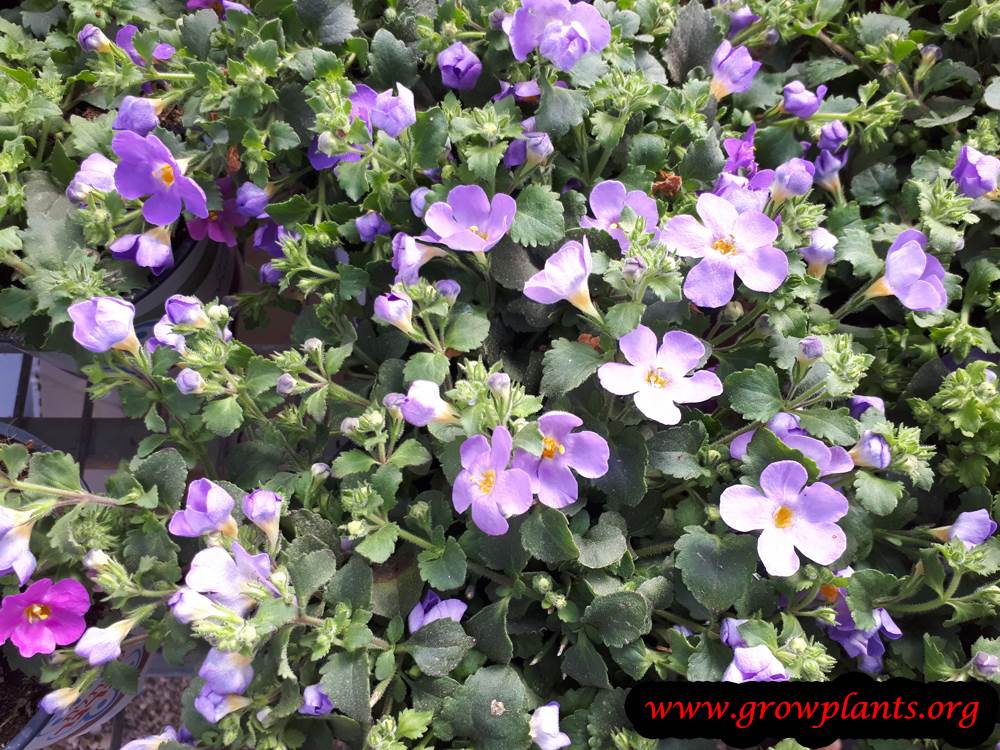
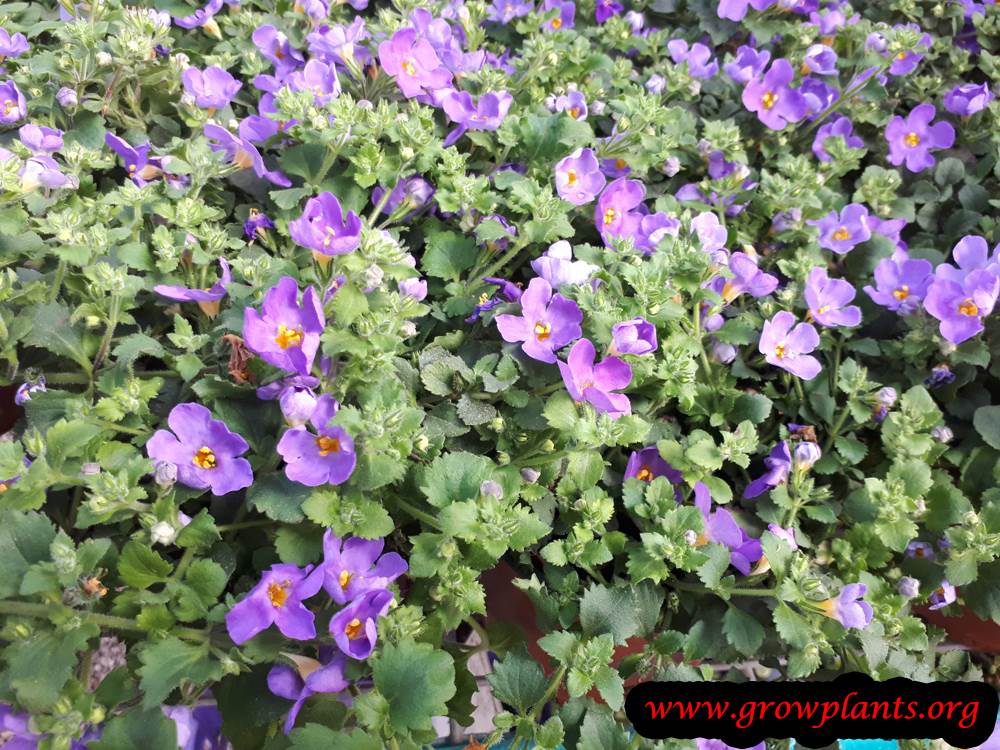
- Flower Appearance: Small, simple five-petalled flowers in white, pink or purple, scattered over trailing stems
- Edibility: Not eaten – grown as an ornamental (this ornamental bacopa is not the herb Bacopa monnieri)
Detailed Blooming Overview
Ornamental bacopa is a trailing ground cover and basket plant that flowers almost non-stop, dotting its cascading stems with small starry blooms throughout the warm season.
Flower Characteristics
- Small, simple flowers with five petals in white, pink or purple.
- Scattered evenly along trailing, cascading stems.
Bloom Care & Thinning
- Keeping it blooming: It is largely self-cleaning, but steady moisture and light feeding keep the flowers coming.
- Watch for: Letting it dry out stalls flowering, so avoid drought stress in baskets and containers.
Pests, Diseases & Troubleshooting
Overview: Trailing bacopa is a soft bedding plant grown for masses of small flowers; it is not especially pest-prone outdoors but attracts aphids, whitefly, mites and thrips under cover, and is very sensitive to watering and feeding lapses. Its make-or-break issue is even moisture – it sulks and drops flowers if it dries out or waterlogs.
Quick Troubleshooting Overview
| Issue / Pest | Main Symptom | Primary Solution |
|---|---|---|
| Aphids | Curled tips, honeydew | Water jet; soap |
| Whitefly | White flies from undersides | Sticky traps; soap/oil |
| Spider mites | Stippled, dull leaves in heat | Humidity; oil/soap |
| Thrips | Silvery flecks, distorted buds | Sticky traps; soap |
| Flower stall / drop | Sudden bloom stop after drying out | Keep evenly moist; feed regularly |
| Chlorosis | Yellowing leaves, iron shortage | Feed; correct pH/watering |
Common Pests & Management
- Aphids (Aphidoidea):
- Symptoms: Clusters of small green, black or grey soft-bodied insects on new shoots, buds and leaf undersides; curled distorted growth, honeydew and sooty mould.
- Prevention & Control: Blast off with a strong jet of water and squash colonies early. Encourage ladybirds, lacewings and hoverflies; avoid excess nitrogen that fuels soft growth. Use insecticidal soap or neem for stubborn outbreaks, sprayed in the evening to spare pollinators.
- Whitefly (Trialeurodes / Bemisia spp.):
- Symptoms: Tiny white moth-like insects that flutter up in clouds when foliage is disturbed; honeydew, sooty mould and yellowing weaken the plant.
- Prevention & Control: Hang yellow sticky traps to monitor and trim heavy populations; encourage Encarsia parasitic wasps under cover. Spray insecticidal soap or horticultural oil to leaf undersides, repeating to catch new hatches.
- Spider mites (Tetranychus urticae):
- Symptoms: Fine pale stippling on leaves, a dull bronzed look, and fine webbing on undersides in hot, dry conditions. Leaves dry and drop as numbers build.
- Prevention & Control: Raise humidity and hose down foliage to break the cycle; mites thrive on dry, dusty plants. Release predatory mites where practical, and treat with insecticidal soap or horticultural oil, coating leaf undersides over repeat applications.
- Thrips (Thysanoptera):
- Symptoms: Silvery streaks and flecking on leaves and petals, distorted buds and tiny slivers that dart when disturbed; can spread viruses under glass.
- Prevention & Control: Use blue or yellow sticky traps to monitor, remove damaged buds, and encourage predatory mites. Insecticidal soap or spinosad-type products help in heavy infestations under cover.
Diseases & Fungal Issues
- Root & crown rot (Phytophthora / Pythium / Rhizoctonia spp.):
- Symptoms: Wilting despite moist soil, blackened mushy roots or stem base, yellowing lower leaves and collapse. Bacopa rots readily in cold, waterlogged compost or standing water.
- Treatment & Management: This is a water-management disease first: plant in free-draining soil, avoid waterlogging and never let pots stand in saucers of water. Remove and destroy collapsed plants, improve drainage, and drench with a labelled biofungicide only as a support measure.
- Grey mould (Botrytis cinerea):
- Symptoms: Fuzzy grey mould on dying flowers and congested foliage in cool, damp, still conditions.
- Treatment & Management: Deadhead spent flowers, improve airflow and avoid overhead watering; remove affected material promptly.
- Fungal leaf spot (Fungal (minor)):
- Symptoms: Small brown spots in persistently wet foliage.
- Treatment & Management: Improve airflow and keep leaves dry; rarely needs a fungicide.
Growing Difficulties & Abiotic Problems
- Drying out / flower stall (the key issue):
- Cause & Symptoms: Bacopa hides stress until it suddenly stops flowering, and blooms may not return for weeks after a single dry-out.
- Correction Strategy: Keep the compost consistently and evenly moist – never bone-dry, never waterlogged – and use containers and mixes that buffer moisture; self-watering pots suit it well.
- Nutrient deficiency / chlorosis:
- Cause & Symptoms: Pale yellowing leaves and weak flowering in hungry container plants (often iron or general feed shortage).
- Correction Strategy: Feed regularly with a balanced liquid fertiliser through the growing season and correct alkaline water/pH that locks out iron.
- Heat & sun stress:
- Cause & Symptoms: Scorched, crisping foliage and stalled bloom in extreme heat.
- Correction Strategy: Give sun to part shade in hot climates, keep roots cool and moist, and shear lightly to refresh growth.
What Helps – Products & Tools
Success is mostly cultural – even moisture and steady feeding. For the sap-suckers, keep insecticidal soap, neem/horticultural oil and yellow/blue sticky traps; a chelated-iron or balanced feed corrects the common chlorosis, and Botrytis is handled by hygiene rather than chemicals.