



Plant Profile & Key Characteristics
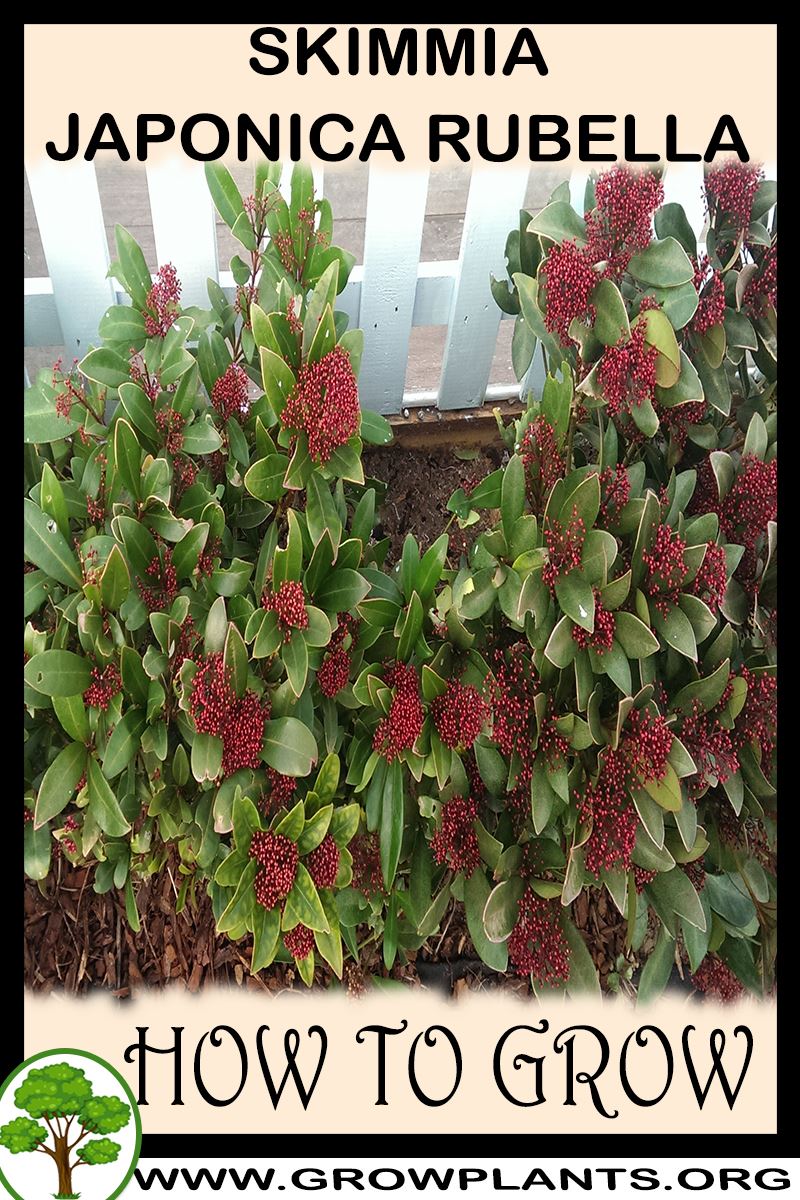
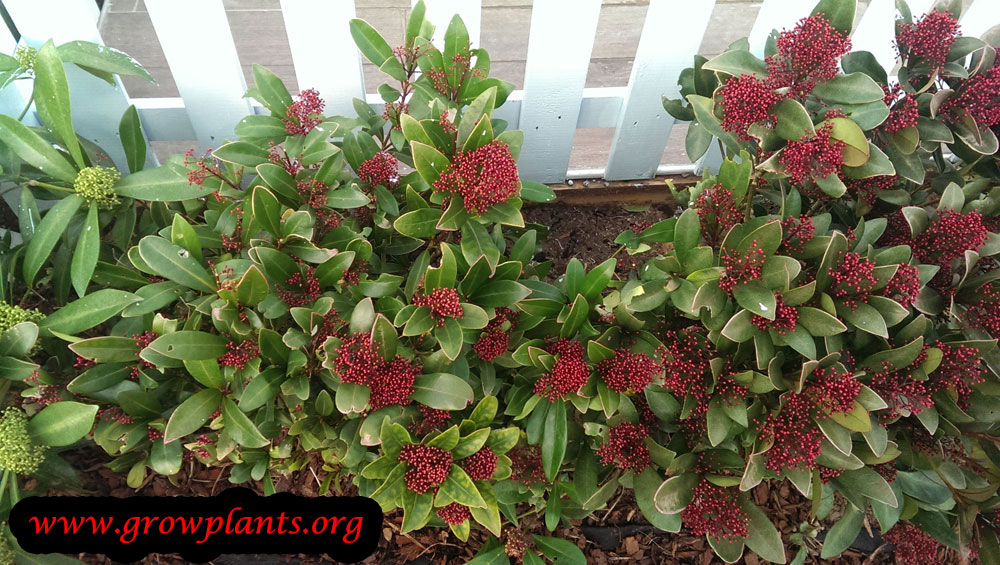
Overview: A compact, evergreen shrub 0.5-1 m (1.5-3 ft) tall grown for its glossy, aromatic foliage and, above all, its showy red winter flower buds. Used as a fragrant ornamental, a drought-tolerant shade shrub and for bonsai.
Quick Specifications
| Specification | Attribute |
|---|---|
| Plant Type / Life Cycle | Evergreen shrub (perennial) |
| Foliage Type | Evergreen |
| Mature Size | 0.5-1 m (1.5-3 ft) |
| Growth Rate | Moderate |
| Toxicity | Toxic – the berries and foliage contain alkaloids and are not edible |
| Notable | Dioecious; ‘Rubella’ is a male clone valued for its red winter buds |
| Hardiness | USDA zones 7-9 |
Growth Form & Structure
- Height & Spread: A neat dome 0.5-1 m (1.5-3 ft) tall and wide; excellent in shade, in containers and as bonsai.
- Growth Habit & Form: Rounded, dense evergreen shrub with aromatic foliage; slow-to-moderate and tidy.
- Lifespan & Maturity: A long-lived woody shrub reaching full size over several years.
Anatomy & Physical Features
- Leaves & Foliage: Green, waxy elliptic leaves (some forms variegated white and yellow), aromatic when crushed.
- Flower Characteristics: Fragrant red flower buds opening to small clustered flowers in late winter to spring.
- Fruit Profile: Small (~0.5 cm) red berries may follow on female plants – ornamental only and not edible.
Primary Uses & Landscape Value
- Functional & Ornamental Roles: A fragrant, shade-tolerant ornamental for borders and woodland gardens, valued for winter interest, and suited to containers and bonsai.
Care Guide: Planting, Soil & Watering
Overview: Skimmia japonica ‘Rubella’ (Red Japanese skimmia) is a shade-tolerant evergreen shrub that grows best in cool conditions with rich, moist, well-drained, slightly acidic soil. It likes steady, even moisture and does not tolerate hot, dry or waterlogged ground.
Quick Care Requirements
| Requirement | Ideal Condition |
|---|---|
| Planting Season | In spring or summer during the growing season |
| Growth Rate | Moderate |
| Soil Type | Rich, moist, well-drained soil high in organic matter |
| Soil pH | Slightly acidic — it prefers acid soil and struggles in alkaline ground |
| Water Need | Moderate — keep the soil evenly moist but never waterlogged |
Planting & Establishment
- Best Planting Season: Plant in spring or summer during active growth; it is hardy across zones 7–9 and prefers a cool, sheltered, partly shaded spot.
- How to Plant:
- Hole Preparation: Dig a hole about twice the width of the root ball and no deeper, loosening the sides so the roots establish easily.
- Soil Amendments: Work in plenty of compost, leaf mould or an ericaceous (acidic) organic matter to enrich the soil, hold moisture and keep it on the acid side.
- Planting Depth: Set the shrub so the top of the root ball is level with the surrounding soil — keep the root collar at the surface and do not bury the stem.
- Growth Speed & Expectations: Moderate growth into a neat 0.5–1 m evergreen mound; it also takes well to container and bonsai culture.
Soil, Watering & Drainage Care
- Soil Mix & Drainage Needs: Provide rich, moisture-retentive but well-drained acidic soil; in containers use an ericaceous mix and ensure excess water drains so the roots stay moist but not soggy.
- Watering Schedule & Technique:
- Young / Newly Planted: Water regularly after planting to keep the soil evenly moist while the shrub establishes.
- Established: Water to maintain even soil moisture, especially in dry or hot weather; established plants dislike drying out.
- Seasonal Adjustments: Water more in summer heat and dry spells; reduce in cool, wet weather while keeping the soil from drying completely.
Climate, Light & Hardiness
Skimmia japonica 'Rubella' is a hardy, broadleaf-evergreen shrub for temperate climates, grown from part shade to full sun. It is genuinely cold-hardy and cool-loving, so summer heat and hot, dry sun - rather than winter cold - are usually the limiting factors.
Quick Climate Specifications
| Climate Zones | Temperate |
|---|---|
| USDA Hardiness Zones | Approximately 7–9 |
| Optimal Temp Range | Cool to mild growing conditions |
| Cold Damage Begins | Very cold-tolerant within its zone range; harsh, exposed winter freezes can bronze or scorch foliage |
| Approx. Survival Minimum | Established plants are hardy toward roughly zone 7, around −15 to −18 °C (5 to 0 °F) |
| Frost Tolerance | High |
| Light Conditions | Part shade to full sun (shade preferred in warm regions) |
| Wind Tolerance | Moderate |
Sunlight & Light Exposure
Optimal Light Setup
Grows best in part to full shade; while it tolerates full sun in cool climates, in warmer regions shade keeps the foliage from scorching and yellowing.
Shade & Heat Management
Shade is protective in warm areas - hot, direct sun combined with dry conditions bronzes and burns the leaves, so a cool, shaded aspect preserves the deep green colour.
Best Exposure / Orientation
A cool north- or east-facing position, or shelter beneath taller shrubs and trees, gives the healthiest foliage and best winter bud colour.
Temperature Extremes & Hardiness
USDA Hardiness & Regional Limits
Hardy across roughly USDA zones 7–9. It is reliably cold-tolerant within this range; the warm limit reflects heat and sun stress rather than any lack of cold hardiness.
Cold Damage & Winter Protection
The evergreen foliage withstands normal winter cold well; only harsh, exposed, drying winter conditions cause bronzing or leaf scorch, which shelter helps prevent.
Frost Sensitivity
Frost-hardy overall; the persistent flower buds and foliage carry through winter, providing the plant's well-known cold-season display.
Extreme Heat Tolerance
Limited - prolonged heat and hot sun stress the plant, causing leaf yellowing and scorch. Cool roots, shade and steady moisture are key where summers are warm.
Wind, Humidity & Microclimate
Humidity Preferences
Prefers cool, moist air; dislikes hot, arid conditions.
Wind Tolerance
Moderately wind-tolerant, but cold, drying winter winds can scorch the evergreen leaves, so a sheltered spot is best.
Microclimate Recommendations
Use a cool, shaded, sheltered, moisture-retentive niche - ideal too for container and bonsai culture, where the confined root zone should be kept cool and evenly moist and protected from both hard freezing and hot sun.
Growing in Pots, Balconies & Indoors
The grower confirms the red Japanese skimmia is not a houseplant. It is a hardy, evergreen shade shrub that needs cool winters, and it makes an excellent long-term container plant for a shady patio or doorway – just not for indoors.
Quick Details
- Container Size: A roomy 20-40 L (5-10 gal) pot for this compact evergreen
- Indoor Suitability: Not a houseplant – it needs cool winters and outdoor light
- Best Spot: Part shade to shade; shelter from hot, dry sun
- Soil & Drainage: Moist, humus-rich, slightly acid mix; free-draining
- Watering in Pots: Keep evenly moist – it dislikes drying out, but not waterlogging
Indoors & On the Windowsill
- Not for indoors: It needs the cold and the light of the outdoors; a warm room will not suit it.
- A patio evergreen: Its neat, fragrant, evergreen form and winter interest make it a favourite for shaded doorways and courtyards in a pot.
- Winter: Fully hardy in its range – leave the pot out; in a severe freeze, protect the pot so the root ball does not freeze through.
On a Balcony or Patio
- Light & shelter: A shaded, sheltered patio suits it best; keep it out of scorching sun, which bleaches the leaves, and don’t let the pot bake dry.
- Practicalities: A full pot of moist soil is heavy – check the balcony can take the weight, and stand pots so drainage water runs off cleanly instead of pooling.
Choosing the Pot, Soil & Long-Term Care
- Pot & drainage: A 20-40 L pot with strong drainage holes; skip a standing water saucer to avoid root rot; terracotta breathes and dries faster, while glazed or plastic holds moisture longer.
- Potting mix: An ericaceous (acid), humus-rich mix with added perlite keeps it happy and green.
- Feeding: Potted plants use up their soil faster as nutrients wash out with each watering, so feed a little and often through the growing season.
- Repotting: Refresh the mix or pot up about every two years; for perennials, lightly trim the root ball and top growth when you do.
- Safety: The red berries are toxic if eaten – keep the plant away from children and pets on the patio.
Fertilizing & Feeding
A moderate feeder: a balanced complete fertilizer through the growing season supports strong growth and flowering, while overfeeding pushes leafy growth at the expense of blooms.
Quick Fertilizing Specs
| Feeding Level | Moderate |
|---|---|
| Main Nutrient Priority | Balanced complete feeding with adequate nitrogen and potassium |
| Best Feeding Period | Spring through the flowering season |
| Organic Options | Compost and other organic matter around the root zone |
| Soil pH | Prefers a slightly acidic to near-neutral soil |
| Reduce/Stop Feeding | Reduce feeding as growth slows and stop during dormancy |
| Micronutrients | Usually supplied by a complete fertilizer; iron may need correction in alkaline soils |
Feeding by Growth Stage
Spring growth
Support new shoots and leafy growth as the plant breaks from winter rest.
| Nutrient direction | A balanced complete fertilizer with steady nitrogen to build healthy foliage. |
|---|---|
| Timing | As growth resumes in spring. |
| Frequency | A few light feedings through the early growing season. |
| Fertilizer types | A balanced complete garden fertilizer, Compost or other organic matter worked in around the root zone |
| Precautions | Avoid heavy nitrogen late in the season, which pushes soft growth at the expense of flowers. |
Flowering
Sustain flowering without forcing excess leafy growth.
| Nutrient direction | Continue a balanced feed; adequate nitrogen and potassium support bloom better than high-phosphorus products. |
|---|---|
| Timing | Through the main flowering period. |
| Frequency | Keep feeding light and steady. |
| Fertilizer types | A balanced complete fertilizer |
| Precautions | Skip high-phosphorus bloom-booster products; balanced feeding drives flowering. |
Dormancy / rest
Let the plant rest as growth slows in the cool season.
| Nutrient direction | None – withhold fertilizer while the plant is dormant. |
|---|---|
| Timing | Late autumn through winter dormancy. |
| Frequency | No feeding at this stage. |
| Fertilizer types | No feeding during dormancy – withhold fertilizer until growth resumes in spring. |
| Precautions | Do not fertilize dormant plants; resume only when new growth appears. |
Nutrient Deficiency Signs & Corrections
Pale, yellowing older leaves with weak, slow growth.
| Possible causes | Low soil nitrogen, Nitrogen leaching from frequent watering or sandy soil, Compacted or poor soil limiting root uptake |
|---|---|
| Appears first on | Older, lower leaves. |
| What to check | Recent feeding history, Soil condition and drainage, Watering frequency |
| Possible correction | Apply a balanced complete fertilizer and improve organic matter in the root zone. |
Interveinal yellowing on new leaves while veins stay green.
| Possible causes | High soil pH reducing iron availability, Waterlogged or cold roots limiting uptake, Not necessarily a lack of iron in the soil |
|---|---|
| Appears first on | New, young leaves at the shoot tips. |
| What to check | Soil pH, Drainage and root health |
| Possible correction | Correct soil pH and drainage, and apply a chelated iron product per its label. |
Scorched leaf edges and tips with dull foliage.
| Possible causes | Excess fertilizer salts in the root zone, Underwatering that concentrates salts, Poor drainage |
|---|---|
| Appears first on | Leaf margins and tips. |
| What to check | Feeding rate, Drainage, Salt buildup in soil |
| Possible correction | Reduce feeding and leach the root zone with thorough watering. |
Pruning, Training & Seasonal Maintenance
Skimmia japonica ‘Rubella’ is a slow-growing, dense, naturally dome-shaped evergreen shrub grown above all for the clusters of deep-red flower buds it carries right through autumn and winter, opening to fragrant flowers in spring — and it is a male clone, so it sets no berries (its role is to pollinate female skimmias). Both facts steer the pruning. Because it is slow and self-shaping, it needs very little cutting at all; and because the whole point of the plant is those over-wintering red buds, the timing matters more than the technique. The buds form on the tips of the previous season’s growth, so any shaping should be done after the flowers finish in late spring — pruning in autumn or winter, however tidy it looks, simply cuts off the coloured buds you grow it for. It also takes well to the fine, patient pinching used in bonsai.
Quick Pruning & Maintenance Specs
| Pruning Tolerance | Low need — slow, self-shaping; light pruning only |
| Primary Pruning Window | Late spring, immediately after the flowers finish |
| Typical Frequency | Little and seldom — only light shaping and grooming |
| Main Objective | Keep a neat dome without sacrificing the winter buds |
| Young Plant Priority | Almost none — let the naturally dense habit form |
| Mature Plant Priority | Light shaping after flowering; remove any dead or wayward shoot |
| Best Tool Type | Precision snips, or bypass secateurs for the odd thicker stem |
| Avoid Heavy Pruning During | Autumn and winter — that is when the prized buds are on display |
Pruning by Plant Age & Size
Newly Established
A young plant needs essentially no pruning — just remove any damaged shoot as it settles into cool, moist, slightly acid soil in shade. Its naturally compact, rounded habit builds itself without training.
Young / Formative
There is no structural training to do on this slow, dense shrub; it forms its own tidy dome. If you want a fuller plant, a light tip-pinch after flowering encourages branching, but even that is optional. (For bonsai, this same responsiveness to careful tip-pinching is what allows the form to be built slowly over years.)
Mature / Established
An established plant asks only for light grooming: after flowering, shorten the odd shoot that spoils the outline and remove any dead or weak growth. It rarely needs more, and because it is slow to regrow, cutting is best kept minimal.
Seasonal Pruning Schedule
Late Spring, After Flowering (the one time to shape)
Objective: tidy the shape without losing next winter’s buds. Once the spring flowers fade, lightly shorten any wayward shoots and remove dead growth. This gives the plant the whole growing season to make new shoots and set fresh buds on their tips for the following autumn and winter. What NOT to do: do not cut in autumn or winter, when you would be removing the coloured buds that are the plant’s main feature.
Flowering & Fruiting Wood
‘Rubella’ sets its flower buds on the tips of the current year’s growth during summer, then holds them coloured through autumn and winter before they open in spring — which is exactly why pruning must come right after flowering: cut then and the plant has all season to make new bud-bearing shoots, but cut in autumn or winter and you remove the display itself. Being a male clone, it produces no berries, so there is no fruiting wood to preserve; its job in a mixed planting is to pollinate the berrying female skimmias, and keeping its flowering shoots is what lets it do so.
Structural Pruning & Training
Little structural work is needed — the shrub makes a naturally dense, even dome. Remove only crossing, rubbing or dead shoots and the occasional stem that breaks the outline; heavy thinning is unnecessary and, on such a slow plant, slow to grow back. Height and spread are modest and rarely need controlling.
Special Growth to Remove
There is very little to remove: no suckers, runners or vigorous watersprouts on this restrained shrub. Simply take out any dead, damaged or misplaced shoot, and do so after flowering so the buds are spared. Because it is male, there are no spent berry trusses to deal with.
Container & Small-Space Pruning
Skimmia is a popular container and winter-display plant, and in a pot it still needs almost no pruning — just light shaping after flowering and removal of dead growth. Keep it in cool, shaded conditions with acid, moisture-retentive compost; its slow growth means it holds its shape and size in a container for a long time without cutting.
Tools
Precision snips are enough for the light tip-work and grooming, with bypass secateurs for the occasional thicker stem. Given the plant’s size and slow growth, loppers, saws and shears are never needed — and shearing in particular would spoil the natural dome and risk removing buds.
Tool Hygiene & Disease Risk
Hygiene is Routine: clean, sharp snips are sufficient, as the plant’s issues are aphids and leafhopper rather than a blade-borne disease. There is no need to disinfect between cuts on a healthy plant.
Cut Placement & Technique
Cut to a healthy bud or side-shoot just inside the outline so the wound is hidden by surrounding growth, and avoid leaving stubs. Keep cuts few and light — on a slow shrub, restraint keeps the plant looking natural and the buds intact.
Heavy Pruning & Rejuvenation
Skimmia can be cut back into older wood if a plant has become bare or overgrown, and it will usually break again, but it regrows slowly and takes time to recover its shape and flowering — so hard pruning is a last resort, not routine. If needed, do it after flowering and expect a season or two, and a lost winter display, before it looks its best again. In most cases the plant never needs more than light grooming.
Post-Pruning Care
After the light after-flowering trim, keep the plant cool, shaded and evenly moist in acid soil — conditions matter far more than feeding. If leaves are yellowing on limy soil (a common skimmia problem), address the soil acidity rather than reaching for the secateurs; do not force growth with heavy feeding after such minimal pruning.
Common Pruning Mistakes
- Pruning in autumn or winter and cutting off the red buds that are the whole reason for growing ‘Rubella’.
- Shearing it into a tight ball, spoiling the natural dome and removing bud-bearing tips.
- Hard-pruning a slow plant unnecessarily, then waiting seasons for it to recover.
- Blaming poor looks on pruning when yellow leaves are really a sign of soil that is too alkaline.
When NOT to Prune
Do not prune in autumn or winter, when the buds are the display, nor in spring while it is flowering. Avoid cutting a heat- or drought-stressed plant. The only reliable window is just after the flowers finish in late spring.
Pruning Troubleshooting
| Problem | Possible Cause | What to Check | Corrective Action |
| No red winter buds / poor display | Pruned in autumn or winter, removing the buds | When the plant was last cut | Prune only just after flowering, so new bud-bearing shoots have all season to form |
| Sparse, bare growth | Over-hard pruning of a slow plant, or too much sun/dryness | Extent of past cutting and the site conditions | Prune lightly only; move to cool shade with acid, moist soil and let it rebuild slowly |
| Yellowing leaves (mistaken for pruning need) | Alkaline soil (chlorosis), not a pruning problem | Soil pH | Acidify the soil / use ericaceous compost rather than cutting |
Recommended Tools (by task)
- precision_snips — for light after-flowering shaping, grooming and bonsai-style tip-pinching.
- bypass_secateurs — for the occasional thicker stem or piece of dead wood.
Propagation Guide
‘Rubella’ is a male clone of Skimmia japonica grown for its red winter flower buds; because it is a named male clone it must be propagated vegetatively – from semi-ripe cuttings – to keep it identical, and it does not set its own berries or seed. Grafting is not needed. Cuttings root steadily but slowly, making this a moderate subject.
Quick Propagation Specs
| Best Propagation Method | Semi-ripe (semi-hardwood) stem cuttings |
| Alternative Methods | Layering |
| Propagation Difficulty | Moderate (slow to root) |
| Seed True-to-Type | Not applicable – this male clone sets no seed of its own, and seedlings would not be true |
| Vegetative True-to-Type | Yes |
| Best Propagation Season | Late summer to early autumn for cuttings |
| Cutting Rooting Time | Slow – typically several weeks to a few months |
Stem Cuttings
Cutting Type & Timing
Take semi-ripe cuttings of the current season’s growth in late summer to early autumn, ideally with a small heel of older wood.
Cutting Preparation
Trim to a few leaves, reduce large leaves to limit water loss, and lightly wound the base of firmer cuttings to encourage rooting.
Rooting Setup & Hormone
Insert into a moist, free-draining, slightly acidic mix under high humidity and light shade; gentle bottom warmth helps. Rooting hormone is beneficial on this slow-rooting evergreen.
Rooting Time
Rooting is slow, often taking from several weeks to a few months, so keep the cuttings humid and undisturbed while they root.
Air & Ground Layering
A low branch can be wounded and pinned into acidic, moist soil to root over an extended period, then separated once well rooted – a reliable if slow alternative to cuttings, and useful for producing bonsai stock true to the clone.
Bloom & Flower Guide
Quick Details
- Bloom Season: Late winter into spring, following a long show of coloured buds
- Flower Appearance: Fragrant flowers opening from deep red buds, carried in dense clusters (panicles)
- Edibility: Not edible; Skimmia is toxic in all its parts and should never be eaten. Keep the fruit and foliage away from children and pets
Detailed Blooming Overview
‘Rubella’ is grown as much for its buds as its flowers: through autumn and winter the plant is studded with tight, wine-red flower buds that hold their colour for months before opening into fragrant clusters in late winter and spring. It is a male selection, so it is valued for those buds and their scent and does not itself set berries, though it makes an excellent pollinator for berrying female skimmias nearby.
Flower Characteristics
- Fragrant flowers opening from long-lasting deep-red buds.
- Held in dense terminal clusters above the evergreen foliage.
- A male clone: showy in bud and flower, but produces no fruit of its own.
Bloom Care & Thinning
- Enjoying the buds: Leave the coloured buds untouched through winter; they are the main display and open on their own in spring.
- Siting: Shelter from harsh sun and dry soil keeps the buds and flowers looking their best.
- Pollination: As a male plant it supplies pollen for nearby female skimmias to set their berries.
Bloom Health & Protection
- Handle with care: All parts are toxic if eaten, so keep prunings and any fruit out of reach of children and pets.
Pests, Diseases & Troubleshooting
Overview: Skimmia is an easy, shade-tolerant evergreen shrub whose single biggest problem is not a pest at all but chlorosis on alkaline soil; the pests it does get are scale, red spider mite and aphids. Getting the soil right — moist, humus-rich and acidic — prevents most of its troubles.
Quick Troubleshooting Overview
| Issue / Pest | Main Symptom | Primary Solution |
|---|---|---|
| Chlorosis (lime-induced) | Yellowing between green veins on new leaves | Acidify soil; iron/sequestered iron; mulch |
| Scale insects | Brown bumps on stems/leaves; sooty mould | Horticultural oil; scrape off; prune out |
| Red spider mite | Fine stippling, bronzing in hot dry spells | Rinse; horticultural oil; improve humidity |
| Aphids | Clusters on new shoots; distortion, honeydew | Hose off; insecticidal soap |
| Leaf scorch | Brown, dry leaf margins in sun/wind/frost | Site in shade/shelter; keep soil moist |
| Root rot | Wilting, dieback in wet, heavy soil | Improve drainage; avoid waterlogging |
Common Pests & Management
- Scale insects (Coccus hesperidum / Pulvinaria spp.):
- Symptoms: Brown, tan or waxy limpet-like bumps clamped to the stems, leaf midribs and undersides, sucking sap and excreting honeydew that blackens leaves with sooty mould; heavy infestation weakens and yellows growth.
- Prevention & Control: Scrape or brush off small colonies and treat with horticultural oil to smother crawlers, repeating for successive generations. Prune out badly encrusted wood, keep the shrub vigorous, and encourage predatory ladybirds and parasitic wasps.
- Red spider mite (Tetranychus urticae):
- Symptoms: Fine pale stippling and a dull bronzed cast to the leaves, with faint webbing in bad cases, during hot, dry, sheltered spells; heavy infestation causes leaf drop.
- Prevention & Control: Raise humidity and rinse the foliage to dislodge mites, then treat with horticultural oil or insecticidal soap on the undersides, repeating weekly. Keeping the plant cool, shaded and well watered — its natural preference — largely prevents attacks.
- Aphids (Aphis / Myzus spp.):
- Symptoms: Green or black clusters on the soft new shoots and flower buds, distorting growth and leaving honeydew and sooty mould.
- Prevention & Control: Hose off or wipe away colonies; insecticidal soap deals with heavier numbers. Avoid excess nitrogen and let ladybirds, hoverflies and lacewings keep the shrub clean, which they usually do.
Diseases & Fungal Issues
- Root & crown rot (Phytophthora / Pythium spp.):
- Symptoms: Wilting, yellowing, thinning and dieback with dark, decaying roots and collar in wet, heavy, poorly drained soil; skimmia likes moisture but not waterlogging.
- Treatment & Management: Plant in moist but free-draining, humus-rich soil, keep the crown proud of the ground, and avoid waterlogging and heavy clay. Improve drainage, remove affected roots where possible, and treat valued shrubs with a phosphonate/Phytophthora-targeted product.
- Leaf spots & blotch (Colletotrichum / Phyllosticta spp.):
- Symptoms: Brown or purplish spots and blotches on the leaves, often on plants already stressed by chlorosis, scorch or poor drainage; usually cosmetic and secondary.
- Treatment & Management: Correct the underlying stress (soil, drainage, feeding), remove badly affected leaves, and improve airflow. A copper fungicide is rarely needed once the plant is growing healthily.
Growing Difficulties & Abiotic Problems
- Lime-induced chlorosis:
- Cause & Symptoms: The signature problem of skimmia: yellowing of the newest leaves between green veins, sometimes whole-plant paling, caused by iron and manganese being locked out on alkaline or chalky soil. Often misread as a pest or disease.
- Correction Strategy: Grow in acidic to neutral, humus-rich soil; on limy ground use ericaceous compost, mulch with acidic organic matter, and apply sequestered iron and micronutrients. Water with rainwater rather than hard tap water where possible, and avoid lime and mushroom compost.
- Leaf scorch (sun, wind, frost):
- Cause & Symptoms: Brown, dry leaf margins and bleaching from too much direct sun, cold drying winds, or hard frost; skimmia is a woodland-edge plant that resents exposure.
- Correction Strategy: Site in partial to full shade with shelter from strong wind and early sun on frozen mornings, and keep the soil consistently moist. Trim badly scorched leaves; new growth in a better position will be unmarked.
- Drought / dryness stress:
- Cause & Symptoms: Wilting, leaf browning and bud drop in dry soil, especially in sun or under the rain shadow of walls and larger plants.
- Correction Strategy: Keep the soil evenly moist with a generous organic mulch, water in dry spells, and avoid hot, dry, exposed positions. Consistent moisture in shade is the key to a lush, healthy plant.
What Helps – Products & Tools
Skimmia’s most important ‘product’ is not a pesticide but soil correction: ericaceous compost, acidic mulch and sequestered iron/micronutrients to cure and prevent chlorosis. For pests, horticultural oil and insecticidal soap cover scale, red spider mite and aphids. A phosphonate-type product protects valued shrubs from Phytophthora in wet soils. Moist, acidic, humus-rich soil and a sheltered, shaded site do far more than any spray.