Plant Profile & Key Characteristics
Overview: Scaevola taccada (beach cabbage / sea lettuce) is an evergreen coastal shrub or small tree reaching 1-4 m (3-12 ft), grown as a salt- and drought-tolerant ornamental. This fast- to moderate-growing perennial thrives in tropical, subtropical and Mediterranean coastal gardens (hardiness zone 10+).
Quick Specifications
| Specification | Attribute |
|---|---|
| Plant Type / Life Cycle | Perennial (evergreen shrub / small tree) |
| Foliage Type | Evergreen |
| Mature Size | 1-4 m tall (3-12 ft) |
| Growth Rate | Fast to moderate |
| Hardiness | USDA zone 10+ |
Growth Form & Structure
- Height & Spread: Reaches 1-4 m (3-12 ft) in the ground; can be grown outdoors in a large container but is not an indoor houseplant.
- Growth Habit & Form: Multi-stemmed, dense, mounding shrub to small tree; a classic seaside and dune plant that tolerates salt spray and sandy soils.
Anatomy & Physical Features
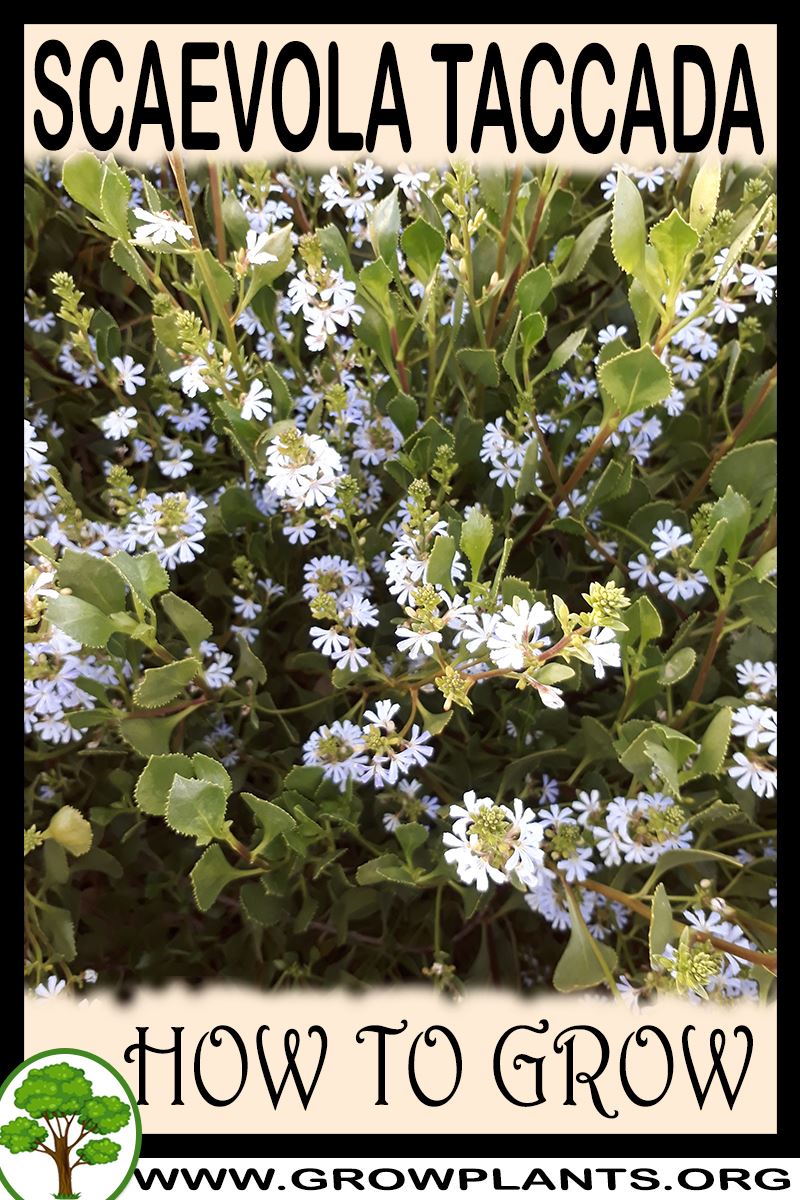
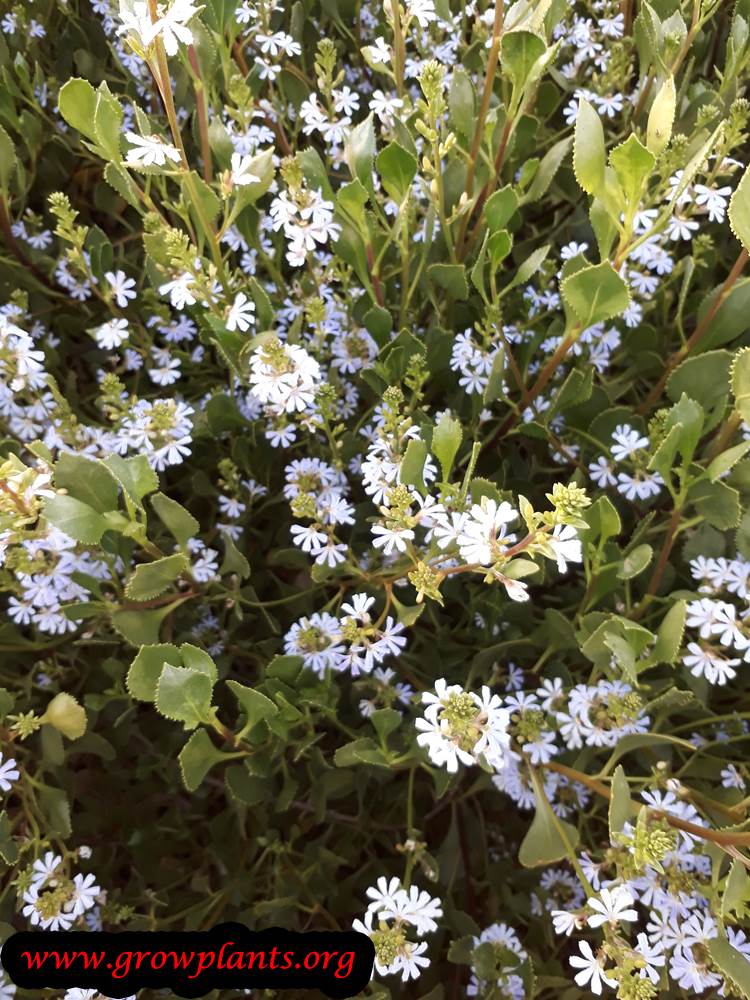
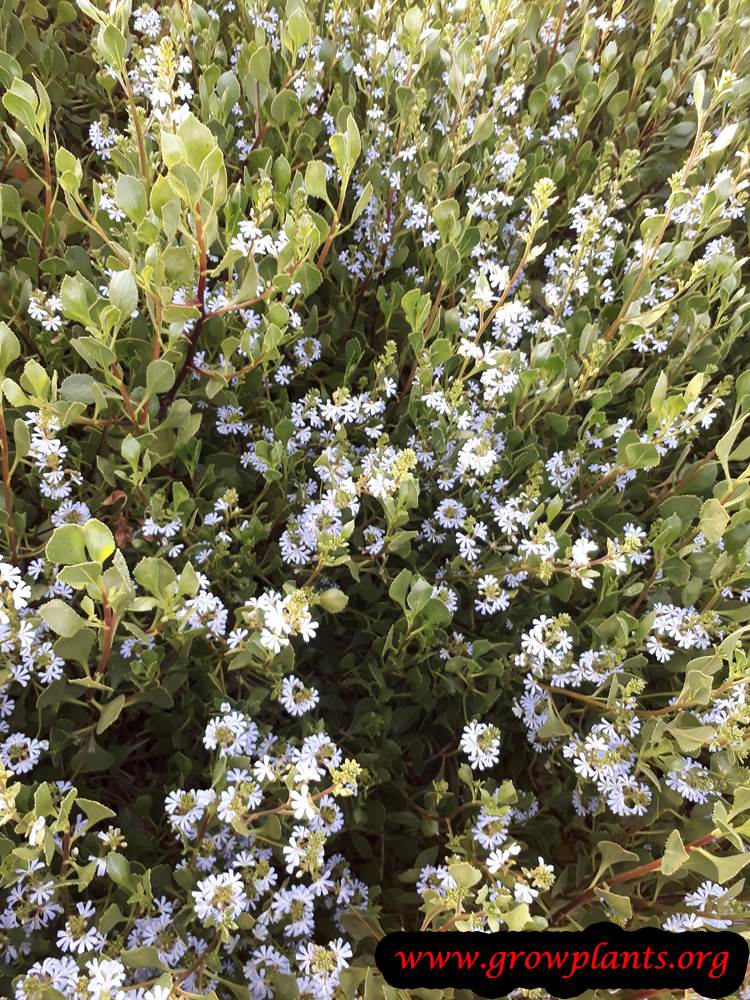
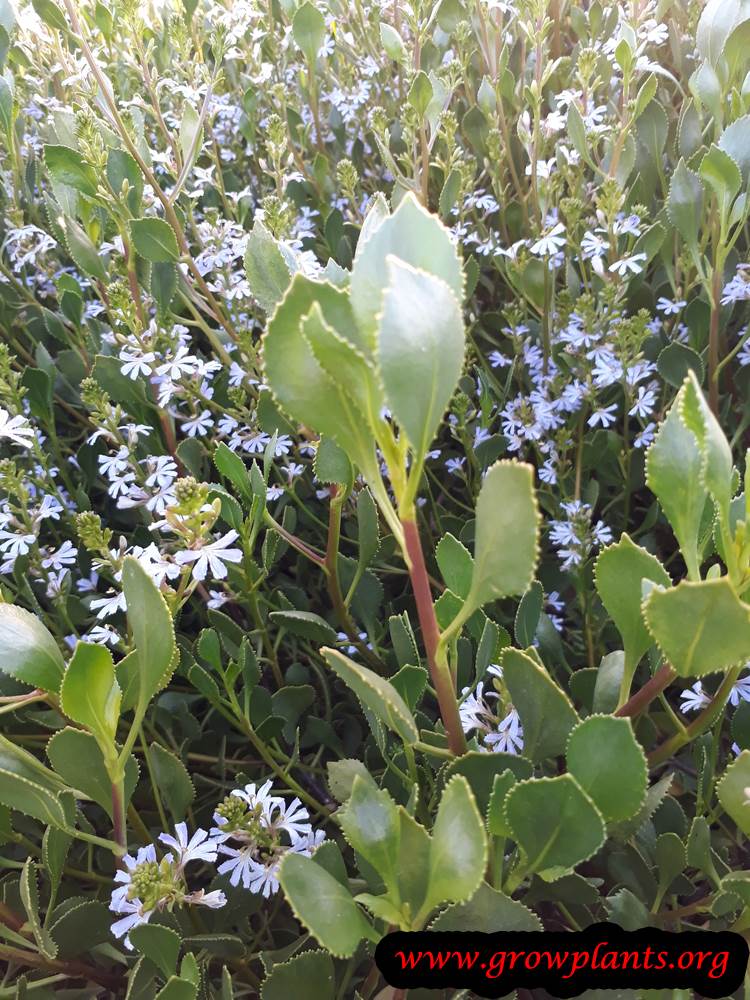
- Leaves & Foliage: Fleshy, bright-green oval leaves clustered toward the branch tips.
- Flower Characteristics: Small white to pale-blue flowers in a distinctive one-sided ‘hand-fan’ shape.
Primary Uses & Landscape Value
- Functional & Ornamental Roles: Ornamental coastal and seaside planting, informal hedge, windbreak and sand-binder for saline environments; note it can be invasive outside its native range.
Care Guide: Planting, Soil & Watering
Overview: Scaevola taccada (Scaevola taccada), beach cabbage or sea lettuce, is a salt-tolerant, evergreen coastal shrub to small tree for tropical, subtropical and Mediterranean gardens (hardiness zone 10 and up). It thrives in full sun in sandy, well-draining soil and shrugs off seaside conditions.
Quick Care Requirements
| Requirement | Ideal Condition |
|---|---|
| Planting Season | Spring, summer or autumn |
| Growth Rate | Moderate to Fast |
| Soil Type | Sandy, well-draining; salt-tolerant, coastal |
| Water Need | Low to moderate; let the top dry between waterings |
Planting & Establishment
- Best Planting Season: Plant in spring, summer or autumn in a full-sun, well-drained position; it is ideal for exposed coastal sites.
- How to Plant:
- Hole Preparation: Dig a hole a little wider than the root ball and loosen the surrounding sandy soil.
- Soil Amendments: Sandy, free-draining ground suits it best; little enrichment is needed for this tough coastal plant.
- Planting Depth: Set the plant at the depth it grew previously, keeping the crown level with the surface.
- Growth Speed & Expectations: A moderate-to-fast grower reaching about 1-4 m (3-12 feet), forming a large, salt-tolerant shrub; it can be invasive.
Soil, Watering & Drainage Care
- Soil Mix & Drainage Needs: Give sharply draining, sandy soil so the roots never stay wet. It also grows in a container with open drainage.
- Watering Schedule & Technique:
- Young / Newly Planted: Keep the soil evenly moist while young plants establish.
- Established: Once established it is drought- and salt-tolerant – water moderately and let the top of the soil dry between waterings.
- Seasonal Adjustments: Water a little more in summer heat and reduce over cooler months.
Climate, Light & Hardiness
Scaevola taccada (beach cabbage) is a tropical to Mediterranean coastal shrub built for hot, exposed shorelines, thriving in full sun on sandy, salt-laden sites. It is frost-tender and suited only to frost-free, zone-10-and-warmer climates.
Quick Climate Specifications
| Climate Zones | Tropical, subtropical, Mediterranean (coastal) |
|---|---|
| USDA Hardiness Zones | 10+ |
| Frost Tolerance | None to Very Low |
| Light Conditions | Full sun |
| Wind Tolerance | High |
| Salt / Coastal Tolerance | High |
Sunlight & Light Exposure
Optimal Light Setup
A full-sun plant that grows densest and most compact in unshaded, open coastal light.
Direct Sun Requirement
Direct sun and reflected heat off sand and paving are ideal; shade thins the canopy.
Best Exposure / Orientation
Open, sea-facing exposures are exactly where this species performs best.
Temperature Extremes & Hardiness
USDA Hardiness & Regional Limits
Classified by the site for zone 10 and above - a frost-free tropical/subtropical cold limit. It is not suited to areas with regular freezes.
Cold Damage & Winter Protection
Cold snaps near freezing damage the succulent foliage; sustained frost is likely fatal. Outside frost-free climates it needs protected or container culture that can be sheltered in winter.
Frost Sensitivity
Highly frost-sensitive.
Extreme Heat Tolerance
Excellent - this is a heat- and sun-loving shoreline plant that handles the hottest coastal conditions.
Wind, Humidity & Microclimate
Humidity Preferences
Comfortable in humid maritime air but equally at home in drier Mediterranean coastlines.
Dry-Air Tolerance
High; the thick, waxy leaves resist drying wind and sun.
Wind Tolerance
High. It is a front-line dune and beachfront shrub that withstands strong, constant onshore wind.
Coastal / Salt Tolerance
High salt-spray and coastal tolerance - one of its defining traits, growing directly on sandy, salt-exposed shores. This salt-spray tolerance is distinct from tolerance of saline irrigation water or heavy saline soils.
Microclimate Recommendations
Sandy, sharply drained, sun-baked coastal sites are ideal; inland it simply needs a hot, open, free-draining position and frost protection.
Growing in Pots, Balconies & Indoors
The grower confirms beach cabbage is not a houseplant – it is a salt-tolerant coastal shrub or small tree (1-4 m). It does grow well in a large container while young, giving a fine sun-loving patio or courtyard plant, but a big woody specimen ultimately wants the open ground.
Quick Details
- Container Size: a large 40 L+ (10 gal+) tub; it only stays pot-happy while young
- Indoor Suitability: Not a houseplant – too large and sun-hungry
- Best Spot: Full sun; a warm, coastal or exposed patio
- Soil & Drainage: Free-draining mix; it dislikes wet feet
- Watering in Pots: Water when the top of the mix dries; drought-tolerant once established
Indoors & On the Windowsill
- Not for indoors: beach cabbage is an outdoor a salt-tolerant coastal shrub or small tree (1-4 m) – it needs full sun and space no room can give.
- Overwintering: Where winters are colder than it likes, a young plant in a pot can be sheltered in a bright, frost-free spot for the cold months and moved back out in the warm season.
On a Balcony or Patio
- Light & wind: Give it the sunniest spot; walls and paving throw back heat so pots dry fast – check moisture in summer, and stake or shelter the top growth from wind.
- Keep it in bounds: Prune each year to hold it to size and keep it flowering or dense in the pot.
- Practicalities: A full pot of moist soil is heavy – check the balcony can take the weight, and stand pots so drainage water runs off cleanly instead of pooling.
Choosing the Pot, Soil & Long-Term Care
- Pot & drainage: a large 40 L+ (10 gal+) tub with strong drainage holes; skip a standing water saucer to avoid root rot; terracotta breathes and dries faster, while glazed or plastic holds moisture longer.
- Potting mix: A light, aerated mix – peat or coir blended with perlite or vermiculite so roots get both moisture and air.
- Feeding: Potted plants use up their soil faster as nutrients wash out with each watering, so feed a little and often through the growing season.
- Repotting: Pot up or root-prune every year or two; a large woody plant will eventually outgrow any pot and is best planted out.
Fertilizing & Feeding
A light feeder; drought-adapted and content with modest, occasional feeding during the active growing season rather than rich or frequent doses.
Quick Fertilizing Specs
| Feeding Level | light |
|---|---|
| young_feeding | Light, regular balanced feeding as plants establish. |
| mature_feeding | Steady balanced feeding through the growing and blooming season. |
| Main Nutrient Priority | Balanced nutrition with enough nitrogen for growth; avoid over-emphasis on phosphorus. |
| Best Feeding Period | Through the active growing and flowering season. |
| Organic Options | Compost or well-rotted organic matter; balanced organic fertilizers. |
| Micronutrients | Usually supplied by a complete fertilizer; watch for iron chlorosis on alkaline soils. |
| Soil pH | Adaptable; generally does best in slightly acidic to near-neutral soil. |
| Reduce/Stop Feeding | Ease off feeding as growth slows into the cool season. |
Feeding by Growth Stage
Spring growth flush
Support the flush of new stems and leaves as active growth resumes in the warm season.
| Nutrient direction | A balanced complete fertilizer with steady nitrogen to build healthy foliage and stems. |
|---|---|
| Timing | As new growth begins and the plant leaves its cool-season slowdown. |
| Frequency | Begin light, regular feeding through the active growing season. |
| Fertilizer types | Balanced complete garden fertilizer, Slow-release granular feed, Compost or other organic matter worked into the soil |
| Precautions | Avoid heavy nitrogen, which pushes soft leafy growth at the expense of flowers. |
Bloom period
Fuel steady flowering without forcing excess leafy growth.
| Nutrient direction | Keep feeding balanced; adequate nitrogen with steady potassium supports repeated blooms. |
|---|---|
| Timing | Through the main flowering season. |
| Frequency | Continue light, regular feeding while the plant is in bloom. |
| Fertilizer types | Balanced complete flowering-plant fertilizer, Slow-release granular feed |
| Precautions | Do not rely on high-phosphorus ‘bloom booster’ products; balanced nutrition with enough nitrogen drives flowering. |
Extended, repeated flowering
Sustain energy for a long, repeated flowering display.
| Nutrient direction | Maintain light balanced feeding to replace nutrients used by continuous flowering. |
|---|---|
| Timing | During extended or repeated flushes of bloom. |
| Frequency | Keep feeding light and consistent while flowering continues. |
| Fertilizer types | Balanced complete fertilizer, Slow-release granular feed |
| Precautions | Ease back if growth looks lush and green but flowering slows, a sign of too much nitrogen. |
Cool-season rest
Let the plant rest during its low-growth cool season.
| Nutrient direction | None – withhold fertilizer while growth is minimal. |
|---|---|
| Timing | During the cool, low-light part of the year when growth slows. |
| Frequency | No feeding at this stage. |
| Fertilizer types | No feeding at this stage while the plant is resting. |
| Precautions | Do not fertilize until active growth resumes. |
Nutrient Deficiency Signs & Corrections
Older, lower leaves turn pale green to yellow and growth is weak.
| Possible causes | Low soil nitrogen, Leaching from frequent watering, especially in containers, Cold soil limiting nutrient uptake |
|---|---|
| Appears first on | Older, lower leaves |
| What to check | Recent feeding history, Whether the oldest leaves yellow first, Drainage and watering |
| Possible correction | Apply a balanced complete fertilizer and resume regular light feeding through the growing season. |
New leaves yellow between the veins while the veins stay green.
| Possible causes | High or alkaline soil pH locking up iron, Waterlogged or cold roots reducing uptake, Genuinely low micronutrient availability |
|---|---|
| Appears first on | Youngest leaves |
| What to check | Soil pH, Drainage, Whether yellowing is interveinal on new growth |
| Possible correction | Correct soil pH and, if needed, apply a chelated iron product following its label. |
Leaf edges and tips brown and scorch, especially in containers.
| Possible causes | Excess fertilizer salts building up in the soil, Underwatering that concentrates salts, Poor drainage |
|---|---|
| Appears first on | Leaf margins and tips |
| What to check | Recent fertilizer amounts, Whether pots drain freely, How thoroughly the plant is watered |
| Possible correction | Water thoroughly to rinse excess salts from the root zone and reduce feeding. |
Pruning, Training & Seasonal Maintenance
Beach cabbage (sea lettuce) is quite unlike the trailing bedding fan flowers: it is a large, woody, evergreen coastal shrub or small tree of one to four metres, with thick, fleshy leaves and an exceptional tolerance of salt, sand and wind, grown mainly for its dense form and foliage as a seaside hedge, windbreak or screen — its small white fan flowers and corky white fruit are incidental. Pruning therefore treats it as a structural shrub rather than a soft bedding plant: it needs shaping and thinning to build a dense screen, it makes an excellent informal or clipped coastal hedge, and it tolerates hard renewal and repeated salt-shearing. Because it can be invasive in some warm coastal regions, containing its spread and removing fruit where it self-seeds is worth attention.
Quick Pruning & Maintenance Specs
| Pruning Tolerance | High — tolerates shaping, shearing and hard renewal |
| Primary Pruning Window | Warm season while in active growth (frost is not a factor in its range) |
| Secondary Maintenance Window | Light shearing through the season for a hedge or screen |
| Typical Frequency | Shape once or twice a year; hedges trimmed more often |
| Main Objective | A dense screen/hedge; control size and spread; salt- and wind-firm form |
| Young Plant Priority | Tip to thicken the base and build a bushy framework |
| Mature Plant Priority | Shape/shear, thin old wood, contain spread, renew as needed |
| Best Tool Type | Secateurs and loppers; hedge shears for a hedge; saw for old stems |
| Avoid Heavy Pruning During | Drought stress; and severe storm-exposed periods when it shelters other plants |
Pruning by Plant Age & Size
Newly Established
Remove only damaged shoots while the young plant roots in, and begin tipping the growth to thicken it. For a hedge or windbreak, early tip-pruning builds the dense, well-clothed base that makes an effective screen.
Young / Formative
Build the framework you want: for a screen or informal hedge, tip repeatedly to force branching and fill out; for a small tree or standalone shrub, select and space the main stems and clear low growth. The fleshy stems branch readily in response to tipping.
Mature / Established
An established plant is shaped and thinned to keep a dense, tidy screen: trim or shear to shape, remove old, weak or crossing stems to let light in, and cut back to contain its size and spread. Where it self-seeds and spreads, remove fruit and cut back escaping growth.
Seasonal Pruning Schedule
Warm-Season Shaping (main work)
Objective: build and hold a dense screen. In active growth, trim or shear to shape, thin congested old wood, and reduce size. The plant reshoots readily, so it recovers quickly from firm cutting. What NOT to do: avoid stripping a windbreak bare just when it is sheltering more tender plants from storms.
Ongoing Sanitary
Objective: keep it clean. Remove dead, damaged or salt-burnt shoots as they occur, and cut out any stem broken by wind. This is minor, routine tidying rather than scheduled pruning.
Structural Pruning & Training
This is the core of the work: shape the plant into a dense hedge, screen or windbreak, or into a clean multi-stem shrub or small tree. Thin crossing, rubbing and congested old wood to keep the interior healthy, and control height and spread firmly, since it is vigorous and can become invasive. Thinning genuinely benefits a dense coastal shrub by improving light and air to the interior; hard cutting is well tolerated.
Special Growth to Remove
Remove dead, salt-burnt or wind-broken shoots, and thin out old or crossing stems during shaping. The plant is grown for foliage and form, so its small fan flowers need no deadheading; but where it self-seeds into wild coastal areas, removing the white fruit before it ripens helps limit its spread. Keep or remove basal shoots according to whether you want a bushy hedge or a clean-trunked form.
Container & Small-Space Pruning
In a large container it can be kept as a compact screening shrub, but it grows vigorously, so shorten and thin it more firmly and often than in the ground to hold its size, and tip to keep it dense. It tolerates the harder, more frequent cutting a container demands and reshoots readily.
Tools
Bypass secateurs handle the fleshy young shoots and tipping; loppers take older stems; hedge shears are appropriate where it is grown as a clipped coastal hedge; and a pruning saw is needed for the oldest thick stems during renewal or when forming a small tree. Match the tool to the cut — shear a hedge, but thin a screen or shrub selectively for a better structure.
Tool Hygiene & Disease Risk
Hygiene is Routine: clean, sharp tools are enough, with aphids the main pest and no notable blade-borne disease. Keep blades and shears sharp so the thick, fleshy stems are cut cleanly rather than crushed.
Cut Placement & Technique
For a shrub or screen use thinning cuts back to junctions and cut to well-placed buds to keep an open, healthy framework; for a hedge, shear to a slightly wider base so the lower growth keeps its light. Cut just outside the branch collar on larger limbs, avoid long stubs, and undercut thick stems before the top cut to prevent bark tearing.
Heavy Pruning & Rejuvenation
Beach cabbage tolerates hard rejuvenation: an overgrown, leggy or wind-battered plant — or a tired hedge — can be cut back hard and will regrow densely from the older wood, which is what makes it such a durable coastal screen. On a large plant, staging the renewal over a couple of seasons keeps some shelter in place while the new growth develops.
Post-Pruning Care
After hard cutting, water to support regrowth (though this is a drought- and salt-tolerant plant that needs little pampering) and avoid heavy feeding, which would push soft growth less able to withstand salt and wind. Watch the fresh shoots for aphids, and thin overcrowded regrowth on a renewed plant.
Common Pruning Mistakes
- Treating it like the soft trailing fan flowers and merely pinching it, when a screening shrub needs real shaping and thinning.
- Shearing a hedge with vertical or top-heavy sides, so the base shades out and goes bare.
- Stripping a windbreak hard just before storm season, exposing the plants it was sheltering.
- Leaving fruit on where it can self-seed into wild coastal ground and spread invasively.
When NOT to Prune
Avoid hard pruning a drought-stressed plant — water it first. Do not strip an exposed windbreak bare during the storm-exposed season when it is protecting other plantings, and stage heavy renewal instead.
Pruning Troubleshooting
| Problem | Possible Cause | What to Check | Corrective Action |
| Bare, open base on a hedge/screen | Only outer shearing, or top-heavy hedge profile | Interior wood and hedge shape | Reshape to a wider base; thin and renew from lower down so the base keeps its light |
| Leggy, sparse, wind-thrashed growth | Never thinned; or storm damage | Old crossing wood and broken shoots | Thin old wood, remove broken shoots, cut back hard to renew a dense form |
| Spreading / seedlings in wild ground | Fruit left to ripen and disperse | Whether fruit is set and shed | Remove fruit before it ripens; cut back escaping growth |
| Dieback of new shoots | Salt/wind burn on soft over-fed regrowth | Feeding and exposure after cutting | Avoid heavy feeding; let tougher growth harden; cut burnt shoots to live wood |
Recommended Tools (by task)
- bypass_secateurs — for tipping fleshy shoots and selective cuts on a screen or shrub.
- loppers — for older stems and renewal cuts on a mature plant.
- hedge_shears — where it is grown as a clipped coastal hedge or windbreak.
- pruning_saw — for the oldest thick stems when renewing or forming a small tree.
Propagation Guide
Beach naupaka is readily grown from both fresh seed — its buoyant corky fruit is naturally sea-dispersed and salt-tolerant — and from stem cuttings, which are the quickest way to reproduce a particular plant. An easy, forgiving subject.
Quick Propagation Specs
| Best Propagation Method | Stem cuttings |
| Alternative Methods | Fresh seed |
| Propagation Difficulty | Easy |
| Seed True-to-Type | Usually true-to-type (wild species) |
| Vegetative True-to-Type | Yes |
| Best Propagation Season | Warm months |
| Cutting Rooting Time | A few weeks in warmth |
| Germination Temperature | Warm, roughly 24–29°C (75–84°F) |
Growing from Seed
Seed Handling & Viability
The white corky fruit floats and tolerates salt water; sow fresh for best results.
Germination Conditions & Time
Keep warm and moist; germination can be slow and staggered given the tough, spongy fruit wall.
Stem Cuttings
Cutting Type & Rooting Setup
Take semi-hardwood cuttings and root them in a warm, humid, sand-based free-draining mix that suits this coastal shrub.
Rooting Hormone & Time
Hormone is optional; roots form within a few weeks.
Bloom & Flower Guide
Quick Details
- Bloom Season: Spring through autumn, and nearly year-round in tropical settings
- Flower Appearance: One-sided, hand-fan-shaped flowers in white to pale blue
- Edibility: The flower is ornamental and not eaten; treat it as non-edible
Detailed Blooming Overview
Beach cabbage is a tough, salt- and wind-tolerant coastal shrub whose small fan-shaped flowers appear more or less throughout the warm season. The white to pale-blue blooms are neat rather than showy, nestled among the thick, glossy leaves, and are followed by white berries that help the plant colonise shorelines.
Flower Characteristics
- One-sided, fan-shaped flowers in white to light blue.
- Small and tucked among the succulent-looking foliage.
- Well adapted to salt spray and coastal exposure.
Bloom Care & Thinning
- Managing the bloom: Little is needed; light pruning keeps the shrub dense and encourages fresh flowering shoots.
- Siting: Full sun and good drainage, even in salty coastal soil, keep it flowering freely.
- Pollination: Insect-pollinated; no help needed for the display.
Pests, Diseases & Troubleshooting
Overview: Beach naupaka is a tough, salt- and wind-hardy coastal shrub with genuinely few serious enemies; its problems come mostly from the sap-sucking insects that trouble any garden shrub and, above all, from wet feet in poorly drained soil. Manage it culturally first-full sun, sharp drainage and restrained watering-and reserve sprays for real outbreaks.
Quick Troubleshooting Overview
| Issue / Pest | Main Symptom | Primary Solution |
|---|---|---|
| Aphids | Clusters of soft insects on soft new shoots, curling tips and sticky honeydew | Water blast, insecticidal soap, encourage predators |
| Scale insects | Brown or white immobile bumps on stems and leaf undersides, sooty mould | Scrape off, horticultural oil to smother crawlers |
| Whitefly | Tiny white flies rising in a cloud when disturbed, yellowing leaves | Yellow sticky traps, insecticidal soap to undersides |
| Spider mites | Fine pale stippling and webbing in hot, dry, sheltered spots | Rinse foliage, raise humidity, neem or soap |
| Root rot | General yellowing and wilting despite moist soil; dark mushy roots | Improve drainage, water far less, raise the crown |
Common Pests & Management
- Aphids (Aphis spp.):
- Symptoms: Colonies of small green, black or grey insects on the tender new growth, causing distortion and a sticky honeydew film that blackens with sooty mould.
- Prevention & Control: Dislodge with a firm jet of water and support ladybirds and lacewings, which usually keep this coastal shrub clean. Spray insecticidal soap only if colonies persist, treating in the cool of evening.
- Scale insects (Coccus spp., Saissetia spp., Aspidiotus spp.):
- Symptoms: Limpet-like brown, tan or white bumps clamped along stems and leaf undersides; sap loss weakens growth and the honeydew of soft scales draws sooty mould and ants.
- Prevention & Control: Scrape off light infestations by hand and prune out badly encrusted twigs. Smother the rest with horticultural or neem oil, coating stems well, and repeat to catch newly hatched crawlers.
- Whitefly (Bemisia tabaci, Trialeurodes vaporariorum):
- Symptoms: Tiny white moth-like flies that flutter up when the plant is touched; their nymphs and adults suck sap on leaf undersides, yellowing foliage and leaving honeydew.
- Prevention & Control: Hang yellow sticky traps to monitor and thin adults, and hose off nymphs. Insecticidal soap or neem sprayed to the undersides checks build-ups; encourage Encarsia parasitoids where possible.
- Spider mites (Tetranychus urticae):
- Symptoms: In hot, dry, sheltered positions the leaves take on a dull bronzed stippling and fine webbing appears over the shoot tips.
- Prevention & Control: Rinse the foliage and raise humidity to make conditions unfavourable. Spray insecticidal soap or neem to the undersides every five to seven days until clear.
Diseases & Fungal Issues
- Root & crown rot (Pythium, Phytophthora spp.):
- Symptoms: The only common serious disease-foliage yellows, wilts and the plant declines while the soil stays wet, with dark, soft, decayed roots. It follows heavy soil, poor drainage or overwatering.
- Treatment & Management: Prevent it with sharply drained sandy soil, a raised planting position and sparing water; this is a shrub that tolerates drought far better than waterlogging. Remove affected plants and improve drainage before replanting.
- Leaf spot (Cercospora and other fungi):
- Symptoms: Scattered brown or dark necrotic spots on the leaves, mainly in prolonged wet, humid, crowded conditions; largely cosmetic on a healthy shrub.
- Treatment & Management: Remove affected leaves, improve airflow and avoid overhead watering. Copper fungicide is rarely needed and only for persistent cases.
- Sooty mould:
- Symptoms: A black, soot-like film coating leaves and stems-not an infection of the plant itself but a mould growing on the honeydew excreted by aphids, scale and whitefly.
- Treatment & Management: It disappears once the underlying sap-suckers are controlled; wipe or hose off the residue after dealing with the insects.
Growing Difficulties & Abiotic Problems
- Overwatering & poor drainage:
- Cause & Symptoms: The commonest cause of decline in this otherwise tough shrub: yellowing, wilting and root rot where soil stays soggy. Naupaka is adapted to lean, fast-draining coastal sand.
- Correction Strategy: Plant in sharply drained, sandy soil, water deeply but infrequently, and never let it sit wet. When in doubt, water less.
- Salt and wind exposure (a strength):
- Cause & Symptoms: Unlike most shrubs, beach naupaka thrives in salt spray, sandy soil and stiff coastal wind, showing little of the scorch that damages sensitive plants.
- Correction Strategy: Use this toughness-site it in exposed, seaside positions where little else grows; it needs no special protection from salt or wind.
- Nutrient chlorosis:
- Cause & Symptoms: Pale, yellowing leaves with green veins can appear in very alkaline or nutrient-poor soils, reflecting iron or micronutrient lock-out rather than a pest.
- Correction Strategy: Mulch, and correct with a balanced feed or chelated iron if the soil is strongly alkaline; the plant is otherwise undemanding.
What Helps – Products & Tools
This coastal shrub needs only a light touch: insecticidal soap and horticultural or neem oil handle aphids, scale, whitefly and mites, and yellow sticky traps help monitor whitefly. Copper fungicide covers the occasional leaf spot, but the single most valuable input is sharp drainage-coarse sand or grit-to prevent the root rot that is its real weakness. Chelated iron corrects chlorosis on alkaline sites.