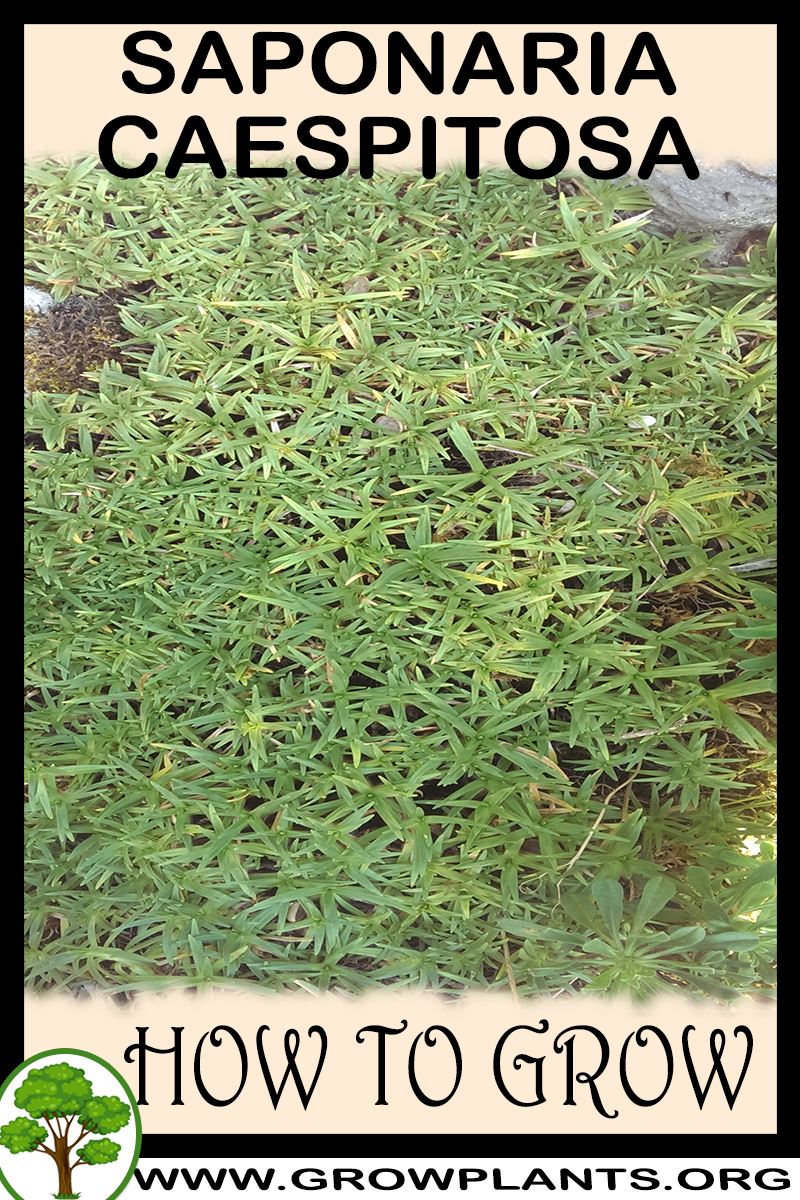
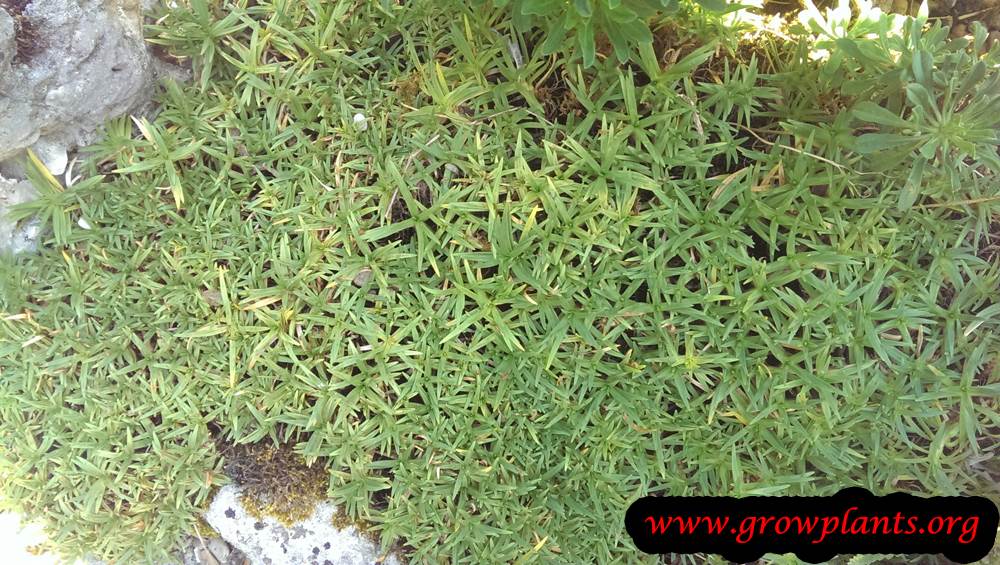
Plant Profile & Key Characteristics
Overview: A tufted, cushion-forming soapwort grown as an ornamental for its five-petalled pink to purple flowers over neat green foliage. It suits rock gardens and the front of a border.
Quick Specifications
| Specification | Attribute |
|---|---|
| Plant Type / Life Cycle | Herbaceous perennial |
| Foliage Type | Semi-evergreen (evergreen in mild winters, otherwise dies back) |
| Mature Size | Low, cushion-forming; source lists 20-70 cm (8-28 in) |
| Growth Rate | Moderate to fast |
| Toxicity | Contains saponins (soapwort) and is mildly toxic if eaten in quantity |
| Hardiness | USDA zones 2-10 |
Growth Form & Structure
- Height & Spread: A low, tufted plant that forms a compact cushion; also grows well in containers and troughs.
- Growth Habit & Form: Cushion- or tuft-forming perennial that builds a dense low mound of foliage.
- Lifespan & Maturity: A perennial that returns each year, knitting into a tidy cushion.
Anatomy & Physical Features
- Leaves & Foliage: Small green oval leaves forming a dense low tuft.
- Flower Characteristics: Flat five-petalled flowers in pink and purple carried over the cushion.
Primary Uses & Landscape Value
- Functional & Ornamental Roles: Rock-garden, alpine-trough and border-edge ornamental grown for its neat cushion smothered in flower.
Care Guide: Planting, Soil & Watering
Overview: Saponaria caespitosa (Saponaria caespitosa) is a hardy soapwort grown as a perennial (evergreen or deciduous) for its clusters of flat, five-petalled flowers in temperate and subtropical gardens. It does best in full sun to part shade in average, well-draining soil kept lightly moist.
Quick Care Requirements
| Requirement | Ideal Condition |
|---|---|
| Planting Season | Spring, summer or autumn |
| Growth Rate | Moderate to Fast |
| Soil Type | Average, well-draining |
| Water Need | Moderate; keep the soil lightly moist |
Planting & Establishment
- Best Planting Season: Plant in spring, summer or autumn, choosing spring in colder areas so plants settle before winter. Full sun gives the best flowering, with light shade tolerated.
- How to Plant:
- Hole Preparation: Dig a hole a little wider than the root ball and loosen the surrounding soil so roots spread easily.
- Soil Amendments: Mix some compost or organic matter into the backfill; the plant is not fussy but appreciates a free-draining, moderately fertile soil.
- Planting Depth: Set the plant at the depth it grew previously, keeping the crown level with the soil surface.
- Growth Speed & Expectations: A moderate-to-fast grower reaching about 20-70 cm (8-28 inches); it fills out quickly to form a spreading mound of bloom.
Soil, Watering & Drainage Care
- Soil Mix & Drainage Needs: Give well-draining soil so the roots do not sit soggy. It grows happily in containers with open drainage holes.
- Watering Schedule & Technique:
- Young / Newly Planted: Keep the soil evenly moist while young plants establish.
- Established: Water moderately once established, keeping the soil lightly moist but never waterlogged.
- Seasonal Adjustments: Water a little more through summer heat and flowering, and cut back over the cooler dormant months.
Climate, Light & Hardiness
Saponaria caespitosa is an alpine-origin cushion perennial that adapts to temperate, subtropical, and Mediterranean climates alike. It performs best in full sun to half shade and is exceptionally cold-hardy, tolerating severe winters across an unusually wide hardiness range.
Quick Climate Specifications
| Climate Zones | Temperate, subtropical, Mediterranean |
|---|---|
| USDA Hardiness Zones | 2–10 |
| Optimal Temp Range | Approximately 10–24°C (50–75°F) |
| Approx. Survival Minimum | Established plants typically endure winter minimums associated with zone 2, roughly −40°C to −45°C (−40°F to −50°F) |
| Frost Tolerance | High |
| Light Conditions | Full Sun / Half Shade |
| Wind Tolerance | Moderate–High |
Sunlight & Light Exposure
Optimal Light Setup
Full sun produces the tightest, most floriferous cushions; in hotter subtropical or Mediterranean gardens, light afternoon shade is tolerated without much loss of vigor.
Shade & Heat Management
Where summers are very hot, part shade helps the low mat stay compact and reduces stress during extended heat.
Best Exposure / Orientation
An open rock garden, wall crevice, or raised bed with unobstructed sun suits its natural alpine habit.
Temperature Extremes & Hardiness
USDA Hardiness & Regional Limits
Hardy across USDA zones 2–10, this is one of the more cold-tolerant cushion perennials, equally capable of surviving severe continental winters and mild subtropical ones.
Cold Damage & Winter Protection
In the coldest part of its range the top growth may die back completely as part of normal winter dormancy rather than true damage, with regrowth from the crown in spring; deciduous behavior in cold winters is typical rather than a sign of stress.
Frost Sensitivity
Established plants are very frost tolerant; newly planted or young cushions benefit from a season to establish before their first hard winter.
Extreme Heat Tolerance
Reasonably heat tolerant given its Mediterranean and subtropical range, though sharp drainage becomes more important as heat increases.
Wind, Humidity & Microclimate
Humidity Preferences
Prefers drier, well-ventilated air over humid, still conditions, consistent with its alpine and rock-garden origins.
Wind Tolerance
Its low, cushion-forming habit copes well with open, windy sites typical of rock gardens and slopes.
Rainfall & Seasonal Moisture
Adapted to climates with a distinct drier season; it does not require consistently high rainfall to thrive.
Microclimate Recommendations
Raised, sharply drained positions such as rock gardens or gravel beds mimic its native alpine microclimate and help it perform across its wide hardiness range.
Growing in Pots, Balconies & Indoors
Tufted soapwort (Saponaria caespitosa) is a low alpine cushion plant, not a houseplant – it wants cool, open air and strong sun. The grower confirms it grows happily in containers, where it is superb in a trough, alpine pan or rockery-style pot on a sunny patio.
Quick Details
- Container Size: A wide, shallow alpine pan or trough; 5-10 L is ample for a cushion
- Indoor Suitability: Not an indoor plant – it needs full outdoor sun and cool air
- Best Spot: Full sun to part shade, out in the open
- Soil & Drainage: Very free-draining, gritty alpine mix; never waterlogged
- Watering in Pots: Average to generous while growing, but let the surface dry; pots must drain freely
Indoors & On the Windowsill
- Not a houseplant: The grower marks it ‘No’ for indoors – it needs real sun and cool, moving air that a warm room cannot give, so it sulks and rots inside.
- Windowsill: At best a very bright, cool, unheated sill or porch; in normal room warmth it will not thrive.
- Overwintering: It is hardy and prefers to stay outside; a cold frame or sheltered corner protects the pot in a harsh winter.
On a Balcony or Patio
- Light & exposure: A bright, open balcony suits it; the gritty pan dries quickly, so check moisture in hot spells.
- Practicalities: Alpine pans are shallow and light – set them where run-off after watering can drain away freely.
Choosing the Pot, Soil & Long-Term Care
- Pot & drainage: A wide, shallow pan with plenty of drainage holes; skip a standing water saucer to avoid root rot. Terracotta suits its need to dry between waterings.
- Potting mix: A gritty alpine blend – loam-based mix with added sharp grit or perlite and a gravel mulch over the surface.
- Feeding: Feed very sparingly; too much richness spoils the tight cushion form.
- Repotting: Refresh the mix and pot up about every two years; for perennials, lightly prune the root ball and top growth to keep them vigorous.
Fertilizing & Feeding
A moderate feeder: balanced feeding through spring growth and bloom supports this fast-growing, free-flowering perennial, then feeding stops as the clump rests after flowering.
Quick Fertilizing Specs
| Feeding Level | Moderate feeder |
|---|---|
| Main Nutrient Priority | Balanced nutrition through spring growth and bloom, rather than a bloom-boosting high-phosphorus product |
| Best Feeding Period | From spring regrowth through the spring-to-summer bloom period |
| Organic Options | Compost or well-rotted organic matter worked into the well-drained soil it prefers |
| Micronutrients | Usually supplied by a complete fertilizer; correct iron or other deficiencies only when actually diagnosed |
| Soil pH | Adaptable, but performs best in a lean, well-drained, near-neutral soil |
| Reduce/Stop Feeding | Taper off as blooming finishes and let the clump rest through its slower season |
Feeding by Growth Stage
Spring growth and leaf development
Support the return of fresh foliage and vigorous stem growth as the mounding clump breaks dormancy.
| Nutrient direction | A balanced, complete fertilizer to build steady leaf and stem growth without pushing soft, floppy growth. |
|---|---|
| Timing | From the first flush of new spring growth through the build-up to flowering. |
| Frequency | Light, infrequent feeding is usually enough for this modest-sized perennial. |
| Fertilizer types | A balanced complete garden fertilizer, Compost or well-rotted organic matter worked into the surrounding soil |
| Precautions | Keep soil well drained; this plant favors a lean, free-draining site and dislikes heavy, waterlogged feeding regimes. |
Bud set and pink-to-purple bloom
Sustain the mounding clump through its flat, five-petaled pink-to-purple flowering display.
| Nutrient direction | Continue a balanced feed rather than shifting to a high-phosphorus product; adequate nitrogen alongside phosphorus and potassium is what actually drives good flowering. |
|---|---|
| Timing | As flower buds form and through the main spring-into-summer bloom period. |
| Frequency | A light feeding as blooms open is usually sufficient; ease off once flowering peaks. |
| Fertilizer types | A balanced complete garden fertilizer |
| Precautions | Avoid heavy feeding during bloom, which can favor leafy growth over flower production and encourage weak, sprawling stems. |
Post-bloom rest
Let the clump wind down naturally after flowering, whether it dies back to the crown or simply slows as an evergreen form.
| Nutrient direction | None – withhold fertilizer once flowering finishes and growth slows for the season. |
|---|---|
| Timing | From the end of the bloom period through the cooler, slower part of the year. |
| Frequency | No feeding at this stage. |
| Fertilizer types | No feeding at this stage – let the plant rest undisturbed |
| Precautions | Do not fertilize a resting clump; feeding now mainly feeds nearby weeds and can push soft growth ahead of cold weather. |
Nutrient Deficiency Signs & Corrections
Older leaves turn pale green to yellow and new growth comes in thin and sparse.
| Possible causes | low soil nitrogen, competition from nearby plants or turf, poor organic matter in lean, fast-draining soil |
|---|---|
| Appears first on | older, lower leaves |
| What to check | overall leaf color and growth vigor, soil organic matter, competition from neighboring plants |
| Possible correction | Work in a balanced complete fertilizer or compost and reassess growth over the following weeks. |
New leaves emerge yellow between the veins while the veins themselves stay green.
| Possible causes | high soil pH tying up iron, waterlogged or compacted soil, naturally low soil iron |
|---|---|
| Appears first on | newest leaves |
| What to check | soil pH and drainage, whether only new growth is affected, recent watering pattern |
| Possible correction | Correct pH toward neutral where practical and apply a chelated iron product per its label. |
Leaf edges scorch or yellow and flower stems feel weak or floppy.
| Possible causes | low soil potassium, nitrogen-heavy feeding history diverting growth to leaves, sandy soil that leaches nutrients quickly |
|---|---|
| Appears first on | older leaf margins |
| What to check | soil texture and drainage, recent feeding balance, stem strength and flower size |
| Possible correction | Shift toward a balanced or slightly potassium-forward feed and improve soil organic matter. |
Pruning, Training & Seasonal Maintenance
Saponaria caespitosa is a low, cushion-forming herbaceous perennial that tolerates light trimming well and needs no structural pruning – the main objective is simply keeping the mat compact and encouraging a full flower display. Cuts are made purely for appearance and bloom performance, not for a fruit or wood-age reason, and the safest general tidy-up window is autumn to winter, per source.
Quick Pruning & Maintenance Specs
| Pruning Tolerance | High (herbaceous, low cushion habit) |
| Primary Pruning Window | Autumn – winter (seasonal tidy) |
| Secondary Maintenance Window | After flowering, for deadheading/shearing back the mat |
| Typical Frequency | Once or twice a year |
| Main Objective | Compact, tidy mat and extended/repeat bloom |
| Young Plant Priority | None – let the cushion establish before trimming |
| Mature Plant Priority | Post-bloom trim and autumn/winter tidy of dead growth |
| Best Tool Type | Precision snips / hand shears |
Pruning by Plant Age & Size
Newly Established
No pruning needed – allow the young cushion to fill in before any trimming.
Young / Formative
No structural training applies to this low mat-forming habit; the only shaping is a light trim once the cushion is established.
Mature / Established
Lightly shear or trim the mat back after its main flowering flush to remove spent blooms and keep growth dense and compact, and tidy dead growth in autumn/winter.
Seasonal Pruning Schedule
Post-Flowering
Objective: tidy the mat and encourage further/repeat flowering. Remove: spent flower stems, trimming lightly over the cushion. Do not remove: more than the top growth – this is a shearing-back trim, not a hard cutback. Expected response: a denser mat and, in many cushion Saponaria, some extension of bloom.
Dormant / Autumn-Winter
Objective: seasonal tidy. Remove: dead or dieback growth (more relevant where the plant behaves as deciduous). Expected response: clean regrowth from the base the following spring.
Container & Small-Space Pruning
Suits planters/containers per source; in a pot, trim a little more readily than an in-ground planting to keep the cushion in scale and prevent it from sprawling over the container edge.
Tools
Precision snips or light hand shears for deadheading and the light post-bloom trim – no heavier tool is relevant to this low, soft-stemmed cushion perennial.
Tool Hygiene & Disease Risk
Routine: source notes only aphids as a pest and no significant disease pressure; clean, sharp tools are sufficient.
Cut Placement & Technique
Shear over the top of the cushion for the post-bloom trim rather than cutting individual stems; remove dead growth down to the base in the autumn/winter tidy.
Post-Pruning Care
Water normally after trimming; no special aftercare is needed for this light level of maintenance.
Common Pruning Mistakes
Cutting the cushion back hard rather than lightly shearing, which is unnecessary for this species; leaving spent flowers on the plant through the season, which reduces its tidy appearance and repeat bloom potential.
When Not to Prune
No strong restriction noted; avoid a hard cutback that is not needed for this low, naturally tidy cushion habit.
Recommended Tools (by task)
- precision_snips – for deadheading and light shaping of this low cushion perennial.
Propagation Guide
Saponaria caespitosa is most easily and reliably grown from seed, which germinates readily without special treatment; division of established clumps is a fast, true-to-type alternative when a specific plant is worth preserving. Vegetative propagation is not required to keep the species true, so seed-raising is the easiest starting point for most growers, making overall propagation Easy.
Quick Propagation Specs
| Best Propagation Method | Seed |
| Alternative Methods | Division of clumps; basal stem cuttings |
| Propagation Difficulty | Easy |
| Seed True-to-Type | Usually true-to-type (species, not a named cultivar) |
| Vegetative True-to-Type | Yes |
| Best Propagation Season | Spring, with a second window in autumn in milder climates |
| Seed Germination Time | Typically a few weeks under warm conditions |
| Germination Temperature | Around 18–21°C (64–70°F) |
| Seed Sowing Depth | Very shallow – press onto the soil surface or barely cover, as small perennial seed of this type generally needs light to germinate |
Growing from Seed
Seed Handling & Viability
Use fresh seed where possible; no unusual storage requirement is noted for this species, so keep seed dry and cool until sowing.
Sowing Season
Sow in spring for the most reliable results; in colder gardens (per the site’s noted zone 2–10 range) spring sowing is safest, while mild climates can also sow in autumn.
Germination Conditions
Keep the sowing medium consistently moist but not waterlogged, in a sunny to lightly shaded spot; germination can be uneven, so allow several weeks before judging success.
Seedling Care
Grow seedlings on in well-drained soil once they have a few true leaves, matching the well-drained soil the mature plant needs, and pot on or transplant once sturdy enough to handle.
Division, Offsets, Pups & Suckers
Established clumps of this evergreen/deciduous perennial can be lifted and divided in spring or autumn; replant divisions with roots attached promptly and keep them consistently watered until re-established.
Bloom & Flower Guide
Quick Details
- Bloom Season: Late spring to summer
- Flower Appearance: Flat, five-petalled flowers in pink, purple or white
- Edibility: None — the plant contains saponins and is not for eating
Detailed Blooming Overview
This compact, cushion-forming soapwort covers itself in flat pink flowers through the warmer months — a classic rock-garden and dry-wall plant.
Flower Characteristics
- Flat, five-petalled flowers in pink, purple or white.
- Held just above the low mat of foliage.
Bloom Care & Thinning
- Conditions: full sun and sharp drainage give the best flowering.
- Refresh: shear lightly after the main flush to tidy the cushion and encourage more bloom.
- Safety: the sap contains saponins — not edible.
Pests, Diseases & Troubleshooting
Overview: Tufted soapwort is a compact cushion alpine, easy in the right sharp-drained spot and essentially free of significant pests. Its one real weakness is crown and root rot in wet or heavy soil, particularly over winter; otherwise expect only occasional aphids, mites, slugs and, in crowding, powdery mildew. Grit, sun and airflow are the whole strategy.
Quick Troubleshooting Overview
| Issue / Pest | Main Symptom | Primary Solution |
|---|---|---|
| Powdery mildew | White powder on leaves in crowding | Space & thin, sulphur/bicarb spray |
| Crown / root rot | Browning centre, collapse in wet soil | Sharp drainage, avoid winter wet |
| Aphids | Sticky, distorted shoot tips | Water jet, insecticidal soap |
| Slugs & snails | Holed young shoots & seedlings | Traps, barriers, evening patrols |
| Flopping after bloom | Lax, untidy stems post-flowering | Shear back hard after flowering |
Common Pests & Management
- Aphids (Aphis spp. / Myzus persicae):
- Symptoms: Green or black colonies on soft new shoots and flower stems; sticky honeydew, distorted tips and, at worst, virus transmission.
- Prevention & Control: Hose off and encourage ladybirds and hoverflies; pinch infested tips. Insecticidal soap or light horticultural oil handles heavier colonies – spray in the evening to protect pollinators.
- Two-spotted spider mite (Tetranychus urticae):
- Symptoms: Fine stippling and bronzing of foliage with faint webbing in hot, dry conditions.
- Prevention & Control: Raise humidity and hose foliage in heat; treat persistent mites with insecticidal soap or horticultural oil, covering leaf undersides.
- Slugs and snails (Various spp.):
- Symptoms: Ragged holes and shredded young shoots and seedlings in spring damp, with slime trails.
- Prevention & Control: Clear hiding spots, water in the morning, and use grit/copper barriers, traps or iron-phosphate pellets; hand-pick after dark.
Diseases & Fungal Issues
- Powdery mildew (Erysiphe / Golovinomyces spp.):
- Symptoms: White powdery coating on leaves and stems in crowded, dry-root, humid-air conditions; foliage may yellow.
- Treatment & Management: Space and thin plants for airflow, keep roots from drying out, and remove affected growth; a sulphur or potassium-bicarbonate spray helps at first signs.
- Crown and root rot (Phytophthora / Rhizoctonia spp.):
- Symptoms: Browning and collapse from the crown, with dark, soft roots, in wet or poorly drained soil – especially over winter and on the alpine, cushion-forming types.
- Treatment & Management: Grow in sharply drained, gritty soil, avoid winter wet, and keep the crown dry and airy; remove and destroy rotted plants and improve drainage before replanting.
- Rust and leaf spot (minor):
- Symptoms: Occasional orange rust pustules on leaf undersides or brown leaf spots in humid, crowded conditions.
- Treatment & Management: Remove affected leaves, improve airflow, and avoid overhead watering; sanitation is usually enough, with sulphur available for persistent rust.
Growing Difficulties & Abiotic Problems
- Crown / root rot in wet soil – the main risk:
- Cause & Symptoms: The tight cushion rots and browns from the centre where drainage is poor or winter wet sits around the crown.
- Correction Strategy: Grow in very gritty, free-draining alpine soil in full sun, ideally with a collar of grit around the neck; avoid overhead winter wet – a pane or alpine-house cover helps in wet climates.
- Flopping / untidiness after flowering:
- Cause & Symptoms: Stems become lax and the plant looks tired and open once the main flush of bloom is over.
- Correction Strategy: Shear the whole plant back hard immediately after flowering to encourage fresh, compact growth and often a second, lighter show.
- Sparse bloom in shade / rich soil:
- Cause & Symptoms: Fewer flowers and soft, floppy growth in too much shade or over-fertile soil.
- Correction Strategy: Grow in full sun on lean, well-drained soil and avoid heavy feeding; soapworts flower best grown a little hard.
What Helps – Products & Tools
Soapwort is easy and needs little: insecticidal soap or horticultural oil for occasional aphids and mites, slug traps or barriers for young growth, and a sulphur or potassium-bicarbonate spray for powdery mildew in crowded stands. The most useful ‘tool’ is shears for the after-flowering cut-back that keeps plants tidy and prevents flopping. Good drainage prevents the crown rot that affects the alpine types.