Plant Profile & Key Characteristics
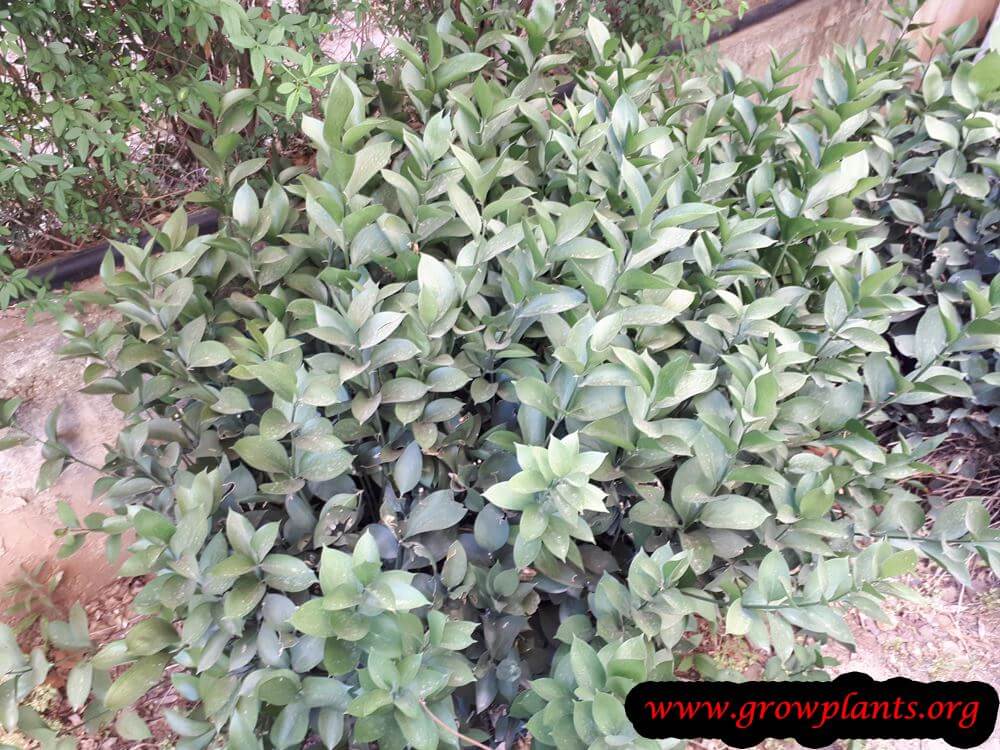
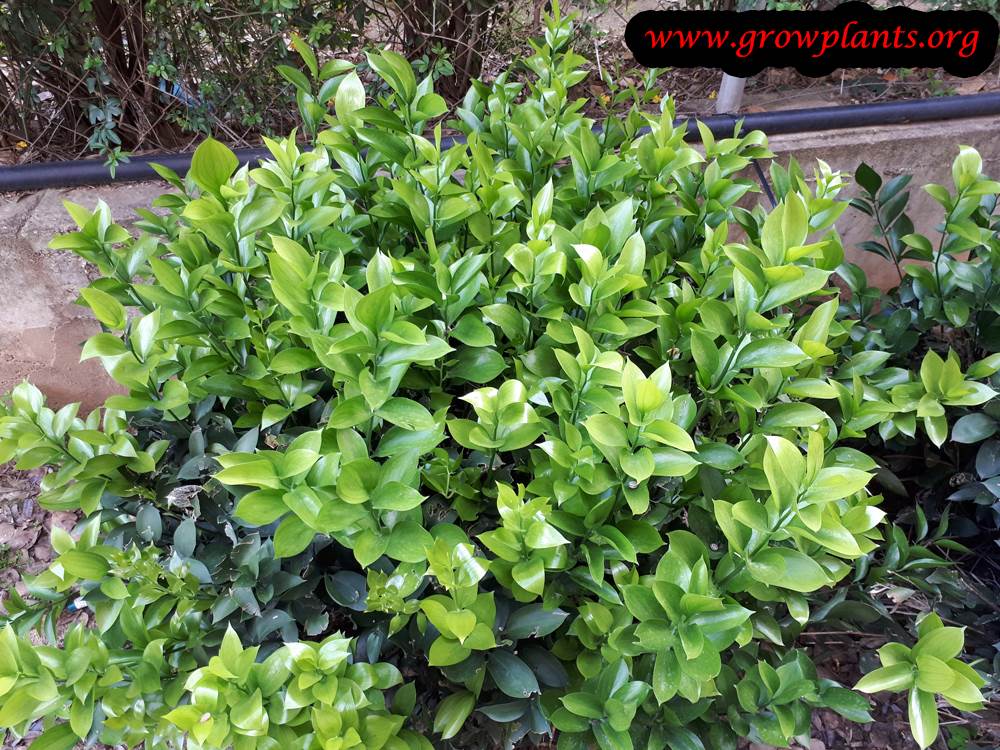
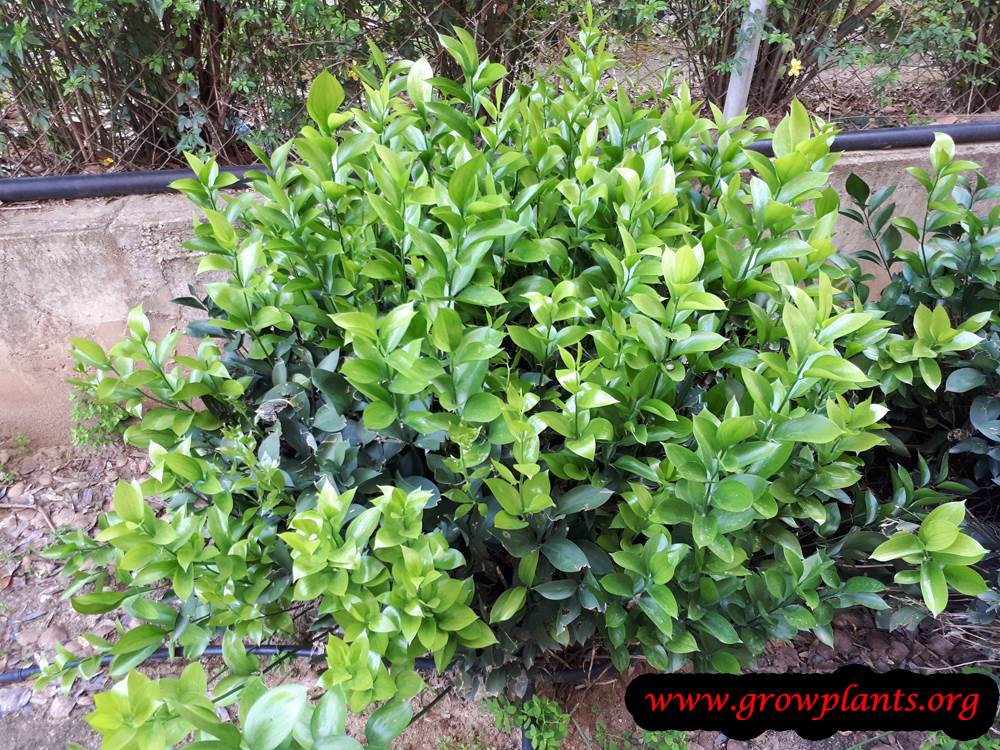
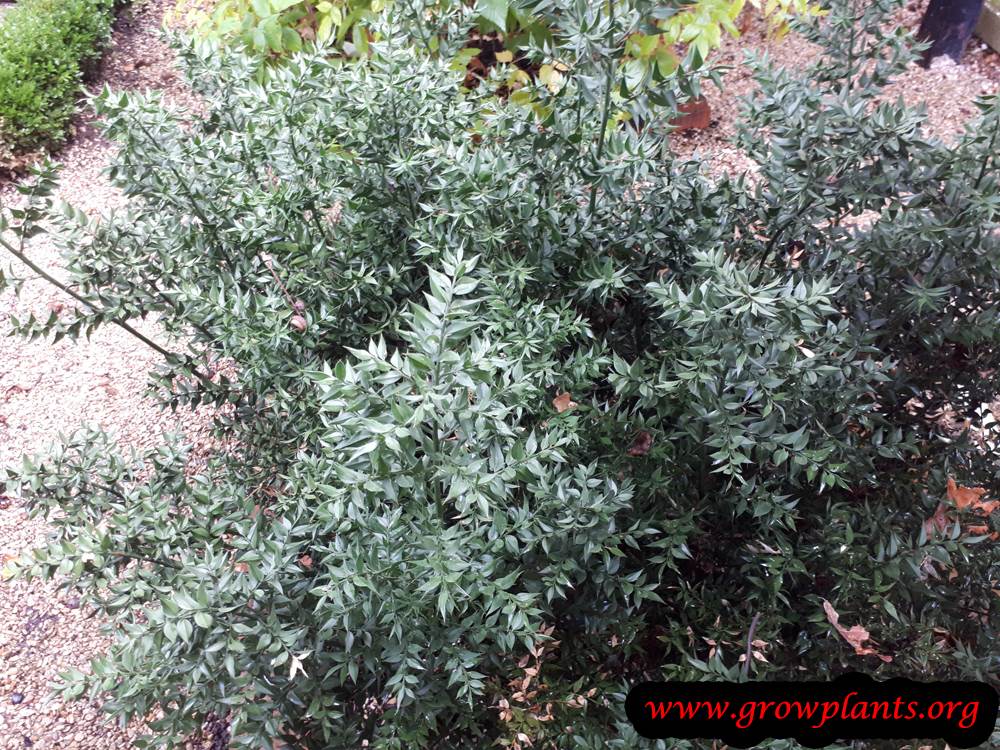
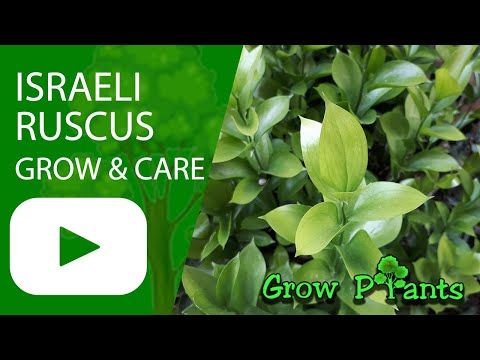
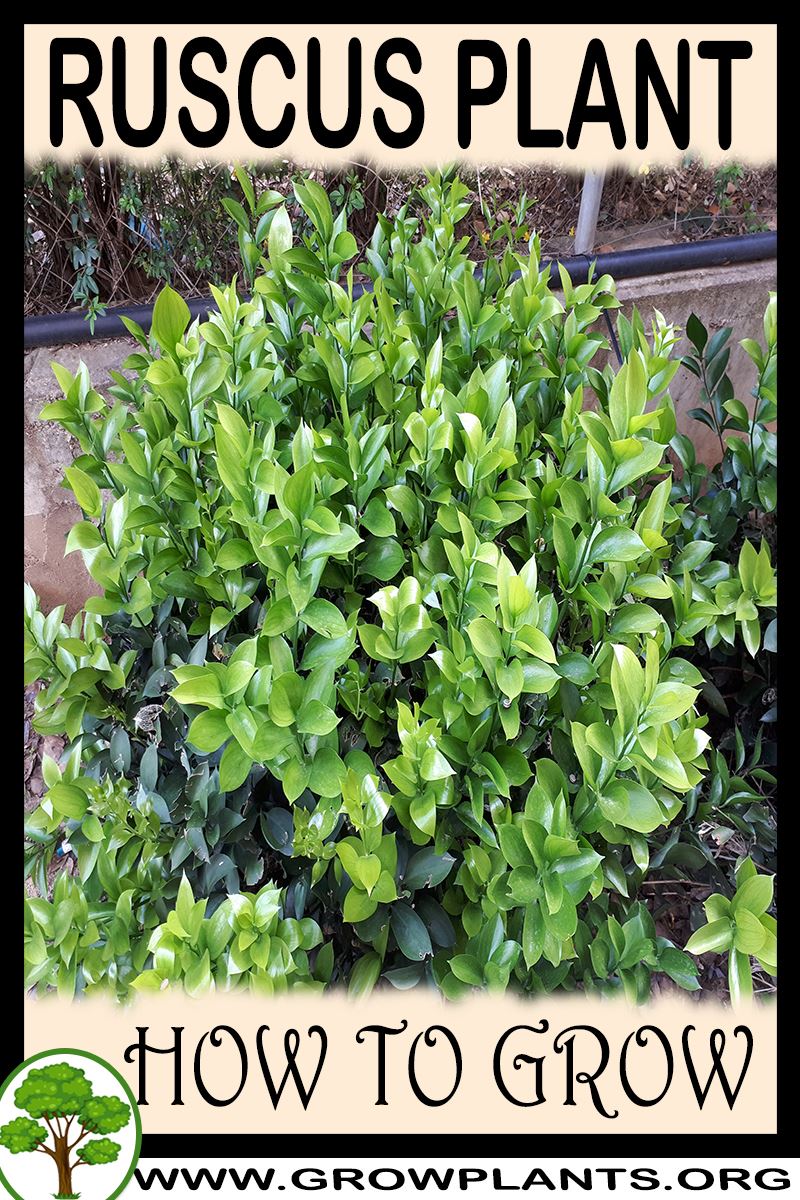
Overview: Butcher’s broom, an evergreen rhizomatous shrub 50-100 cm (1.5-3 ft) tall, grown for its durable cut foliage and red berries. It is drought- and shade-tolerant and makes a long-lasting florist’s green and houseplant.
Quick Specifications
| Specification | Attribute |
|---|---|
| Plant Type / Life Cycle | Evergreen perennial shrub (rhizomatous) |
| Foliage Type | Evergreen |
| Mature Size | 50-100 cm (1.5-3 ft) tall |
| Growth Rate | Moderate |
| Root System | Rhizomatous |
| Toxicity | Berries not edible |
| Hardiness | USDA zones 7-10a |
Growth Form & Structure
- Height & Spread: Upright stems 50-100 cm (1.5-3 ft) tall spreading slowly by rhizomes; also grown in containers and indoors.
- Growth Habit & Form: Clump-forming evergreen shrub with stiff branched stems from creeping rhizomes.
- Lifespan & Maturity: Long-lived; foliage can be cut once the stems mature.
Anatomy & Physical Features
- Leaves & Foliage: The apparent leaves are flattened green cladodes (leaf-like stems), elliptic with pointed tips.
- Flower Characteristics: Tiny green star-shaped flowers with a small purple-and-yellow centre, borne on the cladode surface.
- Fruit Profile: Round red berries; ornamental only, not edible.
Primary Uses & Landscape Value
- Functional & Ornamental Roles: Grown for long-lasting cut foliage and berries, as a shade- and drought-tolerant garden shrub, and as a houseplant.
Care Guide: Planting, Soil & Watering
Overview: Ruscus (Ruscus), the butcher’s broom genus, is a tough, evergreen shade shrub grown for its dark, spine-tipped foliage. It thrives in half to full shade in well-draining soil and, once established, tolerates drought with only modest watering.
Quick Care Requirements
| Requirement | Ideal Condition |
|---|---|
| Planting Season | Warm season – spring, summer or autumn |
| Growth Rate | Moderate |
| Soil Type | Well-draining |
| Water Need | Low to moderate; let the soil dry somewhat between waterings |
Planting & Establishment
- Best Planting Season: Plant during the warm growing season, from spring through autumn, once frost has passed.
- How to Plant:
- Hole Preparation: Dig a hole a little wider than the root ball and loosen the soil so the spreading, rhizomatous roots can establish.
- Soil Amendments: Work some organic matter into the backfill on poorer soils and make sure the site drains freely.
- Planting Depth: Set the plant at the depth it grew in its pot, keeping the crown at the soil surface.
- Growth Speed & Expectations: A moderate grower reaching about 50-100 cm, forming a dense, long-lived clump of stiff, evergreen stems.
Soil, Watering & Drainage Care
- Soil Mix & Drainage Needs: Give it well-draining soil so the roots never sit wet; it is undemanding and grows well in containers with good drainage.
- Watering Schedule & Technique:
- Young / Newly Planted: Water regularly after planting to settle the roots, keeping the soil lightly moist while it establishes.
- Established: Once established it is drought-tolerant; water only when the soil has dried somewhat.
- Seasonal Adjustments: Water a little more in summer heat and much less in cool or wet weather.
Climate, Light & Hardiness
Butcher's broom is a tough, drought-tolerant evergreen shrub for temperate, Mediterranean, and subtropical climates (and can be grown as a houseplant), thriving in half shade to full shade. It is hardy outdoors through USDA zones 7–10a.
Quick Climate Specifications
| Climate Zones | Temperate, Mediterranean, Subtropical |
|---|---|
| USDA Hardiness Zones | 7–10a |
| Frost Tolerance | Moderate |
| Light Conditions | Half Shade / Full Shade |
Sunlight & Light Exposure
Optimal Light Setup
Prefers half to full shade, making it well suited to deep woodland-floor or north-facing sites where many other evergreens struggle.
Temperature Extremes & Hardiness
USDA Hardiness & Regional Limits
Hardy outdoors through USDA zones 7–10a. Retain this outdoor limit even for plants grown indoors as houseplants, since it describes what happens if the plant is moved outside.
Frost Sensitivity
Established evergreen growth tolerates moderate frost within its hardiness range; colder snaps beyond zone 7 risk foliage damage.
Wind, Humidity & Microclimate
Dry-Air Tolerance
Notably drought-tolerant once established, per the site's own data, making it useful for dry-shade sites where both low light and dry soil are challenges.
Growing in Pots, Balconies & Indoors
Ruscus (butcher’s broom) is a tough, shade-loving evergreen that the grower rates as both a houseplant and a container plant. Its tolerance of half to full shade makes it one of the easier plants for lower indoor light, and it makes a durable pot for a shaded balcony or patio.
Quick Details
- Container Size: A medium pot suits this 50-100 cm clumping evergreen; pot on as it fills out
- Indoor Suitability: A good houseplant – it tolerates shade and low indoor light unusually well
- Best Spot: Part to full shade – keep it out of hot, direct sun
- Soil & Drainage: Free-draining, organic-rich mix
- Watering in Pots: Small to average; let the surface dry a little between waterings
Indoors & On the Windowsill
- A genuine houseplant: The grower confirms it grows indoors; its deep-shade tolerance makes it a reliable choice for darker corners where most plants sulk.
- Low-fuss: Tough and slow, it needs little more than steady, moderate watering and an occasional dust of the glossy foliage.
- Note: The red berries are mildly toxic if eaten – worth keeping in mind around children and pets.
On a Balcony or Patio
- Light & wind: Excellent for a shaded or north-facing balcony where sun-lovers fail; it shrugs off wind and neglect. Let the pot dry a little between waterings.
Choosing the Pot, Soil & Long-Term Care
- Pot & drainage: Use a pot with strong drainage holes; skip a standing-water saucer (or empty it promptly) so the roots never sit wet and rot. Terracotta breathes and dries fast; glazed or plastic holds moisture longer.
- Potting mix: A free-draining yet organic-rich mix – a quality potting mix or peat/coir blended with perlite or vermiculite for aeration.
- Feeding: Potted plants exhaust their soil faster than those in the ground – feed through the growing season, since nutrients leach out with every watering.
- Repotting: Slow-growing, so it needs potting on only occasionally; divide congested clumps to refresh them.
Fertilizing & Feeding
A light feeder: this drought-tolerant, shade-loving evergreen needs only modest, balanced feeding through spring and summer, then no feeding through its autumn-winter rest.
Quick Fertilizing Specs
| Feeding Level | Light feeder |
|---|---|
| Main Nutrient Priority | Modest, balanced feeding through spring and summer growth |
| Best Feeding Period | Spring through summer |
| Organic Options | Compost or well-rotted organic matter worked into well-drained soil |
| Micronutrients | Usually unnecessary; correct specific deficiencies only when diagnosed |
| Soil pH | Not documented as needing a specific pH range; prefers well-drained soil |
| Reduce/Stop Feeding | Stop feeding as growth slows heading into autumn and winter |
Feeding by Growth Stage
Establishment after planting
Help a newly planted Ruscus settle into shaded, well-drained soil and establish its rhizome and root system.
| Nutrient direction | A light, balanced feeding to support establishment without forcing rapid top growth. |
|---|---|
| Timing | The first growing season after spring, summer, or autumn planting. |
| Frequency | A light feeding at planting, then minimal feeding while the plant establishes. |
| Fertilizer types | A balanced complete shrub fertilizer, Compost or well-rotted organic matter worked into the planting area |
| Precautions | Avoid overfeeding; this drought-tolerant, shade-loving shrub establishes best with modest inputs and good drainage. |
Active growing season
Support steady rhizome spread and the arching, leaf-like stems that are this plant’s main ornamental feature.
| Nutrient direction | A light, balanced feeding through the growing season; this is not a heavy feeder. |
|---|---|
| Timing | Spring through summer while in active growth. |
| Frequency | A few light feedings spaced through the growing season. |
| Fertilizer types | A balanced complete shrub fertilizer |
| Precautions | Keep feeding light, especially in shaded or drought-tolerant plantings where excess fertilizer is more likely to go unused and leach away. |
Autumn and winter rest
Let growth slow through the cooler months, alongside this plant’s autumn-to-winter pruning season.
| Nutrient direction | None – withhold fertilizer as growth slows through autumn and winter. |
|---|---|
| Timing | Autumn through winter. |
| Frequency | No feeding at this stage. |
| Fertilizer types | No feeding at this stage – let the plant rest through the cooler months |
| Precautions | Do not fertilize during the autumn-winter slowdown; resume light feeding once active spring growth resumes. |
Nutrient Deficiency Signs & Corrections
Pale green fronds and slower spread than expected from an established plant.
| Possible causes | low soil nitrogen, poor soil organic matter, dense shade limiting overall vigor |
|---|---|
| Appears first on | older fronds and overall plant vigor |
| What to check | recent feeding history, soil organic matter, how much light the planting site receives |
| Possible correction | Apply a light, balanced fertilizer during active growth and improve soil organic matter. |
Yellowing between the veins on newer leaf-like stems while the veins themselves stay green.
| Possible causes | high soil pH limiting micronutrient availability, poorly drained or waterlogged soil, root stress from recent transplanting |
|---|---|
| Appears first on | the newest growth |
| What to check | soil pH and drainage, recent root disturbance, overall plant vigor |
| Possible correction | Improve soil drainage and pH balance, and apply a chelated micronutrient product per its label if the issue persists. |
Yellowing, dieback, or rot at the base despite this plant’s preference for well-drained soil.
| Possible causes | waterlogged or compacted soil, overwatering, root rot from poor drainage |
|---|---|
| Appears first on | the base of the stems and root zone |
| What to check | soil drainage and structure, recent watering frequency, root health at the base of the plant |
| Possible correction | Improve drainage, reduce watering frequency, and avoid feeding a stressed or waterlogged plant until conditions improve. |
Pruning, Training & Seasonal Maintenance
Ruscus is a slow-growing, rhizomatous evergreen shrub that produces new upright shoots (cladodes) from its base rather than branching like a typical woody shrub, so it tolerates only light, occasional cutting rather than structural pruning. The main objective is simply tidying – removing old, damaged, or dead canes at ground level – and the safest window is autumn to winter, per source.
Quick Pruning & Maintenance Specs
| Pruning Tolerance | Low |
| Primary Pruning Window | Autumn – winter |
| Typical Frequency | Occasional, as needed |
| Main Objective | Remove old/damaged canes; tidy appearance |
| Young Plant Priority | None – let new shoots establish from the rhizome |
| Mature Plant Priority | Cut out old, tired, or damaged canes at the base |
| Best Tool Type | Bypass secateurs |
Pruning by Plant Age & Size
Newly Established
No pruning needed – allow the rhizome to establish and send up its first shoots undisturbed.
Young / Formative
No structural training applies; this species has no leader or trainable branch framework, since new growth simply arises as individual shoots from the spreading rhizome.
Mature / Established
Periodically cut the oldest or most tired canes out at ground level to make room for newer shoots and keep the clump looking fresh, since the plant naturally renews itself from the rhizome.
Special Growth to Remove
Old/spent canes: the main cut – remove individual canes at the base once they look tired, damaged, or overly congested, allowing new rhizome shoots to take their place. Because the small flowers and ornamental (inedible) red berries form directly on mature cladodes, avoid removing all of a clump’s older canes in one go if a berry display is wanted that season.
Container & Small-Space Pruning
Suited to pots/planters and indoor growing per source; in a container, simply thin congested old canes at the base as needed – the same light approach as an in-ground clump, just applied more often given the more limited rhizome space to spread.
Tools
Bypass secateurs for cutting individual canes at ground level – no saw, loppers, or hedge shears are appropriate for this slow, clump-forming habit.
Tool Hygiene & Disease Risk
Routine: source notes only aphids as a pest and no significant disease pressure; clean, sharp tools are sufficient.
Cut Placement & Technique
Cane-at-base removal, cutting the selected old shoot as close to the rhizome/soil line as practical without damaging neighbouring new shoots.
Heavy Pruning & Rejuvenation
Hard, all-at-once cutting back is not appropriate for this slow-growing species – it does not need or benefit from rejuvenation pruning; renew gradually, a few old canes at a time, over successive years instead.
Post-Pruning Care
Water normally; no special aftercare needed for this light level of maintenance.
Common Pruning Mistakes
Cutting the whole clump back hard, which this slow-growing species does not need and will take a long time to recover from; removing too many mature canes at once and losing the season’s berry display.
When Not to Prune
No strong seasonal restriction beyond following the source’s autumn-winter window; avoid removing canes that are actively carrying the current season’s flowers/berries if display is the priority.
Recommended Tools (by task)
- bypass_secateurs – for clean, base-level removal of individual old or damaged canes.
Propagation Guide
Butcher’s broom is most conveniently propagated by dividing its spreading rhizomes, which the site lists directly alongside seed as a start-up method, and neither grafting nor vegetative propagation is strictly required. Division gives fast, easy, true-to-type results, while seed is a slower route typical of this genus, so overall difficulty is easy by division and moderate by seed.
Quick Propagation Specs
| Best Propagation Method | Rhizome division |
| Alternative Methods | Seed |
| Propagation Difficulty | Easy (division); Moderate (seed) |
| Seed True-to-Type | Mostly uniform (species); seedling sex is unknown until maturity, since Ruscus plants are typically male or female |
| Vegetative True-to-Type | Yes, and division of a known fruiting (female) plant guarantees the same sex/fruiting habit |
| Best Propagation Season | Spring through autumn, matching the site’s planting-season guidance |
Growing from Seed
Seed Handling & Viability
Sow cleaned seed from the red berries; germination in this genus is characteristically slow and can be irregular.
Germination Conditions
Keep the sowing medium cool and consistently moist; expect germination to take considerably longer than for most garden perennials, sometimes not appearing until the following season – general genus knowledge offered cautiously, since the site does not give a specific timeframe.
Seedling Care
Because seedling sex cannot be determined until plants mature and flower, gardeners wanting guaranteed fruit (which needs both a male and female plant nearby) may prefer division of known plants instead.
Rhizomes, Tubers, Bulbs & Corms
The site lists rhizomes directly as a way to start this plant. Lift and divide the spreading rhizome clumps during the spring-to-autumn planting window, ensuring each division carries active growth points/shoots and some root, then replant promptly in well-drained soil.
Bloom & Flower Guide
Quick Details
- Bloom Season: Spring to summer
- Flower Appearance: Tiny greenish, star-shaped flowers with a small purple centre, borne on the flattened leaf-like stems
- Edibility: Ornamental — the flowers and the later red berries are not eaten
Detailed Blooming Overview
Ruscus is grown for its glossy evergreen sprays. Curiously, its minute flowers — and later its red berries — sit directly on the flattened, leaf-like stems (cladodes) rather than on true leaves.
Flower Characteristics
- Very small green, star-shaped flowers with a purple centre and a tiny yellow star.
- Borne on the surface of the cladodes, a quirk of the genus.
Bloom Care & Thinning
- Conditions: undemanding in shade; grown mainly for its foliage, with the flowers a subtle bonus.
- Safety: the red berries are not edible.
Pests, Diseases & Troubleshooting
Overview: Ruscus (butcher’s broom) (Ruscus) is an exceptionally tough, shade- and drought-tolerant evergreen whose leathery flattened stems (cladodes) are among the most pest- and disease-resistant of garden and cut-foliage plants; it is honestly close to trouble-free. Applied at genus level, this covers the shared, remarkably resistant profile of the butcher’s brooms. The only real risks are sap-feeders (scale and mealybugs) on sheltered or indoor plants and root rot in waterlogged soil – so the whole management approach is simply good drainage, sensible watering and occasional inspection.
Quick Troubleshooting Overview
| Issue / Pest | Main Symptom | Primary Solution |
|---|---|---|
| Scale insects | Brown limpet-like bumps on stems; honeydew | Wipe/prune off, horticultural oil on crawlers |
| Mealybugs | White cottony tufts on sheltered/indoor plants | Alcohol swab, insecticidal soap/oil |
| Spider mites (rare) | Faint stippling in hot, dry, dusty air | Rinse foliage, raise humidity |
| Root rot | Yellowing, dieback in soggy soil | Improve drainage, reduce watering |
| Leaf/stem spot (minor) | Occasional brown spots in stagnant damp air | Improve airflow, remove affected stems |
Common Pests & Management
- Scale insects (Coccus / Aspidiotus spp.):
- Symptoms: Small brown, tan or grey limpet-like bumps fixed along the cladodes and stems, sucking sap and producing sticky honeydew and sooty mould; heavy scale slowly weakens the plant and dulls the foliage – the most likely pest on Ruscus, mainly under glass or in still air.
- Prevention & Control: Wipe off or scrape light infestations, prune out badly encrusted stems, and encourage parasitic wasps and lady beetles outdoors. Spray horticultural oil to smother crawlers and eggs, repeating; improve airflow around sheltered plants.
- Mealybugs (Planococcus / Pseudococcus spp.):
- Symptoms: White, cottony waxy tufts collect in stem crevices and cladode bases on indoor, greenhouse or sheltered plants, sucking sap and leaving honeydew and sooty mould.
- Prevention & Control: Dab colonies with a cotton bud dipped in rubbing alcohol, wash the plant, and isolate new or infested specimens. Insecticidal soap or horticultural oil, thoroughly applied and repeated, controls them; avoid the still, dry conditions they favour.
- Spider mites (uncommon) (Tetranychus urticae):
- Symptoms: Faint pale stippling and, in bad cases, fine webbing on cladodes in hot, dry, dusty indoor air; genuinely rare on this leathery plant.
- Prevention & Control: Rinse foliage and raise humidity, keep the plant unstressed, and treat rare hot-spots with insecticidal soap or horticultural oil.
Diseases & Fungal Issues
- Root and crown rot (Phytophthora / Pythium / Armillaria spp.):
- Symptoms: Yellowing, thinning and stem dieback with a decaying base and roots, seen only in heavy, waterlogged or overwatered soil; healthy Ruscus in free-draining ground almost never rots.
- Treatment & Management: Plant in well-drained soil, never in standing water, and water sparingly once established, as this is a drought-tolerant plant. Remove and destroy rotted specimens and improve drainage; there is no cure once the crown collapses.
- Leaf / stem spot (minor) (Colletotrichum / Phyllosticta spp.):
- Symptoms: Occasional small brown spots or blotches on cladodes in stagnant, overly humid conditions; cosmetic and uncommon.
- Treatment & Management: Improve airflow and reduce overhead wetting, and cut out affected stems. Sanitation is enough; fungicides are essentially never needed on Ruscus.
Growing Difficulties & Abiotic Problems
- Root rot from overwatering / poor drainage:
- Cause & Symptoms: Yellowing, weak growth and dieback appear when this drought-tolerant plant sits in wet, heavy soil or over-frequent watering.
- Correction Strategy: Water only when the soil has dried, plant in free-draining ground or a gritty mix, and avoid waterlogged sites; once established it needs very little water.
- Leaf/cladode scorch or bleaching:
- Cause & Symptoms: Foliage can pale, brown or scorch if a shade-adapted plant is moved abruptly into intense full sun.
- Correction Strategy: Grow in partial to full shade or dappled light as it prefers, and acclimatise gradually if increasing light; provide shelter from harsh reflected heat.
- Slow establishment / sparse growth:
- Cause & Symptoms: Ruscus is naturally slow-growing and can look thin for its first seasons or in deep dry shade.
- Correction Strategy: Be patient, keep young plants evenly moist while establishing, and mulch; growth and density improve markedly once the rhizome is settled.
What Helps – Products & Tools
Ruscus rarely needs anything beyond horticultural or neem oil and insecticidal soap for the occasional scale or mealybug, rubbing alcohol on a swab for spot-treating them, and simply good drainage to prevent root rot. Fungicides and insecticides are almost never warranted on this genuinely tough plant. Apply any oil in the evening to protect pollinators.