


Plant Profile & Key Characteristics
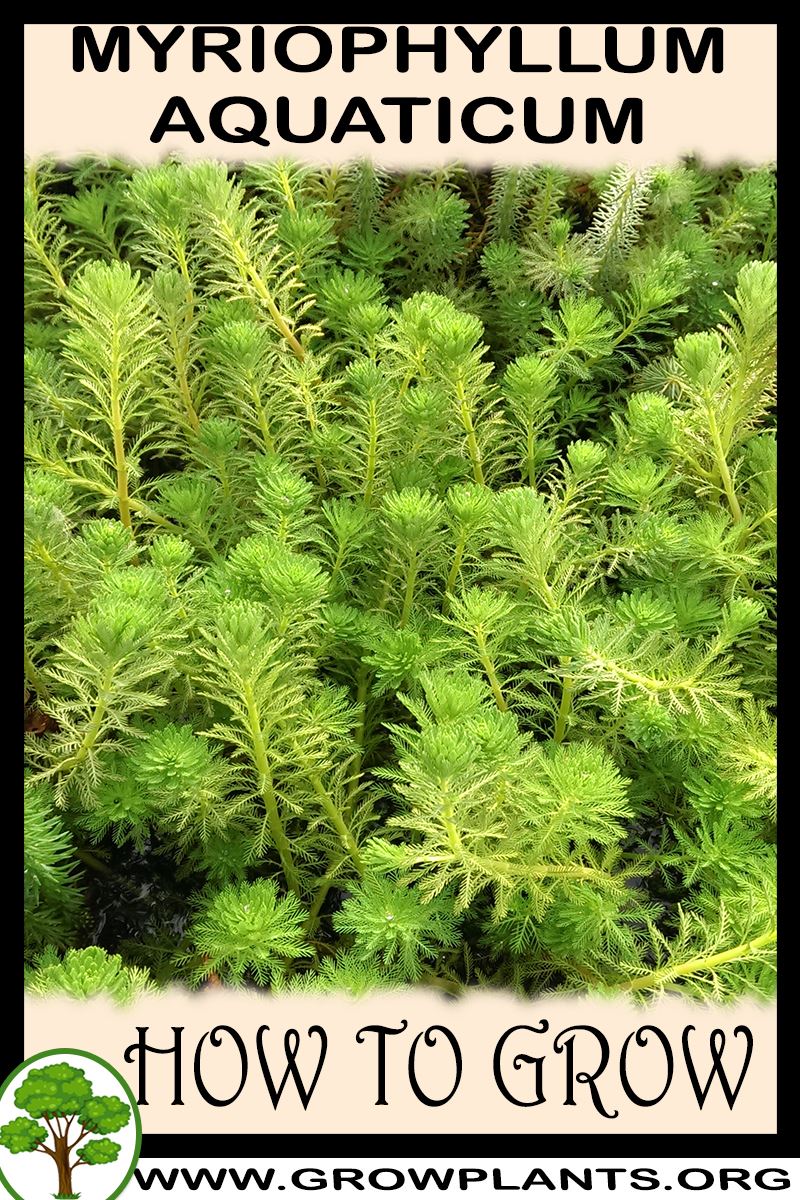
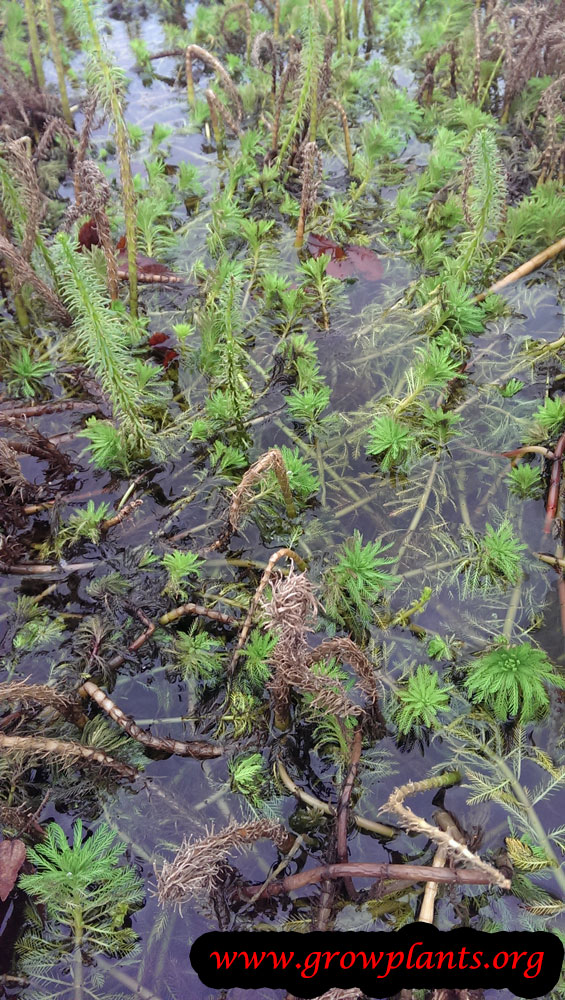
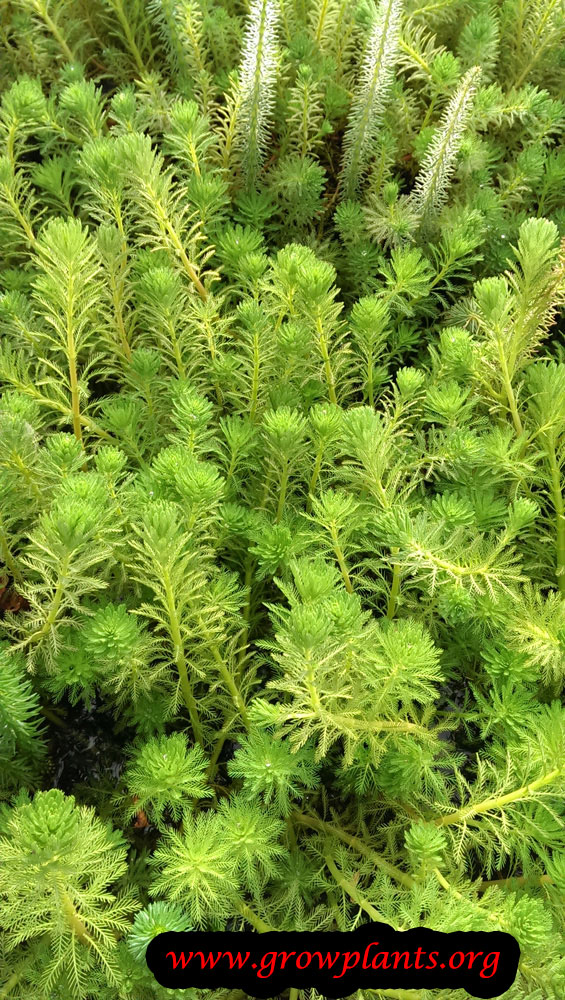
Overview: Myriophyllum aquaticum (parrot’s feather watermilfoil) is an aquatic perennial of 20-50 cm (8-20 in) whose feathery, whorled foliage emerges above the water surface. It is grown as an ornamental pond and aquarium plant but is a vigorous, potentially invasive spreader.
Quick Specifications
| Specification | Attribute |
|---|---|
| Plant Type / Life Cycle | Perennial (aquatic) |
| Foliage Type | Evergreen to cold-deciduous (semi-evergreen) |
| Mature Size | 20-50 cm (8-20 in) of stem above the water |
| Growth Rate | Moderate to fast |
| Root System | Rhizomatous (aquatic rhizomes, rooting at the nodes) |
| Hardiness | USDA zone 7+ |
Growth Form & Structure
- Height & Spread: Emergent stems stand 20-50 cm (8-20 in) above the water while rhizomes spread horizontally; readily grown in ponds, aquariums and water containers.
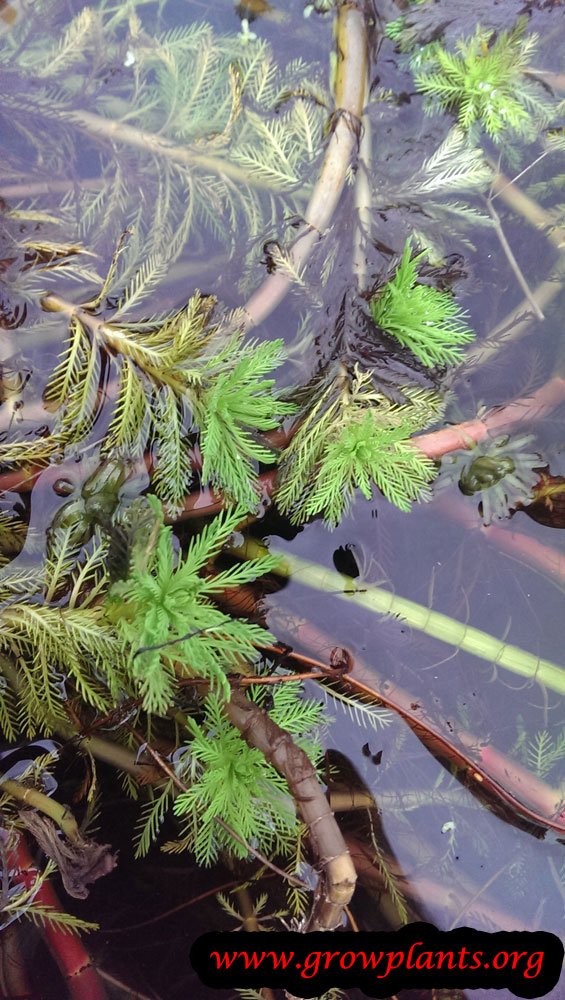
- Growth Habit & Form: Spreading aquatic/marginal perennial that roots into mud and trails across the water surface; highly invasive in the wild.
- Lifespan & Maturity: Persistent perennial that regrows from rhizomes each season and spreads easily from stem fragments.
Anatomy & Physical Features
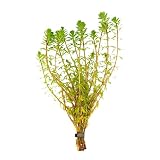
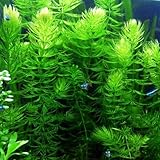
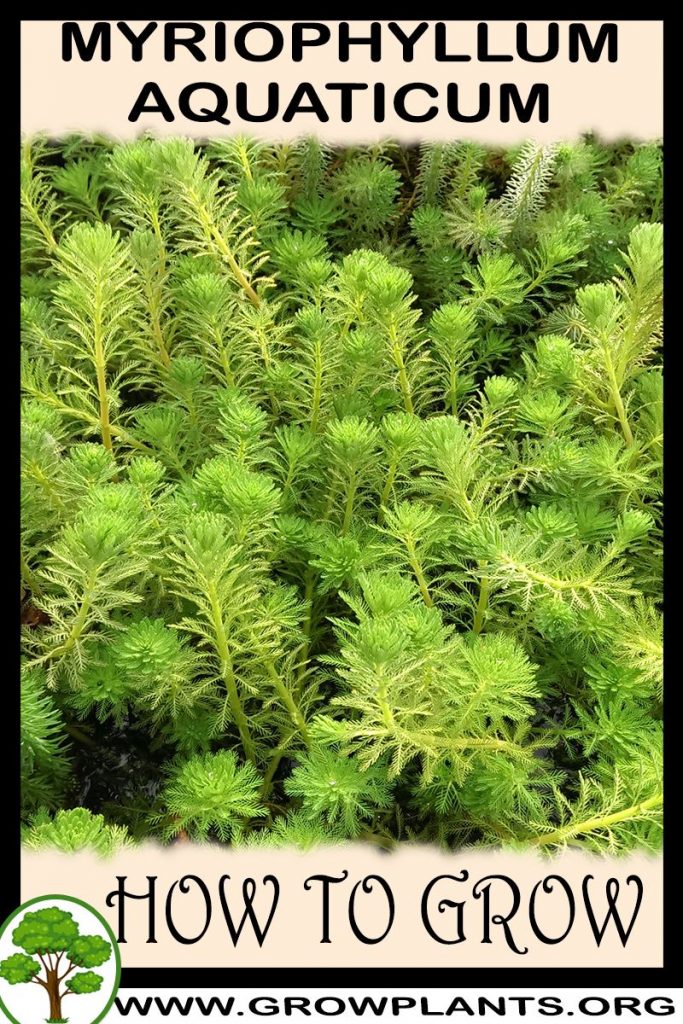
- Leaves & Foliage: Green, needle-like or feathery leaves arranged in whorls around the stem.
- Flower Characteristics: Tiny yellow-green flowers that are inconspicuous and barely visible.
Primary Uses & Landscape Value
- Functional & Ornamental Roles: Used as an ornamental and oxygenating plant for ponds, water gardens and aquariums, and as a medicinal plant; plant with caution as it is a serious invasive aquatic weed.
Care Guide: Planting, Soil & Watering
Overview: Parrot’s feather is an aquatic perennial grown in ponds and water gardens. It roots in submerged soil and grows in full sun to shade, needing its roots in water or permanently saturated mud.
Quick Care Requirements
| Requirement | Ideal Condition |
|---|---|
| Planting Season | In spring, summer or autumn during warm weather |
| Growth Rate | Moderate to fast – vigorous and can be invasive |
| Soil Type | Heavy aquatic loam in submerged baskets |
| Water Need | High – grows in water; roots must stay submerged |
Planting & Establishment
- Best Planting Season: Introduce plants during the warm months – spring through autumn – when water temperatures are rising and growth is active.
- How to Plant:
- Hole Preparation: Plant into an aquatic basket rather than open ground so growth can be contained; fill with heavy loam.
- Soil Amendments: Use a dense aquatic soil and top the basket with gravel to stop the medium clouding the water.
- Planting Depth: Lower the basket so the crown sits just below the surface; stems grow up and trail across the water.
- Growth Speed & Expectations: Growth is fast and vigorous in warm water – thin regularly, as it can quickly take over and is invasive in the wild.
Soil, Watering & Drainage Care
- Soil Mix & Drainage Needs: Drainage is not a concern here – the plant lives in water; use a heavy aquatic planting medium and keep the roots permanently submerged.
- Watering Schedule & Technique:
- Young / Newly Planted: Keep newly set plants fully submerged; never allow the medium to dry out.
- Established: Maintain water levels so the roots stay wet at all times; the plant draws nutrients directly from the water.
- Seasonal Adjustments: Growth slows in cold water and may die back in winter, returning from the submerged crown in spring.
Climate, Light & Hardiness
Parrot feather (watermilfoil) is a rhizomatous aquatic perennial, evergreen in mild climates and cold deciduous where winters are harsher, suited to subtropical, Mediterranean, temperate, tropical, and even desert water gardens. It tolerates everything from full sun to full shade and can be grown indoors given enough light.
Quick Climate Specifications
| Climate Zones | Subtropics, Mediterranean, temperate, tropics, desert |
|---|---|
| USDA Hardiness Zones | 7+ |
| Frost Tolerance | Moderate |
| Light Conditions | Full Sun / Half Shade / Full Shade |
Sunlight & Light Exposure
Optimal Light Setup
The plant is flexible on light, growing in full sun through half shade to full shade, and can even be kept as an indoor aquatic plant given enough light.
Shade & Heat Management
Its broad climate range from desert to full tropics reflects good tolerance of hot, sunny conditions in the water.
Temperature Extremes & Hardiness
USDA Hardiness & Regional Limits
Watermilfoil is rated for USDA zone 7 and warmer as a reliable evergreen; in colder zones within its planting range it behaves as cold deciduous, with the submerged rootstock surviving winter even as top growth dies back.
Cold Damage & Winter Protection
Where winters are cold, the plant is cut back below the water level as part of routine care, and the submerged portions and roots persist through the cold season to regrow.
Frost Sensitivity
Frost tolerance of exposed foliage is moderate at best; the submerged crown is considerably more cold-hardy than any growth above the waterline.
Wind, Humidity & Microclimate
Humidity Preferences
The species needs consistently rich, wet water and does not tolerate drying out.
Microclimate Recommendations
Because it is invasive when happy, site it where its spread through the pond can be controlled, and cut it back below the waterline going into winter in colder zones.
Growing in Pots, Balconies & Indoors
Parrot’s feather is an aquatic plant grown in water rather than soil, and the grower lists it as suitable indoors – in a bright bowl, aquarium or water container it makes an easy indoor water plant, and it also thrives outdoors in a patio water tub.
Quick Details
- Container Size: A watertight tub, bowl, half-barrel or mini-pond – grown in standing water, not soil
- Indoor Suitability: Suitable indoors in a water container with good light
- Best Spot: Full sun, half shade or full shade
- Soil & Drainage: No drainage – the container holds water; root it in aquatic soil topped with grit under the water
- Watering in Pots: Keep the container topped up; it needs a constant, generous body of water
Indoors & On the Windowsill
- Indoors: The grower lists it as suitable indoors provided it has light; in a bright water bowl or aquarium it grows well.
- Light: Even indoors it is happiest in bright light; near a window keeps growth compact and healthy.
- Important – invasive: This plant spreads aggressively and is a serious weed of natural waterways in many regions. Keep it contained and never release it or its water into ponds, streams or drains.
On a Balcony or Patio
- Light & water: Stand the water container where it gets the light levels above; top it up often, as an open tub of water evaporates fast in sun and wind.
- Weight & siting: A full water container is very heavy – make sure the balcony or shelf can take the load before filling it, and site it on a level, stable base.
- Planting depth: As a marginal, sit its pot on bricks so the crown is at the right depth – just at or below the water surface rather than deep under it.
Choosing the Pot, Soil & Long-Term Care
- The container: Any watertight vessel works – a glazed pot with no holes, a half-barrel with a liner, a bowl or a purpose-made mini-pond. No drainage holes here; the point is to hold water.
- Growing it: Plant it in a mesh aquatic basket of heavy loam or aquatic soil topped with grit to stop it clouding the water, then lower it to the right depth.
- Water & feeding: Keep the water topped up with rain or aged tap water; these plants feed from the water, so go easy on fertiliser and remove decaying leaves to keep it clear.
- Upkeep: Divide or thin crowded growth each year to keep it healthy and stop it swamping the container.
Fertilizing & Feeding
Myriophyllum aquaticum is a rhizomatous perennial that roots in rich, saturated soil or fine sediment with its feathery foliage growing up through and above the water; because it roots in naturally nutrient-rich conditions and is a recognized invasive weed in many regions, only light supplemental feeding is appropriate, and often none at all.
Quick Fertilizing Specs
| Feeding Level | Light – rooted in naturally rich sediment or wet soil; often needs no added feeding at all |
|---|---|
| young_feeding | A light, balanced feeding at planting can help new rooted cuttings establish, where locally appropriate to grow this species |
| mature_feeding | Established rhizomes usually need no supplemental feeding beyond the surrounding rich sediment or soil |
| Main Nutrient Priority | Minimal, balanced feeding only where genuinely needed, since this plant readily becomes invasive in nutrient-rich water |
| Best Feeding Period | Only worth considering briefly at planting in unusually lean substrate |
| Reduce/Stop Feeding | Stop any feeding once new rhizome growth and feathery foliage are extending on their own |
Feeding by Growth Stage
Establishment in unusually lean substrate
Help newly rooted cuttings establish in substrate that is unusually low in nutrients
| Nutrient direction | A light, balanced feeding worked into the substrate only if it is clearly nutrient-poor; otherwise let the cuttings root in on their own |
|---|---|
| Timing | At planting, during the active warm-season growing period |
| Frequency | A single light application is usually enough to get lean-substrate cuttings going |
| Fertilizer types | A diluted balanced aquatic plant fertilizer worked into the substrate near the roots |
| Precautions | Apply only where locally permitted – this species is restricted or banned as an invasive weed in many regions, and any excess nutrients accelerate its already aggressive spread |
Established, self-sufficient growth
Let established rhizomes rely entirely on nutrients already present in the sediment or soil
| Nutrient direction | None – withhold additional fertilizer once rhizomes are spreading and foliage is extending on its own |
|---|---|
| Timing | Once new growth is visibly extending, through the rest of the growing season |
| Frequency | No feeding at this stage; established plants sustain themselves from the surrounding sediment and water |
| Fertilizer types | No feeding at this stage – nutrients are drawn from the surrounding rich sediment and water |
| Precautions | Do not fertilize established growth; this species is a recognized invasive weed in many regions and needs no encouragement |
Nutrient Deficiency Signs & Corrections
The fine, feathery whorled leaves turn pale green or yellow-green
| Possible causes | Nutrient-poor sediment or substrate, Insufficient light reaching submerged and emergent foliage, Cold water slowing growth, Natural aging of older, lower foliage |
|---|---|
| Appears first on | Older, lower whorls of foliage |
| What to check | Sediment or substrate richness, Light penetration to the foliage, Water temperature, Overall stem vigor |
| Possible correction | Improve light and confirm the substrate isn’t unusually depleted; only consider a light feeding if it is genuinely nutrient-poor |
Stems grow long and sparse instead of full and feathery
| Possible causes | Insufficient light causing stems to stretch toward the surface, Nutrient-poor substrate, Overcrowding within a dense stand, Cold water slowing branching |
|---|---|
| Appears first on | Stem tips reaching for the surface |
| What to check | Light levels through the water column, Substrate richness, Stand density, Water temperature |
| Possible correction | Improve light first, thin overcrowded stands, and only add a light feeding if the substrate is genuinely lean |
The stand spreads far beyond its intended area, forming dense mats at or above the surface
| Possible causes | Naturally rich sediment or nutrient-heavy water favoring vigorous spread, Added fertilizer accelerating an already aggressive, invasive grower, Lack of physical containment such as a planting basket or barrier, Warm, sunny conditions maximizing growth rate |
|---|---|
| Appears first on | Stand margins pushing into open water |
| What to check | Recent feeding history, Presence of a containment barrier or basket, General site fertility, Growth rate over the recent season |
| Possible correction | Contain plantings, avoid unnecessary feeding, and remove excess growth regularly rather than relying on chemical control alone |
Pruning, Training & Seasonal Maintenance
Parrot’s feather has no woody structure at all – it is a soft, jointed aquatic stem plant, so "pruning" here means trimming the emergent growth back below the waterline to control height and density, plus careful removal and disposal of cuttings, since this species is classed as invasive and any stem fragment with a node can root and re-establish. It tolerates cutting at any time of year (fast growth quickly replaces what is removed); the technique matters far more than the timing.
Quick Pruning & Maintenance Specs
| Pruning Tolerance | High – regrows quickly from any remaining node |
| Primary Maintenance Window | Year-round, more frequent during active spring–autumn growth |
| Typical Frequency | Regular trims (as often as every few weeks in a small feature during fast growth) |
| Main Objective | Control height/spread of emergent stems; prevent the plant escaping its container or pond area |
| Best Tool Type | Precision snips/scissors |
| Avoid Heavy Cutback During | Never let cut fragments float free – timing matters less than containment |
Seasonal Pruning Schedule
Ongoing Sanitary (year-round, heaviest in the growing season)
Objective: keep the feathery emergent growth from rising too far above the water or overrunning neighbouring plants. Remove: the upper, emergent portion of stems, cutting back below the waterline into the submerged growth. Do not remove: more than necessary in one pass on plants meant to provide oxygenation/cover, since regrowth is very fast anyway. Expected response: rapid regrowth from the cut node within days to a couple of weeks.
Special Growth to Remove
- Excess emergent stem growth – trim back below the water level to keep it from towering over the pond surface or crowding other marginals.
- Any drifting fragments – because this species is invasive and every node can root, collect and remove all cut material from the water rather than leaving it to drift; do not compost or discard it anywhere it can reach a natural waterway.
Container & Small-Space Pruning
In a small pond, tub or aquarium, keep the plant confined to its own pot/basket and trim it back hard enough, and often enough, that it does not root over the container’s edge into open substrate; in aquariums, regular tip trims maintain a bushy, non-leggy shape.
Tools
Precision snips or scissors only – the stems are soft and jointed with no woody tissue, so loppers, saws and hedge shears have no role here.
Tool Hygiene & Disease Risk
Increased – not because of a pathogen (none is noted; the recorded pest is a weevil, sometimes even used deliberately as a biological control on this species) but because the plant is invasive and propagates from the smallest stem fragment. Rinse tools and nets of plant debris before moving between water features, and never rinse cuttings into a drain, ditch or natural water body.
Cut Placement & Technique
Cut stems cleanly below the waterline rather than leaving long emergent stubs; gather all floating debris immediately after cutting rather than letting it disperse.
Post-Pruning Care
No special aftercare beyond normal water-quality maintenance; watch for regrowth crowding again within a few weeks given the plant’s fast growth rate.
Common Pruning Mistakes
- Leaving cut stem fragments floating in the water, which simply propagates the plant further.
- Disposing of trimmings on a compost heap or in a ditch that drains to a natural waterway – check local rules, as this species is a regulated/noxious weed in a number of regions.
- Under-trimming a container specimen so it roots over the pot rim into open pond substrate.
When NOT to Prune
There is no biological reason to avoid cutting this species at a particular time – the only caution is procedural: don’t cut it where the resulting fragments cannot be fully collected and safely disposed of.
Recommended Tools (by task)
- precision_snips – the only cutting tool this soft-stemmed aquatic plant needs, for both routine trims and fragment collection.
Propagation Guide
Although seed is listed as a possible starting point, the site notes vegetative reproduction is necessary for this plant, which fits parrot’s feather’s tendency to spread almost entirely by rooting stem fragments rather than by reliable seed in cultivation. Stem cuttings root readily in water or wet mud, making this an Easy plant to propagate.
Quick Propagation Specs
| Best Propagation Method | Stem cuttings rooted in water or wet mud |
| Alternative Methods | Rhizome division; seed (unreliable in cultivation) |
| Propagation Difficulty | Easy |
| Vegetative True-to-Type | Yes |
| Best Propagation Season | Spring through autumn, per the site’s planting season |
| Cutting Rooting Time | Often just one to a few weeks in warm water |
Stem Cuttings
Cutting Type
Non-flowering stem tips with healthy feathery whorled leaves, similar to the sections removed when pruning below the waterline (per the site’s pruning guidance).
Best Timing
Spring through autumn, matching the site’s active planting season.
Cutting Preparation
Take stem sections a few nodes long and strip leaves from the lowest node or two that will sit below water or mud.
Rooting Setup
Float cuttings in still water or push the stripped end into rich, saturated mud; roots typically emerge from the submerged nodes within a short time.
Rooting Hormone
Unnecessary — this species roots readily from cuttings without it.
Rooting Time
Often just one to a few weeks under warm, sunny conditions.
Division, Offsets, Pups & Suckers
Where the plant forms a rooted rhizome mat, sections can be lifted and divided, keeping roots attached, then replanted directly. Given the site’s note that this plant is invasive and prone to weevil damage, dispose of trimmed stem fragments carefully rather than discarding them into open waterways, since loose fragments can root and spread on their own.
Bloom & Flower Guide
Quick Details
- Bloom Season: Spring through autumn
- Flower Appearance: Tiny yellow-green flowers, easily overlooked, held just above the water at the leaf axils
- Edibility: Grown as an ornamental aquatic – not a food plant
Detailed Blooming Overview
Parrot’s feather is grown for its feathery, blue-green foliage that stands above the water surface; the flowers are almost an afterthought. They are minute and yellow-green, tucked into the leaf axils of the emergent shoots and easy to miss. Outside its native range plants are nearly all female and rarely set seed, spreading instead from stem fragments.
Flower Characteristics
- Very small, yellow-green flowers.
- Borne in the axils of the emergent leaves, close to the stem.
- Inconspicuous – the plant is grown for foliage rather than bloom.
Bloom Care & Thinning
- Containment: This vigorous aquatic spreads readily from fragments; keep it contained and never release it into natural waterways.
- Pollination: The flowers are small and wind-exposed; seed set is rare away from its native range.
Pests, Diseases & Troubleshooting
Overview: Watermilfoils are submerged/emergent aquatic plants, so their pest and disease picture is completely different from land plants – foliar sprays are neither practical nor appropriate underwater, and the main ‘management’ is often about controlling the plant itself, since several species (notably parrot’s feather and Eurasian watermilfoil) are aggressive, invasive noxious weeds. Parrot’s feather (M. aquaticum) is one of the most notorious invasive species and is banned in some regions. The notable specialised organisms are the milfoil weevil and a native aquatic moth, both studied as biological controls rather than as pests to be sprayed.
Quick Troubleshooting Overview
| Issue / Pest | Main Symptom | Primary Solution |
|---|---|---|
| Milfoil weevil | Stems mined and hollowed; plants lose buoyancy and sink | Native biocontrol – encourage, do not spray |
| Aquatic moth larvae | Mined stems and tied/damaged shoot tips | Native biocontrol of milfoil beds |
| Midge / caddis larvae | Chewed foliage on submerged/emergent stems | Usually tolerated in a balanced pond |
| Aphids | Sticky colonies on emergent tips above water | Hose off into water for fish; avoid pond sprays |
| Fungal biocontrol | Dark lesions and dieback of stems | Native/managed decline agent, not a crop disease |
| Invasive overgrowth | Dense mats choking water; low oxygen | Manual/mechanical removal; check legal status |
Common Pests & Management
- Milfoil Weevil (Euhrychiopsis lecontei):
- Symptoms: A tiny native aquatic weevil whose larvae mine and hollow the stems of watermilfoil, causing plants to lose buoyancy, break up and sink – the ‘weevil’ hint in the source is genuine. It is prized as a natural control of invasive Eurasian watermilfoil rather than treated as a pest.
- Prevention & Control: In natural and ornamental water this weevil is beneficial and should be conserved, not sprayed – insecticides in water harm fish, amphibians and beneficial invertebrates. Where milfoil is a valued specimen and weevil damage is unwanted, physical isolation is the only appropriate response.
- Aquatic Moth Larvae (Acentria ephemerella and relatives):
- Symptoms: Caterpillars of aquatic ‘water veneer’ moths that mine stems and tie or graze the growing tips of submerged milfoil, contributing (with the weevil) to natural decline of dense beds.
- Prevention & Control: Like the weevil, these are part of the natural check on milfoil and are studied as biocontrol; conserve pond biodiversity rather than applying insecticides, which are damaging and largely ineffective underwater.
- Midge & Caddisfly Larvae (Chironomidae; Trichoptera):
- Symptoms: Aquatic larvae that graze foliage and stems; normally a minor, tolerable part of a functioning pond food web that also feeds fish.
- Prevention & Control: No action is usually warranted in a balanced pond – a healthy fish and invertebrate community keeps them in check. Avoid pesticides, which disrupt the whole aquatic system.
- Aphids (Rhopalosiphum / Aphidoidea):
- Symptoms: Colonies on the emergent tips of parrot’s feather and other above-water foliage, causing sticky, distorted growth on the parts held above the surface.
- Prevention & Control: Simply hose colonies off the emergent foliage into the water, where fish eagerly eat them – never apply insecticidal sprays to a pond, as they are toxic to fish and amphibians.
Diseases & Fungal Issues
- Fungal Stem Decline (Mycoleptodiscus terrestris and native fungi):
- Symptoms: Dark lesions and dieback of milfoil stems caused by aquatic fungi; rather than a disease to be cured, one such fungus is developed as a biological control agent against invasive milfoil.
- Treatment & Management: In a valued ornamental pond, maintain good water quality and moderate nutrient levels to keep plants healthy; there is no practical fungicide treatment for submerged aquatics, nor is one usually wanted.
- Algal Smothering (secondary):
- Symptoms: Filamentous algae and epiphytic slime coat weakened or crowded stems in nutrient-rich, still water, shading out the milfoil.
- Treatment & Management: Reduce nutrient inputs, remove excess algae by hand, add shade or competing plants, and keep the water moving and balanced; do not use algaecides where fish are present without care.
Growing Difficulties & Abiotic Problems
- Invasive Overgrowth:
- Symptoms: Cause & Symptoms: The main real ‘problem’ – in warm, nutrient-rich water these plants form dense mats that choke waterways, crash night-time oxygen and outcompete other aquatics; several are listed noxious weeds.
- Correction Strategy: Contain in tubs or lined features, never release into natural water, rake or net out excess growth regularly, dispose of clippings on dry land (fragments re-root readily), and check the plant’s legal status before growing it.
- Nutrient / Water-quality Stress:
- Symptoms: Cause & Symptoms: Yellow, sparse or blackening growth in low-nutrient, murky or polluted water, or where fish stir up sediment.
- Correction Strategy: Maintain clear, moderately fertile water, avoid overstocking fish, and use aquatic planting media rather than garden soil to limit clouding and nutrient spikes.
- Poor Light / Depth:
- Symptoms: Cause & Symptoms: Leggy, thin, collapsing stems when planted too deep or in shaded, turbid water that starves the submerged foliage of light.
- Correction Strategy: Site at the recommended depth in full sun to light shade with clear water, and thin surface cover that shades the milfoil.
- Cold Dormancy / Dieback:
- Symptoms: Cause & Symptoms: Emergent foliage blackens and dies back with frost, which is normal for hardy species that overwinter as submerged turions or crowns.
- Correction Strategy: Cut back and remove blackened top-growth so it does not foul the water, and let hardy species regrow from the base; protect tender kinds from freezing.
What Helps – Products & Tools
Aquatic plants call for a very different toolkit – chemical pesticides and fungicides are generally inappropriate and harmful in water, so management centres on physical tools: a pond net or rake for removing excess growth, planting baskets and aquatic media for containment, and shade or competing plants to curb algae. The milfoil weevil and aquatic moth are conserved as natural controls. Above all, prevent spread by never releasing fragments into natural waterways.