




Plant Profile & Key Characteristics
Overview: Ledebouria is a small evergreen bulbous succulent (geophyte) of only about 5-15 cm, grown as an ornamental foliage and houseplant for its silver-spotted leaves. It is a slow-growing, drought-tolerant perennial hardy to USDA zones 10-12.
Quick Specifications
| Specification | Attribute |
|---|---|
| Plant Type / Life Cycle | Perennial (bulbous geophyte) |
| Foliage Type | Evergreen |
| Mature Size | 5-15 cm tall (2-6 in) |
| Growth Rate | Slow |
| Root System | Bulbous (geophyte) |
| Toxicity | Toxic (source notes the plant is poisonous; keep away from pets and children) |
| Hardiness | USDA zones 10-12 |
Growth Form & Structure
- Height & Spread: A low plant of about 5-15 cm (2-6 in); clumps up slowly by offsets and is ideal for small pots.
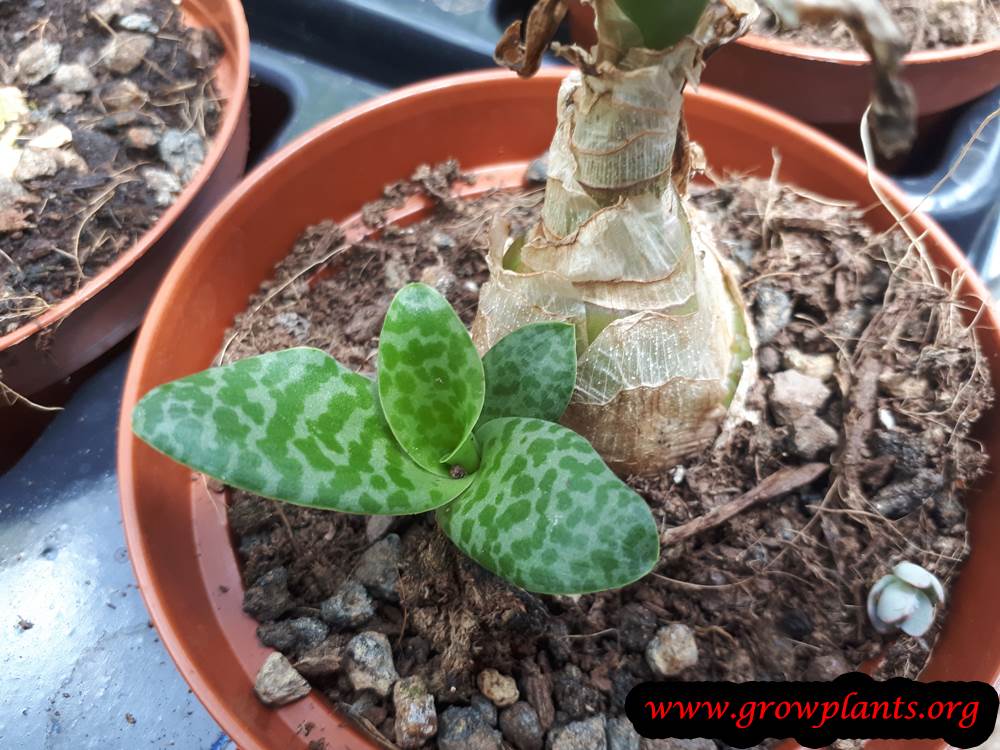
- Growth Habit & Form: Clumping bulbous succulent forming rosettes of upright leaves above partly exposed bulbs.
- Lifespan & Maturity: Slow-growing but long-lived, gradually forming a colony of bulbs.
Anatomy & Physical Features
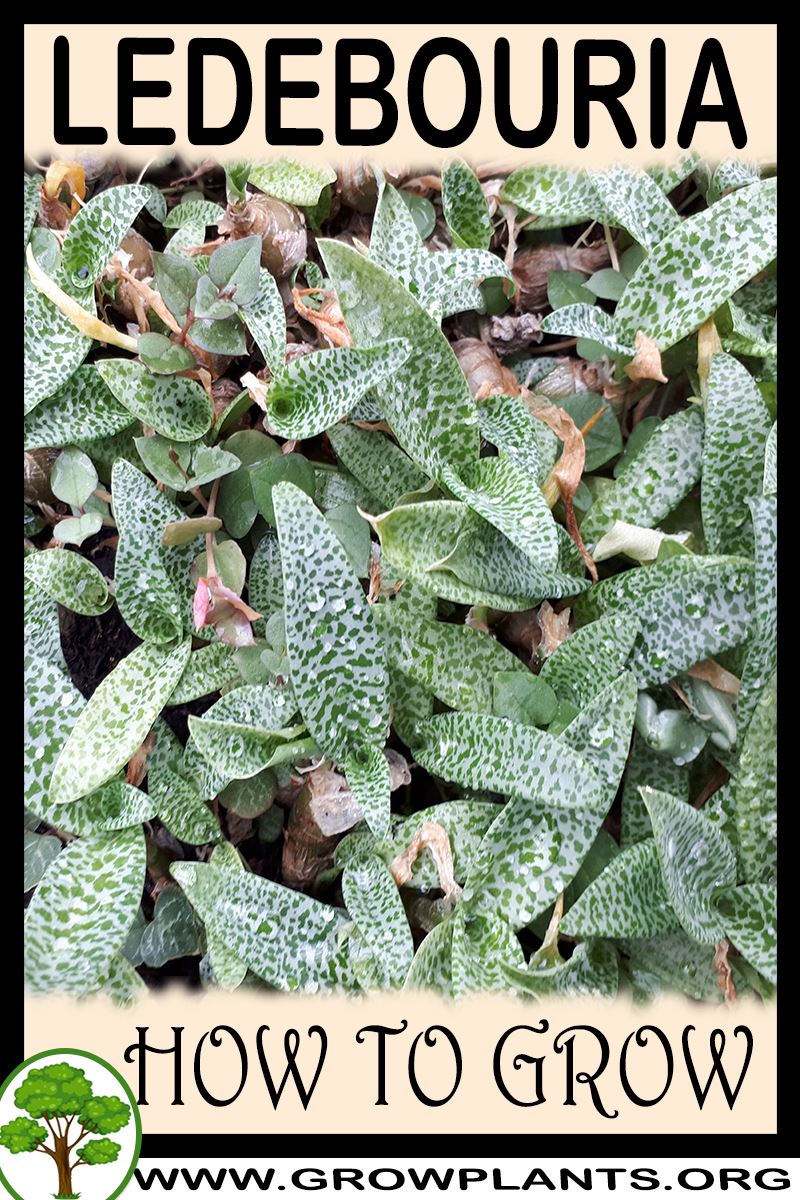
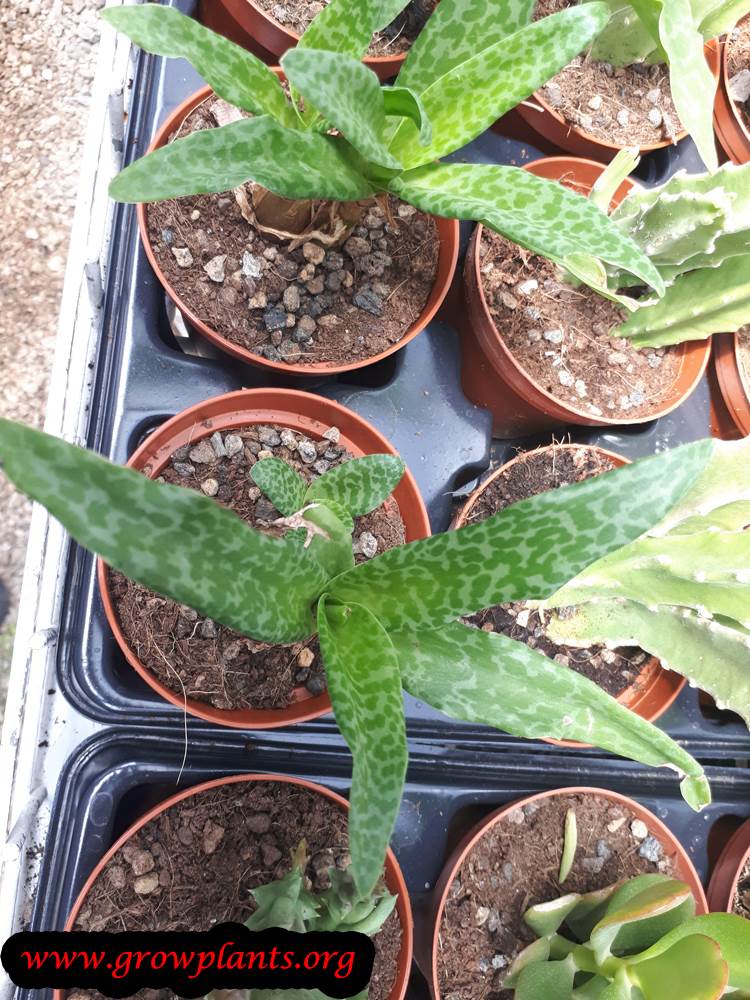
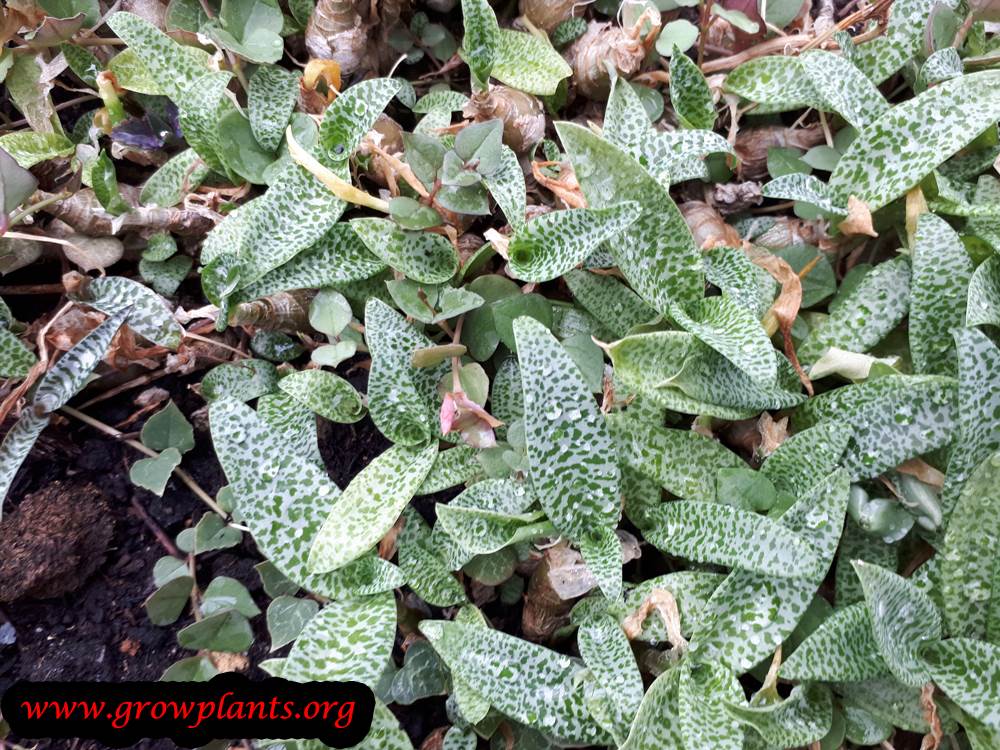
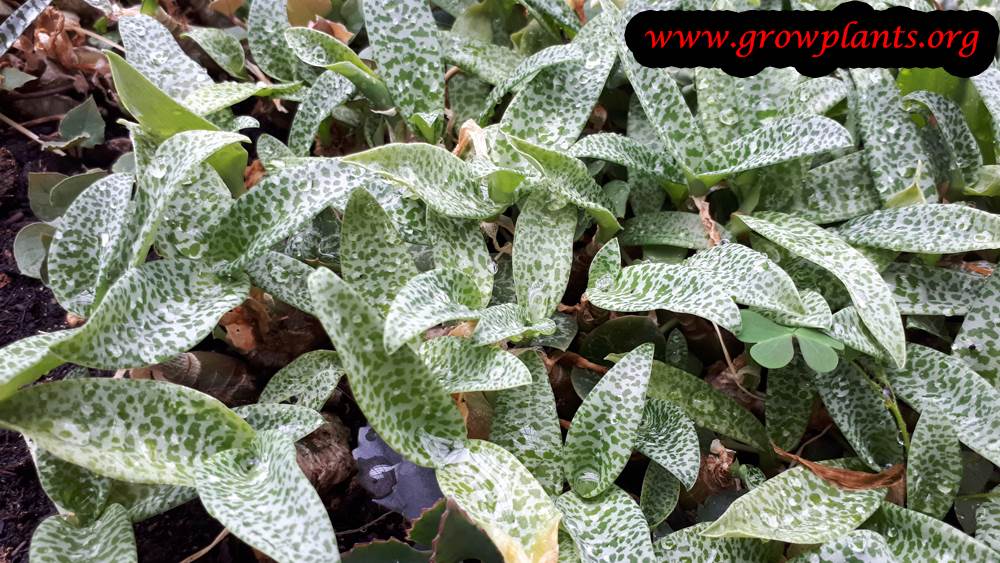
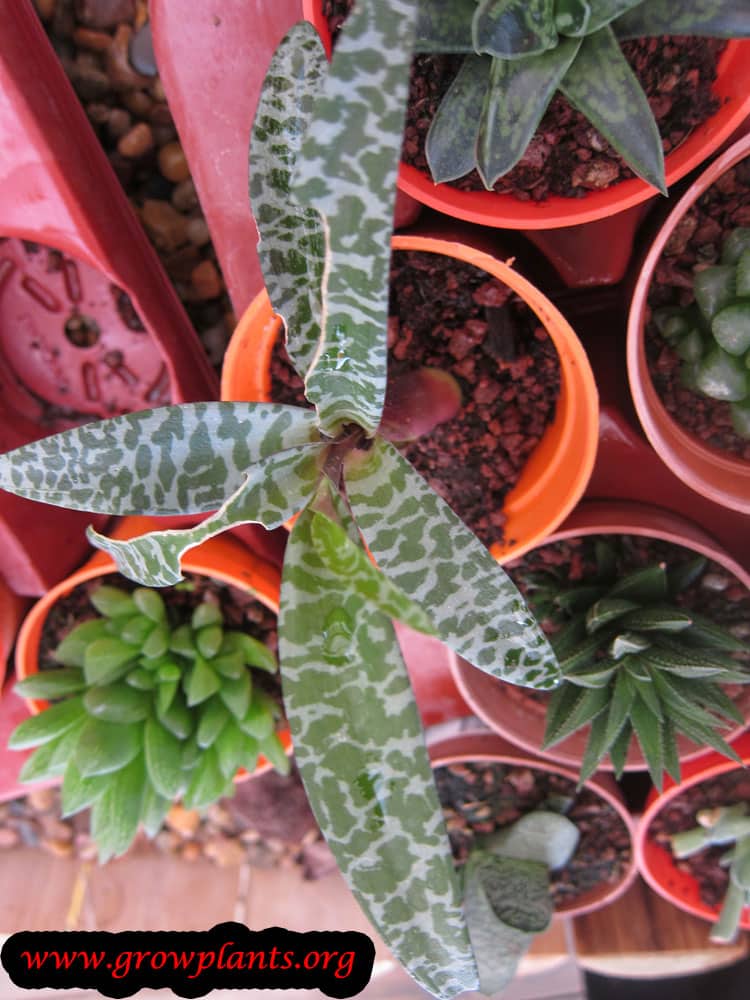
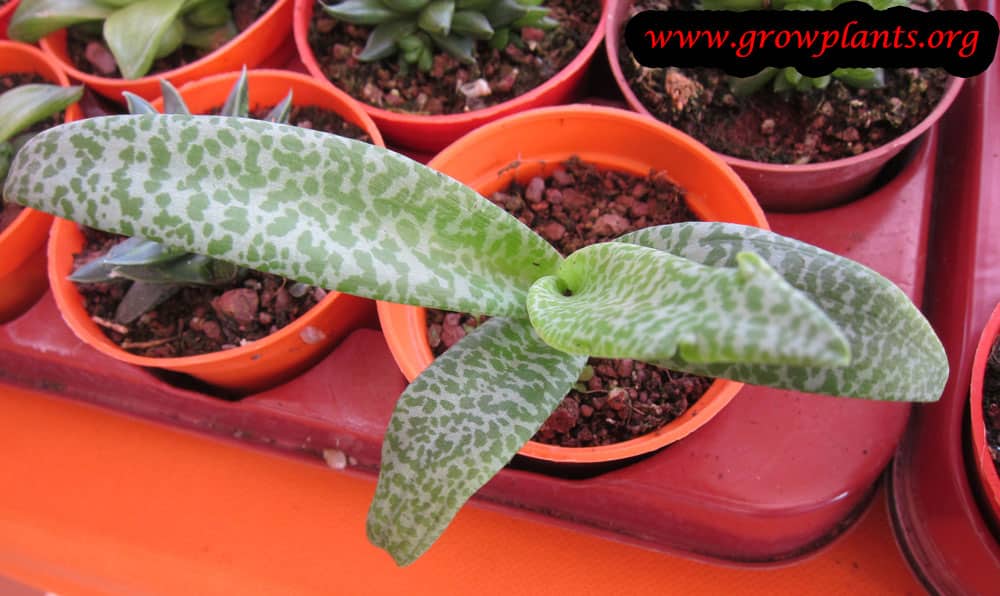
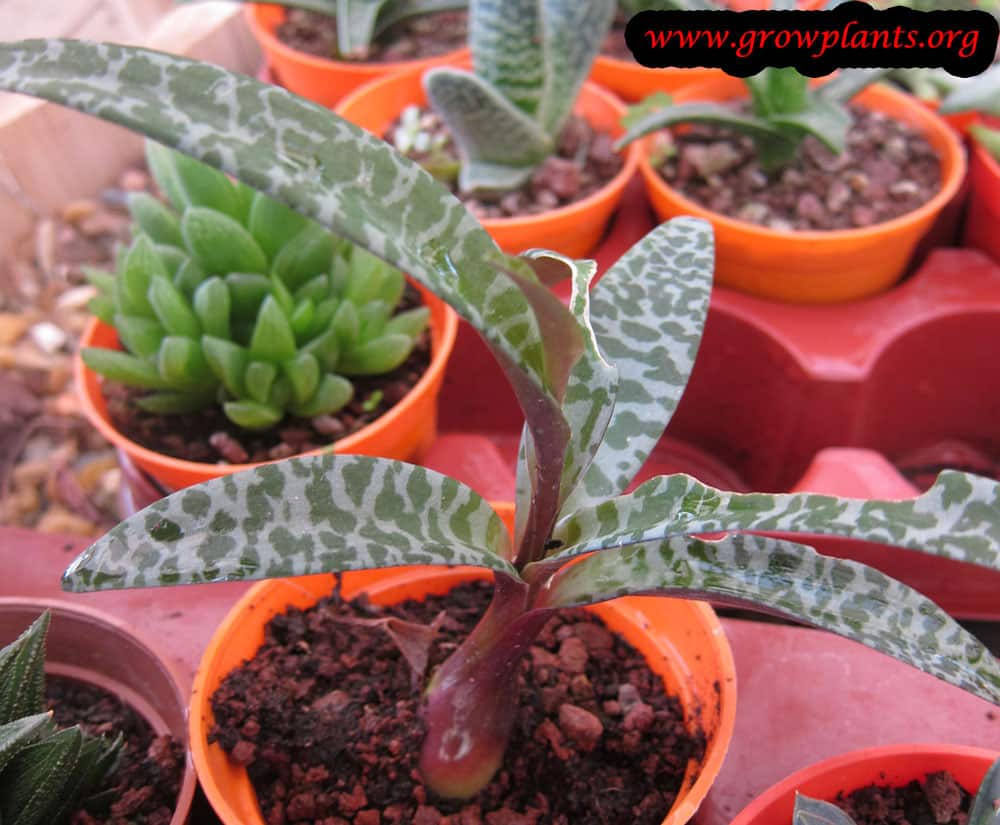
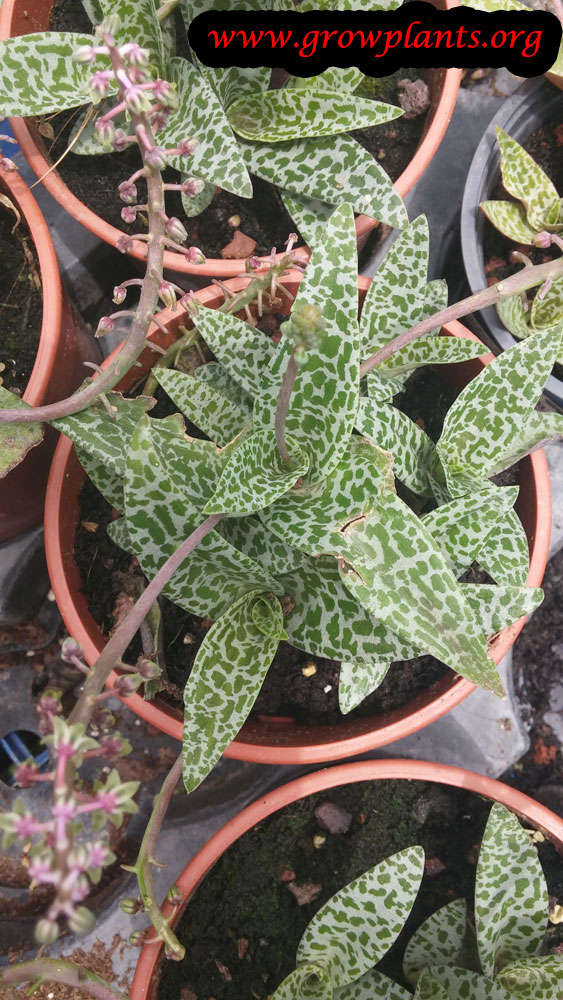
- Leaves & Foliage: Silver-green leaves patterned with darker green spots and a purple underside; linear and pointed at the tip.
- Flower Characteristics: Small green-purple bell-shaped flowers held in an inflorescence on slender stems.
Primary Uses & Landscape Value
- Functional & Ornamental Roles: Ornamental foliage plant for pots, rockeries and as a houseplant; drought-tolerant and easy to grow.
Care Guide: Planting, Soil & Watering
Overview: This drought-tolerant succulent bulb grows best in bright shade in Mediterranean or subtropical conditions and makes an easy houseplant (hardiness zone 10-12). It needs a sharply drained, gritty soil and only small amounts of water.
Quick Care Requirements
| Requirement | Ideal Condition |
|---|---|
| Planting Season | Warm season, from spring through autumn (frost-free) |
| Growth Rate | Slow |
| Soil Type | Well-draining, gritty or sandy succulent mix |
| Water Need | Low; let the soil dry out between waterings |
Planting & Establishment
- Best Planting Season: Plant during the warm season, spring through autumn, in a frost-free spot.
- How to Plant:
- Hole Preparation: Set the bulb so its neck sits at or just above the soil surface.
- Soil Amendments: Blend in coarse grit or sand to guarantee fast drainage.
- Planting Depth: Keep the bulb shoulder exposed at the surface – do not bury it deeply.
- Growth Speed & Expectations: A slow grower staying compact at about 5-15 cm (2-6 in).
Soil, Watering & Drainage Care
- Soil Mix & Drainage Needs: Use a gritty cactus or succulent mix; excellent drainage is essential to prevent bulb rot.
- Watering Schedule & Technique:
- Young / Newly Planted: Water lightly once it is settled in.
- Established: Water sparingly, always allowing the soil to dry out completely between waterings.
- Seasonal Adjustments: Give little to no water during winter dormancy.
Climate, Light & Hardiness
Ledebouria is a drought-tolerant, bulb-forming succulent suited to Mediterranean and subtropical climates, or grown indoors as a houseplant elsewhere. It needs frost-free conditions and performs well in half to full shade with well-drained soil.
Quick Climate Specifications
| Climate Zones | Mediterranean and subtropical climates, or indoors as a houseplant |
|---|---|
| USDA Hardiness Zones | Approximately zone 10–12 |
| Optimal Temp Range | Warm, generally frost-free conditions |
| Cold Damage Begins | Foliage can be damaged as temperatures approach freezing |
| Approx. Survival Minimum | Site guidance calls for frost-free conditions, indicating little tolerance for freezing temperatures |
| Frost Tolerance | Low |
| Light Conditions | Half Shade to Full Shade |
Sunlight & Light Exposure
Optimal Light Setup
Half shade to full shade suits this plant well, avoiding the leaf scorch that strong direct sun can cause.
Shade & Heat Management
Tolerates fairly deep shade, making it a good choice for shaded beds or indoor spots with reasonable ambient light.
Best Exposure / Orientation
A shaded or filtered-light position, indoors or out, suits this plant’s preference for lower light than many succulents.
Temperature Extremes & Hardiness
USDA Hardiness & Regional Limits
Site data places this plant at zone 10–12; outside this range, growing it in a container that can be moved indoors before cold weather is the practical approach.
Cold Damage & Winter Protection
Keep frost-free; move container specimens indoors or under cover before any cold snap.
Frost Sensitivity
Low frost tolerance; the plant is best kept free of frost exposure entirely.
Extreme Heat Tolerance
Tolerates warm conditions well as a succulent bulb, provided it is not in the most intense direct sun.
Wind, Humidity & Microclimate
Rainfall & Seasonal Moisture
Prefers a drier climate pattern with well-drained soil, consistent with its succulent, drought-tolerant nature.
Microclimate Recommendations
A shaded, frost-free, well-drained spot suits this plant year-round, whether grown in the ground or in containers.
Growing in Pots, Balconies & Indoors
Ledebouria (silver squill and its relatives) is a small, shade-tolerant bulb (5-15 cm / 2-6 in) that the grower confirms makes a good houseplant. Its patterned leaves, tolerance of half to full shade, and tiny size make it an easy, characterful plant for a windowsill or shallow pot.
Quick Details
- Container Size: Small and shallow – the bulbs sit near the surface and like to cluster
- Indoor Suitability: A genuinely good houseplant
- Best Spot: Half shade to full shade; bright, indirect light keeps the leaf markings strong
- Soil & Drainage: Free-draining, gritty mix; the bulbs rot in wet soil
- Watering in Pots: Sparing – it needs little water; let it dry between waterings and keep it drier at rest
Indoors & On the Windowsill
- A true houseplant: It thrives on a bright indoor sill and asks very little, making it ideal for beginners and small spaces.
- Care: Give it bright, indirect light, water sparingly, and let it have a drier rest period; keep it off cold glass in winter.
On a Balcony or Patio
- Light & shelter: In warm climates it can sit outside in bright shade; protect it from strong sun and from heavy rain, which can rot the bulbs.
Choosing the Pot, Soil & Long-Term Care
- Pot & drainage: A shallow pot with strong drainage holes; skip a standing water saucer. Terracotta breathes and dries fast, which suits the bulbs.
- Potting mix: A free-draining, gritty mix – potting mix or cactus mix with added perlite or grit.
- Feeding: Feed only lightly during active growth.
- Repotting: Refresh the mix every couple of years; divide the clustering bulbs when the pot fills.
Fertilizing & Feeding
A light feeder: this small, slow-growing succulent geophyte needs only minimal, low-nitrogen feeding during active growth, with no feeding at all while it rests through the cooler, slower months.
Quick Fertilizing Specs
| Feeding Level | Light feeder |
|---|---|
| Main Nutrient Priority | Low-nitrogen, minimal feeding rather than a nitrogen-forward product |
| Best Feeding Period | During active leaf growth through the spring and summer bloom period |
| Organic Options | A well-drained, organic-rich succulent potting mix in place of frequent liquid feeding |
| Micronutrients | Usually unnecessary as a routine addition; correct a specific deficiency only if it is actually diagnosed |
| Soil pH | Tolerates a wide range; sharp drainage matters far more than a particular pH |
| Reduce/Stop Feeding | Stop feeding as growth slows heading into the cooler, slower months |
Feeding by Growth Stage
Active leaf growth and bloom
Support steady leaf growth and the small bell-shaped flower spikes of this compact succulent geophyte.
| Nutrient direction | Minimal, low-nitrogen feeding is enough; this slow-growing plant relies mainly on a well-drained, organic-rich growing medium. |
|---|---|
| Timing | During active leaf growth, through the spring and summer bloom period. |
| Frequency | Feed sparingly through active growth; minimal feeding is usually enough. |
| Fertilizer types | A diluted, low-nitrogen succulent fertilizer, used sparingly, A well-drained, organic-rich potting mix in place of frequent feeding |
| Precautions | Avoid heavy or frequent feeding, which can push soft, rot-prone growth on this small, slow-growing succulent; let the growing medium approach dryness between waterings. |
Cool-season rest
Let growth slow naturally through the cooler, less active months.
| Nutrient direction | None – withhold fertilizer while growth is slow during the cooler months. |
|---|---|
| Timing | Through the cooler months when growth naturally slows. |
| Frequency | No feeding at this stage. |
| Fertilizer types | No feeding at this stage – rely on the existing growing medium until active growth resumes |
| Precautions | Do not fertilize while growth is slow; keep watering light and let the soil dry between waterings. |
Nutrient Deficiency Signs & Corrections
The bulb-like base or roots soften and darken, and leaves yellow or collapse.
| Possible causes | overwatering, a poorly drained growing medium, excess feeding compounding moisture stress at the base |
|---|---|
| Appears first on | the bulb base and lower leaves |
| What to check | soil drainage, watering frequency, recent feeding history |
| Possible correction | Improve drainage, let the growing medium dry between waterings, and avoid feeding while the medium stays wet. |
New leaves emerge pale with the veins staying distinctly green.
| Possible causes | a waterlogged or compacted growing medium, root stress from poor drainage, an unusually high soil pH limiting iron availability |
|---|---|
| Appears first on | the newest leaves |
| What to check | soil drainage, recent watering patterns, soil pH if chlorosis persists |
| Possible correction | Improve drainage first; apply a chelated iron product per its label if chlorosis persists. |
Leaf tips brown and dry out, especially on container-grown plants.
| Possible causes | fertilizer or mineral salt buildup from repeated feeding without leaching, watering with hard or mineral-heavy water, a growing medium that drains poorly and holds salts near the roots |
|---|---|
| Appears first on | leaf tips |
| What to check | feeding frequency and any visible crust on the soil surface, water source and drainage, how long the plant has been in the same growing medium |
| Possible correction | Flush the growing medium occasionally with plain water, reduce feeding frequency, and refresh the potting mix periodically in containers. |
Pruning, Training & Seasonal Maintenance
Ledebouria is a small clump-forming bulb (geophyte) grown for its patterned leaves; it needs no structural or shaping pruning at all. The only maintenance task is removing spent or dying leaves and old flower stems as they occur, which can be done any time of year. Because the plant grows from a small underground bulb rather than woody stems, cutting has no bearing on flowering, fruiting, or overall size – new leaves simply emerge from the bulb on their own schedule.
Quick Pruning & Maintenance Specs
| Pruning Tolerance | Low (maintenance-only, no structural pruning) |
| Primary Pruning Window | All year, as needed |
| Typical Frequency | Occasional spot removal of individual dead leaves |
| Main Objective | Tidy appearance only |
| Best Tool Type | Precision snips or fingers (soft leaf tissue) |
Pruning by Plant Age & Size
Newly Established
Leave untouched aside from removing any leaves damaged in transplanting; the small bulb needs its full leaf area to re-establish.
Young / Formative
No structural training applies to this compact, single-crown geophyte.
Mature / Established
Ongoing removal of individual leaves as they yellow or die back, especially useful before any dormant period, to keep the small rosette looking clean.
Special Growth to Remove
Dead or yellowing leaves, pulled or snipped off close to the base; spent flower stems once the bell-shaped blooms fade, cut at the base of the stem.
Container & Small-Space Pruning
Nearly all Ledebouria is grown in pots or as a houseplant; no pruning adjustment is needed for container culture beyond the same routine dead-leaf removal, since the plant stays naturally compact.
Tools
Precision snips (or simply pulling by hand) for the thin, soft leaves – no larger cutting tool is ever needed.
Tool Hygiene & Disease Risk
Routine: clean tools are sufficient. No significant transmissible pruning-borne disease risk is documented for this genus.
Cut Placement & Technique
Remove a dead leaf at its base where it meets the bulb/crown, taking care not to nick neighboring healthy leaves or the bulb itself.
Heavy Pruning & Rejuvenation
NOT applicable/tolerated. As a small single-crown geophyte, Ledebouria has no woody framework to rejuvenate; a decline in appearance is addressed by dividing overcrowded bulb clusters at repotting rather than by any form of hard pruning.
Post-Pruning Care
None needed beyond normal watering; removing a leaf or two does not stress this plant or require extra feeding or wound care.
Common Pruning Mistakes
Trying to shape the plant by cutting healthy leaves for a tidier look – this only reduces the leaf area the small bulb has to photosynthesize with, and is unnecessary since the plant is naturally compact.
When NOT to Prune
Avoid removing still-green leaves going into the plant’s natural dormant/rest period, since the bulb draws down reserves from them before they senesce naturally; wait until a leaf is genuinely spent.
Recommended Tools (by task)
- precision_snips – the only tool needed, for occasional removal of a dead leaf or spent flower stem from this small, soft-tissued bulb plant.
Propagation Guide
Ledebouria is most easily and quickly propagated by separating the offset bulbs (bulblets) that cluster naturally around the base of each mother bulb; seed propagation also works but takes considerably longer to reach a mature, flowering-size clump. Both methods are straightforward, making this an easy plant to propagate at home.
Quick Propagation Specs
| Best Propagation Method | Bulb (Offset) Division |
| Alternative Methods | Seed |
| Propagation Difficulty | Easy |
| Seed True-to-Type | Usually true-to-type |
| Vegetative True-to-Type | Yes |
| Best Propagation Season | Spring to summer, alongside active growth or repotting |
Growing from Seed
Sow in a well-draining mix and keep lightly moist; as with most bulbous geophytes, seedlings are slow to bulk up into a clump of flowering size, so division is the faster route if quick results are wanted.
Rhizomes, Tubers, Bulbs & Corms
Bulb Division: Best done in spring to summer during active growth, often at the same time as repotting. Separate the small offset bulbs that form around the base of the mother bulb, keeping each division’s own roots attached where possible; very small bulblets can be potted on together to bulk up before being separated individually. Replant promptly at a similar depth to the parent and water in well.
Bloom & Flower Guide
Quick Details
- Bloom Season: Spring to summer
- Flower Appearance: Small green-purple bell-shaped flowers along a slender stalk
- Edibility: Not eaten – Ledebouria is regarded as toxic if ingested
Detailed Blooming Overview
Ledebouria is a small bulbous (geophyte) succulent that sends up slender racemes of little green-purple, bell-shaped flowers in spring and summer, nodding along the stalk above the patterned leaves. It is grown as an easy, drought-tolerant ornamental; note that the bulbs and plant are considered toxic if eaten.
Flower Characteristics
- Small, bell-shaped flowers
- Green-purple
- Spaced along a slender inflorescence (raceme)
Bloom Care & Thinning
- Managing the bloom: No thinning needed; remove the spent stalk after flowering.
- Growth: Clumps build up from offset bulbs over time.
- Safety: Keep the bulbs and plant out of reach of pets and children.
Pests, Diseases & Troubleshooting
Overview: Ledebouria are small bulbous plants from seasonally dry grasslands, grown for their patterned leaves; like most bulbous succulent-type plants they are largely trouble-free and their real risk is bulb and root rot from over-watering. Insect problems are the usual indoor sap-suckers – mealybugs above all – and are easily managed by inspection and restraint with the watering can.
Quick Troubleshooting Overview
| Issue / Pest | Main Symptom | Primary Solution |
|---|---|---|
| Mealybugs | White cottony tufts in leaf bases and on bulbs/roots | Wipe with alcohol; horticultural oil; check roots |
| Scale | Brown limpet bumps on leaves and bulb neck | Scrape off; oil spray |
| Spider mites | Fine stippling, webbing in hot dry air | Raise humidity; hose; miticidal oil |
| Fungus gnats | Small black flies from soil; larvae at roots | Let soil dry; sticky traps; BTi |
| Bulb / root rot | Soft, mushy, foul bulb; yellow collapse | Cut back watering; gritty mix; remove rot |
| Aphids (on flower spikes) | Sticky, distorted flower stems | Water jet; soap |
Common Pests & Management
- Mealybugs (incl. root mealybugs) (Pseudococcus / Rhizoecus spp.):
- Symptoms: White cottony tufts nestled in the leaf bases, around the bulb neck, and – critically – on the roots and bulb underground (root mealybugs), where they sap vigour unseen; leaves pale and growth stalls.
- Prevention & Control: Inspect the bulb and roots at repotting. Wipe visible clusters with an alcohol-dipped cotton swab and drench the rootball with a systemic-type or horticultural-oil solution for root mealybugs. Isolate new plants and keep the soil on the dry side.
- Scale insects (Coccidae / Diaspididae):
- Symptoms: Small brown, tan or waxy limpet-like bumps clamped on the leaves and bulb neck, sucking sap and leaving honeydew; they do not move once settled.
- Prevention & Control: Scrape off with a fingernail or swab and treat with horticultural oil to smother remaining crawlers. Repeat every couple of weeks until clear.
- Two-spotted spider mite (Tetranychus urticae):
- Symptoms: Fine pale speckling of the leaves and delicate webbing in hot, dry indoor air; leaves dull and dry out.
- Prevention & Control: Raise humidity, hose or wipe the foliage, and use a horticultural oil or insecticidal soap; predatory mites work in a warm room.
- Fungus gnats (Bradysia / Sciaridae):
- Symptoms: Small dark flies drifting up from the pot; their larvae feed on roots and organic matter in soil kept too wet, weakening young plants.
- Prevention & Control: Let the top of the mix dry fully between waterings, use a grittier free-draining mix, catch adults on yellow sticky traps, and drench with Bacillus thuringiensis israelensis (BTi) for larvae.
Diseases & Fungal Issues
- Bulb & root rot (Fusarium / Pythium / Rhizoctonia spp.):
- Symptoms: The main killer: the bulb turns soft, mushy and foul-smelling and the leaves yellow and collapse, always tied to soggy, poorly drained soil and over-watering, especially during the plant’s dormant rest.
- Treatment & Management: Prevent by using a gritty, free-draining succulent mix, watering sparingly and much less during dormancy, and never leaving the pot in standing water. Cut away any rot into clean firm tissue, dust with sulphur, and re-root in dry mix.
- Leaf fungal spots (Various leaf-spot fungi):
- Symptoms: Occasional brown or black spots on leaves kept too wet or in stagnant, humid air.
- Treatment & Management: Improve airflow, avoid wetting the foliage, remove affected leaves, and ease off watering – chemical treatment is rarely needed.
Growing Difficulties & Abiotic Problems
- Over-watering rot:
- Cause & Symptoms: Yellowing, softening and bulb collapse from too-frequent watering or heavy soil, the commonest cause of failure.
- Correction Strategy: Water only when the mix is dry, reduce sharply in dormancy, and grow in a gritty mix in a pot with good drainage.
- Etiolation / faded pattern:
- Cause & Symptoms: Stretched, pale leaves with washed-out markings from too little light.
- Correction Strategy: Give bright light (some direct sun), which keeps the leaves compact and the silver-and-green patterning strong.
- Failure to rest / non-flowering:
- Cause & Symptoms: Weak growth and shy flowering when kept watered and warm year-round.
- Correction Strategy: Allow a cooler, drier dormant rest so the bulb can build up and flower well in the next cycle.
What Helps – Products & Tools
This is a low-input plant – restraint with water does most of the work. Keep horticultural (neem) oil and insecticidal soap for mealybugs, scale and mites, a systemic drench or oil for stubborn root mealybugs, yellow sticky traps plus BTi for fungus gnats, and sulphur powder to dress rot cuts. A gritty, free-draining mix is the best ‘product’ of all.