Plant Profile & Key Characteristics
Overview: Yellow horned poppy (Glaucium flavum) is a drought-tolerant, evergreen short-lived perennial (sometimes grown as an annual or biennial) 30-70 cm (12-28 in) tall, grown as a seaside and gravel-garden ornamental. It forms a rosette of blue-grey foliage topped by yellow poppy flowers.
Quick Specifications
| Specification | Attribute |
|---|---|
| Plant Type / Life Cycle | Short-lived evergreen perennial (also grown as an annual/biennial) |
| Foliage Type | Evergreen |
| Mature Size | 30-70 cm (12-28 in) tall |
| Growth Rate | Fast to moderate |
| Root System | Deep taproot |
| Toxicity | Toxic — all parts contain poisonous alkaloids (e.g. glaucine); not for consumption |
| Hardiness | USDA zones 6-10 |
Growth Form & Structure
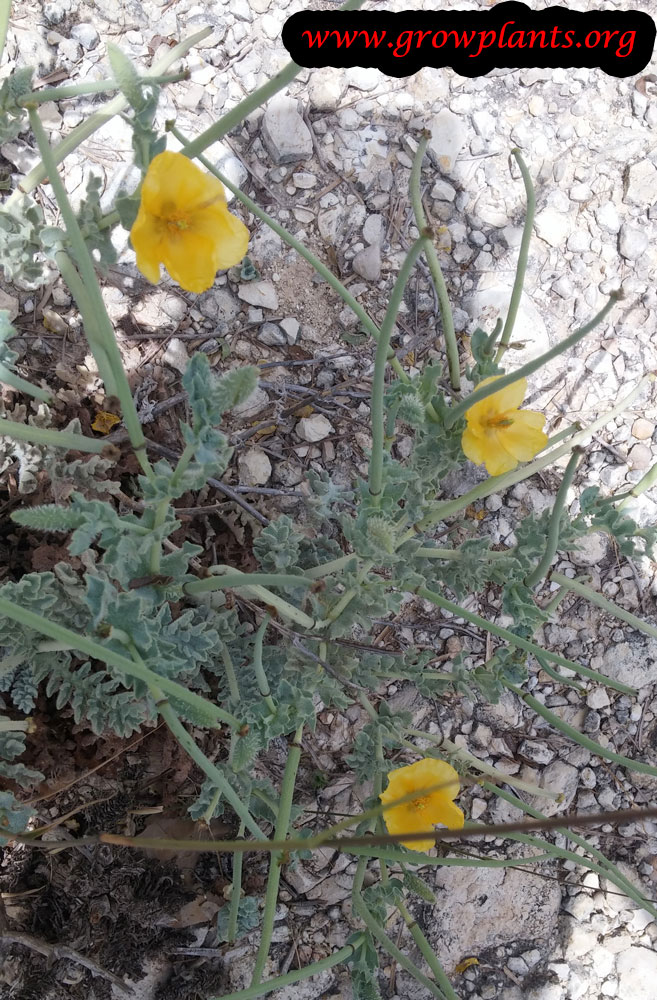
- Height & Spread: A rosette-forming plant 30-70 cm (12-28 in) tall; tolerates poor, sandy soils and can be grown in containers.
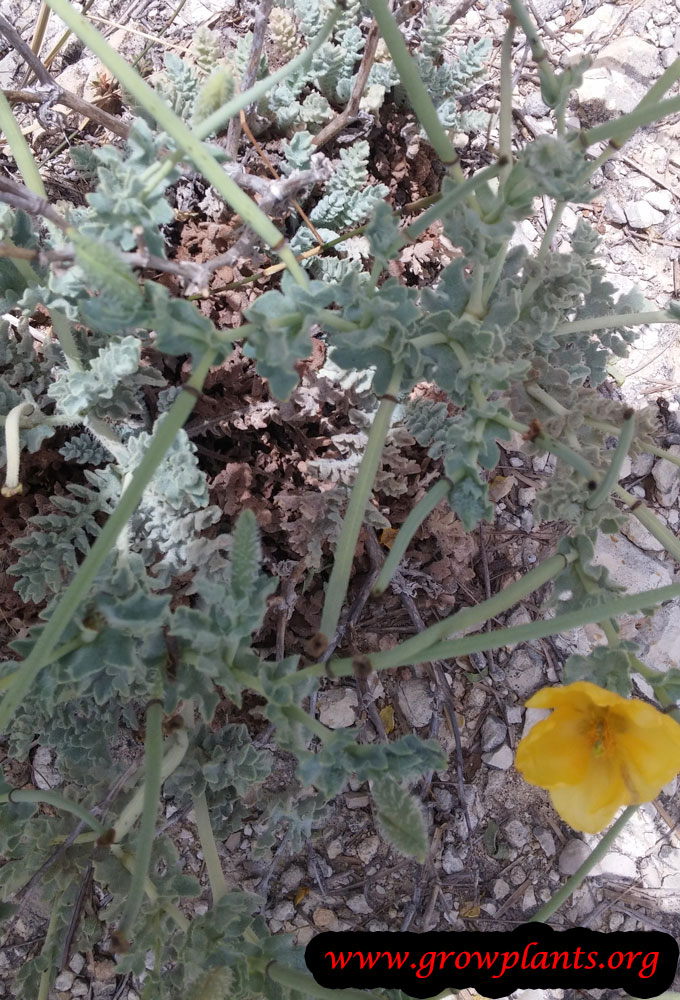
- Growth Habit & Form: Basal rosette of foliage with branching, brittle flowering stems.
- Lifespan & Maturity: Short-lived but self-seeds readily; drought tolerant and can become invasive.
Anatomy & Physical Features
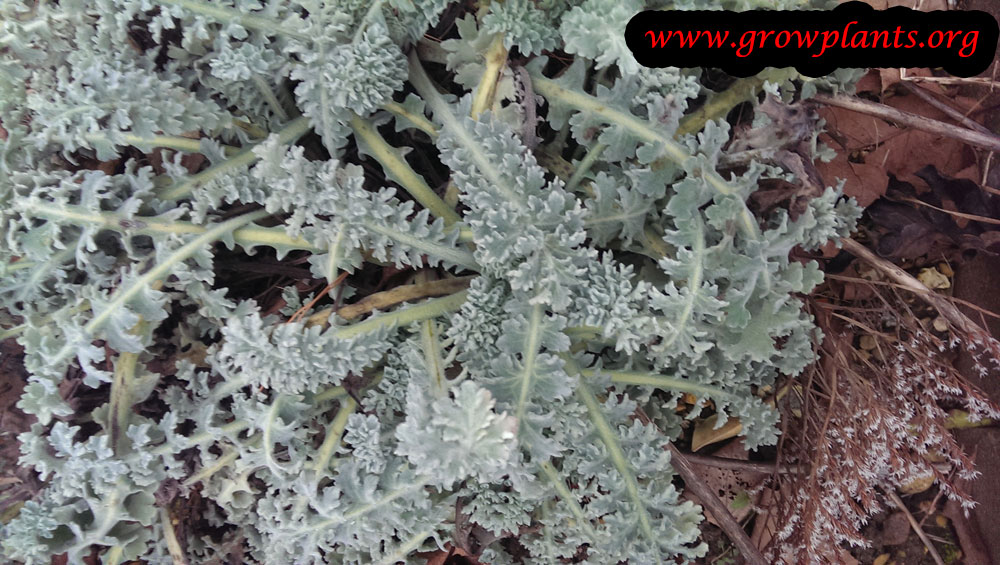
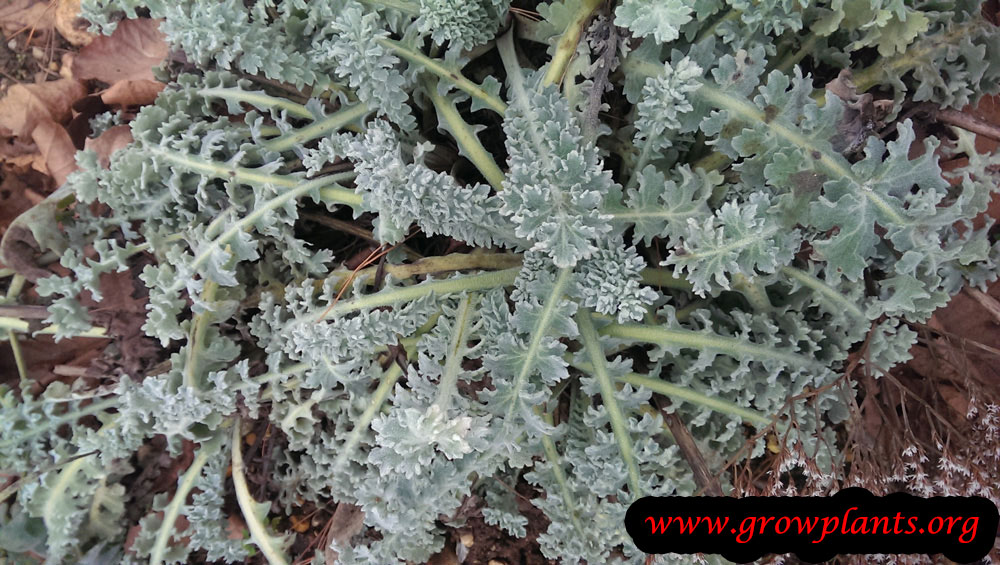
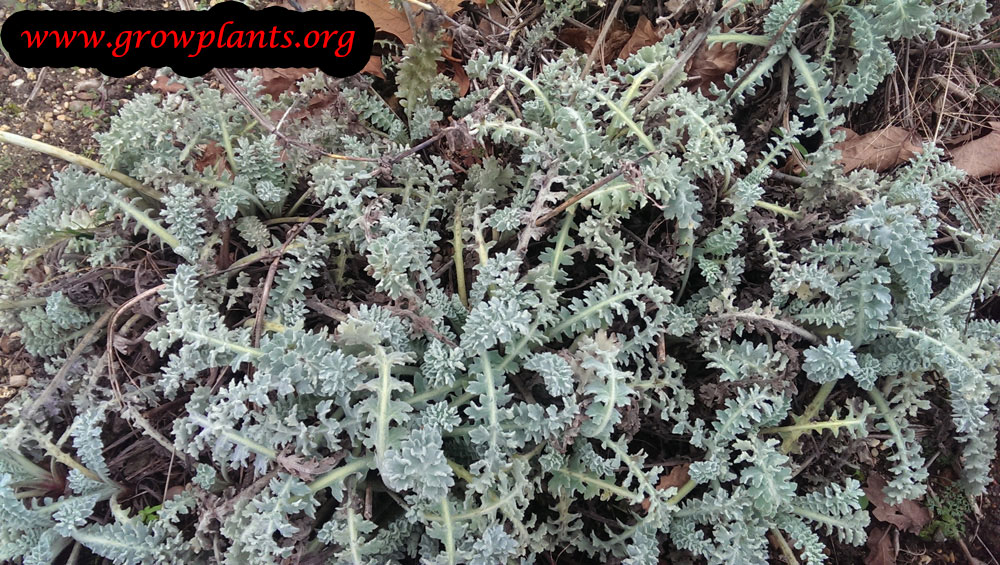
- Leaves & Foliage: Blue-green, deeply lobed (pinnatisect) leaves with a soft, velvety, hairy texture, held in a rosette.
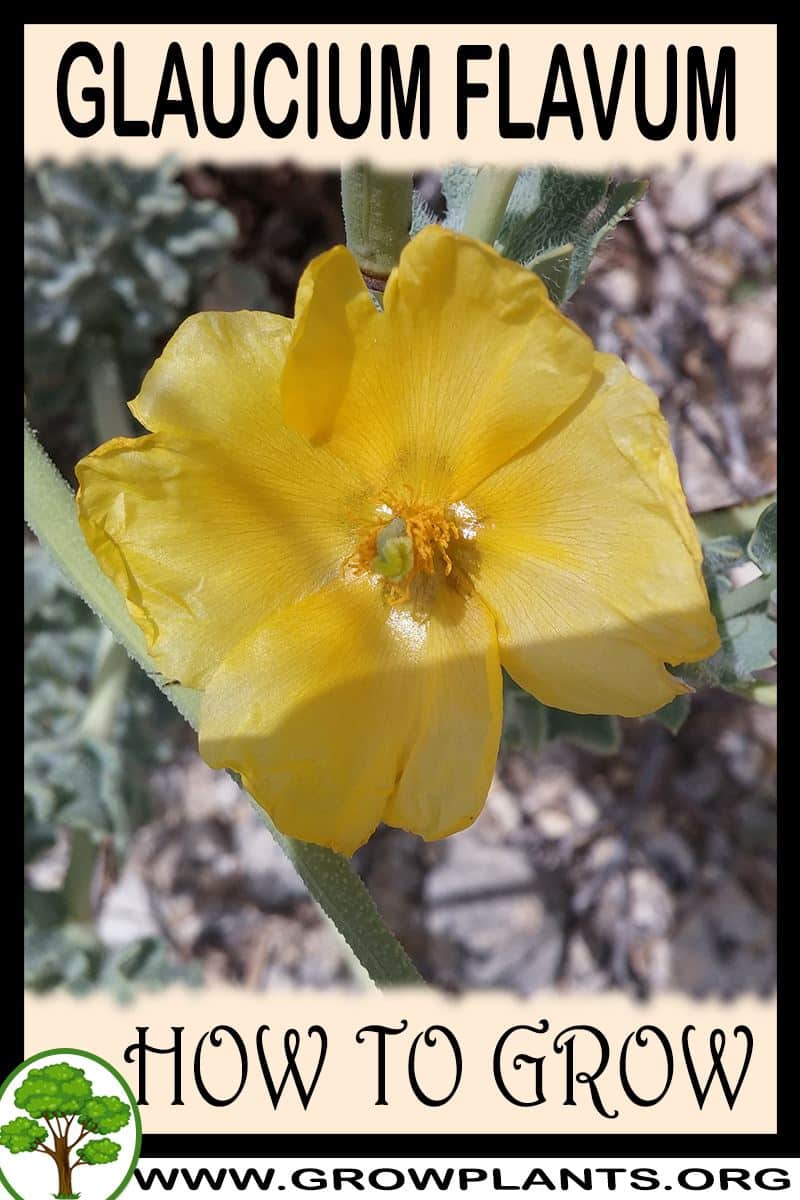
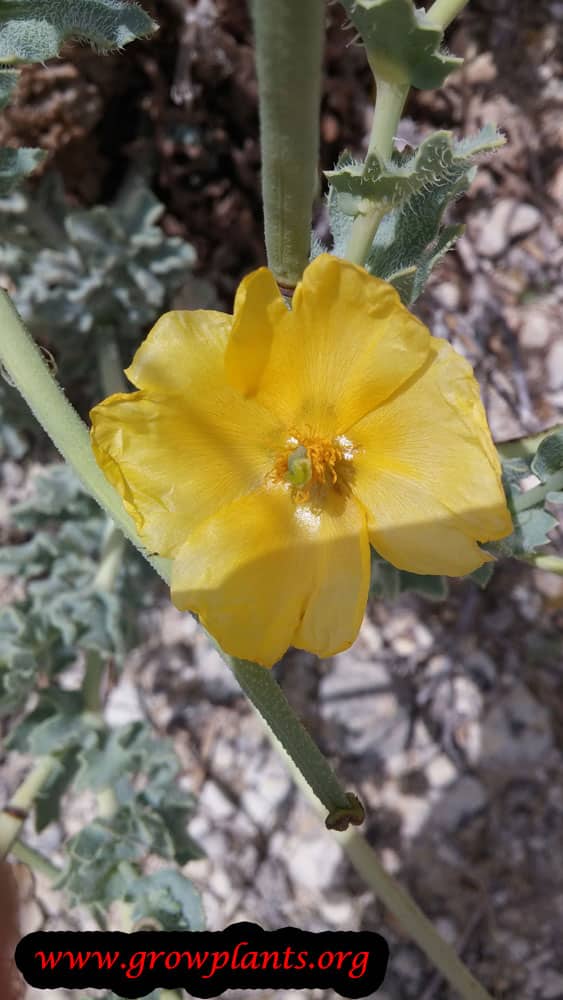
- Flower Characteristics: Yellow, orange or red poppy-like flowers with four petals, sometimes darker at the base.
Primary Uses & Landscape Value
- Functional & Ornamental Roles: A coastal, gravel- and drought-garden ornamental valued for its glaucous foliage and poppy flowers.
Care Guide: Planting, Soil & Watering
Overview: Yellow horned poppy (Glaucium flavum) is a fast-growing, drought-tolerant coastal plant (hardiness zone 6–10) for full sun to part shade, thriving in poor, sandy, sharply drained soil. It needs little water and resents rich or wet ground.
Quick Care Requirements
| Requirement | Ideal Condition |
|---|---|
| Planting Season | Warm season — spring, summer or autumn |
| Growth Rate | Fast to Moderate |
| Soil Type | Poor, sandy, sharply drained soil |
| Water Need | Low — drought-tolerant; let the soil dry between waterings |
Planting & Establishment
- Best Planting Season: Plant in the warm months of spring through autumn. It has a deep taproot and resents root disturbance, so it is best sown or planted in its final position while young.
- How to Plant:
- Hole Preparation: Dig a hole just large enough for the root ball and handle the taproot gently.
- Soil Amendments: No enrichment is needed — on heavy ground add coarse sand or grit for drainage; it thrives in lean, gritty soil.
- Planting Depth: Set the crown level with the soil surface; don’t bury it.
- Growth Speed & Expectations: Fast to moderate — forms a rosette of blue-grey foliage and flowers freely in its first seasons.
Soil, Watering & Drainage Care
- Soil Mix & Drainage Needs: Sharp drainage is essential; it tolerates sand, gravel and salt spray but rots in wet, rich soil. Use a gritty, free-draining mix in containers.
- Watering Schedule & Technique:
- Young / Newly Planted: Water lightly to establish, allowing the surface to dry between waterings.
- Established: Water sparingly — established plants are very drought-tolerant and prefer dry soil.
- Seasonal Adjustments: Little to no water is needed in cool or wet weather; water only in prolonged summer drought.
Climate, Light & Hardiness
Glaucium flavum (yellow horned poppy) is a drought-tolerant plant of Mediterranean, desert, subtropical and temperate climates, grown as either a short-lived perennial or an annual depending on conditions. It needs full sun to half shade with well-drained soil and little water, and its USDA zone 6–10 rating covers a genuinely broad climate range.
Quick Climate Specifications
| Climate Zones | Mediterranean, Desert, Subtropical, Temperate |
|---|---|
| USDA Hardiness Zones | 6–10 |
| Frost Tolerance | Moderate |
| Light Conditions | Full Sun / Half Shade |
| Salt / Coastal Tolerance | High (typical of this species) |
Sunlight & Light Exposure
Optimal Light Setup
Full sun to half shade both suit this species well.
Direct Sun Requirement
Not mandatory, though full sun tends to give the most compact, floriferous growth.
Best Exposure / Orientation
An open, well-drained bed, gravel garden, or coastal-style planting suits this species well.
Temperature Extremes & Hardiness
USDA Hardiness & Regional Limits
Hardy outdoors across USDA zones 6–10, a genuinely wide range spanning Mediterranean, desert, subtropical and temperate winters.
Cold Damage & Winter Protection
No special winter protection is generally needed within its zone range; where it behaves as an annual rather than a perennial, frost simply ends that season's growth rather than indicating any special vulnerability.
Frost Sensitivity
Moderate frost tolerance, consistent with its zone-6 rating.
Extreme Heat Tolerance
Good - well suited to hot Mediterranean, desert and subtropical summers as a drought-tolerant plant.
Wind, Humidity & Microclimate
Dry-Air Tolerance
Comfortable in the low humidity typical of Mediterranean and desert climates.
Salt / Coastal Tolerance
This species is best known in the wild as a plant of coastal shingle beaches and cliffs, so it is generally understood to tolerate salt spray and coastal exposure well - useful context beyond the site's own listed facts.
Rainfall & Seasonal Moisture
Wants only a small amount of water and fast-draining soil, consistent with its drought-tolerant, dry-climate origins.
Microclimate Recommendations
Gravelly, sharply drained, sun-exposed sites - including coastal gardens - suit this species particularly well.
Growing in Pots, Balconies & Indoors
Yellow horned poppy is a tough, drought-tolerant, full-sun plant the grower does not treat as a houseplant, though it grows in pots. A container is actually a smart choice because it is invasive – potting keeps it from seeding around. Indoors, only a very sunny sill works. It is toxic, so keep it away from children and pets.
Quick Details
- Container Size: A deep pot to suit its long taproot
- Indoor Suitability: Not a houseplant; sunny windowsill only
- Best Spot: Full sun to light shade
- Soil & Drainage: Very free-draining, gritty/sandy mix
- Watering in Pots: Sparing – it prefers things on the dry side
Indoors & On the Windowsill
- Houseplant limits: The grower marks it as unsuitable indoors – it is a full-sun coastal plant.
- Windowsill growing: Only a bright, direct-sun sill will keep it happy, and briefly.
- Safety: The plant is toxic – keep pots out of reach of children and pets.
On a Balcony or Patio
- Light & exposure: Full sun and good airflow suit it; it shrugs off heat and drought.
- Containment: Because it can be invasive, a pot is a good way to enjoy it while stopping it from self-seeding into surrounding ground.
Choosing the Pot, Soil & Long-Term Care
- Pot & drainage: A deep, very free-draining pot – use a container with strong drainage holes; skip a standing-water saucer to avoid root rot.
- Pot material: Terracotta breathes and dries fast (good where you tend to overwater); glazed or plastic pots hold moisture longer.
- Potting mix: a light, aerated potting mix – peat or coir blended with perlite or vermiculite, plus some organic matter/compost.
- Feeding: Potted plants exhaust their feed faster because water washes nutrients out, so feed a little more often than plants in open ground during active growth.
- Repotting: Refresh the top of the mix each growing season and pot up or divide roughly every couple of years, trimming crowded roots.
Fertilizing & Feeding
A light feeder: minimal balanced feeding during establishment and active growth is enough for this drought-tolerant plant, with feeding withheld during its natural dry-season slowdown.
Quick Fertilizing Specs
| Feeding Level | Light feeder |
|---|---|
| Main Nutrient Priority | Minimal, balanced feeding suits this drought-tolerant plant; excess nitrogen produces weak, floppy growth |
| Best Feeding Period | During active growth in the cooler, moister part of the year |
| Organic Options | A light application of compost worked into well-drained soil at planting |
| Reduce/Stop Feeding | Feeding is not needed during the dry season when the plant naturally slows |
| Micronutrients | Usually met by organic matter and a complete fertilizer |
| Soil pH | Tolerates a wide range, well-drained |
Feeding by Growth Stage
Establishment after planting
Help young plants root into well-drained soil.
| Nutrient direction | A light, balanced feeding supports establishment without forcing soft growth in this drought-tolerant plant. |
|---|---|
| Timing | At planting and through the first period of root establishment. |
| Frequency | Feeding is rarely needed beyond a light application at planting. |
| Fertilizer types | A diluted balanced fertilizer at planting, used sparingly, Compost worked lightly into the soil |
| Precautions | Avoid rich soil or heavy feeding; this coastal, drought-tolerant plant performs best in lean conditions. |
Active growth and bloom
Support steady growth and flowering during the plant’s active period.
| Nutrient direction | Minimal, balanced feeding is usually enough to sustain growth and bloom. |
|---|---|
| Timing | During the cooler, more active growing months. |
| Frequency | Minimal feeding is usually enough through the active season. |
| Fertilizer types | A balanced complete fertilizer, used sparingly, Compost as an occasional light top-dressing |
| Precautions | Overfeeding produces weak, floppy growth in a plant naturally adapted to lean, well-drained soil. |
Dry-season slowdown
Let the plant coast through its natural dry-season slowdown.
| Nutrient direction | None – withhold fertilizer as the plant slows in dry, hot conditions. |
|---|---|
| Timing | During the dry season when growth naturally slows. |
| Frequency | No feeding during this slowdown. |
| Fertilizer types | No feeding at this stage; do not fertilize while the plant is slowed by dry conditions. |
| Precautions | Do not fertilize during the dry-season slowdown; resume only when active growth returns. |
Nutrient Deficiency Signs & Corrections
Leaves are pale blue-green fading further and growth stalls.
| Possible causes | very low soil nitrogen, extremely lean, sandy or gravelly soil, root stress from poor establishment |
|---|---|
| Appears first on | older, lower leaves |
| What to check | soil organic matter, establishment history, overall plant vigor |
| Possible correction | Apply a light, balanced feeding and improve soil organic matter modestly. |
New growth shows interveinal yellowing while veins remain green.
| Possible causes | high soil pH limiting iron availability, waterlogged soil in a plant that needs excellent drainage, compacted or heavy soil |
|---|---|
| Appears first on | newest leaves |
| What to check | soil pH and drainage, recent watering amounts, planting site conditions |
| Possible correction | Improve drainage and soil conditions; apply a chelated iron product per its label if chlorosis persists. |
Growth turns soft and floppy or leaf edges scorch despite light watering.
| Possible causes | overfeeding a plant adapted to lean soil, fertilizer salt buildup, soil that is richer or wetter than this species prefers |
|---|---|
| Appears first on | new growth and leaf edges |
| What to check | recent fertilizer amounts, soil richness and drainage, watering frequency |
| Possible correction | Ease off feeding and favor lean, well-drained soil that matches this plant’s natural habitat. |
Pruning, Training & Seasonal Maintenance
Glaucium flavum is a drought-tolerant, rosette-forming poppy relative that needs minimal pruning. Per the source, the pruning window is autumn–winter, after its spring–summer bloom has finished, when dead leaves and spent flower stems are cut back. Because the source flags this species as both toxic and invasive, removing bloom stems before they fully disperse seed is a useful way to limit unwanted spread, alongside the routine autumn–winter tidy-up.
Quick Pruning & Maintenance Specs
| Pruning Tolerance | Low |
| Primary Pruning Window | Autumn–Winter, after flowering has finished (per the source) |
| Secondary Maintenance Window | Through bloom (spring–summer), deadheading to limit self-seeding given its invasive tendency |
| Typical Frequency | Once per year, plus optional deadheading through bloom |
| Main Objective | Remove dead leaves and spent bloom stems; contain self-seeding |
| Young Plant Priority | None – let the basal rosette establish before any cutting |
| Mature Plant Priority | Cut back dead leaves and spent bloom stems in autumn–winter |
| Best Tool Type | Precision snips |
| Avoid Heavy Pruning During | Spring–summer while actively flowering, unless deadheading specifically |
Pruning by Plant Age & Size
Newly Established
No cutting on a young rosette; let it establish first.
Young / Formative
No structural training applies – a basal-rosette habit with no framework to shape.
Mature / Established
Autumn–winter cutback of dead leaves and any remaining spent bloom stems; optional deadheading through the bloom season if limiting spread.
Seasonal Pruning Schedule
Spring–Summer (bloom)
Objective: limit self-seeding, given the source’s invasive flag. What to remove: spent flower stems as they fade. What not to remove: healthy rosette leaves.
Autumn–Winter (source’s stated pruning season)
Objective: tidy the plant heading into the cooler season. What to remove: dead leaves and any remaining spent bloom stems. What not to remove: green, current rosette leaves.
Special Growth to Remove
- Spent bloom stems, through bloom season if controlling spread, or at the latest in autumn–winter per the source.
- Dead or damaged leaves in autumn–winter.
- Self-sown seedlings beyond the intended area, given the source’s invasive listing.
Container & Small-Space Pruning
Glaucium flavum grows well in pots per the source. Containment in a pot is itself a useful way to manage its invasive tendency, limiting both root spread and how far dispersed seed can travel; the same autumn–winter tidy-up applies.
Tools
- precision_snips – all cuts are through soft rosette leaves and herbaceous flower stems.
Tool Hygiene & Disease Risk
Routine – no disease is specifically flagged for this species in the source.
Cut Placement & Technique
Cut spent bloom stems at their base; cut dead leaves at the base of the rosette, taking care not to damage the central crown.
Heavy Pruning & Rejuvenation
Not applicable in the woody sense – there is no persistent framework. A scruffy or declining rosette is best replaced or renewed from self-sown or collected seed rather than cut back hard.
Post-Pruning Care
Keep water low per the source’s small water need, especially after the autumn–winter cutback; watch for self-sown seedlings appearing beyond where wanted, given the invasive note, and remove unwanted ones while young.
Common Pruning Mistakes
- Letting spent bloom stems fully disperse seed when spread is unwanted, given the plant’s invasive tendency.
- Overwatering a drought-tolerant rosette after cutback.
When NOT to Prune
Avoid cutting into the central rosette crown at any time; avoid disturbing the plant while it is actively setting up its spring–summer bloom; handle with care given its toxicity.
Recommended Tools (by task)
- precision_snips – the only tool this soft-stemmed rosette plant needs, for deadheading and the autumn–winter cutback.
Propagation Guide
Yellow horned poppy is propagated from seed, its only practical method – like its poppy relatives it develops a persistent taproot once established, so cuttings and division are not viable. Seed comes true for the species and germinates readily, making propagation generally Easy; because the site notes this species can be invasive, controlling self-seeding is worth keeping in mind alongside deliberate propagation.
Quick Propagation Specs
| Best Propagation Method | Seed (direct sow, or start in situ) |
| Propagation Difficulty | Easy |
| Seed True-to-Type | Usually true-to-type (species) |
| Best Propagation Season | Spring, summer or autumn |
| Seed Germination Time | Typically several weeks |
| Seed Sowing Depth | Surface sow or very shallow cover; direct sow because of the taproot |
Growing from Seed
Seed Handling & Viability
Dry storage at room temperature is generally sufficient; sow reasonably fresh seed for the most reliable results.
Sowing Season
Spring, summer or autumn.
Sowing Depth & Orientation
Surface sow or cover only very lightly, and sow directly where the plant is to grow – like other taprooted poppy relatives it does not transplant well once past the seedling stage.
Germination Conditions
Well-drained soil in full sun to half shade; keep evenly but lightly moist during germination.
Germination Time
Cautiously estimated at several weeks.
Seedling Care
Avoid transplanting older seedlings due to the sensitive taproot. Because the site flags this species as capable of self-seeding invasively, removing spent flower heads before seed drop is a simple way to control unwanted volunteer seedlings.
Bloom & Flower Guide
Quick Details
- Bloom Season: Spring to summer
- Time to First Bloom: Often flowers in its second year (it is biennial to short-lived perennial), though it may bloom the first year in mild areas
- Flower Appearance: Four-petalled, poppy-like flowers in yellow, orange or red, often darker at the base of the petals
- Edibility: Toxic – all parts contain poisonous alkaloids; not edible
Detailed Blooming Overview
The yellow horned poppy is a tough, drought-tolerant coastal plant whose bright four-petalled flowers open above a mound of blue-grey, wavy foliage through spring and summer. Each bloom is fleeting, but they open in succession over a long season.
Flower Characteristics
- Four crepe-like petals in yellow, orange or red, sometimes darker toward the base.
- Set against distinctive blue-grey, deeply cut leaves.
Bloom Care & Thinning
- Deadheading: Remove spent blooms to keep flowers coming.
- Position: Full sun and sharp drainage give the most flowers; it thrives in poor, gritty soil.
- Safety: All parts contain toxic alkaloids – handle with care and do not eat.
Pests, Diseases & Troubleshooting
Overview: The yellow horned poppy (Glaucium flavum) is a tough, short-lived coastal poppy adapted to poor, sharply drained, salty ground, and it is remarkably free of serious pests. Its real weakness is the opposite of most garden plants: it rots in rich, wet or heavy soil and resents transplanting because of its long taproot. Grow it lean and dry, sow it in place, and you will rarely see a pest. Note its sap is toxic.
Quick Troubleshooting Overview
| Issue / Pest | Main Symptom | Primary Solution |
|---|---|---|
| Root rot (abiotic) | Collapse in rich, wet or heavy soil | Grow lean in sharp-draining, gritty soil; never waterlog |
| Transplant failure | Seedlings sulk or die after being moved | Sow in situ; the taproot resents disturbance |
| Aphids | Sticky, distorted young growth and buds | Hose off, encourage predators; soap or neem if needed |
| Downy mildew | Yellow blotches with grey mould beneath in wet spells | Airflow, sharp drainage, remove affected leaves |
| Damping-off (seedlings) | Seedlings collapse at soil line | Sow thinly in gritty mix, avoid overwatering, good airflow |
| Short-lived habit | Plants decline after 2–3 years | Let it self-seed to renew the colony |
Common Pests & Management
- Aphids (Aphis fabae / Myzus spp.):
- Symptoms: Soft-bodied colonies on flower buds, stems and young leaves, with distortion and honeydew; the main (and minor) insect pest.
- Prevention & Control: Hose off, support ladybirds and lacewings, and treat only heavy colonies with insecticidal soap or neem in the evening; tough established plants shrug off light infestations.
- Slugs & snails (Deroceras / Cornu spp.):
- Symptoms: Grazing on seedlings and soft new growth in damp conditions, with slime trails; mostly a threat at the seedling stage.
- Prevention & Control: Protect seedlings with grit or barriers, hand-collect at night, and grow on lean, dry, open ground that slugs dislike.
- Flea beetles (Phyllotreta spp.):
- Symptoms: Tiny pinhole shot-holing of young leaves in warm dry weather; usually cosmetic on vigorous plants.
- Prevention & Control: Keep seedlings growing strongly, use fine mesh over emerging plants if needed, and tolerate minor damage on established plants.
- Capsid bugs (Lygus spp.):
- Symptoms: Sap-sucking that kills small spots of tissue, leaving puckering and tattered holes on new leaves; minor.
- Prevention & Control: Encourage predators and clear weedy cover; rarely needs treatment.
Diseases & Fungal Issues
- Downy mildew (Peronospora spp.):
- Symptoms: Angular yellow blotches on the upper leaf with a grey-purple furry growth beneath in cool, damp weather; more likely in crowded or wet sites.
- Treatment & Management: Grow with sharp drainage and full airflow, avoid overhead watering, and remove affected leaves; the plant’s preferred lean, dry conditions largely prevent it.
- Powdery mildew (Erysiphe / Golovinomyces):
- Symptoms: White powdery patches on leaves late in the season, usually cosmetic on this tough plant.
- Treatment & Management: Improve airflow and avoid drought stress; sulfur or bicarbonate only if disfiguring.
- Damping-off (Pythium / Rhizoctonia):
- Symptoms: Seedlings collapse at the soil line and rot in overwet, cold or crowded seed conditions.
- Treatment & Management: Sow thinly in a gritty, free-draining mix, keep it on the dry side, ensure airflow, and avoid overwatering; sow direct where possible.
Growing Difficulties & Abiotic Problems
- Root rot in rich, wet soil:
- Cause & Symptoms: The chief killer: this coastal shingle plant rots in fertile, heavy or waterlogged ground.
- Correction Strategy: Grow lean and hard in gritty, sharply drained, even sandy or gravelly soil; never feed heavily or overwater. Raised or sloped positions suit it.
- Transplant resentment:
- Cause & Symptoms: A deep taproot means seedlings sulk, check or die when moved.
- Correction Strategy: Sow seed directly where plants are to grow, or transplant only very young seedlings with the root intact; avoid disturbing established plants.
- Short-lived habit:
- Cause & Symptoms: Plants are biennial to short-lived perennial and decline after a couple of years.
- Correction Strategy: Allow it to self-seed to maintain the colony, and collect seed to sow fresh; think of it as a self-renewing drift rather than a permanent clump.
- Toxic sap:
- Cause & Symptoms: All parts contain alkaloids (including glaucine); the yellow-orange sap can irritate skin and is poisonous if eaten.
- Correction Strategy: Wear gloves when cutting, wash hands afterwards, and site away from where children or pets might chew it.
What Helps – Products & Tools
This plant needs tools less than the right site: grit, sand and sharp drainage do most of the work. Keep insecticidal soap or neem for the occasional aphid outbreak, and manage seedlings against slugs with grit barriers; fungicides are rarely justified.