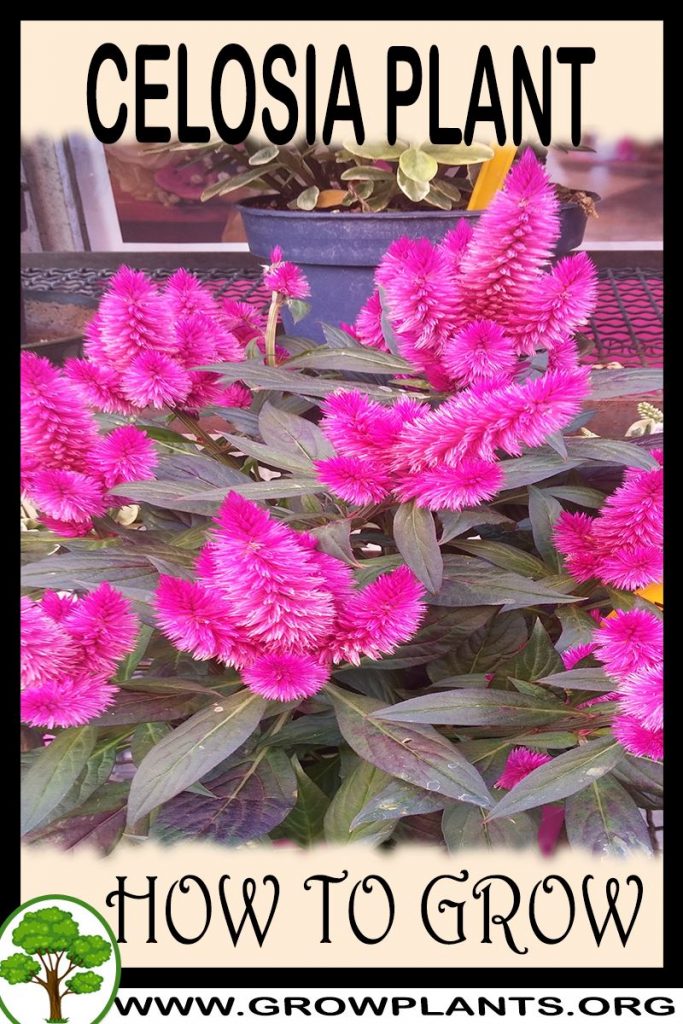
Plant Profile & Key Characteristics
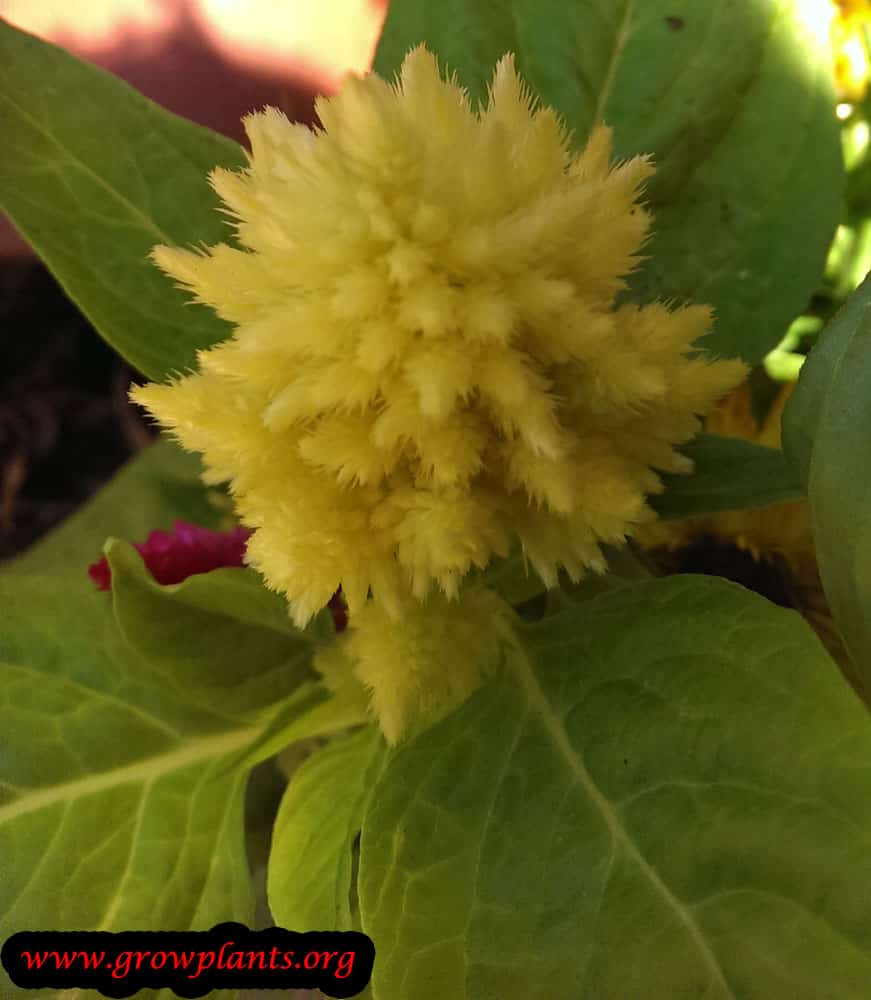
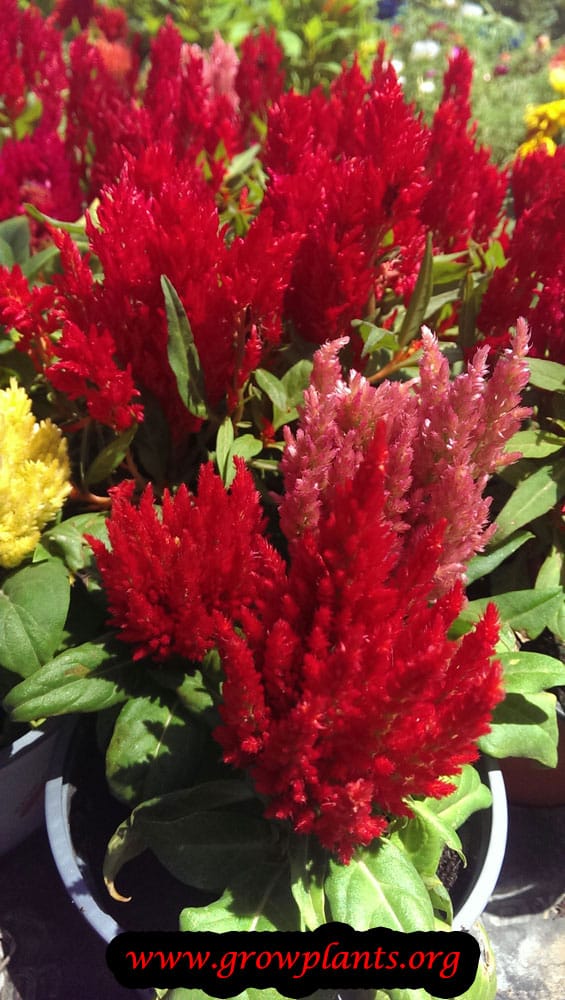
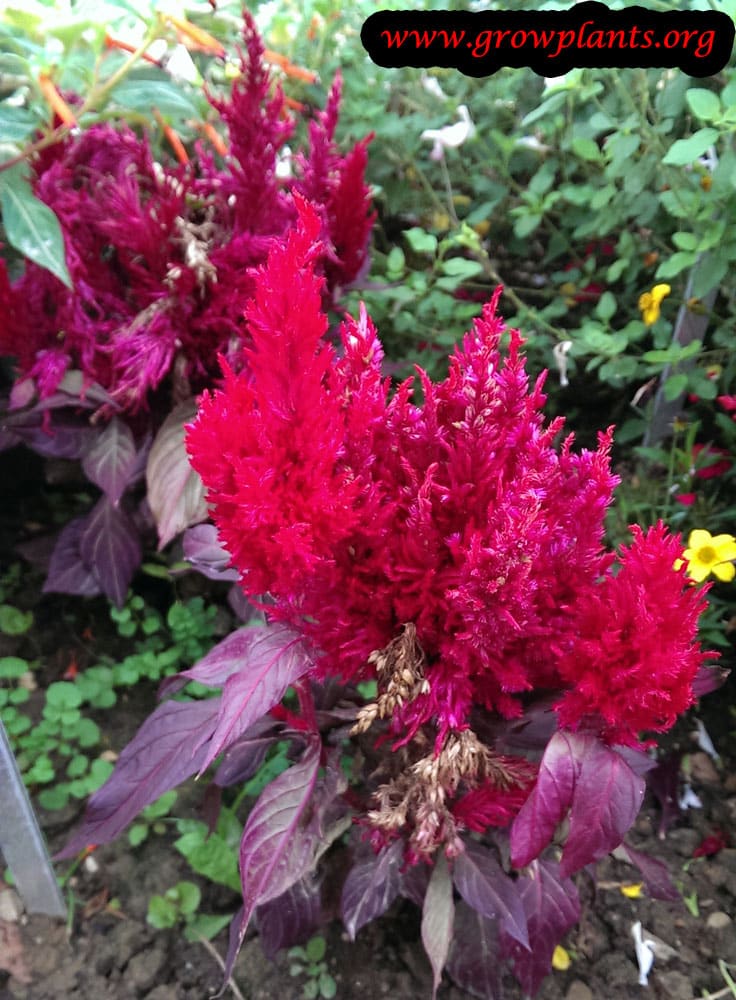
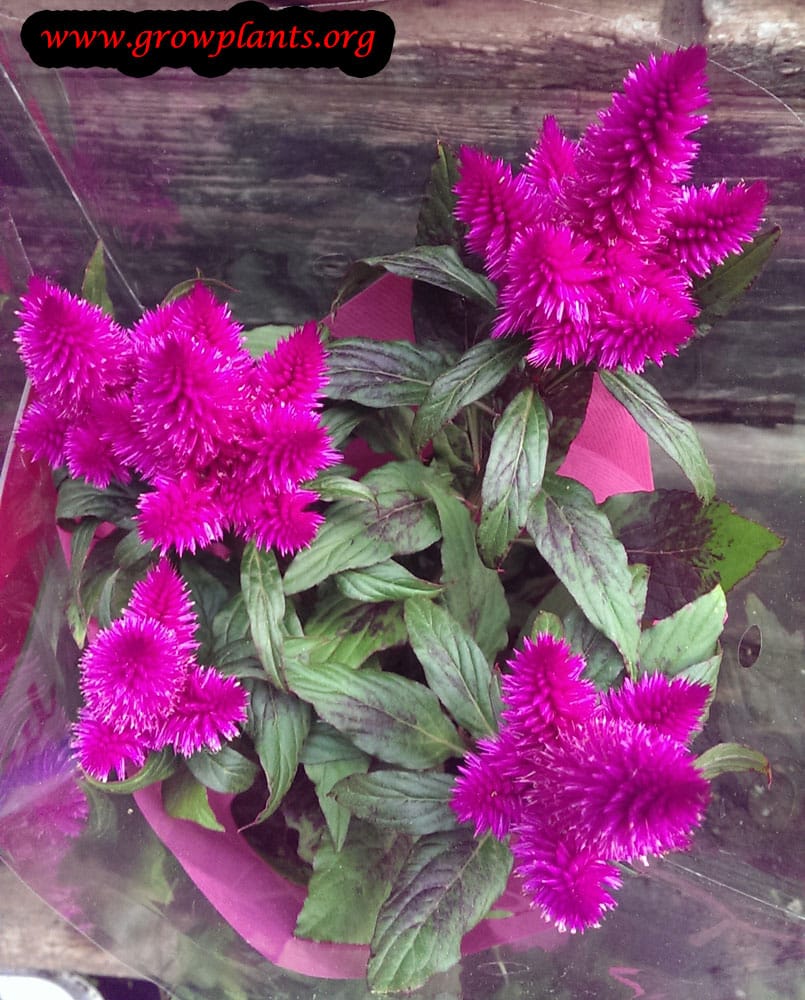
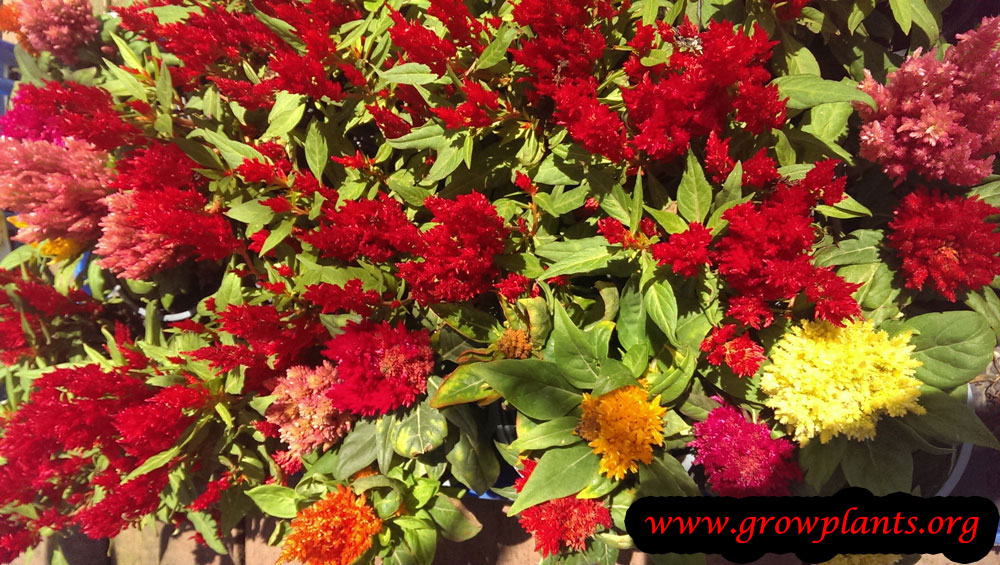
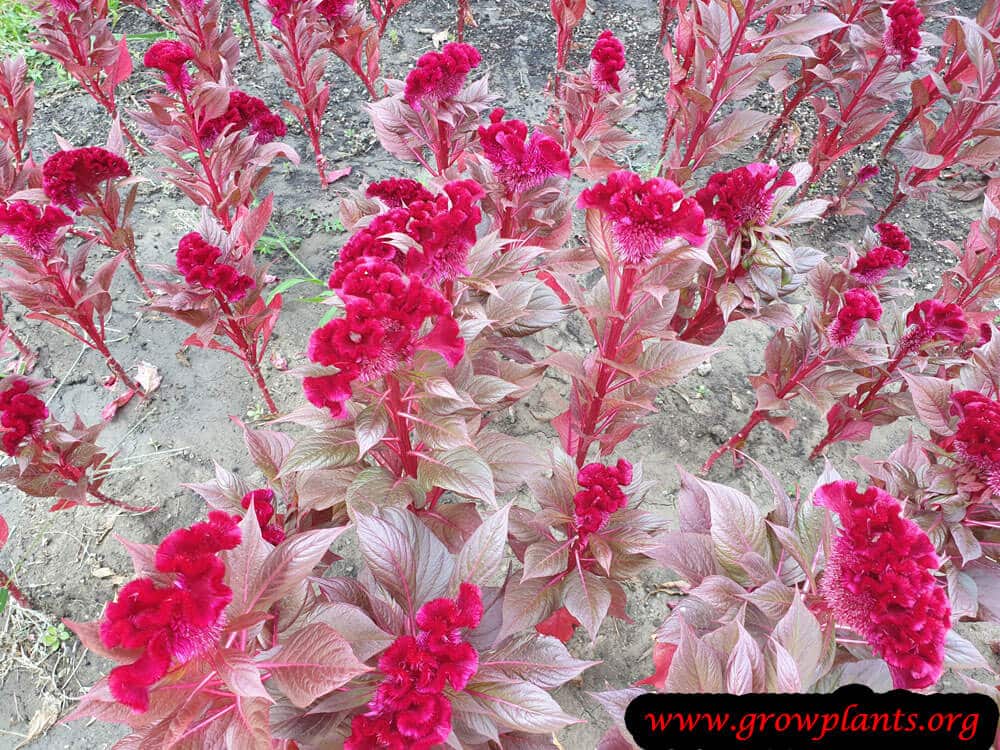
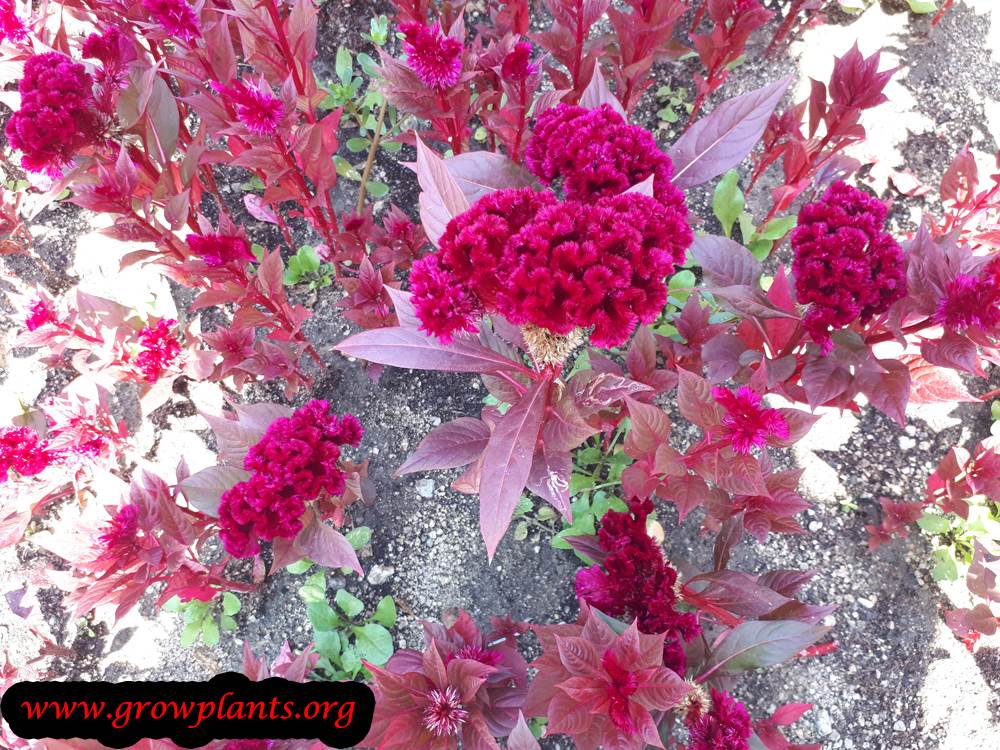
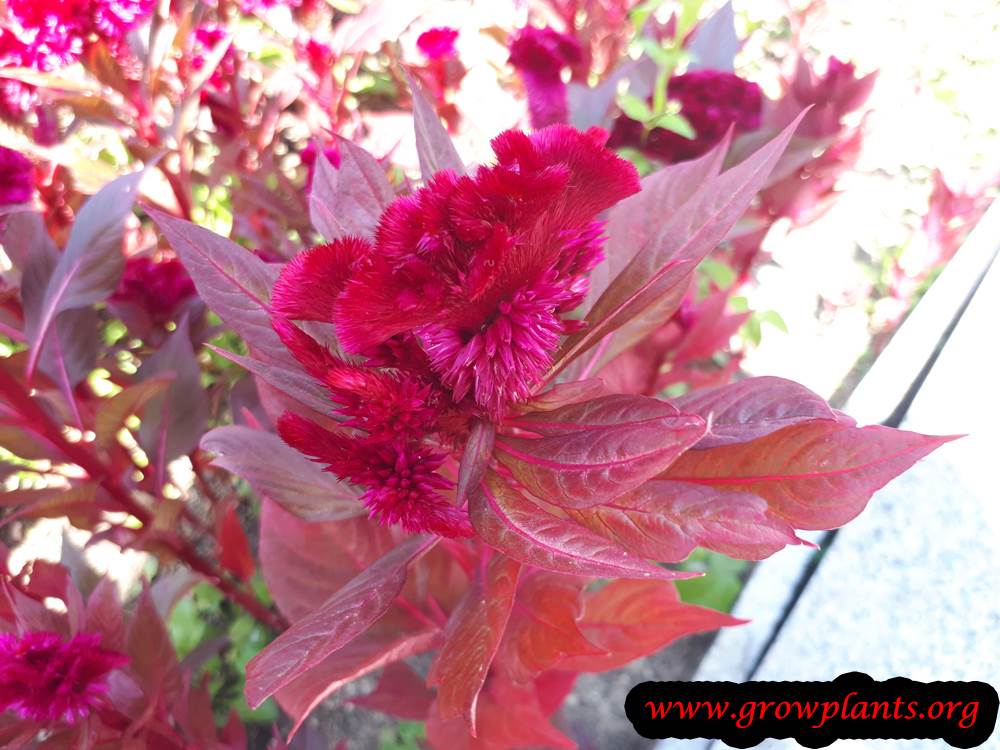
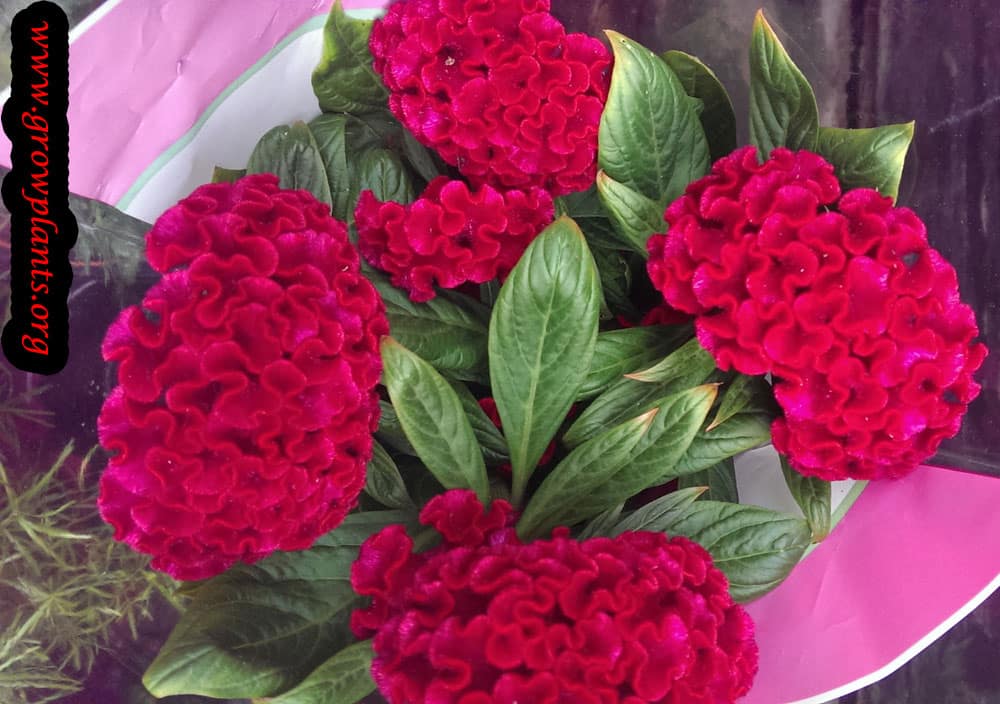
Overview: Celosia argentea var. plumosa (celosia / woolflower) is a fast-growing herbaceous annual, 10-90 cm (4-36 in), grown mainly as a colourful ornamental but with edible leaves and flowers. It produces cone- to pyramid-shaped feathery plumes in pink, purple, yellow, red, orange or magenta in warm-season bedding schemes and containers.
Quick Specifications
| Specification | Attribute |
|---|---|
| Plant Type / Life Cycle | Annual |
| Foliage Type | Herbaceous (grown as a warm-season annual) |
| Mature Size | 10-90 cm tall (4-36 in) |
| Growth Rate | Fast |
| Toxicity | Non-toxic – leaves and flowers are edible. |
| Hardiness | USDA zones 2+ (frost-tender annual) |
Growth Form & Structure
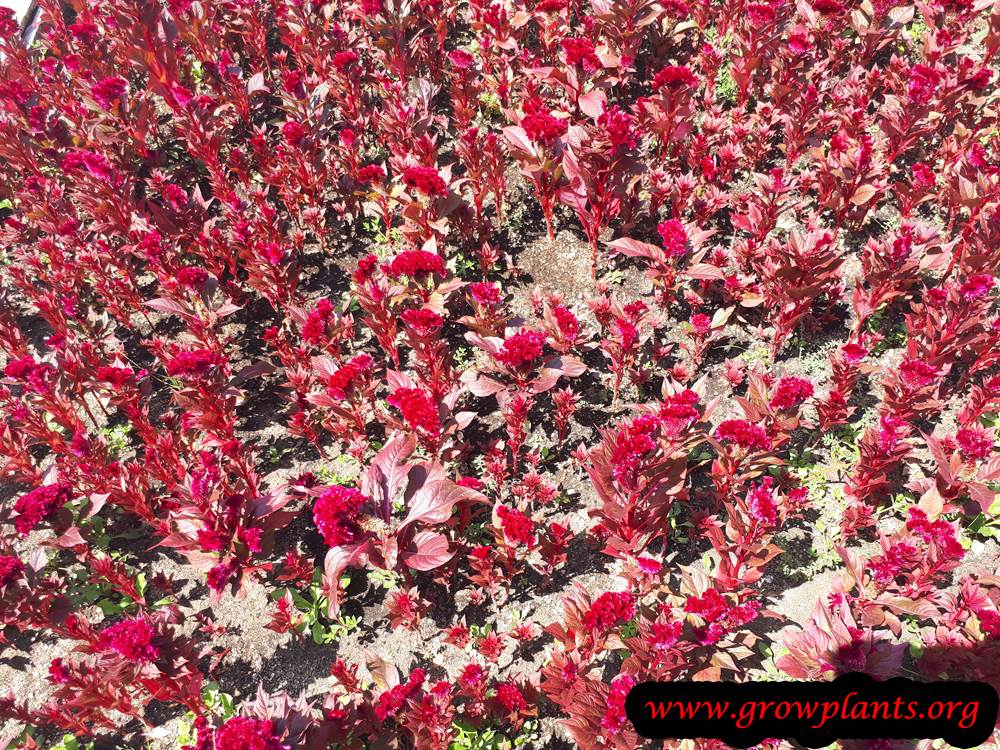
- Height & Spread: 10-90 cm (4-36 in) in beds; also grows well in planters and containers.
- Growth Habit & Form: Upright, bushy herbaceous annual topped by dense flower heads.
- Lifespan & Maturity: Fast-growing single-season annual flowering from spring through autumn.
Anatomy & Physical Features
- Leaves & Foliage: Oval edible leaves in green, red, purple or multicoloured.
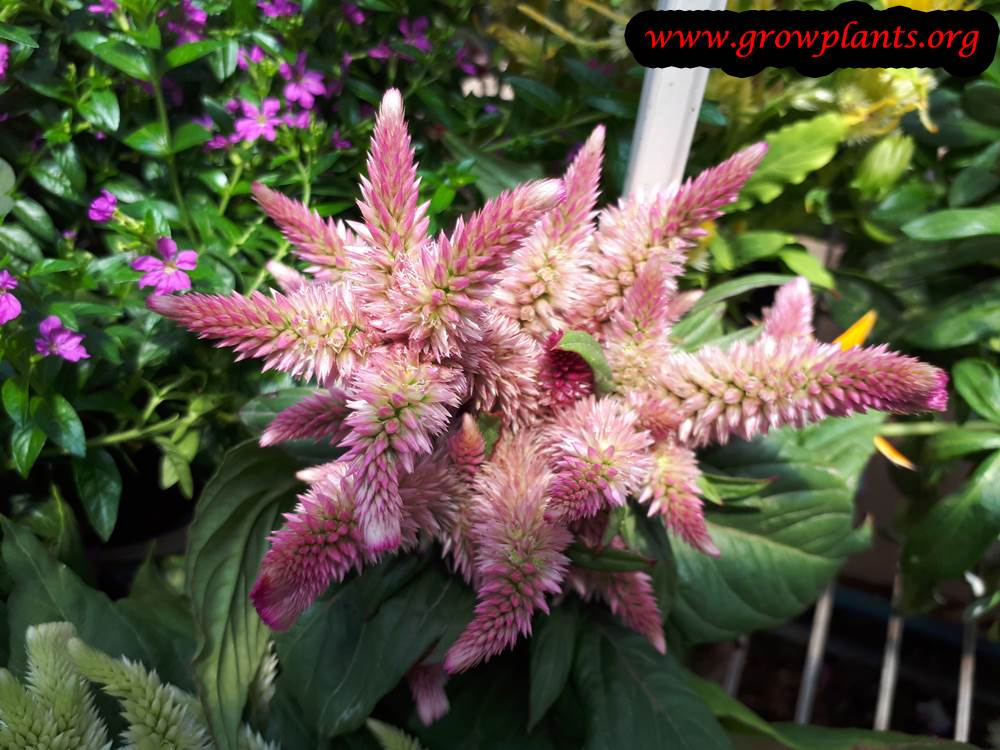
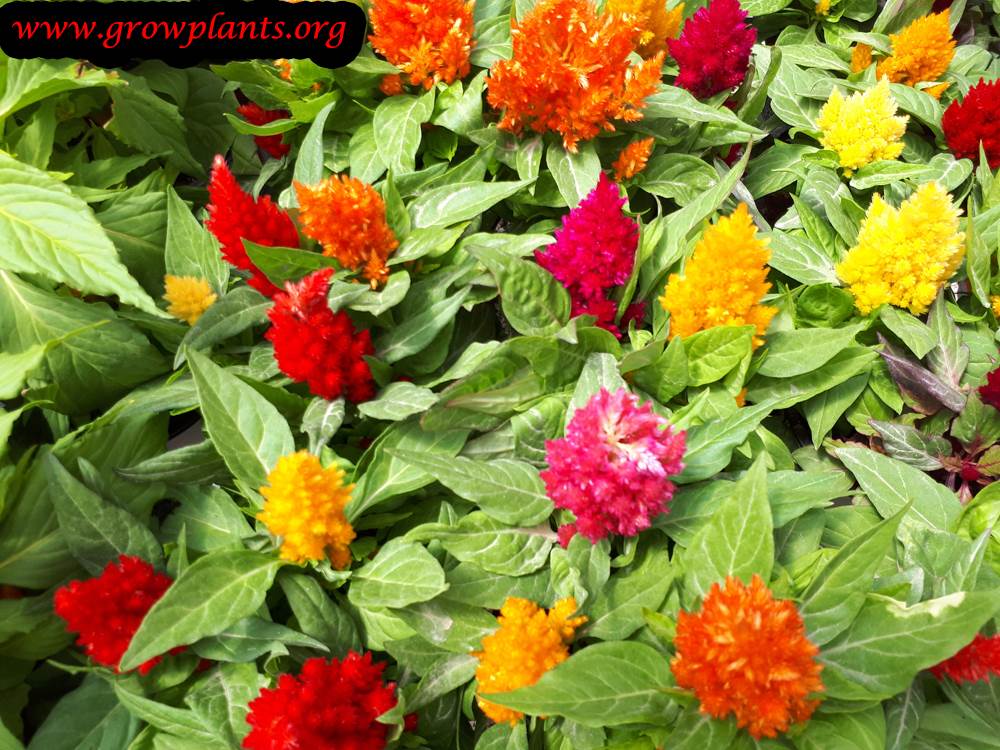
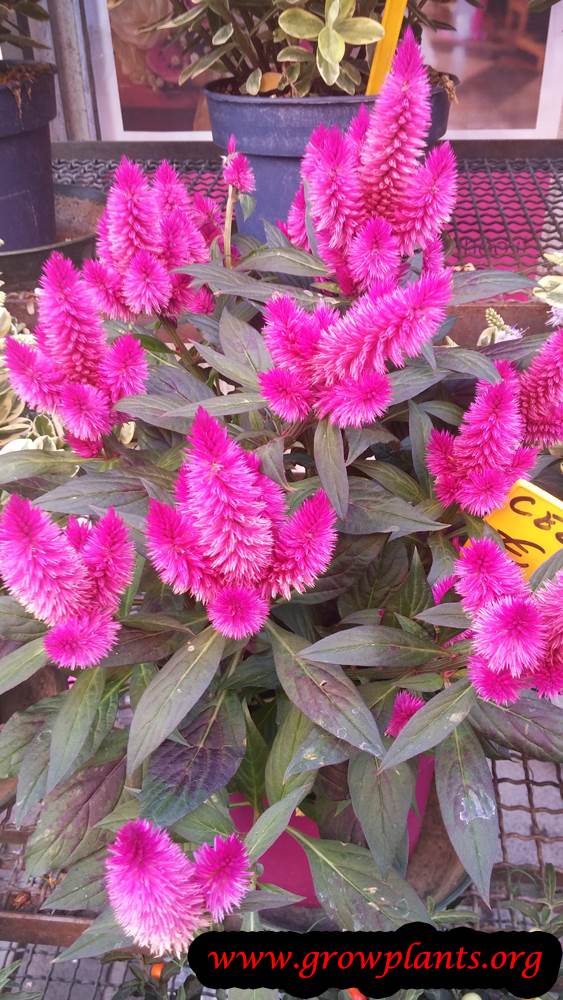
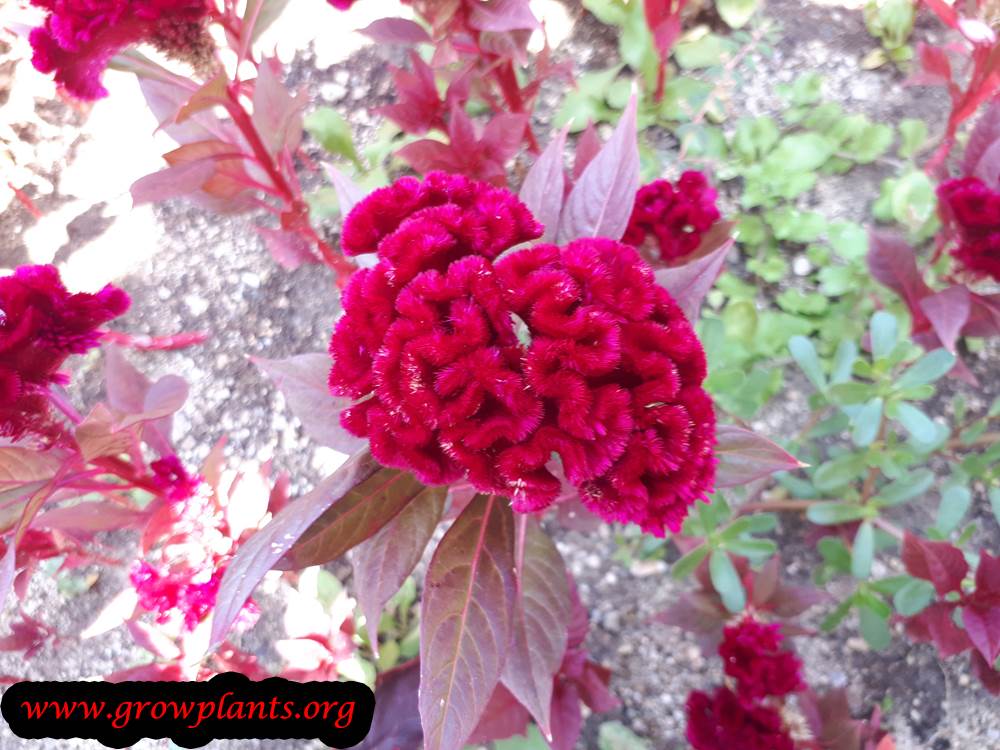
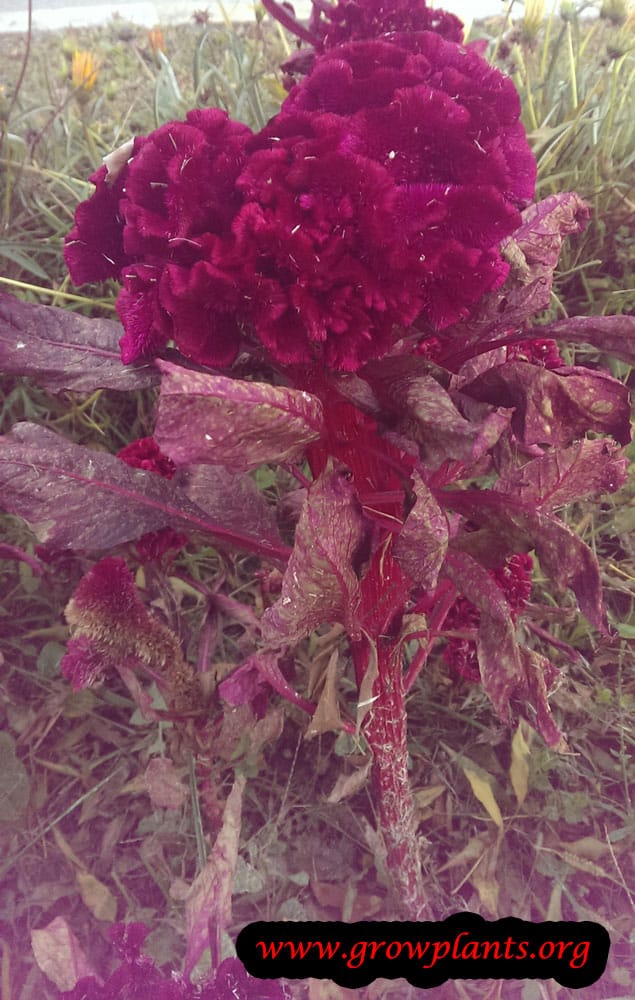
- Flower Characteristics: Small flowers in feathery cone- or pyramid-shaped plumes, in pink, purple, yellow, red, orange or magenta; bee-pollinated.
Primary Uses & Landscape Value
- Edible Uses: Young leaves are eaten raw in salads or cooked and stir-fried; the flowers are also edible.
- Functional & Ornamental Roles: Bright ornamental for beds, borders and containers and as a cut and dried flower; also grown as a leafy vegetable.
Care Guide: Planting, Soil & Watering
Overview: Celosia plant (Celosia argentea var. plumosa) is a fast-growing warm-season annual for a wide range of climates (hardiness zone 2+ as a summer annual), thriving in full sun. It likes a rich, moist but well-drained soil and steady moisture through the growing season.
Quick Care Requirements
| Requirement | Ideal Condition |
|---|---|
| Planting Season | In spring once the soil has warmed and frost has passed |
| Growth Rate | Fast |
| Soil Type | Rich, moist, well-drained soil |
| Water Need | Moderate – keep evenly moist, never waterlogged |
Planting & Establishment
- Best Planting Season: Plant out in spring after the last frost, once the soil has warmed.
- How to Plant:
- Hole Preparation: Loosen the bed to a fine tilth, clear weeds, and space plants to allow airflow.
- Soil Amendments: Work in compost or well-rotted organic matter for fertility and moisture retention.
- Planting Depth: Sow seed shallowly, or set transplants with the root ball level with the soil surface.
- Growth Speed & Expectations: A fast grower that flowers the same season, reaching 10-90 cm (4-36 in) depending on variety.
Soil, Watering & Drainage Care
- Soil Mix & Drainage Needs: A moisture-retentive but free-draining soil is ideal; in containers use a rich, free-draining potting mix.
- Watering Schedule & Technique:
- Young / Newly Planted: Keep the seedbed and young plants consistently moist while they establish.
- Established: Water regularly so the soil stays lightly moist; avoid drought stress, which checks growth.
- Seasonal Adjustments: More in summer heat and dry spells; ease back in cool, damp weather, and water at the base to keep foliage dry.
Climate, Light & Hardiness
Celosia plant is a heat-loving, sun-craving annual grown fresh each warm season in mediterranean, desert, subtropical, temperate, and tropical gardens alike, since it has no meaningful winter cold tolerance. Full sun produces the healthiest, most compact plants and the brightest flower color.
Quick Climate Specifications
| Climate Zones | Mediterranean, desert, subtropical, temperate, tropical |
|---|---|
| USDA Hardiness Zones | Grown as a warm-season annual from USDA zone 2 upward; not winter-hardy anywhere |
| Optimal Temp Range | Approximately 21–29°C (70–85°F) |
| Cold Damage Begins | Approximately 10°C (50°F) – growth stalls and leaves may discolor |
| Approx. Survival Minimum | Killed outright by frost, near 0°C (32°F) |
| Frost Tolerance | None |
| Light Conditions | Full Sun / almost full sun |
| Wind Tolerance | Moderate |
Sunlight & Light Exposure
Optimal Light Setup
Full sun is essential for compact growth, strong stems, and abundant, well-colored flower plumes.
Direct Sun Requirement
Needs most of the day in direct sun; in too much shade it stretches and blooms poorly.
Shade & Heat Management
Despite being sun-loving, the source notes plants can be burned by the sun on hot days, especially in desert climates – keeping soil consistently moist reduces scorch risk, and a little relief from the most intense midday sun can help in extreme heat.
Best Exposure / Orientation
Open beds or containers with unobstructed sun exposure.
Temperature Extremes & Hardiness
USDA Hardiness & Regional Limits
Commonly grown as an annual essentially everywhere because it has no frost tolerance; it can only continue growing year-round in truly frost-free tropical or warm-subtropical conditions.
Cold Damage & Winter Protection
Cool nights below roughly 10°C (50°F) slow growth; no winter protection is needed since the plant is treated as a disposable annual once frost arrives.
Frost Sensitivity
Highly frost-sensitive – a light frost ends the plant.
Extreme Heat Tolerance
Good with adequate soil moisture; prolonged heat combined with dry soil can scorch leaves and flower heads (see Shade & Heat Management).
Wind, Humidity & Microclimate
Humidity Preferences
Adapts across a wide humidity range, from dry desert air to humid subtropical and tropical conditions.
Wind Tolerance
Moderate; taller plants can benefit from a sheltered spot or light staking in windy sites.
Rainfall & Seasonal Moisture
Grown through the warm season; in desert climates it depends on irrigation rather than rainfall for the moist, well-drained soil it prefers.
Microclimate Recommendations
Choose a warm, sunny, sheltered planting spot and avoid low frost pockets, since even light frost ends the display.
Growing in Pots, Balconies & Indoors
Celosia (plumosa type) (Celosia argentea var. plumosa) is a bright, sun-loving annual of 10-90 cm (4-36 in). The grower notes it is not an indoor houseplant, but it grows well in pots and planters on a sunny balcony or patio.
Quick Details
- Container Size: A small to medium pot suits these compact plants
- Indoor Suitability: Not a houseplant; at most a short spell on a very sunny sill
- Best Spot: Full or almost-full sun
- Soil & Drainage: Free-draining, organic-rich mix
- Watering in Pots: Average water; keep evenly moist, never waterlogged
Indoors & On the Windowsill
- Houseplant limits: The grower marks it as not for indoors – it needs strong sun to keep its dense, colourful plumes, and grows pale and floppy in weak light.
- Windowsill note: Only the very sunniest sill can hold a pot briefly; it performs far better outdoors.
On a Balcony or Patio
- Light & wind: Give it the sunniest, warmest spot. Pots against warm walls dry fast, so check moisture regularly and shelter the plumes from strong wind.
Choosing the Pot, Soil & Long-Term Care
- Pot & drainage: A pot with strong drainage holes is essential; skip a permanently full standing-water saucer to avoid root rot. Terracotta breathes and dries faster, while glazed or plastic holds moisture longer.
- Potting mix: A well-aerated, organic-rich mix – potting mix or peat/coir with perlite or vermiculite – works best.
- Feeding: Potted plants need feeding more often than those in the ground, since watering steadily leaches nutrients out of the container.
Growing this plant in a greenhouse
A greenhouse can give celosia plant frost protection, cold protection, humidity control and extra warmth.
Greenhouse at a glance
| Greenhouse suitability | Conditional - depends on your climate |
|---|---|
| Main benefits | frost protection, cold protection, humidity control, extra warmth |
| Season extension | earlier spring & later autumn |
| Outdoor protection advisable below | about 10°C |
| Maintain greenhouse minimum | around 10°C for active growth |
| Suitable types | heated greenhouse, polycarbonate greenhouse |
| Heating | Heating is recommended in cold climates for continuous growth. |
Related greenhouse guides
- Greenhouses: How to Choose the Right Greenhouse
- Best Greenhouse Heaters
- Greenhouse Climate Control: Temperature, Ventilation and Humidity
- Polycarbonate Greenhouses: What to Look for Before Buying
Fertilizing & Feeding
Moderate – a fast-growing bedding annual grown for its plumed flower spikes; steady, balanced nutrition through its short life cycle keeps growth and bloom coming without forcing weak stems.
Quick Fertilizing Specs
| Feeding Level | Moderate – fast growth and continuous bloom call for dependable, balanced nutrition. |
|---|---|
| young_feeding | A balanced starter feed as seedlings or transplants establish. |
| mature_feeding | Regular light-to-moderate balanced feeding through vigorous growth and bloom. |
| Main Nutrient Priority | Balanced nutrition with dependable nitrogen to support fast foliage and flower-spike production. |
| Best Feeding Period | From establishment through the spring-to-autumn bloom season. |
| Organic Options | Compost or well-rotted organic matter worked into the bed at planting. |
| Soil pH | Tolerates a wide range of garden soils; near-neutral is fine. |
| Reduce/Stop Feeding | Ease off feeding as the plant finishes flowering and completes its annual cycle. |
| Micronutrients | Rarely needed on ordinary garden soil; correct only if a deficiency shows. |
Feeding by Growth Stage
Establishment and early growth
Support quick root and shoot development after transplanting or seedling emergence.
| Nutrient direction | A balanced complete fertilizer with dependable nitrogen to push fast early growth. |
|---|---|
| Timing | As seedlings or transplants establish in spring. |
| Frequency | Regular light feeding through early establishment. |
| Fertilizer types | Balanced complete fertilizer, Compost or well-rotted organic matter |
| Precautions | Avoid heavy nitrogen doses that promote soft, lush growth at the expense of sturdy stems. |
Vigorous growth and bloom
Sustain steady flowering on the plumed flower spikes through the season.
| Nutrient direction | Continue a balanced feed with adequate nitrogen; a high-phosphorus bloom booster is not needed to drive flowering. |
|---|---|
| Timing | Through the spring-to-autumn bloom period. |
| Frequency | Regular light-to-moderate feeding while the plant is actively flowering. |
| Fertilizer types | Balanced complete fertilizer |
| Precautions | In hot, sunny spells the foliage can scorch; keep watering consistent alongside feeding rather than increasing fertilizer strength. |
End-of-season decline
Let the plant complete its annual life cycle without pushing new growth.
| Nutrient direction | None – withhold fertilizer as the plant finishes flowering and declines toward the end of the season. |
|---|---|
| Timing | Late in the growing season as the annual cycle ends. |
| Frequency | No feeding at this stage. |
| Fertilizer types | No feeding at this stage – the plant is completing its annual life cycle. |
| Precautions | Do not fertilize a declining annual; clear spent plants once flowering ends. |
Nutrient Deficiency Signs & Corrections
Overall pale green to yellowish leaves and slowed growth.
| Possible causes | Low soil nitrogen, Waterlogged or compacted soil limiting root uptake, Root damage from nematodes reducing nutrient and water uptake |
|---|---|
| Appears first on | Older, lower leaves first. |
| What to check | Recent feeding history, Soil drainage and compaction, Roots for nematode damage or galling |
| Possible correction | Apply a balanced complete fertilizer and improve soil drainage; where nematodes are suspected, address them directly since feeding alone will not fix root damage. |
Yellowing between the veins of the newest leaves while the veins stay green.
| Possible causes | High or alkaline soil pH locking up iron or manganese, Overly wet or cold soil reducing micronutrient uptake, Genuinely low available iron in the soil |
|---|---|
| Appears first on | Newest leaves at the shoot tips. |
| What to check | Soil pH, Drainage and recent watering, Whether older leaves remain unaffected |
| Possible correction | Correct soil pH toward a more neutral range, improve drainage, and if it persists apply a chelated iron product per its label. |
Browned, crisped leaf edges or patches, especially on plants in full sun during hot spells.
| Possible causes | Sun and heat stress rather than a nutrient issue, Underwatering during hot weather, Fertilizer salt buildup from over-application |
|---|---|
| Appears first on | Leaf margins and the most exposed foliage. |
| What to check | Recent weather and watering, Recent fertilizer amounts, Whether shaded portions of the plant are unaffected |
| Possible correction | Keep the plant consistently watered through heat, and ease off feeding if salts may have built up; heat scorch is not corrected by adding fertilizer. |
Lush leafy growth but few flower spikes.
| Possible causes | Excess nitrogen favoring foliage over flowers, Insufficient direct sun, Overly frequent feeding |
|---|---|
| Appears first on | The whole plant, most noticeable on the most vigorous stems. |
| What to check | Recent nitrogen inputs, Hours of direct sun the plant receives, Feeding frequency |
| Possible correction | Moderate nitrogen, rely on a balanced feed, and ensure full sun rather than reaching for a high-phosphorus bloom product. |
Pruning, Training & Seasonal Maintenance
Celosia needs only light, optional cutting – it is a fast-growing annual bedding and cut-flower plant, and its own care guidance points to removing old flowers as the main pruning task. Pinching the growing tip early in the season encourages a bushier plant with more flower plumes, and ongoing deadheading of spent blooms extends the display; both are optional refinements on a plant that will grow and flower regardless. Because it is an annual, there is no dormant-season or structural work – pruning is about shaping this one season’s growth and, where the edible leaves are used, harvesting them.
Quick Pruning & Maintenance Specs
| Pruning Tolerance | Moderate |
| Primary Pruning Window | Early growth, for a formative tip pinch |
| Secondary Maintenance Window | Ongoing through summer/autumn for deadheading and leaf harvest |
| Typical Frequency | One optional early pinch, then routine deadheading/harvest through the season |
| Main Objective | Bushier branching habit, prolonged bloom, and edible-leaf yield |
| Young Plant Priority | Let the seedling establish before pinching |
| Mature Plant Priority | Ongoing deadheading (or selective seed-head retention) and leaf harvest |
| Best Tool Type | Precision snips |
| Avoid Heavy Pruning During | The hottest part of the day – this plant is noted as prone to sun/heat burn |
Pruning by Plant Age & Size
Newly Established
No pruning while the seedling establishes.
Young / Formative
Once established, pinching the growing tip after a few sets of leaves encourages branching and more flower spikes – standard practice for plume-type Celosia, though optional.
Mature / Established
Ongoing deadheading of spent flower plumes to prolong bloom, cut back to the next leaf or side shoot; the plant’s own care guidance is simply to remove old flowers. Leaves are harvested for eating by cutting stems or individual leaves from the base through spring, summer and autumn.
Special Growth to Remove
Spent flower plumes: deadhead to prolong bloom and keep the plant tidy, or leave a few heads to mature if self-sowing or seed-saving is wanted, since this plant readily sets viable seed. Edible leaves and stems are harvested from the base as needed.
Container & Small-Space Pruning
The same tip-pinch and deadheading routine keeps a container-grown plant compact; no root pruning or hard cutback applies to this short-lived annual.
Tools
Precision snips only – this plant’s soft, succulent stems need clean, small cuts for pinching, deadheading, and leaf harvest, nothing heavier.
Tool Hygiene & Disease Risk
Routine: clean tools are sufficient for the cuts this plant needs. Its noted pest issue (nematodes) is soil-borne, not spread by pruning tools.
Cut Placement & Technique
Pinch the growing tip just above a leaf node to force branching below the cut. Deadhead by cutting the spent flower head down to the next leaf or side shoot. Harvest leaves or stems from the base for eating.
Heavy Pruning & Rejuvenation
Not applicable. As an annual bedding plant, Celosia completes its life cycle in one season and has no capacity for rejuvenation pruning – once it finishes, it is replaced by reseeding rather than cut back and renewed.
Post-Pruning Care
Water after a harvest or deadheading pass, and avoid doing significant leaf removal during the hottest part of the day, since this plant’s own facts note it can be burned by sun/heat – opening up foliage right before peak heat adds unnecessary stress.
Common Pruning Mistakes
Deadheading every flower head even when seed-saving or self-sowing was wanted; pinching too late, after the main flower spike has already formed, losing most of the branching benefit; over-harvesting foliage from a young, not-yet-established plant; cutting during peak heat, increasing sunburn risk on the exposed remaining growth.
When NOT to Prune
Avoid heavy leaf harvest or deadheading during the hottest part of the day, given this plant’s documented vulnerability to sun/heat burn. Avoid pinching or deadheading very young, unestablished seedlings.
Recommended Tools (by task)
- precision_snips – the only tool this plant needs, for pinching, deadheading, and leaf harvest on its soft, herbaceous growth.
Propagation Guide
Celosia plant (Cockscomb) is grown almost entirely from seed, which is quick and reliable and needs no grafting or vegetative propagation to reproduce the plant. As an easy, fast-growing annual, it is one of the more forgiving bedding plants to start at home.
Quick Propagation Specs
| Best Propagation Method | Seed |
| Propagation Difficulty | Easy |
| Seed True-to-Type | Usually true-to-type (species form); named hybrid strains may vary |
| Best Propagation Season | Spring |
| Seed Germination Time | Typically 1-2 weeks in warm conditions |
| Germination Temperature | 21-27°C (70-80°F) |
| Seed Sowing Depth | Surface-sow, pressed in but left uncovered or only barely covered |
Growing from Seed
Sowing Season
Sow in spring once frost danger has passed, matching the plant’s spring planting season, or start indoors a few weeks earlier for earlier blooms.
Sowing Depth & Orientation
Celosia seed is very fine; scatter it over the surface of moist, well-drained mix and press in lightly rather than burying it, since the seed germinates best with light exposure.
Germination Conditions
Keep the mix consistently moist and warm; germination is usually fairly quick but can be uneven, so allow a couple of weeks before judging results.
Seedling Care
Pot on or transplant seedlings once they have a couple of true leaves, handling roots gently. Give young plants some protection from the hottest sun, since the site notes this plant can scorch on hot days.
Stem Cuttings
Cutting Type
Non-flowering stem tip cuttings can be rooted as an occasional alternative to seed, though this is not standard practice for this fast, easy-from-seed annual.
Rooting Setup
Cuttings root readily in a moist, well-drained mix or even in water, kept warm and out of direct hot sun.
Rooting Hormone
Not necessary given how easily celosia stems root.
Bloom & Edible Flower Guide
Quick Details
- Bloom Season: Spring, summer and into autumn
- Time to First Bloom: Within the first season from sowing – an annual that flowers quickly in warm weather
- Flower Appearance: Many tiny flowers packed into a plumed, cone- or pyramid-shaped head in pink, purple, yellow, red, orange or magenta
- Edibility: Edible – the young leaves and flowers are both used as food
Detailed Blooming Overview
The feathery plume is the whole point of plumed celosia: a dense, softly branching head made up of countless small flowers, held in warm, saturated colours from spring through autumn. Alongside its ornamental value it is a genuine leaf-and-flower vegetable – the same plant grown as “Lagos spinach” in parts of Africa – so a stem for the vase and a picking for the pot come from one crop.
Flower Characteristics
- Tiny flowers massed into a plumed cone or pyramid.
- Colours span pink, purple, yellow, red, orange and magenta.
- Young flowers and leaves are edible and mild.
Bloom Care & Thinning
- Keep it coming: Pinch or cut the first plume to encourage side branches and more heads.
- For eating: Harvest young, tender plumes and leaves; older heads turn papery as they age.
- Pollination: Largely self-pollinating, with bees and other insects also visiting the blooms.
Bloom Health & Protection
- Aphids on tender heads: Soft new plumes can attract aphids; a strong spray of water or a little insecticidal soap usually clears them.
- Damp-weather fungus: In humid, crowded plantings the heads can spot or rot – good spacing and airflow, and a general fungicide if needed, keep it in check.
Fruit & Uses
Celosia plant is grown mainly for its colorful, cone- or pyramid-shaped flower spikes, but the oval leaves are genuinely edible and are used as a leafy green vegetable in some cuisines; the plant’s flowers are noted as edible too, though far more of the plant’s value here is ornamental. Leaves are eaten both raw and cooked.
Quick Edible Specs
| Edible Parts | Leaves (main); flowers (minor) |
| Main Use(s) | Culinary – leafy green vegetable |
| Eaten Raw or Cooked | Both – raw in salads or cooked (stir-fried) |
| Preparation Required | None for raw use beyond washing; cook briefly for stir-fry |
| Harvest Season | Spring, summer and autumn, while the plant is actively growing |
| Time to First Harvest | Young leaves can be picked once the plant has enough foliage to spare; see Pruning/Care for general growth timing |
| Storage | Best eaten fresh, as with most leafy greens |
| Safety/Toxicity Caveat | No toxicity noted; since this is mainly sold as a bedding/ornamental plant, only harvest leaves or flowers from plants not treated with ornamental-grade pesticides or fungicides |
Leaves & Greens
The oval leaves – green, red, purple, or a mix of colors – are the main edible part. They are picked young and tender by cutting the stems or removing individual leaves from the base. Leaves are used raw in salads or cooked, most often stir-fried, in the same style as other tender amaranth-family greens. Regular light picking encourages fresh new growth; stripping too many leaves from a young or small plant will slow its display of flowers.
Flowers & Flower Buds
The small pink, purple, yellow, red, orange or magenta flowers, borne in dense cone- or pyramid-shaped spikes, are noted by the site as edible alongside the leaves, though the plant is grown chiefly for their ornamental display. Where eaten, treat them as an occasional garnish rather than a staple, and only take flowers from plants known to be free of ornamental-grade pesticide or fungicide treatment.
Harvesting
Leaves can be trimmed repeatedly through spring, summer and autumn – cut-and-come-again rather than a single harvest – by cutting stems or removing leaves individually from the base of the plant.
Preparation, Uses & Safety
Leaves are eaten raw in salads or cooked by stir-frying or adding to other cooked dishes; no detoxifying preparation is required. Because Celosia is most commonly sold and grown as an ornamental bedding plant, confirm that any plant you intend to eat from has not been treated with pesticides or fungicides that are not approved for food crops.
Pests, Diseases & Troubleshooting
Celosia is a warm-season annual that is easy in heat but has a clear Achilles heel: it collapses from root, stem and seedling rots (damping-off) in cool, wet or poorly drained conditions. Insect pressure is limited to common sap-suckers and leaf miners, so management centres on warm well-drained soil, careful watering and good airflow rather than heavy spraying. The feathery plume types benefit from spacing and dry foliage to prevent spotting of the plumes.
Quick Troubleshooting Overview
| Issue / Pest | Main Symptom | Primary Solution |
|---|---|---|
| Damping-off / stem rot | Seedlings collapse; blackened, pinched stem base | Sterile mix, warm well-drained soil, avoid overwatering |
| Root rot | Wilting despite moist soil, yellowing, stunting | Sharp drainage; water in morning; ease off |
| Aphids | Curled shoot tips, honeydew, sooty mould | Water jet; insecticidal soap; encourage predators |
| Spider mites | Stippling, bronzing, webbing in hot dry air | Raise humidity; hose; horticultural oil |
| Leaf miners | Pale winding tunnels inside leaves | Remove mined leaves; encourage parasitoids |
| Leaf spot | Brown/grey spots, especially in humid weather | Airflow; avoid wetting leaves; copper if severe |
Common Pests & Management
- Aphids (Aphis / Myzus spp.):
- Symptoms: Clusters of soft green or black aphids on tender shoot tips, flower plumes and leaf undersides suck sap, curling new growth and coating plants with honeydew that blackens with sooty mould.
- Prevention & Control: Encourage ladybirds, lacewings and hoverflies; dislodge colonies with a water jet; treat persistent numbers with insecticidal soap or horticultural oil in the evening; control ants that farm them.
- Spider mites (Tetranychus urticae):
- Symptoms: Fine pale stippling and a dull bronzed look to leaves with delicate webbing beneath, worst in hot, dry, sheltered spots and on stressed plants.
- Prevention & Control: Raise humidity and hose foliage; remove badly affected leaves; treat with horticultural oil or insecticidal soap and repeat; keep plants watered to reduce stress; introduce predatory mites under cover.
- Leaf miners (Liriomyza spp.):
- Symptoms: Pale, winding or blotchy tunnels mined between the leaf surfaces by tiny larvae, with pin-prick feeding punctures; disfiguring but rarely fatal.
- Prevention & Control: Pick off and destroy mined leaves as they appear; encourage parasitic wasps by avoiding broad-spectrum sprays; use yellow sticky traps to monitor adult flies; remove badly infested lower foliage.
- Whiteflies (Bemisia / Trialeurodes spp.):
- Symptoms: Tiny white flies rise in clouds when foliage is disturbed; nymphs on leaf undersides suck sap and deposit honeydew that supports sooty mould.
- Prevention & Control: Hang yellow sticky traps to monitor and trap adults; encourage parasitic wasps; spray insecticidal soap or horticultural oil on leaf undersides, repeating; isolate infested stock.
- Caterpillars (Spodoptera / loopers):
- Symptoms: Chewed leaves and ragged holes, sometimes with damage to the flower plumes, plus frass; occasional rather than routine.
- Prevention & Control: Hand-pick caterpillars; encourage birds and parasitic wasps; apply Bacillus thuringiensis (Btk) to young larvae where feeding is heavy.
Diseases & Fungal Issues
- Damping-off and stem rot (Rhizoctonia / Pythium / Fusarium spp.):
- Symptoms: Seedlings topple as the stem base blackens and pinches (damping-off); older plants develop stem-base and root rot, wilting and collapsing, especially in cool, wet, over-sown or poorly drained conditions.
- Treatment & Management: Prevent with clean, sterile seed-starting mix and containers, warm soil and careful, not excessive, watering; sow thinly for airflow; do not plant out into cold wet soil; remove and destroy collapsed plants; avoid overhead watering late in the day.
- Root and crown rot (Phytophthora / Pythium spp.):
- Symptoms: Plants wilt and yellow despite moist soil, with softened, browned roots and a rotting crown; driven by waterlogged, heavy or overwatered soil.
- Treatment & Management: Grow in free-draining soil or raised beds and water in the morning, letting the surface dry; never waterlog; improve heavy soil with grit and organic matter; remove badly affected plants.
- Leaf spot (Cercospora / Alternaria / Phyllosticta spp.):
- Symptoms: Brown, grey or black spots and blotches on leaves in warm, humid, wet weather, sometimes coalescing and causing early leaf loss.
- Treatment & Management: Improve spacing and airflow and keep foliage dry; remove affected leaves and debris; copper fungicide only where spotting is severe and persistent.
- Botrytis / powdery mildew (Botrytis cinerea):
- Symptoms: Grey mould on faded plumes and damaged tissue in cool damp still air, or a white powdery film on leaves late in the season; both are secondary and weather-driven.
- Treatment & Management: Deadhead spent plumes and improve air movement; avoid overhead watering; remove affected tissue; sulphur or potassium-bicarbonate controls mildew if it becomes a nuisance.
Growing Difficulties & Abiotic Problems
- Root rot from overwatering and poor drainage:
- Cause & Symptoms: This is Celosia’s main killer-cool, heavy, waterlogged or overwatered soil suffocates roots and triggers rot, causing wilting, yellowing and collapse.
- Correction Strategy: Plant only in warm, free-draining soil or raised beds; water in the morning and let the surface dry between; never leave pots standing in water; improve drainage before planting.
- Cold sensitivity and stunting:
- Cause & Symptoms: As a heat-lover, Celosia sulks in the cold: chilled plants stall, discolour and remain permanently stunted or ‘check’ and flower prematurely on tiny plants.
- Correction Strategy: Do not sow or plant out until soil is reliably warm; harden off gradually; keep young plants growing steadily without cold checks; protect from unseasonal cold.
- Iron chlorosis and legginess:
- Cause & Symptoms: Alkaline or wet soils cause interveinal yellowing (iron chlorosis), while low light produces weak, leggy, floppy growth with poor plumes.
- Correction Strategy: Ensure drainage and warmth so roots take up iron, correcting with chelated iron if needed; grow in full sun for sturdy, well-coloured plants; feed moderately with a balanced fertiliser.
What Helps — Products & Tools
Management is largely cultural: sterile seed mix, warm free-draining soil, morning watering and good spacing. For insects, insecticidal soap and horticultural oil cover aphids, mites and whitefly, yellow sticky traps monitor leaf miners and whitefly, and Btk targets caterpillars. Copper fungicide addresses leaf spot and sulphur/bicarbonate mildew; chelated iron corrects chlorosis-drainage prevents the rots that most often kill Celosia.