How to grow Blackberry plant

Blackberry plant grow and care – shrub or vine of the genus Rubus also known as Blackberry or Common Blackberry, Blackberry plant perennial evergreen semi-deciduous plant, can grow in temperate, subtropical or mediterranean climate and growing in hardiness zone 3-10 and with the right care in hardiness zone 11a.

Blackberry plant Plants, Seeds & Supplies for Sale

As an Amazon Associate I earn from qualifying purchases.

BlackBerry Plants Natchez Price Includes Four (4) Plants
BlackBerry Plants Natchez Price Includes Four (4) PlantsCheck Price on Amazon
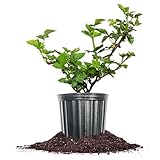
Perfect Plants Apache Thornless BlackBerry Bush, 1 Gallon, Live Plant
Perfect Plants Apache Thornless BlackBerry Bush, 1 Gallon, Live PlantCheck Price on Amazon
BlackBerry Plants Freedom-Ark (4 Pack) Live for Sale | Easy to Grow Plants | Edible Fruit Plant for Sustainable Living | Grow Your own Food on Your Organic Garden | Live for Planting |
BlackBerry Plants Freedom-Ark (4 Pack) Live for Sale | Easy to GrowCheck Price on Amazon
BlackBerry Plants, 'Caddo' BlackBerry Plants - Consistently High Yields! Thornless and Upright Growing Blackberries from Hand Picked Nursery (1)
BlackBerry Plants, 'Caddo' BlackBerry Plants - Consistently High Yields! Thornless and UprightCheck Price on Amazon
'Chester' BlackBerry Plants - Thornless, Winter Hardy, and Productive Blackberries from Hand Picked Nursery (1)
'Chester' BlackBerry Plants - Thornless, Winter Hardy, and Productive Blackberries from HandCheck Price on Amazon
Blackberry Plant Collection (4 Pack) Live Fruit Plants for Planting | 4 Different Varieties for a Continuous Harvest | Thornless & Thorny Mix| Large, Sweet & Juicy Berries |Perfect for Organic Gardens
Blackberry Plant Collection (4 Pack) Live Fruit Plants for Planting | 4Check Price on Amazon

Don’t see the exact variety you’re looking for?

Explore all live Blackberry plant plants, pots, and starter kits on Amazon ↗

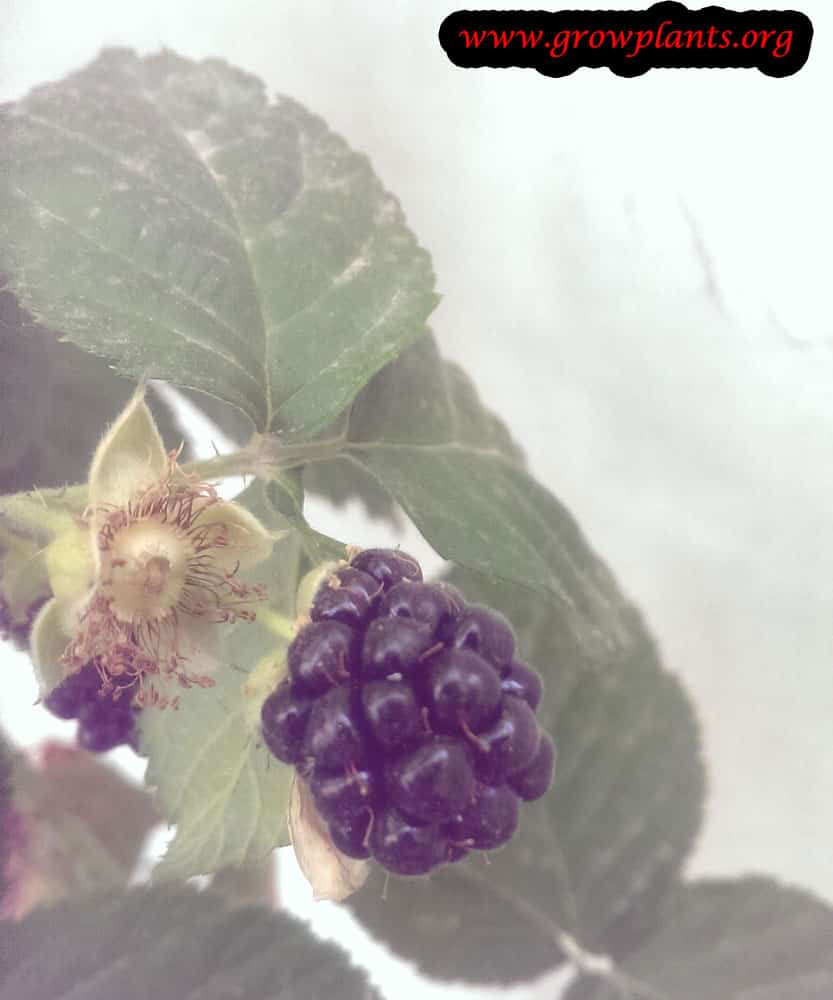
Flower color white, the flowers grow in clusters.

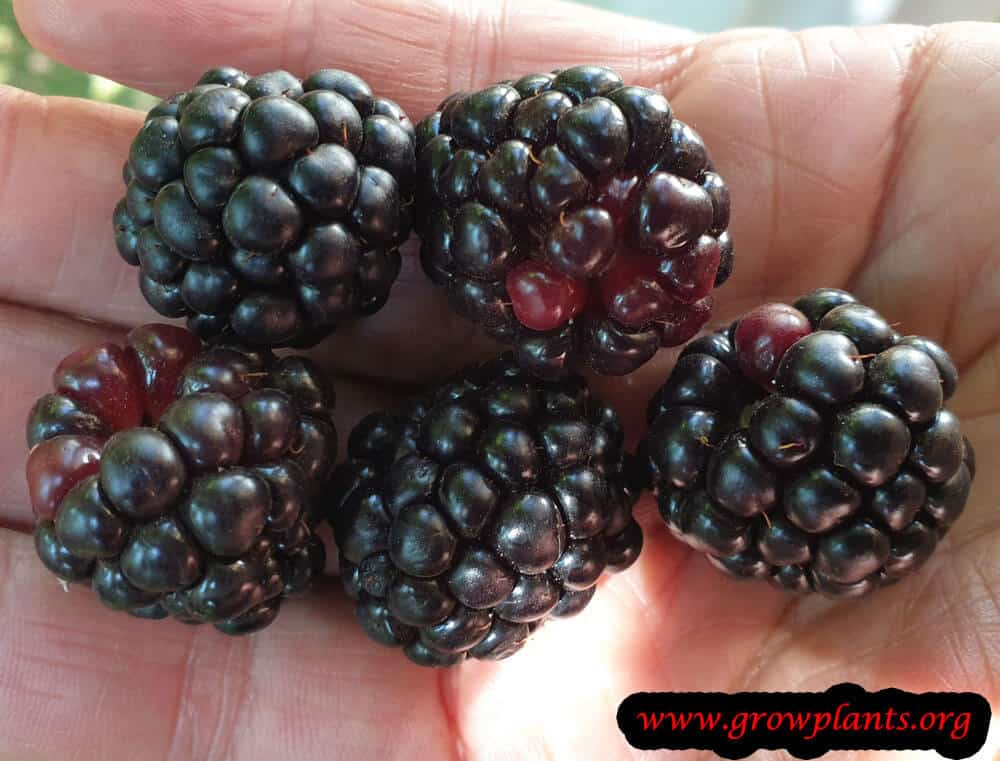
Blackberry plant fruits

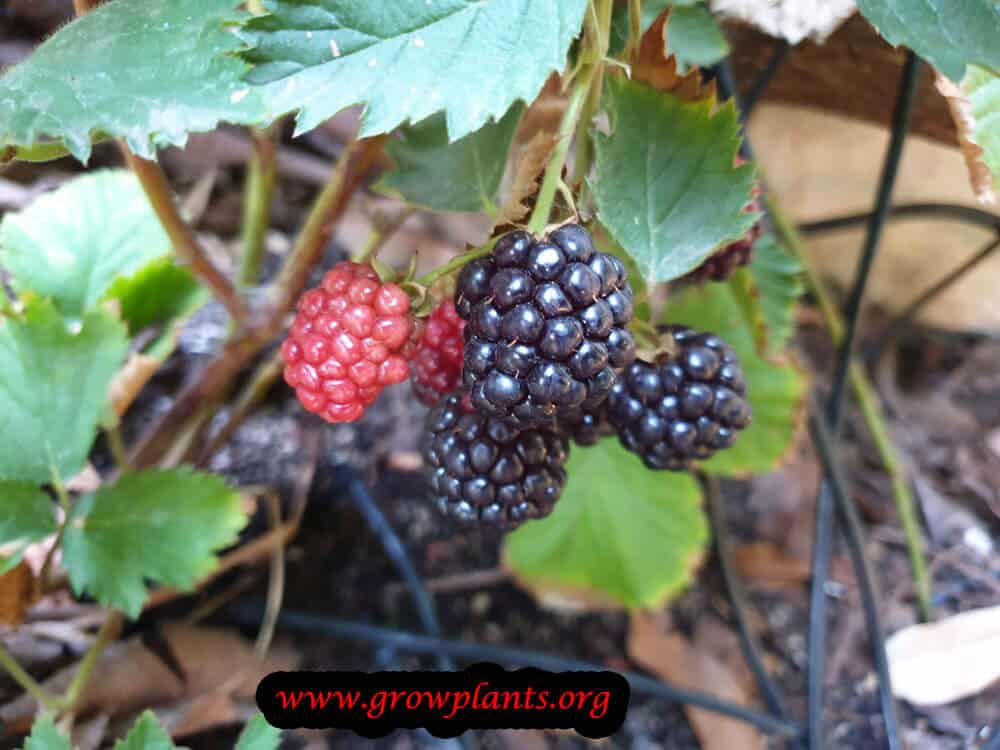
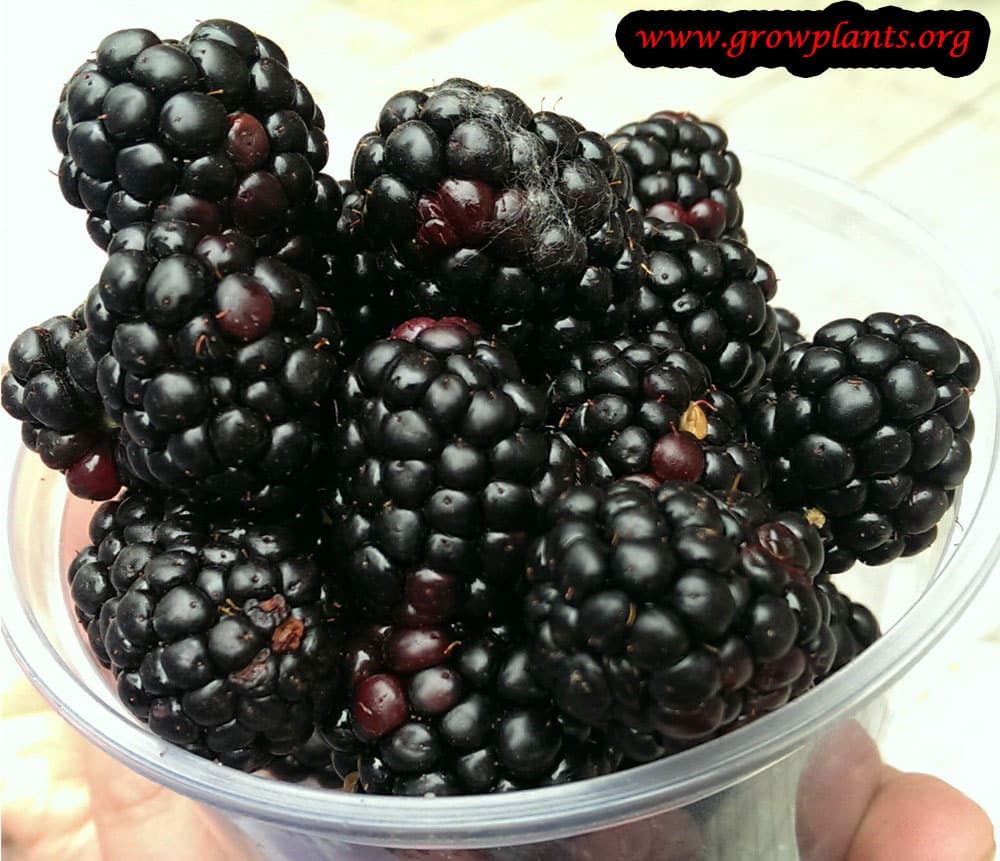
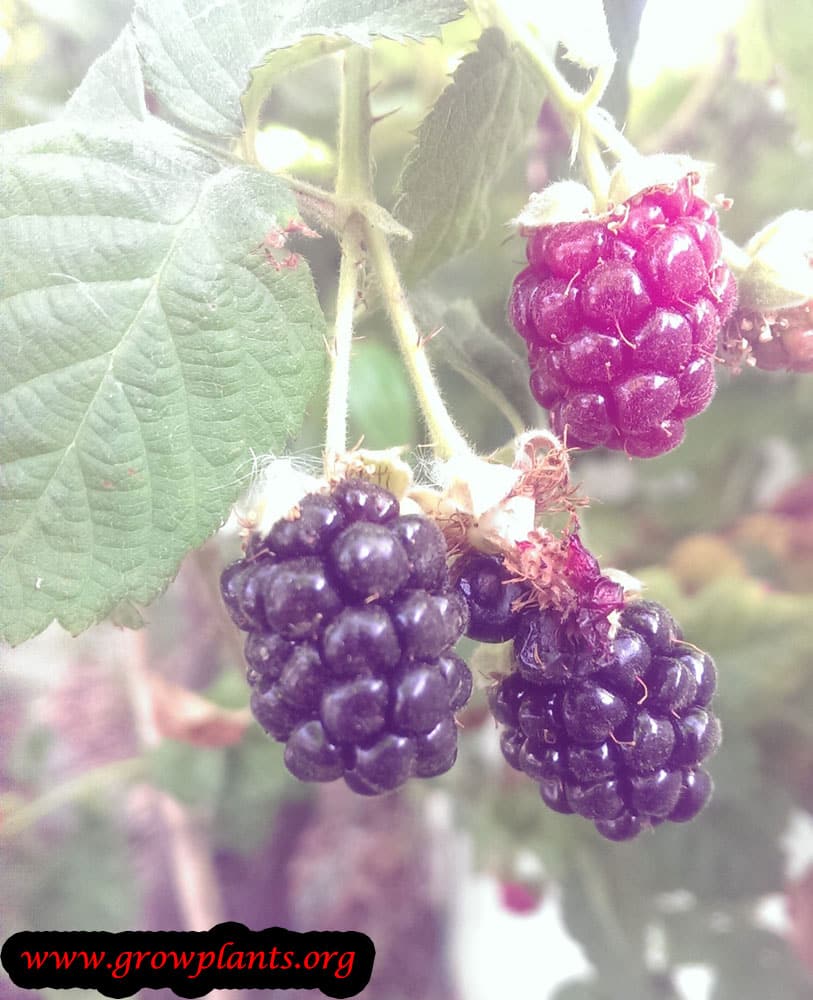
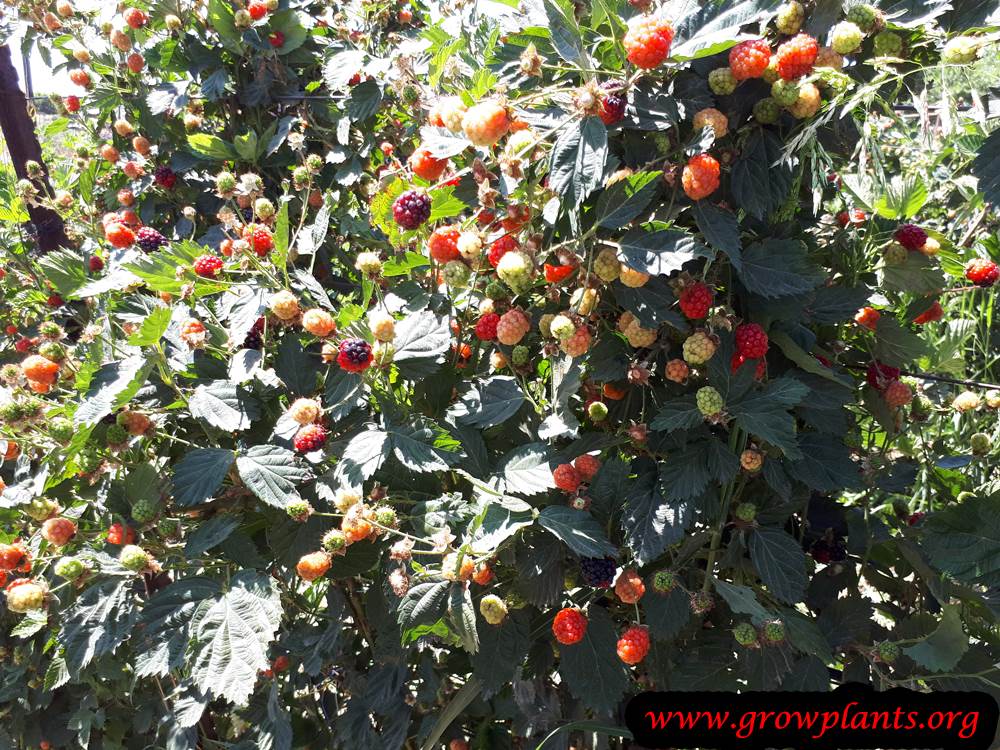
Fruit color black, fruit assembled from small cells that put together a round shape (circle / oval). When pick the Blackberry plant fruits the fruits are stay out with the torus.

Not be confused with Black raspberry

Blackberry plant for sale – Seeds or Plants to Buy

How to grow Blackberry plant – growing and care:

Trellising, rich soil, organic matter, mulch, better moist soil

How to care:
Prune for easy harvest, prune once a year better after the fruits, add fertilizer in the early spring put mulch and organic matter

What is the best way to start growing?
Plant / Seeds (explanation bellow) / Vegetative Reproduction

Is it necessary to graft or use vegetative reproduction?
Necessary to use vegetative reproduction

Difficulties or problems when growing:
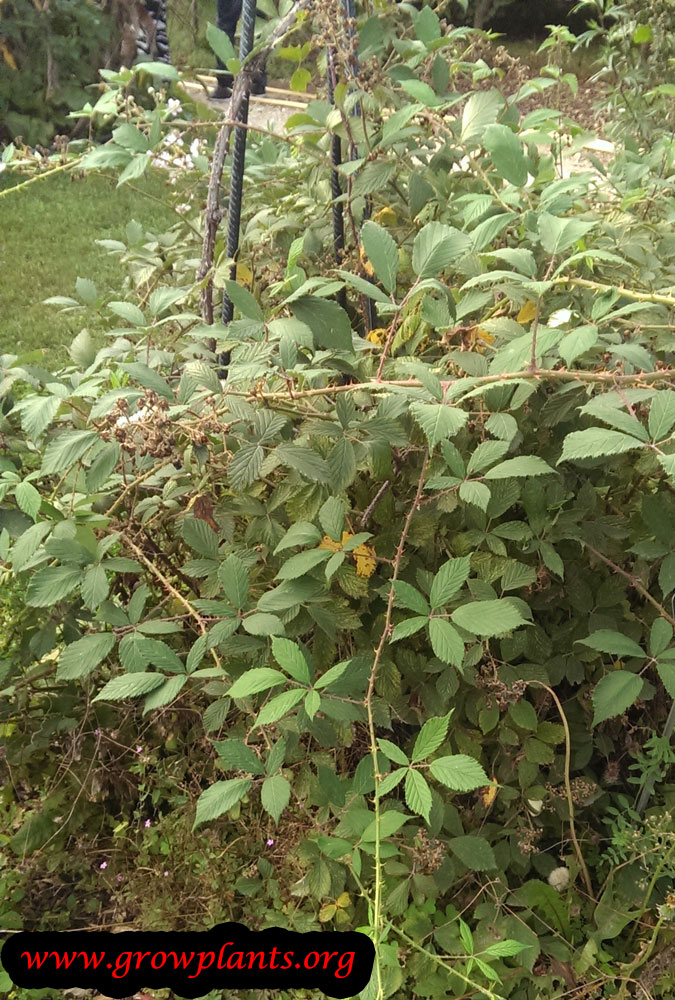
Most of the spices are thorny, as it grows as a thorny bush it’s a place for snake

Recommended planting season?
Winter, spring, summer

How to plant:
Dig hole bigger than the root ball at least 50-100% bigger, add dead leaves rich soil, organic matter, humus and mix all together and plant it, also recommend to put stick or something to support the plant for trellising

Pests and diseases:
Redberry mite, aphids, cane borer

Pruning season:
Summer, autumn, winter, (better to prune the plant after the fruits)

How to prune:
Inside branches, design the shape of the plant

Size of the plant:
0.5-7 m, 2-21 feet, some cultivars can grow as shrub 0.5-1.5m (2-5 feet) or as vine

Growth speed in optimal condition:
Fast growing / Medium growing

Water requirement:
Average amount of water / Big amount of water

Light conditions in optimal condition for growing:
Full Sun and half shade in hardiness zone 11a

Is it possible to grow indoor as houseplant?
No

Growing is also possible in a pot / planter /flowerpot / containers:
Yes, start with pot that will be 40-60% more than the root ball, every time that the plant arrive to full capacity need to switch to bigger until arrives to desirable size, switch the soil in mid of the winter, better to use this method because the soil lose the viability over time and it’s efficient care for the soil, need average amount of water with good drainage better water with less minerals, in order to keep the soil moist better to put mulch of pines, peat soil or other acid soil with humus and a lot of organic matter.

Blooming information

Bloom season:
Spring to summer

General information about the flower
White flower, 1-3 cm, with 5 petals

Thinning the bloom:
Until the plant established

Pollination is done by:
Bees and more

Edible Fruit

Fruit harvest season:
Spring / Summer

Fruits pests or diseases:
Birds

What can be done with big quantities of Blackberry plant fruits?
Eaten raw, cake, cooked, juice

Work requirements on the fruit:
No special requires

How long does it take to bear fruit?
2-3 years

Ripening of fruit:
Possible not to pick it fully ripen and let it to be ripen at home

Vegetative Reproduction

Vegetative Reproduction Method:
Cutting / bending a branch over and covering it with earth

Preferred time for vegetative reproduction:
Spring

Time to grow roots in vegetative reproduction:
2-3 weeks

Treatment for vegetative reproduction:
Cutting to put on moist soil with high humidity, possible to put the stems in water and switch the water every few days, when bending the branch sometimes should break it

How to grow Blackberry plant from seeds

Sowing requirement:
High humidity, full sun to half shade, moist soil

Saving seeds and care until sowing:
Dry and dark place better in refrigerator

Sowing season:
End of the winter to spring and better to grow in winter indoor in hardiness zone 10b-11

How to plant:
Planting in vermiculite, peat soil or other plant

Planting spacing:
3*4cm (1.2*1.8 inches) when transplant it better to sow them in different pots it’s easier to follow in control and care for the seedling

Depth of Sowing:
Better not to cover just to put on the soil

Conditions for seeds germinate:
High humidity, moist soil, full sun, consider when grow in pots to cover with plastic wrap

Watering requires for Seeds:
Average amount of water / Big amount of water

Germination time:
2-4 months

Condition of seedling:
Full sun, protect the seedling from pests, winds and heavy snow

Do the seeds require burying?
Depend the cultivars, but always recommend to bury

Chilling hour’s requirements:
2-3 weeks minimum, but better above one month

Subspecies

Navaho’, ‘Ouachita’, ‘Cherokee’, ‘ Apache’, ‘ Arapaho’

Scientific name:

Rubus fruticosus
How to grow Blackberry plant

Blackberry harvesting season

Blackberry harvesting information

Blackberry plant fruits

Blackberry plant care

Blackberry plant

Blackberry plant harvesting

Blackberry plant growing

Categories

Blooming Seasons
  • Spring flowers
Edible Parts
  • Edible Fruit
Culinary uses
  • Alcoholic beverages
  • Dried fruit
  • Eaten raw
  • Fruit
  • Ice pop & Ice cream plants
  • Jams
  • Juice
Flower colors
  • White flower
Climate
  • Mediterranean Climate
  • Subtropics Climate
  • Temperate Climate
Harvest Season
  • Spring Harvest
  • Summer Harvest
Plant growing speed
  • Average growing plants
  • Fast growing plants
Plant life-form
  • Deciduous
  • Perennial plant
  • Shrub
  • Vine
Plant Uses
  • Edible plants
Planting Season
  • Spring Planting
  • Summer planting
  • Winter planting
Plants sun exposure
  • Full sun Plants
Watering plants
  • Big amount of water
  • Regularly water
Hardiness zone
  • Hardiness zone 10
  • Hardiness zone 3
  • Hardiness zone 4
  • Hardiness zone 5
  • Hardiness zone 6
  • Hardiness zone 7
  • Hardiness zone 8
  • Hardiness zone 9

Growing in Pots, Balconies & Indoors

The blackberry (Rubus fruticosus) is a fruiting bramble of 0.5-7 m (2-21 ft); some cultivars stay a 0.5-1.5 m (2-5 ft) shrub or climb as a vine, not a houseplant, but it grows and crops well in a pot on a sunny balcony, patio or terrace when kept in check. It likes full sun to half shade and is best grown outdoors where it gets the light and seasonal chill it needs to fruit.

Quick Details

  • Container Size: Start 40-60% bigger than the root ball and pot up in stages to the size you want
  • Indoor Suitability: Not a houseplant – a fruiting bramble for outdoors
  • Best Spot: Full sun to half shade outdoors
  • Soil & Drainage: Acidic, organic-rich mix with good drainage; keep it moist under a mulch
  • Watering in Pots: Average to generous with free drainage – never let the water sit; low-mineral water is better

Indoors & On the Windowsill

  • Houseplant limits: The grower marks it as no for indoors – it needs open sun and room to cane, which a warm room and windowsill can’t give.

On a Balcony or Patio

  • Light & wind: Give it a bright, open spot and tie in or support the canes. Walls and paving reflect heat, so pots dry quickly – check moisture in warm weather and keep the mulch topped up.
  • Practicalities: A cropping bramble in a filled pot is heavy and can be thorny – stand it clear of walkways where you can water freely and let drainage run off.

Choosing the Pot, Soil & Long-Term Care

  • Pot & drainage: A pot with strong drainage holes so water never sits; skip a standing water saucer to avoid root rot. Terracotta breathes and dries faster, glazed or plastic holds moisture longer.
  • Potting mix: An acidic, organic-rich mix kept moist with a mulch of pine needles/bark or peat plus humus; refresh the soil in the dormant season as it loses vitality over time.
  • Feeding: Potted brambles need feeding more often than those in the ground because nutrients leach with watering – feed through the growing season.
  • Repotting: Pot up a size when the roots fill the pot and remove spent canes each dormant season, keeping a few young canes for next year’s crop.

Grower’s Container Tip

  • Start bigger and pot up: Start in a pot 40-60% larger than the root ball and move up a size each time the roots fill it, until it reaches the size you want – this staged method keeps the plant healthy because potting soil loses vitality over time. Change the soil in the middle of the dormant (cold) season. Water with good drainage, ideally with low-mineral water, and keep the mix moist with an acidic mulch – pine needles or bark, peat or similar – plus humus and plenty of organic matter.

Bloom & Edible Flower Guide

Quick Details

  • Bloom Season: Spring into summer
  • Time to First Bloom: On most types the canes flower in their second year, after a first season of leafy growth
  • Flower Appearance: White five-petalled flowers about 1-3 cm across, borne in clusters
  • Edibility: Flower is edible — blackberry blossoms are edible fresh and are also used to flavour teas

Detailed Blooming Overview

The blackberry’s white spring blossom is a busy, bee-friendly affair, and it is the first sign of the crop to come. The flowers open in clusters along the canes, each a simple five-petalled white bloom — pretty in its own right and edible too, whether scattered fresh or steeped for tea.

Flower Characteristics

  • White flowers, 1-3 cm across, with five petals.
  • Carried in clusters along the canes.

Bloom Care & Thinning

  • Pollination: Worked by bees and other insects; good bee activity means fuller flower set.
  • Thinning: On a young, establishing plant it pays to remove some bloom until the plant is settled, so it can put its strength into roots and canes first.

Bloom Health & Protection

  • Botrytis (grey mould) blossom blight: In wet, humid spring weather the flowers can brown and rot before setting — open, airy training and, if needed, a suitable fungicide at bloom help keep it down.