Plant Profile & Key Characteristics
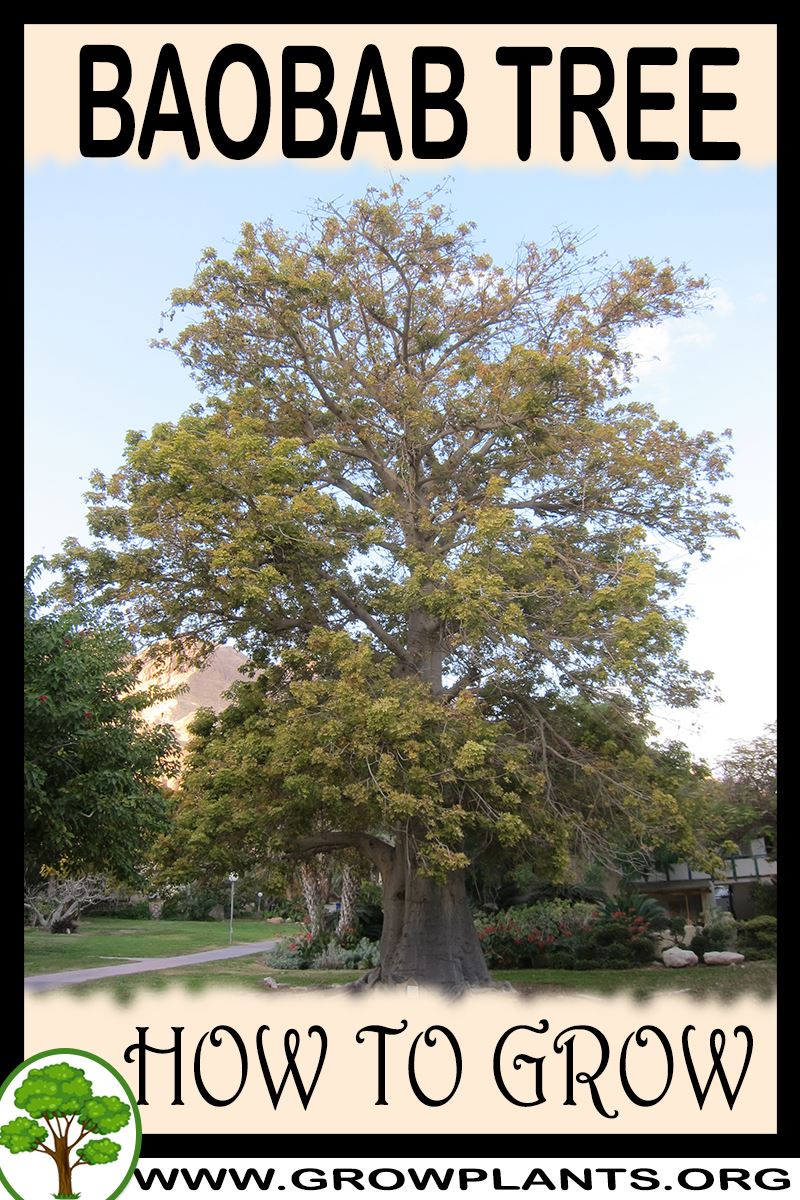
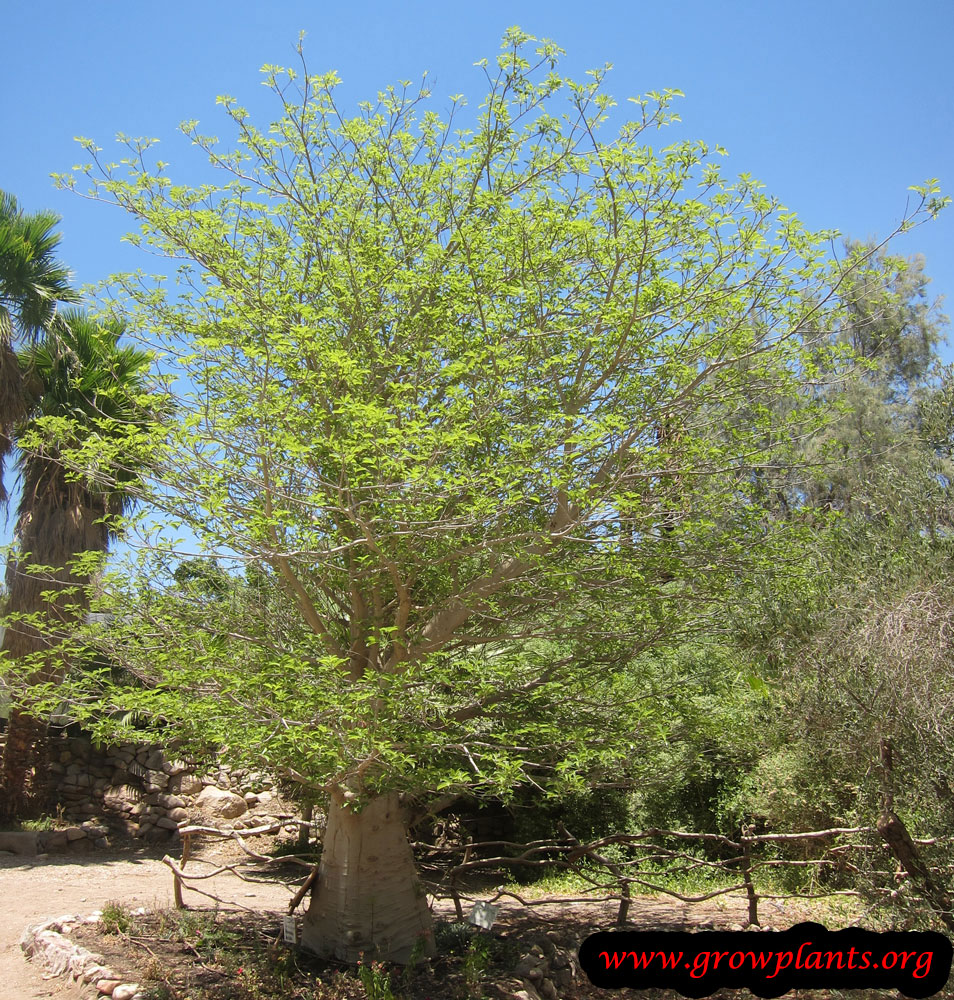
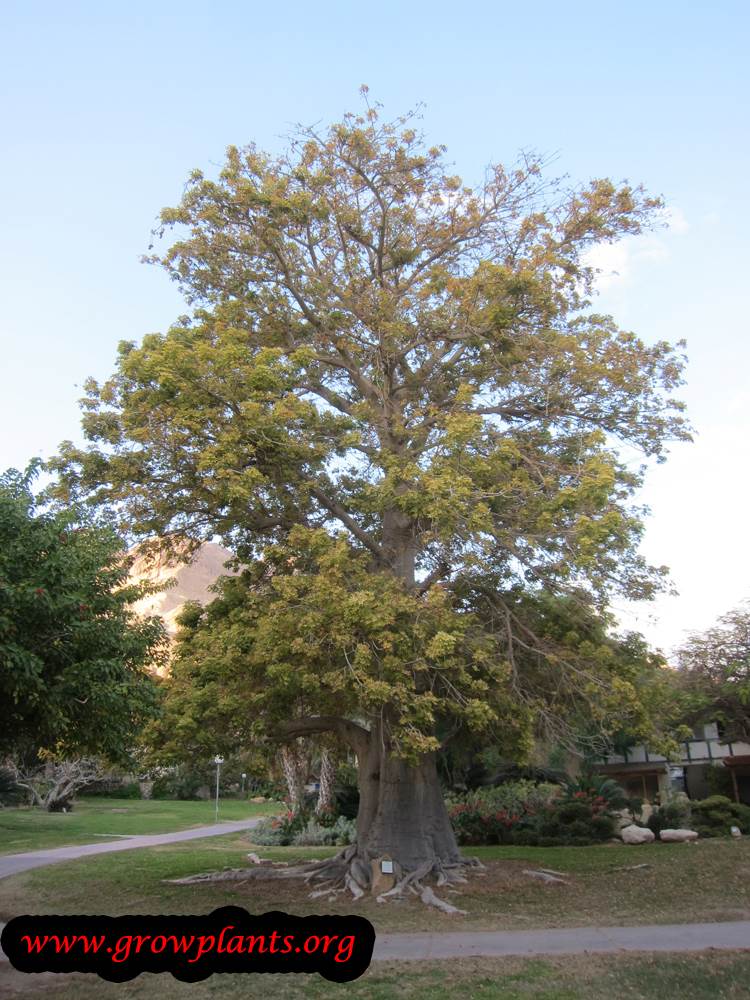
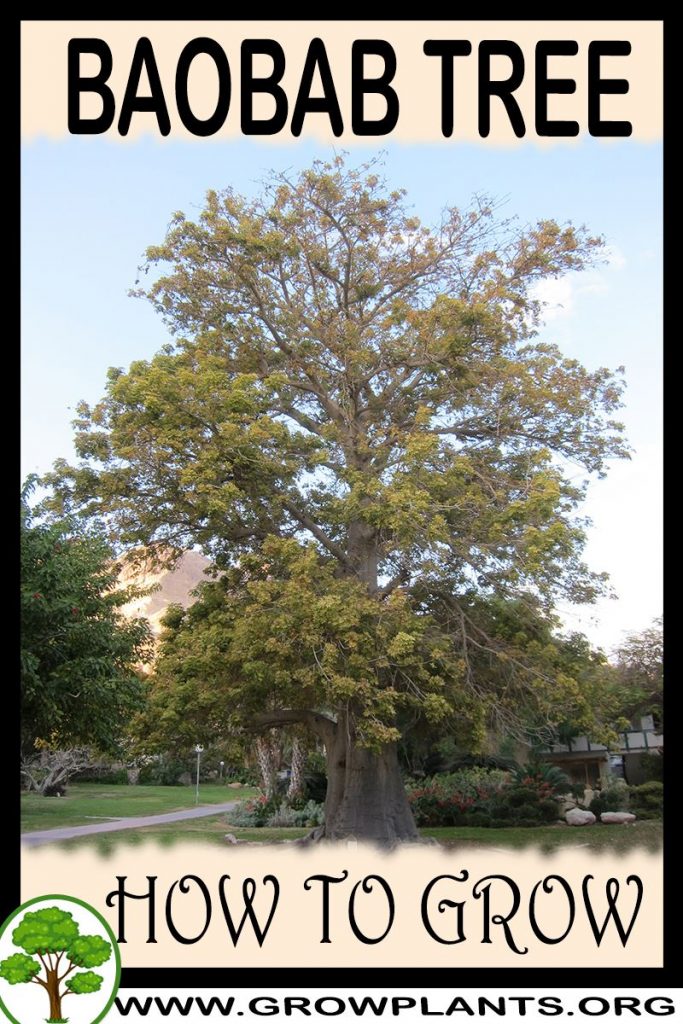
Overview: The baobab (Adansonia) is a massive, deciduous, succulent-trunked perennial tree reaching 10-30 m (30-100 ft), with a swollen water-storing trunk. It is grown mainly as an ornamental shade tree or bonsai, and also valued for its edible, medicinal fruit.
Quick Specifications
| Specification | Attribute |
|---|---|
| Plant Type / Life Cycle | Perennial (deciduous tree) |
| Foliage Type | Deciduous |
| Mature Size | 10-30 m (30-100 ft) tall |
| Growth Rate | Slow |
| Toxicity | Non-toxic – the fruit is edible |
| Hardiness | USDA zone 10b+ (10a with winter protection) |
Growth Form & Structure
- Height & Spread: A very large tree in the ground needing ample space; it is not a houseplant but can be kept small in a pot when trained as a bonsai.
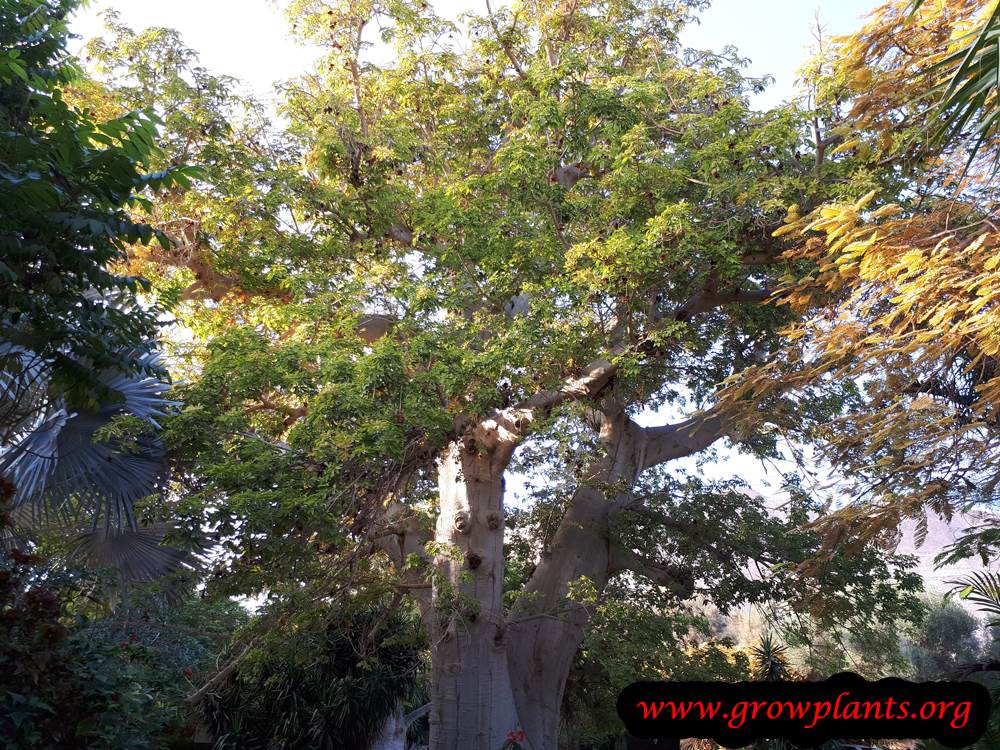
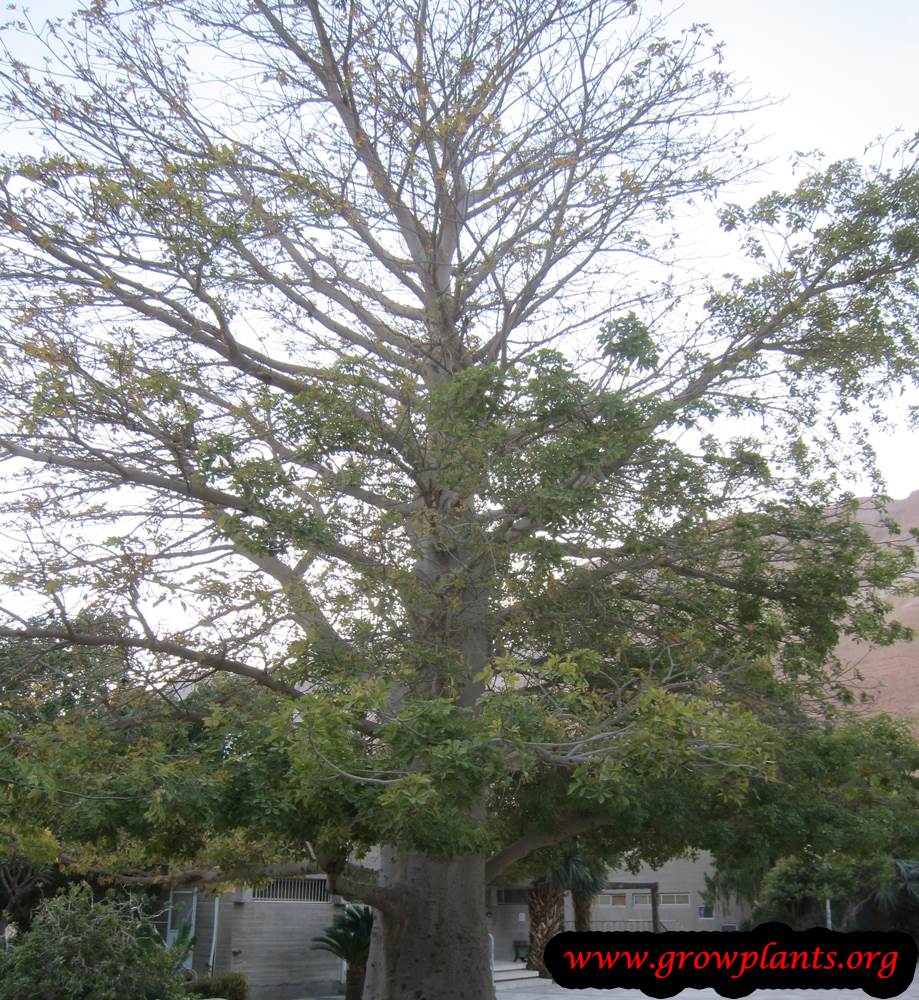
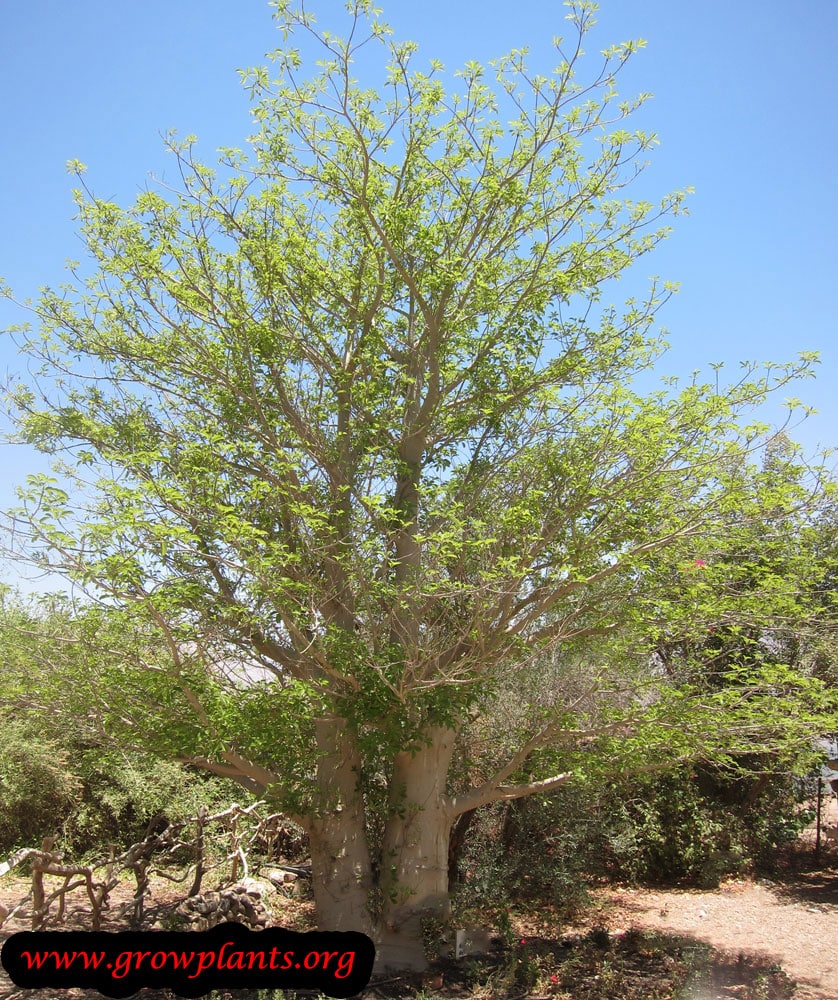
- Growth Habit & Form: Stout, succulent-trunked deciduous tree with a broad, spreading canopy.
- Lifespan & Maturity: Extremely long-lived but slow-growing, taking many years to reach flowering and fruiting size.
Anatomy & Physical Features
- Trunk & Bark: Massively swollen, water-storing trunk with smooth grey bark.
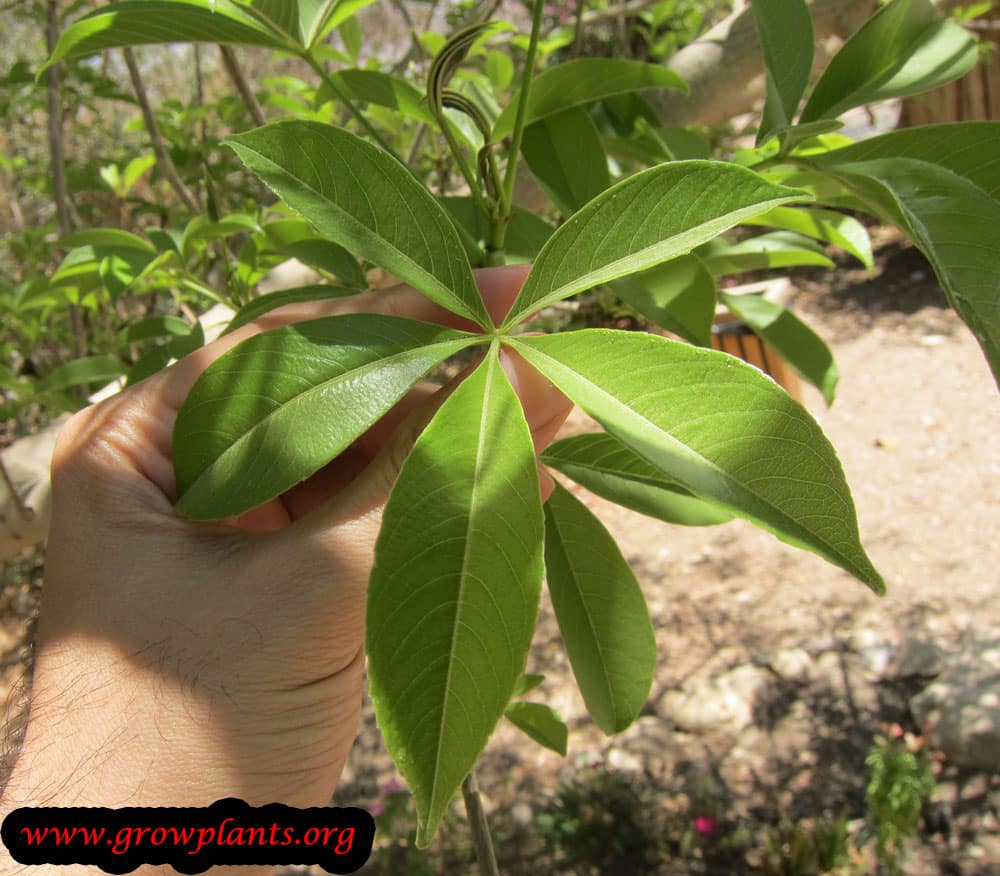
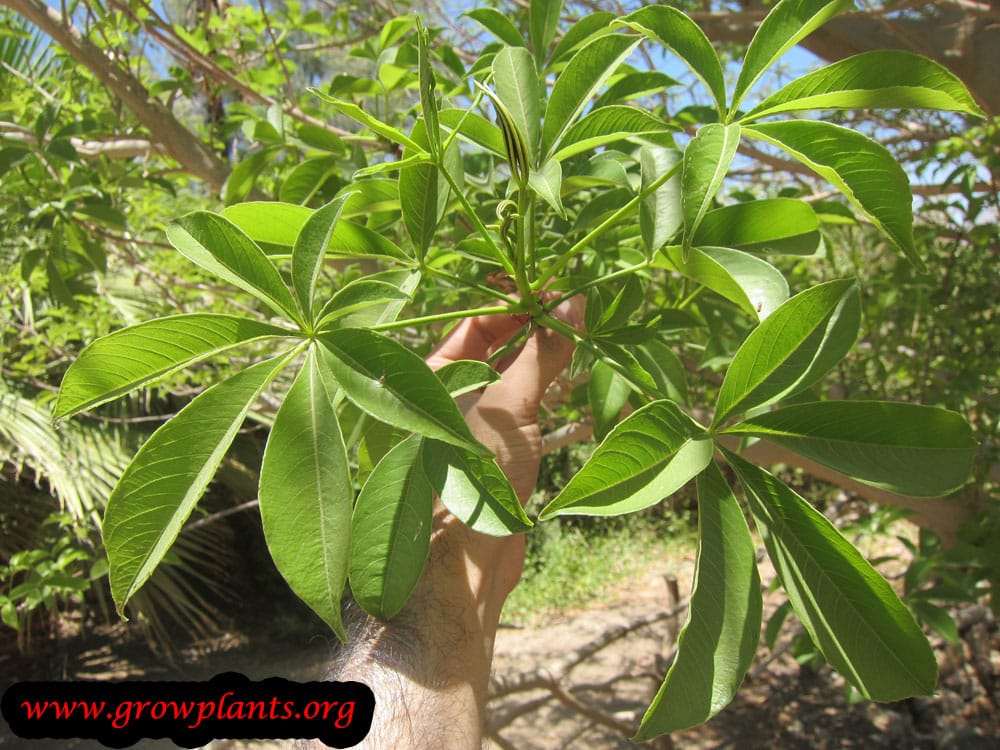
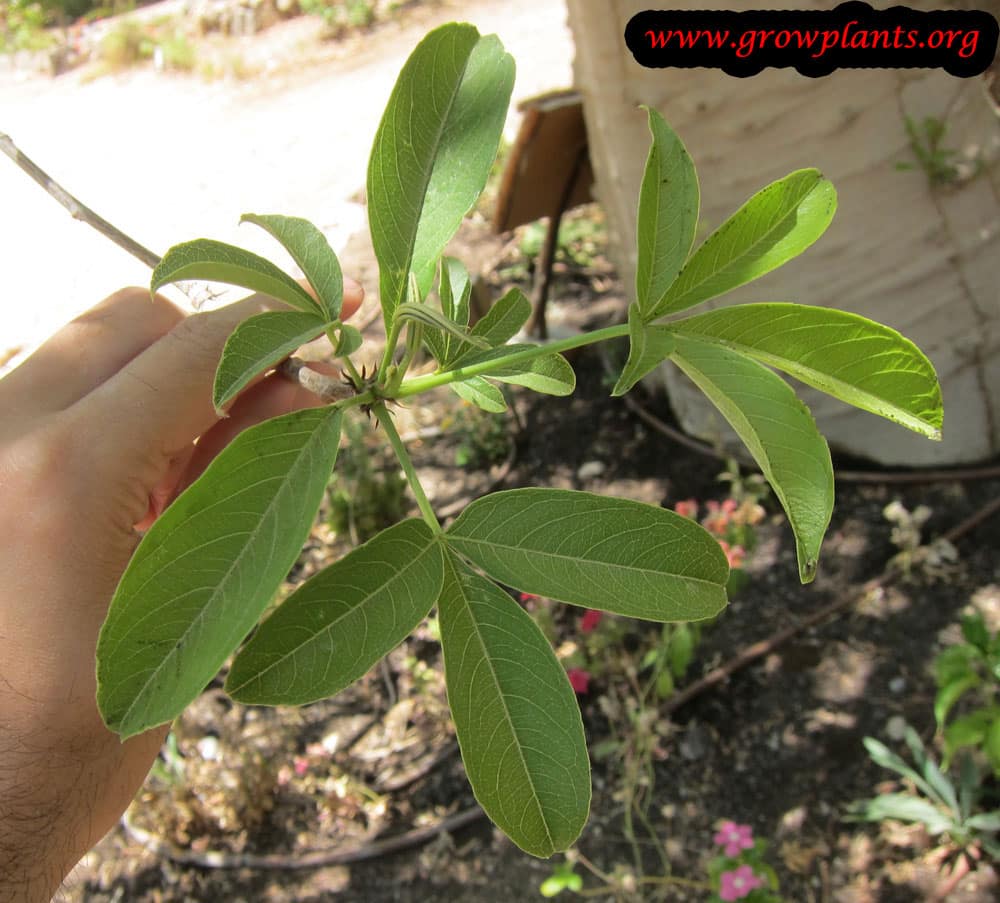
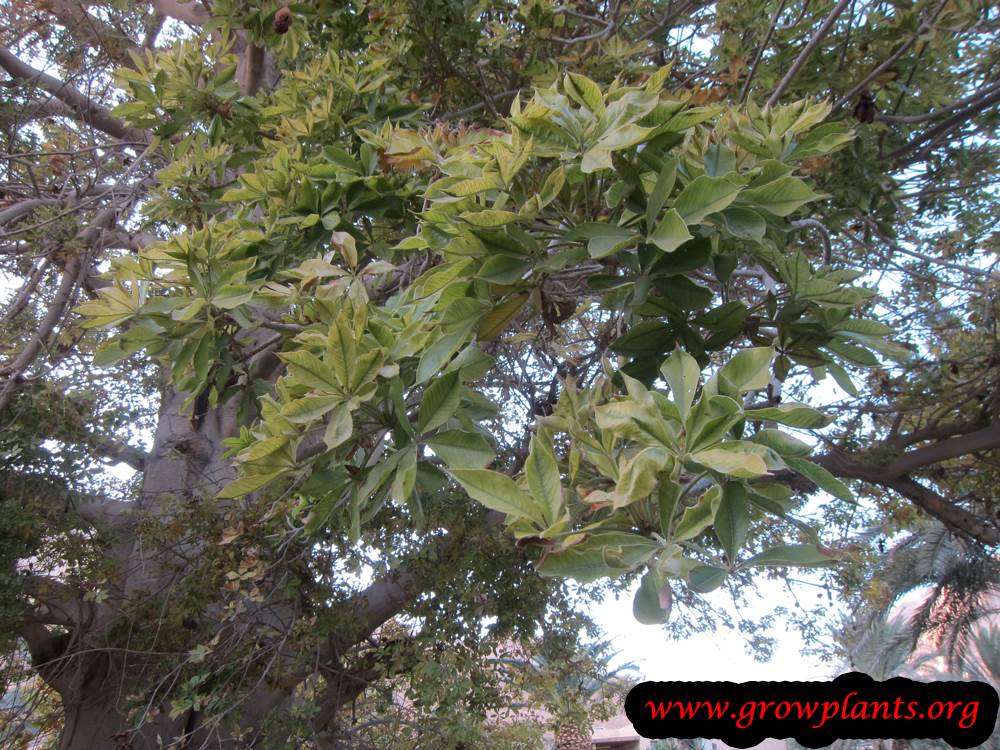
- Leaves & Foliage: Green, palmately compound leaves of about five elliptic leaflets joined at the base.
- Flower Characteristics: Large, pendulous white flowers with five petals and a ball-shaped mass of stamens, hanging down from the branches.
- Fruit Profile: Oval fruit ripening brown, with a white internal pulp and seeds, used as food and in traditional medicine.
Primary Uses & Landscape Value
- Edible Uses: The white fruit pulp is edible and also used medicinally.
- Functional & Ornamental Roles: Ornamental specimen and shade tree, trained as bonsai, and valued as a medicinal plant.
Care Guide: Planting, Soil & Watering
Overview: The baobab is a slow-growing succulent tree that needs full sun, warmth (above about 10°C) and a lot of space, in very free-draining, well-aerated soil. It stores water in its swollen trunk and prefers a dry summer, so it is watered sparingly on a soak-and-dry basis rather than kept constantly moist.
Quick Care Requirements
| Requirement | Ideal Condition |
|---|---|
| Planting Season | Spring in cooler frost-prone zones; autumn to spring in warm zones; year-round in the tropics |
| Growth Rate | Slow |
| Soil Type | Sandy, very free-draining and well-aerated |
| Water Need | Low – soak-and-dry; keep nearly dry through summer dormancy and in cold weather |
Planting & Establishment
- Best Planting Season: Plant in spring in zone 10, in spring or autumn in zone 11, and from autumn to spring in warmer zones; in the tropics it can be planted year-round. It can also go in during its summer dormancy, but keep water to a minimum then. Protect young trees from wind and frost in their first years.
- How to Plant:
- Hole Preparation: Dig a hole about twice the size of the root ball (roughly 100% wider) and stake or support the young tree if it is not stable.
- Soil Amendments: Mix organic matter, dead leaves and humus into the backfill, then return some soil and blend it in; the key is a light, well-ventilated, free-draining soil.
- Planting Depth: Set the tree so the root collar sits at soil level and firm it in lightly but securely so it will not fall – do not bury the swollen trunk base.
- Growth Speed & Expectations: Growth is slow; the baobab is a long-lived tree that eventually needs a great deal of room to develop.
Soil, Watering & Drainage Care
- Soil Mix & Drainage Needs: Above all the soil must be well ventilated and sharply draining so the trunk and roots never sit in water, which causes rot. It is a ground tree rather than a container plant – only as a trained bonsai is it grown in a pot, in a gritty, free-draining mix. Mulch the soil surface of young trees to protect the roots.
- Watering Schedule & Technique:
- Young / Newly Planted: Water twice on the first day, then water each day for about two weeks to settle it in, always making sure the soil is not left saturated.
- Established: Water only occasionally, letting the soil dry out well between waterings; the tree draws on its own stored water and dislikes excess moisture.
- Seasonal Adjustments: Keep it nearly dry through its summer dormancy and during cold weather, watering only lightly when it is in active growth.
Climate, Light & Hardiness
The baobab is a tropical to subtropical succulent tree that prefers full sun and warm conditions year-round, with cold being its main limiting factor. It is only reliably grown outdoors in frost-free or near-frost-free climates, and young trees need active winter protection from wind and cold.
Quick Climate Specifications
| Climate Zones | Tropical, Mediterranean, Subtropical |
|---|---|
| USDA Hardiness Zones | 10b+ (possible in 10a with winter protection) |
| Optimal Temp Range | Above approximately 10°C (50°F) |
| Frost Tolerance | Low, especially in young trees |
| Light Conditions | Full Sun |
Sunlight & Light Exposure
Optimal Light Setup
Requires full sun for healthy growth; this is a species adapted to open, sun-exposed savanna conditions.
Best Exposure / Orientation
A warm, sheltered, south-facing (or equivalent sun-facing) spot with protection from cold wind is ideal, particularly while the tree is young.
Temperature Extremes & Hardiness
USDA Hardiness & Regional Limits
Grows outdoors year-round in USDA zone 10b and warmer; in zone 10a it can be grown with dedicated overwinter protection, but is not suited to colder zones.
Cold Damage & Winter Protection
The species generally prefers temperatures above approximately 10°C (50°F). At the cooler edge of its range, young trees are especially vulnerable to wind and cold and should be covered and sheltered through their first winters; mature trees develop more resilience with age.
Frost Sensitivity
Frost sensitivity is a central limitation for this species - it is not considered frost-hardy, and young specimens in particular can be seriously damaged or killed by frost without protection.
Extreme Heat Tolerance
As a species native to hot, dry tropical savanna, it tolerates high heat well once established.
Wind, Humidity & Microclimate
Wind Tolerance
Young trees are sensitive to strong wind and benefit from a sheltered planting site or windbreak until established; this sensitivity decreases as the tree matures.
Rainfall & Seasonal Moisture
Adapted to a pronounced dry season and prefers a dry summer with only small to average water; it does not tolerate consistently wet, poorly drained conditions.
Microclimate Recommendations
In marginal zones, a warm microclimate with wind shelter (e.g. a south-facing wall or courtyard) meaningfully extends where this tree can be grown outdoors.
Growing in Pots, Balconies & Indoors
The baobab is a large tree (10-30 m), so it is not a long-term container or indoor plant. It needs a great deal of room, and the grower marks it as neither a houseplant nor a pot plant – except as a bonsai, where its swollen trunk makes a striking subject.
Quick Details
- Container Size: A large tub for young plants only
- Indoor Suitability: Not a houseplant – a full-size tree
- Best Spot: Full sun, open ground
- Soil & Drainage: a light, aerated potting mix – peat or coir blended with perlite or vermiculite, plus some organic matter/compost (for young/bonsai plants)
- Watering in Pots: Frequent while young in a tub – pots dry fast; avoid waterlogging
Indoors & On the Windowsill
- Not a houseplant: The grower marks it as unsuitable indoors – it is a full-size tree that needs open ground and full light.
On a Balcony or Patio
- Bonsai exception: The grower notes it is only suited to a pot when trained as a bonsai; otherwise it is too big for containers.
- Young plants: A large tub can hold a sapling for a short spell, but plan its final position in open ground with room to spread.
Choosing the Pot, Soil & Long-Term Care
- Young / bonsai only: If you grow it in a pot at all, keep it to the juvenile or bonsai stage in a large, free-draining tub with drainage holes.
- Potting mix: a light, aerated potting mix – peat or coir blended with perlite or vermiculite, plus some organic matter/compost.
- Feeding & watering: Potted plants exhaust their feed faster because water washes nutrients out, so feed a little more often than plants in open ground during active growth; potted trees also dry out fast, so water more attentively than one in the ground.
- Repotting: Refresh the top of the mix each growing season and pot up or divide roughly every couple of years, trimming crowded roots – but recognise that a vigorous tree will soon need the open ground.
Fertilizing & Feeding
Young baobabs benefit from nitrogen-forward feeding through their growing season to help them establish against wind and cold stress, while older, well-established trees growing in their preferred lean, dry conditions typically need only light, infrequent feeding.
Quick Fertilizing Specs
| Feeding Level | Moderate for young trees, light once established |
|---|---|
| young_feeding | A nitrogen-forward complete fertilizer through the growing season, alongside humus and mulch, helps young trees establish |
| mature_feeding | Established trees in the ground typically need little supplemental feeding beyond what lean, well-drained soil provides |
| Main Nutrient Priority | Nitrogen-forward feeding while young, shifting to light balanced feeding as the tree matures |
| Best Feeding Period | Through the active growing season, particularly for young trees |
| Organic Options | Humus and mulch around young trees are specifically recommended alongside feeding |
| Reduce/Stop Feeding | Reduce feeding as the tree matures and slows; avoid feeding a tree that has entered its dry-season dormant rest |
Feeding by Growth Stage
Young tree establishment
Help a young baobab establish strong growth and resilience against wind and cold while it is most vulnerable.
| Nutrient direction | A nitrogen-forward, complete fertilizer through the growing season supports the vigorous early growth young trees need, paired with humus worked into the soil. |
|---|---|
| Timing | Through the growing season from spring into autumn, while the tree is young. |
| Frequency | Feed through the active growing season and taper off as the tree heads into its dormant, cooler rest. |
| Fertilizer types | A nitrogen-forward, complete fertilizer suited to establishing trees, Humus and organic mulch worked into the soil around the root zone |
| Routine trace nutrients | iron, manganese, zinc |
| Precautions | Avoid overwatering alongside feeding; this species strongly prefers soil that is not kept too wet, and mulch should protect roots without waterlogging them. |
Established tree maintenance
Maintain a mature, well-rooted baobab that is largely self-sufficient in its preferred lean, dry conditions.
| Nutrient direction | A light, balanced feeding is usually sufficient once the tree is well established; heavy fertility is not typical of this slow-growing, drought-adapted species. |
|---|---|
| Timing | During the active growing season for an established tree. |
| Frequency | Established trees generally need only occasional light feeding rather than a heavy feeding program. |
| Fertilizer types | A balanced, complete fertilizer applied lightly, if growth suggests it would help, Container-grown or bonsai specimens may need more consistent light feeding than trees grown in open ground |
| Routine trace nutrients | iron, manganese |
| Precautions | Keep watering and feeding modest; this species is adapted to dry summers and lean soil, and overfeeding a mature tree offers little benefit. |
Nutrient Deficiency Signs & Corrections
Slow, weak growth and pale foliage in a young tree.
| Possible causes | insufficient nitrogen during the establishment period, root stress from cold, wind, or transplant shock, soil lacking organic matter |
|---|---|
| Appears first on | new growth on young trees |
| What to check | recent feeding history, exposure to wind or cold since planting, soil organic matter and mulch coverage |
| Possible correction | Apply a nitrogen-forward feeding through the growing season and add humus or mulch around the root zone. |
New leaves emerge yellowish with darker green veins.
| Possible causes | iron availability limited by soil pH or overly wet conditions, root stress from poor drainage, genuinely low soil iron |
|---|---|
| Appears first on | newest foliage |
| What to check | soil drainage and moisture level, soil pH if known, recent root disturbance |
| Possible correction | Correct drainage first, then apply a chelated iron product per its label if chlorosis persists. |
Wilting, poor vigor, or dieback despite feeding.
| Possible causes | soil kept wetter than this drought-adapted species tolerates, poor drainage compounding fertilizer salts around the roots, root rot from prolonged wet conditions |
|---|---|
| Appears first on | roots and lower stem |
| What to check | soil drainage and recent watering, signs of root or stem rot, planting depth and site drainage |
| Possible correction | Reduce watering and improve drainage before considering any additional feeding. |
Pruning, Training & Seasonal Maintenance
Baobab tolerates only light, infrequent pruning in the landscape – it is a slow-growing, single-trunked succulent tree, and heavy cutting is rarely needed given how long any misshapen framework persists once set. Most ‘pruning’ is corrective shaping while young and occasional safety cuts, best done in summer during active warm-season growth. As a bonsai subject, by contrast, it is deliberately pruned and pot-restricted far more aggressively to keep the swollen trunk in proportion to a miniaturized canopy – two very different regimes under one species.
Quick Pruning & Maintenance Specs
| Pruning Tolerance | Low in-ground / High as bonsai (very different regimes) |
| Primary Pruning Window | Summer, during active warm-season growth |
| Secondary Maintenance Window | At planting/transplanting, if the young tree needs rebalancing for stability |
| Typical Frequency | Infrequent corrective/safety cuts (landscape); ongoing shaping (bonsai) |
| Main Objective | Correct structure while young; remove damaged growth (bonsai: proportion and miniaturization) |
| Young Plant Priority | Establish a single stable trunk; correct any lean/instability at planting |
| Mature Plant Priority | Remove only dead, damaged, or hazardous wood |
| Best Tool Type | Loppers/pruning saw for young trunk-adjacent cuts; pole pruner for higher limbs on mature specimens |
| Avoid Heavy Pruning During | The cool-season rest, especially where winter frost protection is already needed (hardiness zone 10a) |
Pruning by Plant Age & Size
Newly Established
At planting, if the tree is unstable in the ground – for example after root loss from transplanting – a corrective prune to reduce top growth can help it balance and re-establish; otherwise remove only damaged or broken growth.
Young / Formative
Single-leader training – keep one dominant trunk and remove competing leaders or low weak branches early, since the mature silhouette (and the tree’s iconic swollen trunk) is set while it is young and slow-growing.
Mature / Established
Minimal intervention – remove only dead, diseased, or hazardous wood; the species is not maintained with routine structural pruning once established.
Structural Pruning & Training
Maintain a single dominant trunk while young; remove crossing or rubbing branches. Mature baobabs are grown mainly for their massive trunk and silhouette rather than a dense canopy, so there is no benefit to canopy-thinning for airflow the way there is on smaller ornamental trees.
Special Growth to Remove
Damaged or frost-injured growth, relevant given the species’ need for winter protection as a young tree in hardiness zone 10a. No sucker or watersprout issue is documented for seed- or cutting-grown stock.
Container & Small-Space Pruning (Bonsai)
As a bonsai subject, the trunk’s water-storing (succulent) base is the whole point, so canopy and root pruning are both used aggressively to keep the miniature top in scale with the swollen base – a fundamentally different, much higher-tolerance regime than the in-ground tree. Let wounds callus in a dry, well-ventilated spot, since the succulent trunk is vulnerable to rot if kept damp after cutting.
Tools
Bypass secateurs for young formative cuts and bonsai work; loppers and a pruning saw for removing small-to-medium limbs on an establishing landscape tree; a pole pruner for higher deadwood removal once the tree is large.
Tool Hygiene & Disease Risk
Increased – because the trunk is succulent and water-storing, open wounds are more vulnerable to rot-causing organisms than on a typical hardwood tree, so clean, sharp cuts and letting them dry and callus (not sealing) matter more than on an ordinary shade tree.
Cut Placement & Technique
Cut just outside the branch collar; avoid flush cuts, which expose more of the succulent wood. Stage the removal of larger limbs to avoid tearing bark and wounding the trunk.
Heavy Pruning & Rejuvenation
Not tolerated or needed in the landscape – this is a slow-growing, single-trunk tree, and hard rejuvenation pruning is not part of its normal care. Bonsai specimens are the exception, where controlled hard pruning is routine and expected.
Post-Pruning Care
Keep cuts dry rather than watering heavily right after pruning, since the species already prefers a dry summer and the succulent trunk is prone to rot if kept wet. Watch young trees for stability and re-stake if needed.
Common Pruning Mistakes
- Over-pruning a young tree’s canopy expecting faster framework development – the species is inherently slow-growing, and heavy cutting will not speed it up.
- Pruning in cool, wet conditions when the succulent wood is slower to callus.
- Applying the aggressive bonsai regime to an in-ground landscape specimen.
When NOT to Prune
During the tree’s cool-season rest, especially where winter protection is already needed (hardiness zone 10a); avoid heavy cutting right after transplanting beyond what is needed for stability.
Recommended Tools (by task)
- bypass_secateurs – young shoot and bonsai-scale cuts.
- loppers – small-to-medium branch removal while the tree is establishing.
- pruning_saw – larger structural cuts on an older trunk.
- pole_pruner – reaching higher deadwood on a mature specimen.
Pruning Troubleshooting
| Problem | Possible Cause | What to Check | Corrective Action |
| Trunk wound not callusing / soft or rotting | Cut made in wet/cool conditions or wound kept damp | Wound firmness and moisture; weather at time of cut | Keep the wound dry and ventilated; avoid pruning in cool wet weather |
| Lopsided or leaning young trunk | Uneven light, wind, or root disturbance at planting | Light exposure and stability/staking | Corrective prune of top growth to rebalance; restake if needed |
| Slow or no recovery after a hard cut | Species is inherently slow-growing | Season, overall vigor, water and light | Be patient; avoid repeated heavy cutting expecting faster regrowth |
Propagation Guide
Baobab can be grown from seed or from stem cuttings, and the site provides a detailed method for each: seed produces the classic baobab form but has a low germination ratio and can take many months, while stem cuttings root within a few weeks to a month and are a faster, more predictable alternative for the home grower. Rate seed propagation Difficult/Specialist given its low, slow germination, and cuttings Moderate.
Quick Propagation Specs
| Best Propagation Method | Stem cuttings (faster, more reliable) |
| Alternative Methods | Seed |
| Propagation Difficulty | Moderate (cuttings); Difficult/Specialist (seed – low, slow germination) |
| Seed True-to-Type | Usually true-to-type (species-level) |
| Vegetative True-to-Type | Yes |
| Best Propagation Season | Cuttings: early spring is best, though possible year-round in hardiness zone 11+ or indoors depending on temperature. Seed: winter to spring – start indoors and move out in spring in zone 10, start in winter in zone 11+ |
| Seed Germination Time | 1–10 months, and might be more |
| Cutting Rooting Time | A few weeks to about a month |
| Germination Temperature | High humidity, above 25°C (68°F) |
| Seed Sowing Depth | 1–2cm (0.5–1 inch) from the top of the seed |
Growing from Seed
Seed Handling & Viability
Dry seed at room temperature for storage. The germination ratio is explicitly low, so sow more seed than the number of plants ultimately needed.
Dormancy & Pre-Sowing Treatment
The seed coat is hard: scarify by scratching it until the white inner layer is reached, then soak in warm water for at least 24 hours, changing the water several times.
Sowing Season
Winter to spring; in hardiness zone 10, start indoors and move outdoors in spring; in zone 11+, start in winter.
Sowing Depth & Orientation
1–2cm (0.5–1 inch) from the top of the seed. Use separate individual pots rather than communal trays.
Germination Conditions
Lightly moist, well-ventilated soil with high humidity, above 25°C (68°F).
Germination Time
1–10 months, and might be more.
Seedling Care
In hardiness zone 10, protect seedlings from wind and frost and keep them covered/protected through their first years. Water with a small to average amount.
Stem Cuttings
Cutting Type
A stem section cut from the plant.
Best Timing
Early spring is best; in hardiness zone 11+ it can also be started at other times, and rooting indoors is always possible depending on the temperature available.
Cutting Preparation
After cutting, let the cut end sit for a few days so the wound tissue can callus/heal before inserting it into soil.
Rooting Setup
Insert the healed cutting into well-drained soil. Water every few days, letting it dry somewhat between waterings but not fully dry out.
Rooting Hormone
Not part of the site’s own method and not stated as necessary – optional at the grower’s discretion.
Rooting Time
Roots typically begin forming after a few weeks to about a month.
Note: seed-grown baobabs are often considered more likely to develop the characteristic swollen caudex over time, while cutting-grown plants are chiefly valued for speed and convenience.
Bloom & Flower Guide
Quick Details
- Bloom Season: Winter and spring
- Flower Appearance: Large white flowers with five petals and a rounded ball of stamens, hanging down from the branches
- Edibility: Ornamental in the garden – grown mainly for form and shade; the flowers are not a food crop
Detailed Blooming Overview
Baobab flowers are a spectacle: big, waxy white blooms that dangle on long stalks beneath the branches, each opening to reveal a powder-puff ball of stamens. They open in the evening and are short-lived, which fits their main pollinators – bats (and, in the wild, bush babies) – that visit the pale, night-scented flowers.
Flower Characteristics
- Large, pendulous white flowers with five reflexed petals.
- A prominent spherical brush of stamens at the center.
Bloom Care & Thinning
- Pollination: Chiefly by bats drawn to the night-opening, pale flowers; the blooms last only a short time before dropping.
- Timing: Flowering is tied to the warm, active growth phase after the tree leafs out.
Fruit & Uses
The baobab tree is grown mainly as an ornamental shade tree or bonsai, but its large, hard-shelled fruit contains a tangy, vitamin C-rich pulp that is eaten fresh or dried into a powder, and its seeds and young leaves are also traditionally eaten. All parts are eaten after simple preparation rather than straight off the tree.
Quick Edible Specs
| Edible Parts | Fruit pulp, seeds, young leaves |
|---|---|
| Main Use(s) | Culinary (fresh pulp, dried powder, drinks, leaf vegetable, seed oil); traditionally used medicinally |
| Eaten Raw or Cooked | Fruit pulp: raw or mixed into drinks/food; leaves: cooked; seeds: roasted or pressed for oil |
| Preparation Required | Remove hard outer shell and fibrous casing from fruit; dry/grind pulp for powder; cook leaves; roast seeds |
| Harvest Season | Dry season, once fruit has matured and the shell has hardened and turned brown |
| Time to First Harvest | Baobabs are very slow to mature and slow-growing; expect a long wait before a young tree fruits (see Propagation/Growth for planting details) |
| Storage | Whole dried fruit and its powdered pulp store well for a long time in a cool, dry place; fresh leaves are best used soon after picking |
| Safety/Toxicity Caveat | No specific toxicity is documented for the ripe fruit pulp, seeds, or cooked leaves; the hard shell and fibrous casing are not eaten |
Fruit
The fruit is oval and covered in a hard, velvety, brown shell when mature. Inside is a dry, chalky white pulp studded with seeds. The pulp has a tart, citrus-like flavour and is eaten straight from the shell, soaked in water to make a drink, stirred into porridges and sauces, or dried and ground into a fine powder used in smoothies, baked goods, and as a food additive. The site notes this white internal structure is also used traditionally for health purposes.
Leaves & Greens
Young, tender leaves are picked and cooked (typically boiled) and used as a leafy green vegetable in traditional dishes, similar to other cooked wild greens; they are also dried and ground into a powder used to thicken soups and stews. Older leaves become tougher and are less desirable for eating.
Seeds, Pods & Nuts
The seeds found embedded in the fruit pulp can be eaten roasted or dried and pressed for their oil, which is used in cooking and food preparation. Seeds are separated from the pulp before roasting or pressing.
Harvesting
Fruit is left on the tree until fully mature, when the outer shell has hardened and turned brown and the pulp inside has dried; mature fruit can often be harvested by shaking or knocking it from the branches rather than needing to be cut. Young leaves for eating are picked selectively while still tender, generally earlier in the growing season.
Preparation, Uses & Safety
Crack the hard shell open to reach the pulp and seeds; separate out the fibrous casing and seeds, which are not eaten as-is. The pulp can be eaten directly, soaked into a drink, or dried and powdered for storage and later culinary use. Leaves should be cooked before eating. Seeds are typically roasted before eating or pressed for oil. Beyond food use, parts of the tree are traditionally used medicinally in various cultures; no medical claims are made here and this should not be treated as health advice.
Pests, Diseases & Troubleshooting
Overview: The baobab (Adansonia) is a succulent-trunked, drought-adapted tree that is remarkably pest-resistant in the ground; almost all trouble on cultivated and potted/bonsai baobabs is cultural — chiefly root and stem rot from too much water, especially while dormant and leafless — with only minor sap-sucking insects under glass. Management is about restraint: a fast, gritty, free-draining mix, warmth above about 10°C, strong light, and very cautious watering that respects the plant’s winter dormancy.
Quick Troubleshooting Overview
| Issue / Pest | Main Symptom | Primary Solution |
|---|---|---|
| Root / stem (caudex) rot | Soft, dark, mushy trunk base; collapse — usually from wet, cold soil | Dry out, cut to firm tissue, sharp drainage, water less |
| Spider mites | Fine stippling and webbing on leaves in hot dry indoor air | Raise humidity, rinse foliage, spot-treat with oil |
| Mealybugs / scale | White tufts or brown bumps on stems and leaf axils; honeydew | Alcohol swab, isolate, horticultural oil |
| Aphids / whitefly | Clusters on tender new leaves; sticky honeydew, sooty mould | Rinse off, insecticidal soap, encourage predators |
| Cold / overwinter damage | Blackening, soft growth, dieback below ~10°C | Keep warm, dry and bright over winter |
Common Pests & Management
- Spider mites (Tetranychus urticae):
- Symptoms: In hot, dry indoor or greenhouse air, fine pale stippling, dull leaves and faint webbing on the undersides; leaves may yellow and drop early.
- Prevention & Control: Give good ventilation and occasional foliage rinsing, avoid hot dry stagnant corners, and inspect leaf undersides. Spot-treat with a light horticultural oil or insecticidal soap if they establish.
- Mealybugs (Planococcus citri, Pseudococcus spp.):
- Symptoms: White cottony tufts in leaf axils, on new growth and sometimes on roots at repotting; sticky honeydew and sooty mould follow.
- Prevention & Control: Dab colonies with a cotton bud dipped in diluted alcohol, isolate affected plants, and check the root ball when repotting. Horticultural oil or soap for persistent cases; avoid over-lush, over-fed growth.
- Scale insects (soft & armored):
- Symptoms: Brown or grey limpet-like bumps along stems and leaf ribs, with honeydew and sooty mould from soft scale.
- Prevention & Control: Scrape or wipe off light infestations, prune badly affected twigs, and use a horticultural oil to smother them; support natural predators outdoors.
- Aphids & whitefly:
- Symptoms: Soft aphids cluster on the tender flush of new leaves, and whitefly rise in clouds when disturbed; both leave sticky honeydew and can distort young growth.
- Prevention & Control: Rinse off with water, use insecticidal soap or a light oil, hang yellow sticky traps for whitefly, and conserve ladybirds and lacewings.
Diseases & Fungal Issues
- Root, crown & caudex rot (Fusarium, Phytophthora, Pythium):
- Symptoms: By far the number-one killer of cultivated baobabs. The swollen trunk base or roots turn soft, dark and mushy, leaves yellow and drop, and the plant collapses — almost always from wet soil, poor drainage, cold, or watering while the tree is dormant and leafless.
- Treatment & Management: Prevent it: use a very gritty, fast-draining succulent mix, a pot with ample drainage, and water only when the soil is dry and the plant is in active leaf; keep nearly dry through winter dormancy. If rot starts, unpot, cut back to firm clean tissue, let the wound callus, dust with fungicide/sulfur, and repot dry into fresh sharp mix.
- Sooty mould & fungal leaf spot:
- Symptoms: Black sooty film coating leaves fed by sap-sucker honeydew; brown leaf spots or blotches can appear in overly humid, still, wet conditions.
- Treatment & Management: Control the underlying aphids/scale/whitefly and the sooty mould fades; improve airflow, avoid wetting foliage late in the day, and remove badly spotted leaves. A copper fungicide is rarely needed but can check persistent leaf spot.
Growing Difficulties & Abiotic Problems
- Overwatering in dormancy (the classic mistake):
- Cause & Symptoms: Baobabs are deciduous and rest leafless in the cool season; watering a dormant, cold plant rots the roots and caudex fast.
- Correction Strategy: Withhold or drastically reduce water once leaves drop, keep the plant warm and bright, and resume watering only as new leaves emerge and temperatures rise.
- Cold damage:
- Cause & Symptoms: Below roughly 10°C growth blackens, softens and dies back; frost can kill young trees outright.
- Correction Strategy: Keep above ~10°C, protect young plants from wind and frost, and overwinter potted specimens indoors in a warm, dry, well-lit spot.
- Sunburn & etiolation (light imbalance):
- Cause & Symptoms: Sudden full sun after a dark winter scorches the trunk and leaves; too little light gives weak, stretched, pale growth.
- Correction Strategy: Provide strong light for healthy stocky growth but reacclimatise gradually to full sun in spring to avoid scald.
- Caudex shrivel (underwatering in growth):
- Cause & Symptoms: During active growth a badly under-watered tree draws down its trunk reserves, leaving the caudex wrinkled and soft-sided.
- Correction Strategy: Water thoroughly when in leaf and the mix has dried, then let it dry again — the trunk plumps back up. Distinguish this healthy dry-season shrivel from the mushy softness of rot.
What Helps — Products & Tools
For baobabs the key tools are preventive: a gritty free-draining succulent mix and a well-drained pot, plus sulfur or copper fungicide / rooting-and-wound powder to treat rot cuts. For the occasional pests use light horticultural / neem oil and insecticidal soap for scale, mealybugs and mites, and yellow sticky traps for whitefly. Warmth, strong light and a dry winter rest prevent almost every problem this tree has.