

Plant Profile & Key Characteristics
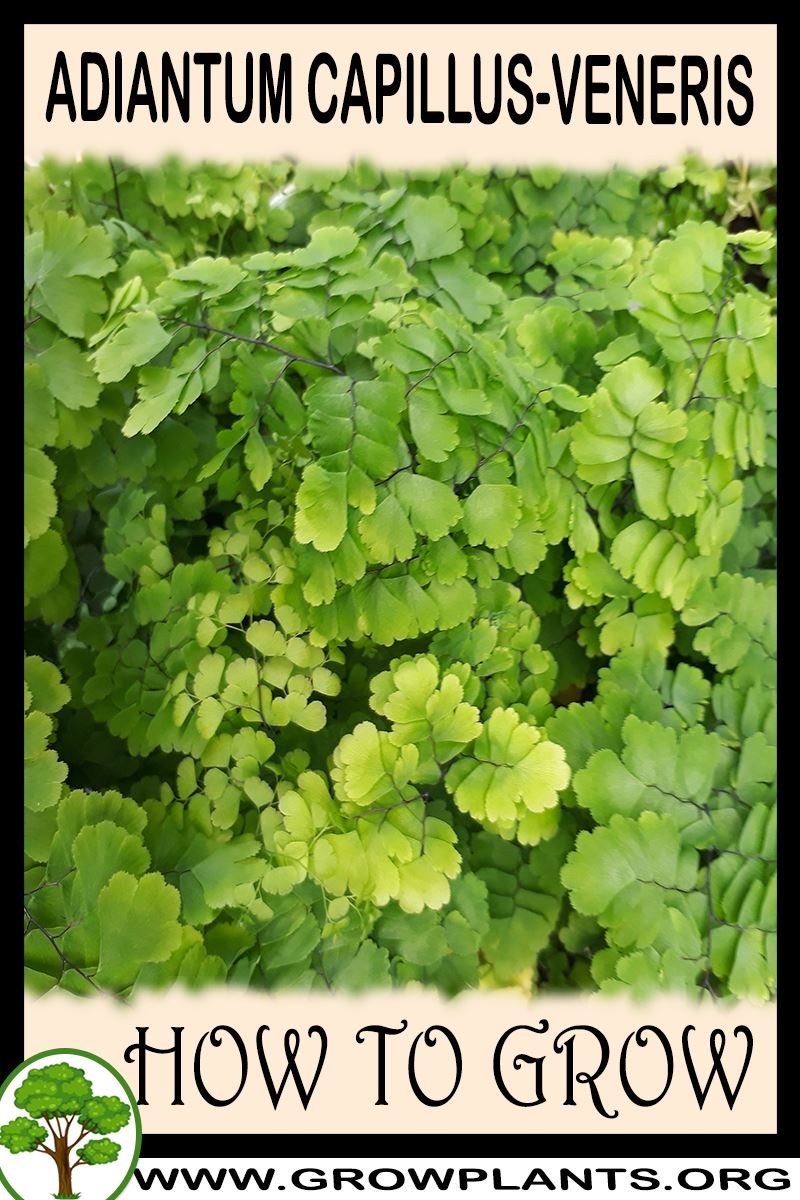
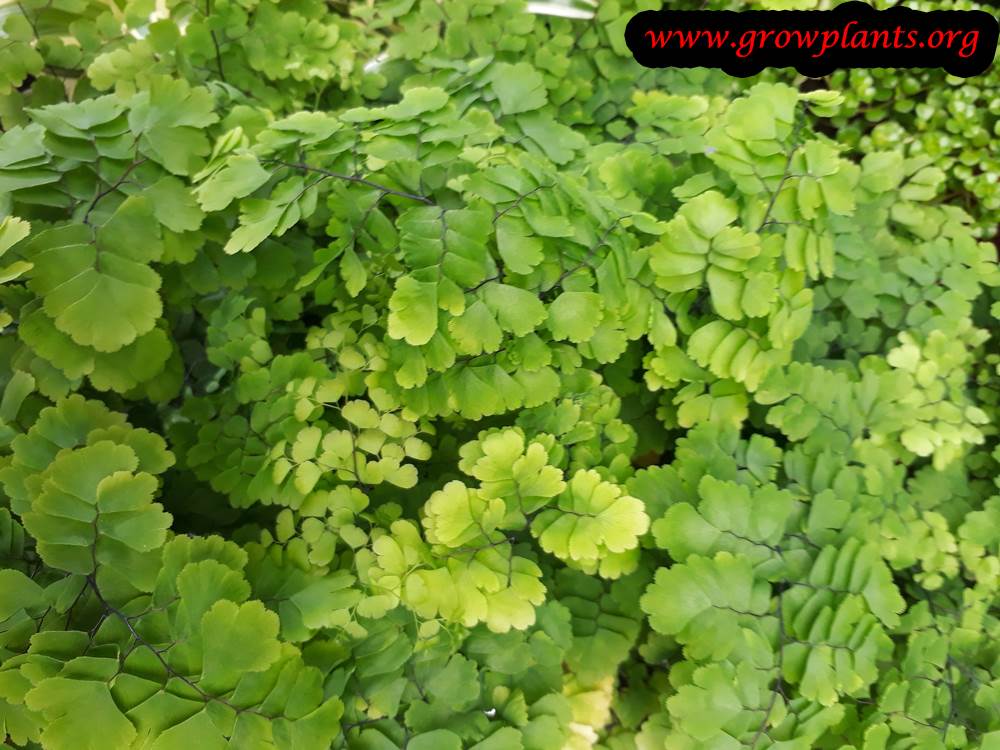
Overview: Southern maidenhair fern (Adiantum capillus-veneris) is a semi-evergreen perennial maidenhair fern reaching 30-70 cm (12-28 in) tall. It is grown purely as an ornamental for its finely divided, delicate foliage, thriving in shade as a garden, container or indoor plant.
Quick Specifications
| Specification | Attribute |
|---|---|
| Plant Type / Life Cycle | Perennial (fern) |
| Foliage Type | Semi-evergreen (evergreen in mild climates, deciduous where winters are cold) |
| Mature Size | 30-70 cm (12-28 in) tall |
| Growth Rate | Moderate |
| Root System | Rhizomatous (creeping rhizome) |
| Toxicity | Non-toxic |
| Hardiness | USDA zones 7-11a |
Growth Form & Structure
- Height & Spread: 30-70 cm (12-28 in) tall in the ground; grown in a pot or terrarium it stays more compact and is easily kept indoors.
- Growth Habit & Form: Clump-forming fern that spreads slowly by creeping rhizomes, sending up delicate, arching fronds on fine, dark, wiry stipes.
- Lifespan & Maturity: Long-lived perennial that reaches full frond size within two to three growing seasons.
Anatomy & Physical Features
- Leaves & Foliage: Green, ovate pinnae in a pinnate, triangular frond.
Primary Uses & Landscape Value
- Functional & Ornamental Roles: Ornamental foliage plant for shaded borders, woodland gardens, containers, terrariums and indoor display; the species also has a history of traditional medicinal use.
Care Guide: Planting, Soil & Watering
Overview: This maidenhair fern thrives in a sheltered, humid, shaded to part-shaded spot in rich, humus-filled soil that stays evenly moist yet still drains freely. It loves steady moisture and high humidity around its fine fronds, so the soil should never be allowed to dry out completely.
Quick Care Requirements
| Requirement | Ideal Condition |
|---|---|
| Planting Season | Spring through autumn, during active growth |
| Growth Rate | Moderate |
| Soil Type | Rich, humus-rich, moisture-retentive but well-draining |
| Water Need | Moderate to High – keep the soil consistently moist, never dry |
Planting & Establishment
- Best Planting Season: Plant during the active growing season, from spring through autumn, once the soil has warmed; avoid planting in the depths of winter.
- How to Plant:
- Hole Preparation: Dig a hole a little wider than the root ball in a shaded, sheltered position and loosen the surrounding soil so the shallow roots can spread.
- Soil Amendments: Work in leaf mould, compost or other organic matter to build a rich, moisture-retentive soil that still drains freely.
- Planting Depth: Set the crown and rhizome at soil level, with the growing points just at the surface – do not bury the crown, which can cause it to rot.
- Growth Speed & Expectations: Growth is moderate; in good conditions it fills out into a soft, spreading clump of delicate fronds over a season or two.
Soil, Watering & Drainage Care
- Soil Mix & Drainage Needs: Provide a rich, humus-based soil that holds moisture while still draining – waterlogged soil rots the roots. It grows well in a container, where a peat- or coir-based potting mix lightened with perlite, in a pot with drainage holes, keeps the roots moist but never soggy.
- Watering Schedule & Technique:
- Young / Newly Planted: Water often enough to keep the soil evenly moist at all times while the fern establishes; never let it dry out.
- Established: Continue to water regularly so the soil stays consistently moist, and raise humidity around the fronds by misting or grouping with other plants.
- Seasonal Adjustments: Water more often in summer heat and dry air, and a little less in cool weather – but keep the soil lightly moist year-round and never bone dry.
Climate, Light & Hardiness
Adiantum capillus-veneris (Southern maidenhair fern) is a shade-loving maidenhair fern suited to temperate, subtropical, or Mediterranean climates; also grown as a houseplant, hardy across USDA zone 7–11a. It is among the most widely naturalized and adaptable maidenhairs, tolerating a broader hardiness range than most of its relatives in this group.
Quick Climate Specifications
| Climate Zones | temperate, subtropical, or Mediterranean climates; also grown as a houseplant |
|---|---|
| USDA Hardiness Zones | 7–11a |
| Optimal Temp Range | approximately 15–24°C (59–75°F), with consistent warmth and humidity |
| Cold Damage Begins | fronds are damaged as temperatures approach freezing |
| Approx. Survival Minimum | established plants typically tolerate brief cold consistent with the zone range above; young plants are more cold-sensitive |
| Frost Tolerance | Low |
| Light Conditions | Full Sun / Half Shade / Full Shade |
| Wind Tolerance | Low |
Sunlight & Light Exposure
Optimal Light Setup
Bright, filtered or dappled light suits it best; indoors, a bright spot out of direct midday sun works well.
Direct Sun Requirement
Tolerates some direct morning sun in cooler climates, but hot afternoon sun scorches the delicate fronds – treat full sun tolerance as conditional, not a strict need.
Shade & Heat Management
Fronds scorch and brown in strong sun or hot, dry air; provide shade and extra humidity in hot climates.
Best Exposure/Orientation
A north- or east-facing, or otherwise sheltered understory position, protected from midday sun and drying wind.
Temperature Extremes & Hardiness
USDA Hardiness & Regional Limits
Hardy across zones 7–11a.
Cold Damage & Winter Protection
Fronds are damaged by hard frost; toward the cooler end of its range (zone 7) expect some winter dieback, with the rootstock typically surviving to resprout.
Frost Sensitivity
Frost sensitive; fronds are damaged or killed near freezing.
Extreme Heat Tolerance
Only moderate at best; dislikes hot, dry air and needs shade plus consistent moisture in warm climates.
Wind, Humidity & Microclimate
Humidity Preferences
High; consistently humid air is essential for healthy fronds, whether grown outdoors in shade or as a houseplant.
Dry-Air Tolerance
Poor – a classic maidenhair weakness; fronds brown and crisp quickly in dry air, especially indoors near heating or air conditioning vents.
Wind Tolerance
Low; the delicate fronds desiccate quickly in wind, so a sheltered spot is important.
Salt / Coastal Tolerance
Not suitable; as a humidity-loving woodland fern it is not adapted to salt spray or coastal exposure.
Rainfall & Seasonal Moisture
Adapted to consistently moist woodland conditions and does not tolerate prolonged drought; regular moisture is more important than any particular rainfall pattern.
Microclimate Recommendations
A sheltered, humid microclimate – near a water feature, in a shadehouse, grouped with other humidity-loving plants, or indoors away from drafts and heating vents.
Growing in Pots, Balconies & Indoors
The southern maidenhair (Adiantum capillus-veneris) (30-70 cm (12-28 in)) is a fine houseplant and container plant – the grower rates it Yes for both. Ferns generally do better in the shelter and steady moisture of a pot than in the open garden, thriving in shade and humidity where flowering plants would struggle.
Quick Details
- Container Size: A small-to-medium pot; it stays compact and enjoys being snug
- Indoor Suitability: A good houseplant for bright, indirect light
- Best Spot: Shade to dappled light – bright but indirect; keep out of harsh midday sun
- Soil & Drainage: Humus-rich, moisture-retentive but free-draining mix
- Watering in Pots: Generous and steady – never let the rootball dry out, but avoid standing water
Indoors & On the Windowsill
- As a houseplant: Give it bright, indirect light (an east or north window, or a bright bathroom), steady warmth and, above all, humidity – mist it, group it with other plants or stand it on a damp pebble tray, as dry indoor air browns the fronds.
- Watering: Keep the mix evenly moist at all times; a fern that dries out sheds its fronds quickly.
- Overwintering: Tender maidenhairs are happiest indoors year-round in cold climates – keep them warm and humid and out of cold draughts.
- Pet-friendly: True ferns like this are non-toxic, making them a safe choice around children and pets.
On a Balcony or Patio
- Light & shelter: Give it a shaded, sheltered corner – direct sun scorches the fronds and wind and dry air crisp them. It suits a shady balcony where sun-lovers fail.
- Moisture: Pots dry fast outdoors, so check often in warm weather and keep the fern out of drying draughts.
Choosing the Pot, Soil & Long-Term Care
- Pot & drainage: Strong drainage holes so it stays moist but never waterlogged; a saucer is useful here to keep humidity, but tip away any water that stands more than a day.
- Potting mix: A humus-rich, moisture-retentive but free-draining mix – peat or coir with perlite and a little leaf mould – so it stays evenly damp without going sour.
- Feeding: Ferns are light feeders; a weak, diluted balanced feed now and then through the growing season is plenty, as frequent watering washes nutrients from the mix.
- Repotting & dividing: Refresh the mix and pot up (or split congested clumps) about every couple of years to keep the fronds full.
Fertilizing & Feeding
This is a light-feeding fern that naturally grows in seep and spring sites with constant moisture. Consistent water and rich soil matter far more to it than fertilizer strength.
Quick Fertilizing Specs
| Feeding Level | Light feeder |
|---|---|
| Main Nutrient Priority | Balanced feeding over an organic-matter-rich, consistently moist soil base; heavy nitrogen is unnecessary |
| Best Feeding Period | Active growing season, spring into summer |
| Organic Options | Compost worked into the soil as the primary nutrient source, with light liquid feeding as a supplement |
| Soil pH | Prefers near-neutral to slightly alkaline soil, reflecting its natural habitat near mineral-rich seeps; tolerates a range if moisture is constant |
| Reduce/Stop Feeding | Taper feeding as growth slows going into cooler months, and stop through any winter dieback or rest period |
Feeding by Growth Stage
Establishment After Planting or Potting
Help a newly planted or potted fern root into rich, consistently moist soil during its first season.
| Nutrient direction | Prioritize organic matter and constant moisture over fertilizer; new roots respond more to soil richness than to feeding. |
|---|---|
| Timing | The first growing season after planting or potting, mainly spring through summer. |
| Frequency | Feeding is rarely needed at this stage; a single light application is enough if the growing medium is naturally lean. |
| Fertilizer types | Well-rotted compost worked into the planting area or potting mix, A diluted, balanced liquid feed only if the medium is notably poor |
| Precautions | Skip fertilizer right after transplanting or potting until new fronds confirm the fern has rooted in; fresh roots are easily burned by concentrated fertilizer salts. |
Active Growing Season
Support steady new frond production through the warm season while moisture stays constant at the roots.
| Nutrient direction | A balanced, diluted feed supports fresh fronds; keep applications light rather than pushing rapid, soft growth. |
|---|---|
| Timing | Spring into summer, while new fronds are actively unfurling. |
| Frequency | Light, infrequent feeding is usually enough; this fern is a light feeder and rarely needs more. |
| Fertilizer types | A diluted, balanced liquid or granular fertilizer formulated for foliage plants, Top-dressing with compost as an organic alternative |
| Precautions | Watch for fertilizer salt buildup, especially in containers; flush the soil thoroughly if frond tips start to brown, and skip feeding on a plant already stressed by drying out between waterings. |
Dormant or Slow Season
Let the fern rest through its coolest months without pushing growth it can’t use, whether it dies back or simply slows.
| Nutrient direction | None – withhold fertilizer while growth is stalled or the plant has died back for winter. |
|---|---|
| Timing | Autumn through winter, or whenever cooler weather visibly slows or stops new frond production. |
| Frequency | No feeding at this stage. |
| Fertilizer types | No feeding at this stage; resume light feeding only once new fronds appear. |
| Precautions | Do not fertilize a dormant or dieback-stage fern; wait for clear new frond growth before feeding again. |
Nutrient Deficiency Signs & Corrections
Older, lower fronds turn pale green to yellow while newer growth still looks normal.
| Possible causes | Nitrogen or general nutrient deficiency in a lean or leached growing medium, Iron chlorosis from a mismatch between soil chemistry and the plant’s needs, Waterlogged roots limiting nutrient uptake, Low light reducing overall plant vigor |
|---|---|
| Appears first on | Older, lower fronds first |
| What to check | Recent feeding history and soil or potting-mix richness, Soil drainage and compaction around the root zone, Light levels reaching the plant, Whether newer fronds are also affected |
| Possible correction | Improve drainage and work compost into the soil, or refresh potting mix; if a micronutrient issue like iron chlorosis is suspected, apply a chelated iron product per its label. |
Frond tips and margins turn brown and crisp while the rest of the leaf stays green.
| Possible causes | Fertilizer salt buildup from over-feeding, The soil drying out between waterings, which this species tolerates poorly, Root stress from compacted or poorly drained soil |
|---|---|
| Appears first on | Frond tips and outer margins |
| What to check | How recently and heavily the plant was fed, Consistency of soil moisture between waterings, Soil drainage and compaction |
| Possible correction | Flush the soil thoroughly to move excess salts through, ease off on feeding strength and frequency, and keep the soil evenly moist rather than letting it dry out. |
The fern produces few new fronds and overall growth is noticeably slow through the growing season.
| Possible causes | Nutrient-poor soil lacking organic matter, Root crowding overdue for repotting or division, Insufficient or inconsistent moisture for this water-loving species |
|---|---|
| Appears first on | New frond (crown) production |
| What to check | Soil organic matter content, Root crowding in the pot or planting site, Moisture consistency at the roots |
| Possible correction | Work compost or other organic matter into the soil, divide or repot if roots are crowded, and keep moisture more consistent at the roots. |
Pruning, Training & Seasonal Maintenance
Southern maidenhair fern needs very little pruning: it has no woody framework to train, so maintenance is limited to removing dead, browned or damaged fronds at their base. In mild zones (roughly 9-11a) foliage stays evergreen and fronds can be removed as they decline year-round; in cooler parts of its range (zone 7-8) winter cold browns the top growth and the whole clump is best cut back once, in late winter, just before the new fiddleheads unfurl. Because the plant does not flower, timing is about protecting the emerging fiddleheads and keeping the crown clean, not about wood age or bloom cycles.
Quick Pruning & Maintenance Specs
| Pruning Tolerance | Low (routine) / Moderate for a full dormant-season cutback where winters brown the foliage |
| Primary Pruning Window | Late winter – just before new fiddleheads emerge |
| Secondary Maintenance Window | Ongoing removal of individual spent fronds through the growing season |
| Typical Frequency | Light tidy every few weeks; one full cleanup per year where frost browns foliage |
| Main Objective | Remove dead/damaged fronds, keep humid foliage mass open to reduce rot risk |
| Young Plant Priority | Hands-off – protect unfurling fiddleheads, do not disturb the crown |
| Mature Plant Priority | Clear old outer fronds at the base as they yellow or brown |
| Best Tool Type | Fine precision snips |
| Avoid Heavy Pruning During | Active fiddlehead emergence in spring; drought or heat-stress periods |
Pruning by Plant Age & Size
Newly Established
Leave newly planted or newly potted specimens alone beyond removing any fronds damaged in transplanting; the rhizome needs its full frond mass to recover and establish. No structural training applies to a fern.
Young / Formative
No training system is used – there is no leader, cane or framework to select. The only task is thinning out any weak or malformed early fronds so the crown fills in evenly.
Mature / Established
Established clumps (30-70cm) benefit from periodic removal of the oldest, outermost fronds at soil level to keep air moving through the dense foliage and to make room for the current flush.
Seasonal Pruning Schedule
Dormant/Winter
Objective: reset foliage where cold has browned it. Remove: collapsed, blackened or frost-damaged fronds, cut at the base. Do not remove: any frond that is still green and functional, even if partly marked. Expected response: vigorous fiddlehead flush from the rhizome once temperatures rise. Impact: none on flowering (ferns do not flower); a full cutback simply resets the display for spring.
Ongoing Sanitary
Objective: prevent fungal buildup in the humid foliage this species prefers. Remove: individual yellowed or slug-damaged fronds as they appear. Do not remove: healthy green fronds for the sake of tidiness.
Special Growth to Remove
- Dead or blackened fronds – cut at the base, do not tug (this can loosen the shallow rhizome).
- Slug/snail-damaged fronds (a noted pest for this species) – remove promptly since damaged tissue is an entry point for rot in humid conditions.
Container & Small-Space Pruning
Frequently grown as a houseplant. In containers, prioritise removing spent fronds promptly since still air and constant moisture around pots raise rot risk faster than outdoors; do not attempt to control size by shearing the whole plant – instead remove whole fronds at the base and, if the clump has outgrown its pot, divide the rhizome rather than pruning it hard.
Tools
- Precision snips – the only tool needed; fronds and stipes are thin and soft.
Tool Hygiene & Disease Risk
Routine – clean, sharp snips are sufficient. No serious transmissible pathogen is documented for this species; the main risk is rot from decaying fronds left in contact with the crown in humid, still conditions, not tool-borne disease.
Cut Placement & Technique
Cut each frond at its base, close to the rhizome, rather than mid-stipe; a clean low cut prevents unsightly stubs and removes the point of fungal entry along with the dead tissue.
Heavy Pruning & Rejuvenation
Where winter frost browns the whole clump, a full cutback to the base is well tolerated and standard practice – do it in late winter, just before new fiddleheads appear, and the rhizome will push a full new flush within weeks. In mild zones where foliage stays evergreen, there is no need for this and the plant should not be hard-cut simply for renewal.
Post-Pruning Care
After a full winter cutback, keep the rhizome consistently moist and humid to support the coming flush; do not fertilize immediately afterwards – the plant is drawing on stored rhizome energy, and feeding is more useful once new fronds are actively growing. Watch new fiddleheads for slug damage.
Common Pruning Mistakes
- Pulling dead fronds instead of cutting, which can dislodge the shallow rhizome.
- Cutting back green, still-functional fronds in mild climates out of habit.
- Letting decaying fronds sit against the crown in humid conditions, inviting rot.
When NOT to Prune
Avoid cutting back during active fiddlehead emergence in spring, and avoid any pruning during drought or heat stress, since the plant needs its full frond mass to recover water loss.
Recommended Tools (by task)
- precision_snips – for removing thin, soft fronds at the base without crushing the stipe or disturbing neighbouring growth.
Propagation Guide
Southern maidenhair fern is best increased by dividing its spreading rhizome, which produces an identical plant far faster than raising it from spores. The species is, however, one of the more spore-prolific maidenhairs and is well known to self-sow onto consistently damp walls and rockwork in the wild, so spore propagation can succeed comparatively more readily here than in many other Adiantum species – though it remains the slower route. Overall difficulty is moderate: both divisions and spore-raised plants need steady humidity while establishing.
Quick Propagation Specs
| Best Propagation Method | Rhizome division |
| Alternative Methods | Spore propagation (comparatively free-spored for the genus, still slow) |
| Propagation Difficulty | Moderate |
| Vegetative True-to-Type | Yes |
| Spore True-to-Type | Usually true-to-type |
| Best Propagation Season | Spring through early summer, as new fronds flush |
| Spore Germination Time | Several weeks to a few months to the visible sporeling stage |
| Time Until Division Establishes | A few weeks to around two months in humid, sheltered conditions |
| Spore Germination Temperature | Around 20–24°C (68–75°F) |
Rhizomes, Tubers, Bulbs & Corms
Rhizome Division
Lift an established clump in spring and separate the creeping rhizome into sections with a clean blade, keeping several fronds and a healthy portion of roots on each piece. Because this species tolerates a wider range of light (full sun to full shade) than many maidenhairs, divisions can eventually be hardened off toward their intended growing spot, but they should still start in shade with high humidity until new roots and fronds confirm establishment. Pot into a rich, moist, free-draining mix consistent with the site’s stated growing conditions.
Spores
Collect spores once the sori on the frond undersides darken. Sow onto a sterile, permanently moist medium and keep covered for high humidity and bright, indirect light; given this species’ natural tendency to spread by spore on damp surfaces, viable spore is often easy to obtain, though the prothallus and seedling stages still take several weeks to a few months before plants are large enough to pot on individually.
Fruit & Uses
Southern maidenhair fern is not a food crop – it produces no fruit, seed or storage root to eat. The only part with any traditional use is the frond (leaf), which has historically been steeped as an herbal tea or infused into a sweetened syrup, rather than eaten raw or cooked as a vegetable.
Quick Edible Specs
| Edible Parts | Fronds (leaves) – infusion/flavoring use only |
|---|---|
| Main Use(s) | Traditional herbal tea; historic flavored syrup (“capillaire”); traditionally used medicinally as a soothing infusion – not a culinary food |
| Eaten Raw or Cooked | Not eaten as food – used only as a steeped/infused beverage |
| Preparation Required | Steep fresh or dried fronds in hot water, or historically simmer with sugar syrup; never consumed as raw or cooked plant matter |
| Harvest Season | Fronds can be cut for drying whenever the plant is actively growing (see Care/Pruning for general frond-cutting timing) |
| Storage | Use fresh, or air-dry fronds for later tea use; no fresh-storage as a food |
| Safety/Toxicity Caveat | This traditional use record is specific to this species (A. capillus-veneris) – do not assume other Adiantum (maidenhair) species share it. Treat as a historical herbal infusion only, not a validated food or medicine; avoid if pregnant, nursing, or sensitive to herbal preparations, and do not confuse with unrelated toxic ferns. |
Leaves & Greens
The fine, delicate fronds are the sole part ever used. Fresh or air-dried fronds are steeped in hot water for a mild herbal tea, or were historically simmered with sugar to make “capillaire,” a fern-flavored syrup used in 18th–19th century Europe as a beverage flavoring and soothing tonic. The fronds are not eaten whole and are not a leafy-green food in the culinary sense – they are discarded after infusing.
Preparation, Uses & Safety
Use only fresh, clean fronds free of pest damage or spray residue; rinse before infusing. Steep in freshly boiled water for a few minutes for tea, or dissolve in a light sugar syrup for the traditional capillaire-style preparation. This is a traditional/historical use rather than an established food, so keep portions token and occasional; there are no reliable dosing guidelines, and this note is not a medical recommendation. Because the plant is also grown ornamentally and sometimes treated with pesticides, only use material you know to be untreated.
Pests, Diseases & Troubleshooting
Overview: Maidenhair ferns (Adiantum capillus-veneris) carry thin, delicate fronds and a shallow, moisture-loving rhizome, so their real weaknesses are sap-sucking insects that hide along the wiry stalks, fungal trouble in stagnant damp air, and – most of all – abiotic stress from dry air, uneven watering and salt build-up. Serious pest outbreaks are uncommon on a healthy, well-grown plant. Management is cultural and preventive first: steady even moisture, high humidity, gentle air movement, clean tools, and quarantine of new plants, turning to soft organic controls only when needed. Note that ferns are unusually sensitive to sprays, so always spot-test any oil or soap on a single frond before treating the whole plant.
Quick Troubleshooting Overview
| Issue / Pest | Main Symptom | Primary Solution |
|---|---|---|
| Scale insects | Brown or white specks along frond stalks and pinnae undersides; yellowing, sooty film | Prune out worst fronds, wipe off, isolate, repeat gentle treatment |
| Mealybugs | White cottony tufts in the crown and leaf axils; sticky honeydew | Dab with diluted alcohol, rinse, improve hygiene and inspection |
| Fungus gnats | Tiny black flies over the soil; weak growth from larvae in roots | Let the surface dry, sticky traps, BTI larvae drench |
| Spider mites | Fine pale stippling, dull dry fronds, faint webbing in dry air | Raise humidity, rinse foliage, isolate the plant |
| Botrytis / leaf spot | Grey fuzz or brown blotches on crowded, constantly wet fronds | Increase airflow, remove affected fronds, ease off overhead water |
| Frond tip / edge browning | Crispy brown pinnae margins or whole fronds collapsing | Correct humidity, watering rhythm and salts (abiotic) |
Common Pests & Management
- Fern scale (Pinnaspis aspidistrae) & soft brown scale (Coccus hesperidum):
- Symptoms: Ferns are especially prone to scale. Look for elongated white male specks and pear-shaped brown female scales clustered along the black wiry stalks (rachis) and on the undersides of the pinnae. Soft scale adds sticky honeydew and black sooty mould. Heavy infestations cause yellowing, thin growth and frond drop. Do not confuse the neat brown dots of spore-bearing sori along healthy frond margins with scale – sori are in a regular pattern, scale is random and can be scraped off.
- Prevention & Control: Inspect and quarantine every new fern. On light infestations, prune out the worst fronds and wipe stalks with a soft cloth or cotton bud dipped in diluted rubbing alcohol. Encourage predators (ladybirds, lacewings, parasitic wasps) outdoors. If a spray is needed, use a very dilute horticultural oil or insecticidal soap, but spot-test one frond first and treat in the cool evening – many maidenhairs scorch from oils and soaps.
- Mealybugs (Pseudococcus & Planococcus citri):
- Symptoms: White cottony, waxy tufts tucked into the crown, leaf axils and along stalks; sticky honeydew and sooty mould; new croziers (fiddleheads) emerge stunted and distorted. Root mealybugs may appear as white deposits on the root ball at repotting.
- Prevention & Control: Catch them early – touch each tuft with a cotton bud dipped in diluted alcohol, then rinse the plant under a gentle shower. Isolate affected ferns. Keep plants unstressed and avoid excess nitrogen, which fuels soft growth they favour. For roots, drench-and-rinse the root ball and repot into fresh sterile media. Use insecticidal soap only as a spot-tested last resort.
- Aphids (Aphis & Myzus persicae):
- Symptoms: Soft green, black or pink insects on the tender unfurling fiddleheads and youngest fronds, causing puckering, curling and a sticky, shiny coating with sooty mould. Fresh spring growth is most at risk.
- Prevention & Control: Knock them off with a firm water rinse – often enough on ferns. Support natural enemies (ladybirds, hoverflies, lacewings) outdoors. Avoid over-feeding with nitrogen. Reserve a spot-tested insecticidal soap for stubborn cases only.
- Fungus gnats (Bradysia spp.):
- Symptoms: Small black flies drifting over the constantly moist soil these ferns need. The real damage is from the larvae, which feed on fine roots and rhizome tissue, leaving seedlings and weak plants stunted and prone to rot.
- Prevention & Control: The cure is water management without letting the fern dry out too far – let just the top layer dry between waterings, use free-draining media, and avoid soggy saucers. Yellow sticky traps catch adults; a BTI (Bacillus thuringiensis israelensis) drench or a thin layer of grit/sand on the surface targets larvae. Bottom-watering keeps the surface drier while roots stay moist.
- Spider mites (Tetranychus urticae):
- Symptoms: A hot, dry, low-humidity spot – indoors near heating especially – brings fine pale stippling, a dull bronzed look and, in bad cases, faint webbing between pinnae. Fronds dry and crumble. Maidenhairs, which demand humidity, react quickly.
- Prevention & Control: Mites hate humidity, so the fern’s own ideal conditions are the best defence: raise humidity, group plants, keep away from heat vents and dry drafts, and rinse foliage periodically. Isolate infested plants. If needed, a spot-tested light horticultural oil or a predatory mite (Phytoseiulus persimilis) can be used; harsh miticides often burn fern fronds.
- Slugs & snails (e.g. Deroceras, Cornu aspersum):
- Symptoms: On ferns grown outdoors or in shaded, damp garden beds, ragged holes and chewed, notched frond edges appear overnight, often with slime trails. Soft new fronds and fiddleheads are grazed first.
- Prevention & Control: Hand-pick after dark or after rain, remove hiding places (debris, upturned pots), and water in the morning so foliage and surface dry by night. Copper tape around pots, grit or crushed shell barriers, and traps help; use iron-phosphate baits (pet-safe) if pressure is high.
Diseases & Fungal Issues
- Botrytis / grey mould (Botrytis cinerea):
- Symptoms: Fuzzy grey-brown mould on fronds that are crowded, damp and poorly ventilated; affected pinnae turn watery brown then collapse. Most common in cool, humid, still air and on dead frond litter left in the crown.
- Treatment & Management: This is an airflow-and-hygiene disease. Increase ventilation, space plants, remove dead and infected fronds promptly, and water at the base rather than over the fronds late in the day. Avoid leaving foliage wet overnight. If it persists, a mild organic fungicide can be used, but correcting conditions usually resolves it.
- Fungal & bacterial leaf/frond spot (Cylindrocladium, Pseudomonas, etc.):
- Symptoms: Brown, black or water-soaked spots and blotches on pinnae, sometimes with yellow halos, spreading in warm wet conditions or from overhead watering and splashing. Tips and margins may blight.
- Treatment & Management: Remove and discard spotted fronds, keep foliage dry, water at soil level, improve air movement and avoid overcrowding. Sanitise tools between plants. A copper-based fungicide can check fungal or bacterial spotting if it is spreading, but improving airflow and watering habits is the main fix.
- Rhizome & root rot (Pythium, Phytophthora, Rhizoctonia):
- Symptoms: Despite loving moisture, maidenhairs rot in waterlogged, airless soil. Fronds yellow, wilt and blacken from the base, the crown softens, and roots are brown and mushy rather than firm and pale. Often follows soggy media, buried crowns or cold wet conditions.
- Treatment & Management: Prevention is key: use a rich but free-draining, open mix, pots with drainage, and keep soil evenly moist – not saturated. Never let the plant stand in water. Repot rotting plants into fresh sterile media, trimming away dead roots and rhizome; salvage healthy divisions. Improve drainage and ease watering going forward.
Growing Difficulties & Abiotic Problems
- Frond tip & edge browning (low humidity / dry air):
- Cause & Symptoms: The classic maidenhair complaint – crispy brown pinnae margins or whole fronds shrivelling – driven by dry air, heat, drafts and forgetting a single watering. These ferns evolved beside damp rocks and streams and hate dry rooms.
- Correction Strategy: Raise humidity with grouping, a pebble/water tray or a humid location (bathroom, terrarium, cabinet), keep away from radiators, heaters and cold drafts, and never let the root ball dry out. Trim off dead fronds; the plant reliably pushes fresh growth from the rhizome once conditions steady.
- Leaf scorch (too much light / direct sun):
- Cause & Symptoms: Bleached, pale or scorched brown patches on fronds exposed to direct sun or intense light. Maidenhairs are woodland-floor plants and burn easily in strong sun despite the source note listing full sun.
- Correction Strategy: Give bright indirect light or dappled/part-to-full shade; filter harsh midday sun. Move sunburned indoor plants back from hot windows. New shaded growth will replace scorched fronds.
- Overwatering & waterlogging (root suffocation):
- Cause & Symptoms: Constant sogginess, standing water in the saucer or a dense airless mix causes yellowing, base blackening and collapse – the gateway to root rot. It is a fine line, since underwatering browns them too.
- Correction Strategy: Aim for evenly moist but never sodden soil in an open, free-draining medium; empty saucers after watering; bottom-water to moisten roots without waterlogging the crown. Let only the very surface dry between waterings.
- Sudden drying / collapse (underwatering):
- Cause & Symptoms: Maidenhairs have little tolerance for drought; one dry-out can crisp the whole plant surprisingly fast, leaving it looking dead.
- Correction Strategy: Keep a consistent watering rhythm and never let the mix go bone dry. If it does collapse, cut all fronds back to the rhizome, resume even moisture and humidity – established plants very often regrow from the roots.
- Salt, fertiliser & chlorine burn:
- Cause & Symptoms: Ferns are salt-sensitive. Over-feeding, hard/softened water or fertiliser build-up shows as brown, burnt frond tips and margins and a white crust on soil or pot rims; chlorinated tap water can also brown the fine foliage.
- Correction Strategy: Feed sparingly with a dilute (quarter- to half-strength) balanced fertiliser only in active growth, flush the pot with clean water periodically to leach salts, and use rain, filtered or stood (dechlorinated) water where tips keep burning.
What Helps — Products & Tools
For maidenhair ferns, lean on gentle, spot-tested tools: mild insecticidal soap and light horticultural / neem oil (test on one frond first, apply in the evening) for scale, mealybugs and aphids; yellow sticky traps plus a BTI (mosquito-bit) drench for fungus gnats; a humidity tray, humidifier or fine mister and predatory mites against spider mites; iron-phosphate slug bait and copper tape outdoors; and a copper-based fungicide for spreading leaf spot or grey mould once airflow is improved. Best results come from clean tools, free-draining sterile media, steady moisture and good ventilation rather than heavy spraying.