
Fertilizer labels can look like a chemistry exam, but feeding plants comes down to a few ideas. The three numbers on every pack are N-P-K — nitrogen for leaves and growth, phosphorus for roots and flowers, potassium for overall health and fruiting. Beyond that, it’s mostly about choosing the right form (slow-release, liquid or organic) for your plants and habits. This guide explains N-P-K, the main fertilizer types, and how to feed without harming your plants.
As an Amazon Associate GrowPlants earns from qualifying purchases. We recommend product types that genuinely suit the plant; prices and availability are set by Amazon.
N-P-K in one minute
- N (nitrogen): leafy, green growth. High-N suits foliage and lawns.
- P (phosphorus): roots, flowers and fruit set.
- K (potassium): general vigour, disease resistance, fruit quality.
A “balanced” fertilizer has roughly equal numbers (e.g. 10-10-10) and suits most plants; specialised feeds shift the ratio for a purpose (bloom, lawn, tomato).
Fertilizer types
Slow / controlled-release
Coated granules that feed gradually over weeks or months — low effort and hard to overdo. Great for containers and beds.


Liquid & water-soluble
Fast-acting feeds you dilute and apply while watering. Ideal for a quick boost and for indoor plants, but need regular reapplication.
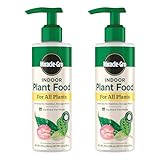


Organic & slow-acting
Compost, worm castings, seaweed and pelleted manures feed the soil life as well as the plant — gentle and hard to burn with, though slower to act.


Fertilizer types at a glance
| Type | Speed | Effort | Best for |
|---|---|---|---|
| Slow-release | Weeks–months | Low | Containers, beds, “set and forget” |
| Liquid | Fast | Higher (repeat) | Indoor plants, quick boosts |
| Organic | Slow | Low–medium | Soil health, gentle feeding |
How to choose & feed
- Match the goal: leafy plants like more N; flowering/fruiting benefit from adequate P and K.
- Match your habits: forgetful? use slow-release. Want fast results or grow indoors? liquid.
- Always follow the label dose — over-feeding burns roots and pollutes runoff. When unsure, feed weaker and more often.
- Feed in the growing season, ease off in dormancy.
Signs you got it wrong
- Over-fertilizing: scorched leaf edges, white salt crust on soil, wilting despite moist soil.
- Deficiency: pale or yellowing leaves (often nitrogen), poor flowering, weak growth.
Common mistakes
- Guessing the dose instead of following the label — the fastest way to burn a plant.
- Feeding dry roots; water first.
- Feeding heavily in winter when most plants rest.
- Assuming “more feed = more growth.”
FAQ
What does N-P-K mean? The percentages of nitrogen, phosphorus and potassium — the three main plant nutrients — shown as three numbers on the label.
Which fertilizer is best for most plants? A balanced slow-release feed suits most; use liquid for indoor plants and quick boosts, organic for long-term soil health.
Can I over-fertilize? Yes — excess feed burns roots and builds up salts. Follow label rates and feed less in dormancy.
How often should I fertilize? It depends on the product and plant; slow-release lasts weeks to months, liquids are applied more often during active growth.
Final recommendation
For most gardens, a balanced slow-release feed handles the bulk of the work, topped up with a liquid feed for indoor plants and quick boosts, and organic inputs for long-term soil health. Match the N-P-K ratio to your goal, always follow the label dose, and feed during active growth.
As an Amazon Associate GrowPlants earns from qualifying purchases. GrowPlants does not sell these products.
See also: fertilizer for citrus & fruit trees · orchid fertilizer · aquatic plant fertilizer · all fertilizers & nutrition.