


Plant Profile & Key Characteristics
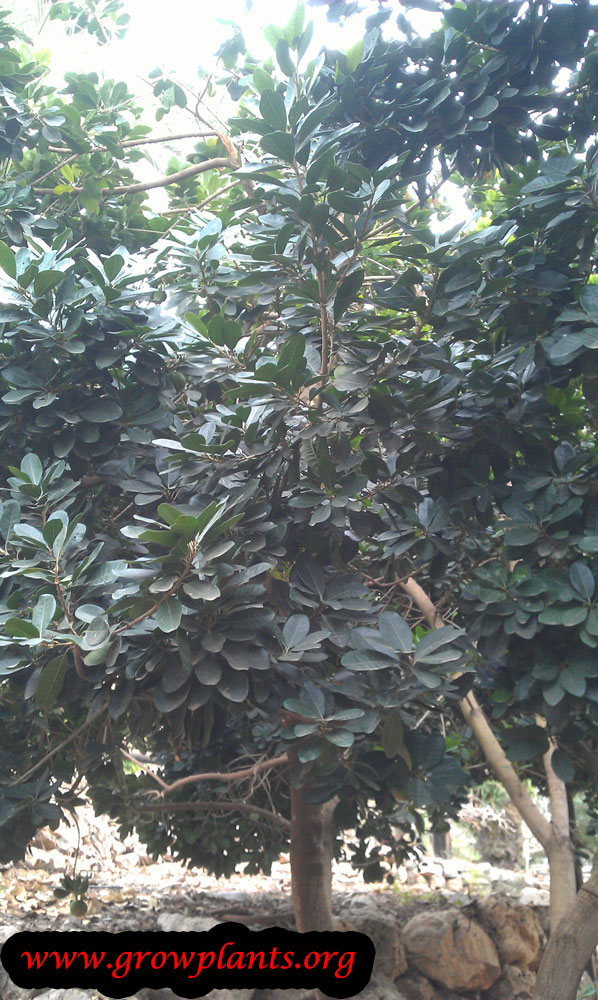
Overview: An evergreen tropical to subtropical tree of the genus Pouteria, reaching about 5-16 m (15-48 ft), grown for its sweet, dry-fleshed yellow-orange fruit and also as an ornamental. It grows at a moderate pace and prefers rich, moist, well-drained soil.
Quick Specifications
| Specification | Attribute |
|---|---|
| Plant Type / Life Cycle | Evergreen tree (perennial) |
| Foliage Type | Evergreen |
| Mature Size | 5-16 m (15-48 ft) tall |
| Growth Rate | Moderate |
| Hardiness | USDA zone 9 and warmer (needs above roughly -2°C) |
Growth Form & Structure
- Height & Spread: A medium to large tree of 5-16 m (15-48 ft) in open ground; it needs space and is not suited to long-term pot culture.
- Growth Habit & Form: Upright evergreen tree with a spreading canopy; young trees are best shaped early.
- Lifespan & Maturity: A long-lived tree; it generally begins bearing in about 3-5 years, and cross-pollination between trees improves fruit set.
Anatomy & Physical Features
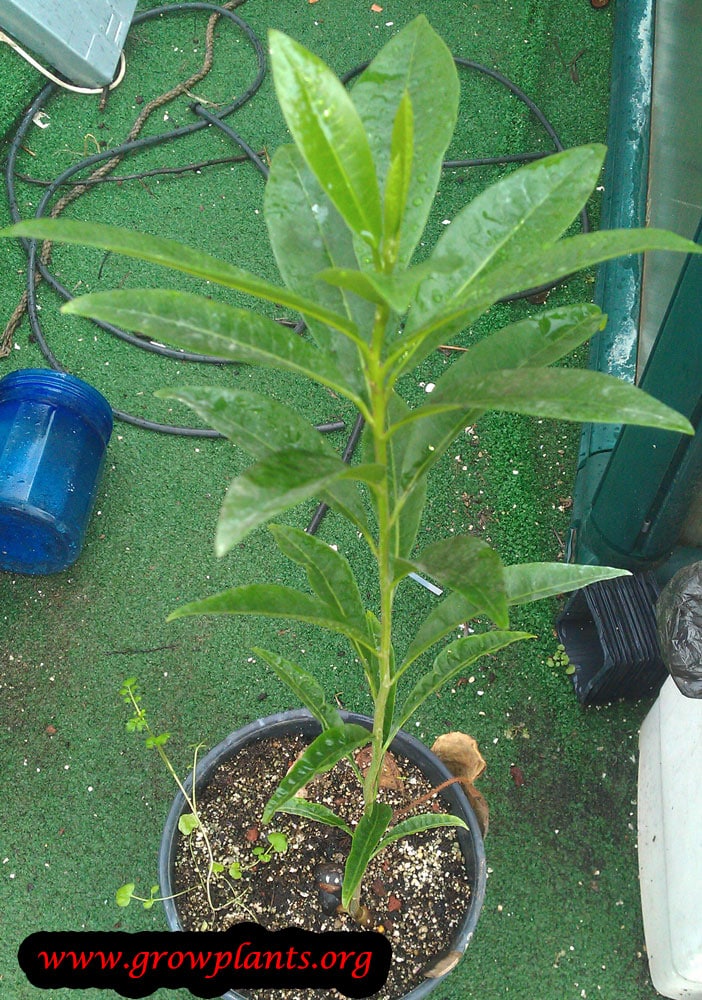
- Leaves & Foliage: Green leaves clustered toward the branch tips.
- Flower Characteristics: Small green flowers about 0.5-1 cm across, borne in small groups.
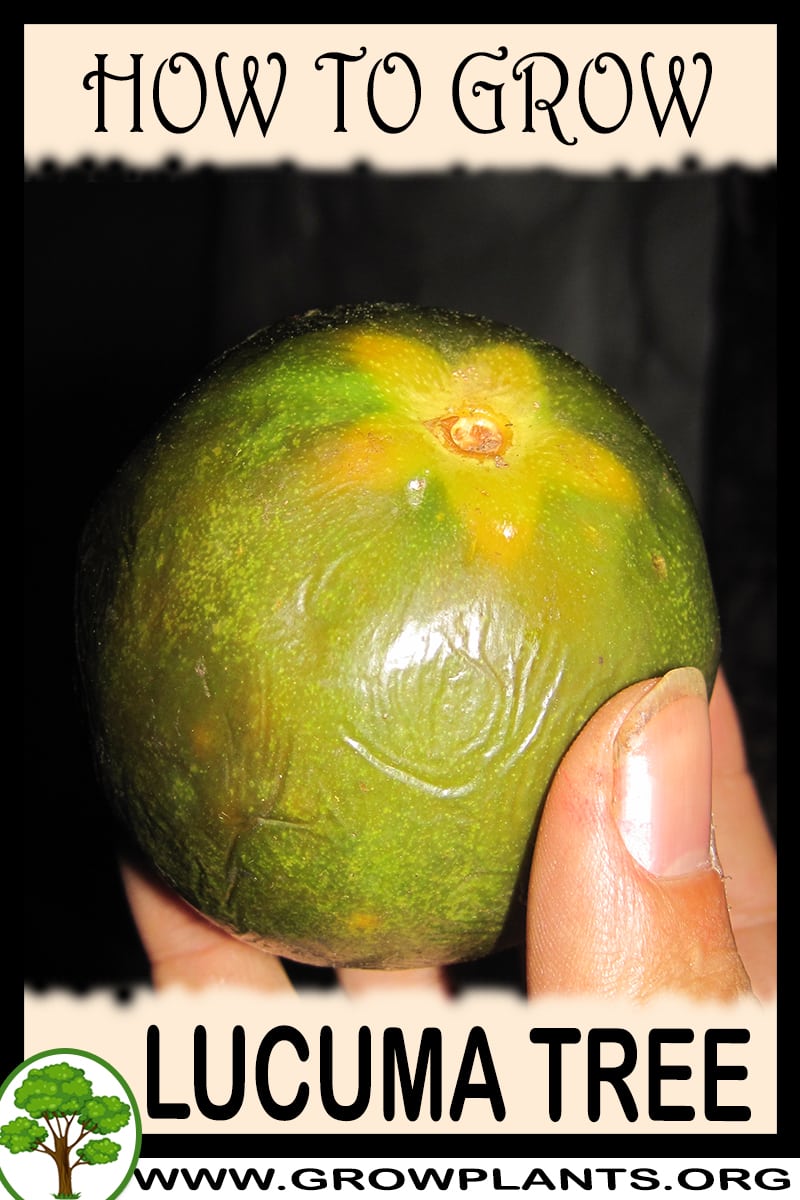
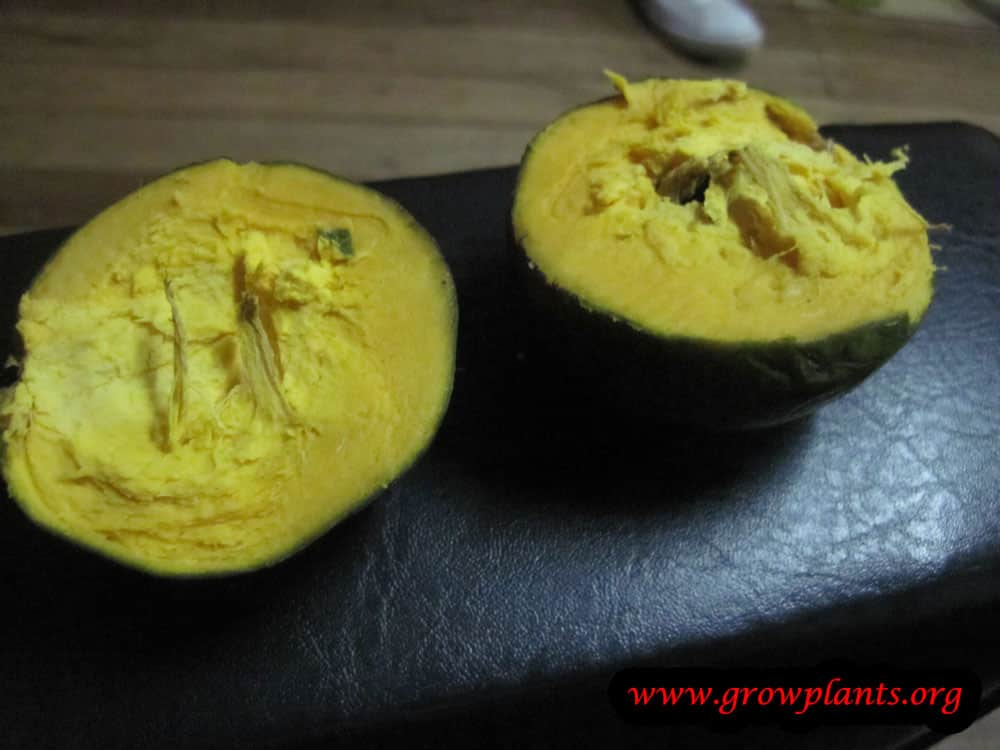
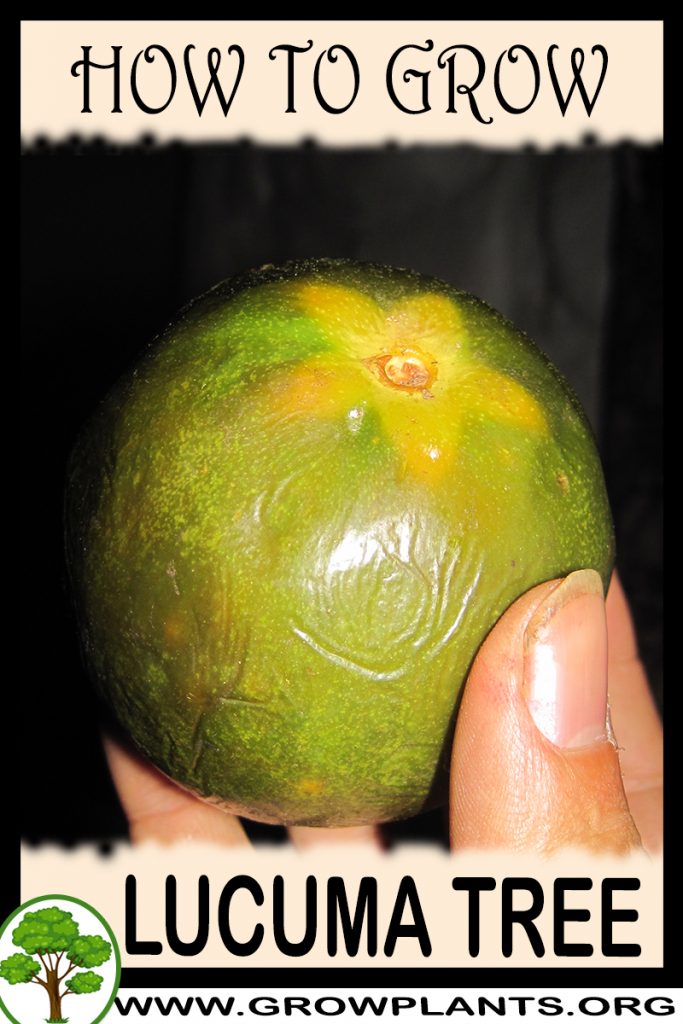
- Fruit Profile: Oval yellow-orange fruit with sweet, dry, powdery flesh tasting of sweet potato with maple and caramel notes.
Primary Uses & Landscape Value
- Edible Uses: Eaten fresh and widely used as a flavouring in shakes, ice cream and desserts; also dried and ground as a sweet spice.
- Functional & Ornamental Roles: A subtropical fruit tree that also serves as an evergreen ornamental shade tree.
Care Guide: Planting, Soil & Watering
Overview: The lucuma is a subtropical to tropical evergreen for warm, frost-free gardens (hardy to about -2°C, zone 9+), growing best in full sun in rich, organic, well-draining soil. It prefers soil kept lightly and evenly moist, with a moderate, regular supply of water.
Quick Care Requirements
| Requirement | Ideal Condition |
|---|---|
| Planting Season | Spring in zones 9–10a; spring to autumn in zones 10b–11a; year-round in zone 11b+ |
| Growth Rate | Moderate |
| Soil Type | Rich, organic, moist yet well-draining soil |
| Water Need | Moderate — keep the soil lightly and evenly moist, easing off between waterings |
Planting & Establishment
- Best Planting Season: Plant in spring in zones 9–10a, from spring to autumn in zones 10b–11a, or at any time of year in zone 11b+; keep young trees frost-free (hardy only to about -2°C).
- How to Plant:
- Hole Preparation: Dig a hole about twice the width of the root ball and the same depth, loosening the sides so roots establish quickly.
- Soil Amendments: Mix generous compost or well-rotted organic matter into the backfill — this tree responds well to rich, organic soil.
- Planting Depth: Set the tree with the root collar level with the surrounding soil; never bury the trunk.
- Growth Speed & Expectations: Expect a moderate pace, the tree building its framework over several warm seasons.
Soil, Watering & Drainage Care
- Soil Mix & Drainage Needs: Provide rich but free-draining ground and mulch to conserve moisture, while making sure excess water drains away freely; it is best grown in the open ground rather than a permanent container.
- Watering Schedule & Technique:
- Young / Newly Planted: Water newly planted trees regularly to keep the soil evenly moist while they root in.
- Established: Keep the soil lightly and evenly moist, watering deeply and letting only the surface dry between waterings.
- Seasonal Adjustments: Increase watering in hot, dry weather and reduce it in cool spells when growth slows.
Climate, Light & Hardiness
Lucuma tree grows in subtropical, tropical, and mediterranean climates and prefers full sun once established, though young trees tolerate half shade until they grow up into direct light. Cold tolerance is low, with the site rating it to approximately zone 9 and above.
Quick Climate Specifications
| Climate Zones | Subtropical, tropical, and mediterranean climates |
|---|---|
| USDA Hardiness Zones | Approximately 9 and above |
| Frost Tolerance | Low |
| Light Conditions | Full Sun (mature); young trees tolerate Half Shade |
Sunlight & Light Exposure
Optimal Light Setup
Mature trees want full sun; young trees can start out in half shade and be moved or allowed to grow up into fuller light over time.
Temperature Extremes & Hardiness
USDA Hardiness & Regional Limits
Reliable outdoor culture is rated from approximately zone 9 upward, slightly hardier than many tropical fruit trees on this site, consistent with its subtropical Andean origin.
Cold Damage & Winter Protection
Seedlings and young plants raised over winter in cooler hardiness zones need frost protection; treat young growth as the most cold-vulnerable stage.
Frost Sensitivity
Protect young trees from frost; established trees are somewhat sturdier but still intolerant of hard freezes.
Wind, Humidity & Microclimate
Microclimate Recommendations
Starting young trees in a sheltered, part-shaded nursery spot before moving them into full sun helps them establish before facing full climatic exposure.
Growing in Pots, Balconies & Indoors
Lucuma (Pouteria lucuma) is a large tree at 5-16 m (15-48 ft), and the grower marks it as neither a houseplant nor a container plant. It really needs open ground to grow and fruit; a pot can only hold it very briefly as a young seedling.
Quick Details
- Container Size: Not suited to long-term pots; open ground only
- Indoor Suitability: Not a houseplant – far too large and needs strong sun
- Best Spot: Full sun in open ground
- Soil & Drainage: Deep, free-draining soil
- Watering in Pots: Only relevant for a young seedling – keep evenly moist with free drainage
Indoors & On the Windowsill
- Not a houseplant: This is a large fruit tree that needs full outdoor sun and much more root room than any pot offers – it will not thrive indoors or on a windowsill.
- Young seedlings only: A seedling can spend its first year or two in a pot in a bright, frost-free spot, but plan to plant it out.
On a Balcony or Patio
- Short-term only: A young plant can stand on a sunny patio while small, but it soon needs a permanent home in the ground – it is not a lasting container plant.
Choosing the Pot, Soil & Long-Term Care
- Nursery stage: While a seedling, use a deep, free-draining pot with strong drainage holes and a well-aerated, organic-rich mix – potting mix, or peat/coir with perlite or vermiculite.
- Feeding: Potted plants use up their soil faster because nutrients leach out with every watering, so feed a little more often than plants in open ground.
- Move it out: Transplant to open ground before it becomes root-bound – this tree is built for the landscape, not the pot.
Fertilizing & Feeding
Lucuma is grown for its sweet, powdery-textured yellow-orange fruit and does best on rich, moist, well-drained soil with steady, moderate feeding through active growth; good fruit set also depends on having more than one tree nearby for pollination, which feeding alone cannot substitute for.
Quick Fertilizing Specs
| Feeding Level | Moderate; a medium-sized fruiting tree that responds well to steady feeding through active growth. |
|---|---|
| Main Nutrient Priority | Nitrogen-forward feeding while the canopy fills in, shifting to balanced nutrition with an eye toward potassium once flowering and fruiting begin. |
| Best Feeding Period | Through the active growth period; in consistently warm climates this tree can flower across much of the year. |
| Organic Options | Rich, moist, well-drained soil built up with organic matter suits this tree well. |
| Reduce/Stop Feeding | Ease back on feeding wherever growth naturally slows in cooler or drier conditions. |
Feeding by Growth Stage
Newly planted
Help a newly planted Lucuma tree root into rich, moist, well-drained soil and put out its first flush of new leaves.
| Nutrient direction | Light, balanced nutrition focused on root establishment rather than pushing top growth. |
|---|---|
| Timing | In the first growing season after planting, once the tree has settled in. |
| Frequency | A light feeding soon after planting is usually enough while roots spread into the surrounding soil. |
| Fertilizer types | A balanced complete fertilizer used sparingly, Organic matter, compost or aged manure worked into the planting area |
| Precautions | Avoid heavy feeding right at planting, and keep young trees protected from cold, since this tropical species needs largely frost-free conditions. |
Young, non-bearing tree
Build a strong canopy on a young Lucuma tree before it reaches bearing age, and where possible plan for a second tree nearby to support later pollination.
| Nutrient direction | Nitrogen-forward feeding to drive vigorous canopy development. |
|---|---|
| Timing | Through the active growth period while the tree is young. |
| Frequency | Regular light feedings through the growing season support steadier canopy growth than infrequent heavy doses. |
| Fertilizer types | A nitrogen-forward complete fertilizer suited to young fruiting trees, Organic matter worked into the root zone, topped with mulch |
| Routine trace nutrients | iron, manganese, zinc |
| Precautions | Avoid pushing excessive soft new growth with heavy nitrogen, which tends to attract aphids to tender new leaves. |
Established, approaching bearing age
Support the tree as it matures toward its first small clustered flowers and its first fruit set.
| Nutrient direction | Balanced nutrition supporting both continued growth and the shift toward flowering. |
|---|---|
| Timing | Through the growing season as the tree nears bearing age. |
| Frequency | Steady, moderate feedings through active growth, without pushing constant flushes of soft new growth. |
| Fertilizer types | A balanced complete fertilizer suited to fruiting trees, Organic matter or compost as a soil-building feed |
| Routine trace nutrients | iron, manganese, zinc |
| Precautions | Avoid excess nitrogen close to the flowering period, which can favor leafy growth over flower and fruit set. |
Mature, fruit-bearing tree
Support flowering and the development of the tree’s sweet, powdery-textured fruit on a mature, regularly bearing Lucuma.
| Nutrient direction | Balanced nutrition shifting toward potassium as fruit develops. |
|---|---|
| Timing | Through the growing season, with attention around bloom and fruit development. |
| Frequency | Regular moderate feedings through active growth, easing back once fruit has set and is ripening. |
| Fertilizer types | A balanced complete fruit-tree fertilizer, A potassium-forward feed while fruit is developing |
| Routine trace nutrients | iron, manganese, zinc |
| Precautions | Reduce feeding as growth slows heading into any cooler part of the year, and avoid heavy nitrogen right at bloom time. |
Nutrient Deficiency Signs & Corrections
New leaves turn pale yellow between the veins while the veins themselves stay green.
| Possible causes | High soil pH limiting iron or manganese availability, Waterlogged or compacted soil restricting root uptake, A genuine iron or manganese shortage in the soil |
|---|---|
| Appears first on | New growth at branch tips. |
| What to check | Soil pH and drainage around the root zone, Whether only the newest leaves are affected, Recent feeding and irrigation history |
| Possible correction | Correct soil pH and drainage first, then apply a chelated iron or manganese product per its label if pale new growth persists. |
The tree flowers but sets little fruit, or flowers drop without setting fruit at all.
| Possible causes | Only a single tree present in the area, limiting cross-pollination between flowers, A boron shortage affecting flower and fruit development, Too little pollinator activity during bloom, Excess nitrogen favoring leafy growth over flowering |
|---|---|
| Appears first on | The current season’s flowers and any newly set fruit. |
| What to check | Whether another tree is growing nearby to support pollination, Pollinator activity during bloom, Recent nitrogen-heavy feeding |
| Possible correction | Plant a second tree nearby to improve cross-pollination if only one is present, ease back on nitrogen near bloom, and consider a boron-containing corrective product only if a genuine shortage is confirmed. |
Overall growth is slow and new leaves emerge smaller and paler green than expected.
| Possible causes | A general nitrogen shortage in the soil, Root stress from compacted, waterlogged or very poor soil, A young or recently transplanted tree still establishing its root system |
|---|---|
| Appears first on | New growth across the canopy. |
| What to check | Recent feeding history and soil richness, Drainage and root health, How long ago the tree was planted or transplanted |
| Possible correction | Improve soil organic matter and drainage, then step up to regular nitrogen-forward feeding if growth remains pale and slow. |
Pruning, Training & Seasonal Maintenance
Lucuma tolerates only light, corrective pruning rather than heavy annual shaping – it is slow to reward cutting since a young tree takes 3–5 years to bear its first fruit, so the framework set while young matters more than repeated cuts later. The safest and most productive window is right after the summer–autumn harvest and before the next flush; cutting here removes fruited, weeping or damaged wood without sacrificing the flowers that form on the tree’s new growth. Pruning has little effect on overall size at maturity (5–16 m) but a real effect on how easy the tree stays to net and hand-harvest.
Quick Pruning & Maintenance Specs
| Pruning Tolerance | Low–Moderate |
| Primary Pruning Window | Post-harvest (late summer–autumn) |
| Secondary Maintenance Window | Late winter, dead/damaged wood only, before spring bloom |
| Typical Frequency | Once yearly; more attention while the young tree is being framed |
| Main Objective | Build a low, accessible scaffold when young; then remove weeping/weak/dead wood and hold a manageable, netable height |
| Young Plant Priority | Scaffold/branch selection for future harvest access |
| Mature Plant Priority | Annual weeping-wood cleanup + height containment |
| Best Tool Type | Bypass secateurs/loppers for small wood; saw and pole pruner once the tree approaches its 5–16 m mature size |
| Avoid Heavy Pruning During | Spring bloom and while fruit is developing/ripening (summer–autumn) |
Pruning by Plant Age & Size
Newly Established
Remove only broken or transplant-damaged growth; do not top or structurally prune while the root system is still establishing.
Young / Formative
Select 3–4 well-spaced main limbs starting low enough that the mature canopy stays within hand-harvest and bird/fruit-fly-netting reach (the source notes the fruit needs to be netted); remove competing leaders so one framework, not several, carries the tree forward – a modified, open framework rather than a single tight central leader.
Mature / Established
Light annual cleanup only: cut out weeping branches, weak growth and dead wood (the source’s explicit annual task), and contain height/spread as needed to keep netting and picking practical. There is no indication in the facts of a dense-canopy problem, so interior thinning should stay occasional, not routine.
Seasonal Pruning Schedule
Post-Harvest (fruit crops)
Objective: reset the tree for its next flush. Remove: weeping, weak and dead wood, plus any storm damage. Do not remove: healthy current-season tip growth, since this is what carries next season’s flowers. Expected response: a new flush ahead of the following bloom. Flowering/fruiting impact: supportive, since this timing does not touch the wood that is about to flower. In hardiness zone 9+ locations where lucuma can flower and fruit almost year-round, treat ‘after harvest’ as tied to each fruiting flush rather than one fixed calendar date.
Pre-Growth/Early-Spring
Objective: minor touch-up only if the post-harvest window was missed. Remove: dead or winter-damaged wood only. Avoid heavy cuts here, since spring bloom is imminent and heading cuts now remove the coming crop.
Flowering & Fruiting Wood
Lucuma flowers (small, 0.5–1 cm, in groups of 2–3) and subsequent fruit form on the current season’s new growth near shoot tips, not on old persistent wood. Pruning right after harvest removes the spent fruiting wood and pushes the new flush that will carry next season’s bloom; pruning immediately before or during bloom instead removes the growth that is about to flower and forces vegetative regrowth at the crop’s expense.
Structural Pruning & Training
Remove crossing or rubbing branches as they appear on the developing scaffold. Because the tree can reach 5–16 m, height and spread control by selectively heading the leading growth is worthwhile for a garden specimen so fruit stays reachable and netable; routine canopy thinning is not indicated and should only be done where growth is genuinely crowded or crossing.
Special Growth to Remove
Weeping branches – the source specifically calls these out for removal, reflecting the tree’s habit of producing drooping, less-productive growth. If a tree has been grafted (grafting is used only when fruit quality is poor, per the source), watch for and remove any rootstock suckers below the graft union so they do not out-compete the fruiting scion.
Tools
Bypass secateurs for pencil-thick weak or dead wood; loppers for thicker weeping limbs beyond secateur capacity; a pruning saw for structural cuts as the tree matures; a pole pruner for height control once a mature 5–16 m specimen has grown beyond easy reach.
Tool Hygiene & Disease Risk
Routine. The only pest documented is aphids, a sap-feeding insect rather than a cut-transmitted pathogen, so clean, sharp tools between plants are sufficient – there is no indication here of a graft- or cut-borne disease that would call for disinfecting between every cut.
Cut Placement & Technique
Use thinning cuts (removing a weeping or weak branch back to its point of origin) rather than heading cuts on the young scaffold; cut just outside the branch collar and avoid flush cuts or long stubs; stage the removal of anything larger than hand-tool size to avoid bark tear. Lucuma is a Sapotaceae relative of sapodil and exudes a milky latex sap from fresh cuts – make clean cuts and avoid skin/eye contact with the sap until it dries.
Heavy Pruning & Rejuvenation
Not supported by general Sapotaceae fruit-tree practice as a routine technique for this species – treat lucuma as a light-pruning tree. If height genuinely needs reducing, stage the reduction over two seasons rather than taking it back hard in one cut.
Post-Pruning Care
After the post-harvest prune, keep the soil moist and organic-matter-rich as the plant prefers rather than adding extra fertilizer on top of the cut; watch any newly exposed limb surface for sunscald if a meaningful amount of canopy was opened; re-net remaining and regrowing fruiting wood ahead of the next flowering/fruiting cycle.
Common Pruning Mistakes
Cutting during spring bloom or while fruit is filling out, which sacrifices the current crop; heading a young tree hard instead of selecting a low, accessible scaffold, which makes later netting and hand-harvest difficult given the tree’s eventual 5–16 m size; leaving weeping or dead wood unremoved, which the source flags as the main recurring task.
When NOT to Prune
During spring bloom; while fruit is developing or ripening (summer–autumn); immediately after transplanting, before the root system has established.
Recommended Tools (by task)
- Young tree, weak/dead pencil wood: precision_snips or bypass_secateurs – clean, precise cuts while the formative scaffold is being set.
- Weeping or thicker young-tree limbs: loppers – reach and leverage beyond what secateurs can cut cleanly.
- Mature-tree structural cuts: pruning_saw – for limbs beyond lopper capacity as the tree approaches its mature size.
- Mature-tree height control: pole_pruner – reaching upper canopy on a tree that can grow to 16 m without a ladder.
Pruning Troubleshooting
| Problem | Possible Cause | What to Check | Corrective Action |
| No flowering/fruit despite healthy growth | Single isolated tree, pollination limitation | Whether there is another lucuma tree nearby | Plant a second tree in the area rather than pruning harder |
| Lush new growth but few flowers | Pruning too heavy or too close to bloom | Timing of the last prune relative to spring bloom | Shift pruning strictly to the post-harvest window and reduce cut severity |
| Weeping, unproductive lower branches | Normal growth habit of the species | Branch angle and vigor | Remove per the source-recommended annual weeping-wood cleanup |
| Dieback following a large cut | Oversized single cut on a species with no documented rejuvenation tolerance | Cut size relative to limb diameter | Stage future height/size reduction over multiple seasons instead of one hard cut |
Propagation Guide
Lucuma is usually started from seed, which is true-to-type only loosely (fruit quality can vary) and is notoriously slow and unpredictable to germinate; air layering, cuttings, or grafting are used instead when a specific fruit quality needs to be preserved or when the site’s own note applies – that fruiting trees with disappointing fruit should be grafted over. Overall difficulty is Moderate, driven mainly by the seed’s erratic germination.
Quick Propagation Specs
| Best Propagation Method | Seed (the plant’s stated default start) |
| Alternative Methods | Air layering, stem cuttings, and grafting (grafting specifically when an existing tree’s fruit quality is poor) |
| Propagation Difficulty | Moderate – germination is slow and highly variable |
| Seed True-to-Type | Variable – fruit quality can differ from the parent, which is why poor-fruiting trees get grafted over |
| Vegetative True-to-Type | Yes |
| Best Propagation Season | Spring to early summer; also possible in autumn |
| Seed Germination Time | 1–12 months – depends heavily on the cultivar and is hard to predict in advance |
| Germination Temperature | Warm but not excessive – roughly 20–27°C (68–80°F) is a reasonable cautious range for "warm but not too much" |
| Seed Sowing Depth | 5cm (2 inches) |
Growing from Seed
Seed Handling & Viability
Keep seed in a dry location and do not store it for too long before sowing – viability is best when seed is used relatively promptly rather than kept indefinitely.
Sowing Season
Spring to early summer is best; sowing in autumn is also possible.
Sowing Depth & Orientation
Sow at about 5cm (2 inches) deep, in a pot with adequate drainage holes.
Germination Conditions
Keep the soil moist and well drained, in half shade to full sun, with warmth that is not excessive. Water with an average to fairly generous amount.
Germination Time
Germination is unusually variable for this species – anywhere from about 1 to 12 months depending on the cultivar, and it is genuinely hard to predict how long any given batch will take.
Seedling Care
Start seedlings in individual pots and relocate/space them out once they reach roughly 50cm (20 inches) or more. Many seedlings come up over winter, so in cooler hardiness zones young plants need frost protection until well established.
Stem Cuttings
Cutting Type
Semi-hardwood cuttings are the general approach for this method, as listed among the plant’s recognized start methods.
Best Timing
Take cuttings during the warm growing season.
Rooting Setup
A humid, warm, well-draining rooting medium suits woody tropical fruit-tree cuttings of this type.
Rooting Hormone
Not stated as required by the site; a rooting hormone may improve success but is not essential.
Rooting Time
Rooting tends to be slow in this genus – often several weeks to a few months, with patience needed.
Air & Ground Layering
Air layering is one of the plant’s recognized propagation methods. Choose a reasonably mature, healthy branch, wound or girdle the bark lightly, wrap the area in moist medium, and keep it consistently damp. Rooting can take a few months; once a good root mass has formed, sever and pot up the layer, keeping it sheltered and humid until established.
Grafting & Budding
Why Grafting Is Used
The site notes grafting is not generally necessary for lucuma, but should be used when an existing tree’s fruit is not good – i.e. to convert an underperforming tree to a known better-fruiting selection.
Preferred Grafting Methods
Cleft or approach grafting are typical choices for Pouteria relatives.
Rootstock
An established lucuma tree (top-working) or seedling rootstock for new trees.
Scion Selection
Scion wood from a tree with confirmed good fruit quality.
Best Grafting Season
Warm active-growth months.
Graft Aftercare
Protect the union from drying out and monitor until it has knitted and new growth resumes.
Bloom & Flower Guide
Quick Details
- Bloom Season: Spring – and through much of the year in a tropical climate
- Flower Appearance: Small green flowers, about 0.5–1 cm, in small groups
- Edibility: Grown for its fruit – the flowers are not eaten
Detailed Blooming Overview
Lucuma (Pouteria lucuma) flowers mainly in spring, though in warm tropical conditions it can bloom for much of the year. The small green flowers appear a few together along the branches – unshowy, but the source of the tree’s prized dry, sweet fruit.
Flower Characteristics
- Small green flowers, roughly 0.5–1 cm across.
- Borne in small groups of two or three along the branches.
Bloom Care & Thinning
- Pollination: Worked by bees; avoid spraying during flowering. Planting more than one tree nearby improves fruit set.
- Managing the bloom: No deliberate thinning is needed; where a tree flowers alone, poor cross-pollination can cause the blooms to drop.
Fruit & Uses
Lucuma is grown for its fruit, valued fresh but especially as a dried, powdered natural sweetener and flavouring. The flesh and even its thin rind are edible, eaten raw or dried.
Quick Edible Specs
| Edible Parts | Fruit (flesh and thin rind) |
|---|---|
| Main Use(s) | Culinary — fresh eating, fruit shakes, ice cream, dried/powdered sweetener |
| Eaten Raw or Cooked | Raw (fresh) or dried |
| Preparation Required | Peel optional (rind is edible but tasteless); discard seeds |
| Harvest Season | Summer / Autumn (near year-round in tropical climates) |
| Time to First Harvest | Several years after planting (see Propagation) |
| Storage | Best picked just before fully ripe and left to finish ripening off the tree |
| Safety/Toxicity Caveat | Seeds are not eaten; no known toxicity in the flesh |
Fruit
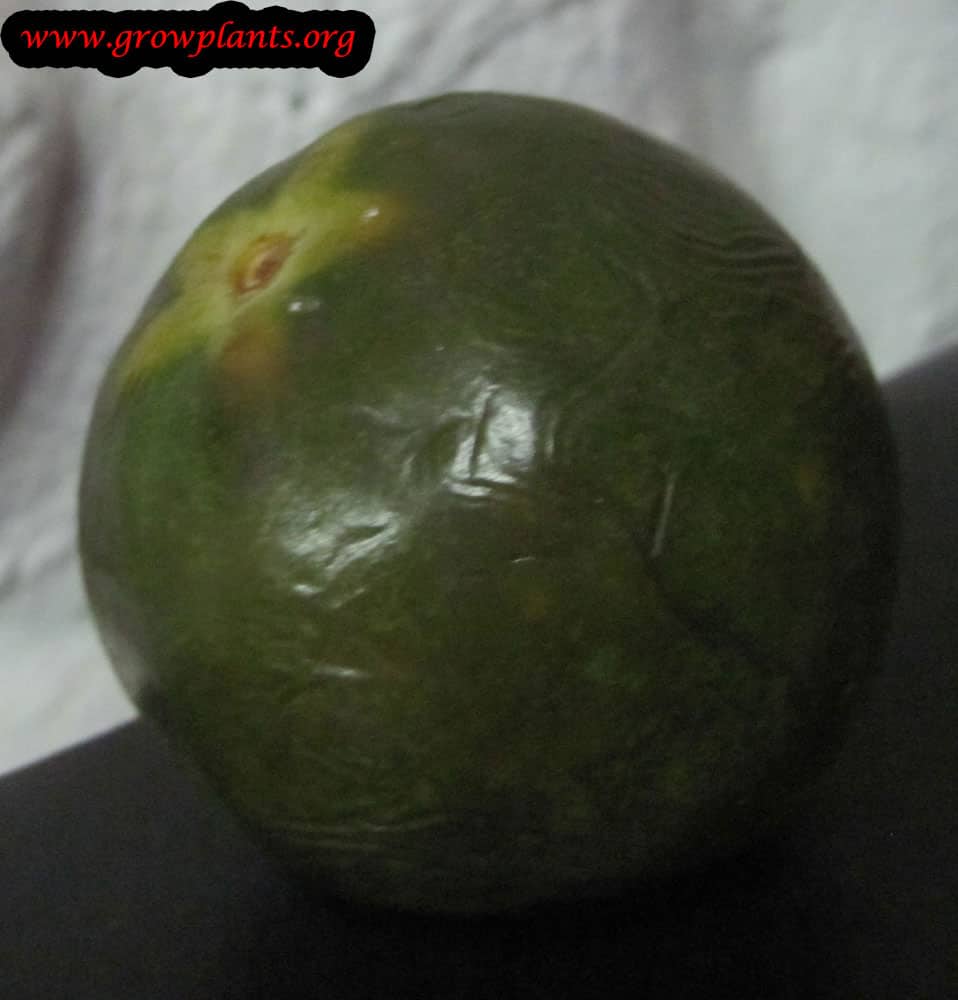
The fruit is yellow-orange with a thin, green-yellowish rind that is edible but essentially tasteless. Inside, the flesh is dry and powdery — the site compares it to sweet potato or canistel — with a sweet flavour reminiscent of sweet potato with notes of mocha and maple. The fruit is oval or egg-shaped, sometimes pointed at the bottom, and holds 2-5 seeds (usually 2) that are not eaten. Fresh fruit is eaten raw, blended into shakes, or used in ice cream; it is also dried and ground into a sweet powder used as a natural flavouring/sweetener.
Harvesting
Fruit is harvested in summer and autumn, and can bear almost year-round in genuinely tropical climates. It is best picked just before it is fully ripe and allowed to finish ripening off the tree.
Preparation, Uses & Safety
Fresh flesh is eaten raw or blended into shakes and ice cream. The fruit is also dried and powdered into "lucuma powder," used as a natural sweetener and flavouring in beverages, ice cream and baking. The thin rind can be eaten but adds little flavour, so it is often discarded along with the seeds.
Pests, Diseases & Troubleshooting
Overview: As a tropical Sapotaceae fruit tree, this lucuma is fairly robust but shares the family’s typical problems: sap-sucking scale and mealybugs tended by ants, mites in dry heat, and fruit flies that sting the ripening fruit, alongside anthracnose and root rot in wet ground. A clean, well-drained orchard, prompt collection of fallen fruit and an organic-first approach keep pressure low.
Quick Troubleshooting Overview
| Issue / Pest | Main Symptom | Primary Solution |
|---|---|---|
| Fruit flies | Stung, maggoty, prematurely dropping fruit | Sanitation, bagging, protein-bait and lure traps |
| Scale & mealybugs | Sticky honeydew, sooty mould, weak shoots | Prune, conserve beneficials, horticultural oil |
| Spider mites | Bronzed, stippled leaves in hot dry spells | Rinse foliage; horticultural oil on undersides |
| Anthracnose | Dark spots on leaves, flowers and fruit | Sanitation, airflow, copper fungicide if severe |
| Root rot | Wilting, decline in waterlogged soil | Improve drainage; avoid overwatering |
| Algal leaf spot | Orange-grey velvety spots on leaves | Prune for airflow; copper if needed |
Common Pests & Management
- Fruit flies (Anastrepha / Ceratitis / Bactrocera spp.):
- Symptoms: Females sting the softening fruit and lay eggs; maggots tunnel the flesh, which browns, softens, weeps and drops early. Small puncture marks and rotting patches signal an infestation, and dropped fruit is full of larvae.
- Prevention & Control: Sanitation is the backbone: collect and destroy all fallen and infested fruit to break the breeding cycle. Bag developing fruit, hang protein-bait or pheromone/para-pheromone lure traps to monitor and mass-trap, and encourage parasitoids. Spot-treat with spinosad-based protein baits where pressure is high, following label and pollinator guidance.
- Scale insects (Coccidae & Diaspididae):
- Symptoms: Small, immobile brown, tan or white bumps hugging stems, twigs and leaf veins; soft scales excrete honeydew that fuels sooty mould, while armoured scales cause yellow spotting and dieback. Heavy infestations weaken shoots and reduce vigour.
- Prevention & Control: Scrub light infestations off with a soft brush or a cotton pad dipped in diluted alcohol, and prune out badly encrusted wood. Conserve parasitic wasps and predatory beetles. For persistent populations apply horticultural oil to smother the crawler stage, timing it to the emergence of the mobile young and repeating as the label directs.
- Mealybugs (Pseudococcidae):
- Symptoms: White, cottony, waxy tufts in leaf axils, along veins and around the root crown. They suck sap, weaken the plant and leave honeydew and sooty mould; growth becomes stunted and distorted.
- Prevention & Control: Dab visible clusters with a cotton bud soaked in rubbing alcohol and isolate infested plants. Wash foliage and avoid over-feeding with nitrogen, which fuels them. Repeat sprays of insecticidal soap or neem oil at 7–10 day intervals break the cycle; check root crowns and pot rims where they hide.
- Spider mites (Tetranychus urticae):
- Symptoms: Fine pale stippling or bronzing on leaves, worst in hot, dry, dusty conditions; on close inspection you see tiny moving specks and delicate webbing on leaf undersides and shoot tips. Heavy attacks cause leaves to yellow and drop.
- Prevention & Control: Raise humidity and hose foliage regularly, as mites thrive in dry air. Avoid drought stress and dusty leaves. Release or encourage predatory mites. If they persist, spray insecticidal soap or horticultural oil onto leaf undersides and repeat every few days to catch newly hatched mites; rotate products to avoid resistance.
- Stem & branch borers (Cerambycidae / Scolytinae):
- Symptoms: Holes in trunk or branches with sawdust-like frass pushed out, wilting or dying limbs above the tunnels, and weakened wood that may snap. Stressed or wounded trees are most at risk.
- Prevention & Control: Keep trees vigorous and unwounded, since borers target stressed wood. Prune out and burn infested limbs, paint or seal large cuts, and probe visible tunnels. Maintain good water and nutrition; healthy bark is the best defence.
Diseases & Fungal Issues
- Anthracnose (Colletotrichum gloeosporioides):
- Symptoms: Dark, sunken spots on leaves, blackened flower clusters and sunken rotten lesions on fruit, spreading fast in warm, wet, humid weather; can cause flower and young-fruit drop.
- Treatment & Management: Prune for an open, airy canopy, clear fallen leaves and fruit, and avoid overhead irrigation. Protect flowering and fruiting flushes with a copper-based fungicide in prolonged wet spells, following the label; resistance to the disease varies, so favour clean, vigorous trees.
- Algal leaf spot (Cephaleuros virescens):
- Symptoms: Raised, velvety orange-brown to grey-green spots on leaves (and sometimes bark) in warm, humid, shaded, still conditions; largely cosmetic but weakening if widespread.
- Treatment & Management: Open the canopy and surroundings for light and airflow, prune crowded growth and remove badly affected leaves. A copper spray checks severe cases, but improving air movement usually keeps it minor.
- Root & collar rot (Phytophthora / Pythium):
- Symptoms: General wilting, yellowing, thinning canopy and dieback, with dark, decayed roots or an oozing collar lesion; typical of heavy, waterlogged soils and over-irrigation.
- Treatment & Management: Plant on a mound in free-draining soil, keep the trunk base dry, and water deeply but infrequently. Improve drainage, avoid mechanical root wounds, and remove severely affected trees; phosphonate treatments can help protect valuable specimens.
Growing Difficulties & Abiotic Problems
- Waterlogging / poor drainage:
- Cause & Symptoms: Standing water starves roots of oxygen and invites root rot; leaves yellow, growth stalls and the tree declines.
- Correction Strategy: Plant in deep, free-draining soil or on a raised mound, and water deeply but allow the topsoil to dry between irrigations.
- Cold & wind damage:
- Cause & Symptoms: Being tropical, the tree is frost-tender; cold snaps and drying winds scorch or kill young growth and can damage the whole canopy of young trees.
- Correction Strategy: Site in a warm, sheltered spot, protect young trees from cold and wind, and mulch to buffer roots. Grow marginal trees in the warmest microclimate available.
- Nutrient deficiency / chlorosis:
- Cause & Symptoms: On poor or alkaline soils leaves yellow between the veins (iron, manganese or zinc shortage) and growth is weak.
- Correction Strategy: Feed with a balanced fertiliser plus micronutrients, mulch to build soil, and correct pH or apply chelated iron/foliar micronutrient sprays where alkalinity locks up nutrients.
What Helps — Products & Tools
Management leans on orchard hygiene first — open canopies, prompt removal of fallen fruit, and deep, well-drained planting. Useful tools include horticultural/neem oil for scale, mealybugs and mites, protein-bait and pheromone fruit-fly traps plus fruit bagging, copper fungicide for anthracnose and algal spot, and chelated iron or micronutrient sprays for chlorosis on alkaline soils. Spray oils in the evening to protect pollinators.
Frequently Asked Questions
What is a lucuma tree?
The lucuma tree (Pouteria lucuma) is a South American fruit tree grown for its powdery, yellow-orange flesh, which is sweet with notes of maple and caramel and a favorite natural flavoring for ice cream. It’s an evergreen tree of the genus Pouteria that grows in tropical to subtropical conditions, reaching about 5-16 m (15-48 ft), and it’s grown both for its fruit and as an ornamental.
What does lucuma fruit (the pulp) taste like?
Lucuma fruit has dry, powdery flesh with a sweet flavor often compared to sweet potato, plus notes of maple, caramel and mocha. The thin, green-yellowish rind is edible too, though it’s essentially tasteless. Inside, the fruit holds 2-5 seeds (usually 2) that aren’t eaten. It’s typically eaten fresh, blended into shakes, used in ice cream, or dried and ground into a sweet spice.
Can you grow a lucuma tree from seed?
Yes – lucuma trees are usually started from seed, though seedlings are only loosely true-to-type, meaning fruit quality can vary from the parent tree. Germination is notoriously slow and unpredictable, making the overall difficulty moderate. If you want to guarantee a specific tree’s fruit quality, air layering, cuttings, or grafting are used instead.
Can a lucuma tree be grown in a pot or indoors?
No – lucuma is a large tree (5-16 m / 15-48 ft) that isn’t suited to pots or indoor growing long-term. A pot can only hold it briefly as a young seedling; it needs open ground, full outdoor sun and far more root room than any container offers, so it won’t thrive indoors or on a windowsill.
How cold-hardy is a lucuma tree?
Lucuma is reliably hardy outdoors only from about USDA zone 9 and warmer, needing temperatures above roughly -2°C (28°F) – a bit hardier than many other tropical fruit trees, but still frost-tender. Cold snaps and drying winds can scorch or kill young growth and even damage a young tree’s whole canopy, so young trees need a warm, sheltered spot and frost protection.