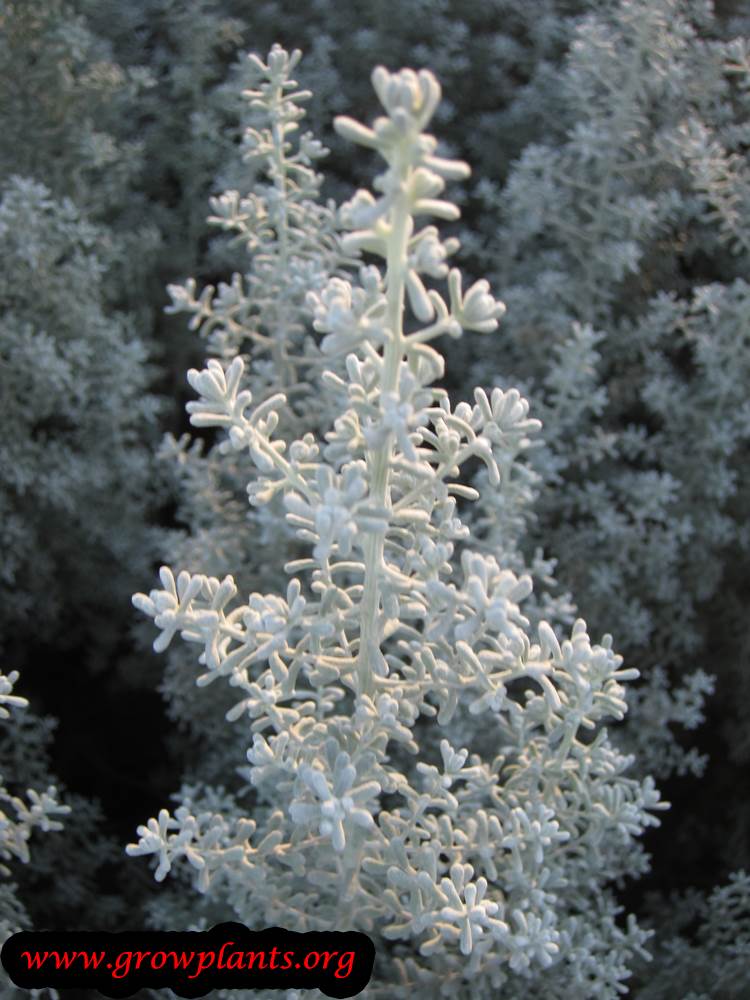


Plant Profile & Key Characteristics
Overview: Drought-tolerant evergreen succulent shrub reaching 40-90 cm, grown as an ornamental for its silvery grey-white fleshy foliage. Also used in floristry.
Quick Specifications
| Specification | Attribute |
|---|---|
| Plant Type / Life Cycle | Perennial (evergreen succulent shrub) |
| Foliage Type | Evergreen |
| Mature Size | 40-90 cm (16-36 in) |
| Growth Rate | Moderate to slow |
| Hardiness | USDA zones 9-11 |
Growth Form & Structure
- Height & Spread: 40-90 cm, compact and mounding; grows in containers.
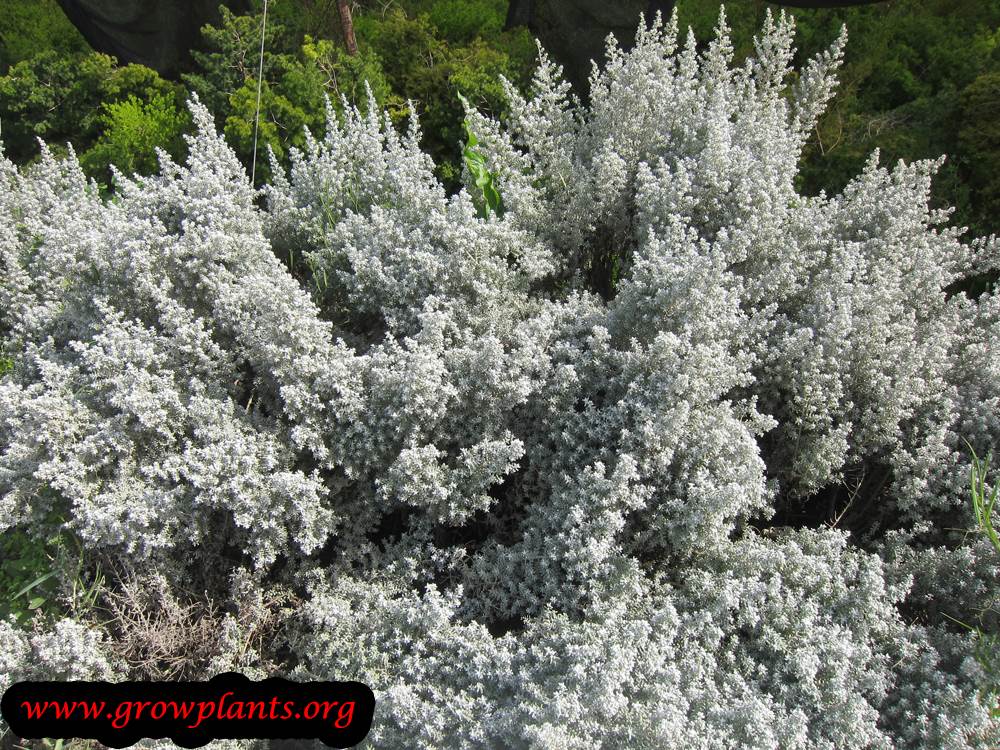
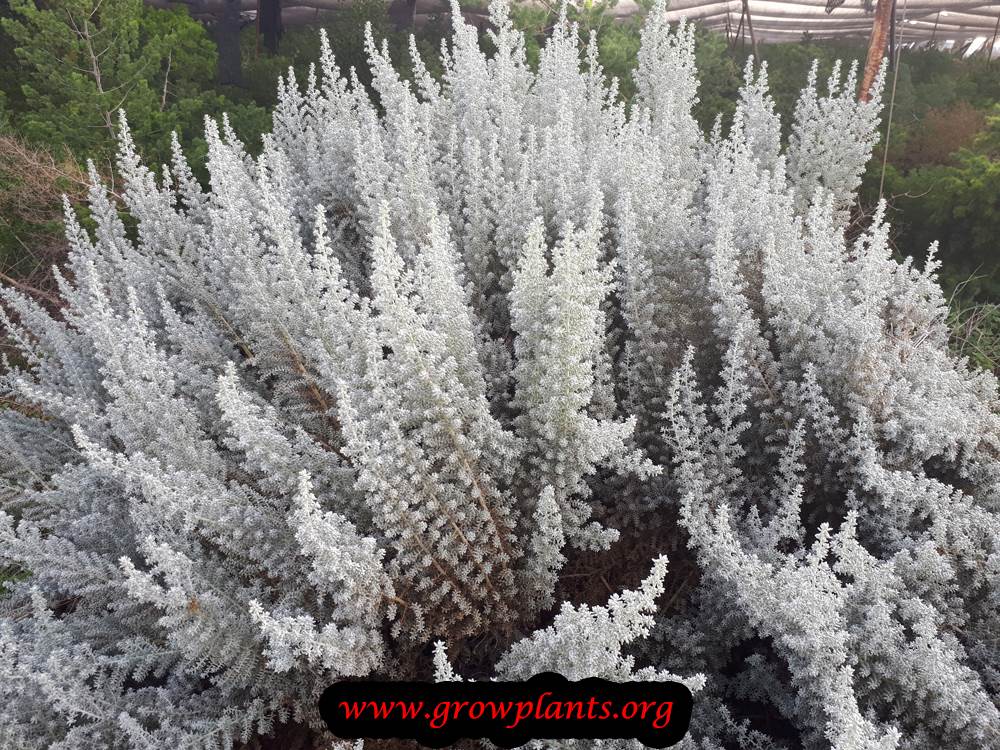
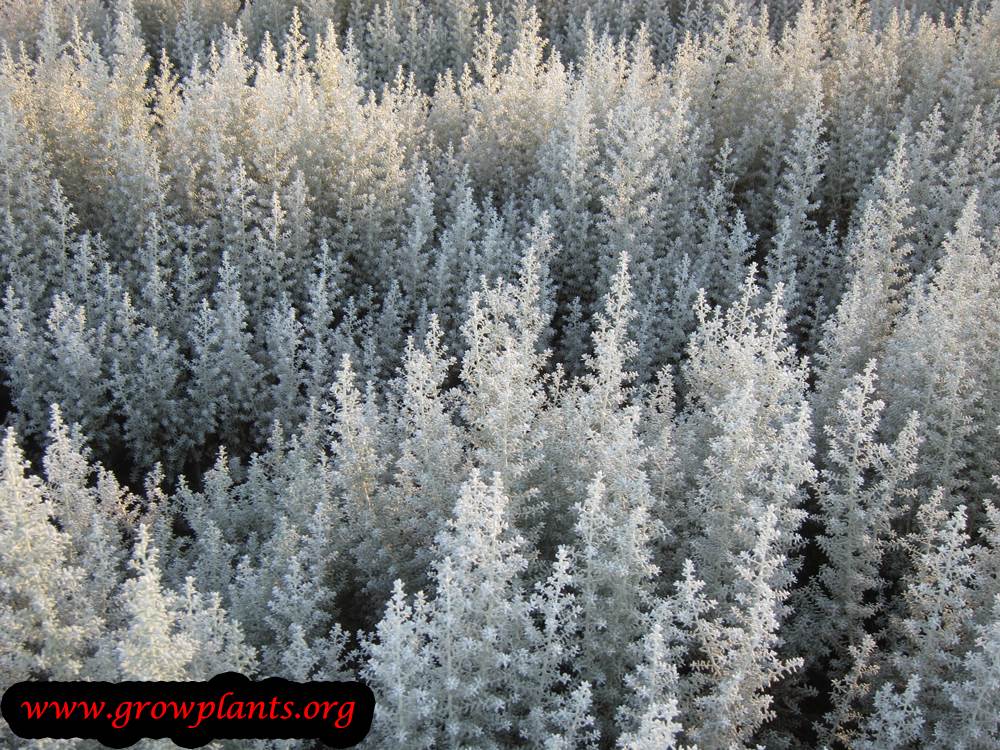
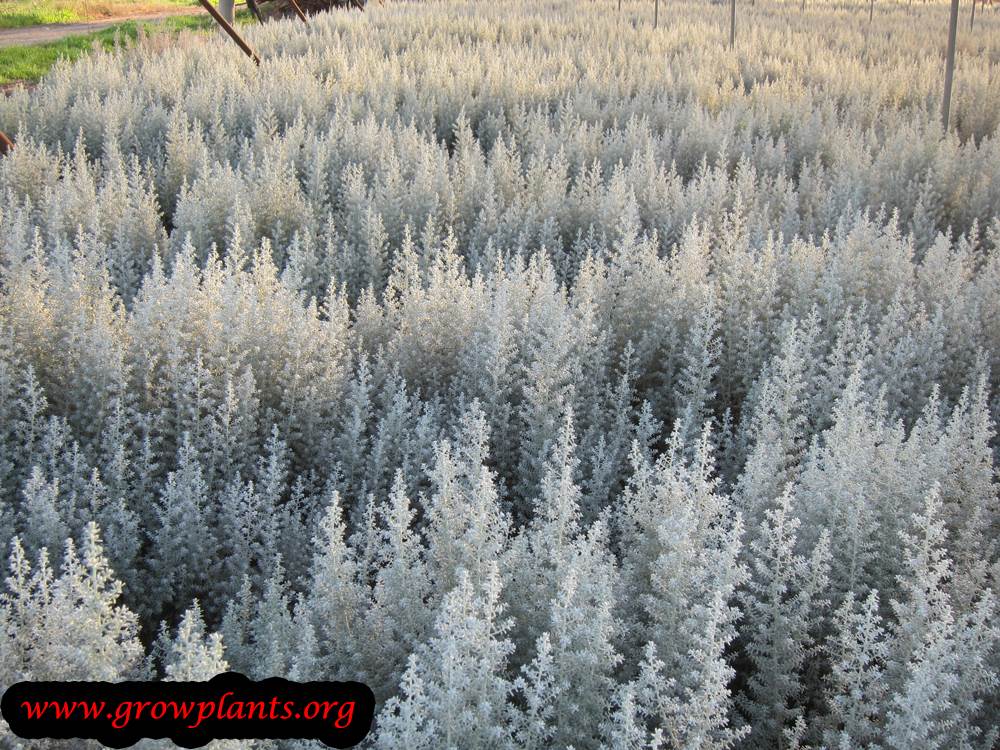
- Growth Habit & Form: Dense, rounded succulent shrub.
- Lifespan & Maturity: Long-lived, drought-hardy perennial.
Anatomy & Physical Features
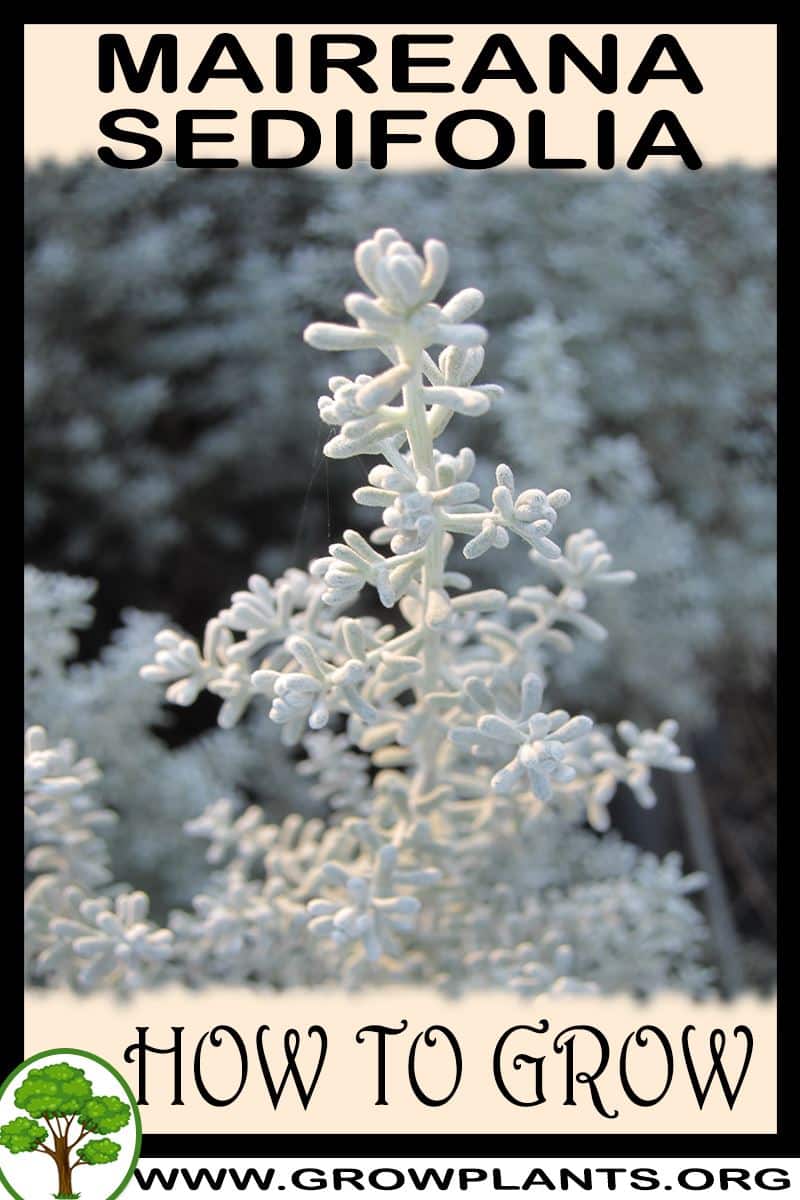
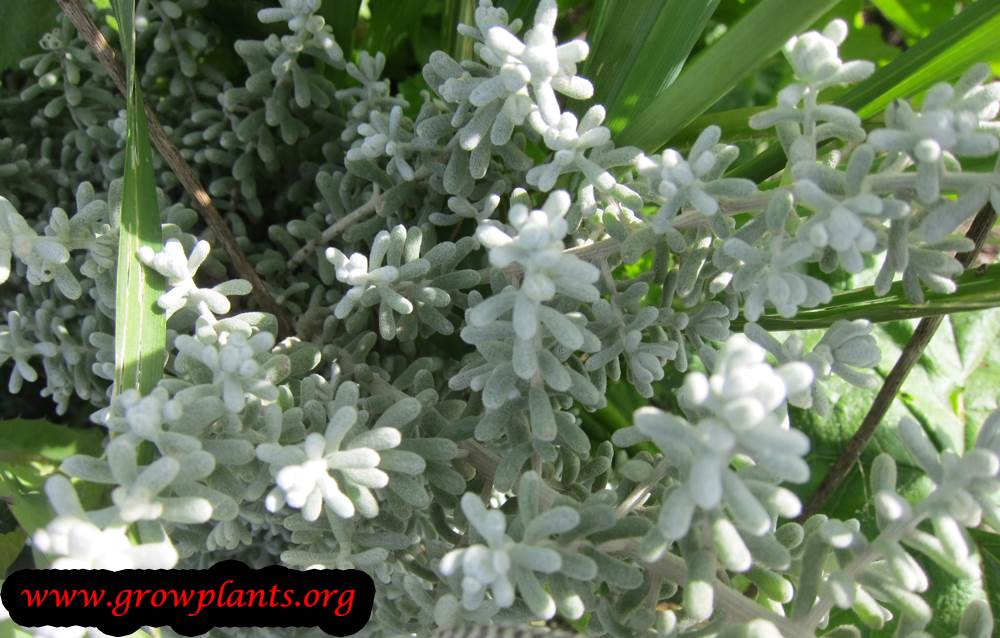
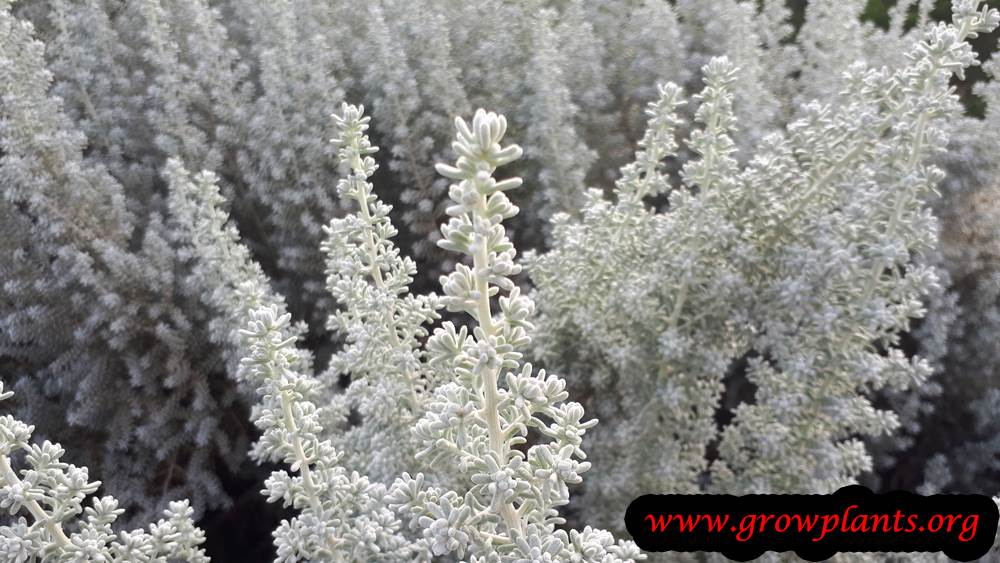
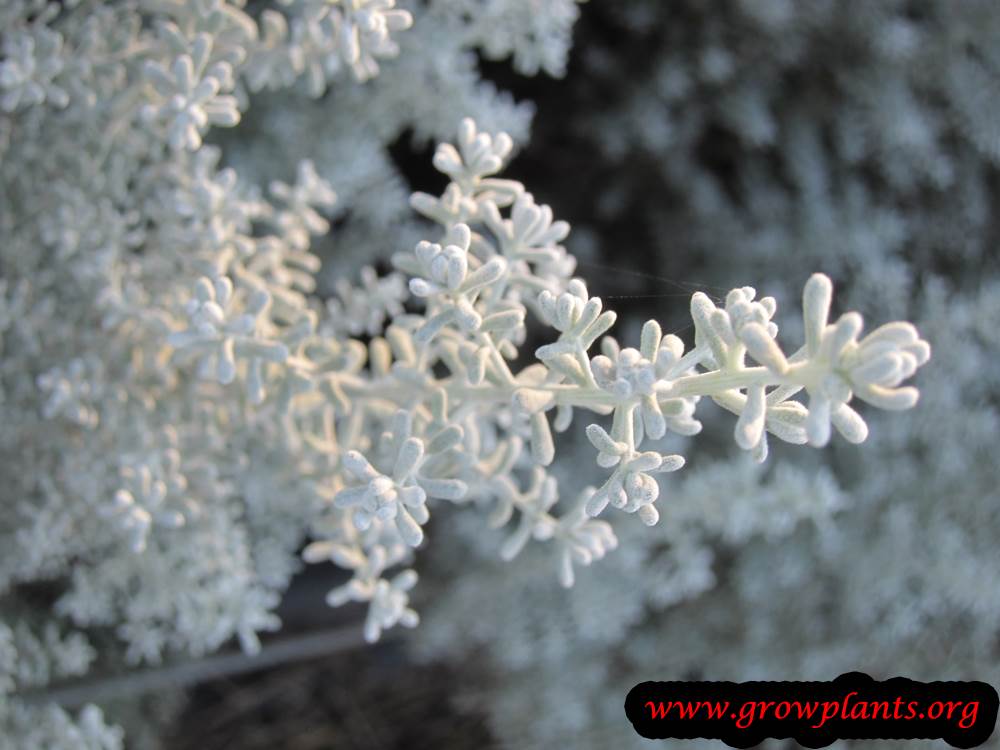
- Leaves & Foliage: Fleshy, cone-shaped leaves in green to silvery grey-white.
- Flower Characteristics: Small, rounded yellow flowers.
Primary Uses & Landscape Value
- Functional & Ornamental Roles: Ornamental foliage shrub for dry gardens; cut foliage used in floristry; drought tolerant.
Care Guide: Planting, Soil & Watering
Overview: Pearl bluebush (Maireana sedifolia) is a slow to moderate, drought-tolerant succulent shrub (zones 9–11) for full sun to part shade. It demands sharp drainage and gets by on very little water, tolerating dry, poor and even saline soils.
Quick Care Requirements
| Requirement | Ideal Condition |
|---|---|
| Planting Season | Warm season, spring to autumn |
| Growth Rate | Slow to moderate |
| Soil Type | Sandy, very well-drained; tolerates poor and saline soils |
| Water Need | Low to moderate; drought-tolerant |
Planting & Establishment
- Best Planting Season: Through the warm season, from spring to autumn.
- How to Plant:
- Hole Preparation: Dig a hole about the depth of the root ball and twice as wide in a sunny, sharply drained spot; open up heavy ground with grit.
- Soil Amendments: Little enrichment is needed — add coarse sand or grit to improve drainage rather than rich compost.
- Planting Depth: Set the root collar level with the surface and avoid mounding soil against the stem.
- Growth Speed & Expectations: A slow to moderate grower forming a rounded, silvery-leaved shrub prized for its foliage colour.
Soil, Watering & Drainage Care
- Soil Mix & Drainage Needs: A gritty, free-draining, sandy soil is essential; it rots in wet ground. In containers use a very free-draining, mineral-rich mix with drainage holes.
- Watering Schedule & Technique:
- Young / Newly Planted: Water lightly and occasionally while the roots establish, letting the soil dry between waterings.
- Established: Water deeply but only occasionally — wait until the soil has dried right through before watering again.
- Seasonal Adjustments: Keep it nearly dry through the cool months; give a little extra only during long, hot summer spells.
Climate, Light & Hardiness
Maireana sedifolia (pearl bluebush) is a drought-tolerant succulent shrub suited to subtropical, mediterranean, desert, and temperate climates, hardy in USDA zones 9–11. It grows best in full sun to half shade on well-drained soil with modest water needs.
Quick Climate Specifications
| Climate Zones | Subtropical, mediterranean, desert, temperate |
|---|---|
| USDA Hardiness Zones | 9–11 |
| Frost Tolerance | Low to Moderate |
| Light Conditions | Full sun to half shade |
Sunlight & Light Exposure
Optimal Light Setup
Full sun to half shade.
Direct Sun Requirement
Tolerates strong direct sun.
Best Exposure / Orientation
An open, sunny to lightly shaded, well-drained site.
Temperature Extremes & Hardiness
USDA Hardiness & Regional Limits
Hardy in zones 9–11 - a warm-climate species not suited to regions with regular hard freezes.
Cold Damage & Winter Protection
Frost is likely to damage the foliage; in marginal areas, site it in a warm, sheltered microclimate.
Frost Sensitivity
Low to moderate.
Extreme Heat Tolerance
Well suited to the heat of desert and subtropical climates given its drought tolerance.
Wind, Humidity & Microclimate
Dry-Air Tolerance
High, consistent with its drought tolerance.
Rainfall & Seasonal Moisture
Adapted to a small to average amount of water; avoid overwatering or poorly drained, wet soils.
Microclimate Recommendations
A warm, sunny, well-drained site suited to dry gardens.
Growing in Pots, Balconies & Indoors
This silvery, drought-hardy Australian shrub is not a houseplant, but its low water needs make it an easy full-sun container plant for a hot, dry balcony or patio.
Quick Details
- Container Size: A roomy pot sized to the plant, potting on as it grows
- Indoor Suitability: Not a true houseplant; grows best outdoors
- Best Spot: Full sun; tolerates light shade
- Soil & Drainage: Aerated, organic-rich mix (peat or coir with perlite or vermiculite); must drain freely
- Watering in Pots: Water sparingly and let the mix dry well between drinks – this is a drought-tolerant, arid-climate shrub
Indoors & On the Windowsill
- Houseplant limits: Indoor light is far too weak for an arid, sun-loving shrub; a very bright, sunny window is the most it would tolerate, and even then it prefers to be outside.
On a Balcony or Patio
- Light & wind: Give it your hottest, sunniest spot; it shrugs off reflected heat and wind but resents wet feet. Walls and paving reflect heat, so pots dry quickly – check moisture often in hot weather.
- Practicalities: Set the pot where drainage runoff won’t stain, and remember a full, wet container is heavy to move.
Choosing the Pot, Soil & Long-Term Care
- Pot & drainage: A container with strong drainage holes and no standing-water saucer, to avoid root rot; terracotta breathes and dries faster, glazed or plastic holds moisture longer.
- Potting mix: A well-aerated, organic-rich mix – peat or coir with perlite or vermiculite.
- Feeding: Potted plants exhaust their soil quickly – feed a little more often, since watering leaches nutrients away.
- Repotting: Refresh the top of the mix each year and pot on every couple of years, trimming the root ball lightly.
Fertilizing & Feeding
A drought-tolerant succulent shrub grown mainly for its silvery foliage; it thrives on minimal feeding and can be harmed more by over-feeding than by under-feeding.
Quick Fertilizing Specs
| Feeding Level | Light feeder |
|---|---|
| Main Nutrient Priority | A light, low-nitrogen feed that keeps growth sturdy rather than soft and lush |
| Best Feeding Period | During the active spring-through-autumn growing season |
| Organic Options | A gritty, well-drained succulent or cactus mix rather than rich garden soil |
| Reduce/Stop Feeding | Withhold feeding entirely once growth slows going into the cooler, less active part of the year |
| Soil pH | Tolerant of a wide range provided drainage is sharp; waterlogged, rich soil is the bigger risk |
Feeding by Growth Stage
Active growth
Support steady, compact growth of the fleshy grey-green foliage without pushing soft, weak growth.
| Nutrient direction | A low-nitrogen, diluted feed is enough to support healthy foliage color and form without encouraging lanky, soft growth. |
|---|---|
| Timing | Through the warmer, actively growing part of the year. |
| Frequency | This drought-tolerant shrub rarely needs feeding beyond an occasional light application during active growth. |
| Fertilizer types | A diluted, low-nitrogen succulent or cactus fertilizer applied sparingly, A gritty, well-drained potting mix that itself supplies some nutrition |
| Precautions | Avoid rich, high-nitrogen feeding, which can produce weak, floppy growth on a plant adapted to lean, well-drained conditions. |
Dormant or slow-growth rest
Let this drought-tolerant shrub rest through its slow-growth period without pushing new growth.
| Nutrient direction | None – withhold fertilizer while growth is slow or dormant. |
|---|---|
| Timing | During the cooler, slow-growth part of the year. |
| Frequency | No feeding at this stage. |
| Fertilizer types | No feeding at this stage; do not fertilize until active growth resumes. |
| Precautions | Feeding during dormancy risks weak growth and root problems in already slow-draining, cool conditions. |
Nutrient Deficiency Signs & Corrections
Pale, washed-out foliage color and unusually slow growth even for this naturally slow to medium grower.
| Possible causes | very lean or depleted potting or garden soil, root restriction in a long unrepotted container, overly dry conditions limiting nutrient uptake |
|---|---|
| Appears first on | overall foliage color rather than a single leaf |
| What to check | how long since the plant was last fed or repotted, root crowding in containers, recent watering pattern |
| Possible correction | Apply a light, diluted low-nitrogen feed during active growth rather than a strong dose. |
Soft, mushy stem or root tissue and foliage that yellows or collapses despite adequate light.
| Possible causes | overly rich or frequent feeding encouraging soft growth, poorly drained soil holding excess moisture, overwatering compounded by fertilizer salts |
|---|---|
| Appears first on | lower stems and roots first, then collapsing foliage |
| What to check | soil drainage and recent watering frequency, how heavily or often the plant has been fed, container drainage holes |
| Possible correction | Stop feeding, improve drainage, and let the soil dry appropriately before resuming any light feeding. |
New growth appearing pale or yellowish while veins stay comparatively greener.
| Possible causes | high soil or water pH limiting iron availability, waterlogged roots restricting nutrient uptake, naturally low iron in a very lean growing medium |
|---|---|
| Appears first on | newest growth at the tips |
| What to check | soil or irrigation water pH, drainage and root health, whether older growth remains normal in color |
| Possible correction | Correct drainage first and apply a chelated iron product per its label only if the pattern persists. |
Pruning, Training & Seasonal Maintenance
Pearl bluebush is grown for its dense, felted silver-grey, fleshy foliage – used fresh or dried in floristry – rather than for its small yellow flowers, so pruning here is about foliage form, not bloom timing. It tolerates only light, formative cutting: because growth is slow-to-medium and the plant does not reliably resprout from bare, leafless stems, frequent light tipping (which doubles as a floristry harvest) is far safer than infrequent hard cuts. Size stays compact (40–90cm) with routine tipping alone; no heavy structural pruning is needed or advisable.
Quick Pruning & Maintenance Specs
| Pruning Tolerance | Low–Moderate – tip-pruning only, avoid cutting into bare wood |
| Primary Pruning Window | Spring–Summer, while growth is active and cuts reshoot reliably |
| Secondary Maintenance Window | Light tidy/floristry harvest year-round in frost-free, non-drought conditions |
| Typical Frequency | Light tipping every 4–8 weeks through the growing season |
| Main Objective | Dense, compact mound and a supply of fresh cutting foliage |
| Young Plant Priority | Repeated pinching low on the plant to build a many-branched framework |
| Mature Plant Priority | Ongoing light tipping to prevent legginess without ever cutting into leafless old wood |
| Best Tool Type | Precision snips / fine bypass secateurs |
| Avoid Heavy Pruning During | Hard frost, and summer drought/heat stress when the plant is conserving moisture in its fleshy leaves |
Pruning by Plant Age & Size
Newly Established
Remove only frost- or transplant-damaged tips; let the root system establish for a season before any shaping cuts.
Young / Formative
No leader/vase-type training applies to this low mounding subshrub – instead pinch shoot tips repeatedly to force low branching and build density from the base up.
Mature / Established
Routine light tipping to refresh foliage colour and hold shape; occasional thinning of an overly dense centre improves airflow through the felted foliage in humid spells.
Structural Pruning & Training
- Canopy density: thin congested centres in humid weather to reduce fungal risk in the tightly packed foliage.
- Height & spread: controlled entirely by frequency of tipping, not by hard cutbacks.
- Renewal pruning: not reliable – see Heavy Pruning below.
Special Growth to Remove
- Frost-browned or heat-scorched foliage sections, cut back to live grey-green growth.
- Spent flower stems can be tidied off, though this is cosmetic rather than essential.
Container & Small-Space Pruning
Performs well in pots. Control size with more frequent light tipping rather than root pruning – this succulent-leaved subshrub resents heavy root disturbance. Ensure sharp drainage in containers, since poor drainage after pruning is a more likely cause of dieback than the cut itself.
Tools
- Precision snips – routine tipping and floristry-stem harvest of the soft, fleshy foliage.
- Bypass secateurs – the occasional thicker, woodier stem near the crown.
No loppers, saw or hedge shears: the plant is too small and irregular for shears, which tear the fleshy foliage rather than cutting it cleanly.
Tool Hygiene & Disease Risk
Routine – clean, sharp tools are sufficient. No transmissible disease is documented for this species; clean cuts on the fleshy foliage simply reduce the chance of rot entering a wound.
Cut Placement & Technique
Pinch or snip just above a leaf junction, always leaving live, leafy tissue below the cut. Never cut down into bare grey stem below the lowest leaves – stubs of leafless wood tend to die back rather than resprout.
Heavy Pruning & Rejuvenation
Not reliably tolerated. Maireana sedifolia is unlikely to resprout from hard cuts into bare, leafless wood. A plant that has become leggy or overly woody is generally better replaced from fresh cuttings or seed than subjected to a rejuvenation cut.
Post-Pruning Care
Water lightly after a shaping session made in hot, dry conditions; skip feeding, since regular light tipping doesn’t need a fertiliser push. Check new tip growth for aphids after a flush of soft regrowth.
Common Pruning Mistakes
- Cutting hard into bare grey wood expecting it to resprout – it usually won’t.
- Shearing into a formal hedge shape – the fleshy foliage tears under shears instead of cutting cleanly.
- Heavy watering after pruning in poorly drained soil, inviting crown rot.
When Not to Prune
Avoid cutting during or right after hard frost, and during prolonged summer drought or heat stress when the plant is holding water in its fleshy leaves.
Recommended Tools (by task)
- Routine tipping / floristry harvest of soft foliage – precision_snips: clean, precise cuts on thin fleshy stems without crushing them.
- Occasional thicker basal stem at the crown – bypass_secateurs: a cleaner cut than snips can make on slightly woodier growth.
Propagation Guide
Maireana sedifolia is most reliably increased from semi-hardwood cuttings, which give a faster and more predictable result than seed for this arid-climate shrub; seed remains a workable alternative for larger batches. Overall difficulty is moderate – neither method is difficult, but seed germination can be slow and uneven.
Quick Propagation Specs
| Best Propagation Method | Semi-hardwood stem cuttings |
| Alternative Methods | Seed |
| Propagation Difficulty | Moderate |
| Seed True-to-Type | Usually true-to-type for the species |
| Vegetative True-to-Type | True-to-type |
| Best Propagation Season | Spring through summer, within the plant’s Spring/Summer/Autumn planting window |
| Seed Germination Time | Variable, often several weeks and sometimes uneven |
| Cutting Rooting Time | Typically several weeks to a couple of months |
| Germination Temperature | Moderate warmth, roughly 18–25°C (64–77°F) |
| Seed Sowing Depth | Very shallow – barely cover or sow near the surface |
Growing from Seed
Seed Handling & Viability
Seed is enclosed in small papery bracts typical of the family; viability is moderate and best used within a season or two of collection, stored cool and dry.
Dormancy & Pre-Sowing Treatment
Germination can be irregular; removing the papery outer bracts before sowing may improve and even out results, though no treatment is strictly required.
Sowing Season
Sow in spring, within the plant’s broader Spring/Summer/Autumn planting season.
Sowing Depth & Orientation
Sow very shallowly, as the fine seed needs to stay close to the surface; press in rather than burying.
Germination Conditions
Full sun to light shade, a gritty well-drained mix matching the plant’s well-drained soil preference, and moderate warmth.
Germination Time
Germination can be slow and uneven – allow several weeks and expect staggered emergence.
Seedling Care
Keep the well-drained mix on the dry side once established, since this is a drought-tolerant shrub that resents overwatering even as a seedling.
Stem Cuttings
Cutting Type
Semi-hardwood tip cuttings from non-flowering shoots.
Best Timing
Spring to summer, during active growth.
Cutting Preparation
Take cuttings roughly 10–15cm (4–6in) long and remove the lower leaves before inserting.
Rooting Setup
A gritty, well-drained propagation mix (matching the site’s well-drained soil note) kept lightly moist, with bright light but not harsh direct sun.
Rooting Hormone
Optional – may modestly improve rooting speed and consistency but is not essential for this shrub.
Rooting Time
Typically several weeks to a couple of months.
Bloom & Flower Guide
Quick Details
- Bloom Season: Summer
- Time to First Bloom: An established shrub flowers modestly in summer, though bloom is not the point of the plant
- Flower Appearance: Very small, rounded yellowish flowers tucked among the leaves
- Edibility: Grown for its foliage — the tiny flowers are not eaten
Detailed Blooming Overview
Pearl bluebush is really grown for its beautiful pearly-silver foliage rather than its bloom. The flowers themselves are tiny and easy to overlook, appearing among the leaves in summer — more of a botanical curiosity than a display.
Flower Characteristics
- Very small, rounded, yellowish flowers.
- Tucked in among the succulent silver-grey leaves.
- Inconspicuous rather than showy.
Bloom Care & Thinning
- Site for best flowering: Full sun and very sharp drainage; highly drought tolerant.
- Managing the bloom: No deadheading or thinning is needed for these modest flowers.
- Pollination: Like other saltbush and bluebush chenopods it is wind-pollinated, so it does not rely on insects.
Pests, Diseases & Troubleshooting
Overview: Pearl bluebush is an Australian arid-zone saltbush with silvery succulent-like foliage, and it is exceptionally tough and near pest-free – bred by nature for drought, heat and salt. Its only real enemies are wet feet and rot in poorly drained soil, plus occasional sap-feeders on soft new growth. Treat it lean, dry and sunny and it needs virtually no intervention.
Quick Troubleshooting Overview
| Issue / Pest | Main Symptom | Primary Solution |
|---|---|---|
| Root rot | Yellowing, collapse in wet or heavy soil | Sharp drainage; never overwater; raised/gritty beds |
| Aphids (minor) | Occasional clusters on soft new tips | Hose off; usually self-correcting |
| Mealybugs / scale (minor) | White fluff or bumps on stems | Alcohol swab; horticultural oil |
| Fungal issues (humidity) | Spotting/mould in humid, still air | Site in open airy sun; avoid overhead water |
| Overwatering decline | Soft, discoloured, dying foliage | Ease off water; improve drainage |
Common Pests & Management
- Aphids (occasional) (Aphis spp.):
- Symptoms: Light, sporadic clusters on the soft grey new growth causing minor curling and honeydew; rarely significant on this hardy shrub.
- Prevention & Control: Hose off if unsightly and let natural predators finish them; no routine treatment is needed on established plants.
- Mealybugs & scale (occasional) (Pseudococcus spp. / Coccus spp.):
- Symptoms: Occasional white cottony tufts or brown bumps on stems in sheltered, over-watered or container conditions.
- Prevention & Control: Dab mealybugs with dilute alcohol, scrape off scale, and use horticultural oil only if they build up; improve airflow and avoid pampering the plant.
- Spider mites (dry, sheltered spots) (Tetranychus spp.):
- Symptoms: Faint stippling on foliage in very hot, dusty, sheltered positions.
- Prevention & Control: Hose foliage to remove dust; treatment is seldom warranted on this drought-adapted shrub.
Diseases & Fungal Issues
- Root & crown rot (Phytophthora / Pythium):
- Symptoms: Yellowing, softening and collapse from rotted roots and crown – the single most likely killer, caused by wet, heavy or poorly drained soil rather than any pathogen the plant meets in the wild.
- Treatment & Management: Grow only in sharply drained, gritty or sandy soil, never overwater, avoid clay and irrigation, and use raised beds or mounds in wetter climates; there is no cure once rot sets in, so prevention through dryness is everything.
- Fungal leaf spot / mould (humid conditions):
- Symptoms: Occasional spotting or grey mould on foliage kept too humid, shaded or crowded – against its arid nature.
- Treatment & Management: Site in full sun with free air movement, avoid overhead watering and humid sheltered corners, and remove any affected growth.
Growing Difficulties & Abiotic Problems
- Overwatering & poor drainage:
- Cause & Symptoms: Soft, discoloured, dying foliage and general decline when this arid-zone plant is watered like a garden shrub or grown in heavy soil.
- Correction Strategy: Water sparingly and only while establishing, then rely on rainfall; plant in gritty free-draining soil or raised beds and never let it sit wet.
- Excess fertility / soft growth:
- Cause & Symptoms: Lush, weak, floppy growth prone to pests and rot when fed and pampered.
- Correction Strategy: Do not fertilise; lean, poor soil gives the dense, silvery, wind- and drought-hardy habit the plant is grown for.
- Too much shade / humidity:
- Cause & Symptoms: Sparse, drawn, unhealthy growth and fungal risk in shade or humid, still air.
- Correction Strategy: Give full sun and open exposure; it thrives on heat, light and air movement and resents shelter.
What Helps – Products & Tools
This is a plant you barely treat: the whole strategy is sharp drainage, full sun and no overwatering. Keep a little horticultural oil for the rare mealybug or scale, hose off occasional aphids, and otherwise leave it alone – no fungicides or feeding required.