
Ficus benghalensis is a perennial tree grown for its ornamental flowers and edible harvests. It blooms from winter to spring in red or orange flowers. Here’s what to know before you buy, plus how to plant, water and care for it.
Ficus benghalensis Plants, Seeds & Supplies for Sale
As an Amazon Associate I earn from qualifying purchases.


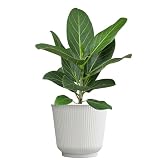
Don’t see the exact variety you’re looking for?
Explore all live Ficus benghalensis plants, pots, and starter kits on Amazon ↗
At-a-Glance Specifications
Buy an established plant for the fastest start
Frost-tender – protect below ~4 °C / 40 °F
Give room to reach full height, or grow a dwarf form in a pot
Give the brighter end for the best flowering
A free-draining mix prevents root rot
Let the soil dry between waterings
Pre-purchase considerations
- How it’s sold: Buying an established plant gives the fastest, most reliable start; growing from seed is possible but slower and less predictable.
- Planting window: Plant in spring to autumn better to buy plant or another option to start from seeds yet more challenging so roots establish in the right conditions.
- Climate fit: Suited to warm, frost-free gardens (zone 10+); in cooler areas grow it in a movable container.
Growing tips before you buy
- Cold protection: Frost will damage it — keep it under cover or move potted plants indoors when nights turn cold.
- Space & siting: Allow for a mature size of about 10–30 m (33–98 ft); give it room to reach full size or choose a compact spot/pot.
- Light mapping: Match your site to its needs — full sun to partial shade. Give the brighter end for the best flowering.
- Soil readiness: Prepare fertile, well-draining soil before planting; a free-draining mix prevents root rot.
Cultivation & care standards
- Potting & planting: Plant into fertile, well-draining soil in the ground or a container with good drainage holes.
- Watering: Let the soil dry between waterings. Avoid waterlogging, which is the main cause of problems.
- Light: Position in full sun to partial shade for healthy growth and the best flowering.
- Feeding: Feed through the growing season with a balanced fertilizer, switching to a bloom feed as buds form.
- Upkeep: Prune lightly to shape after flowering and remove any dead or crossing stems.
🎬 Watch: Ficus benghalensis — Growing & Care
Uses & benefits
Ficus benghalensis earns its place by offering a colourful ornamental display of red or orange blooms and edible harvests for the kitchen. With a long season of interest from winter to spring, it works well in beds, borders or a large container. You may also see it sold as Banyan.
Frequently Bought Together
Everything you need to successfully plant and grow this specimen.
Healthy, nursery-grown & ready to pot
Nutrient-rich, well-draining mix
Breathable pot that prevents root rot
Feeds for healthy, vibrant growth
*As an Amazon Associate, we earn from qualifying purchases.*
Ready to grow? Check out our complete Ficus benghalensis Grow & Care Guide ↗ for detailed watering schedules, sunlight tips, and troubleshooting.