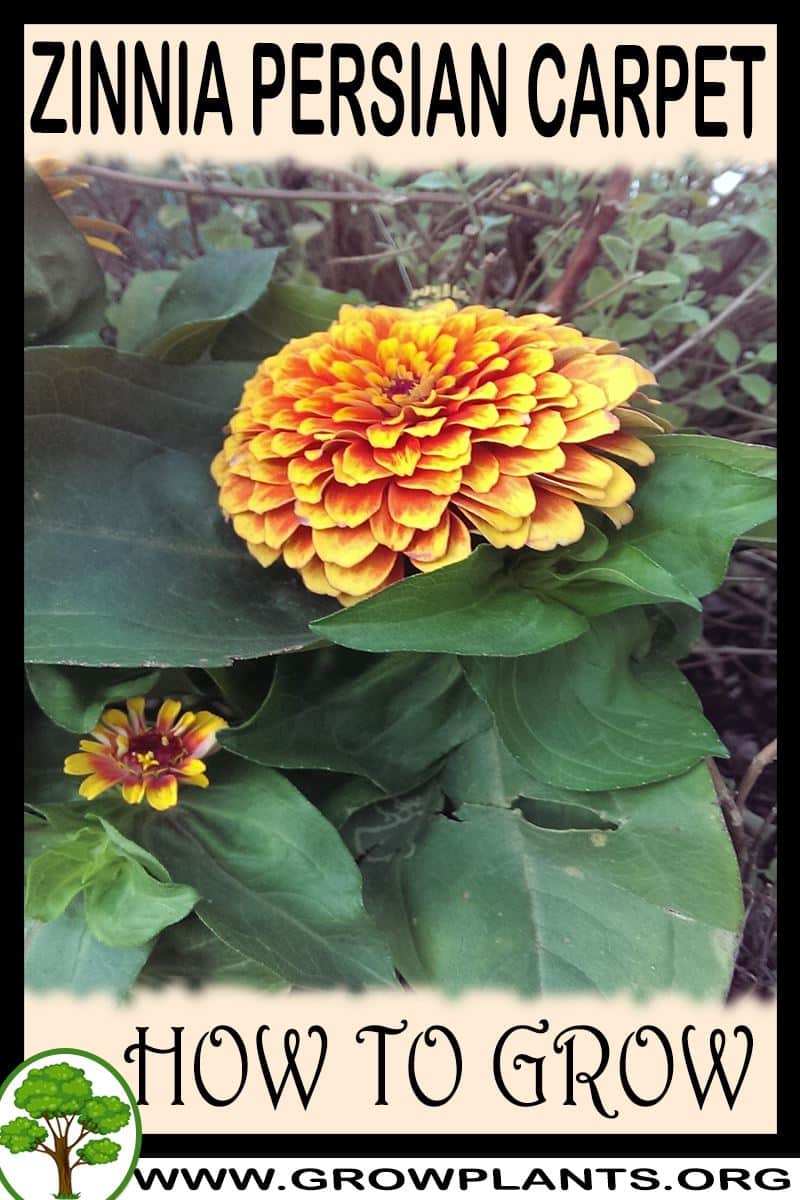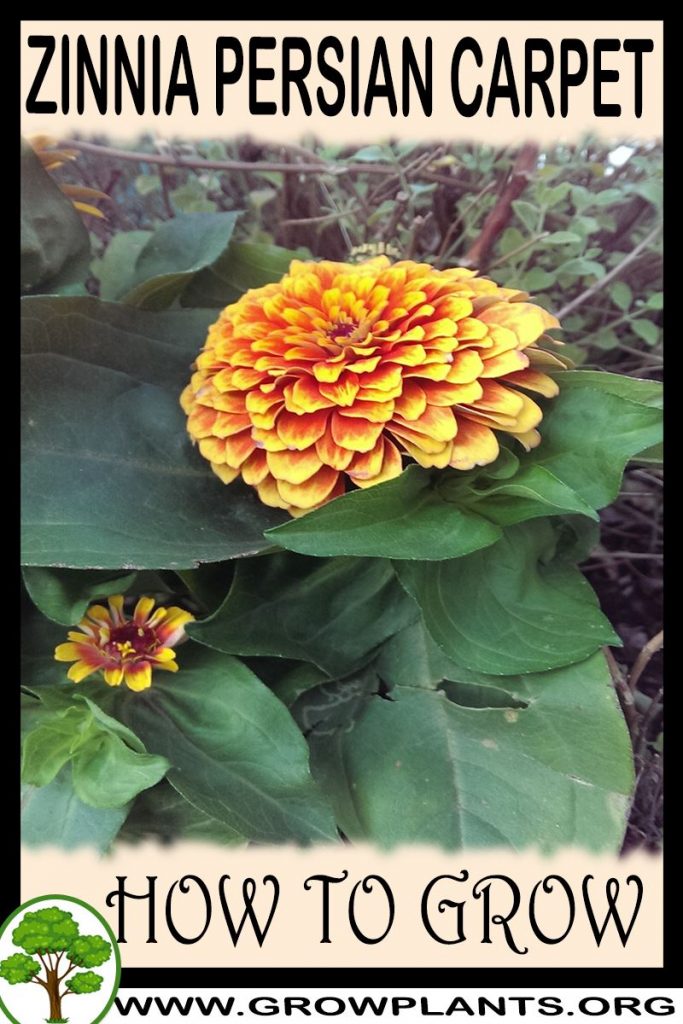
Plant Profile & Key Characteristics
Overview: This zinnia is a fast-growing perennial evergreen or (usually) annual reaching 30-90 cm (12-36 in), grown as a bright ornamental and cut flower that draws butterflies and other pollinators. It carries bold daisy-like flowers over a long warm-season display.
Quick Specifications
| Specification | Attribute |
|---|---|
| Plant Type / Life Cycle | Perennial evergreen or (usually) annual |
| Foliage Type | Deciduous (herbaceous) |
| Mature Size | 30-90 cm tall (12-36 in) |
| Growth Rate | Fast to moderate |
| Root System | Fibrous, shallow |
| Toxicity | Non-toxic |
| Hardiness | USDA zones 3+ (grown as a warm-season annual) |
Growth Form & Structure
- Height & Spread: Reaches 30-90 cm (12-36 in) in the ground; grows well in containers at least 200% larger than the plant, in free-draining potting mix.
- Growth Habit & Form: Upright, branching herbaceous plant that responds to deadheading and cutting with fresh flushes of bloom.
- Lifespan & Maturity: Flowers within weeks of sowing and blooms continuously through the warm season.
Anatomy & Physical Features
- Leaves & Foliage: Green, elliptic to linear leaves on branching stems.
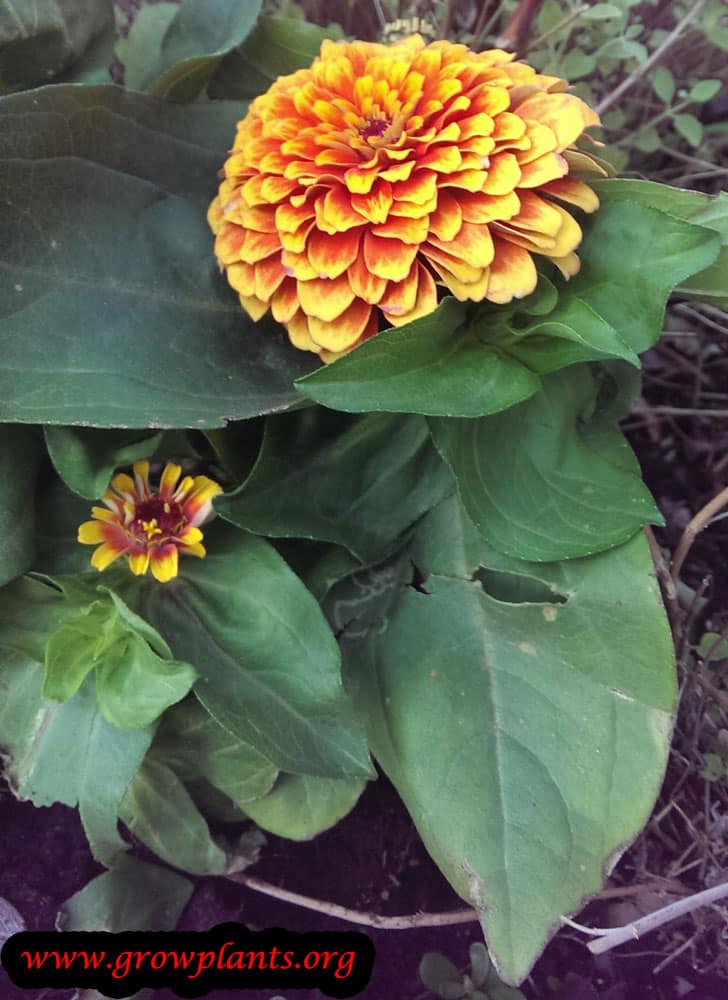
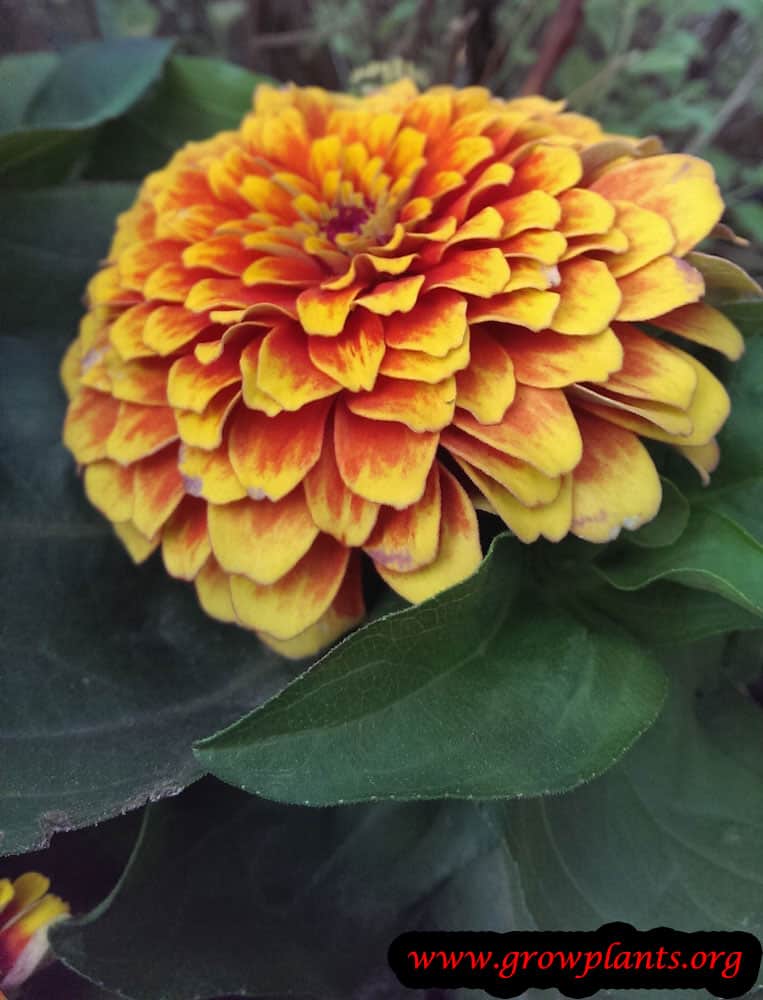
- Flower Characteristics: Daisy-like flowers in red, pink, orange, purple, white or yellow, often multicoloured on one bloom; excellent for pollinators and cutting. Some forms carry fully double, dahlia-like blooms.
Primary Uses & Landscape Value
- Functional & Ornamental Roles: Ornamental bedding and border plant, long-lasting cut flower, container subject and pollinator/butterfly plant.
Care Guide: Planting, Soil & Watering
Overview: Zinnia Persian carpet is a fast, sun-loving flower that thrive in rich, fertile, well-draining soil kept evenly moist. They are warm-season plants, sown or planted out only after the last frost, and reward steady water and full sun with abundant blooms.
Quick Care Requirements
| Requirement | Ideal Condition |
|---|---|
| Planting Season | Spring after the last frost through summer (zones 3–10a); autumn–spring in zones 10b–11a; year-round in zone 11b+ |
| Growth Rate | Moderate to Fast |
| Soil Type | Rich, fertile, well-draining soil with plenty of organic matter |
| Water Need | Moderate to High — keep evenly moist, watering at the base to keep the foliage dry |
Planting & Establishment
- Best Planting Season: Plant out or sow in spring after the last frost through summer in cooler zones (3–10a); in frost-free climates plant from autumn to spring, or year-round in the warmest zones (11b+).
- How to Plant:
- Hole Preparation: Set plants (or thin seedlings) about 15–20 cm apart in a sunny, well-prepared bed.
- Soil Amendments: Enrich the soil with compost and organic matter, and mulch to keep it evenly moist.
- Planting Depth: Set transplants at the same depth they grew in their pots, with the root collar level with the soil.
- Growth Speed & Expectations: Growth is fast; plants reach 30–90 cm and flower quickly and repeatedly through the warm season, especially when deadheaded.
Soil, Watering & Drainage Care
- Soil Mix & Drainage Needs: Provide rich, free-draining soil; in containers use a potting mix with perlite and organic matter in a generously sized pot with good drainage holes.
- Watering Schedule & Technique:
- Young / Newly Planted: Keep the soil evenly moist while young plants establish.
- Established: Water regularly at the base to keep the soil moist, avoiding wetting the foliage, which invites mildew.
- Seasonal Adjustments: Water more in summer heat; as a frost-tender warm-season plant, it finishes at the first frost in cold climates.
Climate, Light & Hardiness
Zinnias are heat-loving, frost-tender sun plants suited to subtropical, Mediterranean, temperate, and tropical gardens. They want full sun and warmth; cold is what limits both their growing season and their survival, not heat.
Quick Climate Specifications
| Climate Zones | Subtropics, Mediterranean, temperate, tropics |
|---|---|
| USDA Hardiness Zones | Commonly grown zone 3 and warmer; grown as an annual outside frost-free areas, with year-round growth possible in zone 11b+ |
| Optimal Temp Range | Warm season; sowing/seedling growth favors approximately 20–26°C (68–80°F) |
| Cold Damage Begins | Growth and flowering stop as temperatures approach freezing |
| Frost Tolerance | Very low – killed by frost |
| Light Conditions | Full sun (slightly reduced sun is tolerated but lowers flower output) |
| Frost-Free Growing Season | Needs a full frost-free warm season to grow and bloom; in cold-winter climates it is planted only after the last frost and finishes at the first autumn frost |
Sunlight & Light Exposure
Optimal Light Setup
Full sun is essential for vigorous growth and maximum flowering; even light shade measurably reduces bloom.
Best Exposure / Orientation
An open, unobstructed sunny bed with good airflow suits it best.
Temperature Extremes & Hardiness
USDA Hardiness & Regional Limits
Commonly grown as a warm-season annual wherever winters bring frost; in frost-free (zone 10b+) areas it can grow and flower year-round instead of being cut short by cold.
Cold Damage & Winter Protection
Plants are frost-tender through and through - there is no meaningful winter-protection strategy for outdoor plants once frost arrives; treat as a warm-season crop.
Frost Sensitivity
Seeds should not go in until after the last frost date; even a light frost will kill foliage and flowers.
Wind, Humidity & Microclimate
Humidity Preferences
Tolerates average garden humidity but benefits from airflow; propagation cuttings are grown with high humidity, which is a propagation detail rather than a mature-plant climate need.
Growing in Pots, Balconies & Indoors
Zinnia ‘Persian Carpet’ is a colourful, bushy zinnia strain for full sun. It is not a deep-indoor houseplant, but the grower notes it can grow on a window with direct sun, and it makes a lively container plant for a sunny patio or balcony.
Quick Details
- Container Size: Start in a pot at least 200% bigger than the plant (the grower’s rule)
- Indoor Suitability: Not a deep-indoor houseplant, but the grower notes it can grow on a window with direct sun
- Best Spot: Full sun (a little less is possible, but it reduces flowering)
- Soil & Drainage: Potting mix or peat with perlite, blended with humus and organic matter; plenty of drainage holes (the grower’s spec)
- Watering in Pots: Average to generous – keep moist with a mulch; let the pot base take up water but dry out the same day
Indoors & On the Windowsill
- Houseplant limits: Zinnias need strong, direct sun, so they won’t thrive deep in a room.
- Windowsill growing: The grower notes zinnias can grow on a window with direct sun – pick a bright, sunny sill and ideally a compact cultivar.
On a Balcony or Patio
- Light & wind: Give it the sunniest spot for the best flowering; pots in reflected heat dry fast, so check moisture daily in hot weather and shelter tall stems from strong wind. A drip irrigation kit with a timer can take over that watering check automatically.
- Practicalities: Allow for the pot’s weight and keep drainage runoff off the balcony floor.
Choosing the Pot, Soil & Long-Term Care
- Pot & drainage: A pot at least 200% larger than the plant, with enough drainage holes; Terracotta breathes and dries quickly, which suits these sun-lovers; glazed or plastic pots hold moisture longer if you can’t water often.
- Potting mix: Potting mix or peat soil with perlite, mixed with humus and organic matter.
- Feeding: Potted plants use up their food faster because watering leaches nutrients away, so feed a little more often through the growing season than you would in open ground.
Grower’s Container Tip
- Start big, mulch, and drain same-day: The grower starts zinnias in a container at least 200% bigger than the plant, uses a potting-mix or peat blend with perlite plus humus and organic matter, and spreads chopped mulch to hold moisture. He lets the base of the pot take up water but makes sure it dries out the same day, and stresses good drainage with enough holes.
Fertilizing & Feeding
A moderate feeder: this double-flowered, bicolor Zinnia performs like the wider Zinnia family – rich, organically amended soil and steady balanced feeding keep it productive as a cut flower and pollinator plant through the season.
Quick Fertilizing Specs
| Feeding Level | Moderate feeder |
|---|---|
| Main Nutrient Priority | Balanced feeding with attention to organic matter; rich soil and steady nutrition support continuous production of the double flowers |
| Best Feeding Period | From planting in spring through the full summer bloom season |
| Organic Options | Compost or other organic matter worked into the soil at planting, refreshed through the season |
| Micronutrients | Usually supplied by a complete fertilizer; correct specific issues only when diagnosed |
| Soil pH | Prefers rich, well-drained soil; tolerates a range of pH |
Feeding by Growth Stage
Establishment and early growth
Establish strong roots and vigorous leafy growth after planting.
| Nutrient direction | A balanced fertilizer worked into rich, organic soil at planting. |
|---|---|
| Timing | At planting and through early vegetative growth in spring. |
| Frequency | An initial feeding at planting supports strong establishment, with light follow-up feeding if growth looks slow. |
| Fertilizer types | A balanced, general-purpose fertilizer mixed into the planting area, Compost or other organic matter worked into the soil |
| Precautions | Ensure soil has good drainage and organic richness – thin, depleted soil limits vigor and the size of the double blooms later in the season. |
Main summer bloom
Fuel the production of the full, double, multicolor flowers this variety is grown for.
| Nutrient direction | Continue balanced feeding to support strong stems and steady flower production. |
|---|---|
| Timing | Summer as flowering ramps up. |
| Frequency | Regular light feeding through the main bloom period keeps plants productive. |
| Fertilizer types | A balanced, general-purpose fertilizer applied through the growing season |
| Precautions | Avoid excess nitrogen alone, which favors leafy growth over flower production. |
Extended flowering with deadheading
Extend flowering by supporting fresh buds after spent flowers are deadheaded or cut for arrangements.
| Nutrient direction | Light, balanced feeding paired with regular deadheading keeps new buds forming. |
|---|---|
| Timing | Throughout summer as flowers are cut or deadheaded. |
| Frequency | A light feeding after a flush of cutting or deadheading helps push the next round of blooms. |
| Fertilizer types | A balanced, general-purpose fertilizer used lightly alongside regular deadheading |
| Precautions | Pair feeding with deadheading – feeding alone without removing spent flowers gives a weaker rebloom response. |
End of season
Wind down as the annual life cycle ends or, in warm climates where it persists, as growth slows for winter.
| Nutrient direction | None – withhold fertilizer as the growing season ends. |
|---|---|
| Timing | Autumn as frost approaches, or through winter where grown as a short-lived perennial. |
| Frequency | No feeding at this stage. |
| Fertilizer types | No feeding at this stage; frost-killed annual plants are removed rather than fed further. |
| Precautions | Do not fertilize plants that are finishing their life cycle or sitting dormant through winter. |
Nutrient Deficiency Signs & Corrections
Pale overall leaf color, reduced vigor, and fewer blooms.
| Possible causes | low soil nitrogen, poor or thin soil lacking organic matter, an extended period without feeding |
|---|---|
| Appears first on | older, lower leaves |
| What to check | soil organic matter level, feeding history, overall plant vigor |
| Possible correction | Apply a balanced fertilizer and work organic matter into the soil. |
Marginal browning or scorch on older leaves, with weaker stems.
| Possible causes | low soil potassium, drought stress reducing nutrient uptake, sandy or heavily leached soil |
|---|---|
| Appears first on | margins of older leaves |
| What to check | soil potassium levels, watering consistency, soil texture |
| Possible correction | Apply a balanced or potassium-containing fertilizer per its label and maintain even watering. |
Flowers open smaller or more single-form than the variety’s usual full double bloom.
| Possible causes | inconsistent feeding or an underfed plant, drought or heat stress during bud development, overcrowding competing for nutrients and light |
|---|---|
| Appears first on | newly opening flower buds |
| What to check | recent feeding consistency, watering during bud formation, plant spacing |
| Possible correction | Maintain steady balanced feeding and even watering through bud development, and thin overcrowded plantings. |
Pruning, Training & Seasonal Maintenance
Zinnia ‘Persian Carpet’ is a compact, bushy, double-flowered bedding zinnia grown as a herbaceous annual. It has no woody or persistent structure, so pruning means pinching young plants for branchiness and continuous deadheading of the small double blooms through the season. Because the double flowers hold their shape after fading rather than dropping cleanly, deadheading here also serves a tidiness role beyond just prompting rebloom. There is no dormant structural work and no risk to future flowering, since new stems reflower after every cut.
Quick Pruning & Maintenance Specs
| Pruning Tolerance | High (pinching/deadheading; no woody tissue) |
| Primary Pruning Window | Once seedlings reach ~15cm, before heavy bud set |
| Secondary Maintenance Window | Continuous deadheading through summer to autumn frost |
| Typical Frequency | One early pinch, then deadhead every few days in bloom |
| Main Objective | Keep the naturally bushy, mounded habit tidy and reblooming |
| Young Plant Priority | Light pinch of the growing tip to reinforce branching |
| Mature Plant Priority | Deadhead spent double flowers regularly |
| Best Tool Type | Precision snips |
| Avoid Heavy Pruning During | Not applicable – no structural/heavy pruning exists for this annual |
Pruning by Plant Age & Size
Newly Established
Let seedlings root in undisturbed for the first 1–2 weeks; no cutting yet.
Young / Formative
This cultivar is already naturally bushy and multi-branching, so pinching is optional and light – one tip pinch around 15cm is enough to reinforce a full, mounded shape rather than the harder pinching taller cut-flower zinnias need.
Mature / Established
Deadhead spent double blooms regularly, cutting to the next leaf node or side bud so a new flowering stem forms cleanly.
Seasonal Pruning Schedule
Ongoing Sanitary
Objective: sustain continuous bloom and a tidy mounded shape through the season. Remove: spent double flower heads (which persist rather than shattering) and dead lower leaves, cutting to a leaf node or side bud. Do not remove: unopened buds or healthy foliage. Expected response: steady replacement flowering from new side stems. Flowering impact: positive – without deadheading, spent double flowers linger and the planting looks tired even while still technically flowering elsewhere.
Special Growth to Remove
- Spent double flower heads (deadhead – they don’t drop cleanly on their own).
- Dead or spotted lower leaves in humid weather.
Container & Small-Space Pruning
This compact, mounded cultivar (per facts, up to ~90cm but often shorter) suits containers well without extra size-control pruning; deadhead a little more frequently than an in-ground planting since containers dry and exhaust nutrients faster.
Tools
Precision snips only – stems are soft and herbaceous; no loppers, saw, or shears are appropriate.
Tool Hygiene & Disease Risk
Routine: clean tools suffice for healthy plants. Watch for powdery mildew and leaf spot in humid conditions, as with other zinnias, and remove affected foliage promptly.
Cut Placement & Technique
Deadhead by cutting down to the next leaf node or side bud rather than pinching off just the flower head, so a complete new stem forms.
Post-Pruning Care
Water at the base rather than overhead to avoid encouraging leaf disease; no extra feeding is needed – regular deadheading alone sustains the repeat bloom.
Common Pruning Mistakes
- Leaving spent double flowers in place, since they don’t self-clean like single-flowered types and make the planting look untidy.
- Over-pinching an already naturally bushy cultivar, which delays bloom without adding useful branching.
When NOT to Prune
Avoid pinching or cutting back in the first 1–2 weeks after transplant while roots establish.
Recommended Tools (by task)
- precision_snips – the only tool needed, for the light early pinch and for regular deadheading of the persistent double blooms.
Propagation Guide
Zinnia Persian carpet is an open-pollinated bicolour/multicolour double-flowered strain, most practically grown from seed, which reproduces the strain reasonably well when it isn’t crossed with other zinnias nearby. Stem cuttings are a secondary option for carrying a particular favorite plant through winter; overall propagation difficulty is easy.
Quick Propagation Specs
| Best Propagation Method | Seed (direct sow or seedling transplant) |
| Alternative Methods | Stem cuttings |
| Propagation Difficulty | Easy |
| Seed True-to-Type | Cultivar-dependent – reasonably true as an open-pollinated strain when isolated from other zinnias, but can vary if cross-pollinated |
| Vegetative True-to-Type | Yes |
| Best Propagation Season | Spring after last frost to summer in hardiness zone 3–10a (better sown indoors at the end of winter); autumn to spring in zone 10b–11a; all year in zone 11b+ |
| Seed Germination Time | 1–3 weeks |
| Cutting Rooting Time | Not specified by the source; generally a few weeks under warm, humid conditions |
| Germination Temperature | 20–26°C (68–80°F), best around 25°C (77°F) |
| Seed Sowing Depth | 0.5–1 cm (0.25–0.5 inches) |
Growing from Seed
Seed Handling & Viability
Store saved seed in a dry, dark place at room temperature.
Sowing Season
Spring after last frost to summer in hardiness zone 3–10a (better to sow indoors at the end of winter), autumn to spring in zone 10b–11a, all year in zone 11b+.
Sowing Depth & Orientation
Sow 0.5–1 cm (0.25–0.5 inches) deep, spacing plants around 15 x 20 cm (6 x 8 inches).
Germination Conditions
Keep the soil moist in full sun, at a temperature of 20–26°C (68–80°F), ideally near 25°C (77°F); water an average to generous amount.
Germination Time
1–3 weeks.
Seedling Care
Keep the soil moist in full sun, ideally above 20°C (68°F).
Stem Cuttings
Cutting Type
Stem cuttings taken from an existing plant.
Best Timing
Best started indoors or in a greenhouse over winter, then moved outside in spring.
Rooting Setup
Peat-based soil is best, though other soils such as potting mix will also work; keep the medium moist and maintain high humidity around the cutting.
Rooting Hormone
Not specified as necessary; not typically required for zinnia cuttings to root.
Rooting Time
Not specified by the source; expect several weeks under warm, humid conditions before roots are established.
Bloom & Edible Flower Guide
Quick Details
- Bloom Season: Spring and summer; into autumn and winter in hot climates
- Time to First Bloom: Within a couple of months of sowing – flowers in its first season
- Flower Appearance: Double flowers in red, pink, orange, purple, white or yellow, often more than one color per bloom
- Edibility: Edible petals – mild and faintly bitter, mostly used as a colorful garnish
Detailed Blooming Overview
Persian carpet zinnia is grown for a long, riotous run of double flowers in warm carpet-like tones, frequently bicolored. It is fast from seed, blooms all through the warm season, and makes an excellent cut flower – cutting or deadheading simply pushes out more buds. On top of the color, the open flowers are a favorite of butterflies and other pollinators.
Flower Characteristics
- Double flowers in red, pink, orange, purple, white and yellow, often multicolored.
- Petals are edible, with a mild slightly bitter taste – best used raw as a garnish.
Bloom Care & Thinning
- Cut and come again: Deadhead or cut for the vase before blooms fade, and the plant keeps producing new flowers.
- For the best show: Full sun drives flowering – less light means noticeably fewer blooms.
Bloom Health & Protection
- Powdery mildew: The classic zinnia problem – a white coating on leaves and buds in humid weather. Space plants for airflow, water at the base, and treat with a sulfur-based fungicide or neem oil.
Fruit & Uses
Zinnia Persian carpet is grown as an ornamental cut flower for its double blooms, not as a food plant, but its petals can be eaten raw as a decorative garnish like other zinnias. The use is purely for colour and presentation, not flavour.
Quick Edible Specs
| Edible Parts | Flower petals (garnish only) |
|---|---|
| Main Use(s) | Culinary garnish / decorative use only |
| Eaten Raw or Cooked | Raw |
| Preparation Required | None beyond removing the green calyx and central disc; use only the coloured ray petals |
| Harvest Season | Through the bloom season (spring–summer, and autumn–winter in hot climates) |
| Time to First Harvest | Once flowering begins; see Blooming for bloom timing |
| Storage | Best used fresh the same day; petals wilt quickly |
| Safety/Toxicity Caveat | Considered safe in small garnish amounts; flavour is mild to slightly bitter – a decorative use only, not a food source |
Flowers & Flower Buds
This cultivar’s flowers are double (more layers of ray petals than a single-flowered zinnia), colour can be red, pink, orange, purple, white or yellow, sometimes mixed on one bloom. Only the coloured petals are eaten, plucked from a fully open flower, rinsed and patted dry, then scattered over salads or desserts. The green calyx base and any central disc florets are not used.
Harvesting
Pick blooms once petals are fully open and well coloured; the double form yields more petal material per flower than single types, but harvest amounts stay in the decorative-garnish range, not a food quantity. Picking for garnish doubles as deadheading, encouraging further blooms (see Pruning).
Preparation, Uses & Safety
Use only fresh, pesticide-free petals, washed and dried before serving raw. Not used cooked, dried, or medicinally in mainstream practice, and not a meaningful nutritional source – treat as an occasional decorative garnish only. Those sensitive to Asteraceae-family plants should be cautious.
Pests, Diseases & Troubleshooting
Overview: Zinnias (Zinnia haageana ‘Persian Carpet’) are easy, sun-loving annuals whose reputation for trouble is almost entirely fungal – powdery mildew, Alternaria and bacterial leaf spots thrive when foliage stays wet and plants are crowded. Insect pests (aphids, spider mites, thrips, caterpillars, beetles) are usually secondary. Grow them airy, sunny and dry-leaved and most problems never start. This Mexican-zinnia type is naturally more mildew-tolerant than the large-flowered common zinnia.
Quick Troubleshooting Overview
| Issue / Pest | Main Symptom | Primary Solution |
|---|---|---|
| Powdery mildew | White powder on leaves, yellowing, defoliation | Spacing, base watering, resistant types, sulfur/bicarbonate |
| Alternaria / bacterial spot | Reddish-brown spots, blighted leaves and flowers | Clean seed, no overhead water, remove debris, copper |
| Aphids | Sticky, distorted new growth; sooty mould | Water jet, beneficials, insecticidal soap |
| Spider mites | Bronzed, stippled leaves with fine webbing | Raise humidity, hose foliage, horticultural oil |
| Thrips | Silvery streaks, distorted buds, virus | Sticky traps, remove weeds, spinosad in evening |
| Caterpillars / beetles | Chewed leaves and petals, frass | Hand-pick, Bt for caterpillars |
Common Pests & Management
- Aphids (Aphis / Myzus spp.):
- Symptoms: Colonies of soft green or black insects on stem tips, buds and leaf undersides; sticky honeydew, sooty mould and puckered new growth. They also spread viruses.
- Prevention & Control: Cultural first: encourage ladybirds, lacewings and hoverflies, and knock colonies off with a firm water jet. Insecticidal soap or a light horticultural oil clears heavy outbreaks; avoid excess nitrogen that fuels soft, aphid-prone growth.
- Two-spotted Spider Mites (Tetranychus urticae):
- Symptoms: Fine pale stippling that turns leaves bronze and dry, with delicate webbing on undersides during hot, dry spells. Plants look dusty and scorched.
- Prevention & Control: Raise humidity and hose down foliage; conserve predatory mites by avoiding broad-spectrum sprays. Treat hot-spots with insecticidal soap or horticultural oil, covering leaf undersides.
- Thrips (Frankliniella spp.):
- Symptoms: Silvery streaking and flecking on petals and leaves, distorted buds and blooms that fail to open cleanly. Chief concern is spreading tospoviruses.
- Prevention & Control: Use blue or yellow sticky traps to monitor, remove weeds that harbour them, and encourage minute pirate bugs and lacewings. Spinosad or insecticidal soap in the evening for damaging numbers; rogue out virus-symptomatic plants.
- Caterpillars (loopers / earworms) (Trichoplusia ni, Helicoverpa zea):
- Symptoms: Chewed, ragged leaves and holed flower buds, with dark frass pellets left behind; a green caterpillar is often tucked in the growing point.
- Prevention & Control: Hand-pick and encourage birds and parasitic wasps. A Bt (Bacillus thuringiensis) spray targets young caterpillars selectively without harming pollinators.
- Japanese & Cucumber Beetles (Popillia japonica / Diabrotica spp.):
- Symptoms: Skeletonised leaves and ragged, chewed petals; beetles feed openly on the bright flowers by day.
- Prevention & Control: Hand-pick into soapy water in the cool of morning; avoid lure traps that draw more beetles in. Row cover before bloom and healthy, vigorous plants shrug off light feeding.
Diseases & Fungal Issues
- Powdery Mildew (Golovinomyces cichoracearum / Podosphaera xanthii):
- Symptoms: White, powdery patches spreading across leaf surfaces, usually late in the season; leaves yellow and drop. The single most common zinnia disease.
- Treatment & Management: Airflow is the cure – space plants generously, water at the base, and choose mildew-resistant series. Remove affected leaves; potassium bicarbonate, sulfur or a horticultural-oil spray checks spread. This cultivar is bred for good mildew resistance, so problems are usually mild.
- Alternaria Leaf & Flower Blight (Alternaria zinniae):
- Symptoms: Reddish-brown to grey spots with pale centres on leaves, expanding to blight foliage and stems; flowers develop dark rot. Very common and disfiguring in humid weather.
- Treatment & Management: Use clean, treated seed and rotate away from where zinnias grew last year. Avoid overhead watering, remove and destroy infected debris, and apply a protectant (chlorothalonil-type or copper) fungicide in persistently wet spells.
- Bacterial Leaf Spot (Xanthomonas campestris pv. zinniae):
- Symptoms: Angular reddish-brown spots with yellow halos, sometimes merging into blighted, papery patches; spreads fast in warm, wet, splashy conditions.
- Treatment & Management: Start with clean seed and resistant varieties, avoid working plants when wet, and use drip rather than overhead watering. Remove infected leaves; copper sprays give partial protection – sanitation matters most.
- Cercospora Leaf Spot (Cercospora zinniae):
- Symptoms: Circular greyish spots with reddish-purple margins on older leaves, which yellow and die from the bottom up.
- Treatment & Management: Improve airflow and keep foliage dry; clear fallen debris. Protectant fungicides help under heavy pressure, but resistant varieties and good spacing usually suffice.
Growing Difficulties & Abiotic Problems
- Mildew from Poor Airflow & Overhead Watering:
- Cause & Symptoms: Crowded plantings and wet foliage create the humid, still micro-climate powdery mildew and leaf spots love.
- Correction Strategy: Thin seedlings to full spacing, water at the base in the morning, and site in full sun with good air movement. Prevention beats any spray.
- Damping-off & Poor Establishment:
- Cause & Symptoms: Sowing into cold, wet soil rots seed and topples seedlings at the base (Pythium/Rhizoctonia).
- Correction Strategy: Sow into warm soil once frost has passed, use clean mix and containers, and avoid over-watering young plants.
- Heat / Drought Stress:
- Cause & Symptoms: Wilting, faded flowers and crisping leaf edges in prolonged heat and dry soil, even though zinnias love sun.
- Correction Strategy: Mulch to conserve moisture and water deeply at the roots during dry spells; deadhead to keep plants blooming and vigorous.
What Helps – Products & Tools
The zinnia toolkit is mostly fungal: sulfur or potassium-bicarbonate and horticultural oil for powdery mildew, a copper or chlorothalonil-type protectant for Alternaria and bacterial spots, plus insecticidal soap for aphids and mites, blue/yellow sticky traps for thrips, and Bt for caterpillars. Wide spacing and morning base-watering are the best ‘products’ of all.