

Plant Profile & Key Characteristics
Overview: Valerian is an upright herbaceous perennial growing 50-150 cm (20-60 in) tall, valued as a traditional medicinal herb and as a pollinator-attracting ornamental. It dies back in winter and regrows from its rhizome each spring in temperate gardens (USDA zones 4-9).
Quick Specifications
| Specification | Attribute |
|---|---|
| Plant Type / Life Cycle | Perennial (herbaceous) |
| Foliage Type | Deciduous (dies back in winter) |
| Mature Size | 50-150 cm (20-60 in) tall |
| Growth Rate | Fast to moderate |
| Root System | Rhizomatous (the aromatic ‘valerian root’) |
| Toxicity | Non-toxic (traditional medicinal herb) |
| Hardiness | USDA zones 4-9 |
Growth Form & Structure
- Height & Spread: 50-150 cm (20-60 in) tall on erect flowering stems; container-friendly.
- Growth Habit & Form: Clump-forming, upright herbaceous perennial that can spread and self-seed aggressively.
- Lifespan & Maturity: Perennial that regrows from the rootstock each year.
Anatomy & Physical Features
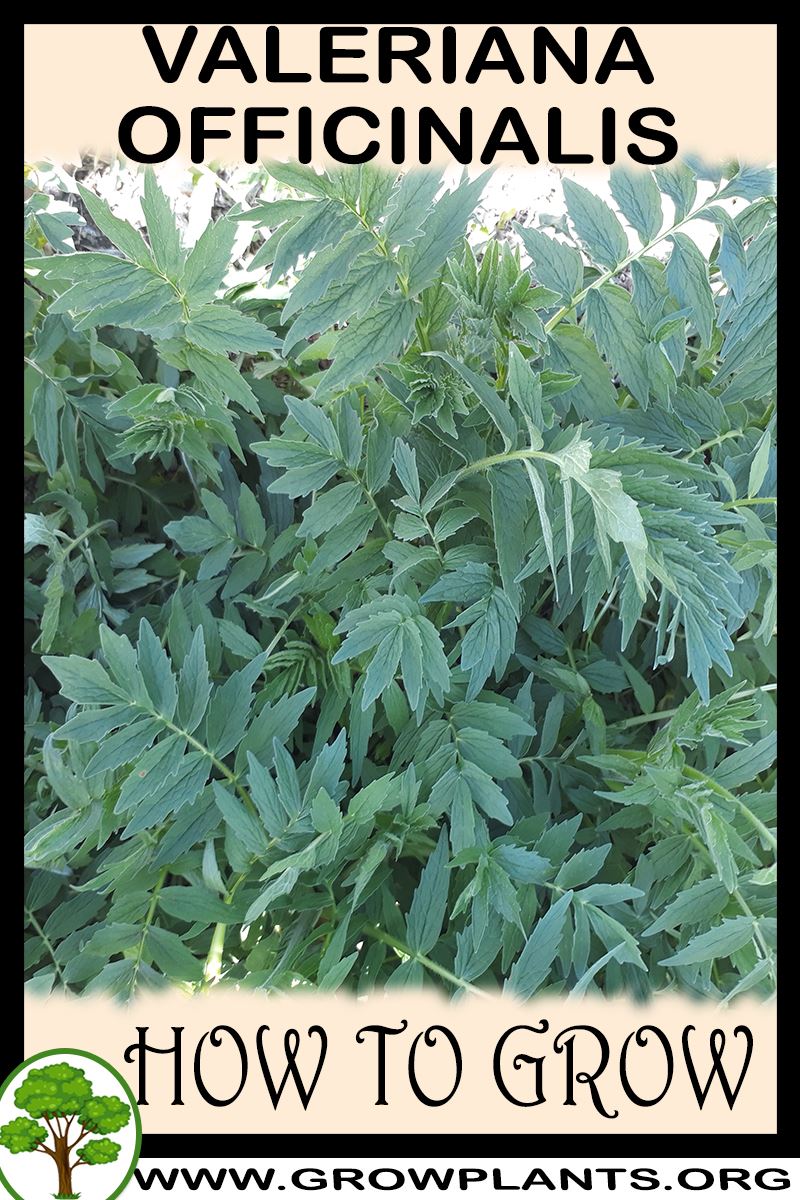
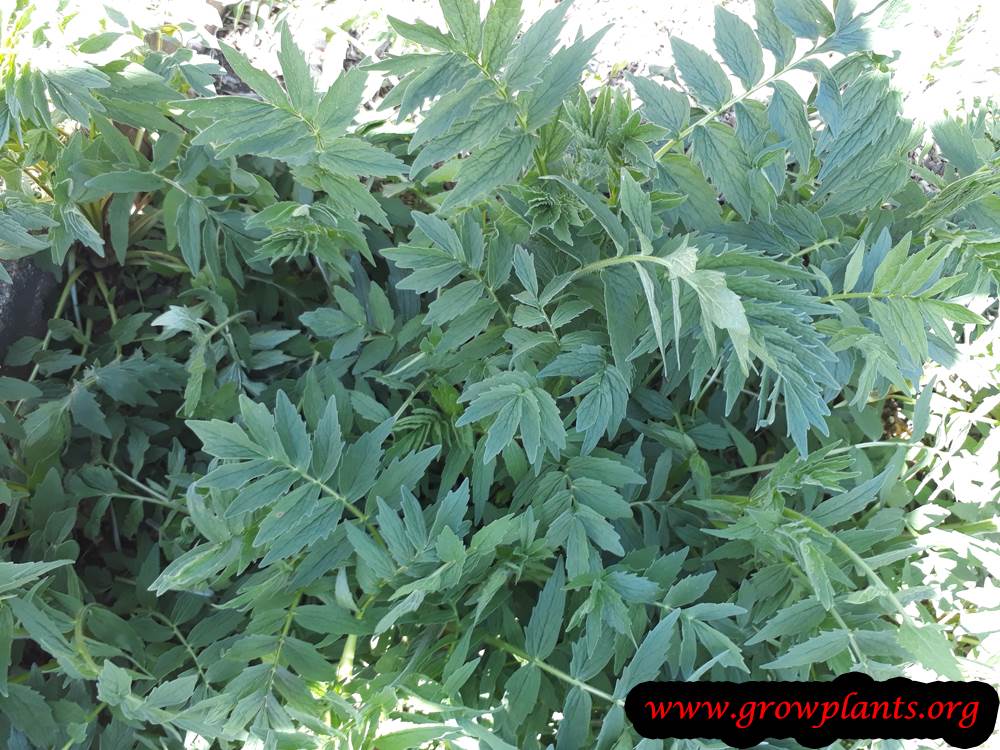
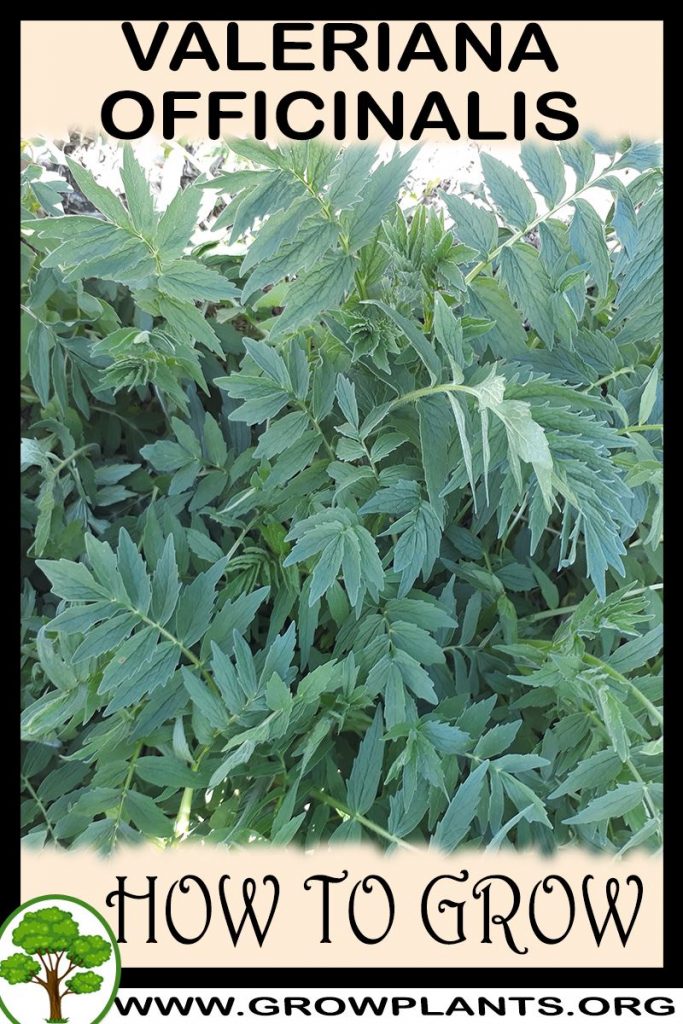
- Leaves & Foliage: Green, pinnately divided leaves with serrated, elliptic leaflets.
- Flower Characteristics: Small pink, white or purple star-shaped flowers massed in domed umbel-like heads.
Primary Uses & Landscape Value
- Functional & Ornamental Roles: Ornamental perennial for borders; attracts pollinators, and the roots are used medicinally.
Care Guide: Planting, Soil & Watering
Overview: Garden valerian is a tall, fast-growing perennial that grows in full sun to part shade and rich, consistently moist soil. It self-seeds and spreads freely, so give it room or deadhead to keep it in check.
Quick Care Requirements
| Requirement | Ideal Condition |
|---|---|
| Planting Season | Spring through autumn |
| Growth Rate | Moderate to Fast |
| Soil Type | Rich, moist, well-draining |
| Water Need | Moderate to High; keep the soil evenly moist |
Planting & Establishment
- Best Planting Season: Plant from spring through autumn during the growing season.
- How to Plant:
- Hole Preparation: Dig a hole to fit the root ball comfortably.
- Soil Amendments: Enrich with organic matter and mulch the surface to hold moisture.
- Planting Depth: Set the crown at soil level.
- Growth Speed & Expectations: A fast grower reaching a tall 50-150 cm (20-60 in), often needing space at the back of a bed.
Soil, Watering & Drainage Care
- Soil Mix & Drainage Needs: Keep it in rich, moisture-retentive soil that still drains; it also grows in a large container with steady moisture.
- Watering Schedule & Technique:
- Young / Newly Planted: Keep the soil moist while it establishes.
- Established: Water to maintain even moisture, especially in warm spells.
- Seasonal Adjustments: Reduce watering as it dies back for winter.
Climate, Light & Hardiness
Valerian grows in temperate climates and tolerates full sun to half shade. It is a cold-hardy herbaceous perennial, rated by the site to approximately zone 4–9.
Quick Climate Specifications
| Climate Zones | Temperate climate |
|---|---|
| USDA Hardiness Zones | Approximately 4–9 |
| Frost Tolerance | High |
| Light Conditions | Full Sun to Half Shade |
Sunlight & Light Exposure
Optimal Light Setup
Full sun to half shade both work; this is the extent of the light guidance available in the site's own data for this plant.
Temperature Extremes & Hardiness
USDA Hardiness & Regional Limits
Reliable outdoor culture is rated to approximately zone 4–9, consistent with a cold-hardy temperate herbaceous perennial that dies back to the root each winter and regrows in spring.
Cold Damage & Winter Protection
As a herbaceous perennial rated to zone 4, established plants should tolerate hard winter freezes at the root, though the site provides no specific detail on foliage cold damage.
Wind, Humidity & Microclimate
Microclimate Recommendations
Given the limited climate detail available, a typical sheltered temperate-garden bed with part-day shade is a reasonable, cautious default.
Growing in Pots, Balconies & Indoors
Valerian is not a houseplant – the grower marks it unsuitable indoors – and as a tall perennial (50-150 cm / 20-60 in) grown mainly for its roots, it is best outdoors. It grows fine in a large container on a patio or balcony, but it is not a windowsill plant.
Quick Details
- Container Size: A large, deep pot of about 20-30 L (5-8 gal) for the root system
- Indoor Suitability: Not suited to indoor life; grow it outdoors in a big pot
- Best Spot: Full sun to part shade outdoors
- Soil & Drainage: Rich, moisture-retentive mix that still drains; it likes steady moisture
- Watering in Pots: Water generously – it enjoys average to plentiful water and dislikes drying out
Indoors & On the Windowsill
- Not a houseplant: Too tall and light-hungry for indoors, and grown for its roots rather than looks – keep it outside.
- Windowsill: Not practical – it quickly outgrows a sill and needs full outdoor light to flower and build good roots.
- Overwintering: A hardy perennial that dies back and re-sprouts; a potted plant simply rests over the cold season.
On a Balcony or Patio
- Light & wind: Give it an open, sunny-to-part-shade spot; the tall flower stems may need staking on a windy balcony.
- Practicalities: A deep, heavy pot suits its vigorous roots and won’t blow over under the tall stems; its flowers attract pollinators.
Choosing the Pot, Soil & Long-Term Care
- Pot & drainage: A large, deep 20-30 L pot with strong drainage holes; skip a standing-water saucer to avoid root rot. Terracotta breathes and dries faster; glazed or plastic holds moisture longer.
- Potting mix: A light, aerated, organic-rich mix – potting compost or peat/coir with added perlite or vermiculite for drainage. Add extra organic matter so it holds the steady moisture valerian likes.
- Feeding: Nutrients wash out of pots faster than open ground, so feed potted valerian more often – a balanced liquid feed through the active growing season.
- Repotting: Refresh the top layer of mix each year and renew it or pot up every couple of years; lightly trim the roots and top growth when you do.
Fertilizing & Feeding
A vigorous, moisture-loving herbaceous perennial known for spreading readily, valerian generally grows well on light feeding, with rich, moist, mulched soil doing most of the work.
Quick Fertilizing Specs
| Feeding Level | Light feeder |
|---|---|
| Main Nutrient Priority | Balanced feeding to support healthy foliage and flowering |
| Best Feeding Period | Spring as new growth emerges |
| Organic Options | Compost and mulch worked into moist, rich soil |
| Reduce/Stop Feeding | Stop feeding as the plant dies back for winter |
| Micronutrients | Usually adequate in rich, mulched soil; correct only diagnosed deficiencies |
| Soil pH | Tolerates a wide range; prefers consistently moist, rich soil |
Feeding by Growth Stage
Establishment after planting
Help a newly planted valerian root into moist, mulched soil and begin its typically vigorous growth.
| Nutrient direction | A light, balanced feeding supports early establishment; this spreading perennial rarely needs more. |
|---|---|
| Timing | At planting, spring through autumn. |
| Frequency | A single light feeding at planting is usually enough. |
| Fertilizer types | A balanced, light-strength complete fertilizer, Compost and mulch worked into the planting area |
| Precautions | Keep soil consistently moist after feeding, and site the planting where its spreading habit can be managed. |
Active growth and bloom
Support lush foliage and the fragrant, pollinator-attracting umbels of flowers through the growing season.
| Nutrient direction | Occasional light, balanced feeding sustains foliage and flowering; as a vigorous grower, valerian rarely needs frequent feeding. |
|---|---|
| Timing | Through spring and summer while the plant is actively growing and blooming. |
| Frequency | Light feeding only occasionally through the season, if soil is not already rich. |
| Fertilizer types | A balanced complete fertilizer, A mulch or compost top-dressing renewed as needed |
| Precautions | Avoid heavy feeding, which can encourage this already vigorous, spreading plant to grow even more aggressively. |
Winter dieback
Let this deciduous herbaceous perennial die back to the ground and rest through winter.
| Nutrient direction | None – withhold fertilizer once the foliage dies back for the season. |
|---|---|
| Timing | Autumn through winter, once top growth has died back. |
| Frequency | No feeding at this stage; resume once new spring growth emerges. |
| Fertilizer types | No feeding at this stage; hold off fertilizing until new growth resumes in spring. |
| Precautions | Do not fertilize dormant roots; the plant cannot use the nutrients until active growth resumes. |
Nutrient Deficiency Signs & Corrections
Pale, sparse foliage and noticeably slower growth than this normally vigorous plant’s usual habit.
| Possible causes | low available soil nitrogen, very poor or sandy soil low in organic matter, nutrients leached by consistently moist conditions |
|---|---|
| Appears first on | older, lower leaves first |
| What to check | soil organic matter, feeding history, moisture and drainage |
| Possible correction | Apply a light, balanced fertilizer and refresh mulch or compost. |
Interveinal yellowing on older leaves while the veins stay green.
| Possible causes | magnesium leaching from consistently moist, well-watered soil, low native soil magnesium, heavy potassium feeding competing with magnesium uptake |
|---|---|
| Appears first on | older, lower leaves |
| What to check | soil magnesium status, watering frequency, recent feeding balance |
| Possible correction | Apply a labeled magnesium source such as Epsom salt and adjust feeding balance. |
Leaf margins brown or scorch despite consistently moist soil.
| Possible causes | fertilizer salt buildup from feeding more than this light feeder needs, inconsistent watering that concentrates salts, poor drainage trapping salts near roots |
|---|---|
| Appears first on | leaf margins and tips |
| What to check | recent feeding amounts, watering consistency, soil drainage |
| Possible correction | Pause feeding, water thoroughly to flush accumulated salts, then resume with lighter feeding. |
Pruning, Training & Seasonal Maintenance
Valeriana officinalis is a fully herbaceous perennial that dies back to the ground each year, so its pruning needs are simple: cut away the dead top growth once it collapses over winter, and – more importantly – deadhead the pink, white or purple flower stalks through summer before they set seed. This second point matters more here than for most plants in this batch, since the source notes this species as invasive; unchecked seed set is the main way it spreads beyond where it’s wanted. The plant tolerates being cut hard to the ground very well, regrowing vigorously each spring from its perennial rootstock.
Quick Pruning & Maintenance Specs
| Pruning Tolerance | High |
| Primary Pruning Window | Winter, cutting back dead top growth to ground level |
| Secondary Maintenance Window | Summer deadheading of spent flower stalks, before seed set |
| Typical Frequency | One hard cutback per year, plus repeated deadheading through bloom |
| Main Objective | Tidy dead growth and control self-seeding given this species’ invasive tendency |
| Young Plant Priority | Minimal – let the plant establish before any cutting |
| Mature Plant Priority | Regular deadheading through bloom; full cutback once dormant |
| Best Tool Type | Bypass secateurs for the sturdier flower stalks; precision snips for lighter deadheading |
| Avoid Heavy Pruning During | Active summer growth, if letting some bloom complete for pollinators before seed set |
Pruning by Plant Age & Size
Newly Established
Leave a young plant alone except to remove any damaged growth while it establishes its root system.
Young / Formative
No structural training applies – this is a herbaceous plant with no permanent framework. The only formative task is general establishment care.
Mature / Established
Deadhead flower stalks regularly through the bloom period to limit self-seeding, and cut the entire plant back to ground level once it dies back for the winter.
Seasonal Pruning Schedule
Dormant / Winter
Objective: reset the plant for spring. Once the top growth has died back naturally, cut it back close to ground level. Response: vigorous fresh regrowth from the crown in spring, since this plant is noted as fast-to-medium growing; nothing is lost by cutting hard here, as the plant is fully dormant.
Summer Canopy Management (Deadheading)
Objective: control unwanted spread. Remove flower stalks before their seed matures, unless some seed set is deliberately wanted; this is the single most useful pruning task for this species given its documented invasive tendency, since it curbs self-seeding while still allowing pollinators to visit the earlier part of the bloom.
Special Growth to Remove
Spent flower stalks, removed before seed matures, are the priority cut for this species; dead top growth is removed wholesale at the winter cutback.
Container & Small-Space Pruning
Growing this species in a container is itself a useful way to help contain its spread, but deadheading before seed set is still worthwhile even in a pot, since wind-blown seed can still escape a container planting.
Tools
Bypass secateurs for the sturdier flower stalks on this taller herbaceous perennial (up to about 1.5 m); precision snips are fine for lighter, more frequent deadheading.
Tool Hygiene & Disease Risk
Routine hygiene only – clean, sharp tools. No specific transmissible disease is noted for this species, so no special disinfection protocol is needed.
Cut Placement & Technique
Deadhead by cutting flower stalks at their base or just above a leaf node before seed heads fully form; at the winter cutback, cut all top growth back close to the ground rather than leaving tall dead stubble.
Heavy Pruning & Rejuvenation
The annual winter cutback effectively is the plant’s rejuvenation, and it is very well tolerated – there is no woody tissue to risk, and the plant regrows readily from its perennial crown each spring.
Post-Pruning Care
Water in after the winter cutback if the soil is dry. Through summer, keep an eye on how vigorously the clump is spreading given its invasive tendency, and be ready to deadhead promptly rather than letting flower stalks run to seed unchecked.
Common Pruning Mistakes
Letting flower stalks go to seed unchecked, which is the main way this species spreads beyond the intended planting area; and treating the plant as if it needs woody or structural pruning, when it has no permanent framework and simply needs an annual cutback plus deadheading.
When NOT to Prune
If pollinator forage over the full bloom period is a priority, hold off deadheading individual flowers immediately as they fade and instead remove flower stalks once bloom is finishing but before seed matures – the point is to intervene before seed set, not to prevent flowering altogether.
Recommended Tools (by task)
- bypass_secateurs – the main tool for cutting the sturdier flower stalks and for the winter cutback.
- precision_snips – useful for lighter, more frequent deadheading through the bloom period.
Propagation Guide
Valeriana officinalis is most easily and reliably increased by dividing its clumping, rhizomatous rootstock, which also keeps new plants identical to the parent; seed is a practical alternative and comes true since this is a straight species rather than a named cultivar. Both methods are easy for a home gardener.
Quick Propagation Specs
| Best Propagation Method | Division of the rootstock (clump/rhizome division) |
| Alternative Methods | Seed |
| Propagation Difficulty | Easy |
| Seed True-to-Type | Yes (species) |
| Vegetative True-to-Type | Yes |
| Best Propagation Season | Division: spring or autumn; Seed: spring |
| Seed Germination Time | Typically a few weeks, often uneven |
| Germination Temperature | Cool, roughly 15–20°C (59–68°F) |
| Seed Sowing Depth | Surface sow, only very lightly covered |
Growing from Seed
Seed Handling & Viability
Valerian seed loses viability fairly quickly, so sow fresh seed when possible rather than storing it long-term.
Dormancy & Pre-Sowing Treatment
Fresh seed generally needs no pretreatment; a short spell of cold, moist stratification (a few weeks refrigerated) can help even out germination of older seed.
Sowing Season
Spring is the most reliable time to sow; in milder climates seed can also be sown in autumn.
Sowing Depth & Orientation
Sow on the soil surface and press in, or cover only very lightly – light appears to aid germination in this species.
Germination Conditions
Keep the sowing medium consistently moist but not waterlogged at cool temperatures; germination is often staggered.
Germination Time
Allow several weeks and expect uneven emergence rather than a single flush.
Seedling Care
Keep seedlings evenly moist and pot on or transplant once a couple of true leaves have formed.
Division, Offsets, Pups & Suckers
Established clumps develop a spreading, rhizomatous rootstock – part of why the site notes this plant can be invasive in the garden. In spring or autumn, lift a clump that has grown for at least two seasons, split it into sections that each carry healthy roots and at least one growth crown, and replant promptly at the same depth, keeping divisions consistently moist until new growth confirms establishment.
Bloom & Flower Guide
Quick Details
- Bloom Season: Summer
- Flower Appearance: Small pink, white or purple star-shaped flowers gathered into rounded, umbrella-like heads
- Edibility: A medicinal plant grown for its root – the flowers are ornamental and are not eaten
Detailed Blooming Overview
Valerian (Valeriana officinalis) flowers in summer, lifting broad, domed heads of tiny star-shaped blooms on tall stems well above the foliage. The flowers are softly sweet-scented and a good draw for pollinators, though the plant is grown chiefly for its medicinal root.
Flower Characteristics
- Small star-shaped flowers in pink, white or purple.
- Massed together into rounded, umbrella-like clusters (umbels) on tall stems.
Bloom Care & Thinning
- Pollination: Worked by pollinating insects such as bees and flies, drawn to the scent.
- Managing the bloom: No thinning is needed. If you want to prevent self-seeding, cut the flower heads before they set seed.
Pests, Diseases & Troubleshooting
Overview: Valerian is a robust, largely pest-free hardy perennial herb; the few issues it does get are minor sap-suckers and, mainly, rots in wet ground. Grow it in reasonable soil with room to breathe and it needs little intervention.
Quick Troubleshooting Overview
| Issue / Pest | Main Symptom | Primary Solution |
|---|---|---|
| Aphids | Curled tips, honeydew | Beneficials; water jet; insecticidal soap |
| Slugs and snails | Ragged holes in new shoots | Hand-pick; barriers; iron-phosphate bait |
| Powdery mildew | White coating in crowded, dry sites | Airflow; avoid drought; remove leaves |
| Root/crown rot | Wilting, blackened crown in wet soil | Improve drainage; ease off watering |
Common Pests & Management
- Aphids (Aphidoidea):
- Symptoms: Clusters of small soft-bodied green, black or grey insects on new shoots, buds and leaf undersides; curled or distorted young growth, sticky honeydew and a black sooty mould film; ants farming the colonies. Look-alikes include whitefly nymphs (flat, static) and psyllids.
- Prevention & Control: Encourage and protect ladybirds, lacewings, hoverflies and parasitic wasps; knock colonies off with a strong jet of water and pinch out badly infested tips. Avoid excess nitrogen, which drives soft aphid-prone growth. If numbers stay high, treat with insecticidal soap or a horticultural/neem oil, spraying leaf undersides in the cool of the evening to protect pollinators.
- Spider mites (two-spotted mite) (Tetranychus urticae):
- Symptoms: Fine pale stippling or bronzing on upper leaf surfaces, later a dull sandblasted look; delicate webbing on undersides and shoot tips in hot dry spells. Confirm by tapping foliage over white paper and watching for moving specks.
- Prevention & Control: Mites thrive in hot, dusty, drought-stressed conditions, so keep plants well watered and raise humidity where practical; hose down foliage and remove badly affected leaves. Introduce predatory mites (Phytoseiulus) under cover. If needed, apply insecticidal soap or horticultural oil, ensuring thorough coverage of leaf undersides and repeating to catch newly hatched mites.
- Slugs and snails (Gastropoda):
- Symptoms: Irregular ragged holes in leaves and young shoots, silvery slime trails, and seedlings grazed to the ground overnight; damage worst in damp, shady, sheltered spots.
- Prevention & Control: Hand-pick after dark or after rain, remove hiding places and dead leaves, and water in the morning so the surface dries by night. Use barriers such as grit, copper tape or beer traps, and encourage frogs, birds and ground beetles. Iron-phosphate baits are the wildlife-safer option if needed.
Diseases & Fungal Issues
- Powdery mildew (Erysiphales):
- Symptoms: White to greyish powdery patches on upper leaf surfaces, stems and sometimes buds; leaves may yellow, distort and drop in severe cases. Worst in warm days, cool nights and crowded, shaded plantings.
- Treatment & Management: Improve airflow with correct spacing and thinning, site in good light, and avoid wetting foliage late in the day; water at the roots. Remove and destroy affected leaves and clean up debris. Resistant varieties help. Organic sprays of potassium bicarbonate, sulfur or a diluted horticultural oil check spread if applied early and repeated.
- Root and crown rot (Phytophthora / Pythium spp.):
- Symptoms: Wilting despite moist soil, yellowing lower leaves, dark soft roots and a blackened crown; general decline and collapse. Waterlogged or poorly drained soil is the trigger.
- Treatment & Management: Prevention is decisive: plant in free-draining soil or raised beds, avoid overwatering, and never let containers stand in water. Remove and destroy badly affected plants. Improve drainage and let the surface dry between waterings; biological drenches (Trichoderma) can help protect healthy roots.
Growing Difficulties & Abiotic Problems
- Flopping and legginess:
- Cause & Symptoms: Tall flower stems flop in rich soil, shade or wind, and the clump can be over-vigorous and self-seed freely.
- Correction Strategy: Grow in full sun to light shade with moderate fertility, give it space, and stake or cut back after flowering; deadhead to limit self-seeding.
- Drought stress:
- Cause & Symptoms: Leaf edges scorch and wilt in prolonged dry heat, as valerian prefers steady moisture.
- Correction Strategy: Mulch to hold moisture and water in dry spells, especially on light soils; the plant recovers well once watered.
What Helps — Products & Tools
This herb rarely needs more than good siting. Keep on hand only the basics: insecticidal soap or neem oil for occasional aphids and mites, iron-phosphate slug bait, and potassium bicarbonate or sulfur if powdery mildew appears in a crowded, dry season.