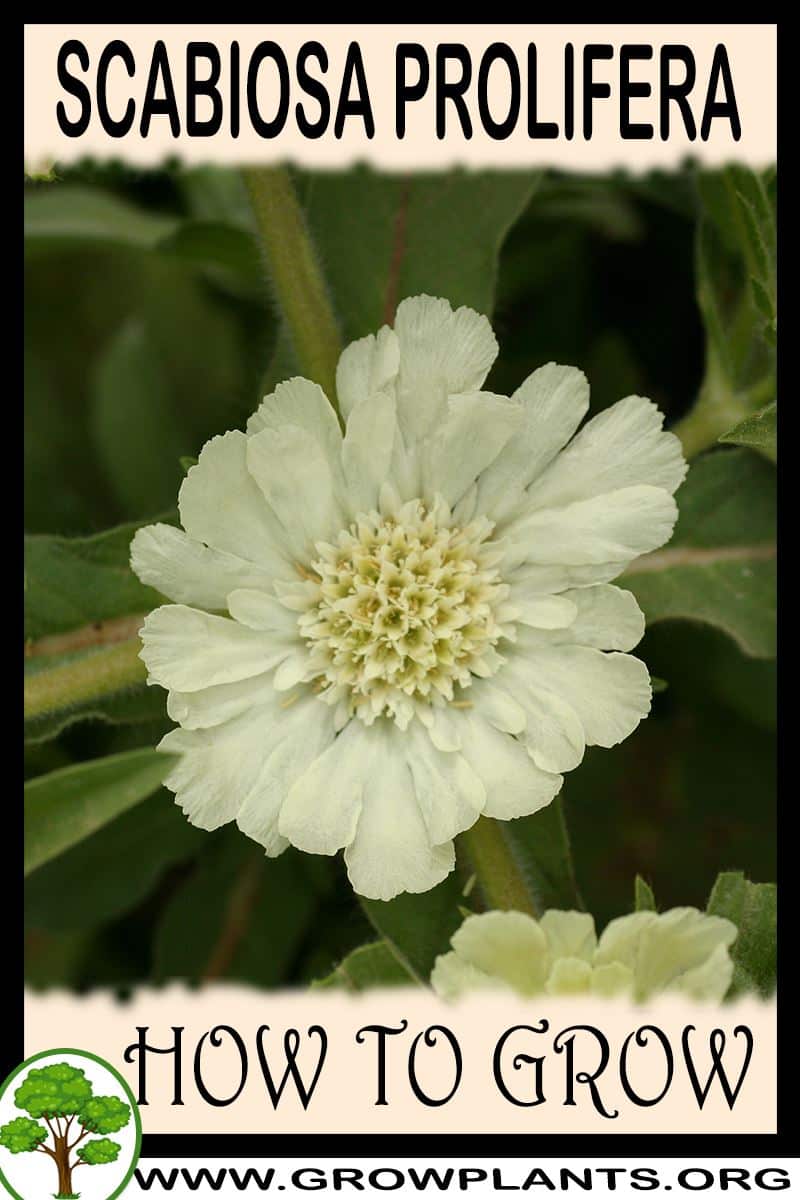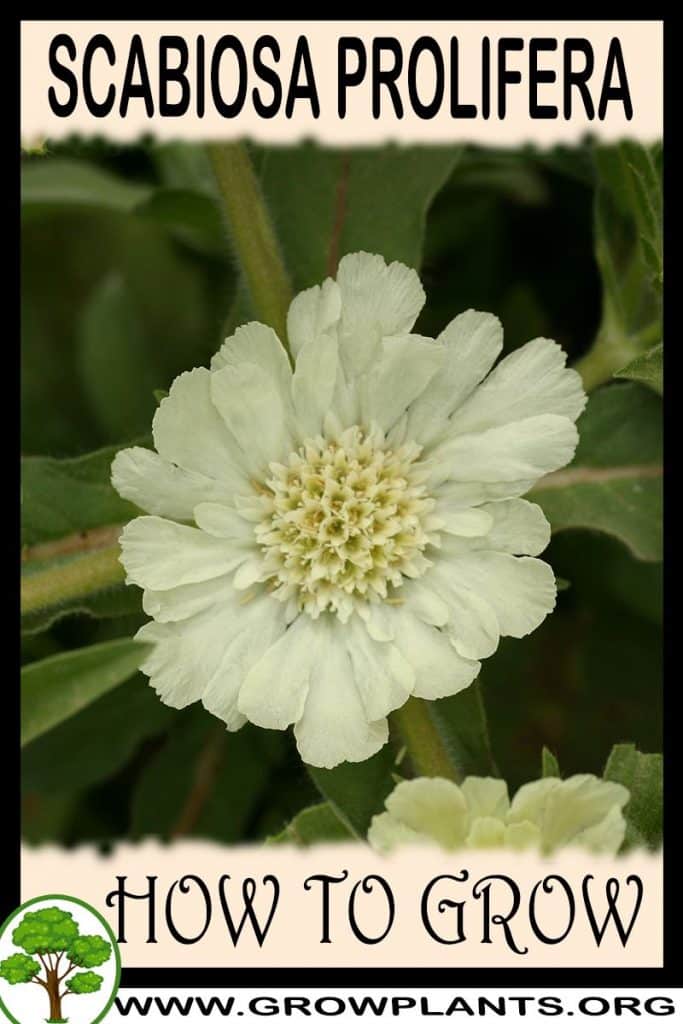
Plant Profile & Key Characteristics
Overview: Carmel daisy – a herbaceous perennial (or annual) 30-60 cm (12-24 in) tall grown as an ornamental and cut flower for its creamy-yellow pincushion heads. It attracts pollinators and suits Mediterranean, dry gardens.
Quick Specifications
| Specification | Attribute |
|---|---|
| Plant Type / Life Cycle | Herbaceous perennial or annual |
| Foliage Type | Semi-evergreen (evergreen in mild winters) |
| Mature Size | 30-60 cm (12-24 in) tall |
| Growth Rate | Moderate to fast |
| Hardiness | USDA zones 3-11 |
Growth Form & Structure
- Height & Spread: In the ground an airy plant 30-60 cm (12-24 in) tall, the flowers held on wiry stems above a low leaf clump; also grows well in containers.
- Growth Habit & Form: Clump-forming plant with a basal rosette of leaves sending up slender flowering stems.
- Lifespan & Maturity: Perennial forms return for several years; flowers over a long season, especially from winter into spring in mild climates.
Anatomy & Physical Features
- Leaves & Foliage: Green, lobed, slightly hairy leaves forming a low basal clump.
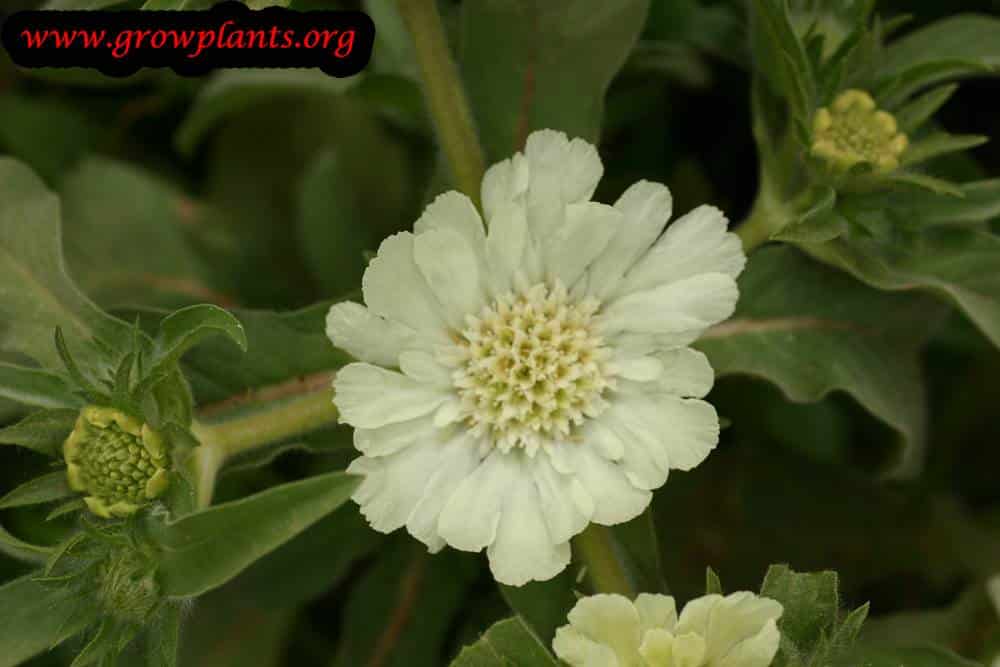
- Flower Characteristics: Small creamy-to-yellow flowers packed into rounded pincushion-like heads.
Primary Uses & Landscape Value
- Functional & Ornamental Roles: Border and dry-garden ornamental and a useful cut flower, attractive to pollinators.
Care Guide: Planting, Soil & Watering
Overview: Scabiosa prolifera (Scabiosa prolifera), Carmel daisy, is a Mediterranean pincushion flower grown as a perennial or annual for its creamy blooms and pollinator appeal (hardiness zones 3-11). It thrives in full sun to part shade in rich, well-draining soil and prefers frost-free conditions.
Quick Care Requirements
| Requirement | Ideal Condition |
|---|---|
| Planting Season | Spring to autumn (frost-free) |
| Growth Rate | Moderate to Fast |
| Soil Type | Rich, well-draining |
| Water Need | Low to moderate; let the top dry between waterings |
Planting & Establishment
- Best Planting Season: Plant from spring to autumn once frost has passed, in a sunny, open position with light shade tolerated; it flowers from winter into spring.
- How to Plant:
- Hole Preparation: Dig a hole a little wider than the root ball and loosen the surrounding soil so the roots spread.
- Soil Amendments: Enrich the backfill with compost and organic matter while keeping the soil free-draining.
- Planting Depth: Set the plant at the depth it grew previously, keeping the crown level with the soil surface.
- Growth Speed & Expectations: A moderate-to-fast grower reaching about 30-60 cm (12-24 inches), flowering freely; some Scabiosa species can spread invasively.
Soil, Watering & Drainage Care
- Soil Mix & Drainage Needs: Give rich soil that still drains sharply so the roots never sit wet. It grows well in a container with open drainage holes.
- Watering Schedule & Technique:
- Young / Newly Planted: Keep the soil evenly moist while young plants establish.
- Established: Water moderately once established, letting the top of the soil dry before watering again.
- Seasonal Adjustments: Water a little more during its winter-to-spring flowering and reduce through the heat of summer.
Climate, Light & Hardiness
Carmel daisy is native to the Eastern Mediterranean and desert-margin regions, and performs best in full sun to light shade in mild, near frost-free climates. Site data lists a very wide hardiness range, reflecting that it behaves as a persistent, frost-tolerant perennial in milder zones but is best treated as a reseeding annual where winters are colder.
Quick Climate Specifications
| Climate Zones | Mediterranean, subtropical, desert, temperate |
|---|---|
| USDA Hardiness Zones | 3–11 (reliably perennial in mild, largely frost-free conditions; grown as a reseeding annual in colder zones) |
| Cold Damage Begins | Approximately 0°C (32°F); foliage and flowers are frost-sensitive |
| Frost Tolerance | Low–Moderate |
| Light Conditions | Full Sun / Half Shade |
Sunlight & Light Exposure
Optimal Light Setup
Full sun encourages the strongest flowering; half shade is tolerated, particularly in hot desert climates.
Shade & Heat Management
In very hot, arid conditions, a little afternoon shade helps prevent the hairy, lobed foliage from wilting.
Best Exposure / Orientation
An open, sunny bed suits it, ideally somewhere sheltered from hard frost.
Temperature Extremes & Hardiness
USDA Hardiness & Regional Limits
Site data spans zones 3–11. In practice this reflects a frost-free-preferring plant that persists as a true perennial in mild, largely frost-free to lightly frosty climates (roughly zone 8 and warmer), while in colder zones it is best grown as a self-seeding annual planted in spring after frost danger passes.
Cold Damage & Winter Protection
The overview notes it prefers frost-free conditions; where frost occurs, a sheltered microclimate or annual treatment avoids winter losses.
Frost Sensitivity
Sensitive to hard frost, which can damage or kill foliage and flowers; light, brief frost is more likely to be tolerated by established plants in milder zones.
Extreme Heat Tolerance
Well suited to desert and Mediterranean summer heat, consistent with its native range.
Wind, Humidity & Microclimate
Rainfall & Seasonal Moisture
Adapted to climates with a distinct dry season, typical of its Mediterranean and desert-margin origin.
Microclimate Recommendations
A warm, sheltered, frost-free pocket allows it to behave as a longer-lived perennial even at the cooler edge of its range.
Growing in Pots, Balconies & Indoors
Scabiosa prolifera (Carmel daisy) is a sun-loving annual, 30-60 cm tall. It is not a houseplant, but the grower confirms it grows well in containers, where it makes a pretty, pollinator-friendly patio or balcony plant.
Quick Details
- Container Size: A medium pot, about 5-10 L, suits a season’s growth
- Indoor Suitability: Not an indoor plant – it needs full outdoor sun
- Best Spot: Full sun to part shade, outdoors
- Soil & Drainage: Free-draining, not-too-rich mix
- Watering in Pots: Small to average – let the surface dry between waterings
Indoors & On the Windowsill
- Not a houseplant: The grower marks it ‘No’ – it needs strong outdoor sun to flower and will not perform in a room.
- Windowsill: Only a very bright, sunny sill would keep it stocky, and even then it is happier outdoors.
- Season: As an annual it lives a single season – simply resow rather than trying to overwinter it indoors.
On a Balcony or Patio
- Light & wind: Give it the sunniest spot; on an exposed balcony the slender stems may need light support.
- Heat & drainage: Reflected heat dries small pots quickly – check moisture in warm weather and let run-off drain away.
Choosing the Pot, Soil & Long-Term Care
- Pot & drainage: A medium pot with good holes; skip a standing water saucer to avoid root rot. Terracotta breathes and dries fast (good for succulents), while glazed or plastic holds moisture longer.
- Potting mix: A free-draining, aerated mix – potting mix with a little added grit or perlite.
- Feeding: Potted plants exhaust their food faster because watering leaches nutrients, so feed lightly through the growing season – more often than plants in open ground.
- Longevity: Being an annual it needs no repotting – start fresh plants each season.
Growing this plant in a greenhouse
A greenhouse can give scabiosa prolifera frost protection and cold protection.
Greenhouse at a glance
| Greenhouse suitability | Conditional - depends on your climate |
|---|---|
| Main benefits | frost protection, cold protection |
| Season extension | earlier spring & later autumn |
| Outdoor protection advisable below | about 5°C |
| Maintain greenhouse minimum | around 5°C for active growth |
| Suitable types | unheated greenhouse, polycarbonate greenhouse |
| Heating | Heating is optional - useful mainly for winter growing in cold areas. |
Related greenhouse guides
- Greenhouses: How to Choose the Right Greenhouse
- Polycarbonate Greenhouses: What to Look for Before Buying
Fertilizing & Feeding
A moderate feeder: balanced feeding from establishment through its winter-to-spring bloom keeps this fast-growing, pollinator-friendly plant flowering well, then feeding stops as it rests for the season.
Quick Fertilizing Specs
| Feeding Level | Moderate feeder |
|---|---|
| Main Nutrient Priority | Balanced nutrition through establishment and bloom, rather than a high-phosphorus bloom booster |
| Best Feeding Period | From planting through the winter-to-spring bloom period |
| Organic Options | Compost or well-rotted organic matter worked into rich, well-drained soil |
| Micronutrients | Usually supplied by a complete fertilizer; correct iron or other deficiencies only when actually diagnosed |
| Soil pH | Tolerates a range of soil pH; performs best in fertile, well-drained, frost-free conditions |
| Reduce/Stop Feeding | Taper off as the bloom flush finishes and let the plant rest through its slower season |
Feeding by Growth Stage
Establishment and rosette growth
Help a newly planted Carmel daisy build a strong rosette of lobed, hairy foliage before it shifts into flowering.
| Nutrient direction | A balanced, complete fertilizer to establish steady root and leaf growth in the rich soil this plant favors. |
|---|---|
| Timing | From planting through early leaf and rosette development. |
| Frequency | A light feeding at planting supports establishment; keep subsequent feeding modest for this fast-establishing plant. |
| Fertilizer types | A balanced complete garden fertilizer, Compost or well-rotted organic matter worked into the soil at planting |
| Precautions | Keep soil rich but free draining, and protect from frost, which this frost-tender plant cannot tolerate regardless of feeding. |
Bud set and umbrella-shaped bloom
Support the winter-into-spring flush of small creamy-yellow flower clusters grown for cutting and pollinators.
| Nutrient direction | Stay with a balanced feed rather than a high-phosphorus bloom product; adequate overall nutrition, not extra phosphorus, is what supports good flowering here. |
|---|---|
| Timing | As flower buds form through the main winter-to-spring bloom period. |
| Frequency | Light, steady feeding through the bloom season is usually enough; ease off as flowering winds down. |
| Fertilizer types | A balanced complete garden fertilizer |
| Precautions | Avoid heavy nitrogen feeding during bloom, which favors leafy growth over the flower clusters this plant is grown for. |
Post-bloom rest
Let the plant rest after its bloom flush, particularly where grown as a short-lived perennial or annual.
| Nutrient direction | None – withhold fertilizer once flowering finishes and growth slows for the season. |
|---|---|
| Timing | From the end of the bloom period through the warmer, slower part of the year. |
| Frequency | No feeding at this stage. |
| Fertilizer types | No feeding at this stage – let the plant rest or complete its cycle undisturbed |
| Precautions | Do not fertilize a resting plant; feeding now mainly benefits weeds and can push weak, off-season growth. |
Nutrient Deficiency Signs & Corrections
Older leaves pale and overall growth and flower production slow.
| Possible causes | low soil nitrogen, poor, depleted soil, heavy competition from nearby plants |
|---|---|
| Appears first on | older, lower leaves |
| What to check | leaf color and overall vigor, soil fertility history, bloom count compared to prior seasons |
| Possible correction | Work in a balanced complete fertilizer or compost and reassess growth. |
New leaves emerge yellow between the veins while the veins themselves stay green.
| Possible causes | high soil pH tying up iron, waterlogged or compacted soil, naturally low soil iron |
|---|---|
| Appears first on | newest leaves |
| What to check | soil pH and drainage, whether only new growth is affected, recent watering pattern |
| Possible correction | Correct pH toward neutral where practical and apply a chelated iron product per its label. |
Flower stems weaken and flop, with scorched or yellowed leaf margins.
| Possible causes | low soil potassium, nitrogen-heavy feeding history, light, sandy soil that leaches nutrients quickly |
|---|---|
| Appears first on | older leaf margins |
| What to check | stem strength and flower size, soil texture and drainage, recent feeding balance |
| Possible correction | Shift toward a balanced or slightly potassium-forward feed and improve soil organic matter. |
Pruning, Training & Seasonal Maintenance
Scabiosa prolifera (Carmel daisy) is a low, non-woody flowering perennial (sometimes grown as an annual) valued for continuous bloom, cut-flower use, and pollinator attraction. It tolerates frequent, light pruning in the form of deadheading – the single most effective way to extend flowering – plus one tidying cutback after the main bloom flush. There is no branch framework to build or preserve.
Quick Pruning & Maintenance Specs
| Pruning Tolerance | Moderate (frequent light cuts, not hard structural pruning) |
| Primary Pruning Window | Ongoing through the winter–spring bloom period, for deadheading |
| Secondary Maintenance Window | Light cutback after the main bloom flush |
| Typical Frequency | Deadhead every 1–2 weeks while flowering |
| Main Objective | Prolong bloom, supply cut flowers, tidy foliage |
| Young Plant Priority | None – let the plant establish; remove only damaged growth |
| Mature Plant Priority | Deadhead + post-bloom tidy |
| Best Tool Type | Precision snips |
| Avoid Heavy Pruning During | Hot, dry summer stress |
Pruning by Plant Age & Size
Newly Established
Minimal: remove only damaged or dead leaves while the plant settles in.
Young / Formative
No training system applies to this mounding herbaceous habit; pinch only if growth is straggly, to encourage a bushier plant.
Mature / Established
Regular deadheading at the base of the flower stem is the main ongoing task. Harvesting stems for cut-flower use doubles as deadheading and needs no separate pruning pass.
Seasonal Pruning Schedule
Post-Flowering
Objective: tidy the clump after the main winter–spring bloom flush. Remove: spent flowering stems, cut back to the basal foliage. Do not remove: healthy basal leaves. Response: a tidier clump and reduced uncontrolled reseeding, though this cutback does not guarantee a strict second flush. Flowering impact: channels energy back to the crown rather than to seed production.
Ongoing Sanitary
Objective: remove pest-damaged foliage. Remove: leaves damaged by slugs (a noted pest for this species) at any time. Do not remove: otherwise healthy foliage.
Structural Pruning & Training
Minimal: as a pollinator/cut-flower plant, deadheading involves a real trade-off – leaving some spent flowerheads lets the plant self-seed and keeps late-stage seedheads available to pollinators/foragers, so a gardener prioritizing habitat value may deadhead less aggressively than one growing it strictly for cut flowers.
Special Growth to Remove
- Spent flower stems – the main recurring task.
- Slug-damaged leaves.
Container & Small-Space Pruning
Grows well in pots; deadhead promptly to keep plants compact in a container. No root-pruning is needed for this species.
Tools
- Precision snips – the only tool needed; stems are soft with no woody growth.
Tool Hygiene & Disease Risk
Routine: clean, sharp tools are sufficient. No specific transmissible disease risk is noted.
Cut Placement & Technique
Deadhead down to a leaf node or the basal foliage – not mid-stem, which would leave a bare, unsightly stub.
Heavy Pruning & Rejuvenation
Not applicable in the shrub sense: this is a low, mounding herbaceous plant that does not benefit from a hard renewal cut. If a clump becomes tired or sparse, division and replanting is the appropriate renewal method, not hard pruning.
Post-Pruning Care
Water lightly after cutback (this is a drought-tolerant plant, so avoid overwatering). Watch for slugs and snails on tender new growth that follows a tidy.
Common Pruning Mistakes
- Deadheading so thoroughly that no seed sets, when self-sowing/naturalizing is actually wanted.
- Mistaking slug damage for a pruning problem and cutting back healthy growth unnecessarily.
- Overwatering after cutback in soil that should stay on the drier side.
When NOT to Prune
- Hard cutback during a heavy bloom flush, if maximizing flowers or cut-stem yield this season.
- During summer heat or drought stress.
Recommended Tools (by task)
- precision_snips – deadheading and cut-flower harvest on soft, thin stems.
Propagation Guide
Scabiosa prolifera is most readily grown from seed, which germinates without special treatment and is true to the species; clump division offers a quick vegetative alternative for perennial plants. Vegetative propagation is not required, so seed remains the simplest starting point, making overall propagation Easy.
Quick Propagation Specs
| Best Propagation Method | Seed |
| Alternative Methods | Division of established perennial clumps |
| Propagation Difficulty | Easy |
| Seed True-to-Type | Usually true-to-type (species) |
| Vegetative True-to-Type | Yes |
| Best Propagation Season | Spring, with autumn also suitable in frost-free areas |
| Seed Germination Time | Typically a few weeks |
| Seed Sowing Depth | Shallow – lightly cover or barely cover the seed |
Growing from Seed
Sowing Season
Sow in spring, summer or autumn, matching this plant’s noted planting seasons; avoid sowing where frost is likely, since the site notes this plant needs frost-free conditions and rich soil.
Germination Conditions
Sow shallowly in rich, well-drained soil and keep it consistently moist in a sunny to half-shaded spot; germination can be somewhat uneven, so allow several weeks before judging results.
Seedling Care
Grow seedlings on in rich soil once a few true leaves have formed, and watch for slugs (a pest noted for this plant) which can damage young seedlings.
Division, Offsets, Pups & Suckers
Established perennial clumps can be lifted and divided in spring or autumn; replant divisions with roots attached promptly and keep them watered until re-established. Note that as an annual-grown form this species will not persist to be divided – division applies to plants grown as perennials.
Bloom & Flower Guide
Quick Details
- Bloom Season: Winter into spring
- Flower Appearance: Many tiny creamy-white to soft-yellow florets packed into rounded, umbrella-like heads
- Edibility: Ornamental – grown as a cut flower and to attract pollinators, not for eating
Detailed Blooming Overview
Scabiosa prolifera, the Carmel daisy, carries its display through the cooler part of the year, opening from winter into spring. Each “flower” is really a dense head of many small florets, giving it that old-fashioned pincushion look. It reads well in a border and holds up nicely once cut.
Flower Characteristics
- Small florets are gathered into rounded, umbrella-shaped heads.
- Colour runs from creamy white to a soft yellow.
- Nectar-rich and much visited by bees and other pollinators; useful as a cut flower.
Bloom Care & Thinning
- Encouraging more bloom: Removing spent heads keeps the plant tidy and can prompt a longer flush of flowers.
- Pollination: The open, nectar-rich heads are easy for bees and other insects to work.
Pests, Diseases & Troubleshooting
Overview: Carmel daisy (drumstick scabious) is an easy Mediterranean annual pincushion that is largely trouble-free – as an annual it sidesteps the winter crown rot that plagues perennial scabious. Its issues are routine aphids, spider mites and slugs on young plants, with powdery mildew in crowded, humid stands. Full sun and free-draining, neutral-to-alkaline soil keep it clean.
Quick Troubleshooting Overview
| Issue / Pest | Main Symptom | Primary Solution |
|---|---|---|
| Crown / root rot | Collapse & die-out in wet/heavy soil | Sharp drainage, neutral-alkaline soil |
| Powdery mildew | White powder on leaves in crowding | Space, airflow, sulphur/bicarb spray |
| Aphids | Sticky, distorted shoots & buds | Water jet, beneficials, insecticidal soap |
| Slugs & snails | Grazed young plants & basal leaves | Grit barriers, traps, evening patrols |
| Spider mite / thrips | Stippled leaves; spoiled flowers | Raise humidity, oil/soap, sticky traps |
| Flopping / chlorosis | Lax stems; yellowing on acid soil | Full sun, lean soil, lime if acidic |
Common Pests & Management
- Aphids (Aphis / Myzus spp.):
- Symptoms: Green or black colonies on soft shoots, buds and flower stems; sticky honeydew, distorted growth and possible virus spread.
- Prevention & Control: Rinse off with water and encourage ladybirds, lacewings and hoverflies; pinch infested tips. Treat heavy colonies with insecticidal soap, spraying in the evening to protect the many pollinators scabiosa attracts.
- Two-spotted spider mite (Tetranychus urticae):
- Symptoms: Fine stippling and bronzing of leaves with faint webbing in hot, dry conditions.
- Prevention & Control: Raise humidity and hose foliage in heat; treat persistent mites with insecticidal soap or horticultural oil on leaf undersides.
- Slugs and snails (Various spp.):
- Symptoms: Ragged holes and grazed young plants and basal foliage, with slime trails in damp weather.
- Prevention & Control: Clear hiding places, water in the morning, and use grit/copper barriers, traps or iron-phosphate pellets; hand-pick after dark. Young plants are most at risk.
- Thrips (Frankliniella occidentalis):
- Symptoms: Silvery flecking and distortion on leaves and, especially, spoiled, streaked flowers; tiny black specks on the tissue.
- Prevention & Control: Monitor with blue sticky traps, remove affected flowers, and treat with insecticidal soap or horticultural oil; encourage predatory mites. (Flower-specific thrips damage is also covered under bloom care.)
- Whitefly (Trialeurodes vaporariorum):
- Symptoms: Small white flies rising from disturbed plants with light honeydew, mainly in warm, sheltered or greenhouse conditions.
- Prevention & Control: Improve airflow, use yellow sticky traps, and spray insecticidal soap on leaf undersides if needed.
Diseases & Fungal Issues
- Powdery mildew (Erysiphe / Golovinomyces spp.):
- Symptoms: White powdery coating on leaves and stems, mainly in crowded, dry-root, humid conditions; foliage yellows and looks tired.
- Treatment & Management: Space and thin plants for airflow, keep roots evenly moist, and remove affected growth; a sulphur or potassium-bicarbonate spray helps at first signs.
- Crown and root rot (Phytophthora / Rhizoctonia / Sclerotinia):
- Symptoms: Wilting, blackening and collapse from the crown with dark, rotten roots, in wet, heavy or acidic soil – the reason most perennial scabious are short-lived.
- Treatment & Management: Grow in sharply drained, neutral-to-alkaline soil in full sun, avoid winter wet and burying the crown, and improve drainage with grit; remove and destroy rotted plants and divide healthy stock regularly.
- Aster yellows (phytoplasma):
- Symptoms: Distorted, greenish, stunted flowers and yellowed, deformed growth, spread by leafhoppers – occasional but incurable.
- Treatment & Management: There is no cure: remove and destroy affected plants promptly, control leafhoppers, and clear weed hosts; buy healthy stock.
- Leaf spot (various fungi):
- Symptoms: Brown or purplish spots on leaves in wet, crowded conditions.
- Treatment & Management: Remove affected leaves, improve airflow, and avoid overhead watering; rarely serious enough to need fungicide.
Growing Difficulties & Abiotic Problems
- Flopping / legginess:
- Cause & Symptoms: Tall, slender flower stems can flop in rich soil, shade or exposure.
- Correction Strategy: Grow in full sun on lean, free-draining soil, avoid over-feeding, and support tall stems or plant among neighbours; deadhead to prolong flowering.
- Chlorosis on acidic soil:
- Cause & Symptoms: Yellowing leaves and poor growth on acidic soils, which scabious dislikes (it favours neutral to alkaline conditions).
- Correction Strategy: Grow in neutral-to-alkaline soil; lime acidic ground and improve drainage, and mulch with compost to support steady growth.
- Flopping and poor flowering:
- Cause & Symptoms: Lax, sprawling stems and fewer flowers in shade, on rich soil, or if not deadheaded.
- Correction Strategy: Grow in full sun on lean, free-draining soil, avoid excess nitrogen, support tall stems, and deadhead regularly to keep the long succession of pincushion blooms coming.
What Helps – Products & Tools
Scabiosa is easy but short-lived if grown wet: the key ‘products’ are good drainage and deadheading rather than sprays. Insecticidal soap or horticultural/neem oil handles aphids, mites, whitefly and thrips; a sulphur or potassium-bicarbonate fungicide controls powdery mildew; and slug traps/barriers protect young plants. The single best safeguard is a sharply drained, neutral-to-alkaline soil that prevents the winter crown rot which kills most pincushion flowers.