Plant Profile & Key Characteristics
Also known as: Salad burnet, Garden burnet, Small burnet, Burnet
Overview: A low, evergreen herbaceous perennial (sometimes grown as an annual) of the genus Poterium, forming a rosette clump of finely divided leaves about 10-30 cm (4-12 in) high. Salad burnet is grown as a cucumber-flavoured culinary herb and as a drought-tolerant ornamental and edging plant.
Quick Specifications
| Specification | Attribute |
|---|---|
| Plant Type / Life Cycle | Herbaceous perennial (sometimes grown as an annual) |
| Foliage Type | Evergreen (in mild climates) |
| Mature Size | Foliage clump 10-30 cm (4-12 in); flower stems rise to about 40-80 cm (16-32 in) |
| Growth Rate | Moderate to fast |
| Toxicity | Non-toxic — grown as a culinary salad herb |
| Hardiness | USDA zones 4-9 |
Growth Form & Structure
- Height & Spread: A neat rosette clump of foliage 10-30 cm (4-12 in) high, with slender flower stems rising well above it; grows readily in a pot or planter.
- Growth Habit & Form: Clump-forming rosette herb; the leaf stalks radiate from the crown and wiry stems carry the flower heads above the foliage.
- Lifespan & Maturity: A hardy perennial that establishes quickly; once settled it can be harvested freely and may self-seed.
Anatomy & Physical Features
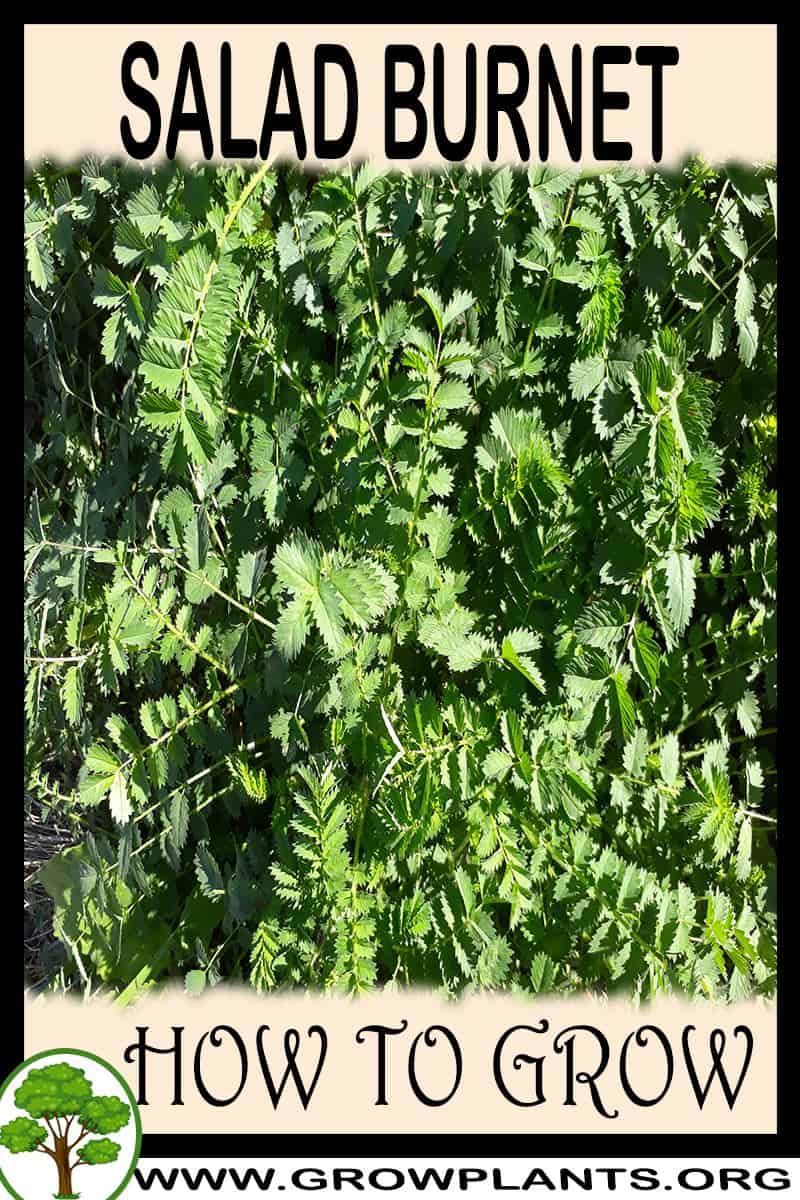
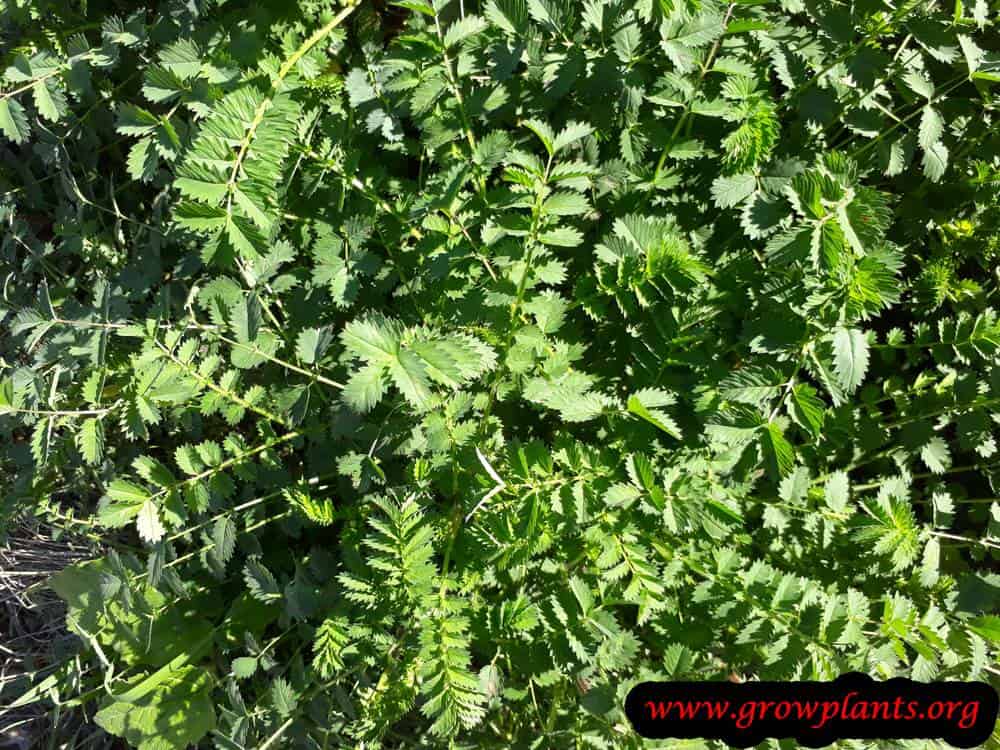
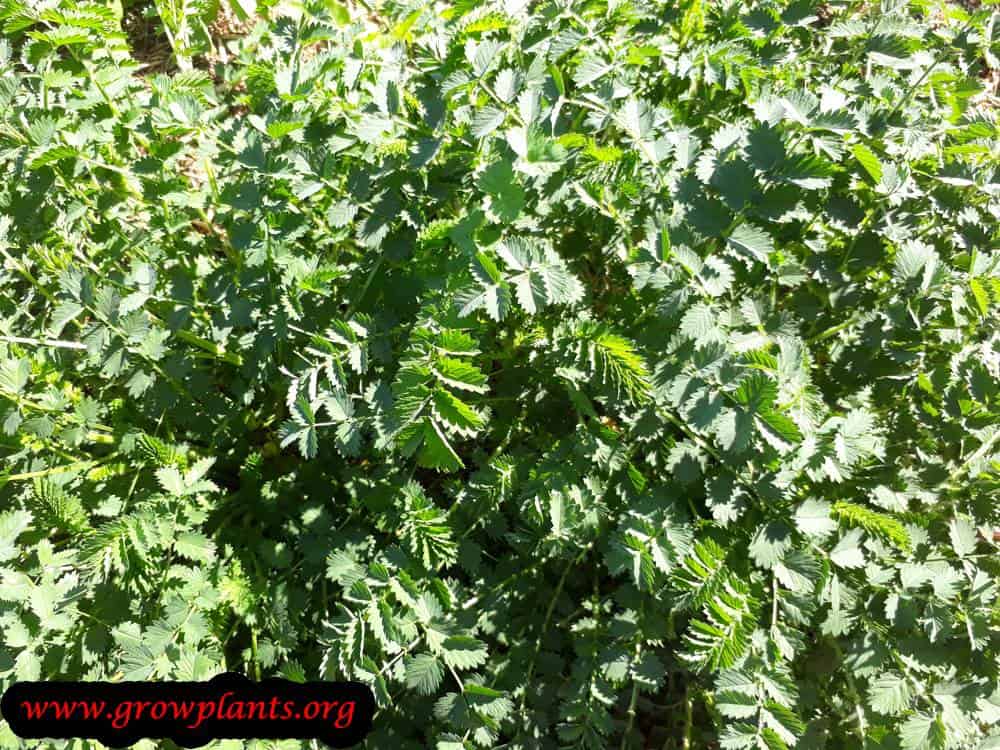
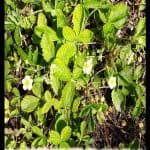
- Leaves & Foliage: Green, pinnate leaves made up of small, heart-shaped, deeply serrated leaflets arranged along the stalk; they carry a fresh cucumber-like flavour.
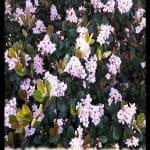
- Flower Characteristics: Small pink flowers packed into rounded, ball-shaped heads on top of the stems in summer to autumn.
Primary Uses & Landscape Value
- Edible Uses: The young leaves are eaten raw in salads, added to dressings and cool drinks, or lightly cooked, prized for their cucumber taste.
- Functional & Ornamental Roles: A drought-tolerant herb-garden and edging ornamental that also suits containers; evergreen foliage gives year-round interest in mild areas.
Care Guide: Planting, Soil & Watering
Overview: Salad burnet is an easy perennial herb that grows in full sun to light shade in well-draining soil and is drought tolerant once established. It needs only low to moderate watering and thrives even in poor, dry ground.
Quick Care Requirements
| Requirement | Ideal Condition |
|---|---|
| Planting Season | Spring through summer in the growing season |
| Growth Rate | Moderate to fast |
| Soil Type | Well-draining soil; tolerates poor, dry, even chalky ground |
| Water Need | Low to moderate — water moderately, letting the soil dry between waterings |
Planting & Establishment
- Best Planting Season: Sow or plant in spring through summer once the soil has warmed, giving the rosette time to establish; it is hardy and long-lived.
- How to Plant:
- Hole Preparation: Dig a hole about twice the width of the root ball, or sow seed directly, in a sunny, free-draining spot.
- Soil Amendments: It is undemanding — a little compost improves poor soil, but sharp drainage matters more than richness.
- Planting Depth: Set plants at their original soil level with the crown at the surface; sow seed shallowly.
- Growth Speed & Expectations: A fast-establishing perennial that quickly forms a low rosette of ferny, cucumber-scented leaves and self-seeds freely.
Soil, Watering & Drainage Care
- Soil Mix & Drainage Needs: Give it light, well-draining soil; in containers use a free-draining potting mix, as it dislikes sitting wet.
- Watering Schedule & Technique:
- Young / Newly Planted: Water regularly after sowing or planting to keep the soil lightly moist until the rosette establishes.
- Established: Once established, water moderately and let the soil dry between waterings — it tolerates drought and poor soil well.
- Seasonal Adjustments: Water in prolonged heat and little in cool or wet weather; as an evergreen perennial it needs only occasional water in mild winters.
Climate, Light & Hardiness
Salad burnet is an easy-going herb suited to temperate and Mediterranean-type climates, tolerating both cool winters and dry summer heat. It grows best in full sun to light shade and is one of the more reliably cold-hardy culinary herbs, dying back in hard winters but regrowing from the base.
Quick Climate Specifications
| Climate Zones | Temperate, subtropical |
|---|---|
| USDA Hardiness Zones | 4–9 |
| Optimal Temp Range | Approximately 10–24°C (50–75°F) |
| Approx. Survival Minimum | Established plants typically survive winter minimums associated with zone 4, roughly −29°C to −34°C (−20°F to −30°F), with foliage dying back to the base |
| Frost Tolerance | High (top growth may die back; roots/crown persist) |
| Light Conditions | Full Sun / Half Shade |
| Wind Tolerance | Moderate–High |
Sunlight & Light Exposure
Optimal Light Setup
Give salad burnet a full-sun spot for the most compact, flavorful growth; it also performs well in half shade, especially where summers are hot.
Shade & Heat Management
In hotter climates, afternoon shade helps prevent the foliage from becoming sparse or bitter-tasting during peak summer heat.
Best Exposure / Orientation
An open, sunny bed or border with good air movement suits this herb well.
Temperature Extremes & Hardiness
USDA Hardiness & Regional Limits
Reliably perennial across USDA zones 4–9, salad burnet is one of the hardier salad herbs and can also be grown as a cool-season annual outside this range.
Cold Damage & Winter Protection
Foliage may yellow or collapse with hard freezes, but the rosette typically regrows from the crown once temperatures warm; a light winter mulch helps in the coldest part of its range.
Frost Sensitivity
Established plants tolerate frost well; young seedlings are more vulnerable and benefit from a delayed spring sowing in colder zones.
Extreme Heat Tolerance
Tolerates summer heat reasonably well but growth can slow and leaves toughen in prolonged high heat, especially without some afternoon shade.
Wind, Humidity & Microclimate
Humidity Preferences
Prefers a relatively dry, well-ventilated site over humid, still air, which can encourage foliar problems.
Wind Tolerance
Naturally found on open, exposed chalk grassland, so it copes well with breezy sites.
Rainfall & Seasonal Moisture
Adapted to relatively dry conditions; it is a drought-tolerant herb that does not need consistently moist climates to thrive.
Growing in Pots, Balconies & Indoors
Salad burnet is a low, evergreen culinary herb with a fresh, cucumber-like flavour. The grower does not list it as a houseplant, but its compact size makes it a fine herb for a sunny windowsill, and it is an easy, tidy plant for a balcony or patio pot.
Quick Details
- Container Size: A modest pot suits this 10-30 cm herb; pot on as the clump fills out
- Indoor Suitability: Not a deep-indoor houseplant, but grows on a bright, sunny windowsill for kitchen picking
- Best Spot: Full sun to part shade
- Soil & Drainage: Free-draining, organic-rich mix; it tolerates lean, chalky soils
- Watering in Pots: Small to average; keep lightly moist – pots dry faster
Indoors & On the Windowsill
- Sunny sill: The grower does not class it as a full houseplant, but its small, evergreen habit suits a bright, sunny windowsill where you can snip fresh leaves for salads.
- Evergreen bonus: It stays in leaf through mild winters, giving fresh pickings when other herbs have died back.
On a Balcony or Patio
- Light & wind: An easy, tough plant for a sunny or lightly shaded balcony; keep the pot lightly moist and pick regularly to keep the leaves young and tender.
Choosing the Pot, Soil & Long-Term Care
- Pot & drainage: Use a pot with strong drainage holes; skip a standing-water saucer (or empty it promptly) so the roots never sit wet and rot. Terracotta breathes and dries fast; glazed or plastic holds moisture longer.
- Potting mix: A free-draining yet organic-rich mix – a quality potting mix or peat/coir blended with perlite or vermiculite for aeration.
- Feeding: Feed lightly through the growing season; over-rich feeding coarsens the flavour.
- Refresh: Divide and repot every couple of years to keep it productive.
Fertilizing & Feeding
A light feeder: modest, lower-nitrogen balanced feeding supports steady, flavorful leaf production for harvest without pushing this spreading herb into overly lush, rank growth.
Quick Fertilizing Specs
| Feeding Level | Light feeder |
|---|---|
| Main Nutrient Priority | Light, lower-nitrogen balanced feeding that favors compact, flavorful leaf growth over lush growth |
| Best Feeding Period | Spring through autumn during active growth and leaf harvest |
| Organic Options | Compost or well-rotted organic matter worked into well-drained soil |
| Micronutrients | Usually unnecessary; correct specific deficiencies only when diagnosed |
| Soil pH | Not documented as needing a specific pH range; prefers well-drained soil |
| Reduce/Stop Feeding | Taper feeding as growth slows heading into autumn and winter |
Feeding by Growth Stage
Establishment after planting
Help a newly planted or seeded salad burnet establish roots before it’s harvested for its leaves.
| Nutrient direction | A light, balanced feeding to support root establishment. |
|---|---|
| Timing | The first weeks after spring or summer planting. |
| Frequency | A light feeding at planting, then minimal feeding while the plant establishes. |
| Fertilizer types | A balanced complete garden or herb fertilizer, Compost or well-rotted organic matter worked into well-drained soil |
| Precautions | Avoid overfeeding; this drought-tolerant herb is noted to spread readily and establishes well with modest inputs. |
Active growth and ongoing leaf harvest
Keep this fast-to-medium growing herb producing tender, flavorful leaves for harvest through the growing season.
| Nutrient direction | Keep feeding light and lean toward lower nitrogen; this herb is grown for compact, flavorful leaves rather than lush growth. |
|---|---|
| Timing | Spring through autumn, alongside ongoing leaf harvest once the plant is established. |
| Frequency | Light, infrequent feeding through the growing season; this herb rarely needs heavy feeding. |
| Fertilizer types | A balanced, lower-nitrogen complete fertilizer, Light applications of compost |
| Precautions | Avoid heavy nitrogen feeding, which can push soft, rank growth and encourage this herb’s tendency to spread aggressively. |
Nutrient Deficiency Signs & Corrections
Pale green leaves and slower-than-expected growth in an otherwise fast-to-medium growing herb.
| Possible causes | low soil nitrogen, poor soil organic matter, dense, root-bound growth in containers |
|---|---|
| Appears first on | older leaves and overall plant vigor |
| What to check | recent feeding history, soil organic matter, whether the plant has outgrown its container |
| Possible correction | Apply a light, balanced fertilizer during active growth and improve soil organic matter. |
Yellowing between the veins on newer leaves while the veins themselves stay green.
| Possible causes | high soil pH limiting micronutrient availability, poorly drained or waterlogged soil, root stress from recent transplanting |
|---|---|
| Appears first on | the newest leaves |
| What to check | soil pH and drainage, recent root disturbance, overall plant vigor |
| Possible correction | Improve soil drainage and pH balance, and apply a chelated micronutrient product per its label only if the issue persists. |
Wilting, yellowing, or dieback despite regular watering, in a drought-tolerant herb that prefers well-drained soil.
| Possible causes | waterlogged or compacted soil, overwatering, root rot from poor drainage |
|---|---|
| Appears first on | the base of the plant and root zone |
| What to check | soil drainage and structure, recent watering frequency, root health at the base of the plant |
| Possible correction | Improve drainage, reduce watering frequency, and avoid feeding a stressed plant until it recovers. |
Pruning, Training & Seasonal Maintenance
Salad burnet is a low, rosette-forming herbaceous herb that tolerates frequent light cutting, since regular harvesting of its edible leaves is itself a form of routine tip-pruning. Beyond harvest, the main additional objective is removing flowering stems: this keeps the rosette’s leaves tender and encourages fresh leaf growth, and – since source flags this species as invasive – also helps control self-seeding into surrounding areas. The safest time for the seasonal tidy-up is autumn to winter, once the rosette’s main growth for the year has slowed.
Quick Pruning & Maintenance Specs
| Pruning Tolerance | High (herbaceous, regrows readily from the rosette) |
| Primary Pruning Window | Autumn – winter (seasonal tidy) |
| Secondary Maintenance Window | Ongoing, whenever flower stems appear (all year once established) |
| Typical Frequency | Frequent light cutting via harvest, plus periodic flower-stem removal |
| Main Objective | Fresh, tender leaves and control of self-seeding spread |
| Young Plant Priority | Let the rosette establish before regular harvesting begins |
| Mature Plant Priority | Remove flower stems promptly; cut back dead growth each season |
| Best Tool Type | Precision snips |
Pruning by Plant Age & Size
Newly Established
Hold off on regular harvesting until the rosette is established (source: harvest freely only “after the plant establishes”).
Young / Formative
No structural training applies to this low rosette-forming herb; the only shaping is keeping the rosette compact by removing any early flower stems.
Mature / Established
Harvest leaves regularly, which naturally keeps the rosette tidy and productive; remove flowering stems as they emerge to keep leaf quality high and limit self-seeding.
Seasonal Pruning Schedule
Ongoing Sanitary / Dead Growth
Objective: keep the rosette tidy and productive. Remove: dead or tired leaves and spent flower stems. Do not remove: the crown/rosette centre. Expected response: continued fresh leaf production for harvest.
Dormant / Winter
Objective: seasonal tidy. Remove: dead top growth per source’s autumn/winter guidance. Expected response: clean regrowth from the rosette the following season.
Special Growth to Remove
Flower stems: remove promptly once they appear – this both keeps leaves tender for harvest and limits the self-seeding that this species is noted to be prone to (invasive tendency per source).
Container & Small-Space Pruning
Suits planters/containers per source; in a pot, removing flower stems is especially worthwhile since it also prevents self-seeding into the surrounding garden from a container planting.
Tools
Precision snips for both leaf harvest and flower-stem removal – no heavier tool is relevant to this soft, low-growing herb.
Tool Hygiene & Disease Risk
Routine: no specific disease risk noted for this species; clean, sharp tools are sufficient, especially since cuts are frequent (harvest-driven).
Cut Placement & Technique
Harvest/pinch individual leaves or leaf clusters from the outside of the rosette; cut flower stems at their base, close to the rosette crown.
Post-Pruning Care
Water normally; no special aftercare needed given the light, frequent nature of this maintenance.
Common Pruning Mistakes
Letting flower stems mature and set seed, which given this species’ invasive tendency can lead to unwanted spread; over-harvesting the rosette centre rather than outer leaves, which can weaken the plant.
When Not to Prune
No strong restriction noted; light harvesting and flower-stem removal are tolerated through the growing season once the plant is established.
Recommended Tools (by task)
- precision_snips – for both routine leaf harvest and flower-stem removal on this low, soft-stemmed herb.
Propagation Guide
Salad burnet grows readily from seed, which is consistent with the site’s note that this plant can be invasive and self-sow freely, and established rosette clumps can equally be divided; the site confirms that neither grafting nor vegetative propagation is actually required. Both routes are straightforward, making this an easy plant to propagate.
Quick Propagation Specs
| Best Propagation Method | Seed (direct sow) |
| Alternative Methods | Division of established clumps |
| Propagation Difficulty | Easy |
| Seed True-to-Type | Mostly uniform (species, not a named cultivar) |
| Vegetative True-to-Type | Yes |
| Best Propagation Season | Spring to summer, matching the site’s planting-season guidance |
Growing from Seed
Sowing Season
Spring through summer, matching the site’s stated planting season.
Germination Conditions
Sow in well-drained soil in full sun to half shade; this species germinates readily and self-sows on its own where conditions suit it, which is part of why the site flags it as potentially invasive.
Seedling Care
Seedlings establish quickly given this plant’s fast-to-medium growth rate; thin or transplant once large enough to handle.
Division, Offsets, Pups & Suckers
Salad burnet forms a rosette clump that can be lifted and divided once established, giving an easy, quick way to produce new plants true to the parent; replant divisions promptly in well-drained soil during the spring-to-summer window.
Bloom & Flower Guide
Quick Details
- Bloom Season: Summer into autumn
- Flower Appearance: Rounded, thimble-like reddish-pink flower heads on wiry stems
- Edibility: Grown for its cucumber-flavoured leaves — the flower heads are not the culinary part
Detailed Blooming Overview
Salad burnet forms neat rosettes of cucumber-scented leaves; in summer it sends up wiry stems topped with small globular pink-red flower heads.
Flower Characteristics
- Tiny flowers packed into rounded, thimble-like heads, pinkish-red in colour.
- Visited by both wind and insects.
Bloom Care & Thinning
- For tender leaves: many growers remove the flower stalks as they appear to keep the leaf harvest productive.
- For seed: leave some heads to ripen if you want the plant to self-sow.
Fruit & Uses
Salad burnet is grown specifically for its edible leaves, which have a mild, cucumber-like flavour and are used fresh in salads or cooked. The small, serrated, pinnate leaflets can be picked and eaten raw with no preparation, or added to cooked dishes.
Quick Edible Specs
| Edible Parts | Leaves |
|---|---|
| Main Use(s) | Culinary – salad green, fresh herb, cooked dishes |
| Eaten Raw or Cooked | Both; most often eaten raw |
| Preparation Required | None |
| Harvest Season | All year |
| Time to First Harvest | Leaves can be picked freely once the plant is established |
| Storage | Best used fresh; picked as needed rather than stored |
| Safety/Toxicity Caveat | None noted |
Leaves & Greens
Leaves are green, heart-shaped in outline, deeply serrated along the margins, and arranged in a pinnate structure on stems that form a low rosette. Young leaves have the mildest, most cucumber-like flavour and are preferred for salads; they can be snipped as needed once the plant is established. The leaves are used raw in salads or cooked into other dishes.
Harvesting
Because harvest is year-round and cut-and-come-again once the plant is established, there’s no single ripeness window to watch for – simply pick leaves as needed, favouring younger growth for the best flavour.
Preparation, Uses & Safety
No cooking or processing is required: leaves are typically rinsed and used fresh in salads, or added to cooked dishes for a mild cucumber-like note. No safety caveats are noted for this plant’s edible leaves.
Pests, Diseases & Troubleshooting
Overview: Salad burnet is a hardy, aromatic perennial herb that is remarkably pest- and disease-free, its cucumber-scented foliage largely ignored by insects. The few issues that arise come from damp, crowded, or over-rich conditions; good spacing, sun and lean soil keep it clean, and because the leaves are eaten, cultural control comes first.
Quick Troubleshooting Overview
| Issue / Pest | Main Symptom | Primary Solution |
|---|---|---|
| Powdery mildew | White powdery film on leaves in humid, crowded plants | Thin for airflow; avoid overhead watering |
| Aphids | Occasional clusters on new growth | Water jet; insecticidal soap if needed |
| Slugs & snails | Ragged holes in tender young leaves | Hand-pick; grit barriers; morning watering |
| Leaf spot | Small brown flecks on foliage | Remove affected leaves; improve air movement |
| Root rot | Wilting, yellowing in wet, heavy soil | Improve drainage; ease off watering |
Common Pests & Management
- Aphids (Aphidoidea):
- Symptoms: Soft-bodied green, black or grey insects clustering on new shoots, flower buds and leaf undersides. Feeding causes curled, distorted young growth, a sticky honeydew coating and, in time, black sooty mould on that honeydew. Ants farming the colony are a giveaway. Uncommon on this herb, and usually confined to the softest spring growth.
- Prevention & Control: Knock colonies off with a firm jet of water and pinch out badly infested tips. Encourage ladybirds, lacewings and hoverflies by avoiding broad-spectrum sprays and leaving some flowering plants nearby. If numbers stay high, spray insecticidal soap or a light horticultural/neem oil, covering leaf undersides; repeat weekly until clear and treat in the cool of the evening to protect pollinators.
- Slugs & snails (Gastropoda):
- Symptoms: Ragged, irregular holes chewed in leaves and soft new growth, worst in damp, shady conditions; tell-tale silvery slime trails on foliage and soil in the morning. Seedlings and low leaves can be stripped overnight.
- Prevention & Control: Hand-pick after dark or on damp mornings, clear leaf litter and hiding places, and water in the morning so the surface is dry by night. Barriers of grit, crushed shell or copper tape help, as do beer traps and encouraging birds, frogs and ground beetles. Use iron-phosphate pellets sparingly where pressure is high.
- Sawfly / caterpillars (Symphyta & Lepidoptera):
- Symptoms: Occasional chewing damage — notched or holed leaves and the odd green caterpillar or sawfly larva on the foliage. Rarely serious on burnet.
- Prevention & Control: Hand-pick the culprits, encourage birds and predatory insects, and only in the rare event of heavy feeding treat young larvae with Bacillus thuringiensis. Since leaves are harvested for salads, prefer physical removal.
Diseases & Fungal Issues
- Powdery mildew (Erysiphales):
- Symptoms: A white to greyish powdery coating on leaf surfaces, most likely on crowded plants in warm, humid, still air or where roots are dry; badly affected leaves yellow and distort.
- Treatment & Management: Space and thin plants for airflow, water at the base in the morning, and remove affected leaves. Keep roots evenly moist, as drought stress worsens mildew. A potassium-bicarbonate or sulfur spray helps if it spreads, but on an eaten herb cultural control is preferred.
- Leaf spot (Cercospora / Septoria):
- Symptoms: Small brown or purple-edged spots scattered on the leaves, sometimes merging in wet seasons; mainly cosmetic but unsightly on a salad crop.
- Treatment & Management: Pick off spotted leaves, clear debris, avoid wetting the foliage and improve air movement. Rarely needs a fungicide; sanitation and spacing usually suffice.
Growing Difficulties & Abiotic Problems
- Root rot in wet soil:
- Cause & Symptoms: In heavy, waterlogged ground the crown and roots rot, leaves yellow and the plant wilts and declines — burnet resents winter wet.
- Correction Strategy: Grow in free-draining soil, add grit on clay, and avoid overwatering. Raised beds or a gritty container mix suit it well.
- Legginess / poor flavour in shade or rich soil:
- Cause & Symptoms: Too much shade or over-feeding gives soft, sprawling growth and blander leaves; the plant prefers it lean.
- Correction Strategy: Grow in full sun to light shade on poor-to-average, well-drained soil, avoid heavy feeding, and shear plants back to keep a supply of tender young leaves.
What Helps — Products & Tools
Salad burnet is managed almost entirely by good siting — sun, sharp drainage and airy spacing keep it healthy. Because the leaves are eaten, favour hand-picking, water jets and, if truly needed, insecticidal soap for aphids and iron-phosphate pellets for slugs. For the rare mildew, a potassium-bicarbonate or sulfur spray works, but improving airflow usually makes it unnecessary.