Plant Profile & Key Characteristics
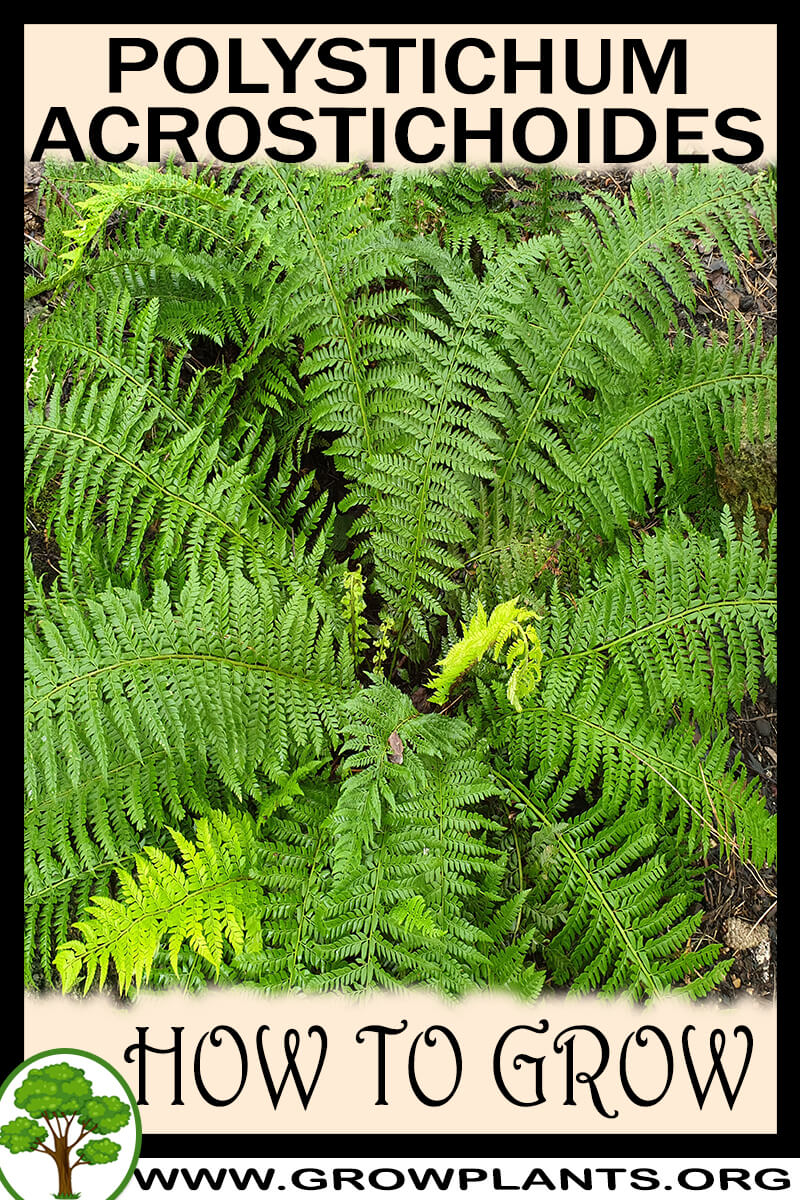
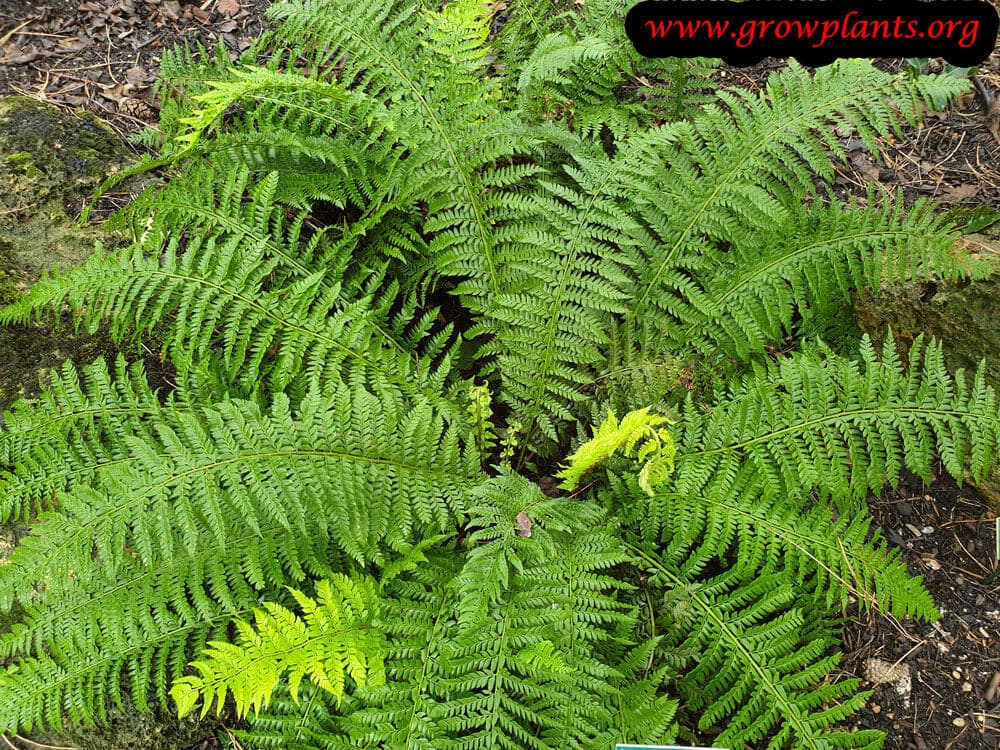
Overview: Polystichum acrostichoides (Christmas fern) is an evergreen to semi-deciduous fern forming a rosette of finely divided fronds 30-60 cm (12-24 in) tall. This slow-growing, shade-loving perennial is grown as an ornamental for woodland gardens, shade borders and containers.
Quick Specifications
| Specification | Attribute |
|---|---|
| Plant Type / Life Cycle | Perennial (fern) |
| Foliage Type | Evergreen to semi-deciduous |
| Mature Size | 30-60 cm (12-24 in) |
| Growth Rate | Slow |
| Hardiness | USDA zone 6-9 |
Growth Form & Structure
- Height & Spread: An arching shuttlecock-like clump of fronds 30-60 cm (12-24 in); grows well in pots and indoors.
- Growth Habit & Form: Clump-forming fern with fronds radiating from a central crown.
- Lifespan & Maturity: Slow-growing and long-lived, building a fuller crown each year.
Anatomy & Physical Features
- Leaves & Foliage (Fronds): Green, finely divided pinnate fronds; new fronds unfurl from coiled croziers (fiddleheads). The plant reproduces by spores, not flowers or seed.
Primary Uses & Landscape Value
- Functional & Ornamental Roles: Ornamental foliage plant for shade and woodland gardens, groundcover in shade, container fern and houseplant.
Care Guide: Planting, Soil & Watering
Overview: Christmas fern is a hardy, evergreen woodland fern that thrives in shade in rich, humus-laden, well-draining soil with steady humidity. It prefers moderate, even moisture and dislikes both drought and waterlogging.
Quick Care Requirements
| Requirement | Ideal Condition |
|---|---|
| Planting Season | Spring through autumn in cool, shaded conditions |
| Growth Rate | Slow |
| Soil Type | Rich, humus-laden, well-draining soil kept moist |
| Water Need | Moderate — keep evenly moist without waterlogging |
Planting & Establishment
- Best Planting Season: Plant in spring through autumn into cool, shaded, moist ground so the crown establishes in mild conditions.
- How to Plant:
- Hole Preparation: Dig a hole about twice the width of the root ball in a shaded spot, loosening the surrounding soil.
- Soil Amendments: Work in generous leaf mould, compost or humus and mulch the surface to keep the roots cool and moist.
- Planting Depth: Set the crown level with the soil surface, keeping the growing point exposed and never burying it.
- Growth Speed & Expectations: A slow grower that steadily forms an arching rosette of leathery, evergreen fronds that persist through winter.
Soil, Watering & Drainage Care
- Soil Mix & Drainage Needs: Use rich, well-draining, humus-rich soil kept moist; in containers use a humus- or peat-based mix with added perlite for drainage.
- Watering Schedule & Technique:
- Young / Newly Planted: Keep the soil consistently moist after planting while the fern establishes.
- Established: Water regularly so the soil never fully dries; a mulch helps hold moisture in shade.
- Seasonal Adjustments: Maintain even moisture in warm, dry weather and reduce in winter, when the evergreen fronds rest.
Climate, Light & Hardiness
Polystichum acrostichoides (Christmas fern) is a cold-hardy woodland fern for temperate and subtropical climates, reliably hardy across USDA zones 6–9. It grows in half to full shade, and its fronds often stay green through winter within its hardy range - the trait behind its common name.
Quick Climate Specifications
| Climate Zones | Temperate, subtropical; also grown as a houseplant |
|---|---|
| USDA Hardiness Zones | 6–9 |
| Optimal Temp Range | Approximately 10–24°C (50–75°F), cool-temperate preference |
| Approx. Survival Minimum | Established plants tolerate winter minimums to about −23°C (−10°F) at the zone 6 edge of their range |
| Frost Tolerance | High |
| Light Conditions | Half shade to full shade |
Sunlight & Light Exposure
Optimal Light Setup
Half to full shade suits it best, mirroring the dappled light of its native forest-floor habitat.
Shade & Heat Management
Shelter from hot afternoon sun, which can scorch the fronds, particularly toward the warmer, subtropical end of its range.
Best Exposure / Orientation
A north- or east-facing bed, or a position under deciduous tree canopy, provides suitable shade and shelter.
Temperature Extremes & Hardiness
USDA Hardiness & Regional Limits
Hardy across USDA zones 6–9, giving reliable winter survival from cool-temperate through mild-subtropical regions.
Cold Damage & Winter Protection
Fronds typically remain green through winter within its hardy range; at the coldest edge of zone 6, some frond browning can occur even though the crown survives. Mulching the crown helps protect newly planted specimens through their first winter.
Frost Sensitivity
Established plants tolerate freezing winter conditions well; new transplants benefit from mulch protection until established.
Extreme Heat Tolerance
Prefers cool-to-moderate conditions; sustained heat and dry air stress the plant, more so at the zone 9 edge of its range.
Wind, Humidity & Microclimate
Humidity Preferences
Prefers humid, woodland-like air and consistent soil moisture.
Dry-Air Tolerance
Low; dry air causes frond browning.
Wind Tolerance
Moderate to low; prefers a sheltered planting site out of strong, drying wind.
Rainfall & Seasonal Moisture
Suited to climates with consistent rainfall or moisture; poor tolerance of prolonged drought.
Microclimate Recommendations
A shaded, wind-sheltered woodland-style spot with steady moisture - such as under trees or on a north-facing bed - suits this fern well.
Growing in Pots, Balconies & Indoors
This is a handsome, evergreen shade fern (30-60 cm, 12-24 in) that grows happily in a pot and, as the grower confirms, makes a good houseplant. It wants half to full shade, so it suits shadier rooms and needs no direct sun.
Like most ferns it asks mainly for steady moisture and humidity; give it those and it is an easy, long-lived container and indoor plant.
Quick Details
- Container Size: A medium pot sized to the crown, potting up as it fills out.
- Indoor Suitability: A good houseplant for shadier rooms.
- Best Spot: Half to full shade; bright indirect light indoors, out of hot direct sun.
- Soil & Drainage: Rich, organic, free-draining mix kept lightly and evenly moist.
- Watering in Pots: Keep evenly moist – little to average water; do not let it dry out or sit waterlogged.
Indoors & On the Windowsill
- Genuine houseplant: Yes – it grows well indoors. Because it likes shade, it thrives away from bright windows where sun-lovers cannot cope.
- Humidity: Keep the air humid and away from dry heating/AC drafts; a pebble tray or a bright bathroom suits it.
- Windowsill: A shaded or north-facing sill is ideal; avoid hot direct sun that scorches the fronds.
On a Balcony or Patio
- Light & shelter: It makes a lush filler for a shady, sheltered balcony or patio; keep it out of drying wind and harsh sun.
- Overwintering: It is fairly hardy, but in a pot the rootball is more exposed to cold – shelter it or move it against the house in hard frost.
Choosing the Pot, Soil & Long-Term Care
- Pot & drainage: A medium pot with room for the spreading crown. Give it strong drainage holes and skip a standing-water saucer to avoid root rot; terracotta breathes and dries faster, while glazed or plastic pots hold moisture longer.
- Potting mix: A light, aerated, organic-rich mix – potting soil, or peat/coir with perlite, enriched with a little humus or compost.
- Feeding: Potted plants use up their food faster because nutrients wash out with every watering, so feed lightly but more regularly than plants growing in open ground.
- Repotting: Refresh the mix and pot up every couple of years, dividing or tidying the crown and removing tired fronds as needed.
Fertilizing & Feeding
A light feeder: this evergreen woodland fern is adapted to leaf-litter-rich forest soil, so a gentle balanced feeding through the growing season plus organic matter easily covers its needs.
Quick Fertilizing Specs
| Feeding Level | Light feeder |
|---|---|
| Main Nutrient Priority | Balanced feeding with adequate nitrogen for healthy evergreen fronds |
| Best Feeding Period | Spring through the active growing season |
| Organic Options | Leaf mold, compost, and other organic matter worked into the soil |
| Reduce/Stop Feeding | Hold off feeding through the dormant or slow-growth season |
| Micronutrients | Usually supplied by organic matter and a complete fertilizer; correct only diagnosed issues |
| Soil pH | Slightly acidic to near neutral, rich in organic matter |
Feeding by Growth Stage
Spring flush of new fronds
Support fresh fiddleheads unfurling alongside the persistent evergreen fronds from last season.
| Nutrient direction | A diluted, balanced complete fertilizer with adequate nitrogen supports vigorous new frond growth. |
|---|---|
| Timing | As new fiddleheads emerge in spring. |
| Frequency | A light feeding at the start of active growth. |
| Fertilizer types | A diluted balanced complete fertilizer, Leaf mold or compost worked into the soil surface |
| Precautions | Keep any fertilizer dilute; this fern’s fine roots are easily burned by concentrated feeding. |
Warm-season active growth
Maintain steady frond production and deep green color through the growing season.
| Nutrient direction | Occasional light balanced feeding sustains healthy growth without forcing soft, weak fronds. |
|---|---|
| Timing | Through the warm active growing season. |
| Frequency | An occasional light feeding, tapering off as growth naturally slows. |
| Fertilizer types | A diluted balanced complete fertilizer, Compost or leaf mold as a top-dressing |
| Precautions | Avoid heavy feeding, which can scorch frond tips and encourage weak growth prone to flopping. |
Cool-season rest
Let the fern hold its evergreen fronds through winter without pushing tender new growth.
| Nutrient direction | None – withhold fertilizer while the fern is not actively producing new fronds. |
|---|---|
| Timing | During cool weather when new frond production has stopped. |
| Frequency | No feeding at this stage; resume only once active growth returns. |
| Fertilizer types | No feeding at this stage; do not fertilize until active growth resumes. |
| Precautions | Withhold fertilizer now; late feeding can push tender growth that is vulnerable to cold injury. |
Nutrient Deficiency Signs & Corrections
Older fronds fade to pale green or yellow and new frond production slows.
| Possible causes | low available soil nitrogen, nitrogen leaching from frequent watering or rain, thin soil low in leaf litter or organic matter |
|---|---|
| Appears first on | older, lower fronds |
| What to check | recent feeding history, soil organic matter level, watering frequency and drainage |
| Possible correction | Apply a diluted nitrogen-containing complete fertilizer and refresh leaf mold or compost. |
New fronds emerge pale yellow-green while mature fronds stay a normal deep green.
| Possible causes | soil pH too high for iron availability, poor drainage or waterlogged roots, overly compacted or mineral-heavy soil |
|---|---|
| Appears first on | newest, youngest fronds |
| What to check | soil pH and drainage, how alkaline the water or soil source is, root health |
| Possible correction | Correct soil pH toward the acidic side and apply a chelated iron product per its label. |
Frond tips and margins brown or scorch even though watering seems adequate.
| Possible causes | fertilizer salt buildup in the root zone, under-watering that concentrates salts, too-frequent or too-strong feeding |
|---|---|
| Appears first on | frond tips and margins |
| What to check | recent fertilizer strength and frequency, watering consistency, drainage, especially in containers |
| Possible correction | Ease off feeding, flush the soil thoroughly with water, then resume with lighter, more dilute feeding. |
Pruning, Training & Seasonal Maintenance
Christmas fern has no woody structure to prune – only fronds. The plant tolerates only light, frond-level maintenance, and the main objective is simply removing dead or tattered fronds so new growth isn’t tangled in old debris. Because this species is evergreen and its fronds persist through winter (giving it the common name), the safest window for cleanup is late winter to very early spring, just before the new fiddleheads unfurl, so nothing photosynthetically active is lost. Pruning has no effect on flowering – ferns don’t flower – and only a cosmetic effect on fullness and tidiness.
Quick Pruning & Maintenance Specs
| Pruning Tolerance | Low – frond-level only, no woody framework |
| Primary Pruning Window | Late winter / very early spring, before new fiddleheads emerge |
| Secondary Maintenance Window | Any time, for spot removal of damaged fronds |
| Typical Frequency | Once yearly tidy, plus as-needed spot removal |
| Main Objective | Remove dead, tattered or winter-damaged fronds |
| Young Plant Priority | Leave all fronds in place while the plant establishes |
| Mature Plant Priority | Clear old, browning fronds at the base |
| Best Tool Type | Precision snips |
| Avoid Heavy Pruning During | Active fiddlehead emergence in spring |
Pruning by Plant Age & Size
Newly Established
Do not remove any fronds in the first year; the plant needs its full foliage to build a strong root system.
Young / Formative
No structural training applies – ferns have no stem to train. If needed, individual damaged fronds may be snipped at the base.
Mature / Established
Annual removal of the previous year’s tattered or browning fronds, cut at the base, right at soil level.
Seasonal Pruning Schedule
| Stage | Pre-Growth / Late Winter |
| Objective | Clear the way for new fiddleheads |
| Remove | Fully brown, collapsed or winter-damaged fronds |
| Do Not Remove | Fronds that are still green – they are still photosynthesizing and cold-hardy |
| Expected Response | Fresh fiddleheads unfurl cleanly, unobstructed by old growth |
| Flowering / Fruiting Impact | None – ferns are non-flowering |
Special Growth to Remove
- Dead or browning fronds, cut at the base near the crown
- No suckers, watersprouts or basal shoots apply to this species
Container & Small-Space Pruning
Often grown in shaded containers or as a woodland-garden groundcover. Container specimens need the same late-winter frond cleanup, plus dividing congested clumps every few years to control size rather than cutting the plant back.
Tools
Precision snips or hand pruning shears sized for soft frond stalks – loppers or saws are never needed on this species.
Tool Hygiene & Disease Risk
Routine – clean, sharp tools are sufficient. No significant transmissible-pathogen risk is documented for this species via pruning cuts.
Cut Placement & Technique
Cut each unwanted frond at its base near the crown/rhizome rather than mid-stalk, to avoid leaving unsightly stubs.
Heavy Pruning & Rejuvenation
Not applicable – there is no woody framework to rejuvenate through hard pruning. If a clump looks overall shabby, dividing it in spring is the appropriate renewal method, not cutting the whole plant back.
Post-Pruning Care
Keep soil consistently moist, as this species normally requires. No fertilizing is needed specifically for pruning. Watch newly emerging fiddleheads for slug and snail damage.
Common Pruning Mistakes
- Removing green, still-functional fronds too early in the season
- Cutting fronds mid-stalk instead of at the base, leaving stubs
- Disturbing the crown or rhizome while cutting nearby fronds
When NOT to Prune
Avoid removing fronds while new fiddleheads are actively emerging and uncurling – they are easily damaged. Avoid stripping all foliage from a young or newly transplanted fern.
Recommended Tools (by task)
- Any age, dead-frond removal (precision_snips): soft frond stalks need only a clean single-hand snip at the base – no larger tool is ever warranted on this species.
Propagation Guide
Christmas fern divides easily in spring, and it is also one of the more willing garden ferns to self-sow from spores where conditions suit it, so both division and spore propagation are practical. Division gives faster, more predictable results, while spores are useful for raising larger numbers of plants.
Quick Propagation Specs
| Best Propagation Method | Division of the clump |
| Alternative Methods | Spores |
| Propagation Difficulty | Easy (division); Moderate (spores) |
| Vegetative True-to-Type | Yes |
| Best Propagation Season | Spring, as new growth begins |
Division, Offsets, Pups & Suckers
In spring, before or just as new fiddleheads emerge, lift the clump and separate it into sections with a sharp knife or by gently pulling the rhizome mass apart, keeping several fronds and a good portion of roots on each division. Replant promptly at the same depth, keep evenly moist, and grow on in half to full shade until new growth shows the division has established.
Spores
Christmas fern is known to self-sow via spores in the garden under moist, shaded conditions. For controlled propagation, collect a fertile frond once the brown sori on its underside have matured and tap it over paper to release the spores, then sow them on the surface of a sterile, moist medium, keeping the container covered for high humidity and giving bright, indirect light. Germination through the prothallus stage is slow, taking many weeks to a couple of months, but is relatively successful for this species compared with many other ferns.
Pests, Diseases & Troubleshooting
Overview: Polystichum acrostichoides (Christmas fern) is an evergreen shield fern that is genuinely one of the more trouble-free garden plants — ferns attract few pests and have no serious diseases. This hardy North American woodland fern is notably robust and evergreen. The handful of possible problems are sap-sucking scale and mealybugs (mainly indoors), the occasional foliar nematode or slug, and browning from dry air or waterlogged crowns. Give shade, humus-rich moist soil and airflow, and it largely looks after itself.
Quick Troubleshooting Overview
| Issue / Pest | Main Symptom | Primary Solution |
|---|---|---|
| Scale & mealybugs | Brown bumps / white fluff on stipes and fronds (mostly indoors) | Wipe off, horticultural oil |
| Foliar (fern) nematode | Dark bands between frond veins, spreading browning | Remove fronds, avoid wetting foliage |
| Slugs & snails | Chewed young croziers and frond edges | Traps, barriers, hand-picking |
| Frond scorch / browning | Crisped brown tips and edges in dry air or sun | Shade, moisture, humidity, mulch |
| Crown / rhizome rot | Blackening base and collapse in wet soil | Improve drainage, reduce watering |
Common Pests & Management
- Scale insects (Coccidae and Diaspididae):
- Symptoms: Small brown, tan or white immobile bumps along the stipes (leaf stalks), frond undersides and midribs, sometimes with light honeydew; most likely on indoor or greenhouse plants.
- Prevention & Control: Wipe or scrape off light infestations, prune out badly encrusted fronds, and dab with an alcohol swab or spray a light horticultural oil, testing first as fern fronds can be oil-sensitive; keep humidity up and plants unstressed.
- Mealybugs (Pseudococcus spp.):
- Symptoms: White cottony masses tucked into the crown, frond bases and along midribs, with honeydew, mainly indoors or under glass.
- Prevention & Control: Swab with isopropyl alcohol, rinse, and repeat; use insecticidal soap or a light oil cautiously on ferns, spot-testing for sensitivity first.
- Foliar (fern) nematode (Aphelenchoides fragariae):
- Symptoms: Water-soaked then dark brown bands develop between the frond veins (blocked by the veins into angular blocks), spreading upward and killing sections of frond in humid, wet-foliage conditions.
- Prevention & Control: Remove and destroy affected fronds, avoid overhead watering and prolonged leaf wetness, space plants for airflow, and do not propagate from infected clumps; there is no easy cure once established, so hygiene is key.
- Slugs & snails (Gastropoda):
- Symptoms: Grazed, ragged young croziers (unfurling fronds) and holed leaf tissue with slime trails, worst in the damp shade ferns enjoy.
- Prevention & Control: Hand-pick after dark, set traps, and ring clumps with grit or diatomaceous earth; protect the tender emerging croziers in particular.
Diseases & Fungal Issues
- Leaf/tip blight & spot (Botrytis cinerea / Cercospora spp.):
- Symptoms: Grey fuzzy mold or brown spots and blotches on fronds in cool, damp, crowded, poorly ventilated conditions.
- Treatment & Management: Improve airflow and light, remove affected fronds, avoid wetting the foliage in the evening, and do not overcrowd; fungicide is rarely needed.
- Rhizome / crown rot (Pythium / Phytophthora spp.):
- Symptoms: Blackening, softening crown and collapse of fronds in waterlogged or poorly drained soil.
- Treatment & Management: Grow in humus-rich but free-draining soil, keep the crown proud of wet mulch, and water to keep the soil moist not sodden; remove badly rotted plants.
Growing Difficulties & Abiotic Problems
- Frond scorch / browning:
- Cause & Symptoms: Dry air, direct sun, drying wind or underwatering crisps the frond tips and margins brown.
- Correction Strategy: Site in shade or dappled light in humus-rich, moisture-retentive soil, mulch to keep roots cool and moist, and raise humidity for indoor plants; trim tatty fronds in spring.
- Waterlogging / crown rot risk:
- Cause & Symptoms: Constantly wet, badly drained soil rots the crown and yellows the fronds.
- Correction Strategy: Improve drainage and organic matter, plant the crown at soil level (not buried), and avoid standing water.
- Salt / fluoride tip burn:
- Cause & Symptoms: Salty or chemically hard water browns frond tips, especially on containerized or indoor ferns.
- Correction Strategy: Water with rain or filtered water where possible, flush pots periodically, and avoid over-fertilizing.
- Old-frond dieback:
- Cause & Symptoms: Evergreen shield ferns keep old fronds that eventually brown and tatter over winter.
- Correction Strategy: Cut back the previous year’s tired fronds in early spring before the new croziers unfurl to keep the plant fresh.
What Helps – Products & Tools
Honestly, this fern needs very little. Useful items are a light horticultural oil or insecticidal soap (spot-tested, as ferns can be sensitive) for scale and mealybugs, slug traps or diatomaceous-earth barriers for slugs and snails, and good leaf-mould mulch plus rain/filtered water to prevent tip burn; strict foliage hygiene is the only defense against foliar nematode.