


Plant Profile & Key Characteristics
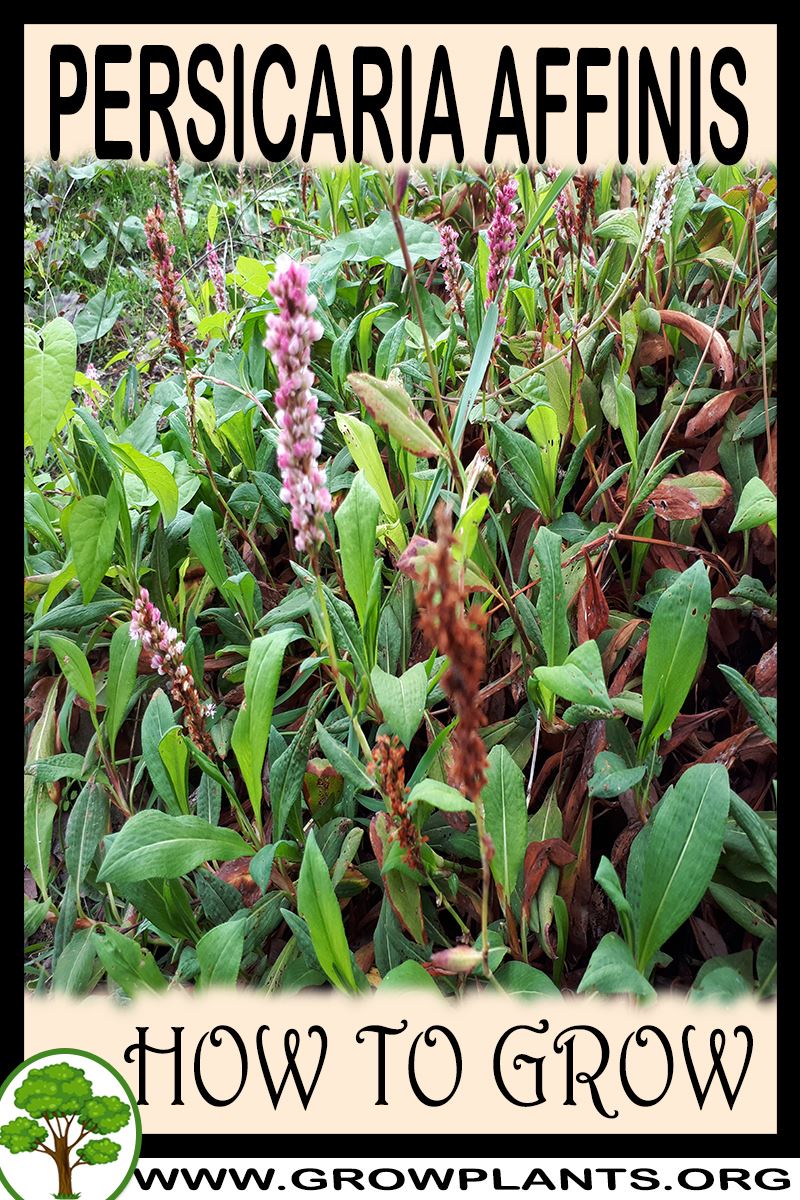
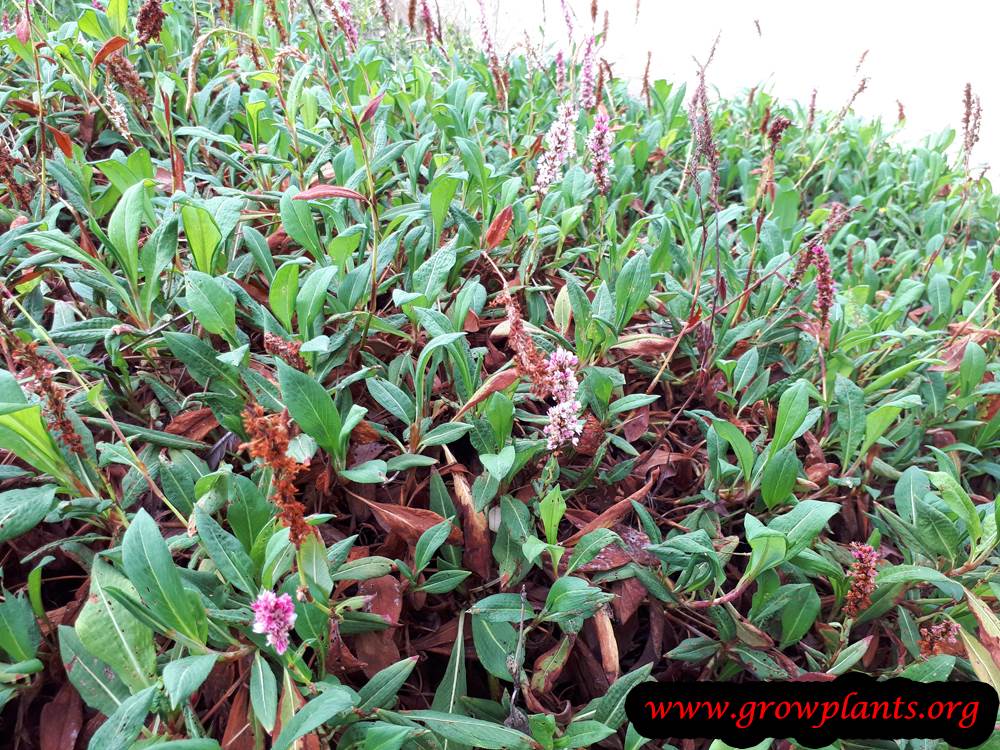
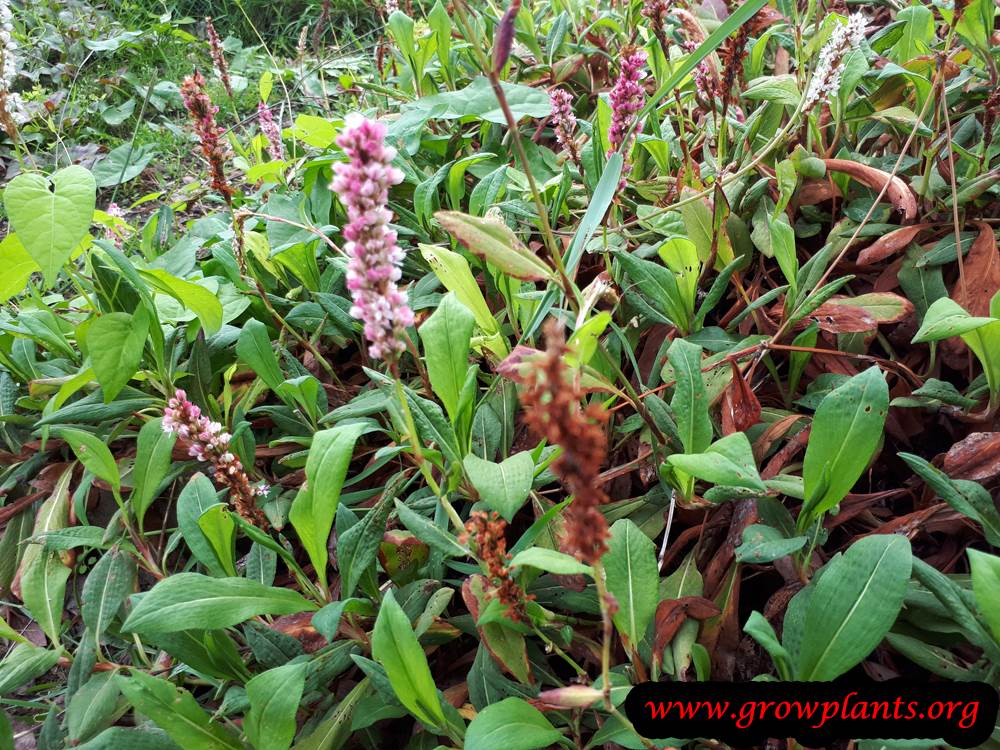
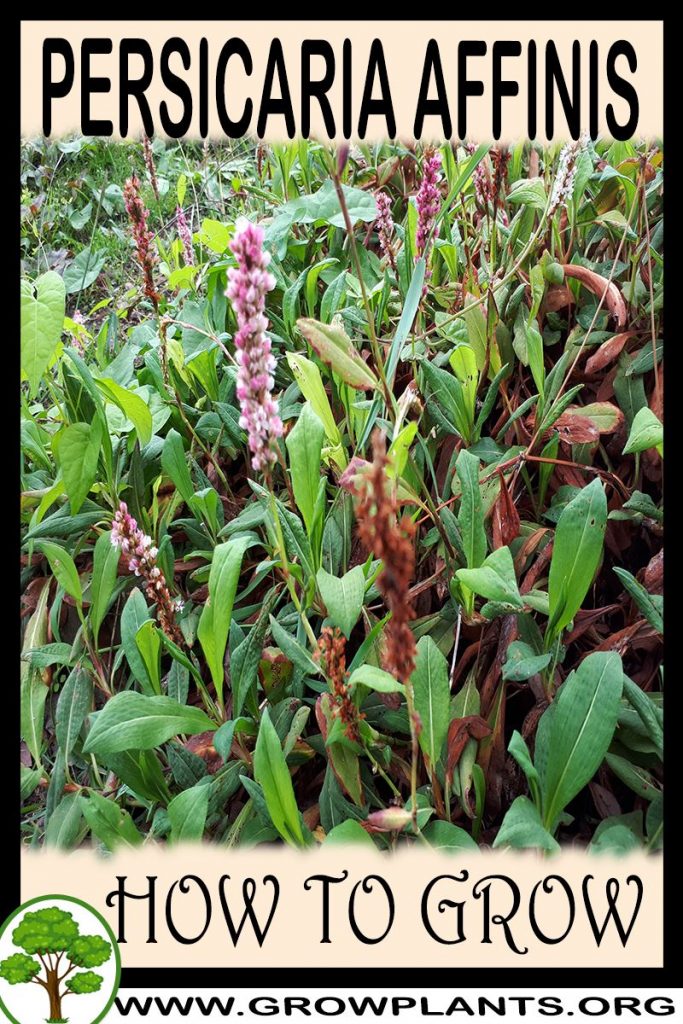
Overview: Himalayan bistort (Persicaria affinis, syn. Polygonum affine) is a low, mat-forming evergreen perennial spreading 0.6-0.9 m wide, grown as a dense groundcover topped with pink flower spikes. It attracts pollinators and its foliage bronzes in autumn.
Quick Specifications
| Specification | Attribute |
|---|---|
| Plant Type / Life Cycle | Perennial |
| Foliage Type | Evergreen (semi-evergreen in cold) |
| Mature Size | About 0.2-0.25 m tall, spreading 0.6-0.9 m (8-10 in x 2-3 ft) |
| Growth Rate | Fast to Moderate |
| Root System | Rhizomatous, mat-forming |
| Hardiness | USDA zones 3-10a |
Growth Form & Structure
- Height & Spread: Low mat about 0.2-0.25 m tall spreading 0.6-0.9 m (2-3 ft) wide; grown in the ground rather than containers.
- Growth Habit & Form: Low, spreading mat-forming perennial groundcover.
- Lifespan & Maturity: Perennial that spreads to form a dense carpet; blooms summer into autumn, with foliage bronzing in autumn.
Anatomy & Physical Features
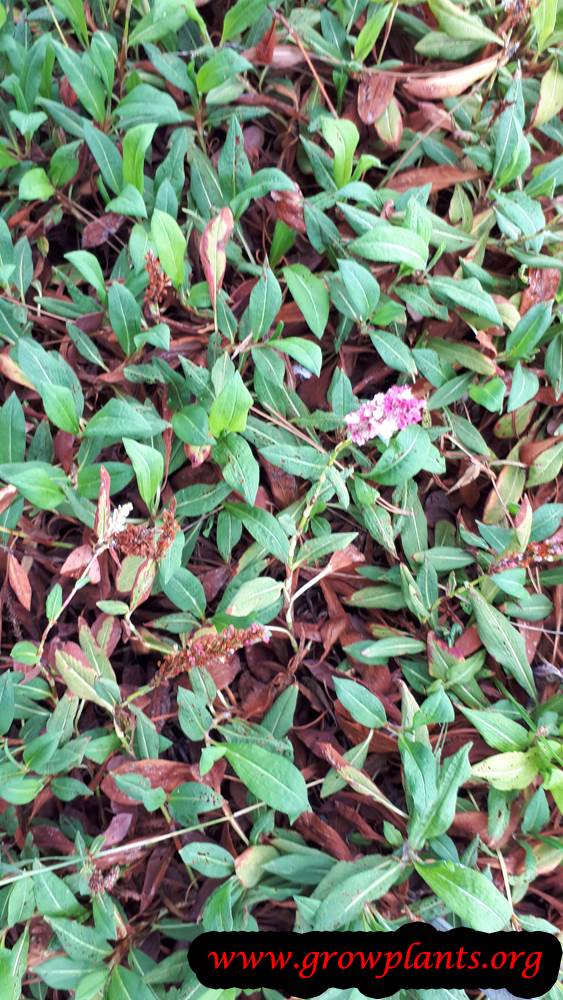
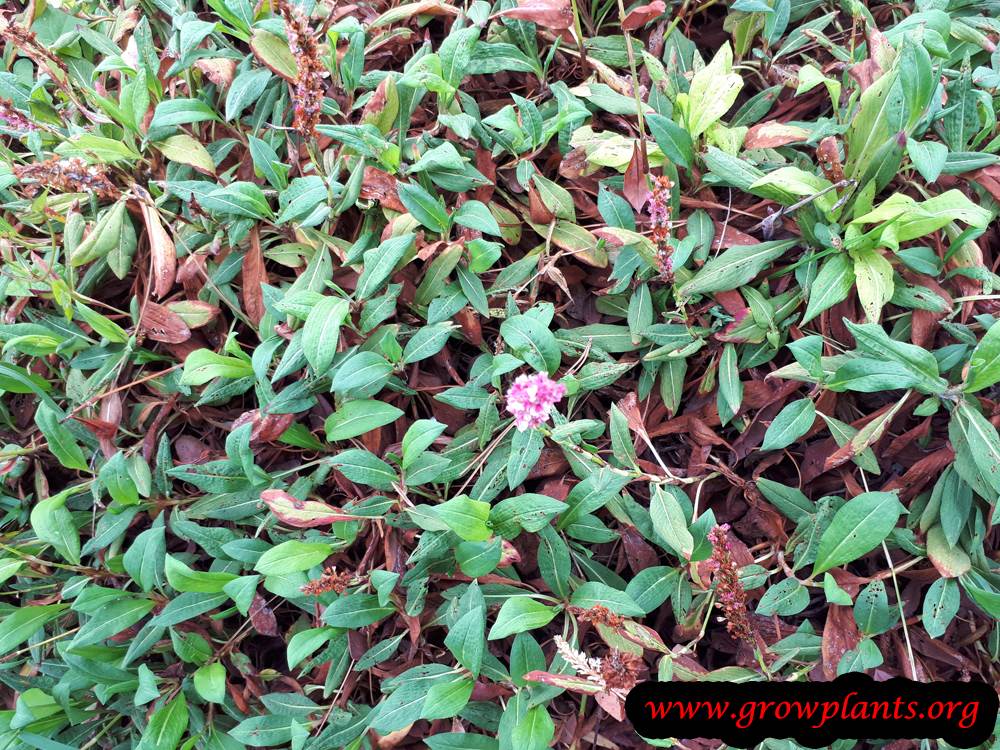
- Leaves & Foliage: Green, elliptic leaves (turning bronze-red in autumn).
- Flower Characteristics: Small pink, red or white flowers packed into upright poker-like spikes.
Primary Uses & Landscape Value
- Functional & Ornamental Roles: Groundcover, edging and front-of-border planting, and pollinator support.
Care Guide: Planting, Soil & Watering
Overview: Himalayan bistort is a hardy, mat-forming perennial that grows best in full sun to part shade in reliably moist, well-drained soil. It spreads vigorously as a ground cover, so give it room and keep the soil from drying out.
Quick Care Requirements
| Requirement | Ideal Condition |
|---|---|
| Planting Season | In spring, summer or autumn |
| Growth Rate | Moderate to Fast |
| Soil Type | Moist, well-drained soil |
| Water Need | Moderate to High — keep the soil consistently moist |
Planting & Establishment
- Best Planting Season: Plant in spring through autumn while the soil is workable and warming.
- How to Plant:
- Hole Preparation: Dig a hole about twice the width of the root ball to loosen the surrounding soil for the spreading roots.
- Soil Amendments: Work compost into the backfill to hold moisture and support its dense, spreading growth.
- Planting Depth: Set the crown level with the soil surface, firm and water in.
- Growth Speed & Expectations: Moderate to fast, forming a spreading 60–90 cm carpet that can be aggressive — contain it where needed.
Soil, Watering & Drainage Care
- Soil Mix & Drainage Needs: Keep the soil moist but well-drained; steady moisture supports the dense mat while drainage prevents rot.
- Watering Schedule & Technique:
- Young / Newly Planted: Water regularly to keep the soil evenly moist while it establishes.
- Established: Water regularly so the soil stays consistently moist; it dislikes drying out.
- Seasonal Adjustments: Water more in summer heat; reduce in winter as it dies back.
Climate, Light & Hardiness
Persicaria affinis (Himalayan bistort) is a cold-hardy, evergreen groundcover perennial suited to temperate, subtropical, and Mediterranean climates. It grows well in full sun to half shade with consistently moist soil.
Quick Climate Specifications
| Climate Zones | Temperate, subtropical, mediterranean |
|---|---|
| USDA Hardiness Zones | 3–10a |
| Light Conditions | Full sun to half shade |
| Frost Tolerance | High – hardy to zone 3 |
Sunlight & Light Exposure
Optimal Light Setup
Full sun to half shade both suit this groundcover; more sun typically means denser flowering.
Best Exposure / Orientation
Works well as a groundcover in open beds where it receives at least several hours of direct sun.
Temperature Extremes & Hardiness
USDA Hardiness & Regional Limits
Very cold-hardy, surviving winters as far north as zone 3, and adaptable down through zone 10a in warmer climates.
Cold Damage & Winter Protection
In colder zones the evergreen foliage may die back or brown in hard winters, regrowing from the roots in spring; no special protection is typically required within its hardiness range.
Wind, Humidity & Microclimate
Rainfall & Seasonal Moisture
Prefers reliably moist soil and is best suited to climates or garden positions where moisture does not dry out for long periods.
Microclimate Recommendations
A site with even moisture, such as near a border edge or partial shade in hot climates, keeps the groundcover looking its best.
Growing in Pots, Balconies & Indoors
Himalayan fleeceflower is a spreading, mat-forming perennial ground cover – not a houseplant, and the grower does not recommend it for long-term containers.
Quick Details
- Container Size: Not recommended for long-term pots – best in open ground
- Indoor Suitability: Not a houseplant; not suited to containers
- Best Spot: Full sun to half shade
- Soil & Drainage: Aerated, organic-rich mix (peat or coir with perlite or vermiculite); must drain freely
- Watering in Pots: Keep consistently moist if grown in a pot – it dislikes drying out
Indoors & On the Windowsill
- Houseplant limits: It is a hardy, spreading ground cover with no tolerance for indoor conditions.
On a Balcony or Patio
- Better in the ground: The grower does not recommend it for long-term containers – it spreads by creeping roots and quickly outgrows and exhausts a pot, so give it open ground if you can.
- If you must pot it: Use the largest, deepest container you can, keep it well watered, and divide and refresh it every year to stop it declining.
Choosing the Pot, Soil & Long-Term Care
- Pot & drainage: If potted, use a large container with strong drainage holes and no standing-water saucer.
- Potting mix: A moisture-retentive but well-aerated organic mix.
- Feeding & division: Feed through the growing season and divide the clump yearly, as a confined pot exhausts fast.
Fertilizing & Feeding
Himalayan bistort spreads vigorously as a groundcover on its own, so it is a light feeder – a balanced feeding at spring growth and light attention through bloom is usually enough without encouraging even more spread.
Quick Fertilizing Specs
| Feeding Level | light |
|---|---|
| Main Nutrient Priority | Balanced feeding is enough since this plant already spreads vigorously |
| Best Feeding Period | Spring growth into summer bloom |
| Reduce/Stop Feeding | Cut back once established, and stop for winter dieback or rest |
| Soil pH | Tolerates a wide range in moist, organically rich soil |
| Organic Options | Compost in spring |
Feeding by Growth Stage
Spring growth and groundcover spread
Support fresh spring growth and mat-forming spread of this vigorous groundcover ahead of its late-season bloom.
| Nutrient direction | A balanced, complete fertilizer supports steady growth in the moist soil this plant prefers. |
|---|---|
| Timing | Spring as new growth resumes and the clump spreads. |
| Frequency | A light-to-moderate feeding in spring is usually enough to support this fast-spreading grower. |
| Fertilizer types | A balanced, complete fertilizer in spring, Compost worked into moist, organically rich soil |
| Precautions | This plant already spreads aggressively, so avoid overfeeding, which can make it harder to contain. |
Summer-to-autumn bloom period
Sustain the clustered white, red, or pink flower spikes that attract pollinators late in the season.
| Nutrient direction | Continue balanced feeding with adequate nitrogen; extra phosphorus is not needed to drive bloom. |
|---|---|
| Timing | Summer into autumn while the plant is in flower. |
| Frequency | Light, occasional feeding supports continued bloom; established plantings often need little extra. |
| Fertilizer types | A balanced, complete fertilizer, Typically needs only light supplemental feeding once established |
| Precautions | Keep soil consistently moist alongside feeding; drought stress combined with fertilizer can scorch leaf margins. |
Winter dieback or rest
Let the plant rest through winter, whether foliage persists in mild climates or dies back in colder zones.
| Nutrient direction | None – withhold fertilizer through winter dieback or rest. |
|---|---|
| Timing | Winter, especially in the colder part of its hardiness range. |
| Frequency | No feeding at this stage. |
| Fertilizer types | No feeding at this stage; do not fertilize dormant or dieback growth. |
| Precautions | Do not fertilize over winter; a light feeding can resume as new spring shoots emerge. |
Nutrient Deficiency Signs & Corrections
Pale, small leaves and reduced spread.
| Possible causes | Nitrogen deficiency in poor soil, Dry soil limiting nutrient uptake since this plant prefers moisture, Root competition from neighboring plants |
|---|---|
| Appears first on | Older leaves |
| What to check | Soil fertility, Soil moisture, Competition from neighboring plants |
| Possible correction | Apply a balanced fertilizer and confirm the soil is being kept consistently moist. |
Brown, crisp leaf margins, especially after feeding.
| Possible causes | Drought stress in soil that dried out, Fertilizer salt buildup, Too much direct sun for the site |
|---|---|
| Appears first on | Leaf edges |
| What to check | Soil moisture consistency, Recent feeding and watering, Sun exposure |
| Possible correction | Keep soil consistently moist, water thoroughly after any feeding, and consider more shade if scorch persists. |
Distorted new growth and sticky residue on leaves alongside weak vigor.
| Possible causes | Aphid infestation, Excess nitrogen producing soft growth that attracts aphids, General plant stress |
|---|---|
| Appears first on | New shoot tips |
| What to check | Visible aphids, Recent nitrogen feeding, Overall plant stress |
| Possible correction | Manage aphids directly and avoid excess nitrogen that produces soft, attractive new growth. |
Pruning, Training & Seasonal Maintenance
Himalayan bistort is a low, mat-forming evergreen groundcover perennial grown for its dense foliage and long summer–autumn flower spikes. It has no woody framework, so pruning is limited to a single winter tidy-up plus ongoing control of a spread the source data flags as aggressive. There is no structural shaping to speak of – the plant’s own cushion-like habit is the desired form.
Quick Pruning & Maintenance Specs
| Pruning Tolerance | Moderate (whole-mat trim, not selective shaping) |
| Primary Pruning Window | Winter, per source |
| Secondary Maintenance Window | Ongoing through the growing season, edging back spread |
| Typical Frequency | One winter tidy per year, plus as-needed containment |
| Main Objective | Refresh tired foliage and keep the documented aggressive spread within bounds |
| Young Plant Priority | None – let a new planting establish and fill in |
| Mature Plant Priority | Winter cutback of old foliage/stems; edge or divide the mat to control spread |
| Best Tool Type | Hand shears or precision snips; spade for edging/division |
| Avoid Heavy Pruning During | Summer–autumn bloom, when the flower spikes are the main display |
Pruning by Plant Age & Size
Newly Established
No cutting needed beyond removing any damaged foliage from planting; let the mat knit together.
Young / Formative
No structural training applies to a low, spreading groundcover – there is no framework to build.
Mature / Established
The source’s own guidance is simply “for design” – in practice this means an annual winter tidy of tired foliage and old flower stems, plus edging the perimeter back where the mat has spread beyond its bounds.
Seasonal Pruning Schedule
| Stage | Objective | Remove | Do Not Remove | Response |
| Dormant / Winter (per source) | Tidy and refresh | Old, tatty foliage and spent flower stems | Healthy evergreen foliage in mild climates – not all top growth needs removing | Fresher-looking mat entering spring |
| Ongoing Sanitary | Contain spread | Runners/edges extending beyond the intended area, given the documented aggressive habit | – | Keeps the groundcover within its allotted space |
Special Growth to Remove
- Spent flower stems, at the winter tidy.
- Spreading runners at the mat’s edge – the source flags this species as aggressive, so containment is a recurring task rather than a one-off.
Container & Small-Space Pruning
Not applicable – the source states this species is not suited to pots or containers; it is grown in open ground as a spreading groundcover.
Tools
- Hand shears or precision snips for the winter foliage/flower-stem tidy.
- Garden spade for slicing back or dividing the spreading mat where it has exceeded its space.
Tool Hygiene & Disease Risk
Routine – only aphids are documented as a pest concern, with no disease risk noted; clean, sharp tools are sufficient.
Cut Placement & Technique
Shear or snip old foliage and spent stems back to just above fresh basal growth; when containing spread, cut cleanly through runners at the desired edge rather than pulling, which can uproot adjacent sections of the mat.
Heavy Pruning & Rejuvenation
A full winter cutback of the mat is well tolerated and is essentially the plant’s rejuvenation method; regrowth is fast to medium (per source) and fills back in during the following growing season.
Post-Pruning Care
Keep soil moist to average as usual after cutback (per source watering guidance); no special feeding needed.
Common Pruning Mistakes
- Letting the documented aggressive spread go unchecked for multiple seasons, making containment much harder later.
- Shearing hard during the summer–autumn bloom period and sacrificing the flower display.
- Treating it as needing structural shaping it doesn’t have the form for.
When NOT to Prune
Avoid a hard cutback during the summer–autumn bloom window, since that removes the season’s main ornamental display.
Recommended Tools (by task)
- precision_snips – the winter tidy of foliage and spent flower stems.
- garden_spade – cutting back or dividing the mat where the documented aggressive spread has exceeded its bounds.
Propagation Guide
This spreading, mat-forming groundcover is most easily and reliably propagated by dividing an established clump, which is quick and guarantees an exact match to the parent plant’s flower color. Seed also works for the species (vegetative propagation isn’t strictly necessary per the site), but named color forms are best kept true by division. Overall difficulty: Easy.
Quick Propagation Specs
| Best Propagation Method | Division of established clumps |
| Alternative Methods | Seed |
| Propagation Difficulty | Easy |
| Seed True-to-Type | Usually true-to-type for the species, though named flower-color selections may not come true from seed |
| Vegetative True-to-Type | Yes |
| Best Propagation Season | Spring or autumn |
| Seed Germination Time | Typically a few weeks |
| Germination Temperature | Moderate, roughly 15–21°C (59–70°F) |
| Seed Sowing Depth | Shallow – lightly covered |
Growing from Seed
Sowing Season
Spring.
Sowing Depth & Orientation
Sow shallowly, just covering the seed.
Germination Conditions
Moist soil in full sun to part shade.
Germination Time
Typically a few weeks.
Division, Offsets, Pups & Suckers
This species spreads by rhizomes into dense mats, which makes it well suited to division. Lift an established mat in spring or autumn and pull or cut it into sections, making sure each division keeps roots and shoots attached. Replant promptly at the same depth and keep well watered until re-established. Because this plant spreads vigorously (it’s noted as aggressive), clumps can usually be divided again after just a couple of seasons.
Bloom & Flower Guide
Quick Details
- Bloom Season: Summer into autumn
- Flower Appearance: Dense, upright poker-like spikes of tiny flowers, opening pale and deepening through pink to red
- Edibility: Grown as an ornamental
Detailed Blooming Overview
Himalayan bistort carpets the ground and then studs the mat with short, stiff flower spikes through summer and autumn. The little bowl-shaped florets are packed into clusters that shift from soft pink to a richer red as they age.
Flower Characteristics
- Small, bowl-shaped flowers in white, pink and red, gathered into clusters, as the grower notes.
- Carried on short upright spikes above a spreading mat of foliage.
Bloom Care & Thinning
- Keep it flowering: Shear off spent spikes to tidy the mat and encourage more.
- Moisture: Steady moisture supports the longest display.
- Vigour: Lift and divide congested patches to keep them flowering well.
Pests, Diseases & Troubleshooting
Overview: Himalayan bistort is a robust, mat-forming groundcover that is largely free of serious pests and diseases; its main issues are cosmetic – powdery mildew and leaf browning when droughted, occasional slugs on soft growth – plus a tendency to spread. Grow it in moisture-retentive soil in sun to part shade and it forms dense, weed-smothering carpets with little care.
Quick Troubleshooting Overview
| Issue / Pest | Main Symptom | Primary Solution |
|---|---|---|
| Powdery mildew | White bloom on leaves, worst in dry, stressed plants | Keep evenly moist; airflow; sulphur if needed |
| Slugs & snails | Young shoots and leaves rasped and holed | Iron-phosphate bait; usually minor on established mats |
| Aphids | Occasional sticky clusters on new growth | Rinse off; insecticidal soap (rarely needed) |
| Leaf spot | Brown spots on leaves in damp, crowded conditions | Airflow; remove affected leaves |
| Leaf scorch | Browned foliage in hot, dry, exposed edges | Keep soil moist; mulch; part shade in hot climates |
| Spreading | Mat creeps beyond its intended area | Edge/lift excess; site where it can roam |
Common Pests & Management
- Aphids (Aphidoidea):
- Symptoms: Occasionally small colonies of soft aphids gather on the tender new shoots, with a little honeydew; damage is minor on this vigorous carpeter.
- Prevention & Control: Rinse them off with water or leave them to natural predators; insecticidal soap is rarely needed but clears any heavier colony.
- Slugs & snails (Gastropoda):
- Symptoms: Soft emerging shoots and young leaves can be rasped and holed in damp conditions, though established dense mats largely outgrow the damage.
- Prevention & Control: Clear damp hiding places and use iron-phosphate pellets only if fresh growth or new plantings are being grazed.
- Caterpillars (Lepidoptera larvae):
- Symptoms: Occasional caterpillars chew holes and notches in the leaves; damage is usually light and cosmetic.
- Prevention & Control: Hand-pick where practical and conserve natural predators; Bacillus thuringiensis is available for heavier outbreaks but is seldom warranted.
Diseases & Fungal Issues
- Powdery mildew (Erysiphe / Golovinomyces spp.):
- Symptoms: A white powdery bloom develops on the leaves, worst on plants stressed by drought or growing in crowded, dry conditions, causing yellowing and some leaf browning.
- Treatment & Management: Keep the soil evenly moist (drought stress is the main trigger), improve airflow, and shear stressed patches to encourage clean regrowth. Sulphur is only occasionally needed.
- Leaf spot (Cercospora / Septoria spp.):
- Symptoms: Brown to grey spots appear on the leaves in damp, crowded, still conditions and can merge in bad cases.
- Treatment & Management: Improve airflow, avoid overhead watering, and remove badly spotted foliage; the plant readily replaces leaves and fungicide is rarely warranted.
- Rust (Puccinia spp.):
- Symptoms: Yellow spots above with orange-brown pustules on the leaf undersides in damp conditions; uncommon and rarely serious.
- Treatment & Management: Remove affected leaves and improve airflow; no chemical control is normally needed.
- Root rot (Phytophthora / Pythium):
- Symptoms: In heavy, waterlogged soil patches of the mat can yellow, wilt and rot at the roots.
- Treatment & Management: Grow in moisture-retentive but not waterlogged soil, improve drainage on heavy ground, and remove rotted patches so healthy runners recolonise.
Growing Difficulties & Abiotic Problems
- Leaf scorch / drought browning:
- Cause & Symptoms: In hot, dry, exposed positions the leaves brown at the margins and the mat looks tired; the plant prefers cool, moist conditions.
- Correction Strategy: Keep the soil moist with mulch and watering in dry spells, and site in sun to part shade (some afternoon shade in hot climates).
- Winter foliage browning:
- Cause & Symptoms: In cold climates the leaves turn bronze-brown and persist over winter before fresh growth returns; this is natural, not disease.
- Correction Strategy: No action is needed – the mat regreens in spring; tidy old foliage if desired.
- Vigorous spreading:
- Cause & Symptoms: The plant spreads steadily by creeping stems to form wide mats, which can encroach on neighbours.
- Correction Strategy: Plant where it can carpet freely, or lift and divide/edge it to keep it within bounds; it pulls up easily.
What Helps – Products & Tools
Himalayan bistort needs very little: iron-phosphate slug bait for fresh growth, an occasional rinse or insecticidal soap for aphids, and sulphur only if powdery mildew appears on droughted plants. Even moisture and the right position (cool, not baked) prevent nearly every problem.