

Plant Profile & Key Characteristics
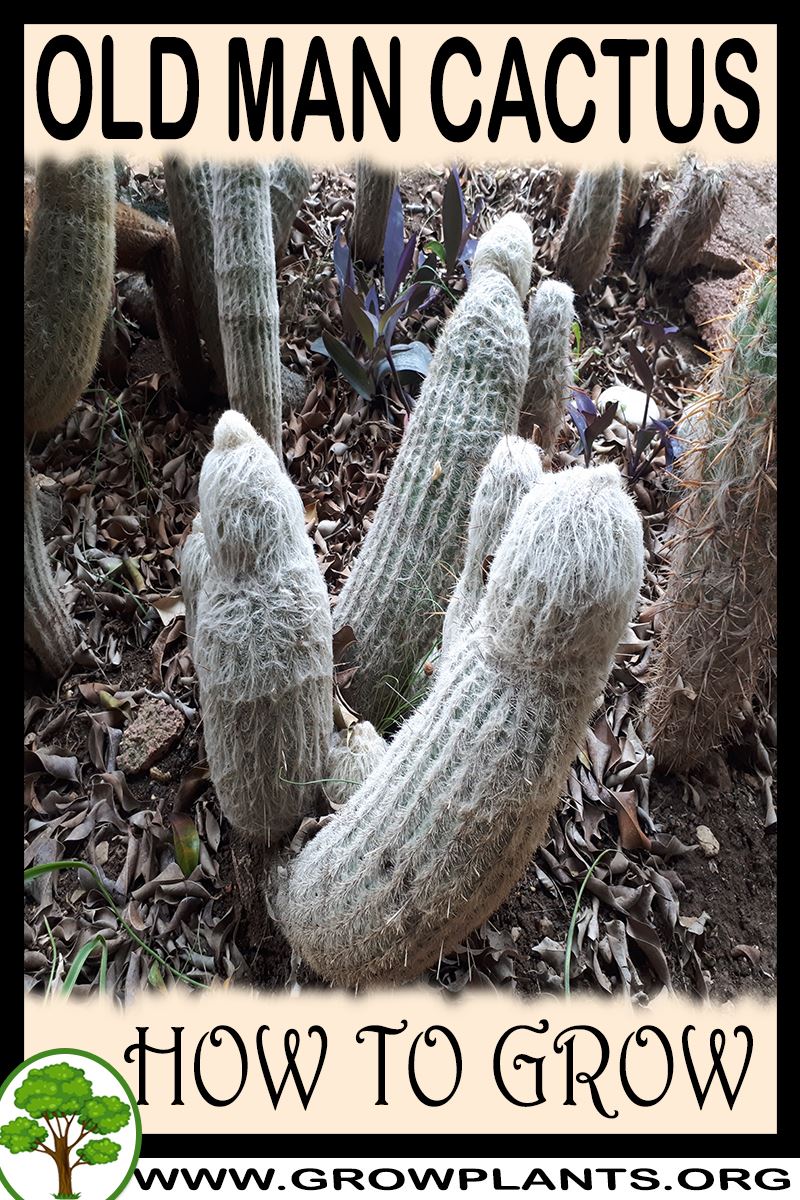
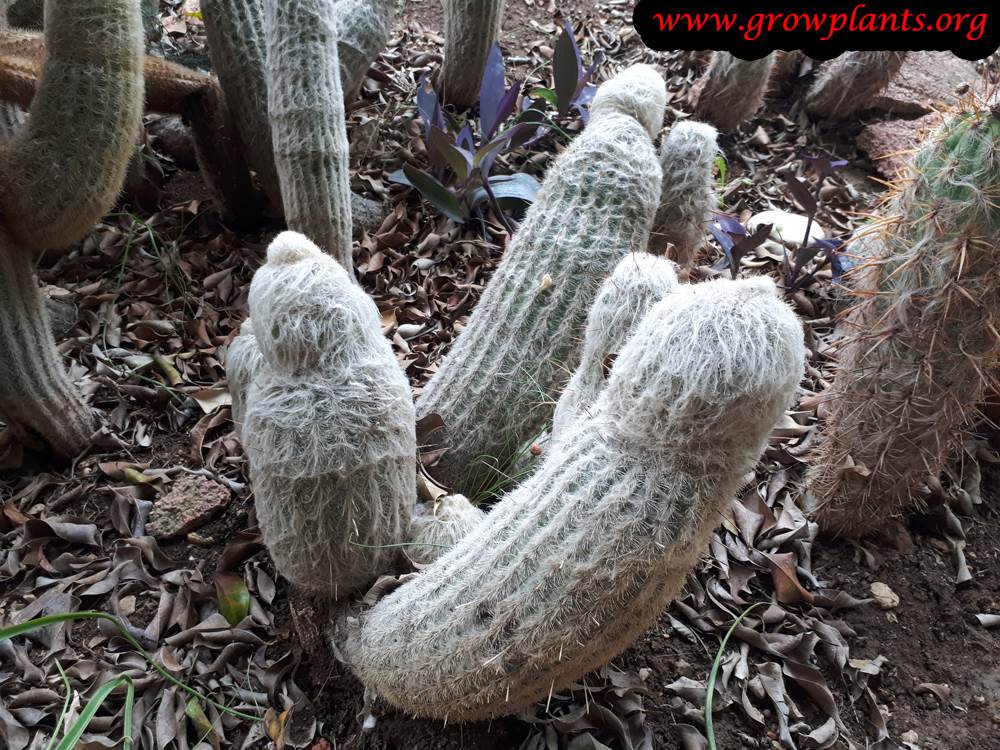
Overview: Cephalocereus senilis (old man cactus) is a slow-growing evergreen columnar cactus draped in long white hairs, reaching up to about 10 m (33 ft) in habitat but far smaller in cultivation. This drought-tolerant perennial is grown as an ornamental and houseplant for its distinctive shaggy white-haired stem.
Quick Specifications
| Specification | Attribute |
|---|---|
| Plant Type / Life Cycle | Perennial (columnar cactus) |
| Foliage Type | Evergreen (leafless succulent stem) |
| Mature Size | 0.5-10 m tall (1.6-33 ft); usually much smaller potted |
| Growth Rate | Slow |
| Root System | Shallow, fibrous root system typical of columnar cacti. |
| Toxicity | Non-toxic (but densely spiny beneath the hairs). |
| Hardiness | USDA zones 11+ |
Growth Form & Structure
- Height & Spread: Reaches several metres in habitat (up to about 10 m / 33 ft) but stays small and slow in pots; suited to container and indoor culture with strong light.
- Growth Habit & Form: Erect, unbranched columnar cactus.
- Lifespan & Maturity: Very slow-growing and long-lived; flowering begins only after maturity, which can take more than 10 years.
Anatomy & Physical Features
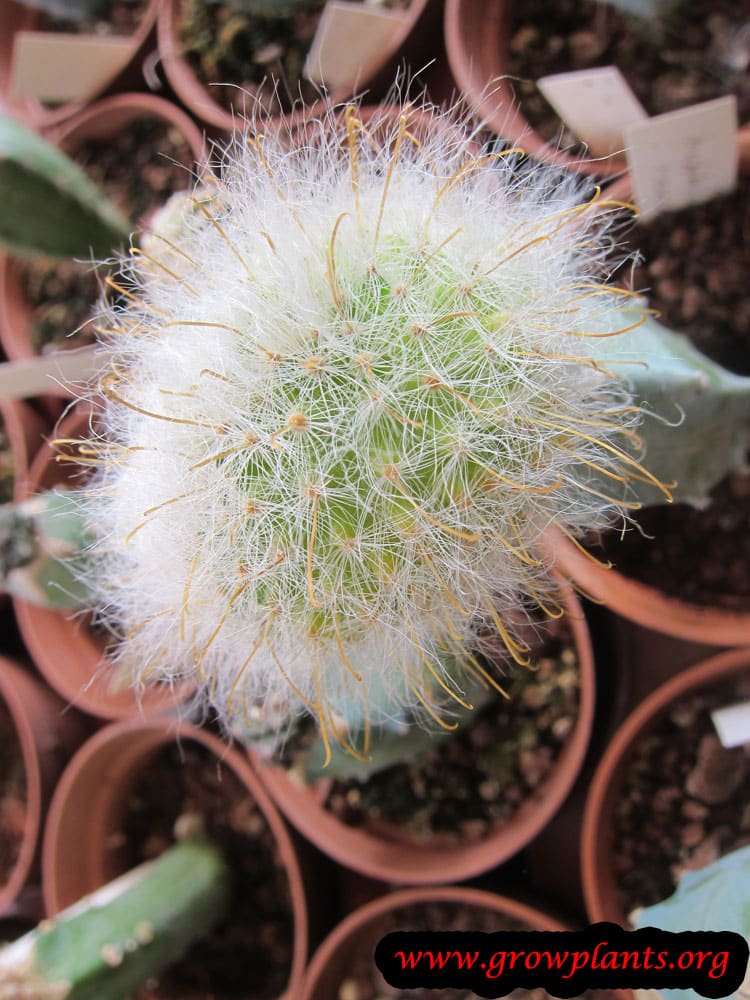
- Trunk & Bark: Green ribbed column clothed in long white hair-like spines that cover the whole stem.
- Flower Characteristics: Pink multi-petalled flowers appear in summer on mature plants.
Primary Uses & Landscape Value
- Functional & Ornamental Roles: Drought-tolerant ornamental and houseplant grown as a novelty specimen for its white-haired columnar form.
Care Guide: Planting, Soil & Watering
Overview: Old man cactus is a slow-growing desert cactus for hot, frost-free climates (hardiness zone 11+) or a sunny windowsill, needing full sun to bright light. It demands a very free-draining, gritty mineral soil and only occasional watering, staying above about 15 C (59 F).
Quick Care Requirements
| Requirement | Ideal Condition |
|---|---|
| Planting Season | In spring or summer during warm, active growth |
| Growth Rate | Slow |
| Soil Type | Gritty, very free-draining cactus/mineral mix |
| Water Need | Low – water sparingly and let the soil dry out completely between waterings |
Planting & Establishment
- Best Planting Season: Pot or plant in spring or summer when it is warm and in active growth.
- How to Plant:
- Hole Preparation: In pots, choose a container only slightly larger than the plant; in the ground, plant into a raised, gritty bed.
- Soil Amendments: Use a specialist cactus mix or add plenty of coarse grit or pumice to ordinary soil for drainage.
- Planting Depth: Set the base at soil level, keeping the stem sitting on a dry, gritty surface to prevent collar rot.
- Growth Speed & Expectations: Very slow-growing; it stays small for years and can eventually reach a few metres in ideal conditions.
Soil, Watering & Drainage Care
- Soil Mix & Drainage Needs: A sharply draining mineral mix is essential – the biggest killer is wet soil, which rots the base; ensure the pot has drainage holes.
- Watering Schedule & Technique:
- Young / Newly Planted: Water lightly but let the mix dry fully between waterings while it establishes.
- Established: Water sparingly in the warm season, always allowing the soil to dry completely; it stores its own water.
- Seasonal Adjustments: Keep almost dry and frost-free through winter; water only occasionally in summer heat.
Climate, Light & Hardiness
Old man cactus (Cephalocereus senilis) is a warmth-loving columnar cactus, prized for its shaggy white hair, that suits warm desert climates with mild winters, dry tropics, subtropical climates, or bright indoor growing. The site's own guidance is to keep it above roughly 15°C (59°F), and it has little tolerance for real cold.
Quick Climate Specifications
| Climate Zones | Desert with warm winters, dry tropics, subtropics, or indoors as a houseplant |
|---|---|
| USDA Hardiness Zones | Approximately 11+ |
| Optimal Temp Range | Approximately 20–30°C (68–86°F) |
| Cold Damage Begins | Below approximately 15°C (59°F), per the site's own care guidance |
| Frost Tolerance | Very Low |
| Light Conditions | Full sun to half shade |
Sunlight & Light Exposure
Optimal Light Setup
Needs strong, bright light - full sun outdoors, or as much light as possible (per the site's own note) when grown as a houseplant.
Direct Sun Requirement
Direct sun is beneficial and generally well tolerated once acclimated.
Shade & Heat Management
Tolerates half shade, which can be useful in the hottest desert exposures, though growth and hair density are best in full sun.
Best Exposure / Orientation
An open, sunny outdoor spot in warm-winter climates, or the brightest available indoor window in cooler climates.
Temperature Extremes & Hardiness
USDA Hardiness & Regional Limits
The site places it at roughly zone 11+, reflecting a warm, essentially frost-free requirement; outside mild, frost-free climates it is best grown as a bright indoor houseplant, which the site's own data confirms works well with sufficient light.
Cold Damage & Winter Protection
The site's own care guidance calls for keeping it above roughly 15°C (59°F); temperatures below that risk cold damage, so it should be moved indoors or under cover well before winter cold sets in.
Frost Sensitivity
Very high - treat this as a frost-tender, essentially tropical/warm-desert species with no meaningful frost tolerance.
Extreme Heat Tolerance
Very good in dry desert and subtropical heat, consistent with its native warm-climate origin.
Wind, Humidity & Microclimate
Humidity Preferences
Prefers the low-to-moderate humidity typical of dry desert and subtropical climates.
Dry-Air Tolerance
High - well adapted to dry air, including the dry air of centrally heated indoor rooms.
Rainfall & Seasonal Moisture
Adapted to climates with a pronounced dry season; well-drained soil and restrained watering matter more than rainfall amount, since the hairy stem and base are prone to rot if kept consistently wet.
Microclimate Recommendations
A warm, bright, well-drained spot outdoors in frost-free climates, or the sunniest indoor window available elsewhere, kept away from cold drafts.
Growing in Pots, Balconies & Indoors
The old man cactus is one of the few desert cacti the grower rates as a houseplant – given plenty of light. Its shaggy white ‘hair’ and very slow growth make it a striking, long-lived windowsill or bright-room plant, though in the wild it eventually becomes a tall column.
Quick Details
- Container Size: A snug, fairly deep pot; pot up gradually as this slow grower lengthens
- Indoor Suitability: A houseplant given a lot of light – the brightest, sunniest window (grower)
- Best Spot: Full sun to half shade
- Soil & Drainage: Free-draining cactus/mineral mix; drainage holes essential. A ready-made cactus and succulent soil mix provides that structure without mixing it yourself.
- Watering in Pots: Small amounts – let it dry out fully between waterings
Indoors & On the Windowsill
- A houseplant with lots of light: The grower confirms it can be grown indoors as long as it gets plenty of light – the more direct sun, the denser and whiter its hair and the sturdier its growth.
- Windowsill growing: Place it at the brightest, sunniest window. It grows so slowly that it stays a manageable pot plant for many years, even though it can become tall over decades.
- Keeping the hair clean: The white hairs collect dust indoors – an occasional gentle brush or rinse keeps them bright; avoid overhead watering that mats them.
On a Balcony or Patio
- Light & heat: It enjoys a hot, sunny, sheltered spot outdoors in warm weather, and the reflected heat off walls and railings suits it, but water sparingly and let it dry between drinks.
- Practicalities: It is not frost-hardy – bring it in before cold, wet weather, which spoils the hair and risks rot.
Choosing the Pot, Soil & Long-Term Care
- Pot & drainage: A fairly deep pot with strong drainage holes and no standing saucer; depth and stability matter for this column. Terracotta breathes and dries fast, which suits it.
- Potting mix: A proper cactus/succulent mix – free-draining and mineral – with extra grit, pumice or perlite.
- Feeding: An occasional dilute cactus feed during active growth only.
- Repotting: Very slow, so pot on only every few years; take care, as sharp spines hide beneath the soft white hair.
- Safety: Sharp spines lurk under the fluffy hair – handle with thick protection and keep it out of reach of children and pets.
Growing this plant in a greenhouse
A greenhouse can give old man cactus frost protection, cold protection, humidity control and extra warmth.
Greenhouse at a glance
| Greenhouse suitability | Good - clearly useful |
|---|---|
| Main benefits | frost protection, cold protection, humidity control, extra warmth |
| Outdoor protection advisable below | about 15°C |
| Maintain greenhouse minimum | around 15°C for active growth |
| Suitable types | unheated greenhouse, polycarbonate greenhouse |
| Heating | Heating is optional - useful mainly for winter growing in cold areas. |
Related greenhouse guides
- Greenhouses: How to Choose the Right Greenhouse
- Polycarbonate Greenhouses: What to Look for Before Buying
- Greenhouse Climate Control: Temperature, Ventilation and Humidity
Fertilizing & Feeding
A very slow-growing, long-lived columnar cactus best known for its white hairy covering, which needs only minimal supplemental feeding whether grown outdoors or as a bright-light houseplant.
Quick Fertilizing Specs
| Feeding Level | Light feeder |
|---|---|
| Main Nutrient Priority | Low-nitrogen, cactus-formulated feed during active growth |
| Best Feeding Period | Warm-season active growth |
| Reduce/Stop Feeding | Stop feeding as growth slows going into cooler weather |
| Soil pH | Prefers a gritty, very well-drained cactus mix; wide tolerance rather than a narrow pH target |
Feeding by Growth Stage
Active Growth
Support gradual columnar stem growth and healthy white hair development without pushing soft growth in this naturally very slow grower.
| Nutrient direction | A diluted, low-nitrogen cactus fertilizer applied lightly, matching this species’ inherently slow, steady pace of growth. |
|---|---|
| Timing | During the warm season while the plant is actively growing and soil dries fully between waterings. |
| Frequency | A few light feedings spread through the active growing season is generally enough; established plants often need very little. |
| Fertilizer types | Diluted, low-nitrogen cactus fertilizer, Balanced liquid feed used at reduced strength |
| Precautions | Favor underfeeding – pushing fast growth with heavy fertilizer is unnatural for this slow-maturing species and can produce weak, disfigured stem growth. |
Dormant / Rest Period
Let the plant rest through its natural cool-season slowdown without pushing new growth it cannot support.
| Nutrient direction | None – withhold fertilizer entirely while the plant is resting. |
|---|---|
| Timing | Cooler months when growth naturally slows or stops and watering is reduced. |
| Frequency | No feeding at this stage. |
| Fertilizer types | No feeding at this stage – resume only once active growth restarts. |
| Precautions | Do not fertilize during dormancy; keep watering minimal as well, since this species prefers warmth and dryness during its rest period. |
Nutrient Deficiency Signs & Corrections
Dull, pale-green stem color beneath the hair covering and unusually slow growth even during the active season.
| Possible causes | Extended period without any feeding in a very lean potting mix, Root stress from compacted or old soil limiting nutrient uptake, Insufficient light reducing overall vigor, especially for indoor-grown plants |
|---|---|
| Appears first on | New growth near the stem tip |
| What to check | Confirm soil is fast-draining and not compacted, Check light exposure – this species needs abundant light even when grown indoors, Review how long it has been since the last feeding |
| Possible correction | If soil and light are ruled out, resume a light, diluted feeding during the next active growth window. |
Yellowing of newest stem growth visible beneath or around the white hair covering, while older tissue stays green.
| Possible causes | High soil pH limiting iron availability, Overly wet or poorly aerated soil restricting root function, Root damage limiting nutrient uptake |
|---|---|
| Appears first on | Newest growth near the stem tip |
| What to check | Test soil drainage and confirm it is not staying wet, Check for old, compacted potting mix due for a change, Inspect roots for damage or rot |
| Possible correction | Correct drainage and soil condition first; if chlorosis persists, apply a chelated iron product per its label. |
Pruning, Training & Seasonal Maintenance
Old man cactus grows as a solitary column from a single growing tip, thickly covered in long white hair-like spines that give the species its name. It tolerates essentially no structural pruning – the only routine task is removing dead or damaged tissue, plus periodically checking beneath the dense hair for hidden pests, since the wool that gives the plant its ornamental character also conceals aphids and mealybugs from casual inspection. There is no seasonal restriction on this maintenance, though it is easiest and safest for the plant in dry, warm conditions.
Quick Pruning & Maintenance Specs
| Pruning Tolerance | Low – no structural pruning of the main column |
| Primary Pruning Window | As needed, any time; warm/dry weather best for healing |
| Typical Frequency | Rare – only when dead tissue appears or pests are found under the hair |
| Main Objective | Remove dead tissue; inspect under the hair for aphids/mealybugs |
| Young Plant Priority | Leave the growing tip undisturbed to establish height |
| Mature Plant Priority | Remove only dead or damaged tissue; keep monitoring under the wool for pests |
| Best Tool Type | Sterile blade for tissue removal; soft brush to part the hair for inspection |
| Avoid Heavy Pruning During | Always – there is no heavy or rejuvenation pruning for this species |
Pruning by Plant Age & Size
Newly Established
No pruning; leave the single growing tip undisturbed while the column establishes.
Young / Formative
No structural training – the species grows as a solitary, unbranched column.
Mature / Established
Remove only dead or damaged tissue near the base if present; the healthy column and its growing tip are never cut.
Special Growth to Remove
- Dead or damaged tissue – remove with a clean cut into firm healthy tissue.
- No suckers, watersprouts, or spent flower stems are typical for this species at the scale most specimens are grown.
Container & Small-Space Pruning
Commonly grown indoors as a houseplant with plenty of light; because the column cannot be topped or cut back for size, container size is controlled by pot volume and repotting timing rather than pruning.
Tools
- Grafting knife / sterile blade – for the rare removal of dead tissue.
Tool Hygiene & Disease Risk
Increased risk: cuts into the stem can invite rot. Use a sterile, sharp blade and let any wound dry and callus before watering resumes.
Cut Placement & Technique
Cut cleanly into firm healthy tissue beyond any dead or softened area; let the wound callus in a dry, shaded spot before normal watering resumes. When inspecting for pests, gently part the hair with a soft brush rather than pulling or cutting it away.
Heavy Pruning & Rejuvenation
Not tolerated. As a single-growing-point columnar cactus, topping or hard-cutting the column permanently ends that stem’s upward growth; there is no rejuvenation option.
Post-Pruning Care
Keep cut areas dry until fully callused; watch for soft, discolored tissue spreading from a cut, a sign of rot. Separately, check periodically beneath the wool for aphids or mealybugs, which can build up unseen and are easy to miss without parting the hair.
Common Pruning Mistakes
- Topping the column to limit height – the growing tip will not regrow.
- Assuming the plant is pest-free because none are visible on the surface, when aphids/mealybugs commonly hide under the hair.
- Cutting or wetting the plant during humid weather, inviting rot before a wound can callus.
When NOT to Prune
Avoid cutting in humid or wet weather when healing is slow; otherwise avoid cutting the main column under any circumstances since it cannot regenerate its growing point.
Recommended Tools (by task)
- grafting_knife – a sterile, sharp blade for the occasional clean removal of dead tissue.
- blade_disinfectant – disinfecting limits rot spreading into healthy stem tissue after any cut.
Propagation Guide
Old man cactus is usually propagated from stem cuttings taken from an established plant, since viable seed is uncommon in cultivation and, per the site, this species doesn’t flower or set seed until well over a decade old. Cuttings root reliably and let the plant’s hallmark white, hairy covering develop sooner than seed-grown plants; it is an easy plant to propagate by cutting, though sourcing seed can itself be the limiting factor.
Quick Propagation Specs
| Best Propagation Method | Stem cuttings |
| Alternative Methods | Seed (when available — site notes seed can be hard to find) |
| Propagation Difficulty | Easy by cutting; seed availability is the practical limiting factor |
| Seed True-to-Type | Yes (species cactus) |
| Vegetative True-to-Type | Yes |
| Best Propagation Season | Spring to summer, matching the plant’s planting season |
| Cutting Rooting Time | A few weeks to a couple of months after the cut has fully callused (general guidance; not specified by the site) |
| Germination Temperature | Roughly 21–27°C (70–80°F); this heat-loving species (site: prefers above 15°C/59°F) may root and germinate best toward the warmer end |
| Seed Sowing Depth | Surface-sow or barely cover |
Growing from Seed
Seed Handling & Viability
The site notes seed can be hard to source for this species; use fresh seed from a reliable supplier when available.
Sowing Season
Sow in spring to summer.
Germination Conditions
Use a well-drained cactus mix in full sun to half shade, kept warm (above 15°C/59°F) and lightly moist without waterlogging.
Seedling Care
Water sparingly; the characteristic white hair covering takes time to develop, so young plants look plain green at first.
Stem Cuttings
Cutting Type
A stem section from a healthy, established plant — keep in mind the parent will take years to regrow its hair covering over a large removed section.
Cutting Preparation
Cut with a sterile knife and let the cut surface callus in a dry, shaded spot for at least a week or two before planting (longer for thicker stems).
Rooting Setup
Set the callused cutting on a gritty, well-drained mix, keep warm (above 15°C/59°F), and water sparingly until rooted.
Rooting Hormone
Not necessary for reliable rooting in this genus.
Bloom & Flower Guide
Quick Details
- Bloom Season: Summer.
- Time to First Bloom: After maturity, which can take more than 10 years and considerable size.
- Flower Appearance: Showy pink flowers with many petals.
- Edibility: Ornamental only; not grown as an edible flower.
Detailed Blooming Overview
The Old Man cactus (Cephalocereus senilis) is grown for its shaggy coat of white hair rather than its flowers, and for good reason: as the grower notes, it only begins to bloom after many years of maturity – often more than a decade, and typically once the plant has grown tall. When it does, it opens showy, many-petalled pink flowers that tend to appear toward the top and open at night. For most growers the flowers are a distant reward, so it is best enjoyed for its striking form.
Flower Characteristics
- Colour: pink.
- Form: showy, multi-petalled flowers.
- Position: near the top of a tall, mature column, opening at night.
Bloom Care & Thinning
- Sun, warmth and time: the only real path to flowers is a bright, warm position and letting the plant reach full maturity.
- Warm, dry winter rest: this frost-tender species prefers a dry, frost-free dormancy.
- Keep the coat clean: the white hairs can trap dust; a gentle brush keeps the plant healthy and looking its best while it matures.
Fruit & Uses
In its native habitat, the old man cactus produces a small, pinkish-red, hairy fruit that is reported edible and eaten raw. In cultivation this is a rare bonus rather than a reliable harvest, since the plant needs many years of maturity before it flowers and fruits at all, and container-grown or houseplant specimens often never fruit.
Quick Edible Specs
| Edible Parts | Fruit (rarely produced in cultivation) |
|---|---|
| Main Use(s) | Occasional raw eating where fruit forms; mostly wildlife forage in native habitat |
| Eaten Raw or Cooked | Raw |
| Preparation Required | Brush off surface hairs before eating |
| Harvest Season | Summer, following the pink flowers, and only on mature plants |
| Time to First Harvest | Very long – the plant must first reach flowering maturity, which site notes can take well over a decade |
| Storage | Best eaten fresh; not documented for storage |
| Safety/Toxicity Caveat | No toxicity documented, but the fruit and stem are covered in fine hairs and hidden spines that should be handled carefully |
Fruit
The fruit is small, pinkish-red and covered in yellowish hair, forming after the pink summer flowers on plants that have reached maturity. Where it does form, it is picked by hand and eaten raw; birds such as house finches also feed on the fruit and its seeds. Because flowering itself is slow to begin and often does not occur at all on plants grown indoors as houseplants, fruiting – and any harvest – should not be expected from a typical potted specimen.
Harvesting
Where fruit does set, pick it once fully coloured and soft, taking care around the surrounding hairs and hidden spines; this is an occasional bonus on outdoor, garden-grown plants rather than a repeatable crop.
Preparation, Uses & Safety
Brush away the fine hairs on the fruit surface before eating it raw; no cooking or other processing is documented. Handle the plant with care, as the woolly white hair conceals sharp spines beneath it.
Pests, Diseases & Troubleshooting
The old man cactus is a slow, sun-loving desert species that is almost pest-free but very unforgiving of wet: overwatering and poorly draining mix cause fatal root and basal rot, and mealybugs and scale hide within its distinctive white ‘hair’. Management is about a gritty free-draining mix, sparing watering, strong light and regular inspection under the wool.
Quick Troubleshooting Overview
| Issue / Pest | Main Symptom | Primary Solution |
|---|---|---|
| Root / basal rot | Soft, discoloured, mushy base; collapse | Gritty mix, sparing water; cut out rot; dry out |
| Mealybugs | White cottony masses hidden in the hair and at the base | Alcohol swab, horticultural oil, check roots |
| Scale insects | Small brown/waxy bumps on the stem | Scrape/wipe off; horticultural oil |
| Spider mites | Rusty stippling/scarring under the wool in dry heat | Rinse; horticultural oil; raise humidity slightly |
| Fungus gnats | Small flies from the soil; larvae in wet mix | Let mix dry; sticky traps; reduce watering |
| Etiolation/corking | Thin pale new growth or brown corky base | More light; accept natural basal corking with age |
Common Pests & Management
- Mealybugs (Pseudococcus / Planococcus spp.):
- Symptoms: White, cottony insects hidden among the long white hairs, in the crown and on the roots, sucking sap, weakening the plant and leaving honeydew; they are easily missed beneath the wool.
- Prevention & Control: Inspect under the hair regularly; dab colonies with an alcohol-tipped swab; treat with horticultural oil or insecticidal soap, working it into the wool, and repeat; unpot to check for root mealybug and repot into fresh dry mix if found; isolate new plants.
- Scale insects (Diaspididae):
- Symptoms: Small brown, grey or waxy bumps fixed to the green stem beneath the hair, sucking sap and causing yellowish blemishes; heavy infestations weaken growth.
- Prevention & Control: Scrape or wipe off small numbers; smother with horticultural oil, repeating to catch crawlers; prune out badly affected sections only if necessary; conserve natural enemies outdoors.
- Spider mites (Tetranychus / Oligonychus spp.):
- Symptoms: Fine rusty stippling and corky scarring on the stem surface under the wool in hot, dry, still conditions; damage is permanent on the slow-growing skin.
- Prevention & Control: Rinse the plant periodically and raise humidity slightly; treat with horticultural oil worked into the wool; repeat; introduce predatory mites under cover; keep the plant unstressed.
- Fungus gnats (Bradysia spp.):
- Symptoms: Small dark flies running over the soil surface and around the plant; their larvae live in persistently wet mix and can nibble roots of stressed or seedling plants.
- Prevention & Control: The cure is drier soil-let the mix dry out thoroughly between waterings; use yellow sticky traps to catch adults; a gritty, fast-draining top layer discourages egg-laying; correct overwatering.
Diseases & Fungal Issues
- Root and basal stem rot (Phytophthora / Fusarium / Pythium spp.):
- Symptoms: The primary killer: the base turns soft, brown-black and mushy and the rot creeps upward, or roots rot unseen so the plant wilts, discolours and topples; almost always caused by overwatering, cold-wet soil or poor drainage.
- Treatment & Management: Prevention is everything-use a gritty, extremely free-draining cactus mix, water sparingly and only when thoroughly dry, and keep dry and cool in winter. If caught early, cut away all rot back to firm clean tissue, dust with sulphur, dry the wound and repot into dry mix; discard plants rotted to the core.
- Fungal and bacterial spotting (Helminthosporium / Erwinia spp.):
- Symptoms: Sunken brown or black spots and soft, sometimes foul-smelling patches on the stem in damp, humid or splashed conditions.
- Treatment & Management: Keep the plant dry, bright and airy and avoid wetting the body; cut out soft rotten spots into clean tissue and dust with sulphur; improve ventilation; a copper or sulphur fungicide helps only where spotting persists.
Growing Difficulties & Abiotic Problems
- Overwatering rot:
- Cause & Symptoms: By far the most common cause of death: too-frequent watering or a moisture-retentive mix keeps roots wet, they rot, and the plant collapses.
- Correction Strategy: Grow in a gritty, sharply draining mineral mix in a pot with drainage; water thoroughly but infrequently, only when the mix is completely dry, and keep nearly dry and cool through winter; never let it stand in water.
- Etiolation and loss of form in low light:
- Cause & Symptoms: Insufficient light makes new growth thin, pale, soft and stretched, with sparse hair, distorting the classic columnar shape.
- Correction Strategy: Give the brightest possible position with plenty of direct sun; acclimatise gradually to strong sun; rotate for even growth; accept that natural corky browning at the base comes with age.
- Sunburn and hard-water staining of the hair:
- Cause & Symptoms: A sudden move into intense sun scorches the green skin under the thin wool, while hard water and dust yellow and mat the white hairs-the latter cosmetic.
- Correction Strategy: Increase sun exposure gradually to avoid scorch; where possible water with low-mineral water and occasionally rinse the wool gently to keep it white; avoid overhead splashing that stains and rots.
What Helps — Products & Tools
Care is almost entirely cultural: a gritty free-draining mix, sparing water and bright light. For the hidden sap-suckers, alcohol swabs and horticultural oil worked into the wool handle mealybugs, scale and mites; yellow sticky traps catch fungus gnats. Sulphur dust and copper fungicide address cut rot wounds and spotting-but avoiding overwatering is the real defence.