Plant Profile & Key Characteristics
Overview: Kangaroo paw is a rhizomatous, clump-forming evergreen (or summer-deciduous) perennial ranging from 0.3-3 m tall, with strap-like leaves and distinctive paw-shaped flowers. It is a drought-tolerant ornamental widely used as a cut flower.
Quick Specifications
| Specification | Attribute |
|---|---|
| Plant Type / Life Cycle | Perennial |
| Foliage Type | Evergreen (can be summer-deciduous) |
| Mature Size | 0.3-3 m (1-10 ft) |
| Growth Rate | Fast to Moderate |
| Root System | Rhizomatous |
| Hardiness | USDA zones 10-12 (zone 9 with overwinter care) |
Growth Form & Structure
- Height & Spread: 0.3-3 m (1-10 ft) depending on species and cultivar; grows well in pots of at least 10-20 L (2.5-5 gal) with sharp drainage.
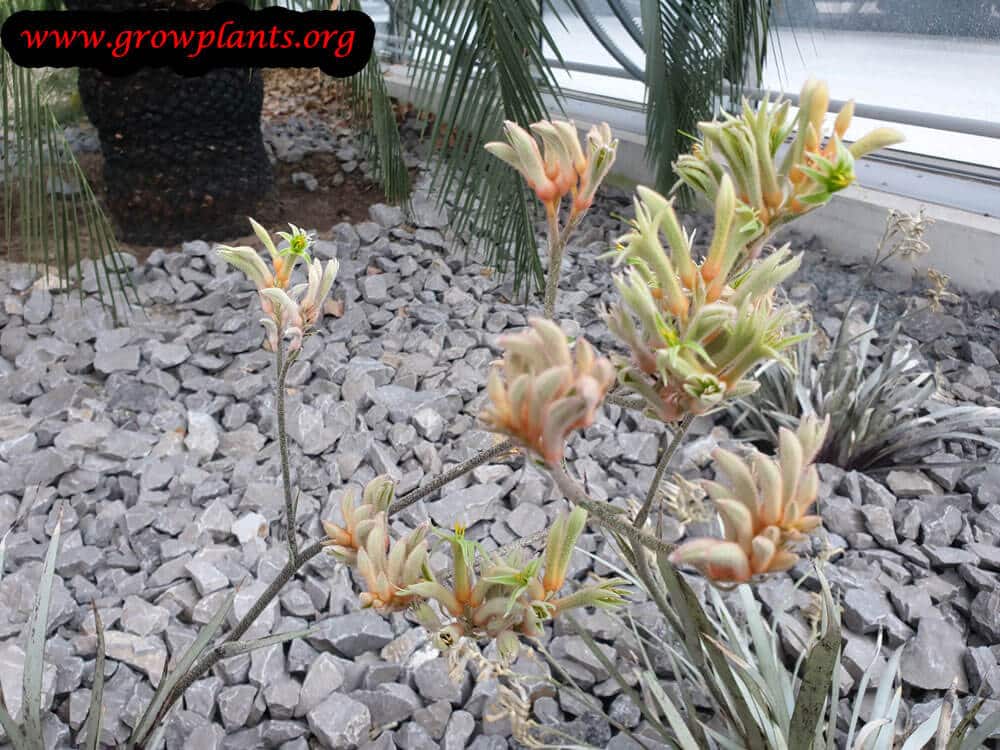
- Growth Habit & Form: Clumping rhizomatous perennial with fans of upright, linear leaves and tall flower stems.
- Lifespan & Maturity: Long-lived perennial that spreads slowly from rhizomes; needs excellent drainage to persist.
Anatomy & Physical Features
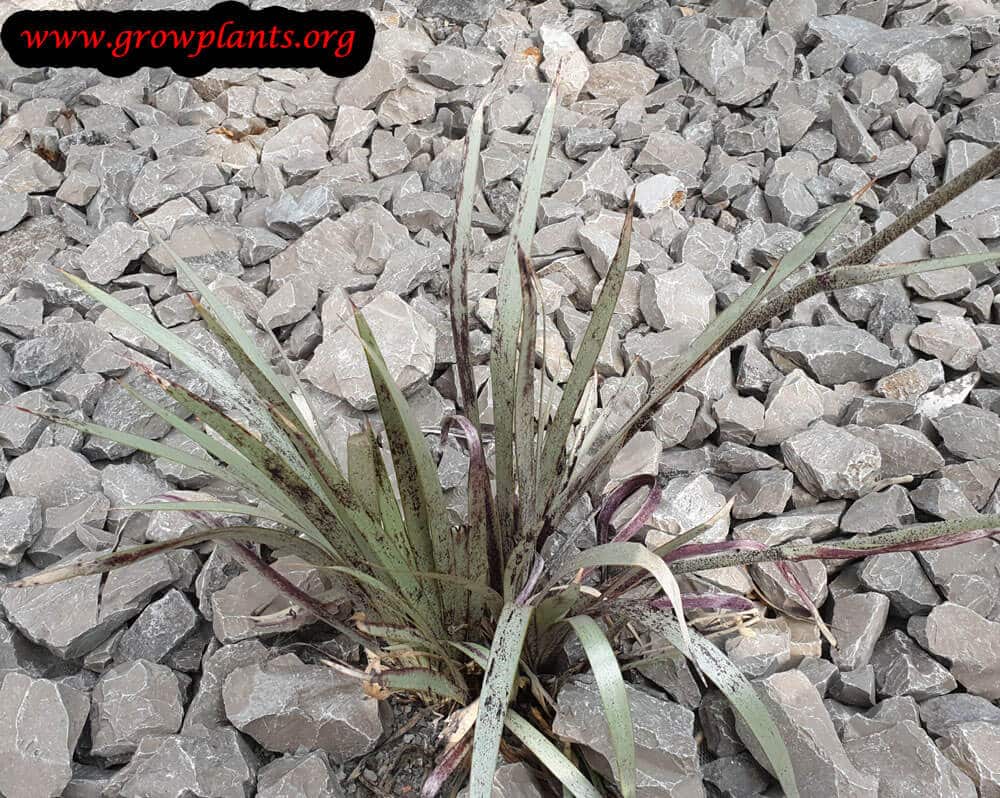
- Leaves & Foliage: Green, linear strap-like leaves, sometimes velvety and hairy.
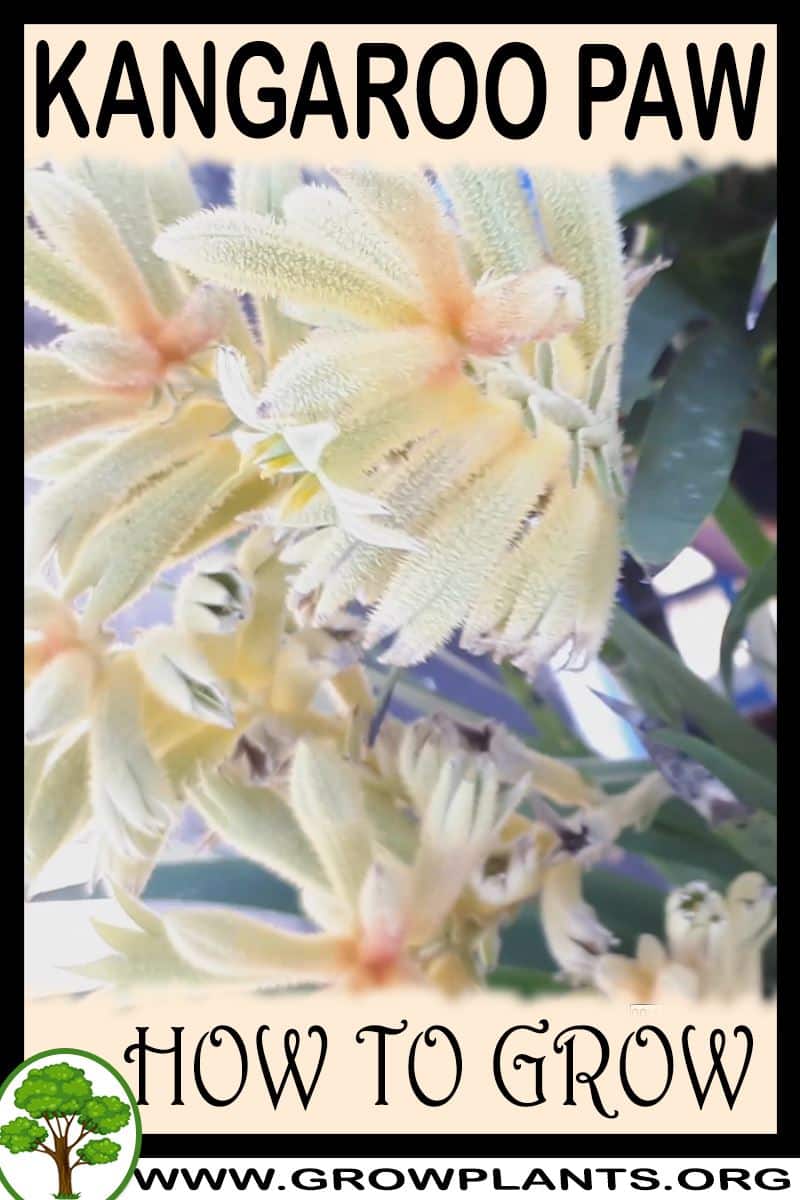
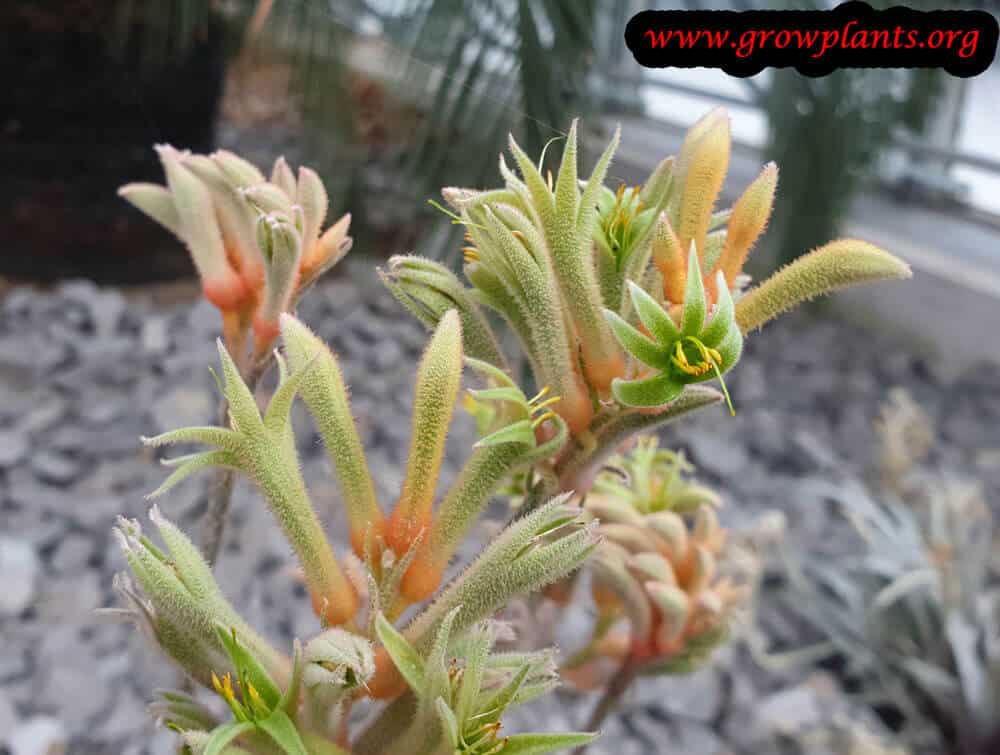
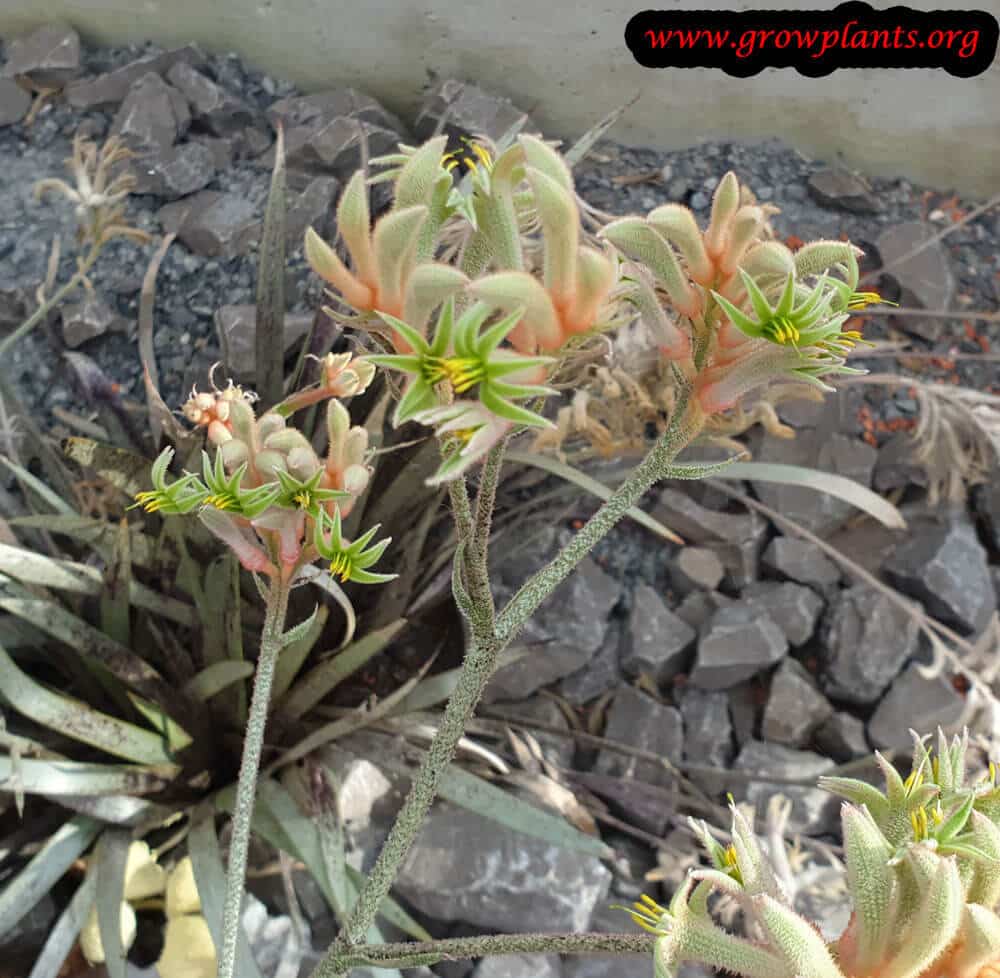
- Flower Characteristics: Tubular, velvety flowers opening into a star at the tip, in red, orange, yellow, green, purple, pink, black or mixes (see the Bloom accordion).
Primary Uses & Landscape Value
- Functional & Ornamental Roles: Drought-tolerant ornamental for sunny borders and containers; a popular, long-lasting cut flower for bouquets.
Care Guide: Planting, Soil & Watering
Overview: Kangaroo paw is a sun-loving Australian native that demands sandy, sharply drained, slightly acidic soil. It needs only low to moderate water and rots quickly if kept wet.
Quick Care Requirements
| Requirement | Ideal Condition |
|---|---|
| Planting Season | Spring in zone 9; spring–summer in 10a; spring–autumn in 10b–11; year-round in zone 12 (avoid planting in peak summer heat) |
| Growth Rate | Moderate to Fast |
| Soil Type | Sandy, very free-draining |
| Soil pH | Slightly acidic |
| Water Need | Low to Moderate (excellent drainage essential; do not overwater) |
Planting & Establishment
- Best Planting Season: Spring in zone 9; spring–summer in 10a; spring–autumn in 10b–11; year-round in zone 12 (avoid planting in peak summer heat)
- How to Plant:
- Hole Preparation: Dig a hole slightly wider than the root ball on an open, sunny, freely draining site.
- Soil Amendments: Mix in coarse sand or grit to open up the soil; a raised bed helps where rainfall is heavy.
- Planting Depth: Set the root collar at soil level and keep the crown clear of mulch and standing water.
- Growth Speed & Expectations: Moderate to fast in warm weather, forming clumps of strappy leaves and tall flower stems.
Soil, Watering & Drainage Care
- Soil Mix & Drainage Needs: Sandy, well-aerated soil with excellent drainage; consider a sandy mix in pots and never use a drip tray that keeps the base wet.
- Watering Schedule & Technique:
- Young / Newly Planted: Water regularly but in small amounts until established – keep it lightly moist without overwatering.
- Established: Low to moderate water; it dislikes a lot of water, so let the soil dry and water deeply but infrequently.
- Seasonal Adjustments: Cut back sharply in winter to avoid rot; a little more through summer keeps it evergreen.
Climate, Light & Hardiness
Kangaroo paw (Anigozanthos) is a drought-tolerant, sun-loving perennial for subtropical, Mediterranean, desert, and temperate climates, or as a houseplant; it is reliably hardy in zone 10–12 and possible in zone 9 with dedicated overwinter care.
Quick Climate Specifications
| Climate Zones | Subtropical, Mediterranean, desert, temperate, or indoor as houseplant |
|---|---|
| USDA Hardiness Zones | 10–12; possible in zone 9 with overwinter care |
| Frost Tolerance | Low |
| Light Conditions | Full Sun, Half Shade, or Full Shade with light |
Sunlight & Light Exposure
Optimal Light Setup
Full sun gives the best flowering and most compact growth.
Temperature Extremes & Hardiness
USDA Hardiness & Regional Limits
Reliable outdoors from zone 10 up; zone 9 growers need to actively protect the rhizome over winter. The plant's own guidance against planting in hot summer also shows heat stress at establishment is a real risk alongside winter cold.
Cold Damage & Winter Protection
Frost tender, especially combined with wet winter soil, which is why the plant's own care notes recommend raised beds or containers in high-rainfall winters - to keep the rhizome from sitting in cold, wet ground.
Frost Sensitivity
Low tolerance; hard freezes are likely to kill topgrowth and can damage the rhizome.
Extreme Heat Tolerance
Very good given regular moisture; it is a heat- and drought-adapted Australian native.
Wind, Humidity & Microclimate
Rainfall & Seasonal Moisture
Adapted to a dry-summer climate pattern; the plant's own notes warn that too much winter rain combined with cold is a bigger risk than cold alone, so winter drainage matters as much as winter temperature.
Dry-Air Tolerance
Good, being a drought-tolerant Australian native.
Growing in Pots, Balconies & Indoors
Kangaroo paw sends up velvety, claw-shaped flowers on tall stems above strappy fans of foliage. The grower rates it both as a houseplant and for containers – the key is bright light, sharp drainage and never overwatering.
Quick Details
- Container Size: 10-20 L (2.5-5 gal), per the grower – start about 20% bigger than the root ball and pot up
- Indoor Suitability: Suitable indoors (grower) with plenty of light and good airflow; a striking pot plant
- Best Spot: Full sun to partial shade; a bright spot with some direct sun is ideal.
- Soil & Drainage: Free-draining, rather lean mix (potting mix or sandy mix with added perlite); avoid heavy, water-holding soil.
- Watering in Pots: Let the top few centimetres of mix dry between waterings; pots drain fast, so check often, but never leave it waterlogged.
Indoors & On the Windowsill
- A real houseplant: The grower confirms it grows indoors, provided you give it plenty of light and a well-ventilated spot; a sunny, airy window is ideal. Poor light means few or no flowers.
- Watering care: The grower stresses it needs excellent drainage and dislikes a lot of water – overwatering will kill it, so let the mix dry out somewhat between drinks.
- Overwintering: In cold climates it is easily kept as a potted plant that moves to a bright, frost-free room for winter.
On a Balcony or Patio
- Light & exposure: Full sun to part shade and good airflow suit it best; the tall flower stems can catch wind, so shelter or lightly stake them on an exposed balcony.
- Drainage first: On a hot balcony the sharp-draining mix dries quickly, but resist the urge to overwater – soggy roots are the main killer.
Choosing the Pot, Soil & Long-Term Care
- Pot & drainage: A 10-20 L (2.5-5 gal) pot per the grower, with plenty of drainage holes; skip a standing-water saucer – this plant reacts badly to wet feet.
- Potting mix: A free-draining mix; add extra perlite or grit so water moves through quickly.
- Feeding: Feed lightly through the growing season; it is adapted to lean soils, so don’t overfeed.
- Repotting: Every few years refresh the mix; in a large container the grower advises replacing only part of the soil and trimming some of the root ball rather than a full repot.
Grower’s Container Tip
- Grower’s potting-up method: Don’t start it in a big container. Begin in a pot only about 20% larger than the root ball and step it up gradually until it reaches the size you want – starting too large holds excess wet soil around the roots and risks rot.
Fertilizing & Feeding
A light feeder: this Australian native rewards a gentle, low-phosphorus, balanced approach far more than heavy feeding, and feeding is best held back during its cooler, wetter rest period.
Quick Fertilizing Specs
| Feeding Level | Light feeder |
|---|---|
| Main Nutrient Priority | A low-phosphorus, balanced feeding approach suited to Australian native plants |
| Best Feeding Period | Spring into summer as the strappy foliage and flower spikes actively grow |
| Organic Options | A light top-dressing of compost in well-drained soil |
| Reduce/Stop Feeding | Feeding is best held back during the cooler, wetter rest period |
| Micronutrients | Usually met by a complete, native-plant-suited fertilizer; correct only diagnosed issues |
| Soil pH | Prefers slightly acidic, well-drained soil |
Feeding by Growth Stage
Spring foliage and spike growth
Support fresh strappy foliage and the rise of flower spikes as the rhizome resumes active growth.
| Nutrient direction | A gentle, balanced feeding low in phosphorus suits this phosphorus-sensitive native plant far better than a rich, high-phosphorus product. |
|---|---|
| Timing | Spring as active growth resumes. |
| Frequency | A light feeding at the start of active growth is usually enough. |
| Fertilizer types | A low-phosphorus fertilizer formulated for Australian native plants, A light, balanced complete fertilizer at a gentle rate |
| Precautions | Keep nitrogen modest too; soft, lush growth is more prone to fungal problems in this species. |
Flower spike bloom
Support the tall, fuzzy flower spikes prized for garden display and cut-flower use.
| Nutrient direction | Continue with a gentle, low-phosphorus, balanced approach rather than a high-phosphorus “bloom booster.” |
|---|---|
| Timing | Through the extended summer bloom season. |
| Frequency | An occasional light feeding sustains the bloom display. |
| Fertilizer types | A low-phosphorus fertilizer formulated for Australian native plants |
| Precautions | Avoid rich, high-phosphorus products; this native plant is sensitive to excess phosphorus. |
Cool, wetter-season rest
Let the rhizome rest through cooler, wetter weather when it is most vulnerable to rot.
| Nutrient direction | None – withhold fertilizer while growth is slow and the risk of overwatering-related rot is highest. |
|---|---|
| Timing | Cooler months, or indoors during low-light rest. |
| Frequency | No feeding during this rest period. |
| Fertilizer types | No feeding at this stage; do not fertilize until active growth resumes in spring. |
| Precautions | Withhold fertilizer now and keep water on the light side; this plant’s rhizome does not tolerate wet, cold soil. |
Nutrient Deficiency Signs & Corrections
Leaf tips or margins blacken or scorch and new growth is stunted despite otherwise good care.
| Possible causes | a high-phosphorus fertilizer applied to a phosphorus-sensitive native plant, fertilizer salt buildup from over-feeding, a general-purpose fertilizer not suited to native plants |
|---|---|
| Appears first on | newest leaf tips |
| What to check | phosphorus content of any recent fertilizer, how often feeding has occurred, salt buildup in the soil or container |
| Possible correction | Switch to a low-phosphorus fertilizer formulated for native plants, flush the root zone, and reduce feeding frequency. |
Foliage pales overall and flower spike production is weak.
| Possible causes | low available soil nitrogen, nitrogen leaching from watering or rain, thin, low-organic-matter soil |
|---|---|
| Appears first on | older leaves |
| What to check | recent feeding history, soil organic matter, watering and drainage |
| Possible correction | Apply a light, balanced, low-phosphorus fertilizer during active spring and summer growth. |
Leaves yellow or the plant wilts despite the soil staying consistently moist.
| Possible causes | overwatering in poorly drained soil, root or rhizome rot from waterlogged conditions, heavy, compacted soil that holds too much water |
|---|---|
| Appears first on | whole plant, with lower leaves yellowing first |
| What to check | soil drainage, recent watering frequency, root and rhizome condition when checked |
| Possible correction | Improve drainage, let the soil dry between waterings, and avoid feeding a stressed, waterlogged root system until it recovers. |
Pruning, Training & Seasonal Maintenance
Kangaroo paw (Anigozanthos) is a clumping, rhizomatous perennial grown for its tall, bird-claw-shaped flower spikes; it carries no permanent woody framework, so there is no structural pruning in the shrub or tree sense. The plant needs only one significant grooming session a year, ideally after flowering finishes: cutting out spent flower stalks and old or damaged leaves at the base. This is as much about disease prevention as tidiness, since the genus is well known for fungal leaf/ink-spot problems that build up in old, humid foliage.
Quick Pruning & Maintenance Specs
| Pruning Tolerance | Moderate (base foliage cuts, not woody structure) |
| Primary Pruning Window | After flowering finishes (summer) |
| Typical Frequency | About once a year |
| Main Objective | Remove spent flower stalks; sanitary removal of old/diseased leaves |
| Young Plant Priority | None — let newly planted or divided clumps establish undisturbed |
| Mature Plant Priority | Annual post-bloom cutback of stalks and old leaves; periodic clump division |
| Best Tool Type | Precision snips / bypass secateurs |
| Avoid Heavy Pruning During | Active flowering, and cold/wet winter conditions |
Pruning by Plant Age & Size
Newly Established
No cutting back — let new plants or divisions root in and settle.
Young / Formative
No formal training applies to this clumping perennial; simply remove any damaged leaves as they appear.
Mature / Established
Once a year, after the flowering flush ends, cut spent flower stalks down to the base and remove old, yellowing, or diseased leaves; congested older clumps also benefit from being lifted and divided every few years, which is a form of renewal distinct from top-growth cutting.
Special Growth to Remove
Spent flower stems (cut to the base once finished) and dead or old leaves at the crown — removing the latter promptly is important sanitation, since decaying leaf litter is where fungal leaf disease tends to build up in this genus.
Container & Small-Space Pruning
Grows well in pots and indoors given enough light and airflow; the same annual stalk/leaf cleanup applies, and when repotting every couple of years, trimming back part of the root mass alongside the top growth helps keep the plant in scale with its container.
Tools
Precision snips or bypass secateurs for cutting flower stalks and old leaves at the base — no loppers or saw are needed for this soft, herbaceous growth.
Tool Hygiene & Disease Risk
Increased — kangaroo paws are well documented as prone to fungal leaf/ink-spot disease, particularly where foliage stays wet or humid. Disinfect blades between plants, and especially after cutting any leaves showing dark spotting, to avoid spreading infection through the planting.
Cut Placement & Technique
Cut spent flower stalks close to the base rather than leaving tall bare stubs; remove old leaves at the point where they meet the crown.
Heavy Pruning & Rejuvenation
There is no woody rejuvenation cut for this species; the equivalent renewal practice is lifting and dividing an overcrowded rhizome clump every few years rather than cutting back top growth hard.
Post-Pruning Care
Water carefully afterward — the plant does not tolerate overwatering and is prone to rot, especially in cool, wet conditions, so avoid heavy watering right after a cutback in cooler months.
Common Pruning Mistakes
Leaving old, spent flower stalks and dead leaves in place, which invites fungal leaf disease and looks untidy; overwatering after cutting back, increasing crown/rhizome rot risk; cutting into the crown itself rather than stopping at the base of old growth.
When NOT to Prune
Avoid cutting during active flowering if the display is wanted, and avoid heavy grooming during cold, wet winter conditions when rot risk is higher.
Recommended Tools (by task)
- precision_snips – cutting spent flower stalks and trimming old leaves at the base.
- blade_disinfectant – between plants and after removing any diseased/spotted foliage, given the genus’s documented susceptibility to leaf fungal disease.
Propagation Guide
Kangaroo paw is most easily propagated by dividing the rhizomatous clump, which this site notes is much easier than growing from seed and is also the only way to keep a named hybrid cultivar’s flower colour true, since many garden Kangaroo Paw cultivars are hybrids that do not come true from seed. Seed raising works well for the straight species and for breeding but takes longer to reach a flowering-size plant. Overall the plant is easy to propagate by division.
Quick Propagation Specs
| Best Propagation Method | Rhizome division |
| Alternative Methods | Seed |
| Propagation Difficulty | Easy (division); Moderate (seed) |
| Seed True-to-Type | Usually true-to-type for species types; cultivar-dependent for named hybrids |
| Vegetative True-to-Type | Yes |
| Best Propagation Season | Spring is generally best; avoid dividing or sowing in hot summer, when the plant may struggle or die back |
| Seed Germination Time | 3–5 weeks |
| Seed Sowing Depth | 0.5–1cm (0.25–0.5in) |
Warm conditions suit germination best.
Growing from Seed
Seed Handling & Viability
Store seed dry and dark at room temperature until sowing.
Sowing Season
Spring to summer; in hardiness zones 11–12 sowing is possible year-round but establishes best in spring.
Sowing Depth & Orientation
Sow at 0.5–1cm (0.25–0.5in) deep, spacing plants roughly 30x40cm (12x16in) apart, in a lightly moist, well-drained soil (a sandy mix blended with potting mix suits it well).
Germination Conditions
Keep the soil lightly moist in a sunny position.
Germination Time
3–5 weeks.
Seedling Care
Grow on in a sunny spot, watering regularly but lightly until the seedlings are established – avoid overwatering, as this plant does not tolerate wet, waterlogged conditions.
Rhizomes, Tubers, Bulbs & Corms
Rhizome Division
Lift the clump and divide the rhizome into sections, each with roots and at least one healthy fan of leaves/growing point attached. Division is described on this site as much easier than growing from seed. Time it for spring where possible, and avoid dividing during hot summer weather, when the plant may not establish well and can even die back. Water divisions in moderately as they establish, but avoid overwatering – kangaroo paw is sensitive to wet soil and can die from excess water.
Bloom & Flower Guide
Quick Details
- Bloom Season: Spring through autumn
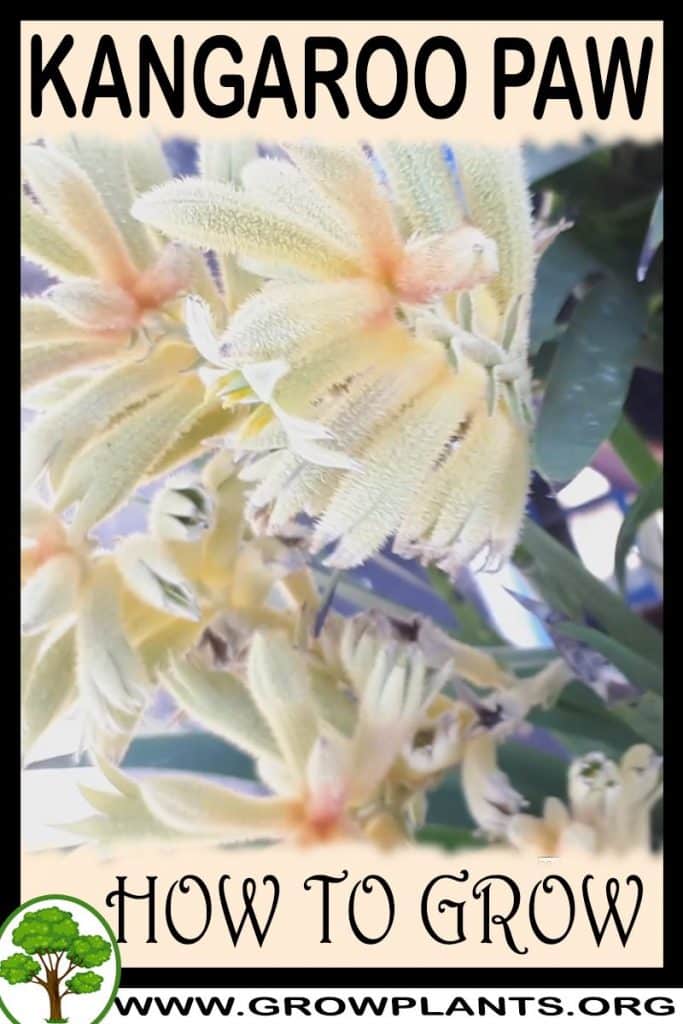
- Flower Appearance: Fuzzy, velvety tubular flowers opening into a paw-like claw of lobes
- Edibility: Ornamental – a superb cut flower, not eaten
Detailed Blooming Overview
Kangaroo paw earns its name from its curious flowers: cone-shaped tubes that split open at the tip into a spread of lobes, the whole cluster coated in fine velvety hairs. Blooming from spring well into autumn, it is one of the most striking and long-lasting cut flowers you can grow, provided it gets sharp drainage and plenty of sun.
Flower Characteristics
- Colours range widely – red, orange, yellow, green, purple, pink, near-black, or blends.
- The soft, hairy texture and claw-like open form give each flower its distinctive kangaroo-paw shape.
Bloom Care & Thinning
- After flowering: Cut back spent bloom stems and tired leaves in summer to keep the clump vigorous and encourage the next flush.
- Pollination: In its native Australia the nectar-rich flowers are pollinated by nectar-feeding birds.
- Light and drainage: Full sun and very well-drained soil produce the best flowering; avoid overwatering, which quickly harms the plant.
Pests, Diseases & Troubleshooting
Overview: Kangaroo paw is a striking Australian native whose defining problem is ink spot disease (Alternaria alternata), which streaks the strap leaves black in cool, humid weather; snails chewing the flower stalks and aphids on the buds are its main pests. It also collapses readily to root and crown rot in wet, heavy soil. Choosing ink-spot-resistant cultivars (often A. flavidus hybrids) greatly reduces trouble. The core of management is sharp drainage, full sun, dry foliage and an annual hard cut-back rather than chemicals.
Quick Troubleshooting Overview
| Issue / Pest | Main Symptom | Primary Solution |
|---|---|---|
| Ink spot disease | Black ink-like streaks along leaves | Remove leaves, keep dry, hard cut-back, resistant types |
| Snails & slugs | Chewed flower stalks and leaf fans | Iron-phosphate bait, hand-pick, copper barrier |
| Aphids | Sticky, distorted flower stalks | Hose off, beneficials, soap if needed |
| Root & crown rot | Wilting fans, black mushy crown | Sharp drainage, water sparingly |
| Chlorosis | Yellowing between veins | Low-phosphorus feed, chelated iron |
Common Pests & Management
- Snails & slugs (Gastropoda):
- Symptoms: Ragged holes chewed in the fans of young leaves and, notably, in the emerging flower stalks and buds; silvery slime trails betray them, and they can spoil the prized paw flowers overnight.
- Prevention & Control: Hand-pick after dark, remove damp hiding places and mulch away from crowns, set beer traps or copper barriers, and use low-toxicity iron-phosphate bait around emerging flower spikes.
- Aphids (Aphidoidea):
- Symptoms: Clusters of soft green or black insects on the tender flower stalks and buds, causing sticky honeydew, sooty mould and distorted, poorly opening flowers.
- Prevention & Control: Hose them off the stalks, encourage ladybirds and hoverflies, and avoid excess feeding; insecticidal soap or light horticultural oil clears heavy colonies without harming the flowers if applied carefully.
- Mealybugs & scale (Pseudococcidae / Coccidae):
- Symptoms: White cottony tufts (mealybugs) or limpet-like brown bumps (scale) in leaf axils and along stalks, with honeydew and sooty mould; more common on container or greenhouse plants.
- Prevention & Control: Wipe off with a damp cloth or a cotton bud dipped in dilute alcohol, encourage lacewings and ladybirds, and treat persistent infestations with horticultural oil.
Diseases & Fungal Issues
- Ink spot disease (Alternaria alternata):
- Symptoms: The signature kangaroo-paw disease: black or purple-black streaks and blotches spreading along the strap leaves, often from the tips down, that look as if ink has been spilled; badly affected foliage dies back. It is worst in cool, wet, humid weather and on stressed plants.
- Treatment & Management: Cut off and destroy affected leaves at the first sign, keep foliage dry by watering at the base, and give full sun with strong airflow. Remove old and dead leaves each year and, for the toughest cases, cut the whole plant back hard to ground level to force clean new growth. Choose resistant, vigorous cultivars (the tall A. flavidus types are markedly more resistant); copper fungicide gives some protection under heavy pressure.
- Root & crown rot (Phytophthora / Pythium spp.):
- Symptoms: Sudden wilting and yellowing of fans, blackened crown and mushy roots, particularly in heavy, poorly drained or overwatered soil; often fatal once established.
- Treatment & Management: Plant in very free-draining, sandy soil or raised beds, water sparingly and never let the crown sit wet, and avoid summer overwatering. Remove and destroy collapsed clumps and do not replant into the same wet spot.
- Leaf rust / fungal leaf spot (fungal (various)):
- Symptoms: Occasional reddish-brown pustules or spots on leaves in humid conditions, secondary to the dominant ink spot problem.
- Treatment & Management: Improve airflow and remove affected leaves; the annual hard cut-back that controls ink spot also clears most leaf-spot inoculum.
Growing Difficulties & Abiotic Problems
- Root rot from wet, heavy soil:
- Cause & Symptoms: Kangaroo paws demand sharp drainage; waterlogged or clay soil suffocates roots and triggers collapse.
- Correction Strategy: Grow in gritty, free-draining soil or raised beds and containers, water deeply but infrequently, and avoid winter wet.
- Iron & phosphorus sensitivity / chlorosis:
- Cause & Symptoms: As a plant of low-phosphorus soils, it can yellow (chlorosis) with unsuitable feeding or in poor soils.
- Correction Strategy: Use a low-phosphorus, native-type fertiliser sparingly; correct iron chlorosis with chelated iron if leaves yellow between green veins.
- Frost & cold damage:
- Cause & Symptoms: The showy hybrids are frost-tender; cold blackens foliage and can kill crowns.
- Correction Strategy: In cold areas grow in containers to move under cover, or choose the hardier tall A. flavidus types and mulch crowns.
- Post-flowering decline:
- Cause & Symptoms: Flower stalks die back after blooming and old fans brown, looking untidy and harbouring disease.
- Correction Strategy: Cut spent flower stems and old foliage right down; a hard annual cut-back rejuvenates the clump and reduces ink spot.
What Helps — Products & Tools
The most useful tools are sharp drainage, good airflow, and secateurs for the annual hard cut-back that controls ink spot. Where products are warranted, appropriate types are iron-phosphate slug bait around flower spikes, insecticidal soap or horticultural oil for aphids and mealybugs, chelated iron for chlorosis, and copper fungicide for heavy ink-spot or leaf-spot pressure. Use a low-phosphorus native fertiliser rather than standard high-phosphate feeds.