

Plant Profile & Key Characteristics
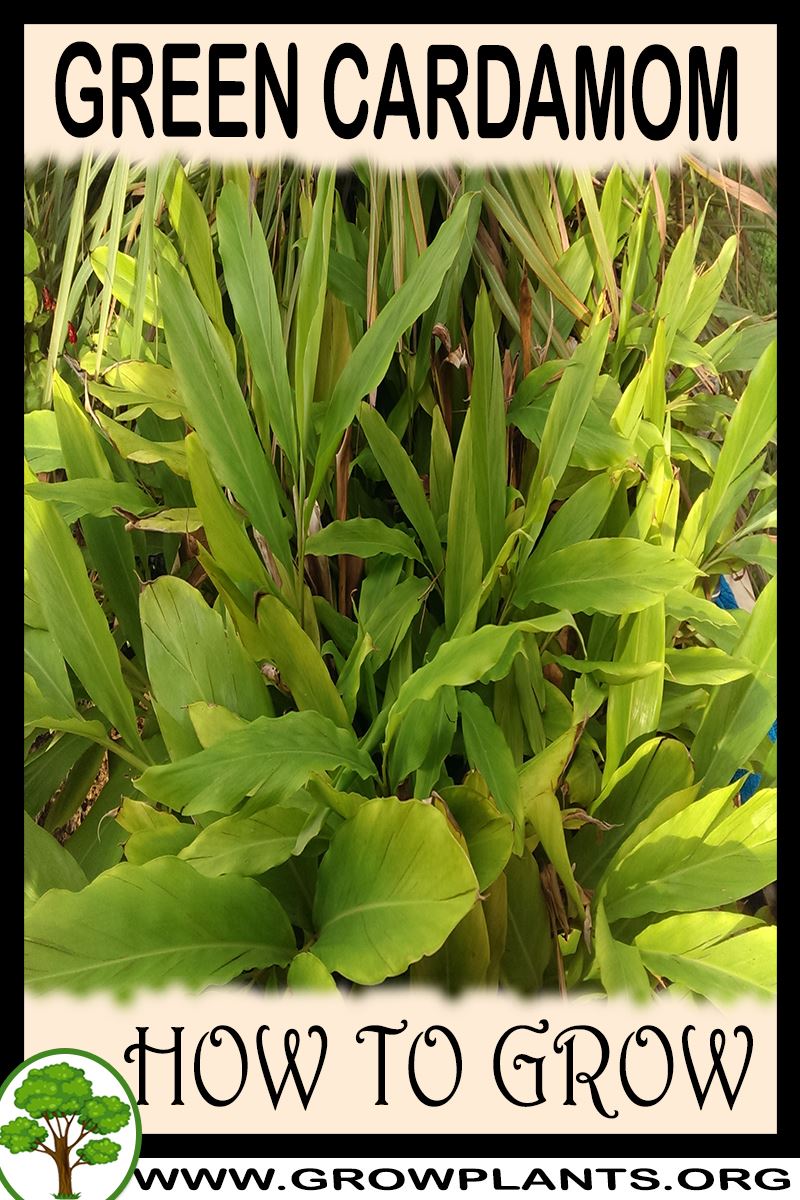
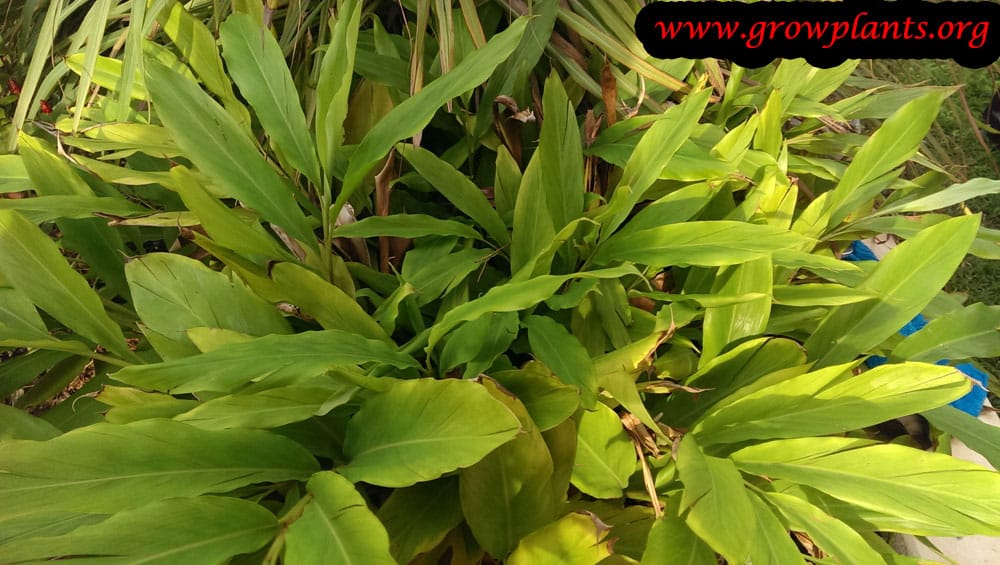
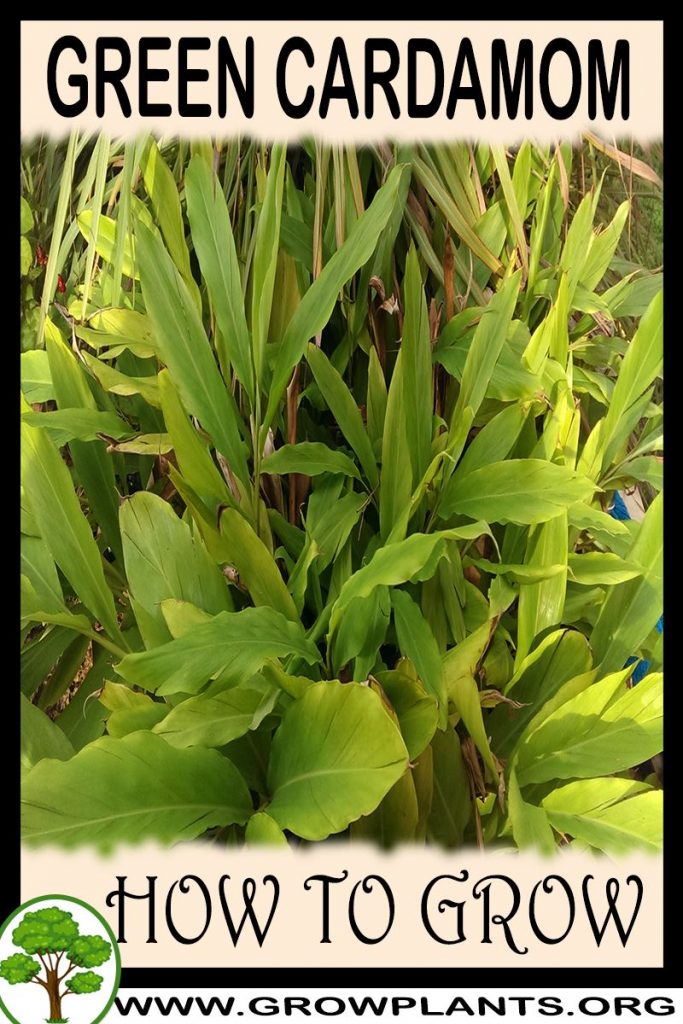
Overview: Green cardamom is a clump-forming tropical herbaceous perennial reaching 2-4 m (80-160 in) tall, grown for its intensely aromatic edible seed pods. It is evergreen and fragrant, thriving in shade under warm, moist, frost-free conditions.
Quick Specifications
| Specification | Attribute |
|---|---|
| Plant Type / Life Cycle | Herbaceous perennial |
| Foliage Type | Evergreen |
| Mature Size | 2-4 m (80-160 in) tall |
| Growth Rate | Moderate |
| Root System | Rhizomatous |
| Toxicity | Non-toxic / edible spice |
| Hardiness | USDA zone 10+ |
Growth Form & Structure
- Height & Spread: Reed-like leafy stems reach 2-4 m (80-160 in) in the ground; readily kept smaller in pots and can be grown indoors.
- Growth Habit & Form: Clumping herbaceous plant with tall leafy pseudostems arising from a spreading underground rhizome.
- Lifespan & Maturity: Long-lived perennial; plants take roughly 1-2 years to begin bearing seed pods.
Anatomy & Physical Features
- Leaves & Foliage: Long linear, lance-shaped green leaves along the stems; aromatic and edible.
- Flower Characteristics: Small white flowers marked with red-pink, borne on separate low stems from the base (full detail in the Bloom guide).
- Fruit Profile: Small green pods carrying the highly aromatic seeds that are the prized spice (full detail in the Fruit guide).
Primary Uses & Landscape Value
- Edible Uses: Seeds are a major culinary spice for beverages and cooking; the aromatic leaves are also used as a herb and in cooked dishes and drinks.
- Functional & Ornamental Roles: Grown as an aromatic spice crop and as a lush foliage plant for shaded tropical gardens, containers and interiors.
Care Guide: Planting, Soil & Watering
Overview: Green cardamom is a tropical understorey herb that grows best in shade with warm, frost-free, humid conditions and rich, constantly moist soil. It needs shelter from wind and a thick mulch to keep its roots cool and damp.
Quick Care Requirements
| Requirement | Ideal Condition |
|---|---|
| Planting Season | Year-round in warm, frost-free climates |
| Growth Rate | Moderate |
| Soil Type | Rich, moist, well-draining soil high in organic matter, mulched |
| Water Need | Moderate to High — keep consistently moist |
Planting & Establishment
- Best Planting Season: In frost-free tropical and subtropical climates it can be planted year-round, in a sheltered, shaded spot.
- How to Plant:
- Hole Preparation: Dig a hole a little larger than the root ball in a sheltered, shaded position protected from wind.
- Soil Amendments: Work in plenty of compost or organic matter and mulch well; it wants rich, moisture-retentive soil.
- Planting Depth: Set the rhizome and crown at soil level and mulch over the roots without burying the stems.
- Growth Speed & Expectations: Moderate; plants can reach about 2–4 m over time.
Soil, Watering & Drainage Care
- Soil Mix & Drainage Needs: Rich, humus-heavy soil that stays moist but still drains; a thick mulch keeps the roots cool and damp.
- Watering Schedule & Technique:
- Young / Newly Planted: Keep the soil consistently moist while establishing; never let it dry out.
- Established: Water regularly and generously to maintain constant moisture and humidity.
- Seasonal Adjustments: Water more in hot, dry weather; reduce slightly in cooler months but never let the soil dry fully.
Climate, Light & Hardiness
Green cardamom is a true tropical understory plant, thriving in warm, humid, frost-free climates with consistent shade. It needs deep shade rather than direct sun, and cold or dry winds quickly damage the foliage.
Quick Climate Specifications
| Climate Zones | Tropical, subtropical, Mediterranean (warm, humid) |
|---|---|
| USDA Hardiness Zones | 10+ |
| Cold Damage Begins | approximately below 10°C (50°F), growth slows and leaf tips can brown |
| Approx. Survival Minimum | Frost of any kind is generally fatal to this tropical species |
| Frost Tolerance | None |
| Light Conditions | Full shade / dappled shade |
| Wind Tolerance | Low |
Sunlight & Light Exposure
Optimal Light Setup
Grows best in full or dappled shade, mimicking its native tropical forest floor. Direct sun scorches the leaves.
Shade & Heat Management
Keep in consistent shade year-round; a shaded, humid microclimate (or bright but sun-free indoor spot) is ideal.
Best Exposure / Orientation
Site under taller trees, a shaded patio, or an interior spot with bright indirect light rather than a sunny window.
Temperature Extremes & Hardiness
USDA Hardiness & Regional Limits
Reliable for outdoor, year-round growth only in USDA zone 10 and warmer, truly frost-free climates.
Cold Damage & Winter Protection
Chilly conditions below roughly 10°C (50°F) slow growth and stress the plant; move container specimens indoors or to a heated greenhouse before cold weather arrives.
Frost Sensitivity
Frost sensitive – foliage and stems are damaged or killed by even light frost, so outdoor culture outside zone 10+ requires container growing with winter protection.
Extreme Heat Tolerance
Handles tropical heat well provided humidity and shade are maintained, which keeps the root zone and foliage from overheating.
Wind, Humidity & Microclimate
Humidity Preferences
Prefers consistently high humidity, in keeping with its native tropical understory habitat.
Wind Tolerance
Sensitive to wind; exposed, breezy sites can tatter and dry out the foliage.
Microclimate Recommendations
Choose a sheltered, shaded, humid spot – a courtyard, greenhouse, or understory planting – protected from both direct sun and drying wind.
Growing in Pots, Balconies & Indoors
Green cardamom (Elettaria cardamomum) is a shade-loving, clumping tropical that the grower says can be grown indoors. It does get large (2-4 m / 80-160 in in ideal conditions), so treat it as a big, humidity-loving foliage plant for a bright, shaded room or conservatory rather than a small windowsill subject.
Quick Details
- Container Size: A large, roomy pot to support its size and moisture needs; pot up as it grows
- Indoor Suitability: Can be grown indoors – a shade-tolerant foliage plant that needs space and humidity
- Best Spot: Full to bright shade, out of direct sun; warm and draught-free
- Soil & Drainage: Rich, organic, moisture-retentive but free-draining mix
- Watering in Pots: Keep consistently moist – average to generous; it dislikes drying out
Indoors & On the Windowsill
- Grown indoors: The grower confirms indoor culture is possible. It thrives in the shade and warmth of a room but needs high humidity – mist regularly or stand it on a wet-pebble tray, and keep it away from dry heating and cooling drafts.
- Size to expect: It can become tall and wide, so give it floor space and a large pot; indoors and in containers it usually stays smaller than its outdoor maximum.
- Sensitive to wind: Its foliage tears in strong drafts, so an indoor or sheltered position actually suits it well.
On a Balcony or Patio
- Light & shelter: A warm, shaded, wind-sheltered corner is ideal – direct sun scorches the leaves and wind shreds them. Keep it well watered as pots dry fast.
- Overwintering: It is tender, so in cool climates bring the pot indoors to a warm, humid, bright-shade spot before cold weather.
Choosing the Pot, Soil & Long-Term Care
- Pot & drainage: A large pot with strong drainage holes; glazed or plastic holds moisture, which suits its love of steady dampness. Do not leave it standing in water.
- Potting mix: Rich and organic yet free-draining – an aerated mix with plenty of humus, and a mulch to hold moisture.
- Feeding: A hungry, leafy plant – feed regularly through the warm growing season, as potted plants leach nutrients faster.
- Repotting: Pot up as the clump fills the container; divide congested clumps every few years to refresh the plant and the mix.
Growing this plant in a greenhouse
A greenhouse can give green cardamom frost protection, cold protection, humidity control and extra warmth.
Greenhouse at a glance
| Greenhouse suitability | Conditional - depends on your climate |
|---|---|
| Main benefits | frost protection, cold protection, humidity control, extra warmth |
| Season extension | earlier spring & later autumn |
| Outdoor protection advisable below | about 10°C |
| Maintain greenhouse minimum | around 10°C for active growth |
| Suitable types | heated greenhouse, polycarbonate greenhouse |
| Heating | Heating is recommended in cold climates for continuous growth. |
Related greenhouse guides
- Greenhouses: How to Choose the Right Greenhouse
- Best Greenhouse Heaters
- Greenhouse Climate Control: Temperature, Ventilation and Humidity
- Polycarbonate Greenhouses: What to Look for Before Buying
Fertilizing & Feeding
A moderate feeder: this rhizomatous tropical spice plant grows in rich, consistently moist, mulched soil and benefits from steady feeding through its long active growing season to support both leaf and pod production.
Quick Fertilizing Specs
| Feeding Level | Moderate feeder |
|---|---|
| Main Nutrient Priority | Balanced feeding with adequate nitrogen for leafy growth, shifting toward potassium as flowering stems and pods develop |
| Best Feeding Period | Through the long, warm active growing season |
| Organic Options | Compost, well-rotted manure, and a mulch layer to keep the rich soil consistently moist |
| Reduce/Stop Feeding | Ease off feeding during any cooler or drier spell when growth slows |
| Micronutrients | Rich, mulched soil usually supplies enough; correct only a diagnosed deficiency |
| Soil pH | Prefers rich, moisture-retentive, well-drained soil |
Feeding by Growth Stage
Establishment
Help a newly planted rhizome or division root into rich soil before it is pushed toward heavy growth.
| Nutrient direction | A balanced feeding at planting settles the rhizome in without overwhelming its developing roots. |
|---|---|
| Timing | At planting and through the first stretch of new growth. |
| Frequency | A light feeding at planting is enough while the rhizome establishes. |
| Fertilizer types | Compost or well-rotted manure worked into the planting hole, A diluted balanced fertilizer once new growth appears |
| Precautions | Keep newly planted rhizomes shielded from drying wind and avoid heavy feeding before roots are established. |
Active leaf and stem growth
Fuel the tall, leafy growth and flowering stems that emerge from the base of the plant.
| Nutrient direction | A nitrogen-forward balanced fertilizer supports lush, edible leaf growth and vigorous stems through the growing season. |
|---|---|
| Timing | Through the warm, humid active growing season. |
| Frequency | Steady, moderate feeding through the growing season keeps this leafy tropical herb productive. |
| Fertilizer types | A balanced complete fertilizer, Compost or well-rotted manure worked in as a top-dressing, A mulch layer to hold moisture and feed the soil as it breaks down |
| Precautions | Keep the soil evenly moist when feeding – this plant does not tolerate drying out, and fertilizer applied to dry soil can scorch roots. |
Flowering and seed pod development
Support the flower stems at the base of the plant and the pods that follow, which hold the edible seeds.
| Nutrient direction | Shift toward a more potassium-forward balanced feeding as flowering and pod set begin, to support strong pods rather than only leafy growth. |
|---|---|
| Timing | As flower stems form at the base of the plant and through pod development. |
| Frequency | Continue the season’s regular feeding, favoring potassium as pods develop. |
| Fertilizer types | A balanced or potassium-leaning complete fertilizer, Compost or well-rotted manure worked in as a top-dressing |
| Precautions | Avoid excess nitrogen late in this stage, which can push leafy growth at the expense of flowering and pod set. |
Nutrient Deficiency Signs & Corrections
Older leaves fade to pale green or yellow and overall stem and leaf growth slows.
| Possible causes | low available soil nitrogen, nutrient loss from the plant’s frequent, heavy watering, thin soil low in organic matter |
|---|---|
| Appears first on | older, lower leaves |
| What to check | recent feeding history, soil organic matter and mulch condition, watering and drainage |
| Possible correction | Apply a balanced fertilizer and renew the mulch and organic matter around the base of the plant. |
Leaf margins scorch or yellow and flowering stems or pod set are weak despite otherwise healthy foliage.
| Possible causes | low soil potassium, heavy nitrogen feeding crowding out potassium uptake, leaching from the plant’s frequent watering needs |
|---|---|
| Appears first on | older leaf margins |
| What to check | recent fertilizer balance, pod and flower stem development compared to prior seasons, soil drainage and leaching |
| Possible correction | Shift to a potassium-leaning balanced fertilizer as flowering and pod set approach. |
Interveinal yellowing appears on older leaves while the veins stay green.
| Possible causes | low soil magnesium in heavily leached, frequently watered soil, high potassium feeding competing with magnesium uptake, naturally light or sandy soil |
|---|---|
| Appears first on | older, lower leaves |
| What to check | soil type and drainage, recent fertilizer balance, watering frequency |
| Possible correction | Apply a labeled magnesium source such as Epsom salt or a dolomitic amendment and rebalance feeding. |
Pruning, Training & Seasonal Maintenance
Green cardamom (Elettaria cardamomum) is a large rhizomatous, clump-forming herbaceous perennial in the ginger family, so it has no woody framework to train – its flowering and seed-pod-bearing panicles arise on short separate stalks near ground level from the rhizome, not on the tall leafy pseudostems, so removing old leaves does not touch next season’s flowering. Routine maintenance focuses on stripping spent or damaged basal leaves and thinning an overcrowded clump, since the plant is sensitive to wind and dense, poorly ventilated growth increases rot risk in the humid, shaded conditions it needs.
Quick Pruning & Maintenance Specs
| Pruning Tolerance | Moderate (leaf and clump maintenance, not woody structural pruning) |
| Primary Pruning Window | Year-round, as leaves age or are damaged |
| Secondary Maintenance Window | After the summer seed-pod harvest, to remove exhausted flowering panicles |
| Typical Frequency | Ongoing basal leaf cleanup; periodic clump thinning/division every few years |
| Main Objective | Airflow and rot prevention in the clump; remove old leaves and spent panicles |
| Young Plant Priority | Minimal pruning – let new shoots establish the clump |
| Mature Plant Priority | Thin crowded pseudostems and remove old, wind-damaged, or spent basal leaves |
| Best Tool Type | Bypass secateurs; garden spade for clump division |
| Avoid Heavy Pruning During | Active flowering/pod development at the base |
Pruning by Plant Age & Size
Newly Established
Leave new shoots undisturbed beyond removing any damaged leaves; the plant needs time to build a productive rhizome clump before it flowers well.
Young / Formative
No structural training applies to this clumping herbaceous habit – growth is managed by allowing enough new pseudostems to establish a full clump while thinning out only clearly weak or damaged shoots.
Mature / Established
Priority is clump management: thin overcrowded pseudostems to maintain airflow (important given the plant’s sensitivity to wind-driven damage and fungal issues in dense shade), and remove old leaves and spent flowering panicles at the base.
Seasonal Pruning Schedule
Post-Harvest
Objective: remove exhausted flowering/fruiting structures after the seed pods are picked. Remove spent basal flower panicles and any leaves that died back during fruiting. Do not remove healthy new pseudostems. Expected response: rhizome resources redirect into new shoot production for the next cycle. Flowering impact: since new panicles arise from the rhizome each cycle rather than on retained wood, removing old spent panicles does not reduce next season’s flowering.
Ongoing Sanitary
Objective: reduce fungal rot risk (the plant is documented as susceptible to Rhizoctonia solani) in the moist, shaded conditions it requires. Remove damaged, yellowing, or wind-torn leaves at the base. Do not strip healthy green foliage, which the plant needs to feed the rhizome.
Structural Pruning & Training
No structural framework exists to train; the only structural task is periodically thinning an overcrowded clump of pseudostems to preserve airflow and light penetration to the base where flowering occurs.
Special Growth to Remove
Old or wind-damaged basal leaves, and spent flowering/fruiting panicles once pods are harvested, are the main growth to remove; overcrowded weak pseudostems in a dense clump should also be thinned.
Container & Small-Space Pruning
In a container, the clump reaches its size limit faster, so more regular thinning of pseudostems is needed to prevent overcrowding and rot in the confined, humid pot environment; wind exposure is less of a concern indoors.
Tools
Bypass secateurs for leaf and panicle removal; a garden spade for dividing an overgrown rhizome clump.
Tool Hygiene & Disease Risk
Increased – because the species is documented as susceptible to Rhizoctonia solani (a soil/rhizome fungal pathogen), clean tools between cuts on affected plants and avoid working wet, diseased foliage into healthy parts of the clump.
Cut Placement & Technique
Remove leaves and panicles at their base close to the pseudostem or rhizome; when dividing, cut cleanly between healthy rhizome sections rather than tearing them apart.
Heavy Pruning & Rejuvenation
Heavy top pruning of leaves is not beneficial since foliage feeds the rhizome; rejuvenation instead comes from dividing an old, overcrowded clump and replanting vigorous rhizome sections.
Post-Pruning Care
Keep the shaded, moist growing conditions consistent after thinning or leaf removal; watch divided sections for rot and ensure good drainage, since the species is noted as sensitive to wind and prefers consistently moist but not waterlogged soil.
Common Pruning Mistakes
Stripping too much healthy foliage, which starves the rhizome; letting the clump become overcrowded and humid without thinning, inviting fungal rot; removing basal panicles before pods have matured.
When NOT to Prune
Avoid heavy leaf removal while panicles are actively flowering or pods are developing at the base, and avoid major clump disturbance during strong wind periods given the plant’s documented wind sensitivity.
Recommended Tools (by task)
- bypass_secateurs – removing old leaves and spent basal flowering panicles.
- garden_spade – dividing an overcrowded rhizome clump for renewal.
Pruning Troubleshooting
| Problem | Possible Cause | What to Check | Corrective Action |
| Poor pod set despite good flowering | Basal panicles damaged or removed too early, or wind damage near the ground | Condition of basal panicles and level of wind exposure at the clump base | Avoid disturbing panicles until pods mature; improve wind shelter |
| Rot at the base of the clump | Overcrowded pseudostems restricting airflow in humid shade | Density of the clump and presence of Rhizoctonia-type symptoms | Thin crowded pseudostems and improve drainage; disinfect tools if disease is present |
| Yellowing, dying leaves with no clear damage | Overwatering/waterlogging or root/rhizome disease | Soil drainage and rhizome firmness | Improve drainage; remove and discard visibly rotten rhizome sections |
Propagation Guide
Green cardamom is most easily propagated by dividing the clumping rhizomes of an established plant; the site notes this vegetative route, while not strictly required to keep the plant true, is easier than growing it from seed. Seed is a workable but slower alternative typical of the ginger family, with less predictable germination, so rhizome division is the easy, dependable choice for a home grower while seed-raising is comparatively more exacting.
Quick Propagation Specs
| Best Propagation Method | Rhizome Division |
| Alternative Methods | Seed |
| Propagation Difficulty | Easy (by division); seed is more exacting |
| Seed True-to-Type | Usually true-to-type (species, not a named cultivar) |
| Vegetative True-to-Type | Yes |
| Best Propagation Season | Warm, frost-free growing months; the site lists planting as possible all year where climate allows |
| Seed Germination Time | Not documented by the site; germination in the ginger family is typically slow and can be uneven, often taking several weeks or more |
Growing from Seed
Seed Handling & Viability
The site notes seed pods are harvested in summer and that birds are a pest on the seed crop. As with many ginger-family seeds, fresher seed tends to germinate more reliably than old, dried seed.
Sowing Season
Following the summer seed harvest, in warm, frost-free conditions.
Germination Conditions
Warm, humid, consistently moist conditions suited to a tropical understory plant; protect ripening pods and sown seed from birds, as the site notes.
Germination Time
Not documented by the site; expect slow, potentially uneven germination typical of the ginger family, often several weeks or more.
Seedling Care
Keep young seedlings warm, humid, and sheltered in full shade, matching the light and moisture preferences the site gives for the mature plant.
Rhizomes, Tubers, Bulbs & Corms
Rhizome Division: The easiest and most dependable way to propagate green cardamom is by dividing an established clump’s rhizomes, ideally so each division carries at least one healthy shoot with roots attached. This is not strictly required to keep the plant true from seed, but the site notes it is easier and more reliable. Divide during warm, frost-free conditions, replant promptly into moist, humus-rich soil, and keep new divisions shaded and consistently moist while they establish, since the site notes the species is sensitive to wind and prefers full shade.
Bloom & Flower Guide
Quick Details
- Bloom Season: Spring (and into the warm months in tropical conditions)
- Flower Appearance: Small white flowers marked with a pink to violet-veined lip, carried on lax stalks that sprawl near the base of the plant, close to the ground
- Edibility: The flower itself is not eaten – cardamom is prized for the seed pods that follow, not the bloom
Detailed Blooming Overview
Elettaria cardamomum (green cardamom) is a tropical ginger relative whose flowers appear not among the tall leafy stems but on separate low stalks that snake out along the ground from the base of the clump. Each flower is small and white with a pink-to-violet patterned lip. Where pollinated, these blooms give rise to the aromatic seed pods.
Flower Characteristics
- Small white flowers with a pink to violet-veined lip
- Borne on lax, sprawling stalks at the base of the plant, near the ground
- Followed – once pollinated – by the fragrant seed pods that are the true spice
Bloom Care & Thinning
- Managing the bloom: keep the low flower stalks clear of mulch and debris so blooms can set; steady warmth and humidity encourage flowering
- Site: warm, humid, shaded conditions with rich, moist soil suit flowering best
- Pollination: the flowers are pollinated by bees, so good pollinator access is needed for pods to form
Fruit & Uses
The seeds, held inside the plant’s pods, are the prized edible part and are used whole or ground as the aromatic spice known as cardamom. The linear leaves are also edible and used fresh as a herb or flavouring, though the seeds remain the plant’s main culinary product.
Quick Edible Specs
| Edible Parts | Seeds (in pods), leaves |
|---|---|
| Main Use(s) | Seeds – culinary spice for beverages (chai, coffee), curries, rice dishes, baked goods and desserts; Leaves – herb/flavouring for beverages and cooked dishes |
| Eaten Raw or Cooked | Seeds are added during cooking or brewing rather than eaten alone raw; leaves are used fresh, cooked, or steeped |
| Preparation Required | Dry the pods after picking; seeds are then used whole or ground as needed |
| Harvest Season | Seeds/pods – summer; leaves – all year |
| Time to First Harvest | The plant needs a few seasons of growth before it flowers and sets seed pods (see Propagation) |
| Storage | Whole dried pods hold their aroma far longer than pre-ground seeds; store dried pods in an airtight container away from light |
| Safety/Toxicity Caveat | None noted – cardamom is a well-established culinary spice |
Seeds, Pods & Nuts
The seeds are the plant’s most valuable edible part and develop inside pods. Because birds are a noted pest on the ripening seed, timely picking matters. Once harvested, pods are dried, then used whole (cracked open to release the seeds) or the seeds are removed and used whole or ground – this is the intensely aromatic spice cardamom, a staple flavouring in chai, coffee, curries, rice dishes, baked goods and desserts.
Leaves & Greens
The linear leaves, which emerge on the stem in a rounded growth habit, are also edible. They are harvested by cutting the leaf near the stem and are available year-round. Used fresh as a herb, in beverages, or cooked, they carry a milder version of the plant’s characteristic aromatic flavour. This light, ongoing leaf harvest is distinct from the seasonal pod harvest (see Pruning for general leaf removal at the base of the plant).
Harvesting
Pods on a cardamom plant do not all ripen at once, so the seed harvest is typically a repeated, selective picking through the summer rather than a single cut – watch for birds, which are drawn to the ripening seed. Leaves, by contrast, can be cut as needed at any time of year.
Preparation, Uses & Safety
After picking, pods are dried before storage or use. Whole dried pods can be cracked open and used directly, or the seeds ground into powder – grinding just before use preserves more of the aroma. No specific toxicity or safety caution applies; cardamom seed is a widely consumed spice and its leaves are used as a mild culinary herb.
Pests, Diseases & Troubleshooting
Overview: Green cardamom is a shade- and humidity-loving rhizomatous spice whose economics hinge on clean capsules, so its signature pest – cardamom thrips – and the aphid-vectored mosaic (‘katte’) virus are the make-or-break problems, alongside rhizome and capsule rots in the wet tropics. Manage it with sanitation, rogueing of diseased clumps, shade and drainage before any spray.
Quick Troubleshooting Overview
| Issue / Pest | Main Symptom | Primary Solution |
|---|---|---|
| Cardamom thrips | Corky scab/scarring on capsules and stems, malformed pods | Sanitation, remove trash; neem/fish-oil rosin soap |
| Cardamom mosaic (Katte) | Pale spindle streaks on leaves, stunting, no yield | Rogue infected clumps; control aphid vector; clean planting stock |
| Shoot & capsule borer | Dead heart in shoots, bored capsules, frass | Cut and destroy bored shoots; light traps; timed neem |
| Rhizome/capsule rot (Azhukal) | Rotting collar, shedding capsules in monsoon | Drainage, Bordeaux/copper drench, remove affected clumps |
| Root grubs | Yellowing, wilting clumps, roots eaten | Expose and destroy grubs; drench root zone |
Common Pests & Management
- Cardamom thrips (Sciothrips cardamomi):
- Symptoms: The signature and most damaging pest. Tiny slender insects rasp panicles, young capsules and leaf sheaths, causing corky scab-like scarring, russeting and malformed, low-grade capsules. Damage shows as encrustations and silvery patches on pods and stems.
- Prevention & Control: Rely first on sanitation – remove leaf-sheath trash and old panicles where thrips shelter and breed, and keep clumps open. Conserve predatory thrips and anthocorid bugs. Traditional and organic options include neem and fish-oil rosin soap; time any treatment to the flushing and panicle stage. Spray in the evening to protect pollinators of the flowers.
- Cardamom shoot, panicle & capsule borer (Conogethes punctiferalis):
- Symptoms: Caterpillars bore into pseudostems (causing ‘dead heart’), panicles and capsules, leaving frass-filled holes, drying shoots and damaged seed.
- Prevention & Control: Cut out and destroy bored shoots and infested panicles, maintain field hygiene, and use light traps to monitor and reduce adult moths. A well-timed neem or Bacillus thuringiensis application targets young larvae before they tunnel in.
- Root grubs / white grubs (Basilepta fulvicorne (root grub) / Holotrichia spp.):
- Symptoms: Grubs feed on roots and rhizomes; affected clumps yellow, wilt and lose vigour, and pull up easily with chewed roots.
- Prevention & Control: Expose the root zone and collect grubs during cultivation, drench the soil around the collar with a biopesticide such as entomopathogenic fungi (Metarhizium) or nematodes, and keep plants vigorous with mulch and shade.
- Cardamom aphid (Pentalonia nigronervosa (banana aphid)):
- Symptoms: Small dark aphids sheltering in the leaf sheaths and on emerging shoots; direct damage is minor but they are the key vector of cardamom mosaic (katte) and related viruses.
- Prevention & Control: Because they spread virus, control matters: remove sheath trash where they hide, rogue virus-infected clumps promptly (see diseases), conserve natural enemies, and use insecticidal soap or neem on colonies. Always start with virus-free planting material.
- Cardamom whitefly & scale (Aleurodicus / Kilifia spp.):
- Symptoms: Whiteflies and soft scales on leaf undersides produce honeydew and sooty mould, weakening shaded, humid stands.
- Prevention & Control: Improve airflow between clumps, wash off honeydew, conserve parasitoids, and spot-treat with insecticidal soap or horticultural oil where numbers build.
Diseases & Fungal Issues
- Cardamom mosaic / Katte disease (Cardamom mosaic virus):
- Symptoms: The most serious viral disease. Slender pale-green to yellow spindle-shaped streaks run parallel to the veins of young leaves; plants become progressively stunted, spindly and unproductive. Spread by aphids and infected suckers.
- Treatment & Management: There is no cure. Rogue out and destroy infected clumps as soon as symptoms appear, use only certified virus-free (tissue-cultured or clean sucker) planting stock, and control the aphid vector. Isolate new plantings from old diseased fields.
- Rhizome rot / Capsule rot (‘Azhukal’ or clump rot) (Phytophthora meadii / Pythium / Rhizoctonia solani):
- Symptoms: A major monsoon disease: water-soaked rotting of the collar, leaf sheaths and rhizome, yellowing and collapse of tillers, and shedding of rotting capsules. Whole clumps can die.
- Treatment & Management: Ensure sharp drainage and avoid waterlogging, remove and destroy rotting clumps with surrounding soil, provide adequate but not dense shade, and apply a copper (Bordeaux mixture) drench to the collar and soil at the onset of the wet season as a protectant. Biocontrol with Trichoderma in the root zone helps.
- Chenthal / leaf blight (Colletotrichum / Phaeodactylium spp.):
- Symptoms: Elongated reddish-brown streaks and blighting along the leaves, reducing photosynthesis and vigour in humid conditions.
- Treatment & Management: Improve air movement, avoid dense overhead shade that traps moisture, remove severely blighted leaves, and use a copper fungicide only where the disease is spreading.
- Damping-off (nursery) (Pythium / Rhizoctonia spp.):
- Symptoms: Seedlings in the nursery collapse at soil level with water-soaked, pinched stems, in overcrowded, over-wet beds.
- Treatment & Management: Sow thinly in well-drained, sterile media, avoid overwatering, provide gentle airflow, and treat beds with Trichoderma or a copper drench if losses begin.
Growing Difficulties & Abiotic Problems
- Sun scorch & low humidity:
- Cause & Symptoms: Cardamom is an understorey plant; direct sun and dry air cause leaf scorch, tip-burn, curling and stunted panicles.
- Correction Strategy: Grow under filtered shade (as beneath a forest canopy), maintain high humidity and even soil moisture, and mulch heavily to keep the root zone cool and damp.
- Waterlogging & poor drainage:
- Cause & Symptoms: Constantly saturated soil starves roots of oxygen and invites rhizome rot, showing as yellowing and wilting despite wet ground.
- Correction Strategy: Plant on slopes or raised beds with excellent drainage, and channel monsoon water away from the clumps.
- Nutrient deficiency:
- Cause & Symptoms: Heavy croppers on leached tropical soils show general yellowing, weak tillering and poor capsule set.
- Correction Strategy: Feed with balanced organic manure and mulch; correct specific deficiencies (nitrogen, potassium, magnesium) based on foliage symptoms and keep the soil biologically active with compost.
What Helps – Products & Tools
The cardamom toolkit is built around clean stock and sanitation. Keep neem oil and fish-oil rosin soap or insecticidal soap for thrips, aphids and whitefly; Bacillus thuringiensis or neem for the borer; and copper (Bordeaux) fungicide plus Trichoderma biocontrol for azhukal rots and leaf blight. Sticky/light traps aid monitoring; sharp secateurs and rigorous rogueing keep mosaic virus in check.