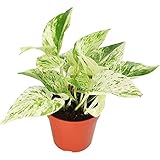


Plant Profile & Key Characteristics
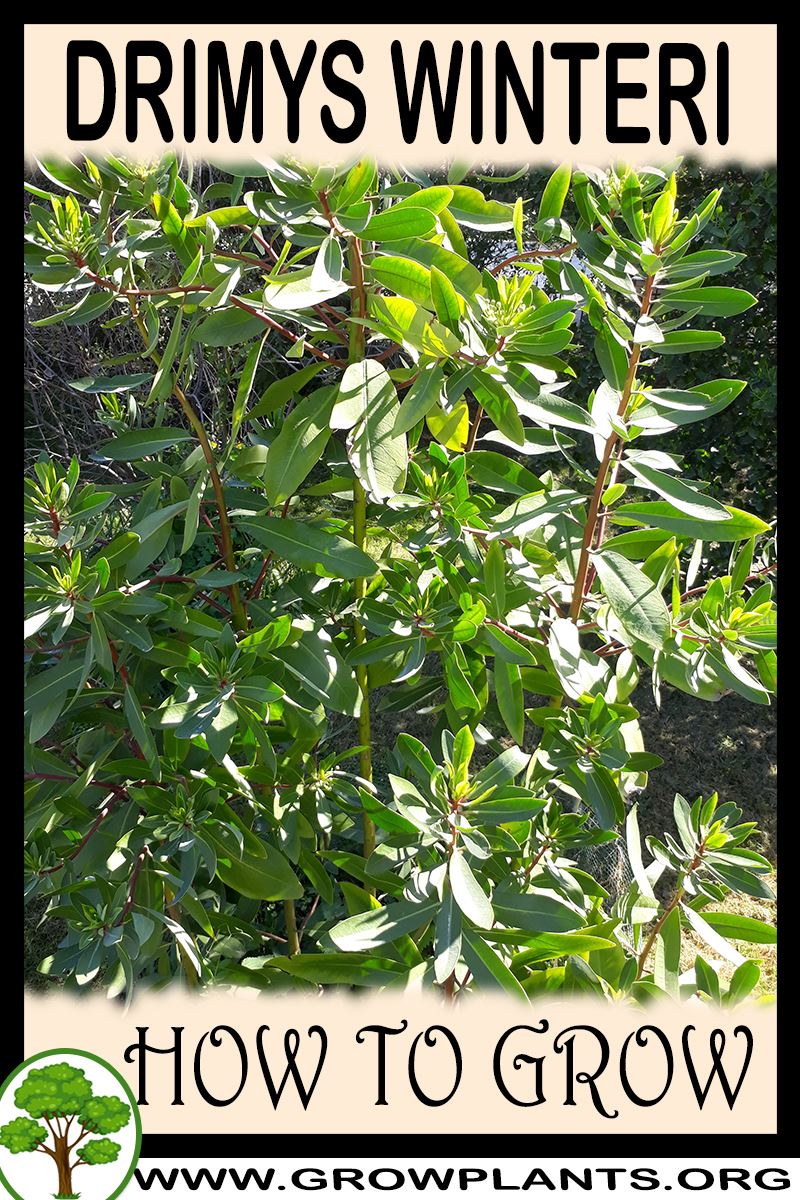
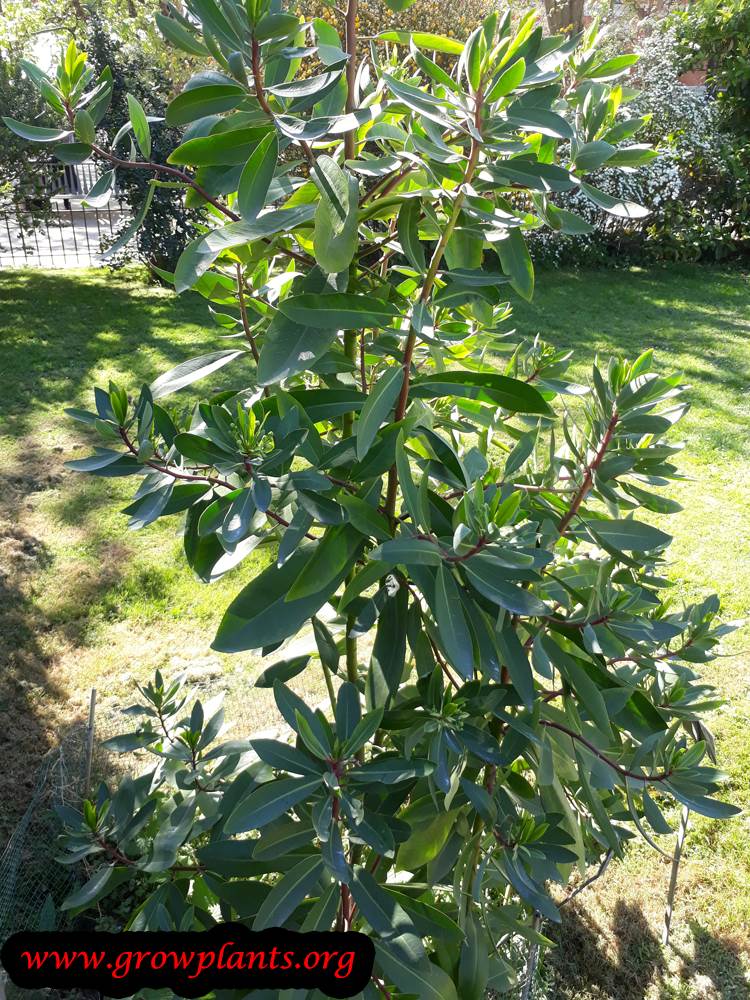
Overview: Drimys winteri (Winter’s bark) is an evergreen shrub or tree reaching 5–20 m (15–60 ft), grown as a fragrant flowering ornamental and shade tree. It bears aromatic foliage and clusters of white, yellow-stamened flowers.
Quick Specifications
| Specification | Attribute |
|---|---|
| Plant Type / Life Cycle | Perennial (evergreen shrub or tree) |
| Foliage Type | Evergreen |
| Mature Size | 5–20 m (15–60 ft) |
| Growth Rate | Moderate to fast |
| Hardiness | USDA zones 8–10 |
Growth Form & Structure
- Height & Spread: Grows as a single- or multi-stemmed tree to 5–20 m; needs moist soil and ample space, and is not suited to container or indoor growing.
- Growth Habit & Form: Upright evergreen shrub to tree with a dense, leafy canopy.
- Lifespan & Maturity: Long-lived tree.
Anatomy & Physical Features
- Trunk & Bark: Aromatic bark, historically valued and used medicinally.
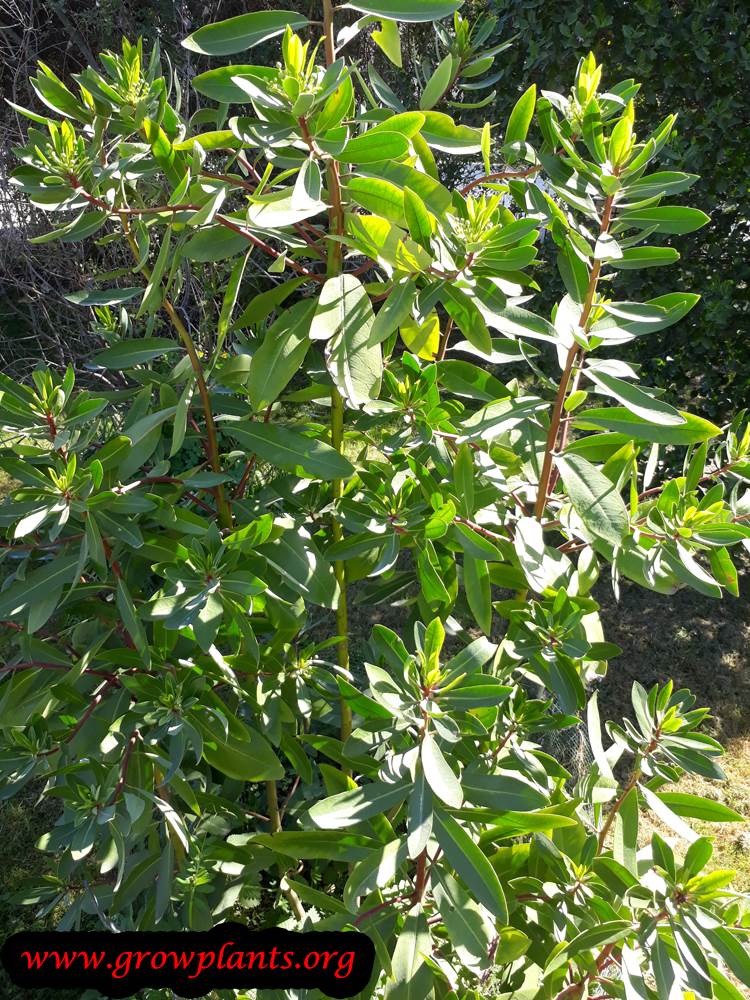
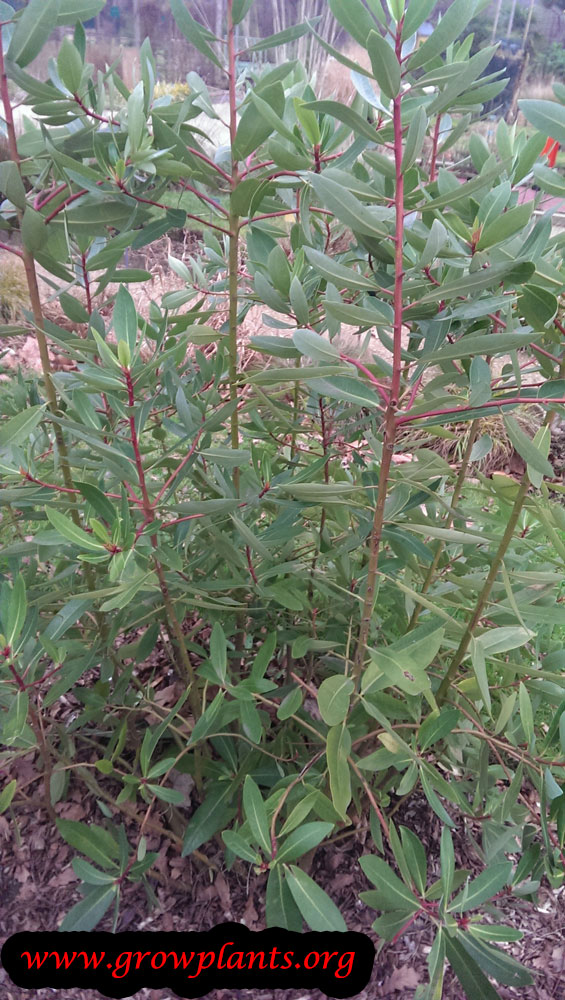
- Leaves & Foliage: Aromatic, leathery, narrow-oval green leaves.
- Flower Characteristics: Small white flowers with yellow stamens, borne in clusters.
Primary Uses & Landscape Value
- Functional & Ornamental Roles: Fragrant flowering ornamental, shade tree and windbreak; its aromatic bark has a long history of medicinal use.
Care Guide: Planting, Soil & Watering
Overview: Drimys winteri (Winter’s bark) is a fast- to moderate-growing evergreen shrub or tree that thrives in cool, moist conditions. Unlike drought-tolerant plants it likes plenty of water and a fertile, moisture-retentive but well-drained soil.
Quick Care Requirements
| Requirement | Ideal Condition |
|---|---|
| Planting Season | Spring and summer, during the warm growing season |
| Growth Rate | Moderate to fast |
| Soil Type | Fertile, humus-rich soil that stays moist yet drains well |
| Water Need | High — keep the soil consistently moist |
Planting & Establishment
- Best Planting Season: Plant in spring or summer once the ground has warmed, giving roots a full season to establish before cold weather.
- How to Plant:
- Hole Preparation: Dig a hole about as deep as, and roughly twice as wide as, the root ball to loosen the surrounding soil for the roots.
- Soil Amendments: Blend in generous compost or leaf mould to build moisture-retentive, fertile soil while keeping it free-draining.
- Planting Depth: Set the root collar level with the surrounding soil; avoid piling soil against the trunk.
- Growth Speed & Expectations: Growth is moderate to fast in good conditions, forming a tall, columnar evergreen over time.
Soil, Watering & Drainage Care
- Soil Mix & Drainage Needs: Provide rich, moisture-retentive soil that still drains — waterlogging harms the roots, but it should never dry out. A mulch helps keep the root zone cool and damp.
- Watering Schedule & Technique:
- Young / Newly Planted: Water frequently and generously to keep the soil evenly moist while the plant establishes.
- Established: Continue regular deep watering; this species prefers steady moisture and dislikes drying out.
- Seasonal Adjustments: Water less in cool, wet winter weather; increase during warm, dry spells to keep the soil from drying.
Climate, Light & Hardiness
Drimys winteri (Winter's bark) is an evergreen shade tree or shrub for temperate and subtropical climates that actually prefers cool weather; it needs full sun to half shade, ample moisture, and is hardy across USDA zone 8–10.
Quick Climate Specifications
| Climate Zones | Temperate, subtropical |
|---|---|
| USDA Hardiness Zones | 8–10 |
| Frost Tolerance | Moderate |
| Light Conditions | Full Sun to Half Shade |
Sunlight & Light Exposure
Optimal Light Setup
Full sun to half shade; some shade is beneficial in the hotter parts of its range.
Temperature Extremes & Hardiness
USDA Hardiness & Regional Limits
Zone 8–10. Despite growing in climates described as subtropical, the plant's own care notes call for cool weather, so it performs best where summers are not extremely hot.
Cold Damage & Winter Protection
Moderately frost hardy within its rated zones.
Extreme Heat Tolerance
Limited; it is not a strong performer in prolonged intense heat, consistent with its cool-weather preference.
Wind, Humidity & Microclimate
Humidity Preferences
Needs consistently high moisture and appreciates humid conditions, per its large water requirement.
Wind Tolerance
Benefits from some shelter, being naturally suited to woodland-margin conditions in its native range.
Growing in Pots, Balconies & Indoors
Winter’s bark is a handsome evergreen that ultimately makes a large tree, and the grower advises against both indoor and container growing. Give it open ground where possible; a big tub only suits a young plant for a limited spell.
Quick Details
- Container Size: The grower does not recommend pots – it becomes a large tree; only a young plant will tolerate a big tub for a few years
- Indoor Suitability: Not for indoors or long-term pots (grower); it grows into a large tree
- Best Spot: Full sun to partial shade; a bright spot with some direct sun is ideal.
- Soil & Drainage: Aerated, organic-rich mix (quality potting mix, or peat/coir with perlite or vermiculite); it must drain freely.
- Watering in Pots: Keep the mix reliably moist at all times (a moisture-lover); water generously, but never let the pot stand in water.
Indoors & On the Windowsill
- Not a houseplant: The grower marks it unsuitable indoors – it is far too large and light-hungry for a room.
- Container-shy: Unusually, the grower also advises against long-term pots. A young specimen can be held in a big tub for a few years, but plan to move it into the ground.
On a Balcony or Patio
- While young only: A young plant can stand on a sheltered patio in a large container, kept in bright light and steadily moist, but it will soon want the open ground.
- Moisture & shelter: It likes plenty of water and dislikes cold, drying winds – shelter an exposed position and never let the pot dry out.
Choosing the Pot, Soil & Long-Term Care
- Pot & drainage: If holding a young plant temporarily, use the largest tub you can with strong drainage; skip a standing-water saucer while keeping the moisture-loving roots damp.
- Potting mix: Use a well-aerated, organic-rich mix – quality potting mix, or peat/coir blended with perlite or vermiculite.
- Feeding: Feed a potted young plant through the growing season, but treat pot life as a stopgap.
- Repotting: Rather than repotting endlessly, plant it out into the ground once it outgrows a large tub.
Fertilizing & Feeding
Drimys winteri is grown as a fragrant evergreen shade tree or large shrub, valued for its aromatic foliage and clusters of white flowers rather than as a showcase bloomer. It is a light feeder that prefers consistently moist, fertile soil – balanced feeding during active growth supports steady development, and it responds better to good soil moisture and organic matter than to frequent fertilizing.
Quick Fertilizing Specs
| Feeding Level | Light |
|---|---|
| Main Nutrient Priority | Balanced feeding with adequate nitrogen supports steady foliage growth; consistent soil moisture matters as much as feeding for this species |
| Best Feeding Period | Spring through summer while the plant is actively growing |
| Soil pH | Prefers moist, fertile, well-drained soil; tolerates a normal range of soil pH |
| Reduce/Stop Feeding | Ease off going into autumn as growth slows with cooler weather |
| Organic Options | Working organic matter into the planting area and maintaining a mulch layer helps keep soil consistently moist and supplies gentle background nutrition |
Feeding by Growth Stage
Establishment after planting
Support root development in a newly planted specimen before pushing top growth
| Nutrient direction | Light, balanced feeding favors root establishment, alongside consistent soil moisture, over rushed top growth in the first season |
|---|---|
| Timing | In the first growing season after planting, once new growth confirms the roots are active |
| Frequency | A few light feedings through the establishment period are usually enough |
| Fertilizer types | A balanced, complete fertilizer formulated for shrubs and trees, A controlled-release balanced fertilizer worked into the planting area at planting time |
| Precautions | Avoid heavy feeding right at planting, since a limited root system cannot take up a large nutrient load; keep soil consistently moist, since this species does not tolerate drought well |
Active growth season
Maintain healthy foliage growth and support flowering through the main growing season
| Nutrient direction | Balanced feeding with adequate nitrogen supports steady foliage and flower development; a well-mulched plant growing in fertile, moist soil often needs only light supplemental feeding |
|---|---|
| Timing | Spring through summer while the plant is actively growing |
| Frequency | Light, regular feeding through the growing season is usually enough, especially where soil is already fertile and well mulched |
| Fertilizer types | A balanced, complete fertilizer suited to evergreen shrubs and trees, A slow-release balanced fertilizer applied once as growth resumes in spring |
| Routine trace nutrients | iron, manganese |
| Precautions | Keep fertilizer off foliage and away from the base of the stem to avoid burn, and maintain consistent soil moisture, since this species is sensitive to drying out |
Cool-season slowdown
Let growth slow naturally as cooler weather sets in, without pushing tender new shoots
| Nutrient direction | None – withhold fertilizer while growth is slow |
|---|---|
| Timing | Autumn into winter as growth visibly slows with cooler temperatures |
| Frequency | No feeding at this stage |
| Fertilizer types | No feeding at this stage; resume light feeding once new growth reappears in spring |
| Precautions | Do not fertilize during this slow period, since tender new growth pushed by feeding is more prone to cold damage |
Nutrient Deficiency Signs & Corrections
Overall leaf color looks pale and new growth is sparse during the active growing season
| Possible causes | Nitrogen deficiency from infrequent feeding during active growth, Drought stress or inconsistent soil moisture, since this species is sensitive to drying out, Root stress from poorly drained or waterlogged soil limiting nutrient uptake, Insufficient light for the plant’s position |
|---|---|
| Appears first on | Overall foliage, most noticeable on newer growth |
| What to check | Recent feeding history through the growing season, Soil moisture consistency and drainage around the root zone, Light exposure at the planting site |
| Possible correction | Resume light, balanced feeding during active growth if the plant has been underfed, and prioritize consistent soil moisture, since drought stress produces similar symptoms and will not be fixed by fertilizer alone |
New leaves yellow between the veins while the veins stay green
| Possible causes | Iron deficiency associated with alkaline or waterlogged soil that limits iron uptake, Compacted or poorly drained soil restricting root function generally, Cool soil temperatures temporarily slowing nutrient uptake |
|---|---|
| Appears first on | Newest leaves |
| What to check | Soil pH and drainage around the root zone, Whether yellowing is confined to new growth, which points toward iron, Recent watering pattern and soil temperature |
| Possible correction | Improve drainage and correct soil pH first; if chlorosis persists in an otherwise healthy, adequately fed plant, a chelated iron product applied per its label can help |
Leaf edges scorch or brown and shoot tips die back during warm or dry periods
| Possible causes | Drought stress from insufficient watering, since this species needs consistently moist soil, Root stress from poor drainage limiting water and nutrient uptake, Wind exposure drying foliage faster than roots can replace moisture |
|---|---|
| Appears first on | Leaf margins and outer branch tips |
| What to check | Watering consistency through warm weather, Soil drainage and moisture-holding capacity around the root zone, Site exposure to drying wind |
| Possible correction | Correct watering consistency and improve soil moisture retention with mulch before considering fertilizer, since these symptoms are more often a water issue than a nutrient one |
Pruning, Training & Seasonal Maintenance
Drimys winteri is an evergreen shrub-to-tree grown for its aromatic foliage and fragrant spring flower clusters. It develops an attractive natural form with little intervention, so pruning needs are generally light. Because it sits at the cold-hardy edge of its usual range (zone 8–10) and can suffer frost dieback in a hard winter, the safest approach is to prune lightly for shape or deadwood at any time, but hold off on any hard structural or size-reduction cuts until new growth resumes in spring, when winter-damaged wood can be identified and removed in the same pass rather than guessed at too early.
Quick Pruning & Maintenance Specs
| Pruning Tolerance | Moderate (light pruning fine anytime; avoid unnecessary hard cuts) |
| Primary Pruning Window | Spring, once new growth confirms what survived winter |
| Secondary Maintenance Window | Light deadwood/shaping removal through the growing season |
| Typical Frequency | Low – infrequent, mostly light touch-ups |
| Main Objective | Remove dead/frost-damaged wood, maintain natural form, manage size in garden settings |
| Young Plant Priority | Minimal – let the naturally attractive form develop; remove only damage |
| Mature Plant Priority | Selective size/spread control and deadwood removal, since it can reach substantial tree size in favorable climates |
| Best Tool Type | Bypass secateurs/loppers for most work; saw and pole pruner only on larger tree-form specimens |
| Avoid Heavy Pruning During | Any time frost risk remains; hottest, driest part of summer |
Pruning by Plant Age & Size
Newly Established
Minimal – remove only clearly dead or damaged growth and let the plant establish its naturally good form.
Young / Formative
Largely no structural training needed, since this species naturally forms a well-shaped shrub or small tree. Where a single-trunk tree form is wanted rather than a multi-stemmed shrub, select one leader early and remove competing basal stems.
Mature / Established
Light size/spread control if grown in a garden setting smaller than its natural range, ongoing deadwood removal, and, where grown as a tree, gradual removal of lower branches if a clear trunk is wanted.
Seasonal Pruning Schedule
Pre-Growth/Early-Spring: objective is to assess and remove winter cold damage along with any structural or size work; remove confirmed-dead, frost-damaged tips and branches plus crossing/damaged wood; do not remove green, living wood that merely looks tired in late winter – wait for new growth to confirm before cutting, since unnecessary cuts waste vigor on a plant that’s naturally well-formed already; expected response is fresh growth from just below any winter dieback, and flowering impact is minimal since flowers form on the season’s new spring growth after this cleanup.
Ongoing Sanitary: remove dead, damaged, or wind-battered growth as noticed through the year – this is the main ‘year-round’ pruning task, rather than any single major seasonal event.
Structural Pruning & Training
Mainly about size/spread management on a plant capable of reaching tree size (roughly 5–20m) in ideal conditions, and about deciding and maintaining a single-trunk tree form versus the natural multi-stem shrub habit early on. Remove any crossing or storm-damaged branches; canopy thinning is rarely needed, since the plant doesn’t tend to over-densify.
Special Growth to Remove
- Dead, frost-blackened, or wind-damaged twigs and branch tips.
- Basal shoots, only if a clean single-trunk tree form (rather than the natural multi-stem shrub habit) is specifically wanted.
Container & Small-Space Pruning
Not applicable/not recommended – this species is not suited to container culture per its own care requirements, and it prefers consistently moist, unrestricted root conditions. Where space is limited, choose a genuinely compact companion plant instead of trying to keep this vigorous, moisture-loving species small in a pot.
Tools
Bypass secateurs for most light shaping and deadwood removal; loppers for thicker damaged branches; a pruning saw and pole pruner become relevant only on older specimens that have grown into true tree form.
Tool Hygiene & Disease Risk
Routine – no major transmissible disease risk is noted for this species; clean, sharp tools are sufficient for its infrequent, light pruning needs.
Cut Placement & Technique
Make thinning cuts back to a healthy lateral or the trunk rather than heading cuts, to preserve the natural form. Cut frost-damaged wood back to visibly live, green tissue, checking after spring growth starts rather than guessing at the dead/live boundary too early.
Heavy Pruning & Rejuvenation
Not typically needed and not well documented for this species, since it holds a good natural form with minimal input. If renovation is ever required after storm or severe frost damage, spread it over more than one season rather than removing a large fraction of the canopy at once, given the plant’s preference for consistent moisture and its borderline cold-hardiness, which limits fast, stress-free recovery in marginal climates.
Post-Pruning Care
Keep soil consistently moist after any pruning, matching this species’ preference for a substantial water supply – it does not tolerate the drought stress that some plants can shrug off after cutting. Watch cut ends for dieback or rot in poorly drained sites, given how moisture-loving this species is.
Common Pruning Mistakes
- Cutting back live wood too early in late winter, before it’s clear what actually survived frost, wasting healthy growth.
- Attempting to keep this large-growing, moisture-loving species small in a container instead of choosing an appropriately sized plant.
- Over-thinning a canopy that doesn’t actually need it, given the plant’s naturally open, well-balanced habit.
When NOT to Prune
Avoid hard pruning while frost risk remains, or immediately before an expected cold snap in marginal (zone 8) sites; avoid pruning during prolonged drought or dry spells, given this species’ high water requirement and reduced recovery capacity under moisture stress.
Recommended Tools (by task)
- bypass_secateurs – routine light shaping and deadwood on young/shrub-form plants.
- loppers – thicker damaged branches.
- pruning_saw – larger cuts on mature tree-form specimens.
- pole_pruner – high work on specimens that have reached significant tree height (5m+).
Pruning Troubleshooting
| Problem | Possible Cause | What to Check | Corrective Action |
| Blackened or dead shoot tips after winter | Marginal cold hardiness; frost damage at the edge of its hardiness range (zone 8) | Green live tissue just below the damage once spring growth starts | Cut back to live wood after new growth confirms the extent of the damage |
| Reduced flowering | Pruned too hard or too late, removing developing flower buds; or drought stress from insufficient moisture | Recent pruning timing/severity and soil moisture | Prune lightly and keep soil consistently moist |
Propagation Guide
Drimys winteri is grown primarily from seed, which is the standard and most reliable method for this species; semi-ripe cuttings are also used in cultivation but tend to root more slowly and less reliably, so they remain a secondary option. Propagation is moderate in difficulty, mainly because both seed and cuttings need time and consistently cool, moist conditions to establish.
Quick Propagation Specs
| Best Propagation Method | Seed |
| Alternative Methods | Semi-ripe stem cuttings |
| Propagation Difficulty | Moderate |
| Seed True-to-Type | Usually true-to-type for the species |
| Vegetative True-to-Type | Yes |
| Best Propagation Season | Spring, summer |
| Seed Germination Time | Can be slow, ranging from several weeks to a few months |
| Cutting Rooting Time | Slow, often a few months |
Growing from Seed
Seed Handling & Viability
Use fresh seed where possible, as viability in this species is not long-lived in storage.
Sowing Season
Sow in spring or summer.
Germination Conditions
Sow in moist, well-drained soil under cool conditions similar to this plant’s cold-hardy, moisture-loving preferences; germination can be slow and irregular.
Germination Time
Often several weeks to a few months, so allow ample time before concluding seed has failed.
Stem Cuttings
Cutting Type
Semi-ripe cuttings from partially matured, fragrant-leaved growth.
Best Timing
Summer.
Cutting Preparation
Take a cutting with several nodes and remove the lower leaves.
Rooting Setup
Insert into a moist, free-draining cutting mix and keep humid; this species can be slower to root than many other shrubs.
Rooting Hormone
May be beneficial given this species’ relatively slow, less reliable rooting from cuttings.
Rooting Time
Often slow, potentially a few months.
Bloom & Flower Guide
Quick Details
- Bloom Season: A long, variable season – from winter through spring and into summer in mild areas
- Flower Appearance: Small, star-like white flowers centred on bright yellow stamens, in clusters
- Edibility: Ornamental only – grown for its fragrant evergreen form, not for eating the flowers
Detailed Blooming Overview
Winter’s bark flowers over a long, variable season – from winter through spring and into summer in mild areas – with loose clusters of small, star-like white flowers centred on bright yellow stamens. They are lightly fragrant, in keeping with the aromatic leaves and bark, and add a clean, ivory sparkle to the evergreen canopy.
Flower Characteristics
- Small white flowers with prominent yellow stamens.
- Carried in clusters.
- Lightly fragrant, echoing the aromatic foliage.
Bloom Care & Thinning
- Managing the bloom: Needs little; keep the soil moist and prune only lightly for shape.
Fruit & Uses
The aromatic inner bark of Drimys winteri — historically known as Winter’s bark — has traditionally been used in parts of Chile and Argentina as a pungent, peppery spice, and was historically chewed or brewed by early European sailors as a source of vitamin C to help prevent scurvy; the fragrant leaves have also seen occasional use as a bay-leaf-like flavoring. This is a niche, regionally traditional use rather than a common food today, so it should be treated as an occasional seasoning used in small amounts rather than a staple, and this note is supplementary background not confirmed by the site’s own plant data.
Quick Edible Specs
| Edible Parts | Aromatic inner bark (main traditional use); fragrant leaves to a lesser extent |
|---|---|
| Main Use(s) | Traditional pepper-substitute spice (bark); historically chewed/brewed for vitamin C by early sailors (historical note, not a health claim); leaves occasionally used as a savory flavoring |
| Eaten Raw or Cooked | Used as a seasoning added to cooked dishes or steeped as an infusion, not eaten as a standalone food |
| Preparation Required | Bark strips and leaves are typically dried, then ground or steeped; use only a small pinch due to intense pungency |
| Harvest Season | Mature leaves and bark can be gathered whenever suitable growth is available; see Pruning for general cutting timing |
| Time to First Harvest | Not meaningfully defined for this niche spice use; established plants provide usable material |
| Storage | Dried bark strips or leaves store well in a sealed, light-protected container, as with other dried spices |
| Safety/Toxicity Caveat | Very pungent/hot-tasting in quantity; use sparingly. This is a niche, regionally traditional use rather than a mainstream food, and is not confirmed by this site’s own description of the plant (listed only as ornamental), so treat cautiously and in moderation |
Leaves & Greens
The narrow, oval, fragrant leaves noted in the plant description are occasionally used fresh or dried as a savory, peppery flavoring added to cooked dishes, in the manner of a bay leaf, rather than eaten on their own.
Shoots & Stems
The traditional spice comes from the aromatic inner bark stripped from stems or branches, then dried and ground into a pepper-like seasoning. Because stripping bark can injure or girdle a stem, any harvesting should be limited and taken from prunings or a small portion of growth rather than ring-barking a main trunk — see Pruning for general cutting guidance.
Harvesting
Leaves and bark can be gathered from mature growth as needed rather than on a fixed harvest calendar; take bark only in strips or from material already being pruned, and dry both leaves and bark before storage.
Preparation, Uses & Safety
Both bark and leaf are used only as seasonings — dried, then ground or steeped in small quantities — never as a bulk food. No toxicity is documented at normal spice-level amounts, but because this use is a regional, historical tradition rather than a common or site-confirmed food use, it should be treated with caution: use sparingly, treat as an occasional flavoring, and do not rely on it for any health purpose beyond noting its traditional historical use.
Pests, Diseases & Troubleshooting
Drimys winteri (winter’s bark) is a tough, aromatic evergreen tree/shrub whose spicy, essential-oil-rich foliage is naturally rather resistant to pests — it is one of the more trouble-free ornamentals. When problems do occur they are the general ones of broadleaf evergreens: sap-sucking scale, aphids and mealybugs on soft growth, occasional fungal leaf spot, and — most importantly — root rot in cold, wet, poorly drained soil. Give it moist but free-draining soil in a sheltered spot and it needs very little intervention.
Quick Troubleshooting Overview
| Issue / Pest | Main Symptom | Primary Solution |
|---|---|---|
| Scale insects | Brown/tan bumps on stems and leaf undersides; sooty mould | Scrape off, horticultural oil, prune out |
| Aphids | Clusters on soft new shoots; sticky honeydew | Hose off, insecticidal soap, encourage predators |
| Mealybugs | White cottony tufts in leaf axils and shoot tips | Alcohol swab, insecticidal soap, horticultural oil |
| Fungal leaf spot | Brown/purple spots, sometimes ringed, on leaves | Remove leaves, improve airflow, copper fungicide |
| Root rot / Phytophthora | Wilting, dieback, dark soft roots in wet soil | Improve drainage; avoid waterlogged sites |
| Wind / cold scorch | Browned, desiccated leaf margins after cold winds | Shelter from cold drying winds; mulch roots |
Common Pests & Management
- Scale insects (Coccus hesperidum / Saissetia oleae):
- Symptoms: Brown, tan or dark limpet-like bumps along stems, twigs, and leaf undersides; soft scale exudes honeydew that blackens foliage with sooty mould. The most likely pest on this otherwise resistant plant.
- Prevention & Control: Scrape or brush off accessible scale and prune out badly encrusted twigs. Smother the remainder with horticultural oil for thorough coverage, repeating for crawler generations; encourage parasitic wasps and ladybirds outdoors.
- Aphids (Aphis / Myzus spp.):
- Symptoms: Clusters of soft green or black insects on the tender new shoots and flower buds; sticky honeydew, sooty mould, and curled young growth follow. Mostly a spring flush problem.
- Prevention & Control: Dislodge with a strong jet of water and wipe the growth. Apply insecticidal soap if numbers build, and rely on natural predators (ladybirds, lacewings, hoverflies), which usually keep aphids in check on established trees.
- Mealybugs (Planococcus / Pseudococcus spp.):
- Symptoms: White cottony tufts in leaf axils, shoot tips, and bark crevices, with honeydew and sooty mould; more common on containerised or sheltered plants.
- Prevention & Control: Dab colonies with an alcohol swab and wipe them off. Treat with insecticidal soap or horticultural oil, repeating every 7–10 days until clear.
- Spider mites (Tetranychus urticae):
- Symptoms: Fine pale stippling and a dull cast to the leaves in hot, dry, sheltered conditions; uncommon on this plant but possible on stressed container specimens.
- Prevention & Control: Raise humidity and rinse the foliage. Apply horticultural oil or insecticidal soap to leaf undersides if needed; usually resolves once the plant is less heat- and drought-stressed.
Diseases & Fungal Issues
- Fungal leaf spot (Cercospora / Phyllosticta / Colletotrichum spp.):
- Symptoms: Round to irregular brown or purplish spots, sometimes with a darker ring or yellow halo, on the leaves; increases in wet, humid, crowded conditions but rarely serious on a healthy tree.
- Treatment & Management: Remove and destroy spotted and fallen leaves and improve air circulation with light pruning. Avoid overhead watering; a copper-based fungicide is rarely needed but checks a bad outbreak.
- Root rot (Phytophthora / Armillaria) (Phytophthora spp. / Armillaria mellea):
- Symptoms: Progressive dieback, sparse yellowing foliage, and poor growth, with dark, soft, decayed roots; Phytophthora thrives in waterlogged soil, and honey fungus (Armillaria) shows white mycelial sheets under the bark at the base.
- Treatment & Management: Prevention is key — plant in well-drained soil and never waterlog the root zone. Remove and destroy plants killed by honey fungus along with as much root as possible. Improve drainage and avoid deep planting; there is no reliable chemical cure.
- Sooty mould (Capnodium spp. (secondary)):
- Symptoms: A black, sooty film coating leaves and stems, growing on the honeydew excreted by scale, aphids or mealybugs; harmless in itself but blocks light and disfigures the plant.
- Treatment & Management: Control the underlying sap-sucking pest and the mould will weather away. Wipe or gently wash coated leaves on small plants to restore appearance.
Growing Difficulties & Abiotic Problems
- Root rot from waterlogging (main abiotic risk):
- Cause & Symptoms: Although it likes moisture, Drimys will not tolerate cold, heavy, waterlogged soil, which suffocates the roots and invites Phytophthora; symptoms are wilting, yellowing and dieback despite — or because of — wet ground.
- Correction Strategy: Plant in moist but free-draining soil enriched with organic matter; on heavy ground improve drainage or plant on a raised mound. Water to keep evenly moist, never sodden, and ease off in winter.
- Wind & cold scorch:
- Cause & Symptoms: Cold, dry winds and hard frost desiccate and brown the evergreen leaf margins, and can damage soft new growth, especially on young or exposed plants.
- Correction Strategy: Site it in a sheltered spot out of cold drying winds, ideally with some overhead protection while young. Mulch the roots to buffer cold, and delay pruning of frost-damaged growth until the danger of frost has passed.
- Chlorosis on alkaline soil:
- Cause & Symptoms: It prefers neutral to acidic soil; on chalky or very alkaline ground the leaves can yellow between the veins from iron/manganese lock-out.
- Correction Strategy: Grow in neutral-to-acid soil, mulch with organic matter, and apply a chelated iron/sequestered trace-element feed to green up affected leaves while improving the soil over time.
- Drought / establishment stress:
- Cause & Symptoms: Young or newly planted trees, and those in containers, brown and drop leaves if the roots dry out in hot, dry weather before they are established.
- Correction Strategy: Water regularly and deeply through the first seasons and in dry spells, and mulch to conserve moisture. Established plants in suitable soil become quite self-reliant.
What Helps – Products & Tools
Little is usually required for this resilient plant: horticultural / neem oil and insecticidal soap for scale, aphids and mealybugs; rubbing alcohol for spot-dabbing; a copper fungicide for stubborn leaf spot; and chelated iron for chlorosis on alkaline soil. The real ‘tools’ are correct siting — free-draining soil, wind shelter, and organic mulch — which prevent the root rot and scorch that are its only real weaknesses.