Plant Profile & Key Characteristics
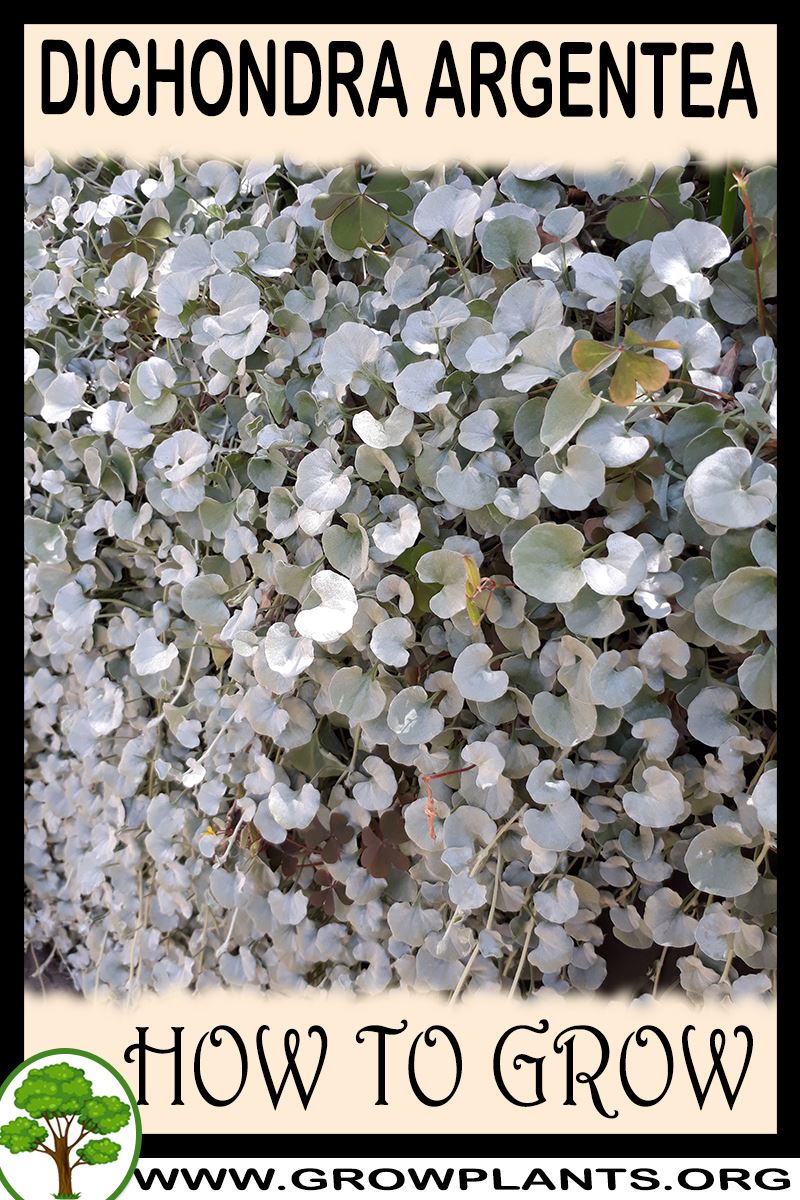
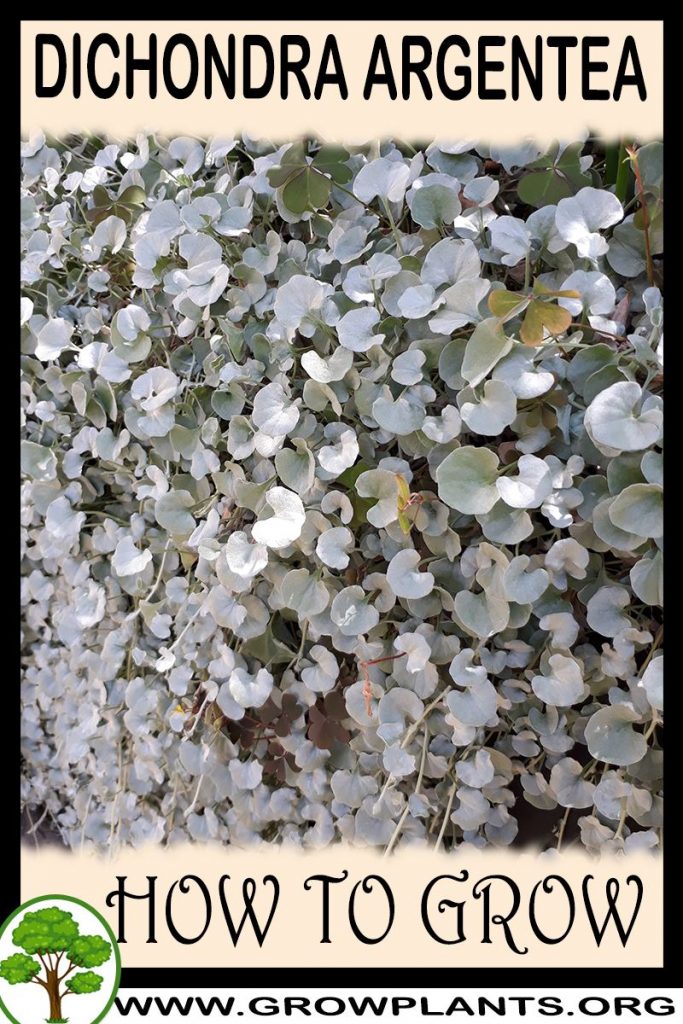
Overview: Low, trailing silvery groundcover, evergreen as a perennial (grown as an annual where winters are frosty). Prized as an ornamental for its heat and drought tolerance, spilling from containers and hanging baskets.
Quick Specifications
| Specification | Attribute |
|---|---|
| Plant Type / Life Cycle | Perennial (evergreen); grown as an annual in cooler zones |
| Foliage Type | Evergreen |
| Mature Size | 5-20 cm tall (2-8 in); trailing stems much longer |
| Growth Rate | Fast to moderate |
| Root System | Fibrous and shallow; roots at the stem nodes as it creeps |
| Hardiness | USDA zone 10+ (as perennial); 6+ (grown as annual) |
Growth Form & Structure
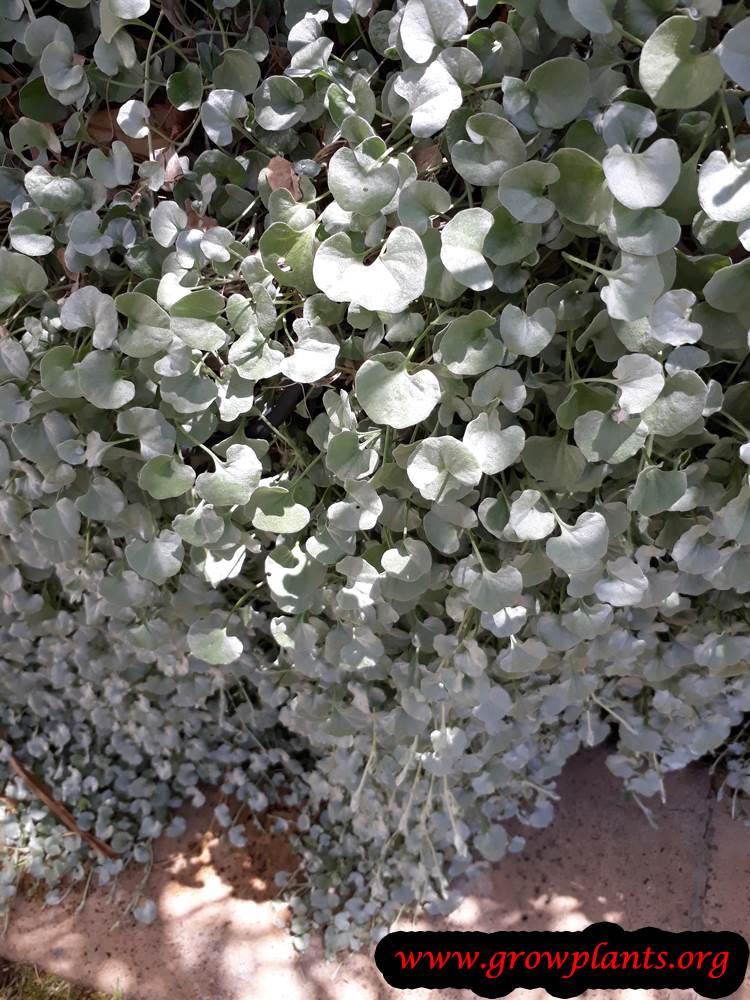
- Height & Spread: Only 5-20 cm (2-8 in) tall as a mat, but trailing stems cascade far longer over walls and basket edges.
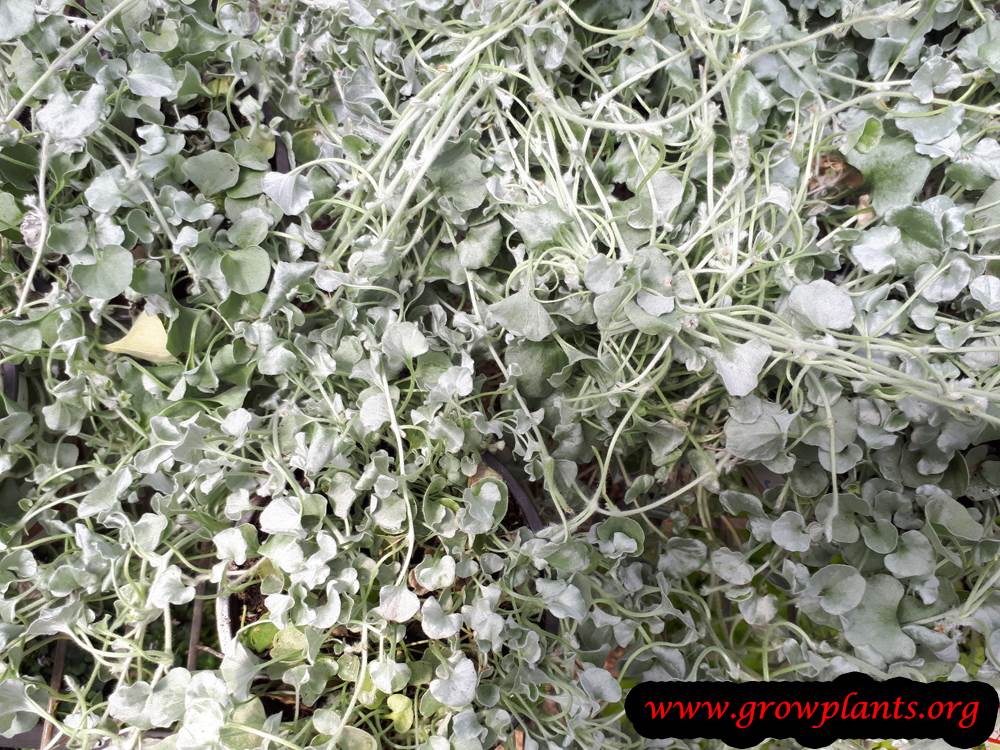
- Growth Habit & Form: Prostrate, mat-forming groundcover and trailing container filler on fine, wiry stems.
- Lifespan & Maturity: Fast to establish, knitting into a silver carpet within a single season.
Anatomy & Physical Features
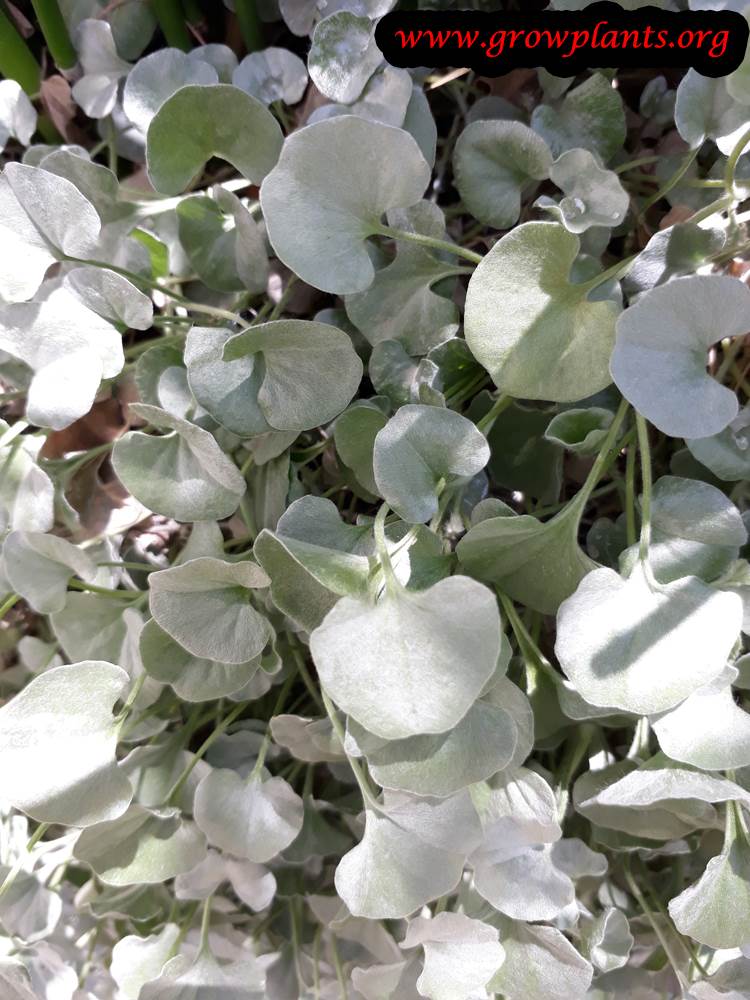
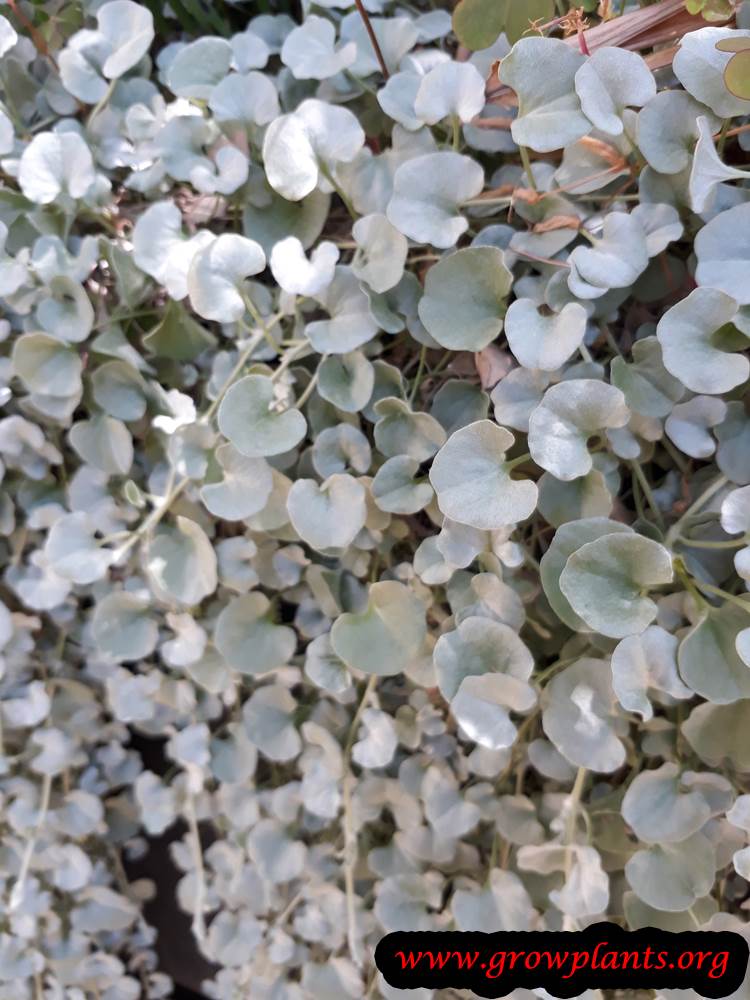
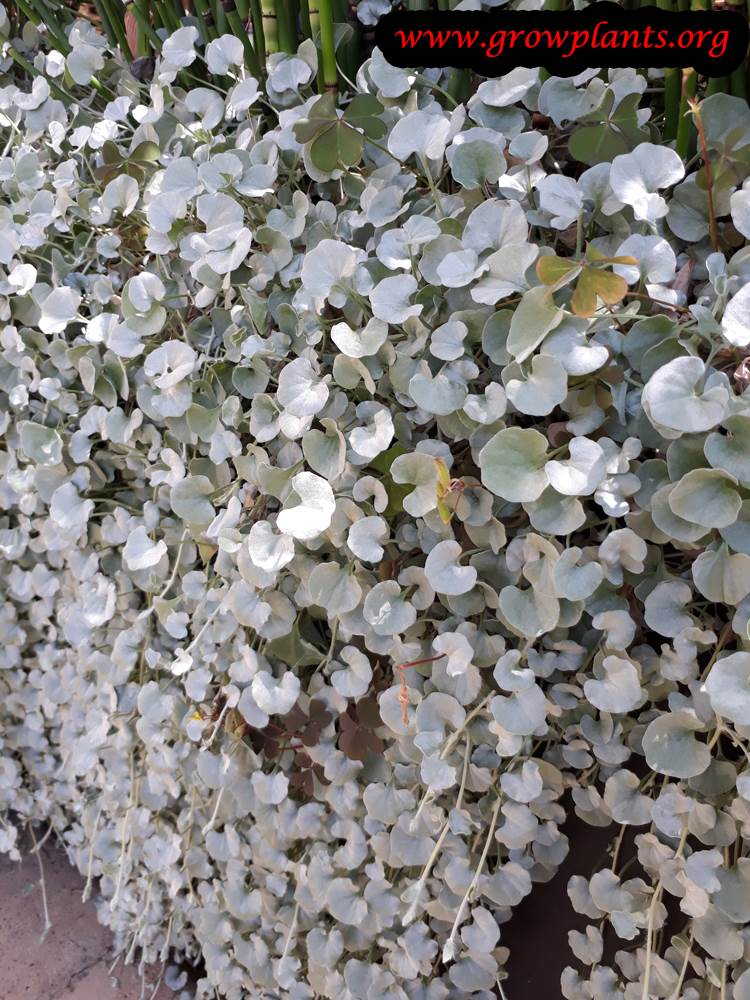
- Leaves & Foliage: Small, rounded to fan/heart-shaped leaves, silvery grey to silver-white, soft in texture.
- Flower Characteristics: Tiny, insignificant greenish-yellow star flowers – the plant is grown for foliage, not bloom.
Primary Uses & Landscape Value
- Functional & Ornamental Roles: Drought-tolerant groundcover and a ‘spiller’ for containers, hanging baskets and wall edges; xeriscape planting.
Care Guide: Planting, Soil & Watering
Overview: Silver falls (Dichondra argentea) thrives in full sun to light shade in light, well-draining soil, and is prized as a drought-tolerant, trailing ground cover. It needs only modest moisture once settled, disliking soggy ground far more than dry spells.
Quick Care Requirements
| Requirement | Ideal Condition |
|---|---|
| Planting Season | In spring when grown as an annual; spring to summer as a perennial; year-round in hot, frost-free climates |
| Growth Rate | Fast to moderate |
| Soil Type | Light, well-draining soil |
| Water Need | Low to moderate — drought-tolerant; let the soil dry between waterings |
Planting & Establishment
- Best Planting Season: Plant in spring if you are growing it as an annual; from spring into summer where it will be a perennial (zone 10+); and effectively year-round in hot, frost-free climates.
- How to Plant:
- Hole Preparation: Dig a hole about the size of the root ball so the plant sits level with the surrounding soil.
- Soil Amendments: Loosen heavy ground and mix in a little compost to improve drainage; this plant does not need rich soil.
- Planting Depth: Set the crown at soil level, keeping the trailing stems above the surface — do not bury the base of the plant.
- Growth Speed & Expectations: Grows quickly once warm, knitting together into a cascading silver carpet within a season and spilling attractively over walls and containers.
Soil, Watering & Drainage Care
- Soil Mix & Drainage Needs: Give it light, airy, sharply draining soil; in containers use a free-draining potting mix so excess water escapes freely, as waterlogged roots are the main danger for this drought-tolerant plant.
- Watering Schedule & Technique:
- Young / Newly Planted: Water regularly to keep the soil lightly moist while young plants root in and begin to spread.
- Established: Once established it is very drought-tolerant — water only when the top few centimetres of soil have dried out.
- Seasonal Adjustments: Water a little more in prolonged heat and cut right back in cool or wet weather.
Climate, Light & Hardiness
Dichondra argentea (Silver Falls) is a drought-tolerant, silvery-leaved groundcover grown as a perennial in warm climates and as a heat-loving annual further north; full sun to half shade and USDA zone 10+ (or zone 6+ treated as an annual) describe its comfortable range.
Quick Climate Specifications
| Climate Zones | Subtropical, Mediterranean, temperate, tropical |
|---|---|
| USDA Hardiness Zones | 10 and warmer (perennial); 6 and warmer (grown as an annual) |
| Frost Tolerance | Low |
| Light Conditions | Full Sun to Half Shade |
Sunlight & Light Exposure
Optimal Light Setup
Full sun brings out the best silvery foliage color and trailing habit.
Temperature Extremes & Hardiness
USDA Hardiness & Regional Limits
True perennial behavior needs zone 10+ frost-free conditions; in zone 6–9 it is instead grown fresh each year as a warm-season annual, since winter cold - not summer heat - is what ends it there.
Cold Damage & Winter Protection
Frost tender; foliage is damaged or killed by freezing temperatures.
Extreme Heat Tolerance
Excellent; being drought tolerant, it handles hot, dry summers well.
Wind, Humidity & Microclimate
Dry-Air Tolerance
High, consistent with its drought-tolerant nature.
Growing in Pots, Balconies & Indoors
‘Silver Falls’ dichondra is a shimmering, cascading foliage plant made for containers – the grower rates it for pots and baskets but not as an indoor houseplant. Its long silvery trails need strong light to stay dense and silver.
Quick Details
- Container Size: A hanging basket, window box or trough – it trails and spills beautifully over the edge
- Indoor Suitability: Not a houseplant (grower); a sun-loving trailer for outdoor baskets
- Best Spot: Full sun to partial shade; a bright spot with some direct sun is ideal.
- Soil & Drainage: Aerated, organic-rich mix (quality potting mix, or peat/coir with perlite or vermiculite); it must drain freely.
- Watering in Pots: Let the top few centimetres of mix dry between waterings; pots drain fast, so check often, but never leave it waterlogged.
Indoors & On the Windowsill
- Houseplant limits: The grower marks it as not an indoor plant; in weak room light it stretches, thins and loses its silver sheen. It is at its best cascading from an outdoor basket.
- Overwintering: It is frost-tender and usually grown as an annual; where winters are mild you can shelter a basket in a bright, frost-free spot, otherwise take cuttings or replant each season.
On a Balcony or Patio
- Light & exposure: Give it the sunniest spot for the tightest, most silver growth; the trailing stems drape well from railings and high baskets. In wind and reflected wall heat the shallow mix dries fast – check often.
- Practicalities: In hanging baskets water can run straight through – water slowly and thoroughly so the mix actually wets.
Choosing the Pot, Soil & Long-Term Care
- Pot & drainage: A basket or wide pot with free drainage; it tolerates drying out better than sogginess, so never let it sit wet.
- Potting mix: Use a well-aerated, organic-rich mix – quality potting mix, or peat/coir blended with perlite or vermiculite.
- Feeding: Baskets have little mix and leach quickly – feed regularly with a dilute balanced fertiliser for lush trails.
- Repotting: Usually grown for a single season; refresh with new mix each planting.
Fertilizing & Feeding
Dichondra argentea is grown as a trailing, drought-tolerant ground cover or container ‘spiller’ valued for its silvery foliage rather than for flowers. It is a light feeder – restrained, balanced feeding keeps the trailing habit compact and the foliage color bright, while heavy nitrogen tends to push looser, greener growth and can dull the silvery color the plant is grown for.
Quick Fertilizing Specs
| Feeding Level | Light |
|---|---|
| Main Nutrient Priority | Balanced feeding with restrained nitrogen keeps trailing growth compact; too much nitrogen encourages looser growth and can dull the silvery foliage color |
| Best Feeding Period | Through the warm active growing season, from spring into summer |
| Soil pH | Prefers well-drained soil and tolerates a wide range of garden or potting soil types |
| Reduce/Stop Feeding | Ease off as growth slows going into cooler weather, and stop feeding entirely once the plant is finished for the season if grown as an annual |
| Organic Options | Working organic matter into garden beds at planting supports steady growth with less need for supplemental feeding |
Feeding by Growth Stage
Establishment after planting
Help newly planted or transplanted Dichondra root in and begin its trailing growth
| Nutrient direction | Light, balanced feeding supports root establishment without forcing loose, overly soft trailing growth too early |
|---|---|
| Timing | In the first few weeks after planting or transplanting, once new growth confirms the roots are active |
| Frequency | A single light feeding at planting, or shortly after, is usually enough to start the season |
| Fertilizer types | A balanced, complete fertilizer formulated for bedding plants or hanging baskets, A controlled-release balanced fertilizer mixed into the potting soil or bed at planting |
| Precautions | Avoid heavy feeding right at planting, since a limited root system cannot take up a large nutrient load and excess fertilizer risks root and leaf burn |
Active trailing growth
Maintain steady, compact trailing growth and bright silvery foliage color through the growing season
| Nutrient direction | Light, balanced feeding with restrained nitrogen keeps growth compact and foliage color bright; this plant rarely needs heavy feeding once established, especially in the ground where it can be quite drought and nutrient tolerant |
|---|---|
| Timing | Spring through summer while the plant is actively trailing and filling in |
| Frequency | Light, infrequent feeding is usually enough through the growing season, especially for in-ground plantings |
| Fertilizer types | A diluted, balanced liquid fertilizer for container and hanging basket plantings, A light balanced fertilizer application for in-ground ground cover plantings, if growth looks thin |
| Precautions | Avoid heavy or frequent nitrogen feeding, since it pushes looser growth and can dull the silvery foliage color that is the main reason this plant is grown |
Season-end taper
Let growth wind down naturally at the end of the growing season, whether the plant is finishing as an annual or slowing into a cooler-season rest
| Nutrient direction | None – withhold fertilizer as the growing season ends |
|---|---|
| Timing | As the growing season ends, whether the plant is being removed as a spent annual or slowing down as a perennial in a warm climate |
| Frequency | No feeding at this stage |
| Fertilizer types | No feeding at this stage; if grown as a perennial in a mild climate, resume light feeding once active growth returns in spring |
| Precautions | Do not fertilize a plant that is finishing its season or slowing for a cool-season rest, since feeding now offers no benefit |
Nutrient Deficiency Signs & Corrections
Trailing stems look thin, pale, or slow to fill in during the active growing season
| Possible causes | Nitrogen deficiency from little or no feeding through the growing season, Root stress from overwatering or poorly drained soil limiting nutrient uptake, Insufficient light for the planting position, A root-bound container or basket that has outgrown its space |
|---|---|
| Appears first on | Overall trailing growth, most noticeable in new stem tips |
| What to check | Recent feeding history through the growing season, Soil or potting mix drainage and moisture, Light exposure at the site, Whether a container or basket has become root-bound |
| Possible correction | Resume light, balanced feeding during active growth if the plant has been underfed; correct drainage or repot a root-bound plant, since feeding alone will not fix a root problem |
Foliage looks greener and less silvery than expected, with looser overall growth
| Possible causes | Too much nitrogen, which pushes leafier growth and can mask the plant’s naturally silvery leaf color, Reduced light exposure, since fuller sun tends to intensify the silvery foliage color, Overwatering encouraging soft, lush growth |
|---|---|
| Appears first on | New growth across the plant |
| What to check | Recent fertilizer history and whether nitrogen-heavy products have been used, Light exposure at the planting site, Watering frequency and whether the soil stays consistently wet |
| Possible correction | Cut back on nitrogen feeding and improve light exposure; allow the soil to dry somewhat between waterings, since this plant prefers on the drier side |
New leaves yellow between the veins while the veins stay green
| Possible causes | Iron deficiency associated with alkaline or waterlogged soil that limits iron uptake, Poorly drained soil restricting root function generally, Cool soil temperatures temporarily slowing nutrient uptake early in the season |
|---|---|
| Appears first on | Newest leaves |
| What to check | Soil or potting mix pH and drainage, Whether yellowing is confined to new growth, which points toward iron, Recent watering pattern and soil temperature |
| Possible correction | Improve drainage and correct soil pH first; if chlorosis persists in an otherwise healthy, adequately fed plant, a chelated iron product applied per its label can help |
Pruning, Training & Seasonal Maintenance
Dichondra argentea is a fast-growing, mat-forming and trailing foliage plant grown for its silvery leaves in hanging baskets, mixed containers, and as a groundcover. ‘Pruning’ here means pinching and trimming to control trailing length and encourage denser branching, not any woody framework work, and it tolerates this very well given its fast regrowth. Most trimming happens during active spring-summer growth, with an additional cutback in autumn where it’s grown as an annual in colder zones, or a light winter tidy where it’s grown as a frost-free perennial. Its flowers are tiny and non-ornamental, so pruning decisions are driven entirely by foliage display, not bloom.
Quick Pruning & Maintenance Specs
| Pruning Tolerance | High |
| Primary Pruning Window | Spring–Summer, active growth |
| Secondary Maintenance Window | Autumn as-annual cleanup (colder zones) or a light winter tidy (as perennial, zone 10+) |
| Typical Frequency | Light pinching every few weeks through the growing season |
| Main Objective | Control trailing length, encourage branching/density, rejuvenate legginess |
| Young Plant Priority | Pinch tips early to force branching from the base rather than one long strand |
| Mature Plant Priority | Trim back the longest runners periodically; hard cutback if leggy |
| Best Tool Type | Precision snips/scissors |
| Avoid Heavy Pruning During | Coolest part of winter (slowed/stopped growth) and right after transplanting |
Pruning by Plant Age & Size
Newly Established
Pinch the growing tips early to encourage a bushy base before the trailing habit takes over, rather than letting a single strand run.
Young / Formative
No structural training – repeated pinching and tip trimming to build density is essentially the entire ‘training’ this plant needs, especially in a hanging basket.
Mature / Established
Trim back the longest trailing stems periodically to keep proportion with the container or bed and to prevent bare, leaf-sparse lengths near the base.
Seasonal Pruning Schedule
Summer Canopy Management / Ongoing Sanitary: pinch tips and trim overly long runners through the growing season to maintain a dense, even trail and keep the base from going bare.
Autumn or Dormant/Winter (climate-dependent): in marginal/cold zones grown as an annual, simply let frost end the display or tidy up before it; in warm zones grown as a perennial groundcover, give the plant a light trim in late winter before the spring flush.
Structural Pruning & Training
Not applicable in the woody sense; the only real ‘structure’ concern is preventing bare, leafless lengths near the crown by pinching regularly rather than letting stems run unchecked. Where grown as a groundcover, periodic even trims keep the mat level.
Special Growth to Remove
- Dead or dried strands, common after heat stress or a brief cold snap.
- Overly long runners that have gone bare near the base.
- Faded, etiolated growth reaching for more light.
Container & Small-Space Pruning
This is essentially the main use case for the plant – hanging baskets, mixed containers, and ‘spiller’ plantings. Regular pinching keeps the display dense and proportioned to the container rather than a few long bare strands; if a basket gets leggy by midsummer, a fairly hard cutback to a few centimeters during warm weather rejuvenates it quickly given the plant’s fast growth.
Tools
Precision snips or scissors – stems are soft and herbaceous, so no cut is ever large enough to need secateurs, loppers, or a saw.
Tool Hygiene & Disease Risk
Routine – a soft-stemmed foliage plant with no notable disease-transmission risk; clean, sharp snips are sufficient.
Cut Placement & Technique
Pinch just above a leaf node or pair to trigger branching at that point; when trimming a long runner, cut back into leafy growth rather than into bare stem, since bare sections regrow more slowly.
Heavy Pruning & Rejuvenation
Tolerated well during warm active growth – a leggy, sparse basket or mat can be cut back hard to a short stub in spring or summer and will refill quickly thanks to fast growth; avoid hard cutback in cool or short-day conditions, when regrowth stalls.
Post-Pruning Care
Water normally after pinching or trimming; after a hard rejuvenation cut, keep consistent light moisture until new growth resumes, avoiding both drought stress and waterlogging, since this plant prefers well-drained soil.
Common Pruning Mistakes
- Letting trailing stems run unchecked all season and only trimming once they’re bare near the base.
- Never pinching young plants, resulting in a few sparse strands instead of a full basket.
- Cutting back hard in cold or short-day conditions and expecting fast regrowth.
When NOT to Prune
Avoid a hard cutback right after transplanting – let the plant establish first; avoid pruning during a cold snap or the coolest part of winter, when regrowth will stall.
Recommended Tools (by task)
- precision_snips – all pinching, tip trims, and rejuvenation cutbacks on this soft-stemmed trailing plant.
Propagation Guide
Dichondra argentea is easy to increase from stem cuttings or by dividing rooted sections of its trailing stems, since the plant naturally roots along its stems as it spreads — this is also the standard way named silvery selections are multiplied true to type. Seed is possible too but is slower to produce a filled-in plant, so cuttings or division are generally the more practical choice.
Quick Propagation Specs
| Best Propagation Method | Stem cuttings / division of rooted stem sections |
| Alternative Methods | Seed |
| Propagation Difficulty | Easy |
| Seed True-to-Type | Usually true-to-type for the species; cultivar-dependent for named silver selections |
| Vegetative True-to-Type | Yes |
| Best Propagation Season | Spring through summer (year-round in warm climates) |
| Cutting Rooting Time | Typically a couple of weeks |
Growing from Seed
Sowing Season
Sow in spring as an annual, or spring to summer where grown as a perennial.
Germination Conditions
Sow in well-drained soil in a warm, sunny spot; keep evenly moist until seedlings establish.
Stem Cuttings
Cutting Type
Short sections of trailing stem, ideally with a node or two already showing roots.
Best Timing
Spring through summer, during active growth.
Cutting Preparation
Snip a length of stem with a few leaves and nodes; nodes that have touched soil often already have small roots.
Rooting Setup
Press rooted or unrooted nodes into free-draining potting mix and keep lightly moist; rooted sections can also simply be separated from the parent and potted on.
Rooting Hormone
Not necessary — this plant roots readily at its nodes on its own.
Rooting Time
Often just a couple of weeks given the plant’s naturally fast, easy rooting habit.
Bloom & Flower Guide
Quick Details
- Bloom Season: Spring and summer
- Flower Appearance: Tiny, inconspicuous star-shaped flowers in greenish-yellow, half-hidden among the leaves
- Edibility: Grown for its foliage; the flowers are insignificant and not eaten
Detailed Blooming Overview
Silver Falls is grown for its shimmering, cascading silver-grey foliage rather than its flowers. The blooms are present but tiny and quiet – small greenish to yellow stars tucked in among the leaves that most gardeners barely notice. This is a plant where the leaves, not the flowers, are the whole point.
Flower Characteristics
- Very small, star-shaped flowers in green or yellow.
- Barely visible against the silvery foliage.
Bloom Care & Thinning
- Bloom management: None needed – simply trim the plant to keep the foliage full and cascading.
Pests, Diseases & Troubleshooting
Overview: Dichondra argentea (silver ponysfoot or silver falls) is a low, silvery, drought-tolerant trailing groundcover in the morning-glory family whose main pests are flea beetles, cutworms and armyworms plus the usual sap-suckers, while its diseases are the wet-soil leaf-spot and blight fungi and root rot. It thrives in warmth, full sun and free-draining soil kept on the dry side; the quickest way to kill it is heavy, constantly wet soil, which brings on rot.
Quick Troubleshooting Overview
| Issue / Pest | Main Symptom | Primary Solution |
|---|---|---|
| Dichondra flea beetle | Tiny holes and shot-holing in leaves; plants thin out | Keep plants vigorous; neem or spinosad if severe |
| Cutworms / armyworms | Stems and leaves chewed off at night, bare patches | Hand-pick at night, Bt or spinosad; clear debris |
| Aphids / whitefly | Honeydew, sooty mould, weak new growth | Hose off, insecticidal soap; sticky traps |
| Spider mites | Stippling and dull, bronzed foliage when hot and dry | Raise humidity, hose; horticultural oil |
| Leaf spot / blight | Brown or ringed spots, thinning patches in wet weather | Improve drainage and airflow; avoid overhead water |
| Root rot | Yellowing, collapse and dieback in soggy soil | Let soil dry between waterings; sharpen drainage |
Common Pests & Management
- Dichondra flea beetle (Chaetocnema spp. and related flea beetles):
- Symptoms: Tiny dark beetles that jump when disturbed and chew small round holes and shot-holing in the leaves, causing the fine foliage to look tattered and to thin out in patches; damage is worst on stressed plants in warm weather.
- Prevention & Control: Keep the planting vigorous and unstressed, since healthy Dichondra outgrows light feeding, and clear nearby weeds. For heavy attacks use neem or spinosad, and encourage ground beetles and other natural predators.
- Cutworms and armyworms (Agrotis / Spodoptera spp.):
- Symptoms: Soft caterpillars that feed at night, chewing through stems and leaves and clipping the trailing growth off at soil level, leaving bare patches and droppings; they hide in the soil and mulch by day.
- Prevention & Control: Hand-pick after dark, clear weedy debris that shelters them, and encourage birds and predatory beetles. A targeted Bacillus thuringiensis (Bt) or spinosad spray controls outbreaks while sparing bees.
- Aphids and whitefly (Aphis spp. / Trialeurodes vaporariorum):
- Symptoms: Soft-bodied insects on the tender tips and leaf undersides, producing sticky honeydew, sooty mould and weak, distorted new growth; whitefly rise in clouds when the mat is disturbed.
- Prevention & Control: Hose off aphids, hang yellow sticky traps for whitefly, and conserve ladybirds, lacewings and hoverflies. Insecticidal soap or neem applied to the undersides clears persistent infestations.
- Two-spotted spider mite (Tetranychus urticae):
- Symptoms: Fine pale stippling and a dull, dusty, bronzed look to the silvery leaves, with fine webbing in hot, dry, dusty spells, especially on container plants and drought-stressed mats.
- Prevention & Control: Raise humidity, hose the foliage and avoid drought stress and dust. Horticultural oil or insecticidal soap and predatory mites bring numbers down; avoid broad-spectrum insecticides that cause flare-ups.
Diseases & Fungal Issues
- Alternaria leaf spot (Alternaria spp.):
- Symptoms: Small dark brown to black spots, sometimes with concentric rings and a yellow halo, that enlarge and merge, blighting the fine leaves and thinning the mat in warm, wet, humid weather.
- Treatment & Management: Improve drainage and airflow, avoid overhead watering and keep the foliage dry, and remove badly spotted growth. Clear old debris; a copper or broad-spectrum fungicide protects new growth under persistent damp pressure.
- Rhizoctonia and cottony blight (Rhizoctonia solani / Pythium spp.):
- Symptoms: Rapidly spreading brown, rotted, sometimes cottony patches in the mat during hot, humid, wet conditions, where the fine stems collapse and the groundcover dies out in irregular blights.
- Treatment & Management: Water in the morning so the foliage dries, avoid keeping the mat constantly wet, and improve soil drainage and air movement. Remove affected patches; a suitable turf/ornamental fungicide can check severe blights.
- Cercospora leaf spot and Sclerotium blight (Cercospora / Sclerotium rolfsii):
- Symptoms: Angular leaf spots (Cercospora) or a white cottony fungal growth with small tan sclerotia at the soil line that rots stems and roots (Sclerotium), both favoured by warmth and excess moisture.
- Treatment & Management: Keep the planting on the dry side with good drainage and airflow, avoid dense wet mulch against the stems, and remove and destroy infected material. Solarising or replacing badly infested soil helps against Sclerotium.
- Root and crown rot (Pythium / Phytophthora spp.):
- Symptoms: Yellowing, wilting, dieback and thinning in low, wet, poorly drained ground, with soft, dark, decayed roots; this drought-lover is far more often killed by too much water than too little.
- Treatment & Management: Plant in free-draining soil, let the surface dry between waterings, and never leave it soggy or in standing water. Improve drainage before replanting; container plants must drain freely and never sit in a saucer of water.
Growing Difficulties & Abiotic Problems
- Overwatering and root rot:
- Cause & Symptoms: Yellowing, collapse and bare patches where the soil stays wet; Dichondra argentea is a drought-tolerant plant adapted to lean, dry ground and quickly rots in heavy, constantly moist soil.
- Correction Strategy: Water deeply but infrequently, letting the soil dry between waterings, and grow in full sun with sharp drainage. Ease right off in cool or dull weather; err on the dry side rather than the wet.
- Cold sensitivity:
- Cause & Symptoms: Foliage browns, thins and dies back in frost and cold, wet winters; the silver form in particular is tender and treated as an annual or overwintered under cover in cold climates.
- Correction Strategy: Grow as a warm-season plant, protect or bring containers under cover before frost, and delay planting out until the soil is warm. It recovers and fills in quickly once warmth returns.
- Thin, sparse, leggy growth in shade:
- Cause & Symptoms: Open, weak, pale growth and poor silvery colour where light is low; Dichondra argentea needs strong sun to stay dense, compact and brightly silver.
- Correction Strategy: Site it in full sun, avoid over-feeding with nitrogen that causes lax growth, and trim to encourage branching. Good light and lean, well-drained soil keep the mat tight and the foliage bright.
- Salt and tip burn:
- Cause & Symptoms: Browned leaf edges and scorched patches from salty or hard water, over-fertilising, or accumulated salts in containers, especially on plants grown on the dry side.
- Correction Strategy: Flush containers periodically with clean water to leach salts, feed lightly, and use rain or filtered water where the supply is very hard. Good drainage prevents salts from concentrating at the roots.
What Helps — Products & Tools
For Dichondra argentea the useful kit is neem or spinosad for flea beetles and caterpillars, Bt for cutworms and armyworms, insecticidal soap for aphids and whitefly, yellow sticky traps, horticultural oil and predatory mites for spider mites. On the disease side, sharp drainage, morning watering and airflow prevent the leaf-spot and blight fungi and the root rots, and a copper or ornamental fungicide checks severe blights. The single biggest lever is keeping this drought-lover on the dry side. The source pest names are unreliable and were not used.