

Plant Profile & Key Characteristics
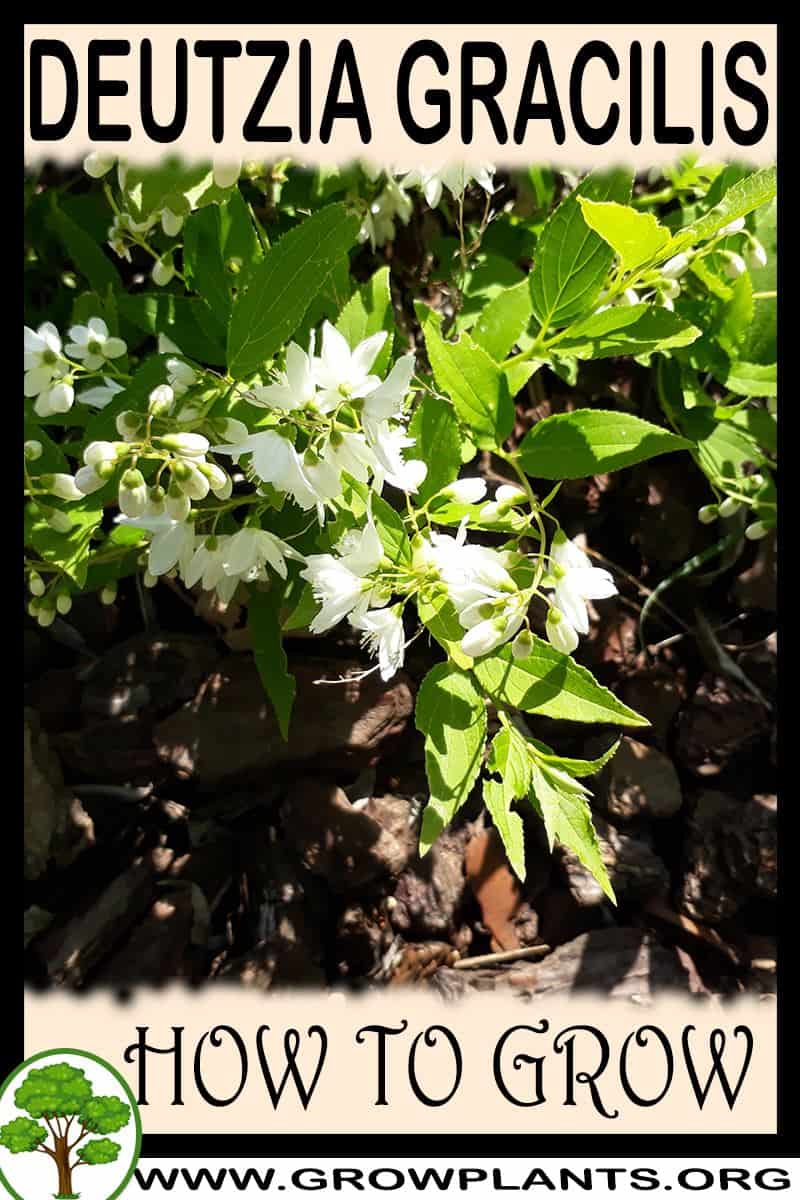
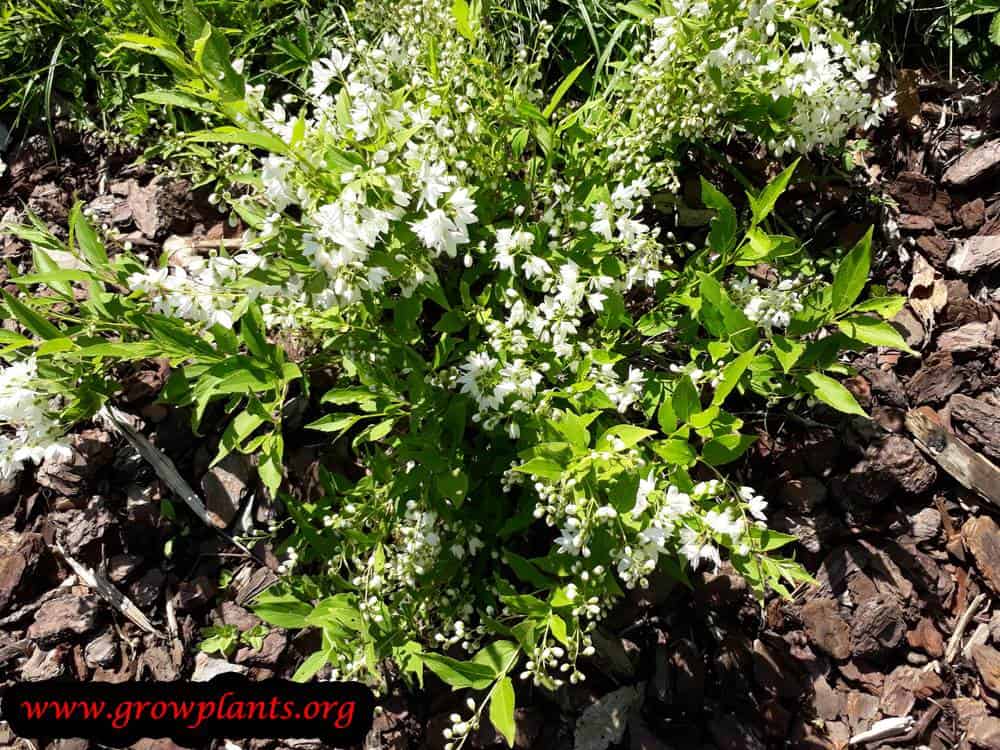
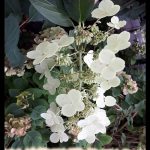
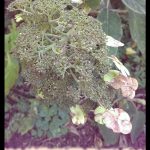
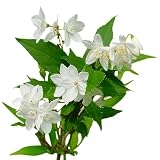
Overview: Deutzia gracilis (Slender Deutzia) is a compact deciduous shrub 60-150 cm tall, grown as an ornamental and informal hedge. It is smothered in fragrant white flowers in its season.
Quick Specifications
| Specification | Attribute |
|---|---|
| Plant Type / Life Cycle | Perennial (deciduous shrub) |
| Foliage Type | Deciduous |
| Mature Size | Height 60-150 cm (2-5 ft / 24-60 in) |
| Growth Rate | Moderate to fast |
| Toxicity | Non-toxic |
| Hardiness | USDA zones 5-9 |
Growth Form & Structure
- Height & Spread: A rounded shrub 60-150 cm (2-5 ft) tall and similar in width; also suited to container growing.
- Growth Habit & Form: Dense, arching deciduous shrub with slender stems.
- Lifespan & Maturity: Long-lived hardy shrub; reaches mature size in a few seasons.
Anatomy & Physical Features
- Leaves & Foliage: Green, elliptic leaves.
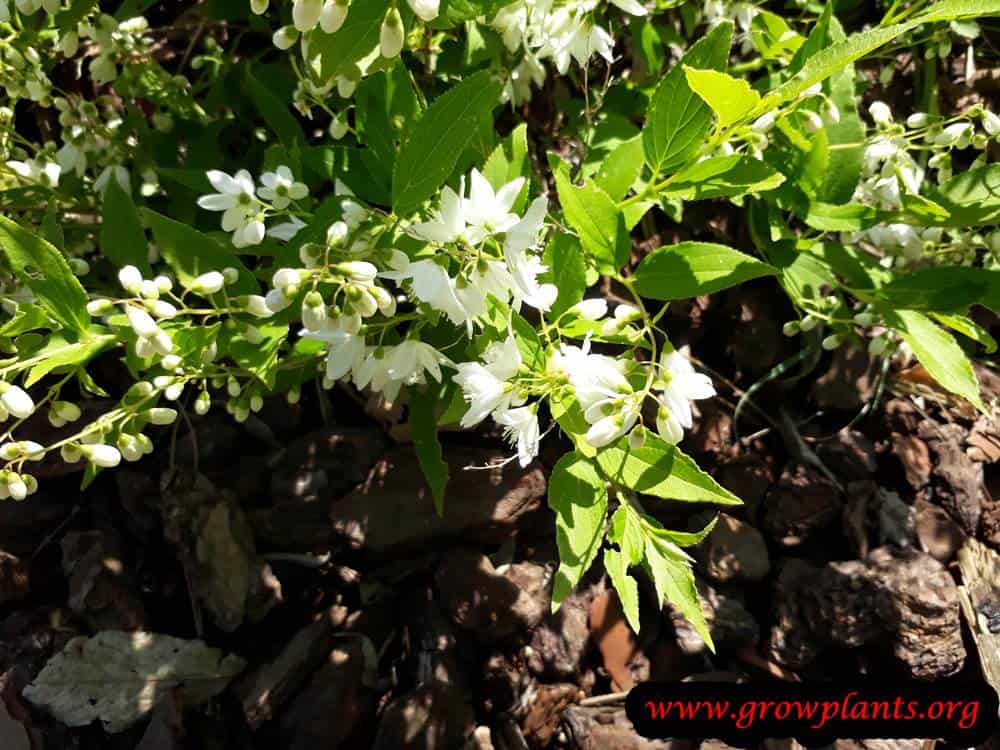
- Flower Characteristics: Fragrant white five-petalled flowers, star- to bowl-shaped, borne in profusion (full detail in the Bloom guide).
Primary Uses & Landscape Value
- Functional & Ornamental Roles: Ornamental flowering shrub, low informal hedge and border/foundation plant.
Care Guide: Planting, Soil & Watering
Overview: Slender deutzia is a hardy deciduous shrub that grows in moist but well-drained, fertile soil in full sun to part shade. It likes steady moisture and is easy-going once established.
Quick Care Requirements
| Requirement | Ideal Condition |
|---|---|
| Planting Season | In spring or summer (the warm season) |
| Growth Rate | Moderate to Fast |
| Soil Type | Moist but well-draining, fertile soil |
| Water Need | Moderate to High – keep evenly moist |
Planting & Establishment
- Best Planting Season: Plant in spring to summer.
- How to Plant:
- Hole Preparation: Dig a hole about twice as wide as the root ball on well-drained ground.
- Soil Amendments: Mix in compost or organic matter to hold moisture and feed the shrub.
- Planting Depth: Set the root ball with its top level with the soil surface.
- Growth Speed & Expectations: Moderate to fast, forming an arching shrub of about 60-150 cm.
Soil, Watering & Drainage Care
- Soil Mix & Drainage Needs: Moisture-retentive but free-draining soil; avoid both drought and waterlogging.
- Watering Schedule & Technique:
- Young / Newly Planted: Water regularly through the first season to establish.
- Established: Keep evenly moist, especially in summer, watering deeply.
- Seasonal Adjustments: More in summer heat; less in winter dormancy.
Climate, Light & Hardiness
Slender deutzia is a cold-hardy deciduous flowering shrub from temperate and subtropical climates, thriving in full sun to half shade with consistently moist, well-drained soil.
Quick Climate Specifications
| Climate Zones | Temperate, Subtropical |
|---|---|
| USDA Hardiness Zones | 5–9 |
| Frost Tolerance | High |
| Light Conditions | Full Sun to Half Shade |
Sunlight & Light Exposure
Optimal Light Setup
Full sun to half shade; full sun gives the heaviest bloom, while half shade is tolerated with slightly reduced flowering.
Direct Sun Requirement
Benefits from good direct sun for the best floral display.
Shade & Heat Management
In hot-summer subtropical areas, part shade and consistent moisture reduce stress.
Best Exposure / Orientation
An open border or foundation planting in sun to part shade suits it.
Temperature Extremes & Hardiness
USDA Hardiness & Regional Limits
Genuinely cold hardy in zones 5–9.
Cold Damage & Winter Protection
As a deciduous shrub it naturally loses its leaves and goes dormant for winter within its hardy range, requiring no special protection.
Frost Sensitivity
New spring growth and flower buds can be damaged by a late, hard frost.
Extreme Heat Tolerance
Moderate; benefits from consistent moisture in hot subtropical summers.
Wind, Humidity & Microclimate
Humidity Preferences
Adaptable across temperate and subtropical humidity levels.
Dry-Air Tolerance
Moderate; prefers reasonably consistent soil moisture, per site data on moist, well-drained soil.
Rainfall & Seasonal Moisture
Prefers moist, well-drained soil through the growing season; avoid prolonged drought.
Growing in Pots, Balconies & Indoors
Slender deutzia is a compact, spring-flowering deciduous shrub. It is not a houseplant, but its modest size makes it a fine container shrub for a patio or balcony, foaming with white flowers in the growing season.
Quick Details
- Container Size: A medium-large pot for a 60-150 cm (2-5 ft) shrub
- Indoor Suitability: Not a houseplant – it needs outdoor light and a winter chill
- Best Spot: Full sun to half shade
- Soil & Drainage: Rich, free-draining but moisture-retentive mix
- Watering in Pots: Average to plentiful – keep evenly moist; do not let it dry out in flower
Indoors & On the Windowsill
- Houseplant limits: Not an indoor plant; it is a hardy deciduous shrub that needs outdoor light and a cold winter dormancy.
- Overwintering: Fully hardy – a potted plant simply stays outside; in severe cold, shelter the pot from deep freezing.
On a Balcony or Patio
- Light & wind: Give it full sun or light shade for the best flowering; keep the pot evenly moist, as reflected heat dries containers quickly. Prune right after flowering.
- Practicalities: Use a stable pot; the arching stems look best given a little room to spill.
Choosing the Pot, Soil & Long-Term Care
- Pot & drainage: A medium-large pot with strong drainage holes and no saucer; keep the mix moist but free-draining.
- Potting mix: A well-aerated, organic-rich mix – peat or coir blended with perlite or vermiculite so it drains freely.
- Feeding: Potted plants need feeding more often than those in open ground, since frequent watering leaches nutrients from the mix – feed regularly through the growing season.
- Repotting: Top-dress each year and pot up every couple of years, pruning after flowering to keep it shapely.
Fertilizing & Feeding
A moderate feeder: balanced feeding during spring growth supports healthy new wood and the fragrant white spring-to-summer flower display typical of this deciduous shrub.
Quick Fertilizing Specs
| Feeding Level | Moderate feeder |
|---|---|
| Main Nutrient Priority | Balanced feeding through spring growth, with adequate potassium supporting flower quality as bloom approaches |
| Best Feeding Period | From spring growth through the spring-to-summer bloom period |
| Organic Options | Compost or well-rotted organic matter worked into moist, well-drained soil |
| Micronutrients | Usually supplied by a complete fertilizer; correct specific issues only when diagnosed |
| Soil pH | Prefers moist, well-drained soil; tolerates a range of pH |
| Reduce/Stop Feeding | Ease off feeding once flowering finishes and growth heads into the autumn-winter pruning period |
Feeding by Growth Stage
Spring growth flush
Support healthy new stem and leaf growth ahead of flowering.
| Nutrient direction | A balanced complete fertilizer to fuel steady growth on new wood. |
|---|---|
| Timing | From the start of spring growth through early summer. |
| Frequency | Regular light feeding through spring supports steady growth. |
| Fertilizer types | A balanced complete fertilizer, Compost or well-rotted organic matter |
| Precautions | Keep soil evenly moist and well drained; avoid heavy feeding late in the season, which can push soft growth vulnerable to winter dieback. |
Spring-to-summer flowering
Support the fragrant, star-shaped white flower display.
| Nutrient direction | A balanced fertilizer with adequate potassium to favor flower quality over excess leafy growth. |
|---|---|
| Timing | Through the spring-to-summer bloom period. |
| Frequency | Light, steady feeding through bloom, easing off as flowering finishes. |
| Fertilizer types | A balanced, potassium-adequate complete fertilizer |
| Precautions | Avoid heavy nitrogen during bloom, which can favor foliage over flowers. |
Autumn-winter dormancy and pruning period
Let the shrub rest through dormancy ahead of and during its autumn or winter prune.
| Nutrient direction | None – withhold fertilizer while the shrub is dormant or being cut back. |
|---|---|
| Timing | Through autumn leaf drop, winter dormancy, and pruning. |
| Frequency | No feeding at this stage. |
| Fertilizer types | No feeding at this stage – allow the shrub to rest undisturbed |
| Precautions | Do not fertilize a dormant or freshly pruned shrub; wait for active spring growth to resume before feeding again. |
Nutrient Deficiency Signs & Corrections
Healthy leafy growth with sparse or weak flowering.
| Possible causes | excess nitrogen feeding favoring foliage over flowers, pruning at the wrong time removing flowering wood, insufficient light |
|---|---|
| Appears first on | whole-shrub flowering response |
| What to check | recent feeding balance, pruning timing relative to bloom, light exposure |
| Possible correction | Shift toward a more balanced or potassium-adequate feed, prune promptly after flowering rather than before, and confirm adequate sun. |
New leaves emerge pale yellow while the veins remain green.
| Possible causes | high soil pH limiting iron availability, poorly drained or waterlogged soil, low soil iron availability |
|---|---|
| Appears first on | newest growth |
| What to check | soil drainage and structure, soil pH conditions, recent watering pattern |
| Possible correction | Improve drainage and soil conditions; apply a chelated iron product per its label if chlorosis persists. |
Distorted or curled new growth with sticky residue and general decline.
| Possible causes | aphid infestation on tender new growth, excess nitrogen feeding encouraging soft growth attractive to aphids, general plant stress from drought or poor drainage |
|---|---|
| Appears first on | new shoot tips and young leaves |
| What to check | leaves and stems for aphids, recent feeding history, soil moisture and drainage |
| Possible correction | Address the aphid issue directly, moderate nitrogen feeding, and hold off on additional feeding until the shrub recovers. |
Pruning, Training & Seasonal Maintenance
Deutzia gracilis is a small deciduous flowering shrub that blooms in spring on wood produced the previous year. It tolerates moderate-to-heavy pruning well, but timing matters: the correct window is immediately after flowering finishes, not the dormant season, because cutting back while dormant removes the flower buds already formed on last year’s growth. The main objectives are renewing old, twiggy wood and keeping the naturally arching, fountain-like habit rather than shearing it into a formal shape.
Quick Pruning & Maintenance Specs
| Pruning Tolerance | Moderate–High |
| Primary Pruning Window | Immediately after flowering (late spring) |
| Typical Frequency | Annually |
| Main Objective | Renew old wood and maintain arching form without losing next year’s bloom |
| Young Plant Priority | Light shaping only; allow the multi-stem framework to fill in |
| Mature Plant Priority | Remove ~1/3 of oldest canes at the base each year; thin twiggy interior growth |
| Best Tool Type | Bypass secateurs; loppers for older basal canes |
| Avoid Heavy Pruning During | Dormant season (autumn/winter) and just before/during bloom |
Pruning by Plant Age & Size
Newly Established
Minimal pruning – remove only damaged growth and let the plant build its multi-stem, mounding framework.
Young / Formative
No formal training system is needed; this is a naturally multi-stemmed shrub. Light tip pruning right after the first bloom can encourage a fuller shape.
Mature / Established
Each year immediately after flowering, cut about a third of the oldest, least productive canes down to the base to make room for vigorous new shoots, which will ripen over summer and carry next spring’s flowers.
Seasonal Pruning Schedule
Post-Flowering (old-wood bloomer)
Objective: renew old wood and shape the plant while leaving time for new growth to ripen before winter. Remove: oldest canes at the base, spent flower clusters, dead/damaged wood. Do not remove: vigorous new shoots that will become next year’s flowering wood. Expected response: strong new cane growth from the base and remaining stems through summer. Flowering impact: none this year (bloom is already finished); protects next spring’s display by giving new wood a full season to mature.
Flowering & Fruiting Wood
Flowers form on one-year-old wood set the previous growing season. Pruning in the dormant autumn/winter period, before that wood has flowered, removes the buds outright – this is why the post-flowering window overrides the generic dormant-season default.
Structural Pruning & Training
- Renewal pruning is the main structural task – cycle out the oldest, least floriferous canes each year rather than shearing the whole shrub.
- Thin crowded, twiggy interior growth to keep the arching form open and let light reach flowering wood.
- Height and spread control (this stays a compact 60–150cm shrub) is done by cane removal, not by shearing the outline.
Special Growth to Remove
Remove spent flower clusters after bloom if a neater look is wanted, along with any dead or winter-damaged twigs found at the same time.
Container & Small-Space Pruning
Suits a container well at its compact mature size; keep the same post-flowering renewal approach, removing a slightly higher proportion of old wood each year to keep the plant in scale with the pot.
Tools
- Bypass secateurs – most routine cane and twig removal.
- Loppers – older, thicker canes being removed at the base.
Tool Hygiene & Disease Risk
Routine – clean, sharp tools are sufficient; aphids are the documented pest concern for this species rather than a tool-transmissible disease, so hygiene focus is on general cleanliness rather than disinfecting between cuts.
Cut Placement & Technique
Remove old canes with a clean cut low at the base, close to ground level, rather than leaving stubs. For thinning cuts, cut back to a healthy side shoot or bud rather than shearing stem tips indiscriminately.
Heavy Pruning & Rejuvenation
Tolerated well. A significantly overgrown or bare-based plant can be cut back hard right after flowering, accepting a reduced bloom the following spring in exchange for a fully renewed framework.
Post-Pruning Care
Water normally through the summer growing period that follows pruning; no extra feeding needed to force the renewal growth this species already produces well on its own.
Common Pruning Mistakes
- Pruning in the dormant autumn/winter season, which strips off the buds set for spring bloom.
- Shearing the whole shrub into a ball instead of selectively removing old canes at the base.
- Never renewing old wood, leading to a twiggy interior with flowers only at the outer edge.
When NOT to Prune
Avoid pruning in the dormant autumn/winter season and avoid cutting during or just before the spring bloom.
Recommended Tools (by task)
- bypass_secateurs – the primary tool for the annual post-flowering renewal prune.
- loppers – removing older, thicker canes at the base of a mature shrub.
Propagation Guide
Slender Deutzia is most reliably increased from stem cuttings, which root easily and are the standard nursery method for this shrub; seed is possible but slower and less commonly used at home. Propagation is easy overall.
Quick Propagation Specs
| Best Propagation Method | Softwood stem cuttings |
| Alternative Methods | Hardwood cuttings; seed |
| Propagation Difficulty | Easy |
| Seed True-to-Type | Yes (species) |
| Vegetative True-to-Type | Yes |
| Best Propagation Season | Early summer for softwood cuttings; winter dormant season for hardwood cuttings |
| Seed Germination Time | Several weeks |
| Cutting Rooting Time | A few weeks for softwood cuttings |
| Germination Temperature | 15–20°C (59–68°F) |
| Seed Sowing Depth | Very shallow – fine seed, barely covered or surface-sown |
Growing from Seed
Seed Handling & Viability
No site-specific detail is given; the fine seed typical of this genus is best kept dry and cool until sowing.
Sowing Depth & Orientation
Surface-sow or barely cover, since the seed is fine.
Germination Conditions
Average to ample moisture and full sun to half shade, matching this plant’s watering and light preferences.
Germination Time
Several weeks.
Stem Cuttings
Cutting Type
Softwood tip cuttings in early summer, or hardwood cuttings taken during the dormant winter pruning season.
Best Timing
Early summer for softwood cuttings; winter, matching the site’s own autumn/winter pruning season, for hardwood cuttings taken from prunings.
Cutting Preparation
Take short tip cuttings and remove the lower leaves; hardwood cuttings can be taken from material removed during the plant’s normal dormant-season pruning.
Rooting Setup
A well-drained, moisture-retentive cutting mix; keep humidity up for softwood cuttings.
Rooting Hormone
Optional – this shrub roots readily without it, though a dip can speed things along.
Rooting Time
Typically a few weeks for softwood cuttings; hardwood cuttings root more slowly, over the following growing season.
Air & Ground Layering
A low, flexible side branch can be pinned to the soil and lightly wounded at the point of contact; kept moist, it typically roots within a growing season and can then be severed from the parent plant.
Bloom & Flower Guide
Quick Details
- Bloom Season: Late spring into early summer
- Time to First Bloom: Young shrubs usually flower within the first year or two
- Flower Appearance: White, five-petalled, shallowly bowl- to star-shaped flowers, lightly scented
- Edibility: Ornamental only – grown as a flowering shrub and hedge, not for eating
Detailed Blooming Overview
Slender deutzia is a graceful deciduous shrub that in late spring wreathes its arching stems in clusters of small, five-petalled white flowers, each opening from a bowl into a starry face. The effect is a froth of white all along the branches. It flowers on the previous year’s wood, so timing any pruning for straight after bloom is the key to a good display the following year. Bees work the flowers happily.
Flower Characteristics
- White, five-petalled, bowl- to star-shaped flowers.
- Carried in generous clusters along arching stems.
- Lightly scented and attractive to bees.
Bloom Care & Thinning
- Pruning for bloom: Flowers form on last year’s wood, so prune straight after flowering to protect next year’s display.
- Renewal: Cutting a few of the oldest stems to the base each year keeps flowering strong.
- Pollination: Bee-pollinated; no intervention is needed.
Pests, Diseases & Troubleshooting
Deutzia gracilis (slender deutzia) is a tough, easy-going Hydrangeaceae shrub that is almost entirely free of serious pests and diseases. Occasional aphids, leaf miners or a little fungal leaf spot are the extent of its usual troubles, and even these rarely need treatment. Reasonable soil, decent drainage and renewal pruning after flowering keep it healthy and floriferous.
Quick Troubleshooting Overview
| Issue / Pest | Main Symptom | Primary Solution |
|---|---|---|
| Aphids | Sticky, curled new shoots; minor distortion | Rinse off, beneficials, insecticidal soap if heavy |
| Leaf miners | Pale winding tunnels or blotches in leaves | Pick mined leaves, tidy debris |
| Leaf spot | Small brown spots in wet, crowded conditions | Prune for airflow, clear litter |
| Powdery mildew | Light white film in humid shade | Improve airflow, avoid overhead water |
| Root rot | Yellowing, dieback in waterlogged soil | Improve drainage, avoid overwatering |
Common Pests & Management
- Aphids (Aphididae spp.):
- Symptoms: Small green or black insects occasionally cluster on soft new shoots, causing minor curling and sticky honeydew; seldom serious on this vigorous shrub.
- Prevention & Control: Dislodge with a water jet, rely on ladybirds, lacewings and hoverflies, and spot-treat heavy clusters with insecticidal soap in the evening.
- Leaf miners (Liriomyza / Phytomyza spp.):
- Symptoms: Pale, winding tunnels or blotches appear inside the leaves where larvae mine between the surfaces; damage is cosmetic.
- Prevention & Control: Pick off and destroy mined leaves, keep the shrub tidy and unstressed, and encourage parasitic wasps; no spraying is warranted for cosmetic mining.
- Leafhoppers / occasional caterpillars (Cicadellidae / Lepidoptera larvae):
- Symptoms: Light pale flecking from leafhoppers, or a few chewed leaves from passing caterpillars; minor and sporadic.
- Prevention & Control: Tolerate light damage, hand-pick the odd caterpillar, and keep the plant growing well; intervention is rarely needed.
Diseases & Fungal Issues
- Fungal leaf spot (Cercospora / Septoria spp.):
- Symptoms: Small brown or purplish spots may develop on leaves in wet seasons or on crowded, shaded plants, occasionally with early leaf drop.
- Treatment & Management: Prune to open the shrub for airflow, clear fallen leaves, and avoid overhead watering; remove badly spotted foliage; fungicide is rarely justified.
- Powdery mildew (Erysiphales):
- Symptoms: A light white film can appear on leaves in humid, shaded, still positions, causing minor yellowing.
- Treatment & Management: Improve airflow and light, avoid overhead watering, and remove affected shoots; sulphur or potassium bicarbonate can be used in the unusual case where it persists.
Growing Difficulties & Abiotic Problems
- Root rot in wet soil:
- Cause & Symptoms: Waterlogged or heavy soil rots the roots, giving yellowing, poor growth and dieback.
- Correction Strategy: Plant in reasonably drained soil improved with organic matter, avoid overwatering, and do not site it in a wet hollow.
- Winter dieback of shoot tips:
- Cause & Symptoms: Cold can kill the tips of soft late growth, leaving short dead ends on the stems.
- Correction Strategy: Avoid feeding late in the season, and prune out any winter-killed tips in spring; the shrub readily regrows from lower buds.
- Poor flowering / congestion:
- Cause & Symptoms: Old, unpruned plants become twiggy and congested and flower less freely.
- Correction Strategy: Prune right after flowering, removing a portion of the oldest stems to the base each year, to keep the shrub open, young and free-flowering.
What Helps – Products & Tools
Deutzia needs very little: keep insecticidal soap on hand for the rare aphid outbreak and, at most, a sulphur or potassium-bicarbonate fungicide in reserve for occasional mildew or leaf spot. Its real needs are decent drainage and renewal pruning after flowering rather than any spray programme.