Plant Profile & Key Characteristics
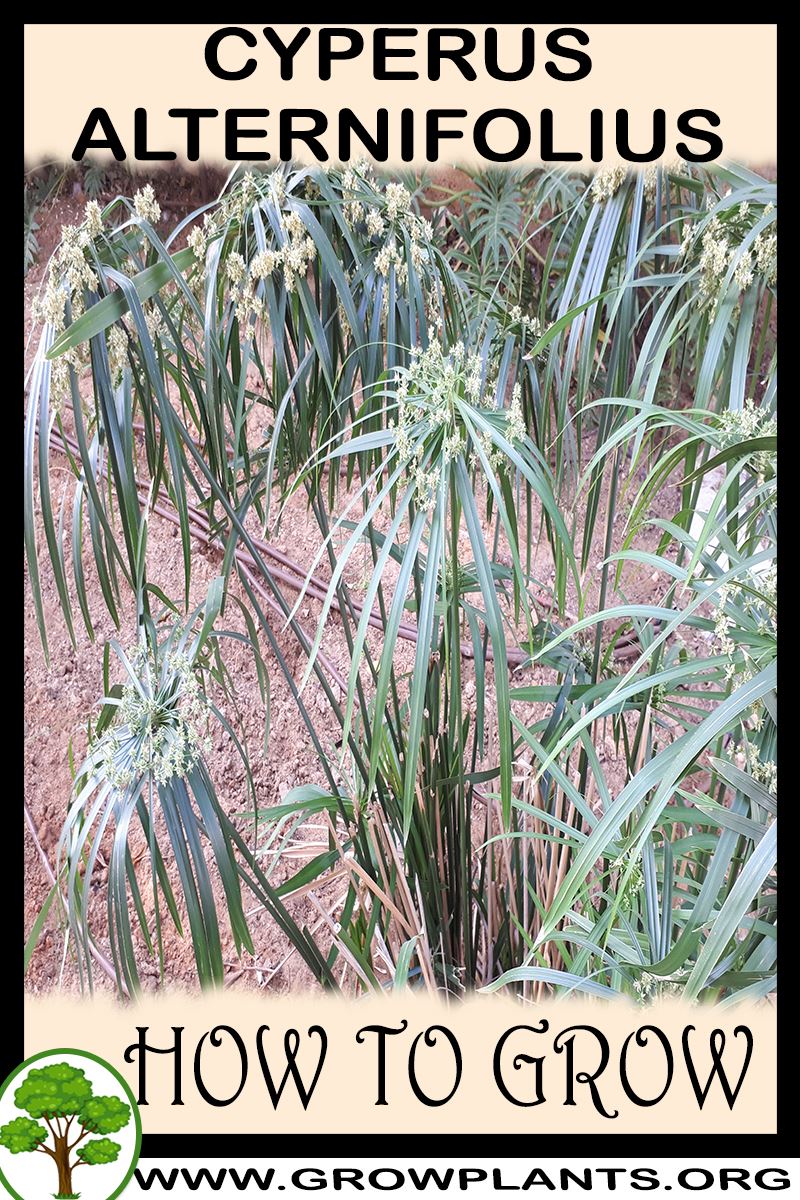
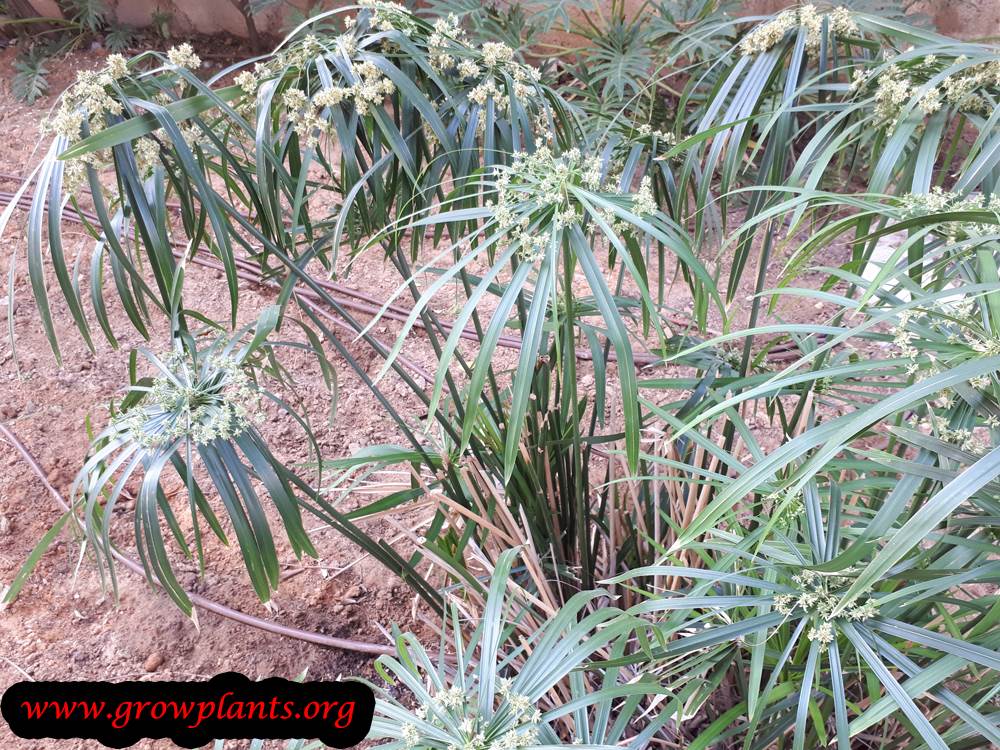
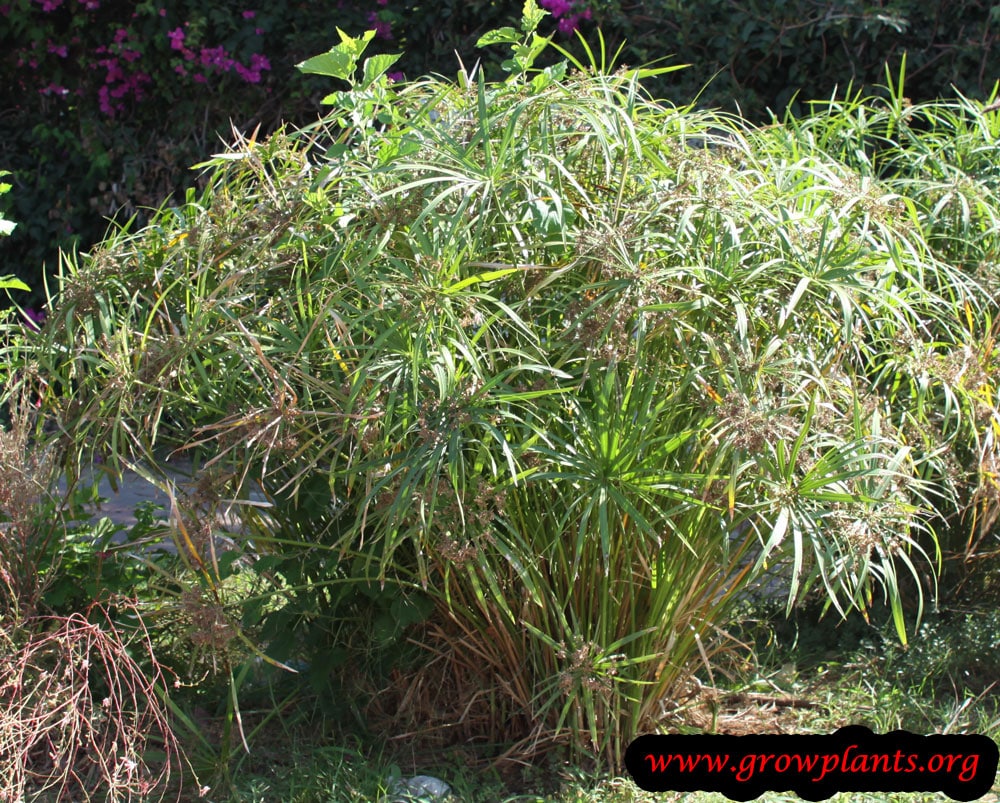
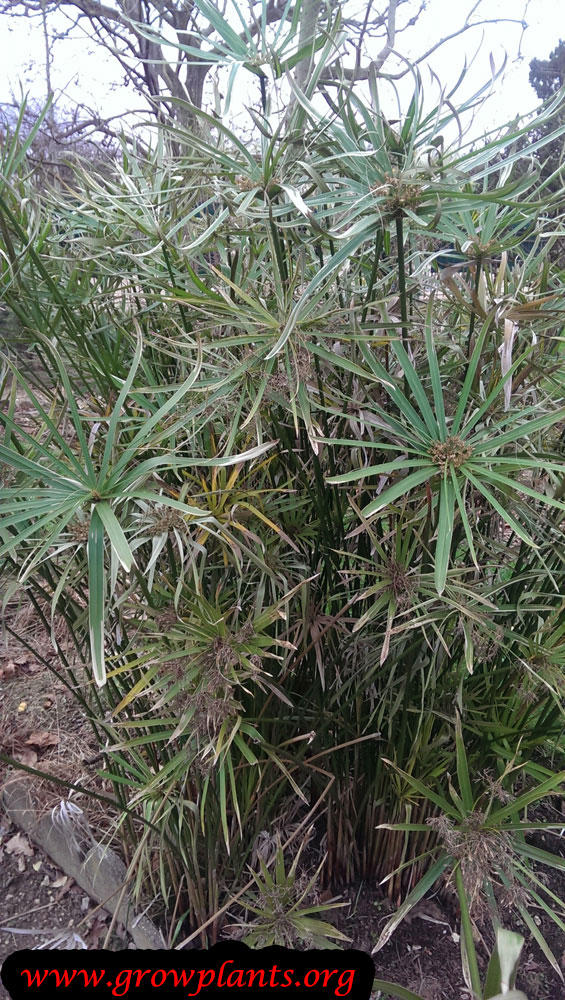
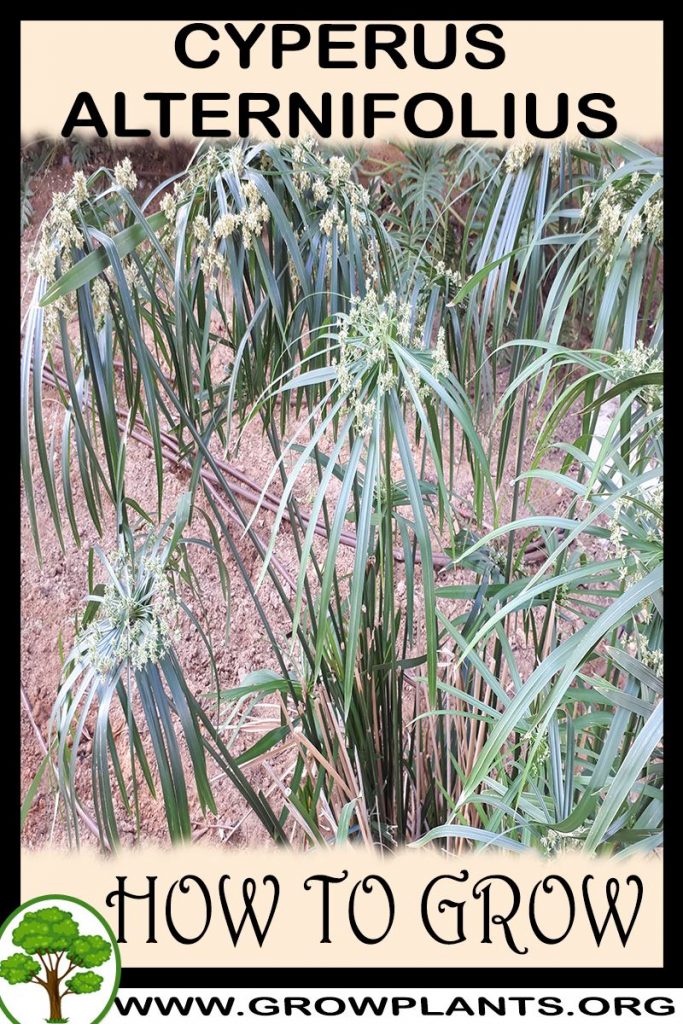
Overview: Umbrella sedge is an evergreen, clump-forming wetland perennial 0.5-1.5 m (20-60 in) tall, topped by whorls of leaf-like bracts arranged like umbrella spokes. It is grown as an ornamental marginal/pond plant and in containers.
Quick Specifications
| Specification | Attribute |
|---|---|
| Plant Type / Life Cycle | Perennial (evergreen sedge) |
| Foliage Type | Evergreen |
| Mature Size | 0.5-1.5 m (20-60 in) tall |
| Growth Rate | Moderate to fast |
| Root System | Rhizomatous and clump-forming (a marginal wetland plant) |
| Hardiness | USDA zone 8 and warmer |
Growth Form & Structure
- Height & Spread: 0.5-1.5 m tall; grown in wet ground, at pond margins or in containers standing in water, but not as an indoor plant.
- Growth Habit & Form: Clumping sedge with slender green triangular stems, each topped by an umbrella-like whorl of bracts.
- Lifespan & Maturity: Fast to establish in wet conditions, forming dense clumps.
Anatomy & Physical Features
- Leaves & Foliage: True leaves reduced to a brown sheath at the stem base; the ‘umbrella’ is a whorl of green, leaf-like bracts.
- Flower Characteristics: Small, yellowish, feathery flower clusters borne among the bracts.
Primary Uses & Landscape Value
- Functional & Ornamental Roles: Ornamental marginal/aquatic and pond plant, and a container specimen for wet sites.
Care Guide: Planting, Soil & Watering
Overview: Umbrella papyrus is a wetland plant that grows best in full sun to part shade and constantly wet, rich soil – even standing water. It is frost-tender and never wants to dry out.
Quick Care Requirements
| Requirement | Ideal Condition |
|---|---|
| Planting Season | Any time in frost-free climates, best in spring |
| Growth Rate | Fast to Moderate |
| Soil Type | Rich, water-retentive soil; tolerates boggy ground and shallow standing water |
| Water Need | High – keep constantly wet; it can stand in water |
Planting & Establishment
- Best Planting Season: plant year-round in warm, frost-free areas, ideally in spring.
- How to Plant:
- Hole Preparation: plant into wet ground or at a pond margin, in a hole sized to the root ball.
- Soil Amendments: use heavy, rich, moisture-holding soil; sharp drainage is not needed for this bog plant.
- Planting Depth: set the crown at soil level; at a pond edge it can sit with the crown just submerged.
- Growth Speed & Expectations: fast, forming upright clumps around 0.5–1.5 m tall.
Soil, Watering & Drainage Care
- Soil Mix & Drainage Needs: unlike most plants it wants water-retentive soil that never dries; in a container, stand the pot in a saucer or tray of water.
- Watering Schedule & Technique:
- Young / Newly Planted: keep the soil saturated as it establishes.
- Established: never let it dry out – keep it wet year-round.
- Seasonal Adjustments: keep moist even in cool weather, but protect it from frost.
Climate, Light & Hardiness
Umbrella papyrus is a warm-climate evergreen wetland perennial suited to tropical, Mediterranean, desert, and subtropical conditions, and it needs a frost-free site to persist. It grows best in full sun to half shade in consistently wet ground.
Quick Climate Specifications
| Climate Zones | Tropical, Mediterranean, desert, subtropics |
|---|---|
| USDA Hardiness Zones | 8+ |
| Frost Tolerance | Low |
| Light Conditions | Full Sun / Half Shade |
Sunlight & Light Exposure
Optimal Light Setup
Full sun to half shade both work well, giving the plant's characteristic umbrella-shaped foliage clusters flexibility in pond-margin placement.
Shade & Heat Management
The species tolerates hot, sunny conditions well across its tropical-to-desert climate range, provided its roots stay wet.
Temperature Extremes & Hardiness
USDA Hardiness & Regional Limits
Umbrella papyrus is rated for USDA zone 8 and warmer, and the site data explicitly notes it needs frost-free conditions to thrive.
Cold Damage & Winter Protection
Because the plant requires a frost-free site, any real winter freeze in marginal zone 8 areas risks significant damage; siting in a warm, sheltered microclimate helps protect it.
Frost Sensitivity
Frost tolerance is low – this is fundamentally a frost-free-climate plant, best suited to consistently warm gardens or protected sites in cooler zone 8 locations.
Wind, Humidity & Microclimate
Humidity Preferences
Umbrella papyrus needs consistently wet, boggy or shallow-water conditions and does not tolerate drying out.
Microclimate Recommendations
In borderline zone 8 areas, a warm, frost-sheltered planting site is important to protect this frost-free-climate plant through winter.
Growing in Pots, Balconies & Indoors
The umbrella plant (Cyperus alternifolius) is a moisture-loving sedge (0.5-1.5 m). The grower doesn’t class it an easy houseplant – it wants strong light and constantly wet roots – but it takes to pots readily and, in a very bright spot with its feet in water, it can be grown indoors.
Quick Details
- Container Size: A pot stood in a saucer or tray of water; it likes wet, even waterlogged, feet.
- Indoor Suitability: Not an easy houseplant per the grower; possible only at a very bright window with constant moisture.
- Best Spot: Full sun to half shade.
- Soil & Drainage: Rich, water-retentive mix; standing water is welcome, so drainage matters less than moisture.
- Watering: Keep permanently wet – never let it dry.
Indoors & On the Windowsill
- Houseplant reality: The grower says no – ordinary indoor light is too weak and it dislikes drying out.
- Windowsill growing: In practice it can grow at the brightest, most humid window with its pot standing in a water tray – the two things it most needs.
On a Balcony or Patio
- Water feature plant: Ideal beside a pond or in a bog planter / water tray on a sunny to part-shaded balcony; keep it constantly wet and shelter the tall stems from strong wind.
Choosing the Pot, Soil & Long-Term Care
- Upkeep: Divide clumps every year or two, feed lightly in the growing season, and keep the water topped up; a pot standing in water suits it fine.
Fertilizing & Feeding
A moderate feeder for a marginal aquatic – steady, nitrogen-forward feeding through the warm season keeps the tall umbrella-shaped foliage lush, tapering off completely once any cool or frost-tender period approaches.
Quick Fertilizing Specs
| Feeding Level | Moderate |
|---|---|
| Main Nutrient Priority | Nitrogen-forward feeding to support tall, lush, upright foliage |
| Best Feeding Period | Warm, active growing months |
| Soil pH | Adaptable to a wide range in consistently wet soil |
| Reduce/Stop Feeding | Ease off as growth slows in cooler weather or where winters bring any chill |
| Organic Options | Organic matter or aquatic planting soil worked in at planting |
Feeding by Growth Stage
Establishment after planting
Help new plantings root into standing water or consistently wet soil before pushing tall new growth.
| Nutrient direction | A light, balanced feeding at planting to support root establishment. |
|---|---|
| Timing | At planting, whether directly in pond margins, a bog bed, or a submerged container. |
| Frequency | A single light feeding at planting is usually enough; wait for clear new shoots before feeding again. |
| Fertilizer types | Aquatic planting soil or organic matter worked in at planting, A light balanced fertilizer tucked into the root zone rather than dissolved into open water |
| Precautions | Keep fertilizer close to the root zone rather than loose in open water, to avoid feeding algae instead of the plant. |
Active growth
Support tall, upright, densely leafed growth through the warm growing season.
| Nutrient direction | A nitrogen-forward feed to drive the lush, leafy growth this plant is grown for. |
|---|---|
| Timing | Spring through the warm months while new shoots are actively forming. |
| Frequency | Feed lightly and regularly through the growing season, easing off once growth naturally slows. |
| Fertilizer types | A nitrogen-forward feed for marginal aquatics worked into wet soil around the root zone, A dilute aquatic fertilizer or root tab for plants grown fully in standing water or containers |
| Precautions | Avoid loose fertilizer applications directly into open pond water, since nutrient runoff mainly feeds algae rather than this plant. |
Cool-season slowdown
Let growth rest through any cool or marginal-cold period without pushing new shoots.
| Nutrient direction | None – withhold fertilizer once growth clearly slows or cold threatens this frost-tender plant. |
|---|---|
| Timing | Cooler months, or ahead of any expected chill in marginal climates. |
| Frequency | No feeding at this stage. |
| Fertilizer types | No feeding at this stage; resume once warm weather brings back active new growth. |
| Precautions | Do not fertilize going into cold weather, since this frost-tender plant should be hardening off and slowing down, not pushing tender new growth. |
Nutrient Deficiency Signs & Corrections
Stems staying short and thin instead of tall and upright
| Possible causes | Not enough nitrogen in the water or wetland soil, Insufficient direct sun reaching the planting, Overcrowded clumps competing for light and nutrients |
|---|---|
| Appears first on | New shoots emerging from the base |
| What to check | How much direct sun the planting actually receives, General nutrient richness of the water or soil, How crowded and overdue for division the clump has become |
| Possible correction | Improve light and divide overcrowded clumps first; step up nitrogen-forward feeding only if the setting is confirmed nutrient-poor. |
Umbrella-shaped foliage clusters yellowing or fading instead of staying deep green
| Possible causes | Nutrient-poor water or soil lacking nitrogen, Iron becoming unavailable in alkaline or waterlogged conditions, Stress from recent division or transplanting |
|---|---|
| Appears first on | Newest umbrella leaf clusters |
| What to check | How recently the plant was divided or transplanted, Water or soil pH and how waterlogged it is, General feeding history for the planting |
| Possible correction | Address transplant stress and pH first; if yellowing persists, a chelated iron product suited to wet or aquatic plantings can help per its label. |
Pruning, Training & Seasonal Maintenance
Umbrella papyrus grows as a clump of unbranched, triangular stems, each capped with a whorl of leaf-like bracts and a small umbrella-shaped flower cluster – a stem does not branch or produce new growth if its tip is cut, so maintenance means removing whole stems at the base once they age, rather than trimming or shaping the canopy of any individual stem. It tolerates cutting year-round and responds by sending up fresh culms from the clump’s base.
Quick Pruning & Maintenance Specs
| Pruning Tolerance | High – readily replaces removed stems from the base of the clump |
| Primary Maintenance Window | Year-round, as individual stems age or brown |
| Typical Frequency | Ongoing basal renewal rather than a single seasonal cut |
| Main Objective | Remove spent/browning culms at the base; thin dense clumps for airflow (fungal issues are noted for this species) |
| Best Tool Type | Precision snips or bypass secateurs at the base of each stem |
Special Growth to Remove
- Old or browning culms – cut the entire stem at soil/water level once its umbrella-shaped head fades; tip-trimming will not renew a single stem, since each culm is unbranched and terminal.
- Spent flower/bract clusters – removing these as they fade tidies the plant and can reduce the flying insects the flowers attract, per the source’s noted difficulty with this species.
- Overcrowded stems in a dense clump – thin out some culms at the base to improve airflow through the clump, relevant given the fungal disease risk noted for this plant.
Container & Small-Space Pruning
Well suited to pot culture (it is not grown indoors as a houseplant, but does well in an outdoor container in frost-free conditions); in a container, basal thinning is even more important than in the ground, since crowded stems in a confined root zone are more prone to the fungal issues this species can develop.
Tools
Precision snips or bypass secateurs for cutting individual culms at the base. No saw, loppers or hedge shears are relevant – the stems are non-woody and there is no canopy to shear.
Tool Hygiene & Disease Risk
Increased – this species is noted as prone to fungal problems, so remove and dispose of (rather than compost near the clump) any stems showing fungal symptoms, and work through visibly diseased material last, after healthy stems.
Cut Placement & Technique
Cut each stem as close to the base (soil or water line) as practical – a mid-stem cut leaves a bare, leafless stub with no growing point, since these plants do not branch from a heading cut.
Post-Pruning Care
Keep the wetland-style moist/frost-free conditions this plant needs; monitor regrowth for the same fungal issues if the clump was thinned for that reason.
Common Pruning Mistakes
- Tip-trimming a stem expecting it to branch or regrow from partway down – it will not; only the base of the clump produces new culms.
- Leaving a dense, crowded clump untidied, which the source notes is prone to fungal issues.
When NOT to Prune
No strong seasonal restriction is indicated; the main caution is technique (basal cuts, not tip cuts) rather than timing.
Recommended Tools (by task)
- precision_snips – basal removal of individual spent or overcrowded culms.
Propagation Guide
Umbrella papyrus is easiest to propagate vegetatively, which the site notes is not strictly required but is easy to do; dividing the clump or rooting a cut stem topped with its leaf whorl both work well. Seed propagation is possible but slower and less commonly used, so overall difficulty is Easy.
Quick Propagation Specs
| Best Propagation Method | Clump division or rooting a leaf-whorl top cutting |
| Alternative Methods | Seed |
| Propagation Difficulty | Easy |
| Vegetative True-to-Type | Yes |
| Best Propagation Season | All year, especially spring, per the site’s planting season |
| Cutting Rooting Time | Typically a few weeks |
Stem Cuttings
Cutting Type
A stem topped with its umbrella-like whorl of leaf bracts, cut a few centimeters below the whorl.
Best Timing
All year in frost-free conditions, with spring being the best window per the site.
Cutting Preparation
Cut a healthy stem several centimeters below the leaf whorl; trimming the leaf bracts back by about half can encourage plantlets to form at their base.
Rooting Setup
Invert the cutting so the leaf whorl sits in a shallow container of water with the cut stem end upright, or lay the whorl flat on wet, rich soil; small roots and new plantlets typically develop from the base of the whorl.
Rooting Hormone
Unnecessary — this species roots readily without it.
Rooting Time
Typically a few weeks in warm, wet conditions before plantlets are large enough to pot on.
Division, Offsets, Pups & Suckers
Divide established clumps by separating rooted stem clusters from the main rhizome mass, keeping roots attached to each section, then replant directly into rich, constantly wet soil.
Bloom & Flower Guide
Quick Details
- Bloom Season: Spring and summer
- Flower Appearance: Small, yellow-green feathery flower clusters set in the umbrella of leaf-like bracts at the top of each stem
- Edibility: Ornamental / none
Detailed Blooming Overview
Umbrella sedge, a papyrus relative, carries its flowers in a distinctive whorl of narrow, leaf-like bracts that radiate like the spokes of an umbrella at the top of each tall stem. The flowers themselves are small and feathery, greenish to straw-yellow, and add fine texture rather than bold colour. It flowers in spring and summer.
Flower Characteristics
- Feathery, yellow-green flower clusters (spikelets) held in the umbrella-like head.
- Carried at the tips of the tall, slender stems.
Bloom Care & Thinning
- Pollination: Wind-pollinated, like other sedges.
- Managing the plant: Remove old and spent stems at the base to keep fresh growth coming and the clump looking neat.
Pests, Diseases & Troubleshooting
Overview: Umbrella sedges and papyrus are tough, moisture-loving Cyperus with remarkably few problems; the umbrella sedge (Cyperus alternifolius) is grown as a moisture-loving foliage plant. Because they grow in or beside water, classic root rot is rare, and most issues are sap-sucking insects on stressed indoor plants or brown, dry foliage from low humidity. Manage them culturally: keep them wet, humid and airy, and rinse pests off before reaching for sprays.
Quick Troubleshooting Overview
| Issue / Pest | Main Symptom | Primary Solution |
|---|---|---|
| Aphids | Sticky honeydew and clustered insects on new shoots and umbels | Rinse off with water; insecticidal soap; encourage predators |
| Spider mites | Fine speckling and webbing on stems, worst in dry indoor air | Raise humidity, hose down, apply horticultural oil |
| Mealybugs / scale | White fluff or brown bumps in leaf axils and on stems | Wipe off with alcohol swab; horticultural oil or insecticidal soap |
| Brown, crispy tips | Leaf and bract tips dry and brown | Increase humidity and water; flush salts; trim tips |
| Stem/leaf rot | Blackened, mushy stems in stagnant, cool, dirty water | Improve airflow, refresh water, remove affected stems |
Common Pests & Management
- Aphids (Aphis / Rhopalosiphum species):
- Symptoms: Small soft-bodied insects gather on tender new shoots and the flowering umbels, sucking sap and coating stems with sticky honeydew that turns black with sooty mould.
- Prevention & Control: Blast off with a strong water jet, wipe or spray with insecticidal soap, and encourage ladybirds, lacewings and hoverflies; repeat until clear.
- Spider mites (Tetranychus urticae):
- Symptoms: On dry indoor plants the thread-like leaflets show fine pale stippling and, in bad cases, delicate webbing at the stem tips; foliage looks dusty and dull.
- Prevention & Control: Mites hate humidity, so mist and keep the plant wet; rinse the whole plant regularly, and apply horticultural oil or insecticidal soap, treating the undersides thoroughly and repeating.
- Mealybugs (Pseudococcus / Planococcus species):
- Symptoms: White cottony masses tuck into leaf axils and where bracts join the stem, sapping vigour and producing honeydew.
- Prevention & Control: Dab colonies with an alcohol-dipped swab, spray insecticidal soap or horticultural oil, and isolate affected plants until clean.
- Scale insects (Coccus / Saissetia species):
- Symptoms: Brown or tan limpet-like bumps along stems and leaf bases; they are firmly attached and leave sticky honeydew.
- Prevention & Control: Scrape off by hand, treat with horticultural oil to smother crawlers, and repeat every couple of weeks until no new scale appears.
- Whitefly (Trialeurodes vaporariorum):
- Symptoms: Tiny white flies rise in clouds when the plant is disturbed, mostly a greenhouse or indoor nuisance, leaving honeydew and mild yellowing.
- Prevention & Control: Hang yellow sticky traps, rinse foliage, and use insecticidal soap; encourage parasitic wasps in greenhouses.
Diseases & Fungal Issues
- Stem and leaf rot (Fusarium / Rhizoctonia species):
- Symptoms: Blackened, soft or collapsing stems, usually where water is stagnant, cool and dirty or where the crown is crowded and airless.
- Treatment & Management: Refresh the water regularly, thin congested clumps for airflow, cut out affected stems at the base, and keep the growing water clean; rarely needs a fungicide.
- Fungal leaf spot (Cercospora / Cylindrocladium species):
- Symptoms: Small brown or tan spots and blotches on the leaflets, occasionally with yellow halos, in humid crowded conditions.
- Treatment & Management: Remove spotted foliage, improve spacing and airflow, avoid splashing the leaves, and apply a copper-based fungicide only if spread is persistent.
- Root rot (Pythium species):
- Symptoms: Uncommon in these wetland plants, but if grown too cold in stale water the roots can brown and rot, causing yellowing and weak growth.
- Treatment & Management: Refresh with clean water, keep temperatures warm enough, remove rotted roots, and repot into fresh medium if needed.
Growing Difficulties & Abiotic Problems
- Brown, crispy leaf tips:
- Cause & Symptoms: Low humidity, dry air, under-watering or salt build-up from hard water and fertiliser scorch the fine leaflet tips.
- Correction Strategy: Keep the pot standing in water, raise humidity, flush the soil periodically with clean water to leach salts, and trim damaged tips.
- Yellowing and weak growth:
- Cause & Symptoms: Insufficient water, low light or nutrient deficiency in a long-unfed clump causes pale, floppy, yellowing stems.
- Correction Strategy: Never let the roots dry out, give bright light, and feed lightly during active growth; divide congested clumps to rejuvenate.
- Cold damage:
- Cause & Symptoms: These are tender, warmth-loving plants; chill browns and collapses the foliage.
- Correction Strategy: Keep above about 10°C, move indoors before cold weather, and cut back frosted growth so fresh shoots can emerge.
What Helps – Products & Tools
Very little is usually needed. Keep a spray of insecticidal soap and light horticultural oil on hand for aphids, mites, mealybugs and scale, plus rubbing alcohol on cotton swabs for spot-treating mealybugs. Yellow sticky traps help with whitefly indoors, and periodic clean-water flushing prevents salt-tip burn. A copper fungicide is only occasionally warranted for leaf spot. Apply oils in the evening and follow the label.