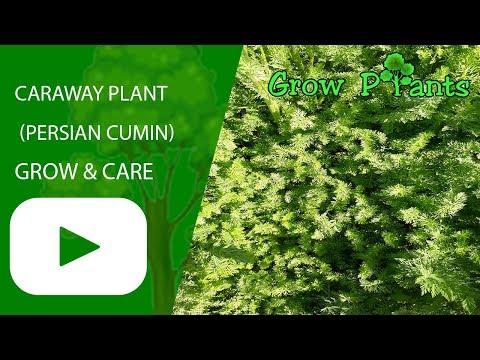

Plant Profile & Key Characteristics
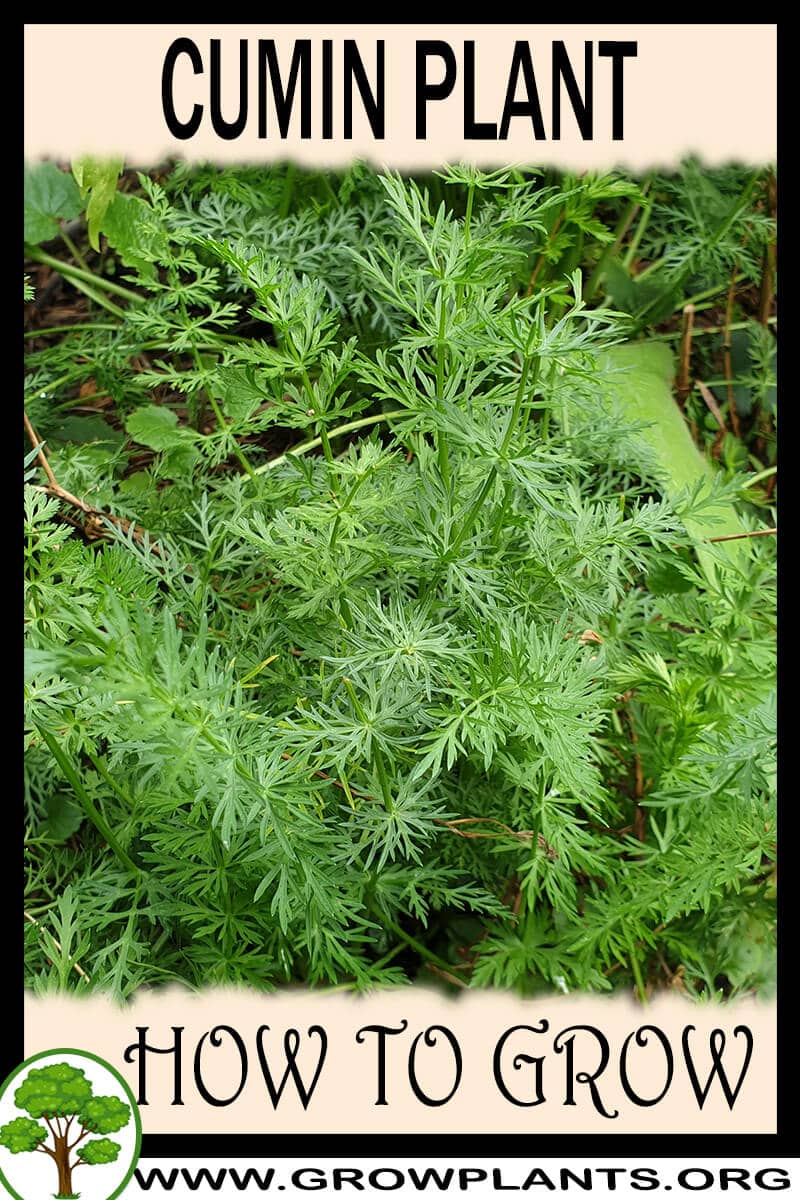
Overview: Cumin is a small, fast-growing annual herb about 20-60 cm (8-24 in) tall, grown for its aromatic edible seeds used as a spice. It has fine, thread-like foliage and small white or pink flowers that attract pollinators.
Quick Specifications
| Specification | Attribute |
|---|---|
| Plant Type / Life Cycle | Annual (herbaceous) |
| Foliage Type | Deciduous (dies after seeding) |
| Mature Size | 20-60 cm (8-24 in) tall |
| Growth Rate | Fast (about 100-150 days) |
| Toxicity | Non-toxic / edible |
| Hardiness | USDA zones 10+ (grown as a cool-season annual) |
Growth Form & Structure
- Height & Spread: A slender herb 20-60 cm (8-24 in) tall; suited to the ground or containers, spaced about 25 cm (10 in) apart.
- Growth Habit & Form: An upright, wispy annual herb with thin branching stems.
- Lifespan & Maturity: Annual; seed ready roughly half a year from sowing.
Anatomy & Physical Features
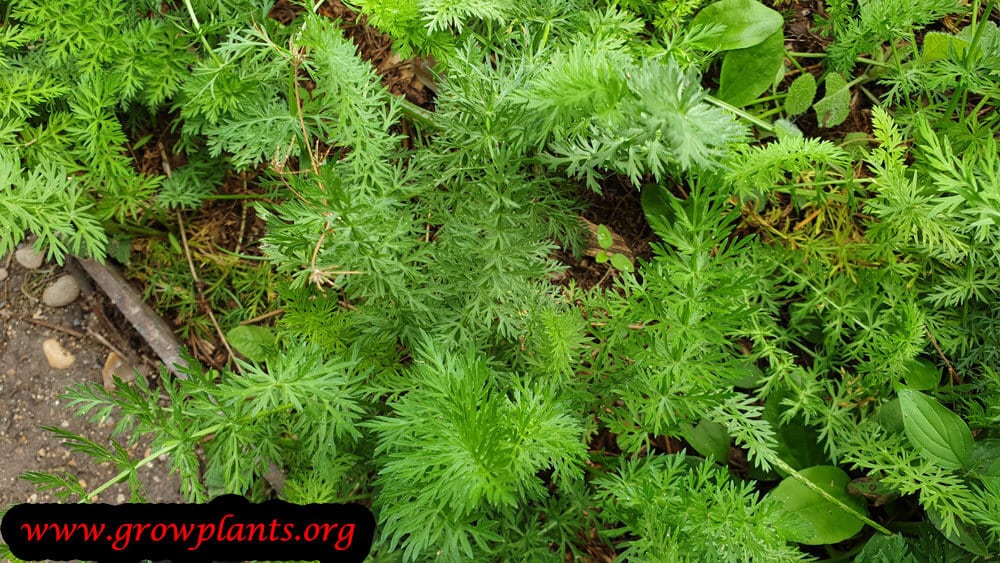
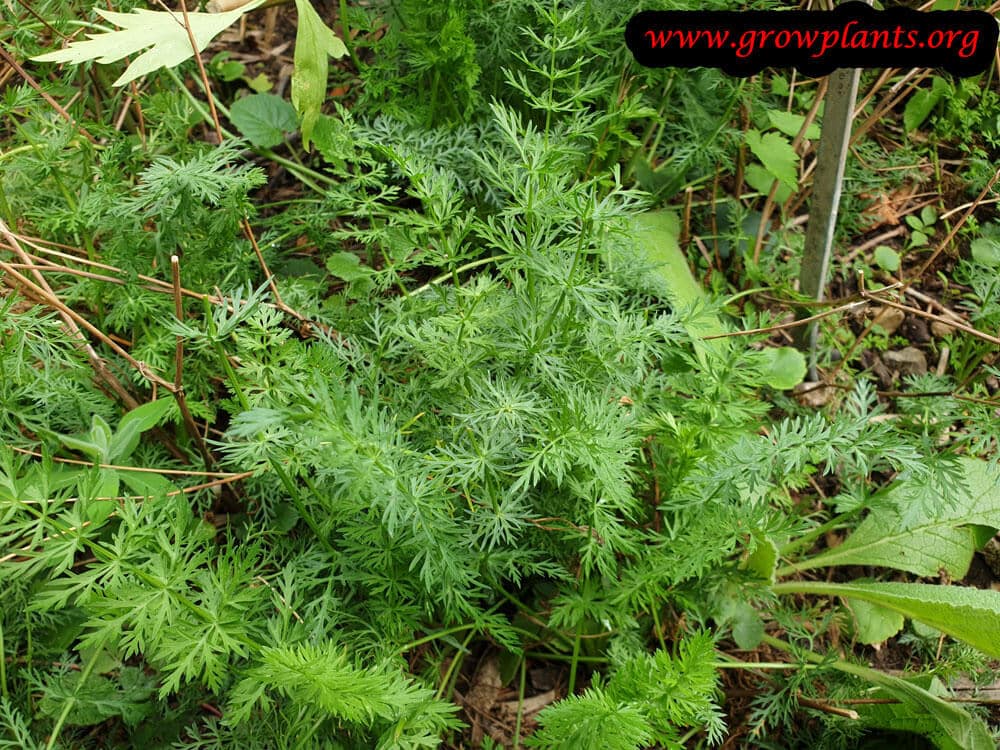
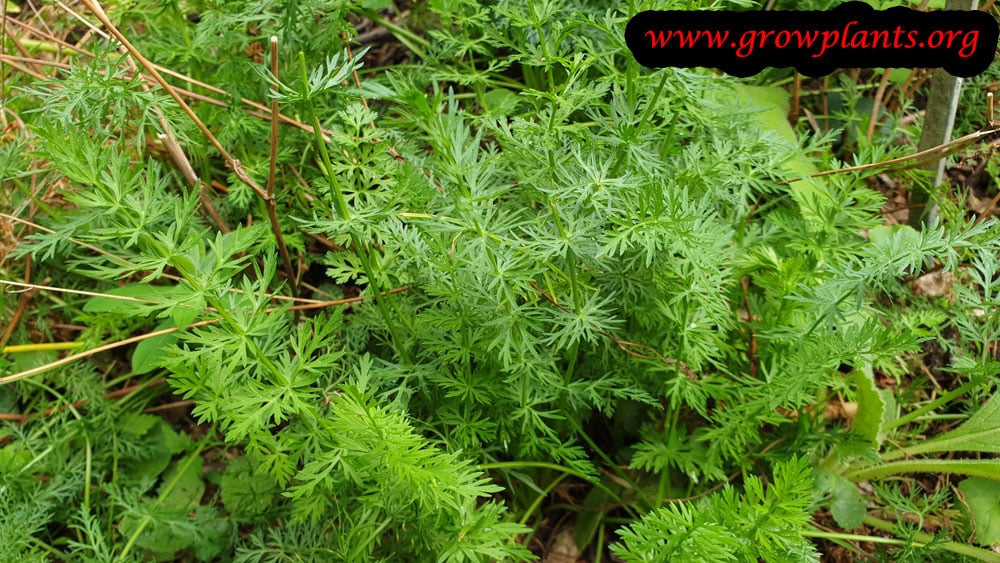
- Leaves & Foliage: Fine, thread-like (feathery) green leaves that can turn purple in the cold; stems sometimes take on a silvery hue.
- Flower Characteristics: Small white or pink flowers in umbels.
- Fruit Profile: Small dry fruit each holding an aromatic edible seed.
Primary Uses & Landscape Value
- Edible Uses: Dried seeds used whole or ground as a spice.
- Functional & Ornamental Roles: Culinary herb crop that also attracts pollinators.
Care Guide: Planting, Soil & Watering
Overview: Cumin is a slender warm-climate annual herb for full sun and a light, well-draining soil. It suits a dry, warm season and needs only modest watering – cold and excess moisture will kill it.
Quick Care Requirements
| Requirement | Ideal Condition |
|---|---|
| Planting Season | At the end of autumn in mild, frost-free climates (~zone 10+) |
| Growth Rate | Fast (matures in about 100-150 days) |
| Soil Type | Light and well-draining |
| Water Need | Low – water sparingly but keep the seedbed from drying out |
Planting & Establishment
- Best Planting Season: Sow at the end of autumn where winters are mild and frost-free; it needs a long, warm, dry finish to ripen its seed.
- How to Plant:
- Hole Preparation: Sow into a finely raked, well-drained bed and thin seedlings to about 25 cm apart.
- Soil Amendments: Light compost is enough; avoid heavy, wet soils that rot the roots.
- Planting Depth: Sow shallowly, about 1-2 cm (0.5 in) deep.
- Growth Speed & Expectations: Fast; roughly 100-150 days from sowing to harvest, reaching 20-60 cm (8-24 in).
Soil, Watering & Drainage Care
- Soil Mix & Drainage Needs: A free-draining soil is essential – too much water is fatal. Container growing is possible in a well-drained pot.
- Watering Schedule & Technique:
- Young / Newly Planted: Keep the seedbed lightly and evenly moist for germination and establishment.
- Established: Water sparingly once growing; let the soil dry between waterings and keep the foliage dry.
- Seasonal Adjustments: A little more during dry, warm spells; keep it dry as the seed heads ripen.
Climate, Light & Hardiness
Cumin (Cuminum cyminum) is a warm-climate annual that needs a long, hot and fairly dry season to flower and ripen its seed, and it demands full sun. It is frost-sensitive - cool weather turns the foliage purple and slows it down - so it is grown only where summers are reliably warm.
Quick Climate Specifications
| Climate Zones | Mediterranean, desert, subtropical and dry tropical |
| USDA Hardiness Zones | Approx. zone 10 and warmer |
| Optimal Temp Range | Warm, roughly 24–30°C (75–86°F) |
| Cold Damage Begins | Cool weather turns the foliage purple and slows growth; frost damages the plant |
| Approx. Survival Minimum | Near 0°C (32°F); no hard frost |
| Frost Tolerance | Low |
| Light Conditions | Full sun |
| Wind Tolerance | Moderate |
Sunlight & Light Exposure
Optimal Light Setup
Full sun is essential for strong growth, flowering and good seed ripening; it will not perform in shade or dull, cool summers.
Temperature Extremes & Hardiness
USDA Hardiness & Regional Limits
A warm-climate crop (about zone 10 and warmer), grown as a warm-season annual and timed so it matures during hot, dry weather.
Cold Damage & Winter Protection
Cool conditions turn the leaves purple and slow the plant, and it is frost-sensitive; cold combined with wet soil can kill it, so avoid cold, damp sites.
Frost Sensitivity
Frost tolerance is low - protect it from frost and do not sow until the danger has passed.
Extreme Heat Tolerance
Heat tolerance is excellent; it thrives in hot, dry heat, which is exactly what ripens a good crop of seed.
Frost-Free Growing Season
Cumin needs roughly 100–150 warm, frost-free days - about half a year - to mature its seed, so a long hot season is essential; short, cool summers will not ripen a crop.
Wind, Humidity & Microclimate
Humidity Preferences
It prefers low humidity and dry air; humid or rainy weather at flowering and ripening causes problems and disease.
Dry-Air Tolerance
Dry-air tolerance is high - arid, low-humidity conditions suit it perfectly.
Rainfall & Seasonal Moisture
It needs a dry ripening season; wet weather while the seed heads are forming spoils the crop, so time it for a dry finish.
Microclimate Recommendations
A hot, sunny, sharply drained bed - the warmest spot available - gives the long, warm, dry run this crop needs.
Growing in Pots, Balconies & Indoors
Cumin (Cuminum cyminum) is a slender, sun-loving annual that needs a long, hot season to ripen its seed. It grows in a pot, but it is not a houseplant – it demands full sun and warmth, so give it the hottest, brightest spot on a balcony or patio, or the sunniest sill you have.
Quick Details
- Container Size: Pot, 5-10 L, in the warmest, sunniest position
- Indoor Suitability: Not a houseplant; only the sunniest, hottest sill will do
- Best Spot: Full sun and warmth
- Soil & Drainage: Light, free-draining mix
- Watering in Pots: Water sparingly; it likes warmth and dislikes soggy soil, but keep seedlings from drying out
Indoors & On the Windowsill
- Houseplant limits: The grower marks it as not an indoor plant – it needs more heat and direct sun than a room offers, and will not ripen seed in weak light.
- Windowsill growing: Only a very hot, south-facing sill gives it a chance; even then it is grown more for interest than a heavy harvest.
On a Balcony or Patio
- Light & wind: Give it the hottest, sunniest, airiest spot you have – it thrives on the fast-drying conditions of a sunny balcony. Reflected heat from walls and railings suits it, but check the pot in the peak of summer so it never bakes bone dry for long.
- Practicalities: Make sure the filled pot’s weight is safe for the balcony and that water drains away freely rather than sitting in the base.
Choosing the Pot, Soil & Long-Term Care
- Pot & drainage: A 5-10 L pot with strong drainage holes; skip a standing water saucer so the roots never sit wet. Terracotta breathes and dries faster, while glazed or plastic holds moisture longer.
- Potting mix: Well-aerated and organic-rich – a general potting mix, or peat/coir with perlite or vermiculite.
- Feeding: Potted plants need feeding more often than those in the ground because nutrients leach out with each watering – feed lightly through the growing season.
- Repotting: Refresh the mix or pot up about every couple of years; for perennials, lightly prune the root ball and top growth at the same time.
Fertilizing & Feeding
A light feeder grown for its aromatic seed: a little balanced feeding and organic matter is plenty, with restrained nitrogen so the plant sets seed rather than soft leaves.
Quick Fertilizing Specs
| Feeding Level | Light feeder |
|---|---|
| Main Nutrient Priority | Modest, balanced feeding; avoid excess nitrogen that weakens aroma |
| Best Feeding Period | Through the active growing season |
| Organic Options | Compost or well-rotted organic matter worked into well-drained soil |
| Reduce/Stop Feeding | Ease back as the plant matures or the season ends |
| Soil pH | Well-drained soil in a slightly acidic to near-neutral range |
Feeding by Growth Stage
Establishment after sowing or planting
Settle seedlings or young plants in and get roots and first leaves growing.
| Nutrient direction | A gentle balanced feeding in soil with some organic matter to get growth going. |
|---|---|
| Timing | At and just after germination or transplanting. |
| Frequency | A light feeding as plants take hold. |
| Fertilizer types | A balanced complete fertilizer, Compost worked into well-drained soil |
| Precautions | Go easy on young seedlings; strong fertilizer can burn tender roots. |
Active growth
Keep aromatic foliage healthy and flavorful.
| Nutrient direction | A modest balanced feeding with restrained nitrogen keeps aromatic foliage flavorful. |
|---|---|
| Timing | Through the active growing season. |
| Frequency | Light feeding, sparingly, through the season. |
| Fertilizer types | A modest, restrained-nitrogen complete fertilizer, Compost as a light top-dressing |
| Precautions | Rich, high-nitrogen feeding gives lush but bland leaves and floppy growth, so feed sparingly. |
Flowering and seed set
Let the plant flower and ripen its seed.
| Nutrient direction | Little added nutrition is needed now; steady, restrained feeding lets seed mature. |
|---|---|
| Timing | As the plant bolts, flowers, and sets seed. |
| Frequency | Minimal feeding as flowering and seeding finish out. |
| Fertilizer types | A modest, restrained-nitrogen complete fertilizer, sparingly if at all |
| Precautions | Extra nitrogen now favors leaves over seed, so keep feeding minimal as seed ripens. |
Nutrient Deficiency Signs & Corrections
Older, lower leaves fade to pale green or uniform yellow and overall growth slows.
| Possible causes | low available soil nitrogen, nitrogen lost to leaching from heavy watering or rain, thin soil low in organic matter |
|---|---|
| Appears first on | older, lower leaves |
| What to check | recent feeding history, soil organic matter, watering and drainage |
| Possible correction | Apply a nitrogen-containing complete fertilizer and build soil organic matter, then water evenly. |
Leaf margins brown or scorch and growth stalls despite adequate watering.
| Possible causes | fertilizer salt buildup in the root zone, under-watering that concentrates salts, excessive or too-frequent feeding |
|---|---|
| Appears first on | leaf margins and tips |
| What to check | recent fertilizer amounts, watering consistency, drainage, especially in containers |
| Possible correction | Ease off feeding, water thoroughly to rinse accumulated salts, then return to lighter feeding. |
Pruning, Training & Seasonal Maintenance
Cumin is a fast-cycling annual herb (about 100–150 days from sowing to seed harvest) grown for a single determinate seed crop, not for shape or long-term structure. It tolerates essentially no pruning: the plant’s entire job is to grow, flower and ripen its seed heads within one season, so cutting it back interrupts that clock rather than improving it. The only “maintenance” that applies is sanitary tidying, and the one time cutting tools come out on purpose is at harvest, when the seed-bearing fruit heads are removed.
Quick Pruning & Maintenance Specs
| Pruning Tolerance | Low – not a pruned crop |
| Primary Pruning Window | None; sanitary only, as needed |
| Typical Frequency | Occasional spot-check, not routine |
| Main Objective | Remove cold- or waterlogging-damaged growth; harvest fruiting heads |
| Best Tool Type | Precision snips |
| Avoid Heavy Pruning During | Any time – cutting back a plant this short-lived sacrifices the seed crop |
Special Growth to Remove
- Foliage or stems damaged by cold or by overwatering (cumin is sensitive to both, per its own care notes) can be snipped out to keep the small plant tidy, but this is optional rather than routine.
- Spent, fully browned fruiting heads are removed at harvest by hand-picking, not by shearing the plant.
Container & Small-Space Pruning
Cumin stays compact (20–60 cm) and is well suited to a pot; no pinching or height control is needed to keep it manageable, and its short lifecycle means it simply gets replaced at the end of the season rather than pruned back for reuse.
Tools
- Precision snips – for removing occasional damaged growth and for hand-harvesting the ripe fruit heads.
Tool Hygiene & Disease Risk
Routine hygiene only: keep snips clean, as this plant is not a candidate for repeated cuts or shared pruning between plants.
Heavy Pruning & Rejuvenation
Not applicable. Cumin does not resprout into a renewed plant after hard cutting back – it is a determinate annual, so heavy pruning simply ends the crop early rather than rejuvenating it.
Common Pruning Mistakes
- Cutting back foliage to “tidy” the plant before the seed heads have fully ripened, which sacrifices yield from a plant whose whole purpose is its seed harvest.
- Harvesting the fruit heads too early (before they are fully dry), risking poor-quality seed rather than an actual pruning error.
When NOT to Prune
- Do not remove foliage or stems while the plant is actively flowering or ripening seed (spring bloom through early-summer fruit harvest) – this is exactly the growth the crop depends on.
- Avoid handling the plant when soil is waterlogged; cumin is noted as being killed by excess water, and stressed, wet foliage is more prone to damage from cutting.
Recommended Tools (by task)
- precision_snips – the only cutting task this plant needs: trimming occasional damaged growth and hand-harvesting fruiting heads.
Propagation Guide
Cumin is grown from seed — the only practical method, as this annual umbellifer is not propagated vegetatively and its long taproot dislikes being moved, so it is best sown where it is to grow. Seed of the open-pollinated species comes mostly true, and germination is straightforward, making it an Easy plant to start.
Quick Propagation Specs
| Best Propagation Method | Seed (direct-sown) |
| Alternative Methods | None in normal use — no vegetative propagation |
| Propagation Difficulty | Easy |
| Seed True-to-Type | Mostly uniform (open-pollinated species) |
| Best Propagation Season | Late autumn (mild-winter areas); after frost in cold-winter areas |
| Seed Germination Time | 7–20 days |
| Germination Temperature | Moist, slightly cool conditions |
| Seed Sowing Depth | 1–2 cm (0.4–0.8 in) |
Growing from Seed
Seed Handling & Viability
Store seed dry at room temperature in a dry atmosphere until sowing. As with most umbellifer (carrot-family) seed, viability falls with age, so prefer reasonably fresh seed.
Sowing Season
Sow in late autumn where winters are mild; in colder areas sow after the last frost so the long warm season needed to ripen the seed is not lost.
Sowing Depth & Spacing
Sow 1–2 cm (0.4–0.8 in) deep, spacing plants about 25 cm (0.8 ft) apart; sow directly rather than transplanting, as the taproot resents disturbance.
Germination Conditions & Time
Keep the soil moist — moisture is the key to good germination — under cool conditions; seedlings emerge in about 7–20 days.
Seedling Care
Grow seedlings on in full sun in moist soil, keeping them slightly cool but frost-free while they establish.
Bloom & Flower Guide
Quick Details
- Bloom Season: Early to mid summer (the grower notes early spring in warm areas)
- Time to First Bloom: Within the first season – cumin is an annual that flowers a few months after sowing
- Flower Appearance: Small white or pink flowers on stalks, in umbel-shaped heads
- Edibility: The flower is not the eaten part – cumin is grown for its seed
Detailed Blooming Overview
Cumin is a slender annual that flowers within its single season. The small white-to-pink umbels are modest to look at but draw plenty of pollinators, and every pollinated flower goes on to form one of the aromatic seeds the plant is grown for.
Flower Characteristics
- White or pink flowers held on fine stalks in small umbels.
- Followed by the ridged, aromatic cumin seeds.
Bloom Care & Thinning
- Managing the bloom: Give warmth and a long, dry finish to the season so flowers set seed and ripen well.
- Pollination: Carried out by bees and other small insects.
Fruit & Uses
Cumin is grown for its aromatic seed – technically the dried fruit of the plant – used as a spice; no other edible part is noted for this plant. The seed is always used dried, not eaten fresh.
Quick Edible Specs
| Edible Parts | Seeds (fruit) |
| Main Use(s) | Culinary spice |
| Eaten Raw or Cooked | Used as a spice in cooked dishes (sometimes dry-roasted); not eaten fresh on its own |
| Preparation Required | Dry and separate seed from the fruit head |
| Harvest Season | Early summer |
| Time to First Harvest | After the plant matures and flowers – see Sowing for timeline |
| Storage | Dried seed stores well in a dry, dark place |
| Safety/Toxicity Caveat | None reported |
Seeds, Pods & Nuts
Cumin ‘seed’ is technically the small, ridged dried fruit of the plant, borne in a woody seed head. Fruiting heads are harvested by hand once dry in early summer; fruit can also be caught on jute fabric laid on the ground beneath the plant as it dries, though hand-picking gives cleaner results. Once separated and dried, the seed is used whole or ground as one of the most widely used culinary spices, added to cooked dishes rather than eaten on its own.
Harvesting
Harvest is concentrated in early summer, once the fruiting heads have dried on the plant. Hand-picking is the more reliable method; ground cloths can supplement collection of fruit that drops as it dries.
Preparation, Uses & Safety
The dried seed is used whole or ground as a spice in cooked dishes; no other preparation is required beyond drying and separating it from the fruit husk. No toxicity concerns are reported.
Pests, Diseases & Troubleshooting
Overview: Cumin (Cuminum cyminum) is a slender Apiaceae annual that suffers relatively few insect pests — aphids are the main one — but is defined by two serious soil- and air-borne diseases: Fusarium wilt and Alternaria blight, which together cause most crop losses. The management philosophy is preventive and cultural: clean seed, resistant lines, dry foliage, wide rotation and good drainage do far more than any spray.
Quick Troubleshooting Overview
| Issue / Pest | Main Symptom | Primary Solution |
|---|---|---|
| Aphids | Sticky honeydew, curled shoots, sooty mould | Beneficials, water jet, soap/neem |
| Fusarium wilt | Patchy wilting, yellowing, vascular browning | Clean seed, resistant lines, long rotation |
| Alternaria blight | Dark spots on leaves/umbels in humid weather | Airflow, clean seed, protective spray if needed |
| Powdery mildew | White powder on leaves and umbels | Full sun, airflow, sulphur |
| Seedling/root rot | Damping-off, collapse in wet soil | Warm well-drained soil, avoid overwatering |
| Poor seed set | Empty/shrivelled seed from weather stress | Right sowing time, even moisture at bloom |
Common Pests & Management
- Aphids (Myzus persicae / Aphis spp.):
- Symptoms: Clusters of small soft-bodied insects on tender shoots, flower umbels and leaf undersides, sucking sap and coating the plant in sticky honeydew and sooty mould; heavy feeding curls foliage, weakens plants and reduces seed set. The chief insect pest of cumin.
- Prevention & Control: Encourage ladybirds, lacewings and hoverflies, avoid excess nitrogen, and knock colonies off with a water jet. Yellow sticky traps monitor winged migrants. Escalate only to insecticidal soap or neem, spraying undersides and umbels in the cool of the day to protect pollinators.
- Thrips (Thrips spp.):
- Symptoms: Tiny slender insects that rasp flowers and developing seed, causing silvering, distorted umbels and poor seed fill; often minor but can matter in hot, dry seasons.
- Prevention & Control: Keep plants unstressed and well watered, encourage predatory mites and minute pirate bugs, and use blue sticky traps to monitor. Treat only if seed set is threatened, using spinosad or neem in the evening.
- Spider Mites (Tetranychus spp.):
- Symptoms: Fine stippling and bronzing of foliage with faint webbing in hot, dry, dusty conditions; a secondary pest that flares under drought stress.
- Prevention & Control: Avoid drought and dust, water adequately, and hose foliage. Insecticidal soap or horticultural oil controls outbreaks; rarely needed on a healthy crop.
Diseases & Fungal Issues
- Fusarium Wilt (Cumin Wilt) (Fusarium oxysporum f.sp. cumini):
- Symptoms: Sudden drooping and yellowing of seedlings or older plants, often in patches; plants wilt and die, and the lower stem shows brown vascular streaking. The single most damaging disease of cumin; the fungus persists for years in soil.
- Treatment & Management: There is no rescue for a wilted plant — remove it. Sow clean, treated seed and wilt-resistant/tolerant varieties, rotate 4–5 years away from cumin and other hosts, improve drainage, and avoid waterlogging. Soil solarisation and seed treatment with Trichoderma reduce inoculum.
- Alternaria Blight (Alternaria burnsii):
- Symptoms: Small dark-brown spots on leaves, stems and umbels that enlarge and merge into blackened, blighted tissue during cool, cloudy, dewy or humid weather at flowering; can shrivel developing seed and devastate the crop.
- Treatment & Management: Use clean seed and tolerant varieties, avoid dense stands, space for airflow, and irrigate at the base rather than overhead. Remove volunteers and debris. Where the disease is regionally active, protective sprays (e.g. mancozeb-type or copper, per label) applied from flowering help — but airflow and dry foliage come first.
- Powdery Mildew (Erysiphe polygoni):
- Symptoms: White powdery growth on leaves, stems and umbels, later turning the plant greyish; late infection shrivels seed and lowers yield and oil content. Favoured by warm, dry days with humid nights.
- Treatment & Management: Space and site in full sun with airflow, avoid excess nitrogen, and remove first infected tissue. Sulphur or potassium-bicarbonate sprays check spread; time them from early flowering in years with high pressure.
Growing Difficulties & Abiotic Problems
- Fungal Root/Seedling Rot from Overwatering:
- Cause & Symptoms: Damping-off and root rot of seedlings, or collapse in heavy wet soil; cumin resents waterlogging and cool wet feet.
- Correction Strategy: Sow in warm, well-drained soil, avoid overwatering, and water at the base. Raised beds and good tilth prevent most seedling losses.
- Poor Seed Set from Weather Stress:
- Cause & Symptoms: Empty or shrivelled seed after heat, drought or cold snaps during flowering; wind and rain at bloom also reduce fill.
- Correction Strategy: Sow at the right time for a mild flowering window, keep even moisture through bloom, and shelter from harsh wind. Little can be done once weather damages flowering, so timing is the main lever.
- Lodging & Weed Competition:
- Cause & Symptoms: Thin, weak plants flop (lodge) or are smothered by weeds, reducing yield and encouraging blight in the damp canopy.
- Correction Strategy: Sow at proper density, keep beds weed-free early, and avoid over-fertilising with nitrogen, which produces soft, floppy growth prone to disease.
What Helps – Products & Tools
Cumin needs little chemistry: reach for insecticidal soap or neem oil for aphids and mites, yellow/blue sticky traps for monitoring, and on the disease side certified clean seed, Trichoderma seed treatment, sulphur or potassium bicarbonate for powdery mildew, and a labelled copper or mancozeb-type fungicide for Alternaria blight in humid seasons — but wide rotation, good drainage and airflow are the true controls for its two big wilts and blights.