


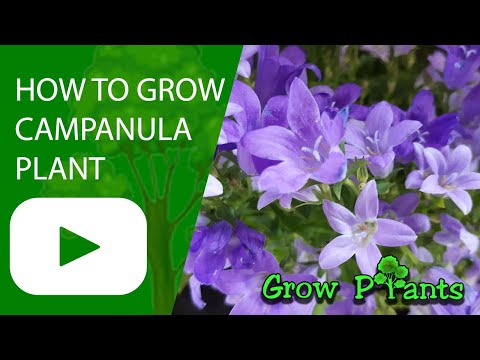
Plant Profile & Key Characteristics
Overview: A small clump- or mat-forming herbaceous bellflower, Campanula ardonensis, growing about 10-30 cm (4-12 in) tall. It is grown as an ornamental plant for its bell-shaped flowers.
Quick Specifications
| Specification | Attribute |
|---|---|
| Plant Type / Life Cycle | Perennial (some forms evergreen or annual) |
| Foliage Type | Evergreen |
| Mature Size | 10-30 cm (4-12 in) tall |
| Growth Rate | Fast to moderate |
| Toxicity | Non-toxic |
| Hardiness | USDA zone 3-9 |
Growth Form & Structure
- Height & Spread: Low, 10-30 cm (4-12 in) tall, forming a compact clump or mat; well suited to containers, troughs and rock gardens.
- Growth Habit & Form: Low-growing, clump- to mat-forming herbaceous perennial typical of the dwarf bellflowers.
- Lifespan & Maturity: Perennial that establishes over a season and then spreads to form a small cushion or carpet.
Anatomy & Physical Features
- Leaves & Foliage: Green linear leaves.
- Flower Characteristics: Small bell-shaped blue flowers at the stem tips (full detail in the Bloom section).
Primary Uses & Landscape Value
- Functional & Ornamental Roles: Ornamental plant for rock gardens, alpine troughs, edging and containers.
Care Guide: Planting, Soil & Watering
Overview: A cool-weather bellflower that thrives in rich, moist, well-drained soil in full sun to part shade. It likes steady, even moisture and dislikes both drying out and sitting waterlogged.
Quick Care Requirements
| Requirement | Ideal Condition |
|---|---|
| Planting Season | Spring to summer |
| Growth Rate | Moderate to Fast |
| Soil Type | Moist, well-draining, enriched with organic matter |
| Water Need | Moderate to High – keep evenly moist |
Planting & Establishment
- Best Planting Season: Spring to summer once frost has passed.
- How to Plant:
- Hole Preparation: Dig a hole a little wider than the root ball.
- Soil Amendments: Work in compost or organic matter to enrich the well-drained soil.
- Planting Depth: Set the crown at soil level and firm lightly, without over-pressing.
- Growth Speed & Expectations: Moderate to fast, forming a low mound or groundcover 10-30 cm (4-12 in) tall.
Soil, Watering & Drainage Care
- Soil Mix & Drainage Needs: Moist but well-drained soil with organic matter; in containers use a potting mix with perlite and ensure drainage to prevent root rot.
- Watering Schedule & Technique:
- Young / Newly Planted: Water regularly to establish young plants and keep the soil moist.
- Established: Keep the soil evenly moist with deep watering.
- Seasonal Adjustments: More water in summer heat, less in winter.
Climate, Light & Hardiness
Campanula ardonensis (bellflower) is a cool-loving, cold-hardy herbaceous subshrub that grows best in temperate, Mediterranean and subtropical climates with full sun to light afternoon shade. It is hardy across roughly USDA zones 3–9, so winter cold is seldom the limiting factor - prolonged summer heat and humidity are the main climatic stresses to manage.
Quick Climate Specifications
| Climate Zones | Temperate, Mediterranean and subtropical |
|---|---|
| USDA Hardiness Zones | 3–9 |
| Optimal Temp Range | Approximately 15–24 °C (59–75 °F) |
| Approx. Survival Minimum | Roughly −34 to −40 °C (−30 to −40 °F) in the coldest listed zone (established plants; varies by provenance) |
| Frost Tolerance | High |
| Light Conditions | Full sun to partial shade |
| Wind Tolerance | Moderate to good (low, compact habit) |
Sunlight & Light Exposure
Optimal Light Setup
Give it full sun where summers are cool or mild, which keeps the mound compact and flowering heavy. In hotter regions, part shade - especially relief from harsh afternoon sun - suits it better and prevents heat stress.
Direct Sun Requirement
Several hours of direct sun support the best bloom. Where the climate is hot, however, intense midday sun combined with high temperatures can scorch foliage and shorten the flowering display, so temper direct exposure.
Shade & Heat Management
In warm-summer gardens, dappled or afternoon shade and a cool root run help the plant cope. Positioning among rocks or on a shaded slope keeps the crown cooler during heat spells.
Best Exposure / Orientation
In cool-summer areas an open or south-facing spot is ideal. In hot-summer areas favour an east-facing position with gentle morning sun and protection from the fiercest afternoon heat.
Temperature Extremes & Hardiness
USDA Hardiness & Regional Limits
The dataset places this species at about USDA zones 3–9. It is fundamentally a cool-season plant: heat, rather than cold, sets the practical southern limit. It performs best in cool uplands, northern gardens and Mediterranean areas with mild summers, and tends to struggle through hot, humid low-elevation summers. Cold tolerance can vary with species, provenance, plant age and conditions.
Cold Damage & Winter Protection
These bellflowers are very cold-hardy. Where winters are mild the foliage can stay evergreen; in cold-winter zones the top growth may die back and reshoot from the crown in spring. Container-grown plants freeze and thaw faster than those in the ground, so give pots a sheltered spot or some winter mulch in the coldest areas.
Frost Sensitivity
Frost tolerance is high. Established plants shrug off ordinary frosts, and emerging spring growth is rarely damaged, so frost is seldom a concern within its hardiness range.
Extreme Heat Tolerance
Heat tolerance is low, and this is the key climatic limit. Prolonged heat above roughly 27–30 °C (about 80–86 °F), especially with warm humid nights, causes wilting, crown rot and a shortened life. Afternoon shade, good air movement and a cool, well-drained root zone are the best defences.
Wind, Humidity & Microclimate
Humidity Preferences
Moderate humidity with free air movement suits it. Hot, muggy, stagnant air is the main risk, as it encourages rot and fungal problems around the crown.
Dry-Air Tolerance
It copes reasonably with moderately dry air while temperatures stay cool. Combined heat and very dry air are harder on it than dry air alone.
Wind Tolerance
Its low, compact habit stands up to wind well, making it a dependable choice for exposed rock gardens and edges without needing staking.
Rainfall & Seasonal Moisture
It is adapted to climates with reliable moisture and cool, moist summers, and resents hot, dry Mediterranean-type summers without seasonal relief. This is a matter of climate fit rather than watering routine.
Microclimate Recommendations
Rock gardens, wall crevices, raised beds and cool north- or east-facing slopes give the sharp drainage and cool root run it likes. In hot regions pair morning sun with afternoon shade, and avoid reflected-heat hot spots against south-facing walls or paving.
Growing in Pots, Balconies & Indoors
Campanula ardonensis is a small, low-growing bellflower (about 10-30 cm / 4-12 in). The grower does not rate it as an indoor houseplant, but it is an excellent little container, trough and rock-garden plant, and it can be grown indoors on a bright windowsill. Full sun to half shade keeps it compact and flowering.
Quick Details
- Container Size: Small – a compact pot, alpine pan or trough suits its low, spreading habit.
- Indoor Suitability: Not a deep-room houseplant (the grower); happy on a bright windowsill.
- Best Spot: Full sun to half shade – half shade in hot-summer areas, full sun where it is cooler.
- Soil & Drainage: Rich but sharply drained – an organic mix opened up with plenty of perlite or grit.
- Watering in Pots: Average to generous through growth; never waterlogged, and drier while dormant.
Indoors & On the Windowsill
- Houseplant limits: The grower marks it as not a houseplant – away from a window the light is too weak for a sun-loving alpine bellflower.
- Windowsill growing: On a bright, ideally cool windowsill it can be grown as a compact pot plant; give it the most direct light available and good airflow.
- Overwintering: As a small alpine it is generally cold-hardy and does not need to come indoors for warmth; in a pot the main job is keeping it out of cold winter wet, which rots the roots – shelter it from prolonged rain rather than from cold.
On a Balcony or Patio
- Light & wind: Ideal for troughs, pans and pots on a bright balcony or patio; in hot summers give some afternoon shade. Small pots on warm, wall-backed balconies dry fast, so check moisture often. Its low habit shrugs off wind.
- Practicalities: Light and easy to move; just make sure water drains freely away.
Choosing the Pot, Soil & Long-Term Care
- Pot & drainage: A small pot, pan or trough with strong drainage holes; no standing-water saucer, which causes root rot. Unglazed terracotta and pans breathe and suit alpines, though they dry faster, so watch watering.
- Potting mix: Rich in organic matter but very free-draining – the grower’s bellflower mix is about 50-60% potting mix or peat with 40-50% perlite or vermiculite (add extra grit for alpine types).
- Feeding: Feed lightly but a little more often than in open ground, as pot watering leaches nutrients; avoid overfeeding, which makes soft, floppy growth.
- Repotting: Refresh or replace the mix every few years – old, tired potting soil loses structure and can rot the roots (the grower’s own caution for potted bellflowers).
Fertilizing & Feeding
A light to moderate feeder: a balanced feeding as growth starts plus light feeding through the flowering season is plenty, with feeding held off during dormancy.
Quick Fertilizing Specs
| Feeding Level | Light to moderate feeder |
|---|---|
| Main Nutrient Priority | Balanced feeding with adequate nitrogen for healthy foliage and flowers |
| Best Feeding Period | Spring through the summer flowering season |
| Organic Options | Compost, humus, and other organic matter |
| Reduce/Stop Feeding | Hold off feeding through autumn and winter dormancy |
| Micronutrients | Usually met by organic matter and a complete fertilizer; correct only diagnosed issues |
| Soil pH | Slightly acidic to near neutral |
Feeding by Growth Stage
Spring flush of growth
Support fresh leafy growth and sturdy stems as the plant breaks dormancy and prepares to bloom.
| Nutrient direction | A balanced complete fertilizer with adequate nitrogen to build healthy foliage and flowering stems. |
|---|---|
| Timing | As new growth emerges in spring. |
| Frequency | A light feeding as active growth begins. |
| Fertilizer types | A balanced complete fertilizer, Compost or other organic matter worked into the bed |
| Precautions | Keep feeding moderate; overly rich nitrogen can produce lush leaves at the expense of flowers and leave stems floppy. |
Budding and bloom
Sustain flowering and keep foliage healthy through the blooming period.
| Nutrient direction | Continue a balanced complete fertilizer; adequate nitrogen and steady nutrition support bloom better than forcing extra phosphorus. |
|---|---|
| Timing | Through the spring and summer flowering period. |
| Frequency | Light, occasional feeding through the bloom season. |
| Fertilizer types | A balanced complete fertilizer, Compost or humus as a top-dressing |
| Precautions | Avoid high-phosphorus ‘bloom booster’ products; balanced feeding with enough nitrogen drives flowering, and removing spent blooms does more for repeat flowering than heavy feeding. |
Autumn and winter dormancy
Let the plant rest through cold weather without pushing tender new growth.
| Nutrient direction | None – withhold fertilizer while the plant is dormant and not in active growth. |
|---|---|
| Timing | From autumn as growth slows through winter dormancy. |
| Frequency | No feeding during dormancy; resume only when growth returns in spring. |
| Fertilizer types | No feeding at this stage; do not fertilize until active growth resumes in spring. |
| Precautions | Do not fertilize a dormant plant; feeding now wastes nutrients and can cause salt buildup in the root zone. |
Nutrient Deficiency Signs & Corrections
Older, lower leaves turn pale green to yellow and the plant grows slowly with fewer flowers.
| Possible causes | low available soil nitrogen, nitrogen leaching from heavy watering or rain, thin, low-organic-matter soil |
|---|---|
| Appears first on | older, lower leaves |
| What to check | recent feeding history, soil organic matter, watering and drainage |
| Possible correction | Apply a balanced nitrogen-containing fertilizer and build soil organic matter, then water evenly. |
New, upper leaves yellow between the veins while the veins themselves stay green.
| Possible causes | high or alkaline soil pH limiting iron availability, waterlogged or cold soils reducing root uptake, genuinely low soil iron |
|---|---|
| Appears first on | new, upper leaves |
| What to check | soil pH, drainage and root health, whether symptoms are worst on the newest growth |
| Possible correction | Correct soil pH toward the plant’s preferred range and, if needed, apply a chelated iron product per its label. |
Leaf margins brown or scorch and growth stalls despite adequate watering.
| Possible causes | fertilizer salt buildup in the root zone, under-watering that concentrates salts, excessive or too-frequent feeding |
|---|---|
| Appears first on | leaf margins and tips |
| What to check | recent fertilizer amounts, watering consistency, drainage, especially in containers |
| Possible correction | Ease off feeding, water thoroughly to flush accumulated salts, then return to lighter feeding. |
Pruning, Training & Seasonal Maintenance
Campanula ardonensis is a low, evergreen, herbaceous mat-former that – unlike some of its self-seeding relatives – reliably holds its basal foliage through the year in its hardiness range, so maintenance leans more on tidying persistent growth than on managing an annual die-back cycle. Its blue bell flowers form on new season growth, so deadheading through spring and summer is what sustains bloom; there is no woody structure to shape.
Quick Pruning & Maintenance Specs
| Pruning Tolerance | High – regrows quickly from the evergreen basal mat |
| Primary Pruning Window | Spring through summer, after each bloom flush |
| Secondary Maintenance Window | Late winter, tidying any foliage that has browned over winter |
| Typical Frequency | Ongoing light deadheading through bloom |
| Main Objective | Prolong bloom and keep the persistent basal foliage tidy |
| Young Plant Priority | Pinch tips to build a denser mat before flowering |
| Mature Plant Priority | Deadhead and divide congested clumps every few years |
| Best Tool Type | Precision snips or fingers (pinching) |
| Avoid Heavy Pruning During | Active bloom and hot, dry spells |
Pruning by Plant Age & Size
Newly Established
Do not cut back new plantings beyond removing damaged leaves; let the evergreen mat establish first.
Young / Formative
No formal training applies; pinching tips thickens the mat before it starts flowering.
Mature / Established
Deadhead through bloom; because the foliage persists year-round, periodically remove individual leaves that brown with age rather than waiting for a single seasonal cleanup, and divide the clump every few years once the center thins.
Seasonal Pruning Schedule
Post-Flowering (repeated through the season)
Objective: push out further flowering shoots. Remove: spent flower stems back to the basal foliage. Flowering impact: flowers form on new growth, so removing spent stems is what encourages the next flush.
Dormant/Winter
Objective: since foliage is evergreen, this is a light tidy rather than a cutback. Remove: any leaves browned by cold or winter wet. Do not remove: healthy green basal foliage, which the plant needs through winter.
Special Growth to Remove
Spent flower stems, cut to the basal foliage; individual browned leaves as they occur, given the foliage is evergreen and persists rather than dying back wholesale each year.
Container & Small-Space Pruning
In containers, trim the mat back after bloom to keep it within the pot’s footprint; because the foliage is evergreen, avoid stripping it back hard in winter the way you might with a die-back perennial.
Tools
Precision snips only – the stems and leaves are soft and small-scale.
Tool Hygiene & Disease Risk
Routine – clean sharp snips are sufficient; prompt removal of dead leaves also reduces slug shelter, a known pest.
Cut Placement & Technique
Cut spent flower stems back to the basal rosette; remove individual browned leaves at their base rather than tearing them off.
Heavy Pruning & Rejuvenation
No hard structural pruning applies. Rejuvenate an aging clump by division rather than by cutting into old growth.
Post-Pruning Care
Water after cutting back in dry weather; because foliage persists year-round, keep an eye out for slug damage on the evergreen basal leaves through cooler, damper months as well as in summer.
Common Pruning Mistakes
Stripping the evergreen basal foliage hard in winter as if the plant were dormant and leafless, which it is not; leaving spent stems in place all season and losing later flushes; using shears too coarse for the fine stems.
When NOT to Prune
Avoid a hard cutback during active bloom, and avoid heavy winter stripping of the evergreen basal foliage, which the plant relies on year-round.
Recommended Tools (by task)
Precision snips – deadheading and light tidying of the evergreen mat.
Propagation Guide
This low Caucasian rock plant is most easily raised from its fine seed, with division of rooted rosettes and basal cuttings as vegetative alternatives for increasing a particular plant. Seed comes largely true for the species while divisions and cuttings are identical to the parent; propagation is Moderate under the cool, gritty, well-drained conditions these alpines prefer.
Quick Propagation Specs
| Best Propagation Method | Seed |
| Alternative Methods | Division of rooted rosettes; basal cuttings |
| Propagation Difficulty | Moderate |
| Seed True-to-Type | Mostly uniform – species come largely true, but Campanula cross-pollinate freely, so seed collected where several bellflowers grow together may vary |
| Vegetative True-to-Type | Yes – divisions and cuttings are identical to the parent |
| Best Propagation Season | Sow in spring; divide in spring or early autumn |
| Seed Germination Time | Typically about 2–3 weeks, though it can be slow and staggered |
| Cutting Rooting Time | Usually within a few weeks under cool, humid conditions |
| Germination Temperature | Around 15–20°C (59–68°F) |
| Seed Sowing Depth | Surface-sow; leave uncovered or barely cover – the fine seed needs light |
| Grafting Required | No |
Growing from Seed
Seed Handling & Viability
The seed is very fine and is best kept cool and dry until sowing. Sow it thinly on the surface, as scattered dust-fine seed germinates unevenly if buried.
Dormancy & Pre-Sowing Treatment
No pre-treatment is essential. A cool-moist period improves and evens out germination, so an outdoor spring sowing – or an autumn sowing left to overwinter in a cold frame – works well for these cool-climate bellflowers.
Sowing Season
Spring is the usual sowing time; in mild-winter areas sow in late winter so seedlings grow on before the heat. This matches the site’s recommended spring planting season.
Sowing Depth & Orientation
Surface-sow and press the seed lightly onto moist, gritty seed compost. Do not cover it, or cover only with the thinnest dusting – the seed needs light to germinate.
Germination Conditions
Provide good light and keep the compost constantly moist, never letting the surface dry. Cool to moderate temperatures around 15–20°C (59–68°F) are ideal; bottom heat is unnecessary and high heat can suppress germination.
Germination Time
Seedlings usually appear in about two to three weeks, but germination can be irregular and continue over a longer period, so do not discard a tray too soon.
Seedling Care
Handle the tiny seedlings carefully and prick them out while young, as bellflowers resent disturbance once their roots fill the cell. Grow them on cool and evenly moist before planting out.
Basal Cuttings
Cutting Type
Take short basal cuttings – young non-flowering shoots or rooted rosettes removed from the base of the plant in spring, when new growth is soft.
Best Timing
Spring, as fresh shoots emerge, gives the fastest rooting; early summer shoots also work before flowering.
Cutting Preparation
Remove a shoot at the base, trim off the lowest leaves, and insert it into gritty, free-draining cutting compost.
Rooting Setup
Keep the cuttings cool, shaded and humid in an open, sharply drained medium; the fleshy shoots rot quickly in cold, wet compost, so avoid overwatering.
Rooting Hormone
Rooting hormone is optional – these soft basal shoots normally root without it.
Rooting Time
Roots usually form within a few weeks under cool, humid conditions.
Division
In spring, lift a rooted mat and separate rosettes or rhizome pieces that each carry their own roots. Replant into gritty, well-drained compost and keep them shaded and just moist until they take hold; loose mat-formers divide more freely than tight tufts.
Bloom & Edible Flower Guide
Quick Details
- Bloom Season: Late spring through summer; in warm, frost-free climates flowering can continue into the cooler months
- Time to First Bloom: Usually its second year from seed; established plants then bloom each season
- Flower Appearance: Blue to violet, bell-shaped (campanulate) flowers with five spreading lobes, carried at the tips of the stems
- Edibility: Edible – bellflower (Campanula) flowers are non-toxic and mildly sweet, and are often used fresh as a colourful garnish or in salads
Detailed Blooming Overview
Campanula ardonensis – a bellflower – is a low, herbaceous bellflower grown chiefly as an ornamental garden plant. From late spring through summer it carries nodding, bell-shaped flowers at the ends of its stems, and in warm, frost-free climates the show can run on into the cooler months. The blooms are blue to violet and, like other bellflowers, nectar-rich, so they draw bees and other pollinators. It does best in cool conditions with moist, well-drained soil and is hardy in about USDA zones 3-9.
Flower Characteristics
- Blue to violet bell-shaped blooms with five pointed lobes, borne at the ends of the stems.
- The name Campanula means ‘little bell’, after the nodding bell shape of the flowers.
- The flowers are nectar-rich and readily worked by bees and bumblebees.
Bloom Care & Thinning
- Deadheading: removing spent flowers as they fade keeps the plant neat, encourages a longer run of bloom and limits self-seeding.
- Cutting back: shearing the flowered stems after the main flush often prompts a lighter second showing.
- Self-seeding: bellflowers set seed freely and some spread strongly, so remove seed heads before they ripen if you want to keep the planting in check.
- Pollination: the flowers are insect-pollinated by bees and other visitors – leave a few blooms if you want seed or to feed pollinators.
Bloom Health & Protection
- Aphids: these can cluster on flower buds and stems and distort the opening blooms – a jet of water, insecticidal soap or neem oil usually keeps them down.
- Slugs & snails: they graze the buds and open flowers of low, cushion-forming bellflowers; nighttime hand-picking or an iron-phosphate slug bait helps protect the display.
Fruit & Uses
Campanula ardonensis (Campanula ardonensis) is grown as an ornamental bellflower, but like most members of the genus Campanula its bell-shaped flowers and tender young leaves are generally regarded as edible and mild-flavoured, used mainly as a salad garnish or a minor leafy green. The site records no culinary use for this species, so the notes below are genus-level guidance: confirm the plant’s identity, use only clean, unsprayed growth, and start with a small taste.
Quick Edible Specs
| Edible Parts | Flowers; young, tender leaves |
|---|---|
| Main Use(s) | Culinary – edible-flower garnish and minor salad or pot green (primarily an ornamental plant) |
| Eaten Raw or Cooked | Flowers raw; young leaves raw or lightly cooked |
| Preparation Required | None for fresh flowers; pick leaves young — older leaves toughen and are better cooked |
| Harvest Season | Flowers through the bloom season (spring to summer); young leaves in spring and early growth |
| Storage | Best used fresh; flowers wilt within a day of picking |
| Safety/Toxicity Caveat | Genus Campanula is generally non-toxic, but species-specific edible data for this plant is limited – positively identify it, avoid roadside or sprayed plants, and try only a small amount at first. |
Flowers & Flower Buds
The open, bell-shaped flowers (the site records them in purple or blue) can be used fresh as a colourful, mild-tasting garnish scattered over salads and desserts. Pick fully open, undamaged blooms and use them the same day; the small green calyx at the base can be pinched off for a cleaner flavour.
Leaves & Greens
The young leaves (green, linear shape) are the part most often eaten across the genus — soft new growth can be added raw to a mixed salad or lightly cooked as a potherb, with a mild, slightly sweet, rather bland flavour. Older leaves turn tough and stringy, so take only tender new growth; note that repeatedly stripping leaves competes with the plant’s flowering and ground-cover display (see the Pruning notes for cutting back).
Preparation, Uses & Safety
No special detoxifying preparation is documented for edible bellflowers — fresh flowers and young leaves are used as they are, and tougher leaves are simply cooked like other greens. As a safety-first note: although the genus is regarded as non-toxic and several cultivated bellflowers are eaten, there is little published culinary record for this particular species, so treat it as a minor, secondary edible rather than a staple. Confirm the identification, use only unsprayed plants, and if you are pregnant, unwell, or at all unsure, leave it out. No medicinal use is established for this plant.
Pests, Diseases & Troubleshooting
Overview: Bellflowers are generally easy, resilient perennials, but their soft foliage is a favourite of slugs and snails, and they can suffer rust and powdery mildew in humid, crowded conditions. As a rock-garden and alpine bellflower it demands gritty, sharply drained soil, and winter wet – not summer drought or insects – is its most likely killer. Manage them with good drainage, airflow and vigilant slug control, keeping sprays as a last resort.
Quick Troubleshooting Overview
| Issue / Pest | Main Symptom | Primary Solution |
|---|---|---|
| Slugs & snails | Shredded leaves, grazed seedlings | Hand-pick, barriers, iron-phosphate pellets |
| Spider mites | Fine stippling, bronzing, webbing | Hose off, raise humidity, soap / oil |
| Aphids | Sticky curled shoots and buds | Rinse off, encourage predators, soap |
| Rust | Orange-brown pustules under leaves | Remove leaves, airflow, resistant kinds |
| Powdery mildew | White powdery coating on leaves | Spacing, airflow, sulphur / bicarbonate |
| Crown / root rot | Collapse in wet winter soil | Sharp drainage, grit, avoid winter wet |
Common Pests & Management
- Slugs and snails (Deroceras, Arion, Helix species):
- Symptoms: The number-one bellflower pest: soft leaves and especially young shoots and seedlings are shredded and holed overnight, with slime trails confirming the culprits; whole small plants can vanish.
- Prevention & Control: Hand-pick after dark, ring plants with grit, wool pellets or copper barriers, and set beer traps or wildlife-safe iron-phosphate pellets. Encourage frogs, hedgehogs, birds and ground beetles, and clear hiding places near vulnerable clumps.
- Spider mites (Tetranychus urticae):
- Symptoms: Fine pale stippling, a dull bronzed look and delicate webbing on leaf undersides in hot, dry weather, causing leaves to dry and drop; worst on drought-stressed and wall-side plants.
- Prevention & Control: Keep plants watered and hose down foliage to knock back mites and raise humidity. Release predatory mites where practical, and treat outbreaks with insecticidal soap or horticultural oil, coating leaf undersides.
- Aphids (Aphis and Myzus species):
- Symptoms: Clusters of green or dark soft insects on soft new shoots, buds and flower stalks, causing curled sticky growth, sooty mould and sometimes virus spread.
- Prevention & Control: Rinse colonies off, encourage ladybirds, lacewings and hoverflies, and pinch out badly infested tips. Treat persistent outbreaks with insecticidal soap or neem in the cool of the day.
- Thrips (Frankliniella and Thrips species):
- Symptoms: Slender insects in buds and flowers giving silvery flecking and streaked, distorted blooms, and occasionally spreading viruses.
- Prevention & Control: Monitor with blue sticky traps, remove spent flowers, and keep plants unstressed. Treat heavy infestations with insecticidal soap or spinosad.
- Froghoppers / spittlebugs (Philaenus spumarius):
- Symptoms: Frothy ‘cuckoo-spit’ blobs on stems and leaf axils in early season, within which pale nymphs feed; largely cosmetic, causing only minor distortion.
- Prevention & Control: Simply wash off the froth with a jet of water if it bothers you; the damage is trivial and no insecticide is warranted for this harmless sap-feeder.
- Vine weevil (Otiorhynchus sulcatus):
- Symptoms: Adults notch leaf margins at night, while creamy C-shaped grubs eat the roots of container-grown bellflowers, causing sudden wilting and collapse.
- Prevention & Control: Check the rootball of wilting pots for grubs and drench with parasitic nematodes in warm soil; remove adults after dark. Keep plants vigorous and repot into fresh compost if grubs are found.
Diseases & Fungal Issues
- Rust (Coleosporium tussilaginis, Puccinia species):
- Symptoms: The characteristic bellflower disease: bright orange to rusty-brown powdery pustules on the leaf undersides with yellow spots above, causing leaves to yellow, distort and fall in humid, crowded stands.
- Treatment & Management: Remove and destroy affected leaves at the first sign, thin and space plants for airflow, and avoid overhead watering. Choose less susceptible species and keep plants healthy; a sulphur-based fungicide can be used on valued plants under heavy pressure.
- Powdery mildew (Golovinomyces, Erysiphe species):
- Symptoms: White powdery coating on leaves and stems, worst in crowding, dry-root/humid-air stress and late season, causing yellowing and early leaf loss.
- Treatment & Management: Improve spacing and airflow, keep roots evenly moist to reduce stress, and remove affected leaves. Sulphur or potassium-bicarbonate sprays and milk-based home remedies help; avoid excess soft nitrogen growth.
- Leaf spots (Ramularia, Septoria, Cercospora species):
- Symptoms: Brown or grey angular spots, sometimes with darker margins, on foliage kept wet in humid crowded conditions.
- Treatment & Management: Remove spotted leaves, water at the base rather than overhead, and ventilate clumps. Rarely serious; sanitation usually resolves it without fungicide.
- Southern blight and crown rot (Sclerotium rolfsii, Botrytis, Phytophthora):
- Symptoms: Sudden wilting with white fungal threads and mustard-seed-like sclerotia at the stem base (Southern blight), or grey mould and rot of the crown in wet, congested, poorly drained conditions.
- Treatment & Management: Remove affected plants with the surrounding soil, improve drainage and airflow, and avoid deep mulch piled against the crowns. Space plants, keep the crown dry, and do not replant susceptible plants in the same spot.
Growing Difficulties & Abiotic Problems
- Crown and root rot from winter wet:
- Cause & Symptoms: The commonest way bellflowers – especially alpine and rock-garden types – are lost: cold, wet, poorly drained soil in winter rots the crown and roots, and plants fail to reappear or collapse.
- Correction Strategy: Plant in gritty, sharply drained soil, add grit to heavy ground or grow in raised beds and troughs, and keep the crown clear of wet mulch. Alpine species particularly need a free-draining, open position.
- Leaf scorch in hot dry sun:
- Cause & Symptoms: In fierce sun and drought the leaf margins brown and scorch and plants wilt, especially thin-leaved woodland and moisture-loving species.
- Correction Strategy: Match the species to its site – full sun for tough kinds, light shade and even moisture for woodland types – mulch to conserve moisture, and water in prolonged dry spells.
- Flopping and legginess:
- Cause & Symptoms: Over-rich soil or too much shade gives soft, floppy, over-tall growth that sprawls and flowers poorly.
- Correction Strategy: Grow in lean-to-moderate soil in adequate light, avoid excess nitrogen, and support or trim taller kinds; shearing after the first flush encourages compact rebloom.
- Poor flowering:
- Cause & Symptoms: Congested old clumps, deep shade or excess feeding can reduce flowering.
- Correction Strategy: Divide crowded clumps every few years to rejuvenate them, give enough light, and deadhead spent flowers to prolong and encourage bloom.
What Helps – Products & Tools
Slug control leads the bellflower toolkit – barriers, wildlife-safe iron-phosphate pellets, beer traps and nematodes (Phasmarhabditis) – backed by insecticidal soap and neem or horticultural oil for mites, aphids and thrips, and blue sticky traps. For disease, rely on airflow, spacing and sanitation, with sulphur or potassium-bicarbonate sprays for rust and mildew on valued plants. The key cultural tool is sharp drainage to prevent winter crown rot.