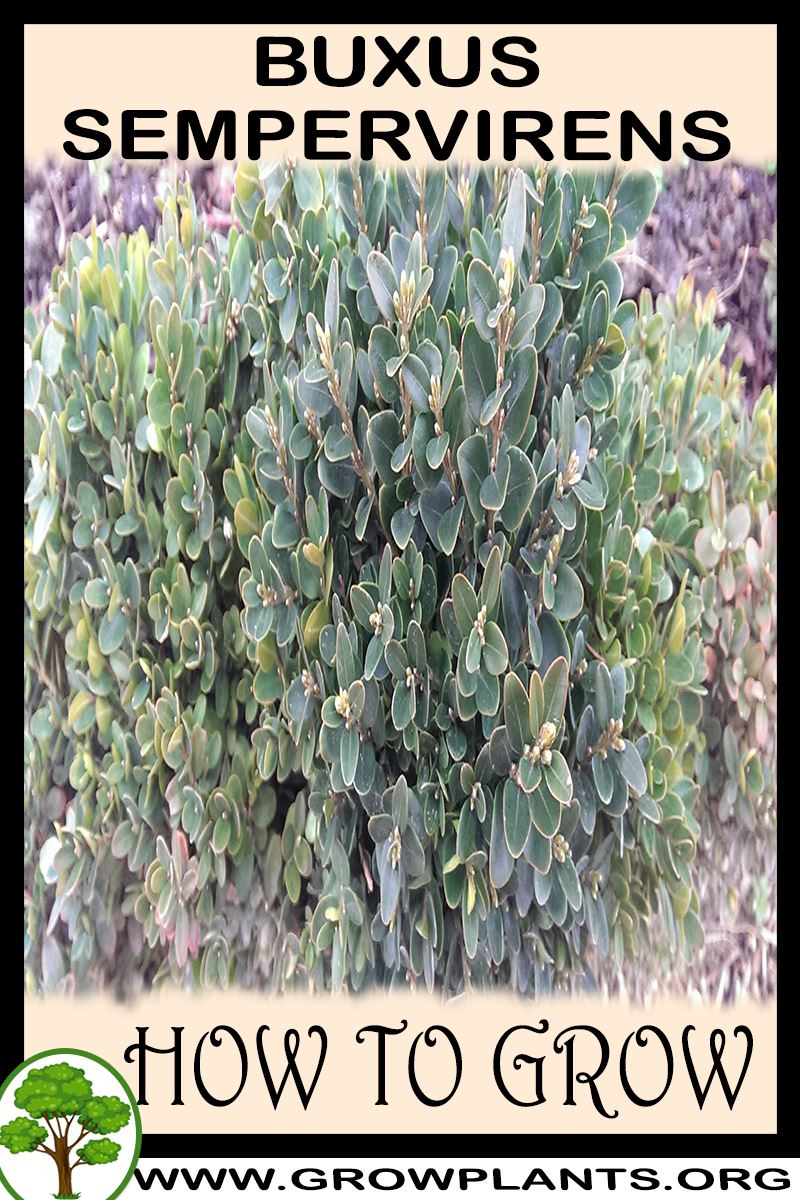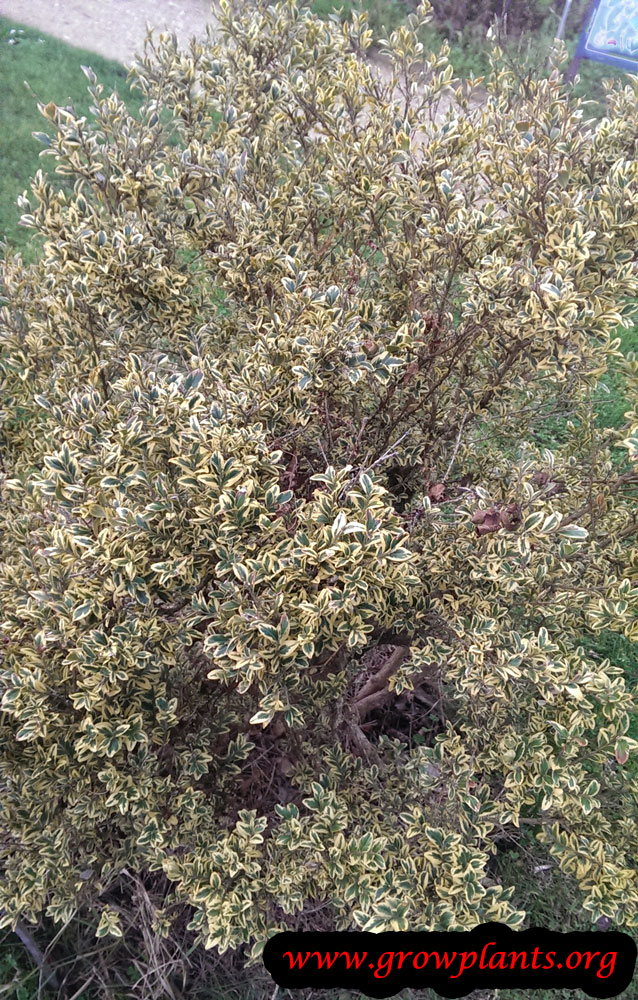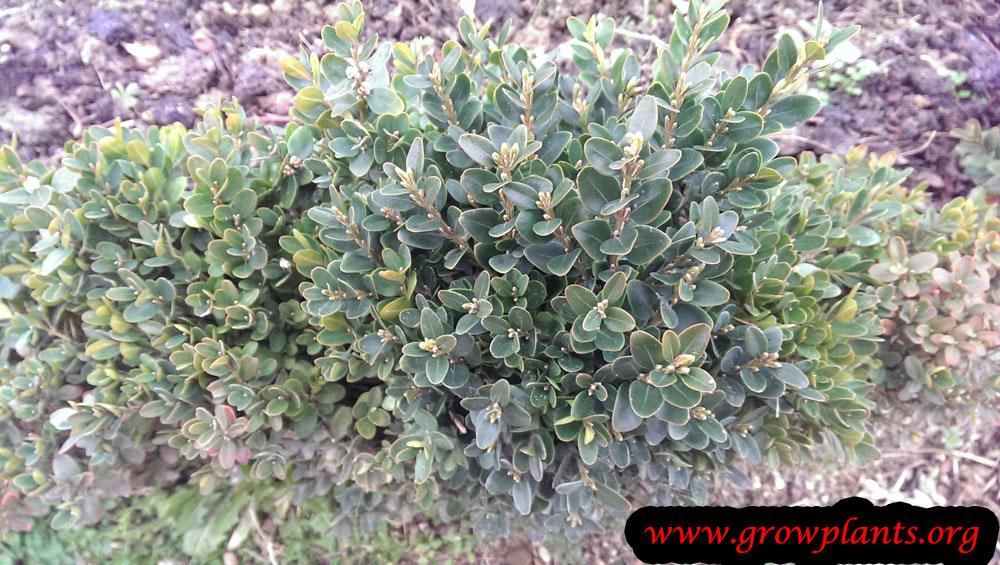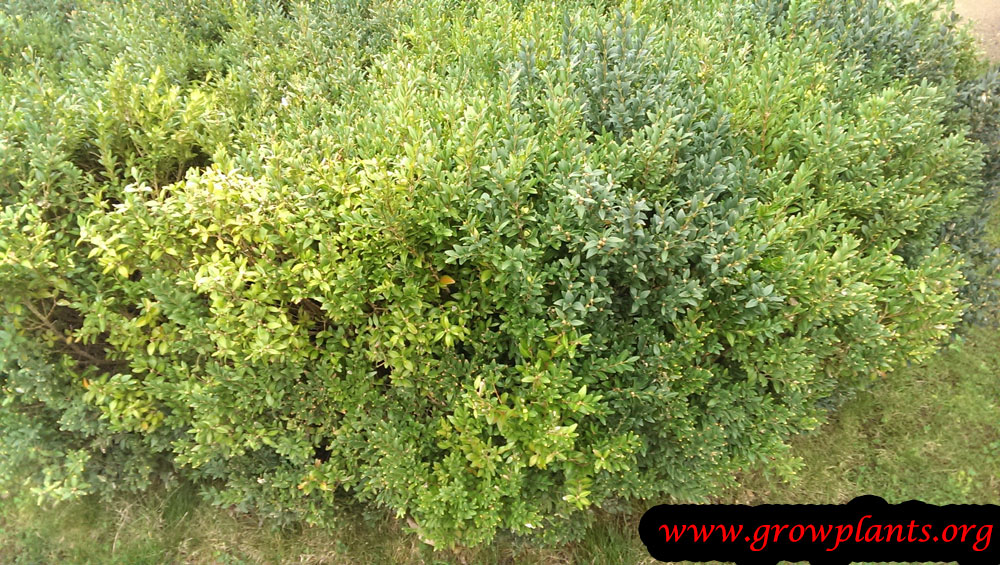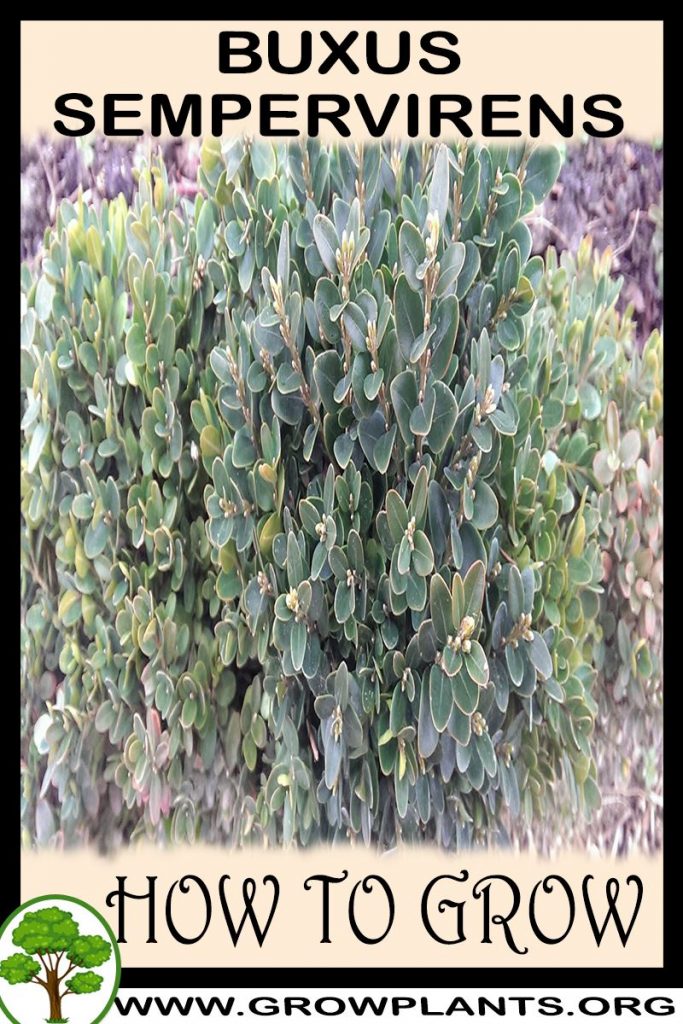
Plant Profile & Key Characteristics
Overview: A dense, evergreen shrub or small tree reaching 1-7 m (3-21 ft), grown as an ornamental hedge, topiary and formal edging plant.
Quick Specifications
| Specification | Attribute |
|---|---|
| Plant Type / Life Cycle | Perennial (shrub or small tree) |
| Foliage Type | Evergreen |
| Mature Size | 1-7 m tall (3-21 ft) |
| Growth Rate | Slow to Moderate |
| Root System | Fibrous, shallow, dense |
| Toxicity | Toxic – all parts contain alkaloids (buxine); harmful to people, pets and livestock |
| Hardiness | USDA zones 5-9 |
Growth Form & Structure
- Height & Spread: 1-7 m (3-21 ft) depending on form and clipping; readily kept compact in the ground or in containers.
- Growth Habit & Form: Dense, twiggy evergreen shrub (occasionally a small tree) that takes close clipping, ideal for hedges and topiary.
- Lifespan & Maturity: Very long-lived but slow-growing, taking years to reach full height.
Anatomy & Physical Features
- Leaves & Foliage: Small, glossy green obtuse leaves, sometimes variegated with yellow or white margins; dense and evergreen.
- Flower Characteristics: Small, fragrant, white-yellowish flowers in clusters – minor ornamentally.
Primary Uses & Landscape Value
- Functional & Ornamental Roles: Hedging, topiary, formal edging, parterres and container specimens.
Care Guide: Planting, Soil & Watering
Overview: A classic evergreen hedging shrub for temperate to mediterranean gardens (hardiness zone 5-9) in full sun to half shade. It likes fertile, moist but well-drained soil and a moderate, steady supply of water.
Quick Care Requirements
| Requirement | Ideal Condition |
|---|---|
| Planting Season | Spring through autumn |
| Growth Rate | Slow to Moderate |
| Soil Type | Fertile, moist, well-drained |
| Water Need | Moderate to High – keep evenly moist |
Planting & Establishment
- Best Planting Season: Plant in the warm season, spring through autumn (in warmer climates), so it settles in before cold or heat stress.
- How to Plant:
- Hole Preparation: Dig a hole about twice the width of the root ball and no deeper, keeping the plant at its original level.
- Soil Amendments: Fork compost or leaf mould into the backfill to enrich the soil and help it hold moisture while still draining.
- Planting Depth: Set the root collar level with the surrounding soil – don’t bury the stem base.
- Growth Speed & Expectations: Slow to moderate and dense – the reason it clips so well – building up to 1-7 m over many years.
Soil, Watering & Drainage Care
- Soil Mix & Drainage Needs: Fertile soil that stays moist yet drains freely is ideal; mulch to conserve moisture, but avoid heavy waterlogged ground which causes root problems.
- Watering Schedule & Technique:
- Young / Newly Planted: Keep the root zone evenly moist through the first year or two while a hedge establishes.
- Established: Water deeply in dry spells, letting only the surface dry – boxwood dislikes drying out fully.
- Seasonal Adjustments: Water more in summer heat and during dry winters in mild areas; ease off when the soil is naturally moist.
Climate, Light & Hardiness
Buxus sempervirens (boxwood) is a cold-hardy hedge shrub for temperate, subtropical, and Mediterranean climates that actually benefits from a period of real winter chill; full sun to half shade and USDA zone 5–9 describe its comfortable range.
Quick Climate Specifications
| Climate Zones | Temperate, subtropics, Mediterranean |
|---|---|
| USDA Hardiness Zones | 5–9 |
| Frost Tolerance | High |
| Light Conditions | Full Sun to Half Shade |
| Wind Tolerance | Moderate |
Sunlight & Light Exposure
Optimal Light Setup
Full sun to part shade both work well; half shade is a common choice for foundation or hedge plantings.
Temperature Extremes & Hardiness
USDA Hardiness & Regional Limits
Zone 5–9. The plant's own care notes call for ‘more than cool winter’, meaning it performs best where winters are genuinely cold rather than mild - unlike many broadleaf evergreens, a real winter chill is part of what suits this species.
Cold Damage & Winter Protection
Well-established boxwood is quite cold hardy; the more common winter stress is wind-driven foliage desiccation (‘bronzing’) rather than outright frost damage.
Extreme Heat Tolerance
Handles warm summers reasonably well toward zone 8–9 given adequate moisture.
Wind, Humidity & Microclimate
Wind Tolerance
Moderate; a sheltered site reduces winter leaf bronzing and desiccation.
Microclimate Recommendations
Avoid exposed, wind-scoured winter positions for the best year-round foliage appearance.
Growing in Pots, Balconies & Indoors
Boxwood (Buxus sempervirens) is not a houseplant – the grower confirms – but it is a classic container and topiary shrub for a patio, terrace or doorway, clipping neatly into balls and formal shapes. Being a shrub of up to several metres, it is kept small and dense by regular trimming; it needs a cool winter and open air, so it belongs outdoors.
Quick Details
- Container Size: A sturdy medium-to-large pot; clipping keeps the plant to the pot’s scale
- Indoor Suitability: Not a houseplant; it needs cool winters and fresh air, not heated rooms
- Best Spot: Full sun to part shade
- Soil & Drainage: Acid, moisture-retentive but well-drained mix
- Watering in Pots: Average to plenty – keep evenly moist; boxwood in pots dislikes drying out
Indoors & On the Windowsill
- Why not indoors: The grower does not rate it as a houseplant – it needs a cool winter dormancy and good air movement, and it declines quickly in warm, still indoor air.
- Overwintering: Hardy in most climates, the pot stays outdoors year-round; in severe cold, shelter the pot from freezing winds that can scorch the foliage.
On a Balcony or Patio
- Light & wind: It takes sun or part shade on a patio; keep the mix evenly moist, as potted box browns if it dries out. Trim to shape in the growing season.
- Safety: All parts of boxwood are toxic if eaten – site pots away from children and pets, and never let clippings be nibbled.
Choosing the Pot, Soil & Long-Term Care
- Pot & drainage: Use a sturdy medium-to-large pot with strong drainage holes; skip a standing-water saucer to avoid root rot. Terracotta breathes and dries faster, while glazed or plastic pots hold moisture longer, which suits potted box.
- Potting mix: A rich, well-aerated organic mix – peat or coir with plenty of compost or organic matter, lightened with perlite or vermiculite for drainage.
- Feeding: Potted plants exhaust their soil quickly as nutrients leach out – feed lightly but regularly through the growing season.
- Repotting: Refresh the mix or pot up about every two years; for clumping perennials, lift and divide, trimming the roots and old top growth as you go.
Fertilizing & Feeding
A light feeder: this slow-to-medium growing hedge shrub holds its dense form best with modest, steady feeding rather than heavy applications that can push soft growth.
Quick Fertilizing Specs
| Feeding Level | Light feeder |
|---|---|
| Main Nutrient Priority | Balanced feeding with adequate nitrogen for dense hedge foliage, without forcing rapid soft growth |
| Best Feeding Period | Spring through the active growing season |
| Organic Options | Compost, leaf mold, or other acidic organic matter worked into moist soil |
| Reduce/Stop Feeding | Hold off feeding as growth slows heading into the cool season |
| Micronutrients | Usually adequate from a complete fertilizer in the acidic, moist soil this plant prefers |
| Soil pH | Prefers acidic, moisture-retentive soil |
Feeding by Growth Stage
Newly planted establishment
Help a newly planted shrub or hedge root into moist, acidic soil.
| Nutrient direction | A light, balanced complete fertilizer supports steady rooting without pushing soft growth vulnerable to pests and disease. |
|---|---|
| Timing | Through the first growing season after planting. |
| Frequency | A light feeding as new growth confirms the plant has rooted in. |
| Fertilizer types | A balanced complete fertilizer at a light rate, Compost or leaf mold worked into the planting area |
| Precautions | Avoid heavy feeding at planting; this species prefers steady, modest nutrition over a strong initial push. |
Active hedge growth
Maintain the dense, fine-textured foliage that makes this species a classic hedge and topiary plant.
| Nutrient direction | A light, balanced complete fertilizer with adequate nitrogen keeps foliage dense without producing soft growth prone to pests. |
|---|---|
| Timing | Through spring and the active growing season. |
| Frequency | An occasional light feeding sustains dense hedge growth. |
| Fertilizer types | A balanced complete fertilizer at a light rate, A light compost or leaf mold top-dressing |
| Precautions | Avoid excess nitrogen, which produces soft growth more prone to mites, moths, and disease and can affect the dense hedge form. |
Cool-season dormancy
Let the shrub rest through the cool winter it needs as part of its natural cycle.
| Nutrient direction | None – withhold fertilizer through winter dormancy. |
|---|---|
| Timing | Autumn through winter. |
| Frequency | No feeding at this stage. |
| Fertilizer types | No feeding at this stage; do not fertilize until active growth resumes in spring. |
| Precautions | Withhold fertilizer during dormancy; feeding now can produce tender growth vulnerable to winter cold. |
Nutrient Deficiency Signs & Corrections
Older leaves fade to pale green or yellow-bronze and hedge growth slows or thins.
| Possible causes | low available soil nitrogen, soil that has drifted away from the acidic range this plant prefers, nutrient leaching from heavy watering |
|---|---|
| Appears first on | older, interior leaves |
| What to check | recent feeding history, soil pH if known, soil organic matter |
| Possible correction | Apply a light, balanced complete fertilizer and check that soil pH is on the acidic side. |
New leaves show interveinal yellowing while veins stay green.
| Possible causes | soil pH too high for this acid-preferring species, poorly drained or compacted soil, root stress limiting uptake |
|---|---|
| Appears first on | newest leaves |
| What to check | soil pH if known, drainage, recent watering habits |
| Possible correction | Correct soil pH toward the acidic range this plant prefers and apply a chelated iron product per its label if needed. |
Leaf margins brown or bronze and growth stalls despite adequate watering.
| Possible causes | fertilizer salt buildup from overfeeding this light feeder, under-watering that concentrates salts, poor drainage |
|---|---|
| Appears first on | leaf margins and tips |
| What to check | recent fertilizer amounts, watering consistency, soil drainage |
| Possible correction | Ease off feeding and water thoroughly to flush accumulated salts, then return to lighter feeding. |
Pruning, Training & Seasonal Maintenance
Boxwood tolerates frequent, even hard, shearing and is one of the most pruning-tolerant evergreen shrubs grown, whether kept as a clipped hedge, formal topiary, or a looser informal shrub. The safe window is late spring through mid-summer, once that season’s first flush of growth has hardened off – pruning late in the season pushes tender new growth that won’t harden before winter, increasing the odds of winter bronzing and dieback, so an autumn or dormant-winter shear is not advised for this species. Its inconspicuous flowers form on old wood but aren’t the ornamental feature, so timing here is governed by growth-hardening and disease-avoidance rather than protecting a flower display.
Quick Pruning & Maintenance Specs
| Pruning Tolerance | High |
| Primary Pruning Window | Late spring–mid-summer, after the first flush hardens |
| Secondary Maintenance Window | None recommended – avoid a second shear close to autumn |
| Typical Frequency | 1–2 shearings/season for formal hedges & topiary; light touch-ups for informal shrubs |
| Main Objective | Shape/density for hedges & topiary, size control |
| Young Plant Priority | Light shearing/pinching to build density low down |
| Mature Plant Priority | Maintain shape, taper hedge sides, renewal cuts into old wood for bare interiors |
| Best Tool Type | Hedge shears for formal lines; bypass secateurs for selective thinning |
| Avoid Heavy Pruning During | Late summer into autumn/winter dormancy; wet or humid weather |
Pruning by Plant Age & Size
Newly Established
Minimal – no shaping in the first season; just remove damaged tips and let roots establish.
Young / Formative
Begin light shearing/pinching once established to encourage low branching and a dense base – this determines how full a hedge becomes later. Decide hedge vs. topiary vs. informal shrub form here.
Mature / Established
Routine shape-maintenance shearing; renewal cuts into old wood for congested or bare interior sections, since boxwood reliably resprouts from old wood.
Seasonal Pruning Schedule
Pre-Growth / Early-Spring
Objective: clean up winter damage. Remove: dead or winter-burned tips once new growth starts, before the main flush. Don’t remove: healthy buds about to break.
Summer Canopy Management (primary window)
Objective: shape and density after the spring flush has hardened. Remove: excess new growth, tapering hedges narrower at the top than the base so lower foliage still gets light. Expected response: dense regrowth well before winter.
Ongoing Sanitary
Remove dead, blighted, or leafminer-damaged growth as seen, working in dry weather and disinfecting tools between plants if disease is suspected.
Structural Pruning & Training
Maintain a trapezoidal hedge cross-section (wider at the base) for light penetration to lower foliage. On topiary, shear selectively to hold the form. On informal specimens, remove crossing/rubbing interior growth. Renewal pruning into bare or leggy wood is well tolerated and a good option for renovating overgrown plants.
Special Growth to Remove
No rootstock suckers to manage (typically own-root). Remove dead or blighted twigs promptly and dispose of them off-site (not composted) if boxwood blight is suspected.
Container & Small-Space Pruning
Widely grown as container topiary; shape more frequently for a tight formal look. Root volume in a container limits vigor, so cuts recover more slowly than in-ground plants. Ensure good airflow around container specimens to reduce blight risk.
Tools
Hedge shears for formal hedge faces and topiary; bypass secateurs for selective renewal cuts into old wood and touch-up shaping on informal specimens.
Tool Hygiene & Disease Risk
Increased/High-risk: boxwood is susceptible to boxwood blight (Calonectria pseudonaviculata) and Volutella blight, both of which spread readily via contaminated pruning tools and wet foliage. Disinfect shears/secateurs between plants (and between properties), prune in dry weather, and avoid shearing wet foliage.
Cut Placement & Technique
Shear to a consistent plane/profile for hedges. For renewal cuts into old wood, cut just above a healthy bud or side branch; avoid leaving bare interior stubs.
Heavy Pruning & Rejuvenation
Tolerated well – an overgrown or leggy plant can be renovated by cutting back into old wood, ideally staged over 2–3 seasons rather than reduced to bare wood in one go, to limit stress and give it time to fill back in. Do this in the late-spring/early-summer window, not autumn/winter.
Post-Pruning Care
Water normally; avoid heavy feeding right after a hard renewal cut, since it will already push a growth flush. Monitor the fresh growth for boxwood leafminer/moth or blight, and watch newly opened interior areas for sunscald if shade was previously dense.
Common Pruning Mistakes
- Shearing in autumn or winter dormancy – pushes tender growth into cold, or wounds heal slowly and invite disease.
- Shearing wet foliage, which spreads blight.
- Letting a hedge grow wider at the top than the base, shading the lower foliage until it goes bare.
When NOT to Prune
Avoid pruning in autumn or dormant winter for this species specifically, despite that window suiting many other shrubs. Avoid pruning wet foliage, and avoid heavy pruning during active local blight outbreaks without strict tool sanitation.
Recommended Tools (by task)
- hedge_shears – shearing formal hedge faces and topiary shapes uniformly.
- bypass_secateurs – selective renewal cuts into old wood and touch-up shaping.
- blade_disinfectant – boxwood blight and Volutella spread readily on pruning tools; disinfect between plants.
Pruning Troubleshooting
| Problem | Possible Cause | What to Check | Corrective Action |
| Bare/leggy interior | Hedge sheared to the same width for years, shading lower growth | Whether hedge sides are vertical or wider at the top | Prune to taper (narrower top); renewal-cut into old wood over 2–3 seasons |
| Brown/blighted patches after pruning | Boxwood blight or Volutella spread via wet shearing or tools | Leaf/stem lesions, black streaking on stems | Remove and dispose of affected material off-site; disinfect tools; avoid pruning wet foliage |
| Winter bronzing/dieback | Late-season (autumn) pruning pushed tender growth | Timing of the last shear vs. first frost | Shift shearing to the late-spring–midsummer window only |
| Sparse regrowth after hard cutback | All old wood removed at once instead of staged | How much was removed in one season | Stage renewal pruning over multiple years |
Propagation Guide
Boxwood is most practically and reliably increased from semi-hardwood or hardwood stem cuttings, which is the standard nursery method and, unlike seed, reproduces named or variegated forms true to type; the site notes seed is also a valid way to start the species and that grafting or vegetative propagation is not strictly necessary. Rooting is slow but reliable, making this an easy, if patient, plant to propagate.
Quick Propagation Specs
| Best Propagation Method | Semi-hardwood or hardwood stem cuttings |
| Alternative Methods | Seed (mainly for the straight species; slow and less predictable) |
| Propagation Difficulty | Easy, though slow to root |
| Seed True-to-Type | Cultivar-dependent – the plain green species comes fairly true, but variegated forms (as noted on the site) will not |
| Vegetative True-to-Type | Yes |
| Best Propagation Season | Late summer to autumn for semi-hardwood cuttings, or winter for hardwood cuttings, aligning with the site’s own autumn/winter pruning season |
| Seed Germination Time | Slow and erratic; often several months |
| Cutting Rooting Time | Slow; often several weeks to a few months |
| Germination Temperature | Around 15–20°C (59–68°F) |
| Seed Sowing Depth | Shallow, just covering the seed |
Growing from Seed
Seed Handling & Viability
Seed is best sown reasonably fresh, as viability in many woody shrub seeds of this type declines with prolonged storage.
Dormancy & Pre-Sowing Treatment
A period of cold stratification over winter generally improves and evens out germination, typical of temperate woody shrub seed.
Sowing Season
Sow fresh seed in autumn, or stratified seed in spring.
Sowing Depth & Orientation
Shallow, just covering the seed.
Germination Conditions
Moderate, consistently moist conditions in the acid, moisture-retentive soil the site notes this plant prefers.
Germination Time
Germination is slow and can be erratic, sometimes taking many months; do not expect quick or uniform sprouting.
Seedling Care
Boxwood seedlings are slow growing; keep them in a nursery bed or pots for a season or two before transplanting to their final position.
Stem Cuttings
Cutting Type
Semi-hardwood cuttings from partially ripened, current-season side shoots; hardwood cuttings also work in winter.
Best Timing
Late summer through autumn for semi-hardwood cuttings, or winter for hardwood cuttings – conveniently overlapping with the site’s own autumn/winter pruning season, when suitable material is already being trimmed.
Cutting Preparation
Take short side-shoot cuttings a few inches long, remove the lower leaves, and lightly wound the base to expose more cambium.
Rooting Setup
A free-draining, sandy or gritty propagation mix kept consistently moist under high humidity (misting or a covered tray) suits boxwood’s preference, noted on the site, for acidic, moisture-retentive conditions.
Rooting Hormone
Beneficial – a rooting hormone is commonly used to improve and speed rooting of boxwood cuttings, though it is not absolutely required.
Rooting Time
Rooting is slow, often taking several weeks to a few months before a usable root system forms.
Air & Ground Layering
A low, flexible side branch can occasionally be ground-layered: wound the underside lightly, pin it into contact with moist soil or a buried pot of medium, and keep it consistently moist. Rooting is slow and may take a year or more before the layer can be safely separated, so cuttings remain the more practical everyday method.
Bloom & Flower Guide
Quick Details
- Bloom Season: Spring into summer
- Flower Appearance: Tiny, fragrant, greenish-white to pale-yellow flowers clustered in the leaf axils
- Edibility: Toxic – all parts of boxwood are poisonous if eaten; grown strictly as an ornamental
Detailed Blooming Overview
Boxwood is grown for its dense evergreen foliage, but in spring it produces small clusters of greenish-white flowers tucked among the leaves. They are easy to overlook by eye yet unmistakable to the nose and to bees, being sweetly scented and rich in nectar. Note that every part of the plant is poisonous if eaten.
Flower Characteristics
- Small, fragrant, greenish-white to pale-yellow flowers.
- Clustered in the leaf axils.
- Nectar-rich and attractive to bees despite their size.
Bloom Care & Thinning
- Timing your pruning: Frequent shearing removes the flower buds; leave some growth unclipped if you want the bloom and its scent.
- Pollination: The scented flowers are worked by bees and other insects.
- Safety: All parts of boxwood are toxic if eaten – keep clippings away from children, pets and livestock.
Pests, Diseases & Troubleshooting
Overview: Boxwood is prized for dense evergreen structure, but it faces two potentially devastating problems – boxwood blight and the invasive box tree moth – on top of a cluster of specialist sap-suckers and leaf-miners. Because the serious diseases spread on tools, plants and debris, prevention through hygiene, airflow, resistant cultivars and vigilant monitoring matters far more than any spray.
Quick Troubleshooting Overview
| Issue / Pest | Main Symptom | Primary Solution |
|---|---|---|
| Boxwood blight | Dark leaf spots, black stem streaks, rapid defoliation | Sanitation, resistant cultivars, remove debris, fungicide |
| Box tree moth | Webbing and green caterpillars stripping leaves | Pheromone traps, Bt, hand-pick, monitor closely |
| Boxwood leafminer | Blistered, blotchy, yellow leaves with larvae inside | Prune, time systemic/oil to adult flight |
| Boxwood psyllid | Cupped, spoon-shaped new leaves | Usually cosmetic; prune, oil at bud break |
| Boxwood spider mite | Fine stippling/speckling on leaves | Hose off, horticultural oil, avoid drought |
| Volutella blight | Straw-coloured dieback, pink spore masses | Prune out, thin for airflow, sanitation |
Common Pests & Management
- Box tree moth (Cydalima perspectalis):
- Symptoms: A serious invasive pest. Green-and-black caterpillars with dark stripes feed inside dense webbing, stripping leaves and even chewing bark; heavy infestations skeletonise and can kill a plant, leaving webbing, frass and green-brown adult moths nearby.
- Prevention & Control: Monitor with pheromone traps to time control and catch outbreaks early. Hand-pick caterpillars and cut out webbed shoots; spray Bacillus thuringiensis (Bt) or spinosad thoroughly into the webbing while larvae are small, repeating as new generations hatch. Report finds where the pest is under official surveillance.
- Boxwood leafminer (Monarthropalpus flavus):
- Symptoms: The most common boxwood insect: orange midge larvae feed inside the leaf, causing blister-like blotches, yellowing and puffy, discoloured foliage; leaves drop and plants thin. Tiny orange flies swarm the shrub in spring.
- Prevention & Control: Shear off and destroy mined foliage. Time treatment to the brief adult emergence (visible orange flies at spring flush): horticultural oil on the flies, or a systemic insecticide applied to protect the new flush from egg-laying larvae.
- Boxwood psyllid (Cacopsylla / Psylla buxi):
- Symptoms: Nymphs feeding on expanding buds cause cupped, spoon-shaped, stunted new leaves, often with white waxy filaments; largely cosmetic on established plants.
- Prevention & Control: Usually tolerable – prune out cupped tips, which also removes overwintering eggs. Where disfiguring, apply horticultural oil or insecticidal soap at bud break when nymphs are active.
- Boxwood spider mite (Eurytetranychus buxi):
- Symptoms: Fine light stippling, speckling and a dull, scratched appearance to leaves, worst on stressed plants in hot, dry conditions.
- Prevention & Control: Hose down foliage and relieve drought stress. Spray horticultural oil or insecticidal soap on leaf undersides, repeating; conserve predatory mites, which normally keep this pest in check.
- Boxwood scale & mealybugs (occasional):
- Symptoms: Small brown or waxy bumps and white cottony tufts on stems and leaf undersides, with yellowing and honeydew.
- Prevention & Control: Prune out heavily infested wood and treat with horticultural oil, covering stems and undersides; repeat to catch crawlers.
Diseases & Fungal Issues
- Boxwood blight (Calonectria pseudonaviculata, syn. Cylindrocladium buxicola):
- Symptoms: The most destructive boxwood disease: dark brown leaf spots often with darker rings, distinctive black streaks/cankers on the stems, and rapid defoliation from the base upward that can strip a plant bare within weeks. White spore masses may show on leaf undersides in humid conditions.
- Treatment & Management: There is no cure – management is containment. Buy clean stock and avoid introducing it on new plants, tools, clothing or wreaths. Remove and bag (do not compost) infected plants and all fallen leaves, since the fungus survives in debris; disinfect tools. Improve airflow and avoid overhead watering, mulch to stop soil splash, plant resistant cultivars, and use protectant fungicides preventively where the disease is present. Consider replacing highly susceptible plantings with resistant boxwood or alternatives.
- Volutella blight (Pseudonectria buxi / Volutella buxi):
- Symptoms: Straw-coloured to bronze dieback of shoots and branches, loosely attached leaves that turn tan, and salmon-pink spore pustules on leaf undersides in damp weather; often follows winter injury or stress.
- Treatment & Management: Prune out affected branches well into healthy wood (disinfecting between cuts), thin the canopy to improve light and airflow, and clear debris from the plant’s interior. Reduce stress and winter injury; copper or a labelled fungicide helps in wet conditions.
- Phytophthora root & crown rot (Phytophthora spp.):
- Symptoms: Off-colour, yellowing, wilting plants that decline and die, with darkened roots and a discoloured crown – driven by heavy, wet, poorly drained soil.
- Treatment & Management: Prevent by planting high in well-drained soil and never overwatering or over-mulching against the stem. Improve drainage; remove severely affected plants, as recovery is unlikely, and avoid replanting boxwood in known infested ground.
- Macrophoma leaf spot (Macrophoma candollei):
- Symptoms: Straw-coloured leaves peppered with tiny raised black fruiting bodies, usually on already-stressed or dying foliage; mostly a secondary, cosmetic issue.
- Treatment & Management: Rake up and remove affected leaves, improve vigour and airflow, and address the underlying stress. Rarely needs fungicide on its own.
Growing Difficulties & Abiotic Problems
- Winter bronzing & cold injury:
- Cause & Symptoms: Foliage turns orange-bronze or reddish in winter, and cold, drying winds cause leaf browning, dieback and bark splitting – which also opens the door to Volutella.
- Correction Strategy: Site out of harsh winter wind, keep plants well-watered into autumn, and mulch the roots; anti-desiccant sprays and choosing hardier cultivars reduce bronzing. Delay pruning damaged growth until spring.
- Boxwood decline:
- Cause & Symptoms: A slow, general thinning and dieback of older plantings from combined stress – root rot, nematodes, poor drainage, winter injury and secondary blights.
- Correction Strategy: Relieve stress across the board: improve drainage and airflow, mulch (not against the stem), water in drought, avoid shearing into dense outer shells that shade the interior, and replace failing plants with resistant stock.
- Root rot from wet / compacted soil:
- Cause & Symptoms: Yellowing, wilting and dieback where soil stays soggy or is planted too deep.
- Correction Strategy: Plant at the correct depth in free-draining soil, ease off watering, and avoid piling mulch or soil against the trunk.
- Drought & heat stress:
- Cause & Symptoms: Leaf scorch, browning margins and heightened mite pressure in shallow, dry soils and reflected heat.
- Correction Strategy: Mulch and water deeply during dry spells; boxwood has shallow roots and dislikes both drought and reflected heat from walls and paving.
What Helps – Products & Tools
Because the worst boxwood problems spread on tools and debris, the most valuable ‘products’ are hygiene tools – disinfectant for pruners and dedicated bags for infected clippings – alongside pheromone traps and Bt or spinosad for box tree moth, horticultural oil and insecticidal soap for leafminer, psyllid, mites and scale, and protectant fungicides (chlorothalonil-type or copper) used preventively for boxwood and Volutella blight. Choosing blight-resistant cultivars is the single most effective long-term measure.