



Plant Profile & Key Characteristics
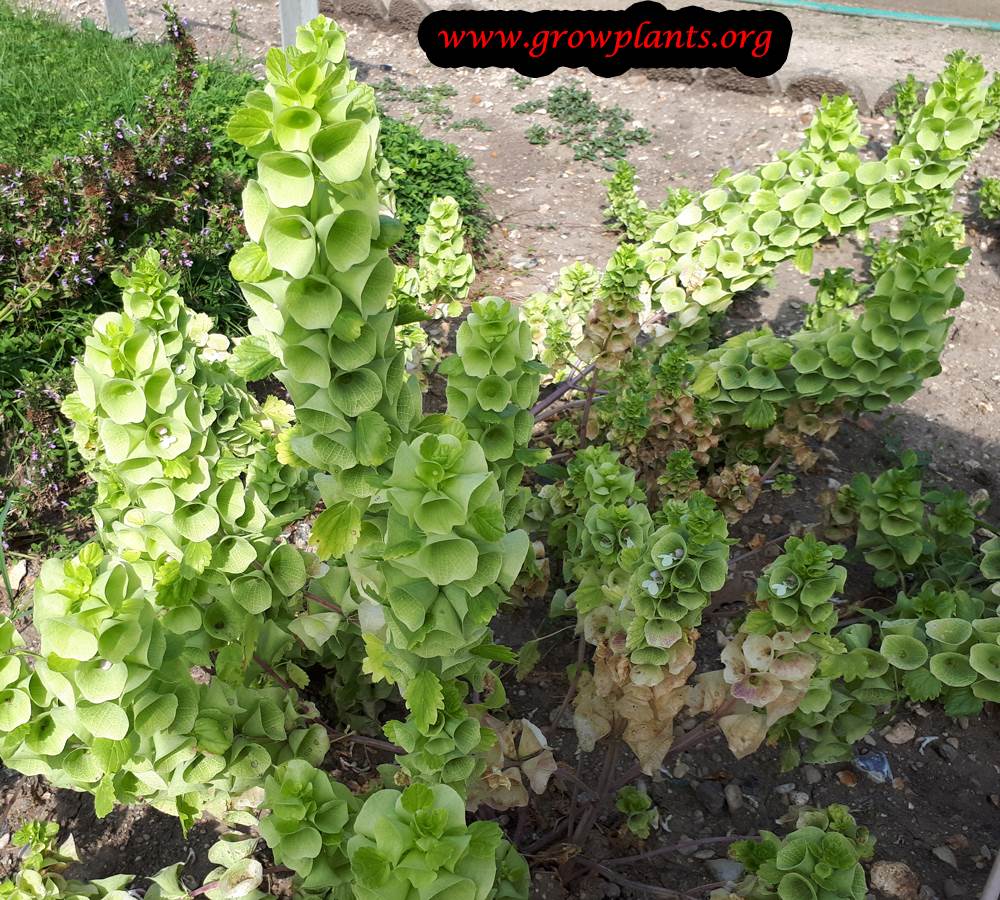
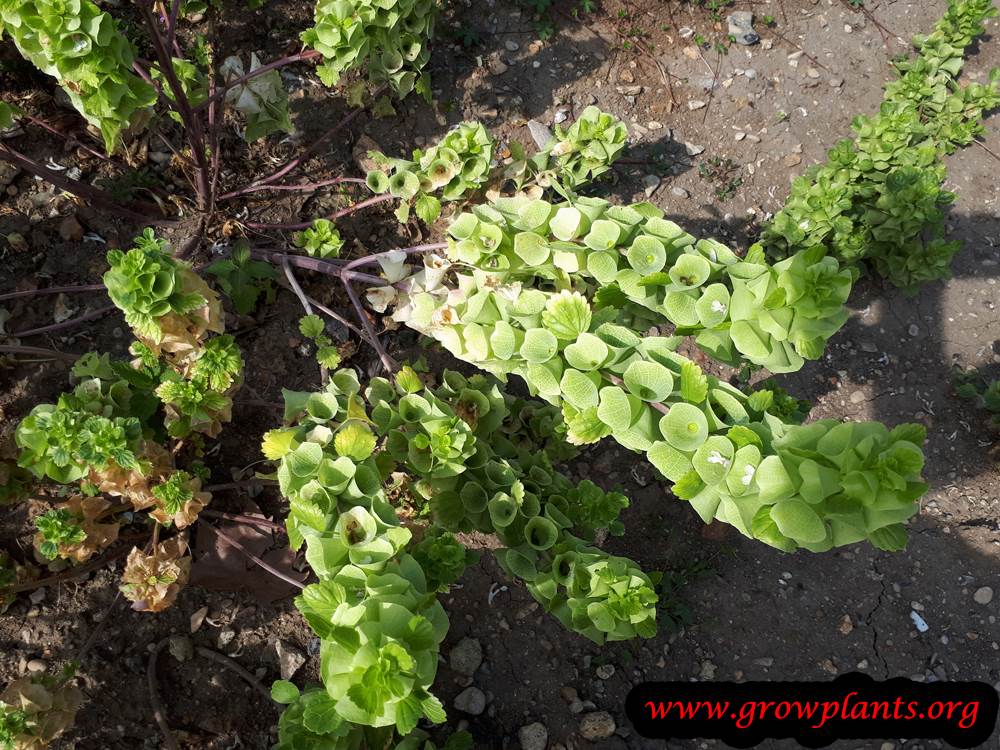
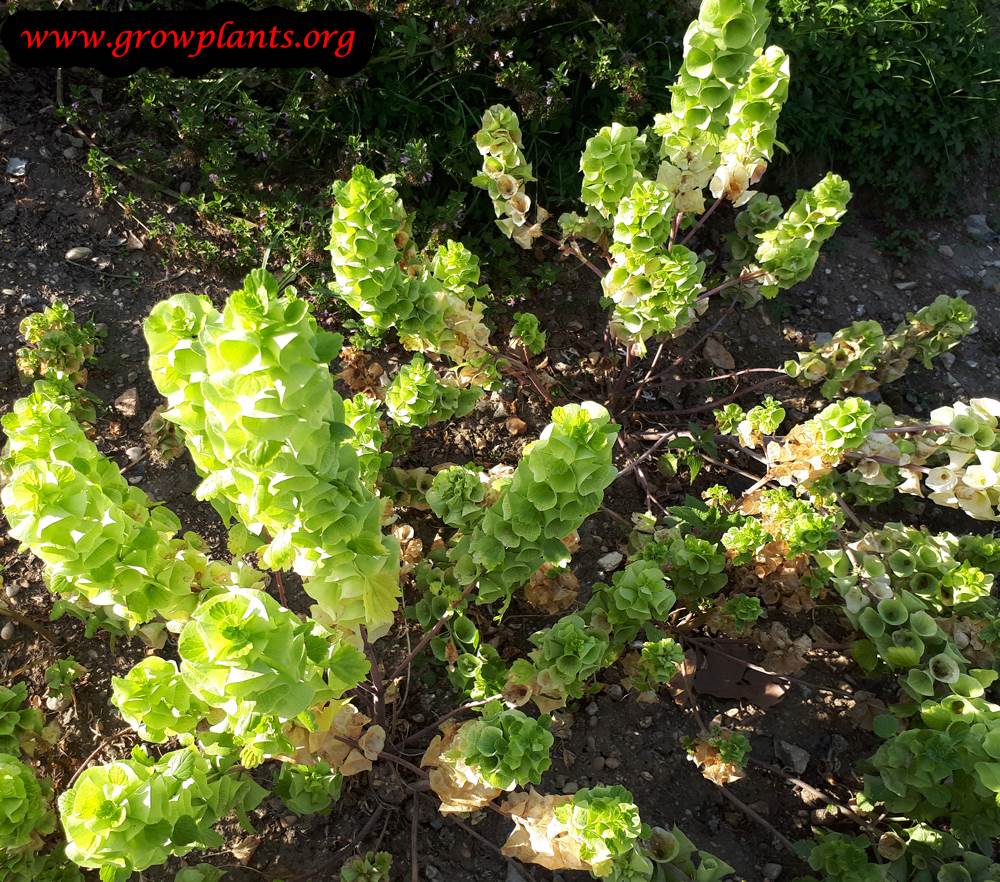
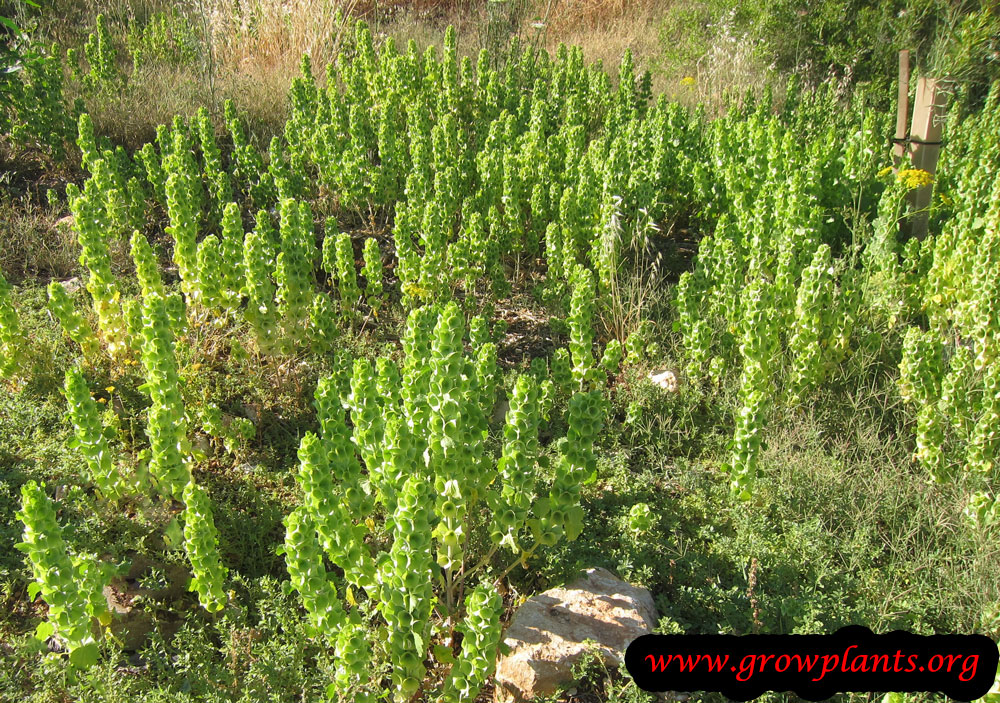
Overview: An upright herbaceous plant growing 80-120 cm tall, grown for the fragrant green bell-shaped calyces borne along its spikes. It is a perennial in mild climates and grown as an annual where winters are cold.
Quick Specifications
| Specification | Attribute |
|---|---|
| Plant Type / Life Cycle | Perennial in mild climates; grown as annual in cold climates |
| Foliage Type | Evergreen (in frost-free zones) |
| Mature Size | 80-120 cm (32-48 in) |
| Growth Rate | Moderate to Fast |
| Hardiness | USDA zones 10-11 as perennial; 6-10 as annual |
Growth Form & Structure
- Height & Spread: 80-120 cm (32-48 in) tall and upright; suited to containers and cutting beds.
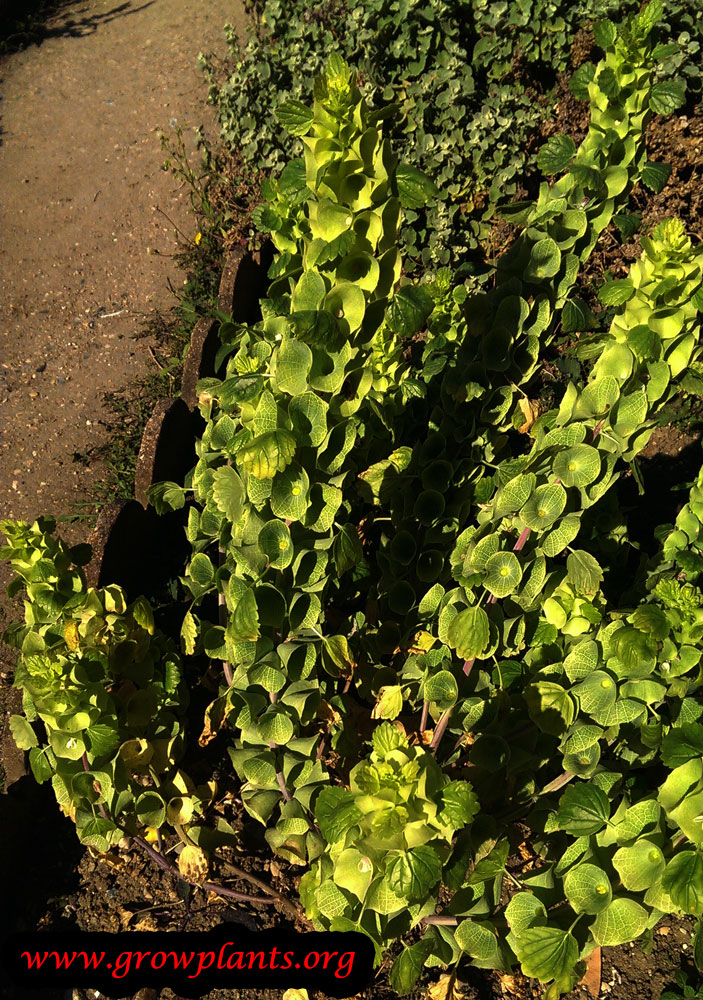
- Growth Habit & Form: Erect single-to-branched flower spikes.
- Lifespan & Maturity: Fast-growing, usually flowering in its first season.
Anatomy & Physical Features
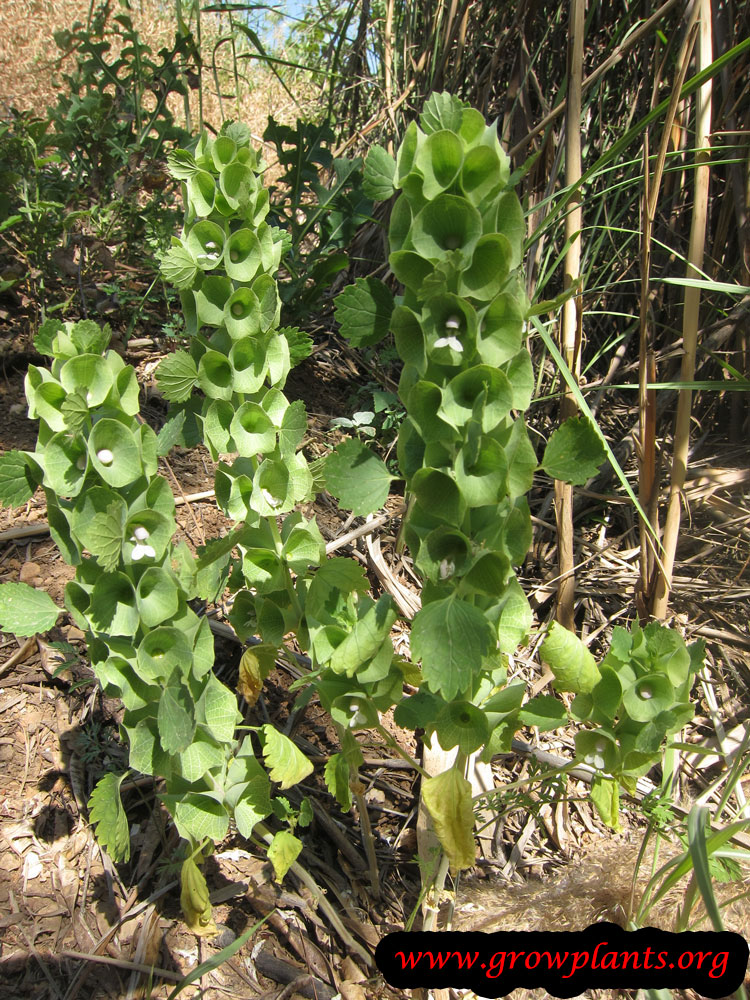
- Leaves & Foliage: Green rounded leaves arranged around the stem.
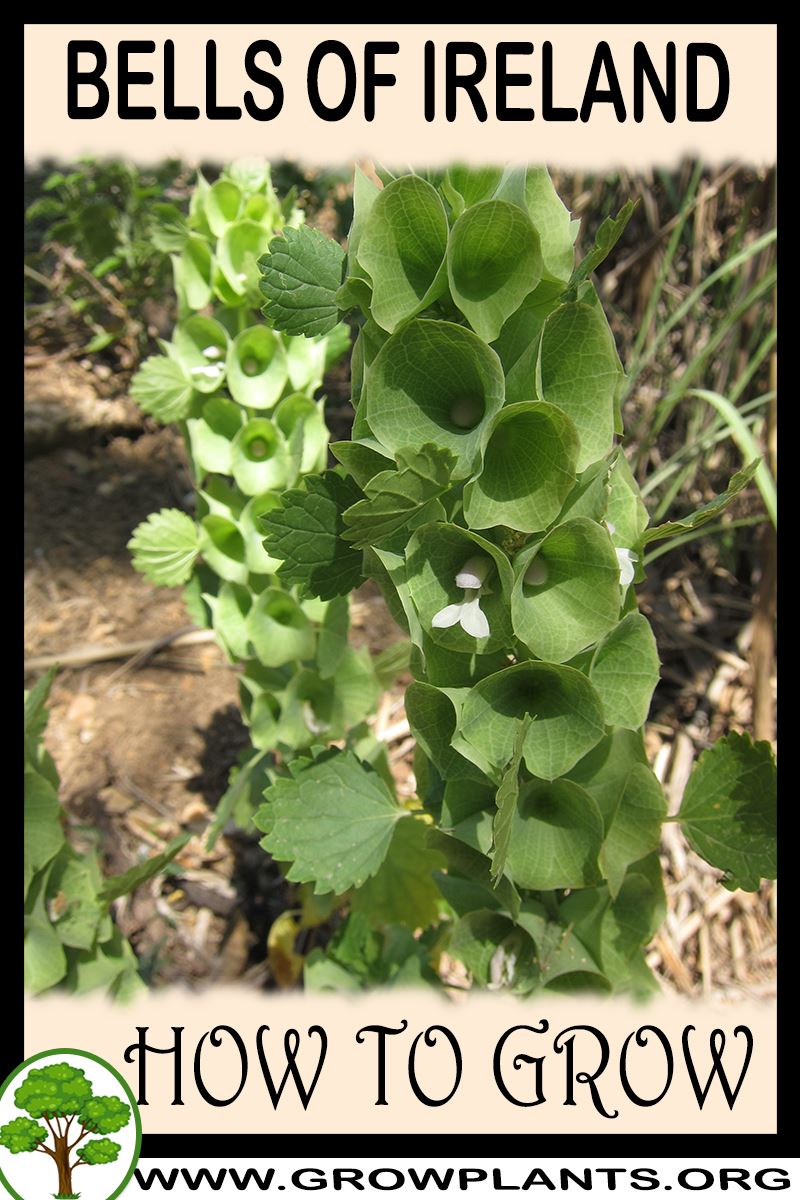
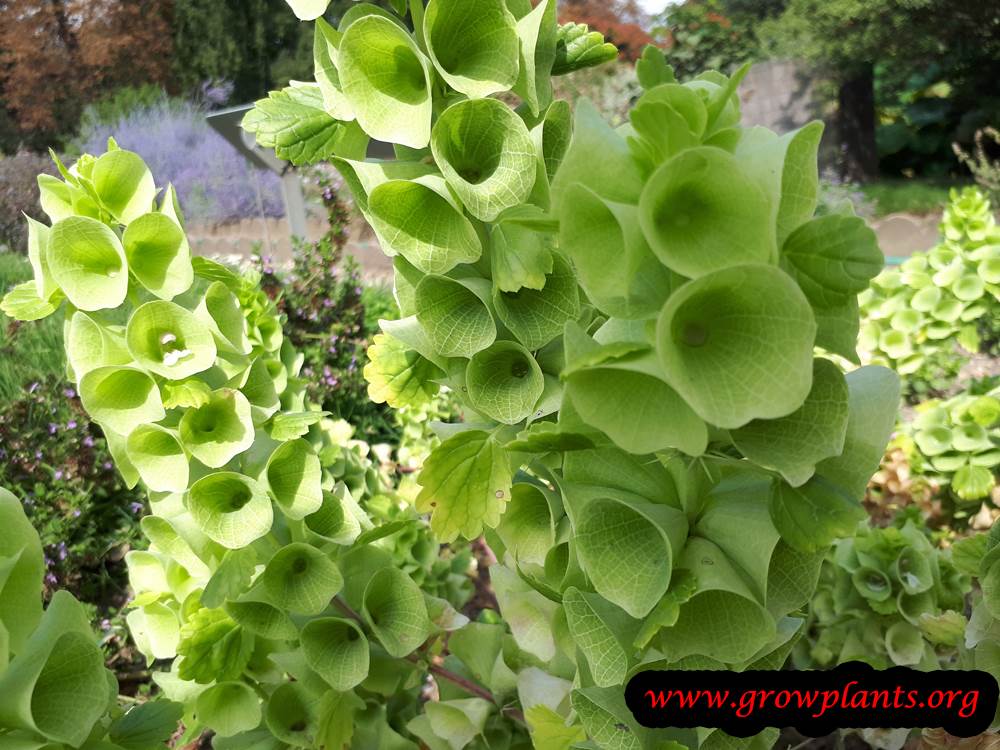
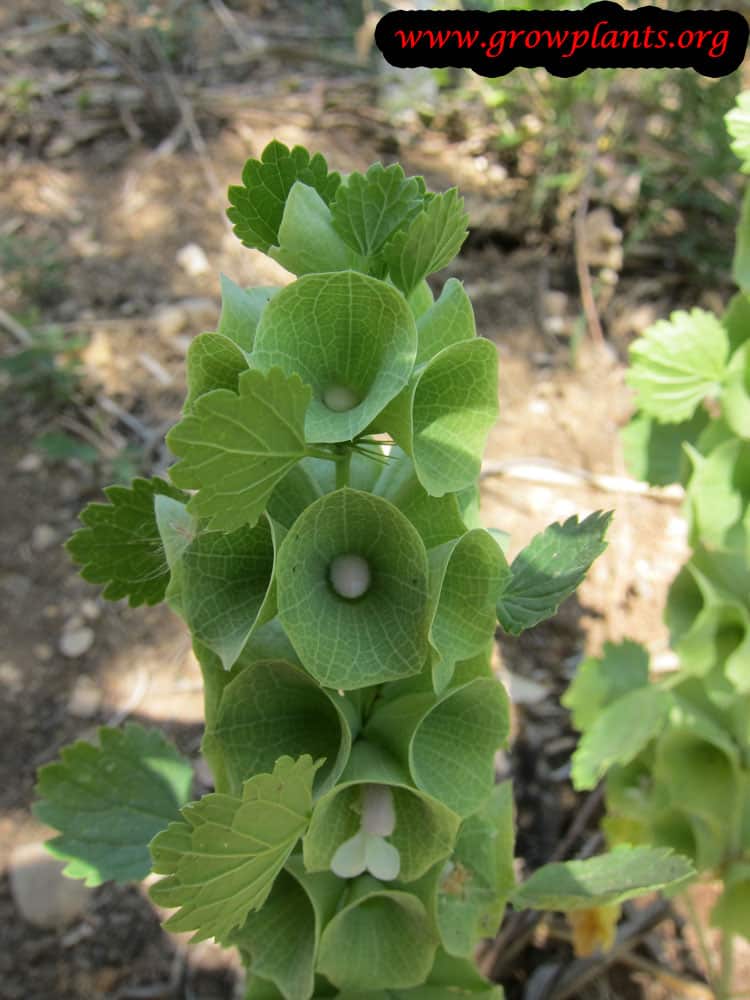
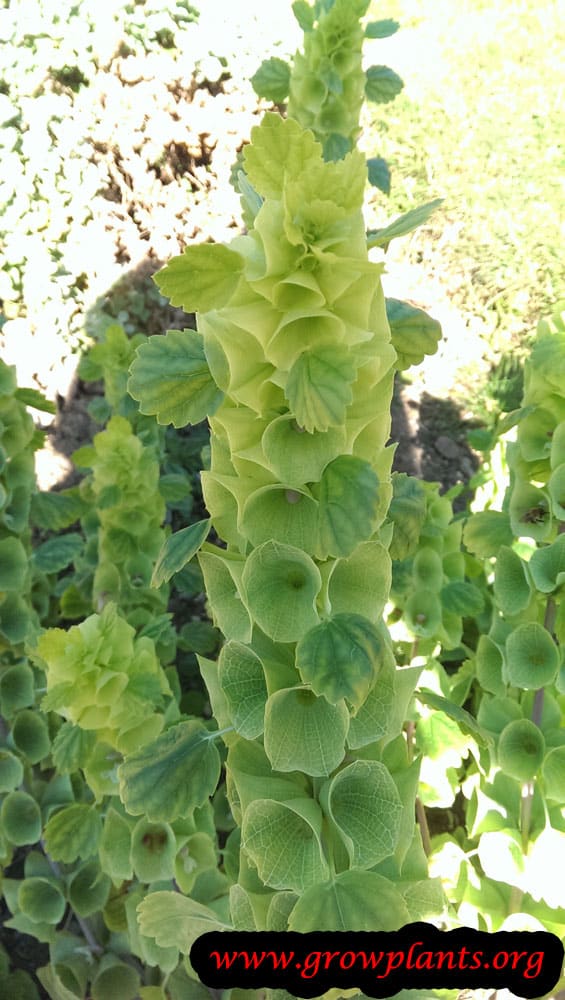
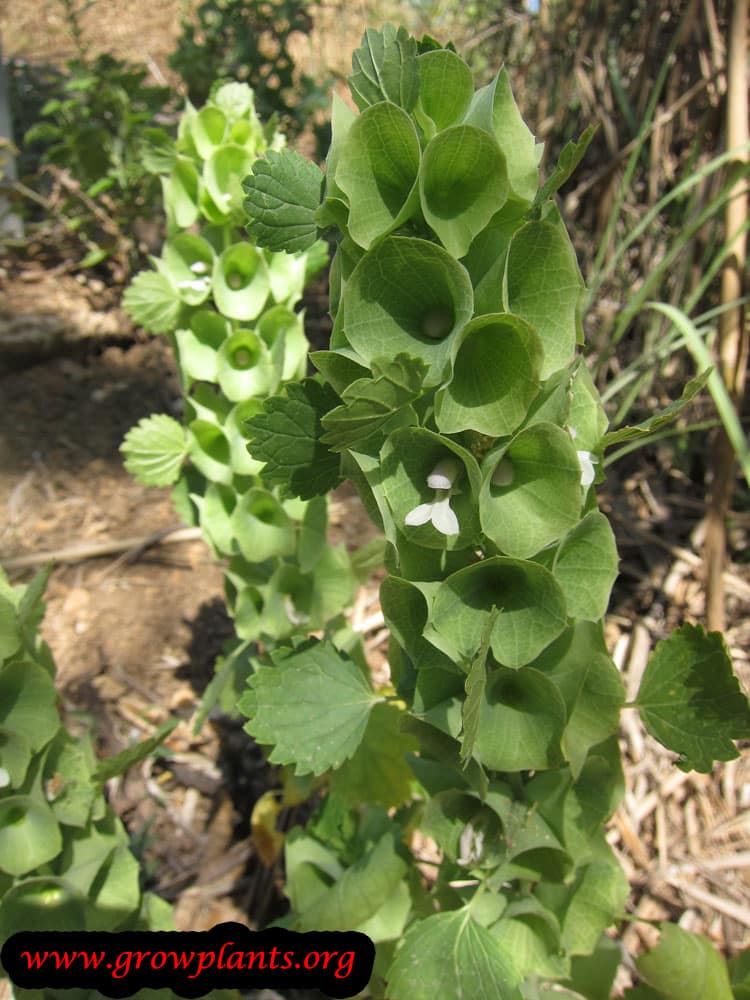
- Flower Characteristics: Fragrant green bell-shaped calyces enclosing small white flowers, borne on spikes; an excellent fresh or dried cut flower.
Primary Uses & Landscape Value
- Functional & Ornamental Roles: Fresh and dried cut flower; ornamental spike for borders.
Care Guide: Planting, Soil & Watering
Overview: Bells of Ireland (Moluccella laevis) is grown in full sun to part shade, as an annual in cooler areas and a short-lived perennial in mild ones (hardiness zone 10–11 as a perennial, 6–10 as an annual). It does best in fertile, well-drained soil with even, moderate moisture.
Quick Care Requirements
| Requirement | Ideal Condition |
|---|---|
| Planting Season | Spring after frost; autumn to spring in mild climates |
| Growth Rate | Fast to Moderate |
| Soil Type | Fertile, well-draining |
| Water Need | Low to Moderate – keep evenly moist while young |
Planting & Establishment
- Best Planting Season: Plant or sow in spring once frost has passed; in mild, frost-free areas it can also go in from autumn through spring.
- How to Plant:
- Hole Preparation: Dig a hole slightly larger than the root ball.
- Soil Amendments: Improve the bed with compost so it stays fertile and free-draining.
- Planting Depth: Set the root ball level with the surrounding soil; do not bury the stem.
- Growth Speed & Expectations: Fast to moderate, sending up its tall bell-covered flower spikes within the season.
Soil, Watering & Drainage Care
- Soil Mix & Drainage Needs: Needs well-drained soil; the plant dislikes waterlogging, so ensure excess water moves away freely.
- Watering Schedule & Technique:
- Young / Newly Planted: Keep the soil evenly moist while the young plant establishes.
- Established: Water moderately once established, letting the surface dry slightly between waterings.
- Seasonal Adjustments: Water more in heat; reduce in cool weather and during the off-season.
Climate, Light & Hardiness
Bells of Ireland is evergreen and reliably perennial only in warm Mediterranean and subtropical climates, and is grown as a cool-season annual across a much wider range of cooler zones. It prefers full sun to half shade and well-drained soil.
Quick Climate Specifications
| Climate Zones | Mediterranean, Subtropical, Temperate |
|---|---|
| USDA Hardiness Zones | 10–11 as a perennial; 6–10 as an annual |
| Frost Tolerance | Low |
| Light Conditions | Full Sun to Half Shade |
Sunlight & Light Exposure
Optimal Light Setup
Grows well in full sun to half shade.
Temperature Extremes & Hardiness
USDA Hardiness & Regional Limits
Behaves as a true evergreen perennial only within USDA zones 10–11, where winters stay mild; across the broader range of zones 6–10 it is commonly grown as an annual instead, sown or planted in spring for a single season's bloom.
Cold Damage & Winter Protection
Winter frost is what limits it to annual treatment outside zones 10–11 - the plant is not incapable of growth in cooler climates, only of surviving a freezing winter outdoors. Where grown as an annual, no winter protection is attempted; the plant simply completes its cycle before frost.
Frost Sensitivity
Frost-sensitive; freezing temperatures will kill the plant, which is why it persists as a perennial only in essentially frost-free (zone 10–11) climates.
Wind, Humidity & Microclimate
Rainfall & Seasonal Moisture
Prefers small to average water in well-drained soil rather than consistently wet conditions.
Growing in Pots, Balconies & Indoors
Bells of Ireland is not a houseplant – the grower confirms – but it grows well in containers on a sunny balcony or patio, where its tall green flower spikes make a striking display and good cut flowers. As an annual it simply completes its season outdoors and is resown each time.
Quick Details
- Container Size: A medium-to-large, fairly deep pot for a plant reaching 80-120 cm (32-48 in)
- Indoor Suitability: Not a houseplant; grow it outside in full light
- Best Spot: Full sun to part shade
- Soil & Drainage: Well-drained soil
- Watering in Pots: Low to average – let the surface dry a little between waterings
Indoors & On the Windowsill
- Why not indoors: The grower does not rate it as a houseplant – it is a tall annual that needs strong outdoor light to grow sturdy spikes and will flop in a dim room.
- Sowing note: It is grown fresh from seed each year rather than kept on, so there is no overwintering as a pot plant.
On a Balcony or Patio
- Light & wind: Give it the brightest, warmest spot you have. Walls and paving reflect heat and pots dry fast, so check moisture often in warm spells; shelter tall or top-heavy growth from wind and stake if needed.
- Practicalities: A full pot is heavy once watered – set it in its final place first, and make sure drainage runoff has somewhere to go.
Choosing the Pot, Soil & Long-Term Care
- Pot & drainage: Use a medium-to-large pot with generous drainage holes and no standing-water saucer – this plant hates wet feet. Terracotta is ideal because it breathes and dries out fast.
- Potting mix: A gritty, free-draining mix – loam or potting soil cut with coarse sand, perlite or grit; avoid heavy, water-holding composts.
- Feeding: Feed only lightly through the growing season; container plants lose nutrients to leaching, but this one prefers lean conditions to soft, overfed growth.
- Repotting: Pot up or refresh the mix every couple of years once roots fill the pot; take the chance to check drainage and trim any dead roots.
Fertilizing & Feeding
A moderate feeder while it races from seedling to its tall flowering spikes; feeding is not needed once the cutting season ends and the plant sets seed.
Quick Fertilizing Specs
| Feeding Level | Moderate feeder |
|---|---|
| Main Nutrient Priority | Balanced feeding with adequate nitrogen to build the upright stems and circular leaves before bloom |
| Best Feeding Period | From spring growth through the summer flowering spike season |
| Organic Options | Compost or well-rotted manure worked into well-drained soil before planting |
| Reduce/Stop Feeding | Ease off as the bell-shaped spikes finish and the plant heads toward seed |
| Micronutrients | Usually adequate from a complete fertilizer in well-drained soil |
| Soil pH | Tolerates a wide range of well-drained garden soils |
Feeding by Growth Stage
Establishment and spring growth
Build strong upright stems and the rounded green leaves that support the flowering spikes to come.
| Nutrient direction | A balanced complete fertilizer with adequate nitrogen supports vigorous, sturdy stem and leaf growth. |
|---|---|
| Timing | As seedlings establish and through early spring growth. |
| Frequency | A light feeding as growth gets underway, repeated through the stretch toward flowering. |
| Fertilizer types | A balanced complete fertilizer, Compost or well-rotted manure worked into the bed |
| Precautions | Avoid heavy nitrogen pushes that produce floppy stems unable to support the spikes. |
Spike development and bloom
Sustain the fragrant, bell-shaped flower spikes prized for fresh and dried cutting.
| Nutrient direction | Continue a balanced fertilizer rather than switching to a bloom-booster; steady balanced nutrition carries the spikes well. |
|---|---|
| Timing | Through the summer, and into autumn where the climate allows a second flush. |
| Frequency | An occasional light feeding keeps spikes coming without forcing weak growth. |
| Fertilizer types | A balanced complete fertilizer, A light compost top-dressing |
| Precautions | Keep feeding modest; overfeeding during bloom can favor foliage over the flowering spikes and weaken stems used for cutting. |
Seed set and season end
Let the plant finish its cycle, whether it dies back as an annual or rests as a perennial in mild climates.
| Nutrient direction | None – withhold fertilizer as the plant moves toward seed and its active growing cycle closes. |
|---|---|
| Timing | Late season as flowering finishes, or through winter rest where grown as a perennial. |
| Frequency | No feeding at this stage. |
| Fertilizer types | No feeding at this stage; do not fertilize once active growth has stopped. |
| Precautions | Withhold fertilizer; feeding a plant that is finishing its cycle or resting wastes nutrients and can encourage weak late growth. |
Nutrient Deficiency Signs & Corrections
Lower leaves turn pale green to yellow and stem growth slows before spikes form.
| Possible causes | low available soil nitrogen, nitrogen leaching from frequent watering, thin, low-organic-matter soil |
|---|---|
| Appears first on | older, lower leaves |
| What to check | recent feeding history, soil organic matter, watering and drainage |
| Possible correction | Apply a balanced complete fertilizer and work organic matter into the soil. |
Leaf margins scorch or brown and stems stay thin and prone to flopping under the flower spikes.
| Possible causes | low soil potassium, uneven watering, sandy, fast-draining soil that leaches nutrients |
|---|---|
| Appears first on | older leaf margins |
| What to check | soil fertility and drainage, stem sturdiness, consistency of watering |
| Possible correction | Correct with a balanced or potassium-supportive fertilizer per its label and even out watering. |
Leaf tips or margins brown and growth stalls despite regular watering.
| Possible causes | fertilizer salt buildup from overfeeding, under-watering that concentrates salts, poor drainage |
|---|---|
| Appears first on | leaf tips and margins |
| What to check | recent fertilizer amounts, drainage, watering consistency |
| Possible correction | Ease off feeding, water thoroughly to flush salts, then resume lighter feeding. |
Pruning, Training & Seasonal Maintenance
Bells of Ireland is grown as a warm-season annual in most climates, persisting as a short-lived perennial only in the mildest zones, valued for its upright spikes of green bell-shaped calyces used as cut flowers. It has no woody structure and no seasonal dormancy logic to manage – “pruning” here is limited to light pinching of young plants to encourage branching, and cutting the flower spikes themselves, which doubles as both harvest and deadheading.
Quick Pruning & Maintenance Specs
| Pruning Tolerance | Low structural need – this is a stem/spike plant, not a shrub |
| Primary Pruning Window | Seedling stage (pinching) and whenever spikes mature (cutting) |
| Typical Frequency | One early pinch, then repeated spike harvest through summer/autumn |
| Main Objective | Encourage branching for more spikes; remove spent/finished spikes |
| Best Tool Type | Precision snips |
Pruning by Plant Age & Size
Newly Established
Once seedlings are a few inches tall, pinching out the growing tip encourages side branching and a bushier plant with more flower spikes rather than one dominant spike.
Young / Formative
No formal training system applies; this is an unbranched-to-lightly-branched herbaceous annual, not a plant that is trained to a framework.
Mature / Established
Cut mature spikes for use (fresh or dried) or remove them once they fade; in the mild-winter zones where it persists as a short-lived perennial, spent flowering stems can be cut back to the base afterward.
Special Growth to Remove
- Spent flower spikes – cut once the green calyces have browned and are no longer ornamental or useful for cutting.
- Where self-seeding is not wanted, remove spikes before seed drops rather than letting them dry in place.
Tools
- precision_snips – the only tool this plant’s soft stems call for, both for pinching and for cutting spikes
Tool Hygiene & Disease Risk
Routine: clean tools are enough. Aphids are the main pest of concern; if aphid-infested growth is removed, wiping blades before moving to unaffected plants is sufficient, rather than a full disinfection step.
Cut Placement & Technique
Pinch just above a leaf node on young plants. Cut mature spikes low, just above a lower set of leaves, leaving enough stem/foliage for the plant to keep producing.
Post-Pruning Care
No special aftercare beyond normal watering; do not add extra feeding after pinching, since Bells of Ireland is a fast, self-sufficient annual grower that does not need a fertility push to recover.
Common Pruning Mistakes
- Skipping the seedling pinch and getting a single tall spike instead of a fuller, more productive plant.
- Cutting spikes too high, leaving little foliage behind to support further growth on that stem.
When NOT to Prune
Avoid pinching or cutting during active heat stress or right after transplanting, while the young plant is still establishing roots.
Recommended Tools (by task)
- Seedling pinch – precision_snips (or fingers): a clean nip above a node, no heavier tool needed for soft young growth.
- Mature spike harvest/deadhead – precision_snips: stems are herbaceous, not woody, so light snips handle every cut this plant needs.
Propagation Guide
Bells of Ireland is grown from seed only – the site confirms vegetative or grafted propagation isn’t necessary, and this fast, fragrant cut-flower plant is easy to raise as an annual (or short-lived perennial in warm climates) directly from seed. The main challenge is germination, which is often slow and uneven unless the seed is given a cool pre-treatment.
Quick Propagation Specs
| Best Propagation Method | Seed |
| Propagation Difficulty | Easy to Moderate (germination can be slow/uneven) |
| Seed True-to-Type | Usually true-to-type – site confirms grafting/vegetative propagation is not necessary |
| Best Propagation Season | Spring, after frost danger has passed (site planting season also lists autumn/winter sowing in warm-winter zones) |
| Seed Germination Time | Often several weeks and irregular |
| Germination Temperature | Cool to moderate, roughly 15–20°C (59–68°F) |
| Seed Sowing Depth | Very shallow / surface-sown – light aids germination |
Growing from Seed
Dormancy & Pre-Sowing Treatment
Germination tends to improve after a period of cold treatment – chilling seed in a refrigerator for one to two weeks before sowing is commonly recommended for this species.
Sowing Season
Direct-sow in spring once the danger of frost has passed; in mild-winter climates the site notes it can also be planted through autumn and winter as a perennial.
Sowing Depth & Orientation
Sow shallowly and press the seed into the soil surface rather than burying it deeply – light exposure helps germination.
Germination Conditions & Time
Keep the seedbed evenly moist at cool-to-moderate temperatures; germination is often slow and staggered, sometimes taking several weeks, and hot conditions can hinder it further.
Seedling Care
Bells of Ireland resents root disturbance, so where possible sow in place or transplant seedlings while still small, keeping the soil evenly moist.
Bloom & Flower Guide
Quick Details
- Bloom Season: Summer into autumn (and spring in hotter climates)
- Flower Appearance: Tall spikes of green bell-shaped calyces, each cupping a tiny fragrant white flower
- Edibility: Grown as a fragrant ornamental and cut flower – not for eating
Detailed Blooming Overview
The green “bells” that give this plant its name are not really the flowers at all but the enlarged calyces arranged up tall spikes. The true flowers are the small, fragrant white ones sitting inside each bell. Long a favourite for cutting, the spikes hold well fresh and can also be dried for everlasting arrangements.
Flower Characteristics
- Showy green bell-shaped calyces ranged up the spike.
- Small, fragrant white true flowers held within the bells.
- Carried on tall, straight stems – excellent for cutting.
Bloom Care & Thinning
- Encouraging bloom: Full sun and a little support keep the tall spikes upright; cut once the bells are well formed for the best vase life.
- For drying: Harvest when the spikes are fully developed and hang them to dry for everlasting displays.
- Pollination: Bees visit the small flowers tucked inside the bells.
Pests, Diseases & Troubleshooting
Overview: Bells of Ireland is a hardy annual with relatively few serious enemies; its main pests are aphids and occasional mites and whiteflies, and its main diseases are rots and spots that appear in crowded, wet or poorly drained conditions. Good spacing, drainage and airflow keep it clean, and it needs little spraying.
Quick Troubleshooting Overview
| Issue / Pest | Main Symptom | Primary Solution |
|---|---|---|
| Aphids | Curled tips, honeydew, ants tending colonies | Rinse off, encourage beneficials, insecticidal soap |
| Spider mites | Stippling and webbing in hot, dry weather | Rinse foliage, horticultural oil |
| Crown / root rot | Wilting, blackened stem base in wet soil | Improve drainage, ease off watering |
| Leaf spot | Brown spots on foliage in humid conditions | Remove leaves, airflow, copper if needed |
| Flopping | Tall spikes leaning and snapping | Stake, grow in full sun, avoid rich soil |
Common Pests & Management
- Aphids (Aphis / Myzus spp.):
- Symptoms: Soft green or black insects clustered on new growth and along the flower spikes, causing curling, honeydew, sooty mold and attendant ants.
- Prevention & Control: Wash off with water, encourage ladybugs and lacewings, and avoid excess nitrogen. Insecticidal soap clears heavier colonies; treat undersides and spike bases.
- Spider mites (Tetranychus urticae):
- Symptoms: Fine pale stippling and dusty bronzing with light webbing on undersides in hot, dry weather.
- Prevention & Control: Rinse foliage, avoid drought stress, and treat with insecticidal soap or horticultural oil in the evening if numbers build.
- Whiteflies (Trialeurodes vaporariorum):
- Symptoms: Small white flies rising when disturbed, with honeydew and yellowing on sheltered or greenhouse-grown plants.
- Prevention & Control: Use yellow sticky traps, improve airflow, and rinse undersides; insecticidal soap keeps numbers down.
Diseases & Fungal Issues
- Crown and root rot (Pythium / Rhizoctonia spp.):
- Symptoms: Sudden wilting, yellowing and a soft, blackened, collapsing stem base in wet, poorly drained or overwatered soil.
- Treatment & Management: Grow in well-drained soil, avoid overwatering and overhead evening watering, and space plants; remove and bin affected plants and rotate the planting site.
- Leaf spot (Cercospora / Alternaria spp.):
- Symptoms: Brown to tan spots, sometimes with yellow halos, enlarging in warm, humid, crowded conditions.
- Treatment & Management: Remove affected leaves, water at the base early in the day, and improve airflow; a copper fungicide helps if spotting spreads.
- Gray mold (Botrytis cinerea):
- Symptoms: Fuzzy grey rot on flowers, bracts and stems in cool, damp, still air, common on cut and densely grown stems.
- Treatment & Management: Improve ventilation, avoid wetting the bracts, and remove affected tissue promptly; handle cut stems in dry conditions.
Growing Difficulties & Abiotic Problems
- Flopping and lodging:
- Cause & Symptoms: The tall, top-heavy flower spikes lean and snap in wind or rich soil.
- Correction Strategy: Grow in full sun on lean soil, provide support or grow-through staking, and site out of strong wind.
- Poor germination / bolting:
- Cause & Symptoms: Seed needs cool conditions to germinate and the plant runs quickly to flower in heat.
- Correction Strategy: Sow in cool conditions (some seed benefits from chilling), and grow through the cooler part of the season for best spikes.
- Spiny handling:
- Cause & Symptoms: Small spines at the leaf and bract bases prick when harvesting.
- Correction Strategy: Wear gloves when cutting and handling stems.
What Helps — Products & Tools
Bells of Ireland asks for little chemistry. Keep insecticidal soap or light horticultural oil for aphids, mites and whiteflies, yellow sticky traps for whiteflies, and a copper fungicide for leaf spot or gray mold. Staking materials and good spacing matter more than any pesticide here.
Frequently Asked Questions
What is Bells of Ireland?
Bells of Ireland is grown for its striking spikes of green, bell-shaped calyces surrounding tiny fragrant white flowers — a florist favorite used fresh or dried.
How do you grow Bells of Ireland?
Grow Bells of Ireland in full sun to part shade in fertile, well-drained soil. Plant or sow in spring once frost has passed, keep the soil evenly moist while the young plant establishes, and once it is established water moderately, letting the surface dry slightly between waterings.
How do you grow Bells of Ireland from seed?
Bells of Ireland is grown from seed only. Chilling the seed in a refrigerator for one to two weeks before sowing is commonly recommended, since germination is otherwise often slow and staggered, sometimes taking several weeks. Direct-sow in spring once the danger of frost has passed, pressing the seed into the soil surface rather than burying it deeply, as light exposure helps it germinate.
Can Bells of Ireland be grown in pots?
Bells of Ireland is not a houseplant, but it grows well in containers on a sunny balcony or patio, where its tall green flower spikes make a striking display and good cut flowers. Use a medium-to-large pot with generous drainage holes and no standing-water saucer, since this plant hates wet feet, and give it full sun to part shade.
Why do Bells of Ireland stems flop over?
The tall, top-heavy flower spikes lean and snap in wind or rich soil. Grow the plant in full sun on lean soil, provide support or grow-through staking, and site it out of strong wind.