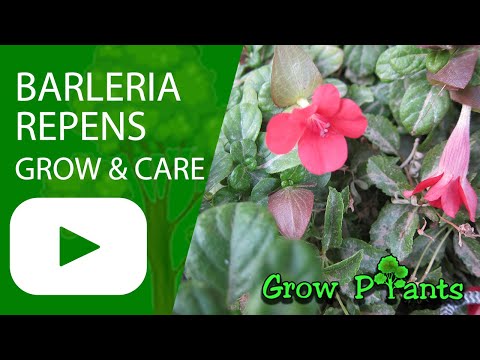

Plant Profile & Key Characteristics
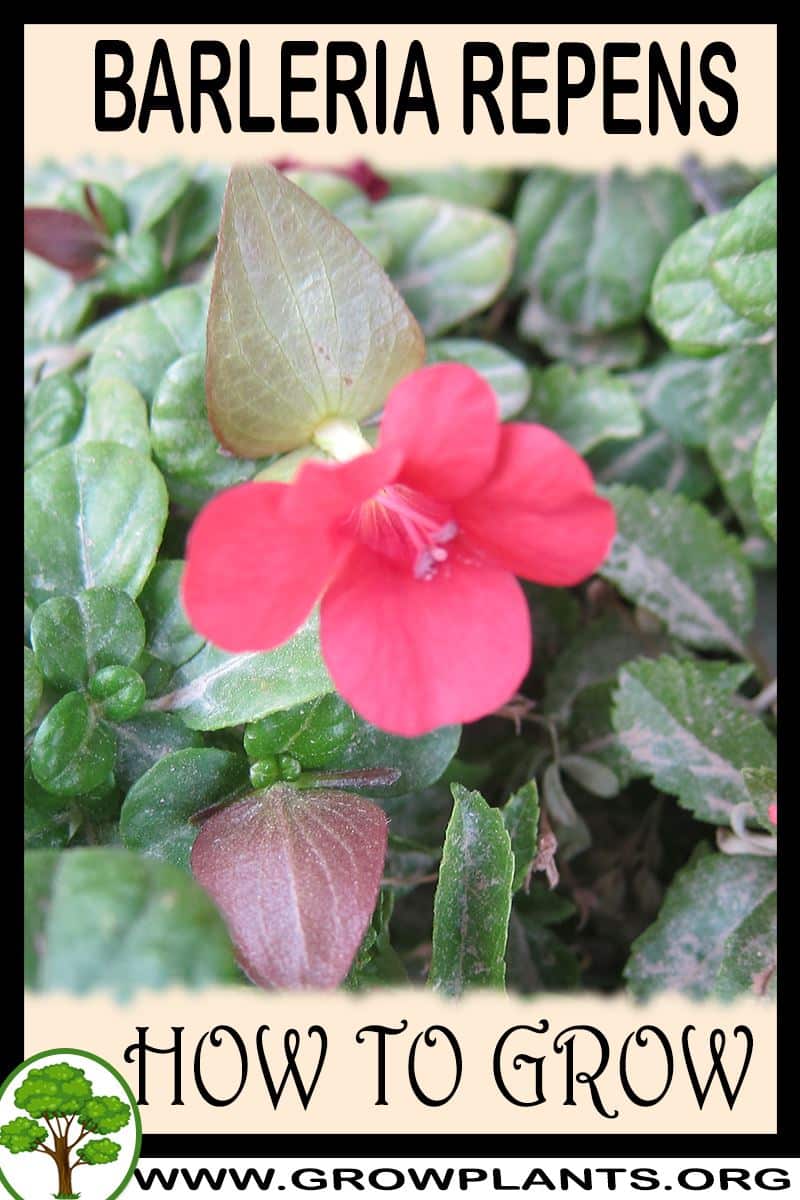
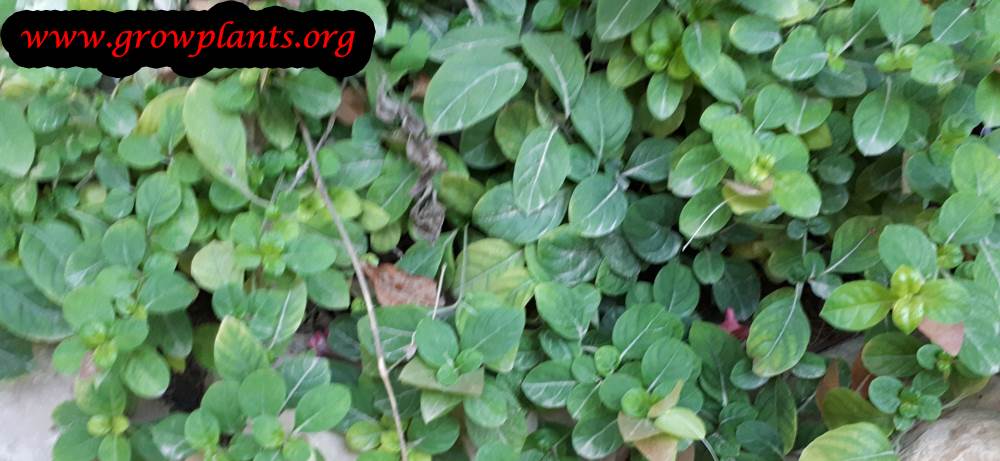
Overview: Barleria repens (small bush violet / coral creeper) is a fast-growing, spreading evergreen (or annual) subshrub, typically 10-30 cm (4-12 in) tall but climbing to 1-1.5 m if supported. It is grown as an ornamental groundcover.
Quick Specifications
| Specification | Attribute |
|---|---|
| Plant Type / Life Cycle | Perennial (grown as an annual in cold climates) |
| Foliage Type | Evergreen |
| Mature Size | 10-30 cm (4-12 in) tall; climbs to 1-1.5 m (40-60 in) if supported |
| Growth Rate | Fast to moderate |
| Hardiness | USDA zone 10+ as perennial; 7+ as annual |
Growth Form & Structure
- Height & Spread: 10-30 cm (4-12 in) as a groundcover, or 1-1.5 m (40-60 in) if allowed to climb or lean; also grown in containers and as a houseplant with good light
- Growth Habit & Form: Low, spreading/scrambling subshrub that can climb when given support
- Lifespan & Maturity: Fast to establish and spread
Anatomy & Physical Features
- Leaves & Foliage: Green, oval leaves
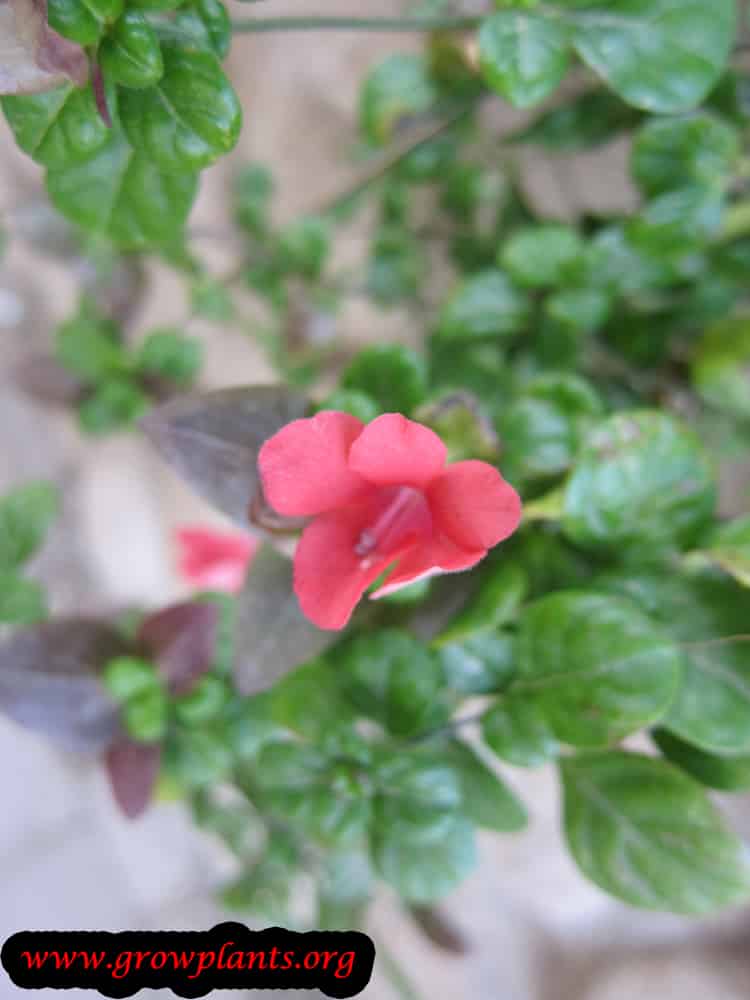
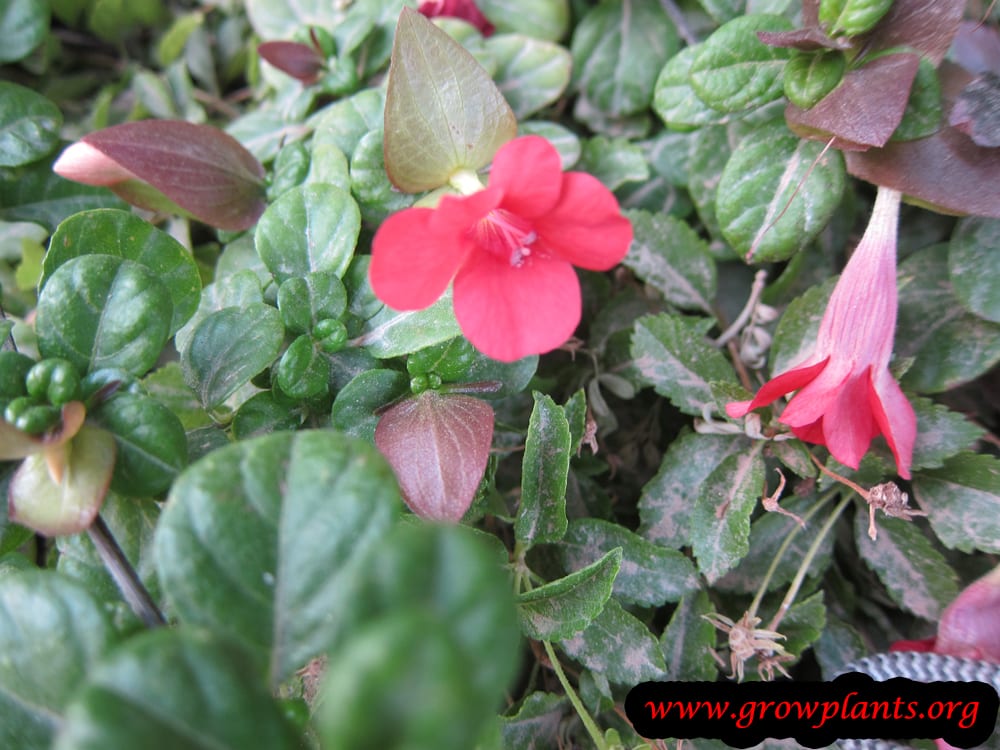
- Flower Characteristics: Five-petalled flowers (one petal larger than the other four) in orange, pink, purple or red (see the Bloom guide)
Primary Uses & Landscape Value
- Functional & Ornamental Roles: Ornamental groundcover, container and basket plant, or houseplant; can be trained upward as a low climber
Care Guide: Planting, Soil & Watering
Overview: Barleria repens (coral creeper) is a fast-growing evergreen groundcover that grows in full sun to full shade in rich, moisture-retentive soil with good humidity. It likes steady moisture and warmth, and can be allowed to climb or trail; it needs moderate to high water but still requires drainage that prevents sogginess.
Quick Care Requirements
| Requirement | Ideal Condition |
|---|---|
| Planting Season | Year-round in tropical zones; spring through autumn where perennial; spring only where grown as an annual |
| Growth Rate | Moderate to Fast |
| Soil Type | Rich, moisture-retentive soil in a humid position; provide support if allowed to climb |
| Water Need | Moderate to High – keep evenly moist, letting the surface just dry between waterings |
Planting & Establishment
- Best Planting Season: Plant year-round in the tropics, from spring through autumn where perennial, or in spring where grown as an annual in cooler areas.
- How to Plant:
- Hole Preparation: Dig a hole as deep as and about twice as wide as the root ball in a warm, sheltered spot.
- Soil Amendments: Enrich with compost and organic matter to build a rich, moisture-holding, free-draining soil.
- Planting Depth: Set the root collar level with the soil surface; add a trellis or support if you want it to climb rather than spread.
- Growth Speed & Expectations: Moderate to fast; about 10–30 cm as a groundcover, or up to 1–1.5 m if allowed to climb on support.
Soil, Watering & Drainage Care
- Soil Mix & Drainage Needs: Wants a rich, moisture-retentive yet well-draining soil; in pots use a good organic potting mix with drainage holes to keep it moist without waterlogging.
- Watering Schedule & Technique:
- Young / Newly Planted: Water regularly to keep the soil consistently moist while establishing.
- Established: Water generously and deeply, letting only the surface dry between waterings.
- Seasonal Adjustments: Increase in heat and dry spells; reduce in cool weather when growth slows.
Climate, Light & Hardiness
Barleria repens grows best in warm, humid tropical to mediterranean climates and tolerates full sun through full shade, though it needs plenty of light to flower well as a houseplant. It is reliably perennial to about USDA zone 10, but is also grown as a warm-season annual much further north.
Quick Climate Specifications
| Climate Zones | Tropic, Mediterranean, subtropical, temperate, or grown as a houseplant with bright light |
|---|---|
| USDA Hardiness Zones | Approximately 10 and warmer as a perennial; commonly grown as an annual from about zone 7 upward |
| Frost Tolerance | Low |
| Light Conditions | Full sun, half shade, or full shade |
Sunlight & Light Exposure
Optimal Light Setup
Adapts to full sun through full shade outdoors; as an indoor plant, it needs bright light to grow and flower well.
Shade & Heat Management
Tolerates heat and shade both well, making it a flexible groundcover or trailing accent in warm gardens.
Temperature Extremes & Hardiness
USDA Hardiness & Regional Limits
Grows as a true perennial only where winters stay frost-free or nearly so (about USDA zone 10 and warmer); in colder regions, down to roughly zone 7, it is grown as an annual that is replanted each spring.
Cold Damage & Winter Protection
Cold and frost damage foliage and stems; in marginal zones, plants can be cut back and mulched over winter or brought indoors as houseplants.
Frost Sensitivity
Frost-sensitive overall, which is what confines it to annual treatment outside the warmest climates.
Growing in Pots, Balconies & Indoors
Barleria repens is a low, spreading evergreen (it climbs a little if given support) that the grower rates as a houseplant, provided it gets enough light to flower. It grows well in indoor pots and baskets and outdoors on a patio, giving bright tubular flowers over a long season in good light.
Quick Details
- Container Size: A medium pot or basket; give support if you want it to climb
- Indoor Suitability: A houseplant in a bright spot – it needs good light to bloom
- Best Spot: Full sun to full shade; the brighter the light, the more flowers
- Soil & Drainage: Free-draining, organic-rich mix
- Watering in Pots: Average to generous – keep evenly moist, never waterlogged
Indoors & On the Windowsill
- Houseplant: A genuine houseplant given enough light. In a bright spot it flowers freely; in a dim one it stays green but shy of bloom.
- Windowsill growing: A sunny sill brings out the most flowers; it also trails or leans, so a raised pot suits it.
- Overwintering: Tender to frost – a potted plant is easy to keep indoors over a cold winter.
On a Balcony or Patio
- Light, wind & heat: Give it the brightest, sunniest spot; walls and paving throw heat back so pots dry quickly – check moisture daily in warm spells, and stake or shelter anything tall or exposed from wind. A drip irrigation kit with a timer can take over that watering check automatically.
- Practicalities: Let it trail over a basket edge or give it a small trellis to climb; trim to keep it neat.
Choosing the Pot, Soil & Long-Term Care
- Pot & drainage: Use a pot with strong drainage holes and skip a standing saucer of water, which invites root rot; terracotta breathes and dries fast, while glazed or plastic holds moisture longer.
- Potting mix: Well-aerated and organic-rich – a peat- or coir-based mix opened up with perlite or vermiculite and enriched with compost.
- Feeding: Potted plants use up their food faster because frequent watering leaches nutrients away – feed a little more often through the growing season than plants in open ground.
- Repotting & pruning: Refresh the mix every couple of years and prune to shape after a flush of flowers.
Fertilizing & Feeding
A moderate feeder that blooms over a long season; steady balanced feeding through the warm months keeps flowering going without forcing weak growth.
Quick Fertilizing Specs
| Feeding Level | Moderate – this long-blooming groundcover benefits from steady feeding. |
|---|---|
| young_feeding | A light balanced feed as new plants or cuttings establish. |
| mature_feeding | Regular light feeding through the growing and blooming season. |
| Main Nutrient Priority | Balanced nutrition to sustain foliage and repeat flowering. |
| Best Feeding Period | Spring through autumn while the plant is actively growing and blooming. |
| Organic Options | Compost or well-rotted organic matter worked into rich, moist soil. |
| Soil pH | Prefers rich, moist soil; tolerates a range of pH. |
| Reduce/Stop Feeding | Reduce feeding as growth slows going into cooler weather. |
| Micronutrients | Rarely needed; correct only if a deficiency shows. |
Feeding by Growth Stage
Spring growth flush
Support new stem and leaf growth as the growing season begins.
| Nutrient direction | A balanced, complete fertilizer to fuel fresh growth in rich, moist soil. |
|---|---|
| Timing | As new growth begins in spring, or year-round in frost-free climates. |
| Frequency | Regular light feedings support this fast-to-medium growing groundcover. |
| Fertilizer types | Balanced complete fertilizer, Compost or well-rotted organic matter |
| Precautions | Keep soil consistently moist when feeding; this plant does not tolerate drying out well. |
Repeat flowering through the season
Sustain the long spring-through-autumn bloom cycle of orange, pink, purple, or red flowers.
| Nutrient direction | Continue a balanced feed; extra phosphorus is not needed to drive more bloom. |
|---|---|
| Timing | Through the extended spring, summer, and autumn bloom period. |
| Frequency | Light, regular feeding sustains repeat blooming. |
| Fertilizer types | Balanced complete fertilizer |
| Precautions | Deadhead spent blooms as part of routine care; avoid heavy feeding that produces excess leafy growth at the expense of flowers. |
Cool-season rest
Let the plant rest where cooler weather slows or stops growth.
| Nutrient direction | None – withhold fertilizer while growth is stopped or minimal. |
|---|---|
| Timing | During cooler weather, or where grown as an annual, at the end of the season. |
| Frequency | No feeding at this stage. |
| Fertilizer types | No feeding at this stage – resume once active growth returns. |
| Precautions | Do not fertilize during the rest period; wait for active growth to resume. |
Nutrient Deficiency Signs & Corrections
Pale, yellow-green older leaves and sparse, weak new growth.
| Possible causes | Low soil nitrogen, Nutrients leached away by frequent watering in rich, moist soil, Poor soil fertility overall |
|---|---|
| Appears first on | Older, lower leaves first. |
| What to check | Recent feeding history, Watering frequency and drainage, Soil organic matter |
| Possible correction | Apply a balanced fertilizer during active growth and enrich the soil with organic matter. |
Yellowing between the veins on the newest leaves while veins stay green.
| Possible causes | High or alkaline soil pH locking up iron or manganese, Waterlogged soil from frequent moisture reducing uptake, Low available iron or manganese in the soil |
|---|---|
| Appears first on | New growth at the shoot tips. |
| What to check | Soil pH, Drainage relative to how much this plant is watered, Whether symptoms follow wet spells |
| Possible correction | Correct soil pH toward the plant’s preferred range, improve drainage, and if it persists apply a chelated iron or manganese product per its label. |
Lush foliage but few or no flowers during the normal bloom period.
| Possible causes | Excess nitrogen favoring leafy growth over flowers, Insufficient light for a plant grown in too much shade, Old, unpruned growth with fewer flowering shoots |
|---|---|
| Appears first on | Whole-plant flowering pattern rather than a single leaf symptom. |
| What to check | Recent fertilizer balance and amount, Light exposure, Pruning history |
| Possible correction | Moderate nitrogen-heavy feeding, ensure adequate light, and prune to renew flowering growth. |
Pruning, Training & Seasonal Maintenance
Barleria repens is a soft-wooded subshrub that can be kept as a low spreading groundcover or trained to climb/lean on support, reaching a much larger size in the latter form; it tolerates moderate pruning, is safest trimmed in autumn/winter as growth slows, and because flowers form on new growth, cutting back before the main spring–autumn bloom period simply refreshes the wood that will carry the next flush.
Quick Pruning & Maintenance Specs
| Pruning Tolerance | Moderate |
| Primary Pruning Window | Autumn–Winter |
| Secondary Maintenance Window | Light deadheading through spring–autumn bloom |
| Typical Frequency | Annual cutback plus ongoing deadheading |
| Main Objective | Density (groundcover form) or framework on support (climbing form) |
| Young Plant Priority | Pinch tips to build multiple branching stems from the base |
| Mature Plant Priority | Renew leggy stems; tie/train new growth if trellised |
| Best Tool Type | Bypass secateurs; soft ties for trained stems |
| Avoid Heavy Pruning During | Peak flowering flush; cold snaps in marginal zones |
Pruning by Plant Age & Size
Newly Established
Remove only damaged or frost-nipped growth; pinch soft tips once established to promote branching rather than a single long trailing stem.
Young / Formative
As groundcover: repeated pinching builds a dense, low mat. As a climber/leaner: select 2–3 main stems and loosely tie them to support, removing competing weak shoots — there is no rigid central-leader system, just informal training onto whatever it leans on.
Mature / Established
Cut back the oldest, most bare-based stems each dormant season to keep the plant from becoming woody and sparse at the base; continue tying in new leaders on trained specimens.
Seasonal Pruning Schedule
| Dormant/Winter | Objective: renew and shape. Remove dead parts and spent bloom (per this plant’s own care notes), cut back leggy stems by up to a third. Does not remove next season’s flower buds since bloom forms on the new growth that follows. |
| Ongoing Sanitary | Deadhead spent flowers through the long spring–autumn bloom season to keep it tidy and encourage continued flowering. |
Structural Pruning & Training
For the climbing/leaning form, select and tie in the strongest new stems each season and remove crossing or overly tangled growth; for the groundcover form, focus on even density rather than height, pinching out any stem that runs ahead of the mat.
Special Growth to Remove
- Dead or winter-damaged stem tips
- Spent flower heads
- Overlong, bare-based runners on the groundcover form — cut back to force fresh branching
Container & Small-Space Pruning
Grows well in pots and as an indoor plant with strong light; pinch more frequently than in-ground plantings to keep a compact mound, since container specimens tend to stretch for light.
Tools
- Bypass secateurs for stem cutback and deadheading
- Soft ties/stakes for training the climbing/leaning form onto support
Tool Hygiene & Disease Risk
Routine: clean, sharp tools are sufficient; no significant transmissible disease risk is documented for this plant.
Cut Placement & Technique
Cut just above a leaf node to prompt branching there; deadhead spent flower stems back to the nearest healthy node rather than leaving bare stalks.
Heavy Pruning & Rejuvenation
Tolerates a fairly hard cutback (to within a hand-span of the base) on overgrown or frost-damaged plants in early spring as new growth resumes, with vigorous regrowth and a return to flowering the same season.
Post-Pruning Care
Water in after a hard cutback to support regrowth; no special feeding is needed beyond normal seasonal care.
Common Pruning Mistakes
- Treating the climbing form like a self-supporting shrub and never tying in new growth, leading to a tangled flop
- Letting the groundcover form go untrimmed until it is bare and woody at the center
When NOT to Prune
Avoid hard pruning right before an expected cold snap in marginal (near hardiness-limit) zones, and avoid cutting during the heaviest flowering flush if the display is the priority that season.
Recommended Tools (by task)
- bypass_secateurs — deadheading and stem cutback on both the groundcover and climbing forms
- soft_ties_stakes — training and securing new growth when grown as a leaner/climber
Propagation Guide
Barleria repens roots readily from stem cuttings taken during its spring-to-autumn growing season, the fastest and most reliable way to increase this scrambling groundcover; its trailing stems will also self-layer wherever they touch moist soil. Seed is a slower alternative. Propagation is Easy.
Quick Propagation Specs
| Best Propagation Method | Stem cuttings |
| Alternative Methods | Ground layering of trailing stems; seed |
| Propagation Difficulty | Easy |
| Seed True-to-Type | Usually true-to-type (species) |
| Vegetative True-to-Type | Yes |
| Best Propagation Season | Spring through summer (active growth) |
| Cutting Rooting Time | Typically a few weeks in warm, humid conditions |
Stem Cuttings
Cutting Type
Softwood or semi-hardwood tip cuttings, about 10–15cm (4–6in).
Best Timing
Spring to summer, during the plant’s main growing season.
Cutting Preparation
Trim just below a node and remove the lower leaves.
Rooting Setup
Root in a moist, rich, well-drained mix with good humidity – matching this plant’s preference for rich, moist soil and humidity.
Rooting Hormone
Optional – can speed rooting but is not required, as this species roots easily.
Rooting Time
Usually a few weeks under warm, humid conditions.
Air & Ground Layering
Because of its low, scrambling/climbing habit, a trailing stem left in contact with moist soil will often root on its own at the nodes. Pin a section of stem into moist soil (or simply let a low stem lie on the ground) and keep it moist; once rooted, sever it from the parent plant and pot up or transplant separately.
Growing from Seed
Seed is a viable but slower option than cuttings; site data does not give specific sowing detail, so use the general warm, moist, humid germination conditions typical of this tropical/subtropical shrub.
Bloom & Flower Guide
Quick Details
- Bloom Season: Spring, summer and autumn – nearly year-round in frost-free climates
- Flower Appearance: Two-lipped flowers in orange, pink, purple or red, with one larger petal above four smaller equal ones
- Edibility: Not eaten – grown as an ornamental groundcover
Detailed Blooming Overview
Barleria repens (small bush violet or coral creeper) is a low, spreading sub-shrub grown as a flowering groundcover. It blooms over a long season – spring through autumn, and almost continuously where winters are mild – in tropical, Mediterranean, subtropical and temperate gardens, or as a bright houseplant, in roughly zone 10 and warmer.
Flower Characteristics
- Tubular, two-lipped flowers in warm orange, pink, purple or red.
- One larger upper petal sits above four smaller, equal lobes.
- Set against neat oval, deep-green foliage on trailing stems.
Bloom Care & Thinning
- Prolonging the display: A light trim after each flush keeps the mat dense and grooms it for more flowers.
- Position: Warmth and good light give the fullest bloom.
- Pollination: Visited by bees, butterflies and sunbirds.
Pests, Diseases & Troubleshooting
Overview: Barleria repens is a tough, fast, warm-climate Acanthaceae groundcover/shrub with a moderate but manageable pest load – mainly sap-suckers (aphids, whitefly, mealybug, spider mites, scale) and leaf-eating caterpillars – while fungal leaf spot, powdery mildew and root rot appear in wet or crowded conditions. It is frost-tender and roots rot in soggy soil, but in warmth with decent drainage it is vigorous and largely trouble-free.
Quick Troubleshooting Overview
| Issue / Pest | Main Symptom | Primary Solution |
|---|---|---|
| Aphids | Curled sticky new growth, sooty mould | Hose off, insecticidal soap, encourage predators |
| Whitefly | White flies rising, honeydew on lower leaves | Sticky traps, soap/neem on undersides |
| Spider mites | Fine stippling, webbing in hot dry air | Raise humidity, oil/soap |
| Caterpillars | Chewed/rolled leaves, droppings | Hand-pick, Bt |
| Leaf spot | Brown/purple spots, yellowing, leaf drop | Airflow, remove leaves, copper if severe |
| Root rot | Wilting, dieback in wet soil | Improve drainage, reduce water |
Common Pests & Management
- Aphids (Aphis spp.):
- Symptoms: Colonies on soft new shoots and flower buds, curling and distorting growth and coating it with honeydew and sooty mould.
- Prevention & Control: Blast off with water, pinch infested tips, and conserve ladybirds and lacewings. Insecticidal soap or neem clears persistent colonies – wet the undersides and repeat.
- Whitefly (Bemisia / Trialeurodes):
- Symptoms: Clouds of tiny white flies rising when disturbed, with honeydew and sooty mould and flat nymphs on the leaf undersides; thrives in warm sheltered spots.
- Prevention & Control: Yellow sticky traps, Encarsia parasitoids, and hosing; insecticidal soap or neem on the undersides in the evening, repeated to break the cycle.
- Mealybugs (Pseudococcus / Planococcus spp.):
- Symptoms: White cottony tufts in leaf axils and stem joints with honeydew and sooty mould, stunting growth.
- Prevention & Control: Swab with alcohol, hose off, and encourage lacewings and mealybug destroyers; follow with horticultural oil or insecticidal soap into the crevices, and control ants.
- Spider mites (Tetranychus urticae):
- Symptoms: Fine pale stippling, a dull cast and webbing on the leaves in hot, dry, dusty conditions.
- Prevention & Control: Hose foliage, raise humidity, and treat with insecticidal soap or horticultural oil; encourage predatory mites and repeat to catch hatchlings.
- Scale insects (Coccidae / Diaspididae):
- Symptoms: Brown, waxy or armoured bumps on stems and leaf undersides, with honeydew (soft scale) and yellowing.
- Prevention & Control: Prune out encrusted stems, smother with horticultural oil, control ants, and encourage parasitic wasps; repeat for crawlers.
- Caterpillars / leaf-rollers:
- Symptoms: Chewed, holed or rolled and webbed leaves with droppings; Acanthaceae are favoured by various leaf-eating and leaf-rolling larvae.
- Prevention & Control: Hand-pick, unroll and remove larvae, and spray Bacillus thuringiensis (Bt) in the evening for heavy feeding; encourage birds and parasitic wasps.
Diseases & Fungal Issues
- Fungal leaf spot (Cercospora / Colletotrichum spp.):
- Symptoms: Brown to purple angular or round spots that enlarge and merge, with yellowing and premature leaf drop in warm, wet, crowded conditions.
- Treatment & Management: Remove and destroy affected leaves and litter, improve airflow and spacing, and avoid overhead watering. Copper fungicide checks severe outbreaks; vigorous plants recover fast.
- Powdery mildew (Erysiphe / Oidium):
- Symptoms: White powdery patches on leaves and shoots in humid, shaded, crowded plantings, most on soft over-fed growth.
- Treatment & Management: Improve airflow and light, avoid excess nitrogen, and remove affected growth; sulphur or potassium bicarbonate if persistent.
- Root and stem rot (Pythium / Rhizoctonia / Phytophthora):
- Symptoms: Wilting, yellowing, dieback and blackened stem bases with dark rotted roots in soggy or poorly drained soil.
- Treatment & Management: Improve drainage, water only when the surface has dried, and avoid waterlogging. Remove badly rotted plants; take cuttings from healthy growth to replace losses.
Growing Difficulties & Abiotic Problems
- Frost sensitivity:
- Cause & Symptoms: A tropical/subtropical plant, it is cut back or killed by frost, blackening and collapsing after a cold snap.
- Correction Strategy: Grow in a warm, sheltered spot or as a container plant to move under cover; it often re-shoots from the base after light frost if the roots are protected with mulch.
- Root rot from wet soil:
- Cause & Symptoms: Heavy, poorly drained or over-watered soil rots the shallow roots and causes wilting and dieback.
- Correction Strategy: Plant in free-draining soil, water deeply but let the surface dry between waterings, and never leave it waterlogged.
- Legginess / sparse habit:
- Cause & Symptoms: Unpruned plants become open, woody and bare in the centre with reduced flowering.
- Correction Strategy: Trim and pinch regularly to keep it dense, bushy and floriferous; it responds vigorously to cutting back.
- Iron chlorosis on alkaline soil:
- Cause & Symptoms: On high-pH soils new leaves pale and yellow between the veins.
- Correction Strategy: Apply iron chelate, mulch with organic matter, and lower pH over time; maintain even moisture.
What Helps – Products & Tools
Fast growth means this plant shrugs off most damage – manage it culturally with drainage, airflow, pruning and frost protection. When needed, insecticidal soap, neem and horticultural oil cover aphids, whitefly, mealybug, mites and scale; Bacillus thuringiensis (Bt) handles caterpillars; and copper or sulphur fungicides address leaf spot and mildew. Spray oils in the evening to protect pollinators.