How to grow Limequat tree

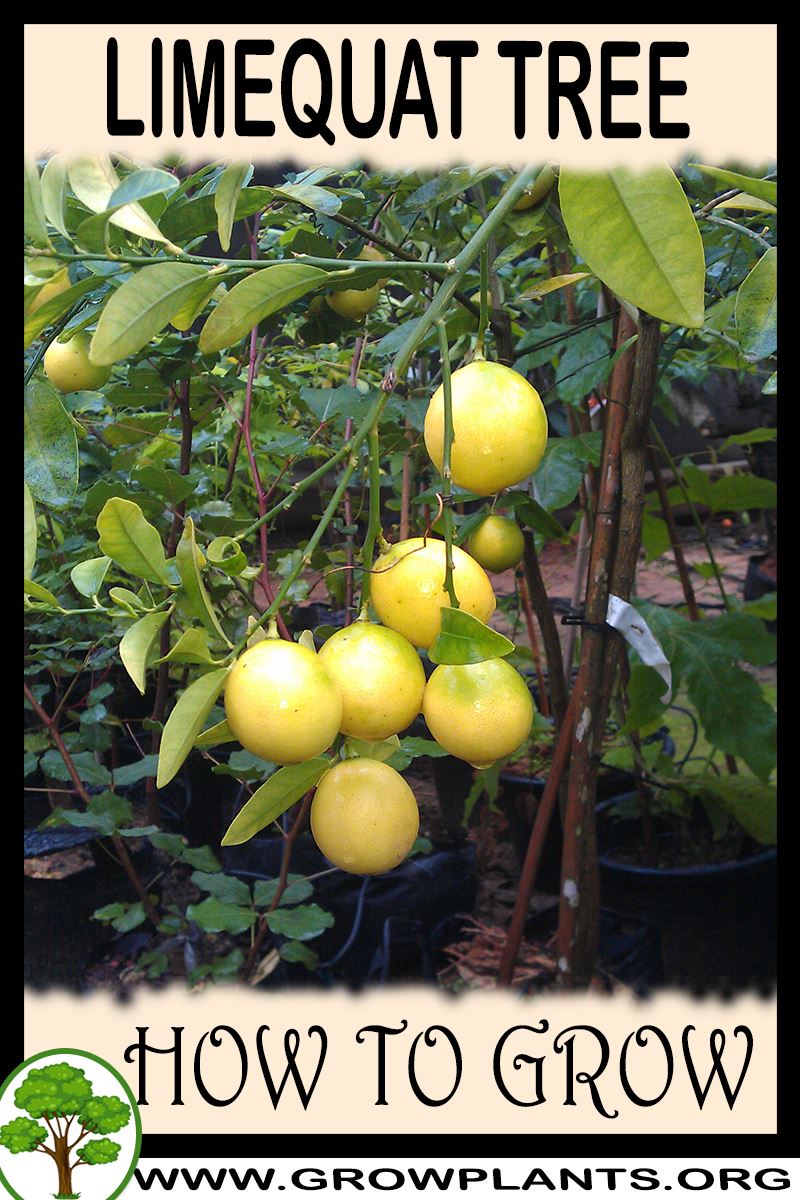
Limequat tree grow and care – plant of the genus Citrus is an hybrid between Key lime and Kumquat also known as Dwarf lemon or Eustis limequat, Limequat tree grow as shrub or tree perennial evergreen plant, grow for edible fruits, can be used also as ornamental plant and can grow as dwarf tree or bonsai, can grow in subtropical or mediterranean climate and growing in hardiness zone 8+.

Limequat tree Plants, Seeds & Supplies for Sale

As an Amazon Associate I earn from qualifying purchases.

Eustis Limequat Tree, 1-2 feet Tall, grafted, No Ship Az, Ca, Fl, La, Tx, Hi, Ak
Eustis Limequat Tree, 1-2 feet Tall, grafted, No Ship Az, Ca, Fl,Check Price on Amazon
Kaffir Lime Tree - Pot of 2 Starter Plants. Citrus Hystrix. Makrut Lime. 3” - 5”
Kaffir Lime Tree - Pot of 2 Starter Plants. Citrus Hystrix. MakrutCheck Price on Amazon
Kumquat Tree Starter Plant. Fortunella Margarita. 3" - 5"
Kumquat Tree Starter Plant. Fortunella Margarita. 3" - 5"Check Price on Amazon
Persian Lime Tree Live Plant 13-22" Tall, 1 Gallon Pot by Via Citrus
Persian Lime Tree Live Plant 13-22" Tall, 1 Gallon Pot by ViaCheck Price on Amazon
Gerald Winters and Son Kaffir Lime Tree Starter Plant. Citrus Hystrix. Makrut Lime. 6'' - 10'', Green, Large
Gerald Winters and Son Kaffir Lime Tree Starter Plant. Citrus Hystrix. MakrutCheck Price on Amazon
Gerald Winters and Son Key Lime Tree Starter Plant . Citrus aurantifolia. 3” - 5”
Gerald Winters and Son Key Lime Tree Starter Plant . Citrus aurantifolia.Check Price on Amazon

Don’t see the exact variety you’re looking for?

Explore all live Limequat tree plants, pots, and starter kits on Amazon ↗

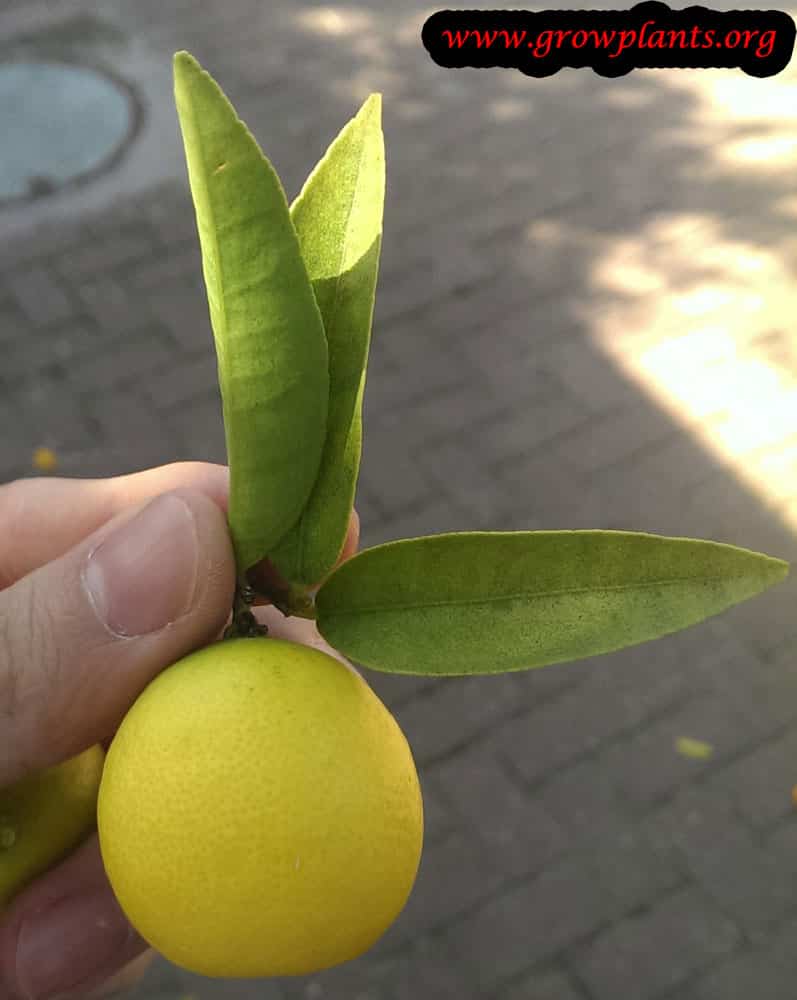
Leaves color green in elliptic, the tree might have thorns, and flowers color white with five petals the stamens color is yellow.

Limequat tree edible fruit

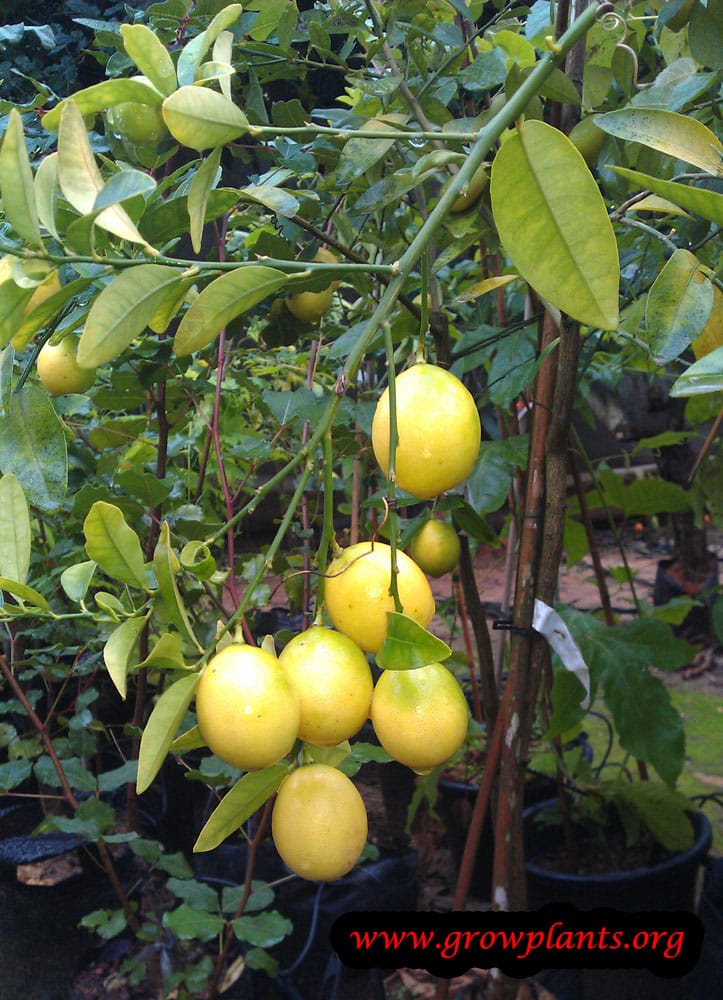
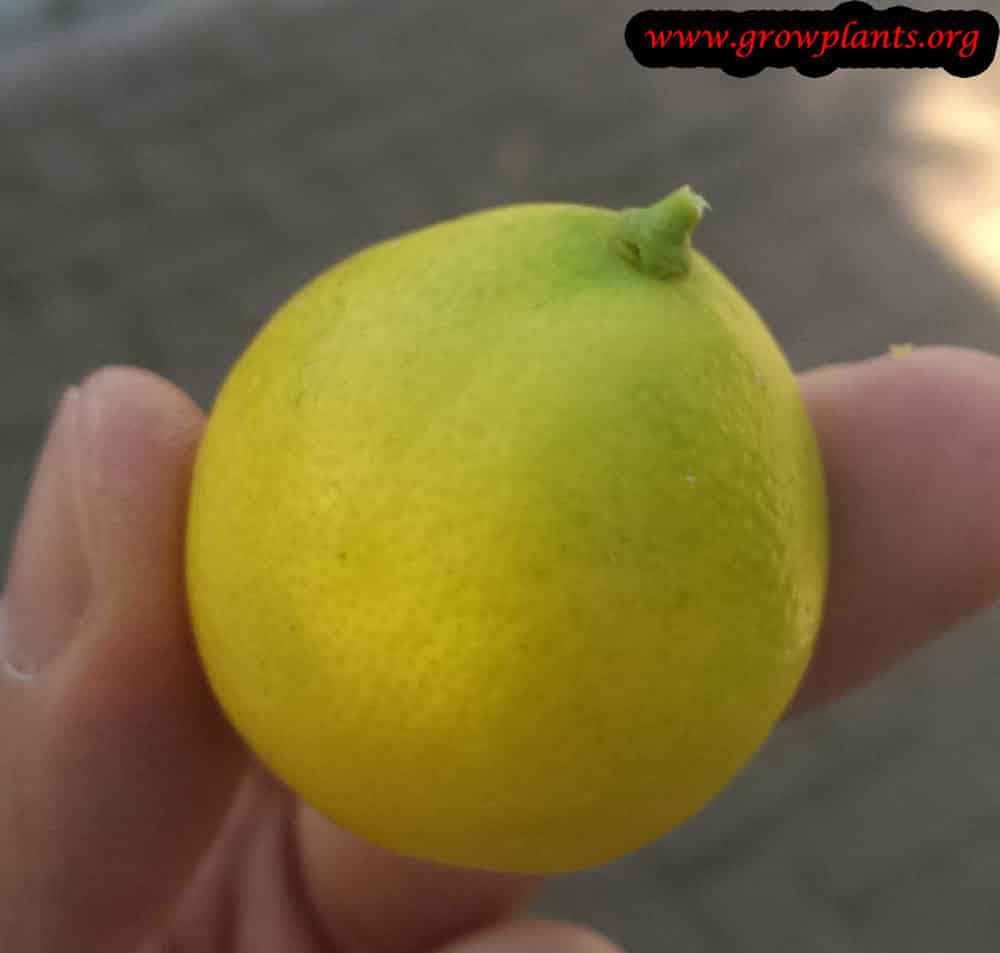
Fruit edible, taste sour with little bit bitter, fruit size ~1.5-3 cm and color is mostly yellow. The inner fruit divided by segments, the segment cover with soft thin layer, it containing the pulp (little cones covered with a thinner layer). Rind color yellow, sometime green-yellowish. The rind is edible raw the taste is sour and little bit bitter also used as flavor and fragrant.

Limequat tree for sale – Seeds or Plants to Buy

How to grow Limequat tree – growing and care:
Well-drained soil, better loamy soil, moist soil in the fruits season and better to put mulch

How to care:
Design for easy to pick the fruits (when there are thorns it’s important but not all cultivars have thorns), add to the soil, organic matter, humus and fertilizer, in location with hot summer sun that the main trunk is expose to the sun better to better to whitewash (lime paint)

Advertisement

What is the best way to start growing:
Plant / Seed / Cutting / Air layering

Propagate by cutting:
Propagating require: sterilize knife, sterilize soil (put the soil in microwave), soil that will keep moist like: peat soil, coconut coir or peat moss, better to do it in in temperature of 25-28C (77-82F) possible higher, high humidity, moist soil (don’t let it dry), use root growth hormone and when growing from cutting it’s important, to give humidity that will be like fog

Is it necessary to graft or cutting?
Yes, necessary to ensure the existent of the fruits and quality of the fruits and there are different parameters: size, taste (sweet, sour or something in between), juicy or dry, amount of seeds or seedless, season of the fruits (different cultivars have different dates for the fruits), better to graft more than one cultivar or more than on citrus.

Cutting need to use for the base of the tree for: disease-free, base that fit for different soils, resistance for drought, base that won’t resist for grafting or specific cultivar for the fruits.

Difficulties or problems when growing:
When the tree young very sensitive to citrus leaf miner, thorns

Planting season:
Spring to summer in hardiness zone 8-10a, spring to autumn in hardiness zone 10b, all the year in hardiness zone 11, better not to plant it in the hot summer days

How to plant:
Dig a hole as deep as the current root ball plus extra 20-40%, put in the hole organic matter, hummus and dried leaves and mix it with some soil, put the tree and loos little bit the root ball above the hole, plant the tree and cover it and don’t push the soil too much strong but not too much lightly because it won’t be stable, after planting put mulch to keep moist on soil, put water, for the next two weeks put every day (better in the morning) , better to take that the tree will be stable, and if not support it with bamboo or a stick that it won’t fall.

Advertisement

Pests and diseases:
Citrus leaf miner, aphids, citrus foot rot, ant, citrus gummosis

Pruning season:
End of the winter, beginning of the spring

How to prune:
Dead branch, cross branch, need to reduce the density branches

Size of the plant:
1-4m (3-12 feet), possible to grow it as shrub, tree, dwarf tree or bonsai

Growth speed in optimal condition:
Medium growing to slow growing

Water requirement:
Average amount of water, usually the plant need more water in the fruits season, but usually it’s when there are rains and if raining season delay need to increase the amount of water that the fruits won’t be dry and won’t explode.

Light conditions in optimal condition for growing:
Full Sun and possible to grow in half shade in the right care but will produce less fruits

Is it possible to grow indoor as houseplant?
No, but possible to grow next to window with sun that possible, grow it as dwarf tree and will take more time to get fruits

Growing also possible in pots, planter, flowerpot, containers:
Yes, when grow in container need to choose the desirable container if it’s small plant it directly if it’s a big container bigger than 30%-50% than the root ball, every time that the tree arrive to full capacity need to switch to bigger until arrives to desirable size, better to switch the soil once in few years soil lose the viability over time and it’s efficient of care for the tree, when it’s not possible to switch all the soil just part of the soil in the side of the roots (don’t afraid from root cutting), it will bear fruits also in 5-10gallon (40 liter) container (but bigger is better), drainage it’s important and need to make holes and to use peat soil and maybe some lava grit in the bottom or something like that, put a bottom for the container and when water the plant let it fill the bottom but also need to dry in the same day, better to grow as dwarf tree or to grow it as bonsai.

Blooming information

Bloom season?
Spring / Summer / Autumn

General information about the flower:
Flowers are white with yellow stamen

Thinning the bloom:
The first year should thinning the flowers

Pollination is done by:
Bees, self-pollination

Edible Fruits

Fruit harvest season:
Autumn to the winter, the fruits will hold on the tree untill the end of the spring but need to check that they don’t become dry or rotten

Fruits pests or diseases:
Citrus stubborn disease, citrus black spot, alternaria

What can be done with big quantities of Limequat tree fruit?
Eat, juice, the rind used fragrant, fruit leather, sugary rind

Work requirements on the fruit:
Pick up (sometimes cut brunches that grow into the fruit)

How long does it take to bear fruit?
1.5-3 years

Ripening of fruit:
Possible to pick up the fruit before and let them ripening them in the house

How to eat Limequat:
Taste of the fruits it’s like lemon or lime so can be used for the same reason, possible to eat it by peeling the peel and also possible to eat the peel.

Cultivars

Tavares limequat – Elliptic fruits

Lakeland limequat tree – Round fruits

How to grow Limequat tree from seeds

Sowing requirement:
Moist soil, well-drained soil, 20-27C temperature and better in sunny location

Saving and care seeds until sowing:
Dry, dark location in room temperature

Sowing season:
Spring to early summer (possible also summer to autumn)

How to plant:
Planting in soil that keep moist, cover the seed lightly

Planting spacing:
Better in separate pots, direct on the place 3*4m (10*13 feet), for transplant 5*5 cm (2*2 inches)

Depth of Sowing:
2cm (1inches)

Conditions for seeds germinate:
Keep the soil and don’t let it dry, rich soil and sunny location

Watering requires for Seeds:
Average amount of water

Germination time:
2-4 weeks, but can take longer

Condition of seedling:
If there is Citrus leaf miner in one of the trees in the area, better to put it in greenhouse or indoor to protect the tree, young tree very sensitive to citrus leaf miners, better to cover the soil with mulch.

Scientific name:

Citrus × floridana

Alternative names: Dwarf lemon, Eustis limequat, citrus eustis, Lemon quat tree, Lime kumquat tree
How to grow Limequat tree

Growing Limequat tree

Harvest Limequat tree

Limequat tree

Categories

Blooming Seasons
  • Autumn flowers
  • Spring flowers
  • Summer flowers
Edible Parts
  • Edible Fruit
Culinary uses
  • Alcoholic beverages
  • Beverage
  • Dried fruit
  • Eaten raw
  • Fruit
  • Ice pop & Ice cream plants
  • Juice
Flower colors
  • White flower
Climate
  • Mediterranean Climate
  • Subtropics Climate
  • Tropics Climate
Harvest Season
  • Autumn Harvest
  • Spring Harvest
  • Winter harvest
Ornamental parts
  • Ornamental fruit
  • Ornamental leaves
  • Ornamental plant
Plant growing speed
  • Average growing plants
Plant life-form
  • Evergreen
  • Perennial plant
  • Tree
Plant Uses
  • Edible plants
  • Ornamental plants
Planting Season
  • Autumn Planting
  • Spring Planting
  • Summer planting
Plants sun exposure
  • Full sun Plants
Watering plants
  • Regularly water
  • Small amounts of water
Hardiness zone
  • Hardiness zone 10
  • Hardiness zone 11
  • Hardiness zone 12
  • Hardiness zone 13
  • Hardiness zone 8
  • Hardiness zone 9

Care Guide: Planting, Soil & Watering

Overview: The limequat tree is a subtropical evergreen citrus grown for its edible fruit, happiest in full sun and warm, frost-free conditions. It grows best in deep, well-drained loamy soil enriched with organic matter and mulched to stay evenly moist — especially while fruiting — but it will not tolerate waterlogged roots.

Quick Care Requirements

Requirement Ideal Condition
Planting Season Warm season (spring–summer; year-round in zone 11), not in peak summer heat
Growth Rate Moderate (to slow)
Soil Type Deep, well-drained loamy soil, rich in organic matter, mulched
Water Need Moderate – keep evenly moist, letting the top few cm dry between waterings; more while fruiting

Planting & Establishment

  • Best Planting Season: Plant in spring through summer in cooler zones (about 8–10a), in spring to autumn in zone 10b, and year-round in zone 11 — but avoid setting a young tree out during the hottest summer days.
  • How to Plant:
    • Hole Preparation: Dig a hole as deep as the root ball and about 20–40% wider, loosening the sides and the outer roots so they can spread into the surrounding soil.
    • Soil Amendments: Mix organic matter, humus and dried leaves through the backfill, then firm the soil gently — not too hard — so the tree stays stable without the soil compacting.
    • Planting Depth: Set the tree at its original depth with the root collar at soil level and the graft union kept well clear of the soil; mulch to hold moisture and water in well after planting.
  • Growth Speed & Expectations: A moderate — sometimes slow — grower; expect steady rather than fast growth, adding modest height each year once established.

Soil, Watering & Drainage Care

  • Soil Mix & Drainage Needs: Citrus demand sharp drainage. In the ground give them well-drained loamy soil improved with organic matter and topped with mulch; in a pot use a free-draining mix (peat or coir with perlite) in a container with plenty of drainage holes, and never let water stand in the base — soggy soil brings on root and foot rot.
  • Watering Schedule & Technique:
    • Young / Newly Planted: Water regularly through the first year or two so the root zone stays evenly moist as the tree establishes — deeply, and often enough that it never dries out completely. A mulch layer helps hold that moisture.
    • Established: Once established, water deeply but less often — let the top few centimetres dry before watering again. Citrus like a steady supply yet quickly suffer root and foot rot if left standing in wet soil.
    • Seasonal Adjustments: Increase watering through hot, dry spells and the fruiting season so fruit doesn’t dry out or split; cut right back in cool, wet winter weather.

Growing in Pots, Balconies & Indoors

The limequat (Citrus x floridana) is a compact 1-4 m citrus that can be grown as a shrub, tree, dwarf or bonsai, so it suits pots well. The grower doesn’t class it a room houseplant, but a dwarf at a very sunny window can grow and slowly fruit.

Quick Details

  • Container Size: Don’t overpot – start close to the root-ball size and step up every few years; grow a grafted dwarf to keep it manageable.
  • Indoor Suitability: Not a deep-room houseplant; a grafted dwarf can grow and slowly fruit at a very sunny window.
  • Best Spot: Full sun – a bright patio, balcony, or the sunniest window; half shade is tolerated but gives fewer fruits.
  • Soil & Drainage: Free-draining, aerated mix (potting soil, or peat/coir with perlite); never leave the pot standing in water.
  • Watering in Pots: Keep evenly moist and water more through the fruiting period so fruit doesn’t dry or split; pots dry fast, but avoid waterlogging.

Indoors & On the Windowsill

  • Houseplant reality: The grower doesn’t rate it a room houseplant – indoor light is usually too weak for good fruiting.
  • Windowsill growing: Grow a grafted dwarf at the brightest, sunniest window, away from heaters and air vents; expect fruit to take longer than outdoors.
  • Overwintering: In cold-winter areas a potted tree can spend winter in a bright, cool but frost-free spot indoors and return outside once frost has passed – a main reason to keep citrus potted.
  • Safety: Citrus foliage and peel oils can mildly upset cats and dogs, and stems may be thorny – keep pets from chewing the plant. The ripe fruit itself is edible.

On a Balcony or Patio

  • Light & warmth: Give it the sunniest, most sheltered spot; walls and paving reflect heat and dry pots fast, so check moisture often in hot weather, and shelter young trees from strong wind.
  • Practicalities: Use a stable pot heavy enough not to topple, and let drainage water escape freely.

Choosing the Pot, Soil & Long-Term Care

  • Pot & drainage: Strong drainage holes are essential; skip a standing saucer of water to prevent root rot. Terracotta breathes and dries faster; glazed or plastic holds moisture longer.
  • Potting mix: Well-aerated – potting soil, or peat/coir with perlite or vermiculite.
  • Feeding: Potted citrus need feeding more often than ground trees as nutrients leach with each watering; use a citrus feed through the growing season.
  • Repotting: Refresh the mix and pot up every few years – the grower advises against leaving old, spent soil in the pot; keep a dwarf in shape with light root and top pruning.

Bloom & Edible Flower Guide

Quick Details

  • Bloom Season: Spring, summer and into autumn
  • Time to First Bloom: A grafted plant usually begins flowering within its first few years
  • Flower Appearance: White five-petalled flowers with yellow stamens
  • Edibility: The fragrant white blossoms are edible and aromatic

Detailed Blooming Overview

The limequat (lime crossed with kumquat) is a small, hardy citrus that flowers over a long season from spring into autumn. The white five-petalled flowers are sweetly scented; it is self-fertile, with bees adding to the set.

Flower Characteristics

  • White flowers with five petals and yellow stamens.
  • Sweetly fragrant.

Bloom Care & Thinning

  • Thinning: In the first year, thinning the flowers helps a young plant build strength.
  • Pollination: Pollinated by bees and also self-pollinating, so it fruits reliably on its own.

Bloom Health & Protection

  • Aphids and thrips: These can gather on the tender buds and new growth; a strong jet of water, insecticidal soap or neem oil keeps them down. Avoid spraying open blossoms so visiting bees are not harmed.

Pests, Diseases & Troubleshooting

Overview: The limequat, like all citrus, is a magnet for sap-sucking insects — scale, mealybugs, aphids and whitefly — whose honeydew brings sooty mould and ants, plus citrus leafminer on new flush and mites in hot dry spells. The most serious threats are diseases: Phytophthora root/foot rot from wet soil, and the incurable, insect-vectored Citrus Greening (HLB) and canker. Limequat (lime × kumquat) is a compact, fairly cold-hardy hybrid usually grown in pots, so scale, mealybug and mites lead its problems. Manage the tree with good drainage, balanced feeding, clean stock and cultural/organic controls first, saving oils, soaps and copper for when monitoring shows they are needed.

Quick Troubleshooting Overview

Issue / Pest Main Symptom Primary Solution
Citrus leafminer Silvery serpentine mines & curled new leaves Oil on flush; don’t over-feed nitrogen
Scale / mealybug / whitefly Sticky honeydew, black sooty mould, ants Horticultural oil; control ants; beneficials
Aphids Curled shoot tips; vector of Tristeza virus Water blast, soap; encourage ladybirds
Spider / rust mites Leaf bronzing, stippling; russeted fruit skin Hose off dust; oil or sulphur miticide
Citrus Greening (HLB) Blotchy mottle, lopsided bitter fruit Clean stock; control psyllid; remove infected trees
Phytophthora root/foot rot Gumming bark at base, canopy decline Improve drainage; keep trunk dry; phosphonate
Fruit splitting / drop Cracked or dropping fruit Even watering & mulch; steady feeding

Common Pests & Management

  • Citrus leafminer (Phyllocnistis citrella):
    • Symptoms: Silvery, snaking (serpentine) mines winding through soft new-flush leaves, which then curl, pucker and roll; a fine dark line of frass runs down the centre of each tunnel. Damage is confined to tender young growth — hardened leaves are safe. Heavy mining stunts young trees and the wounds can be an entry point for citrus canker.
    • Prevention & Control: Avoid over-feeding with nitrogen, which drives constant soft flush that the moth loves; pinch out and destroy badly mined shoots. Encourage natural parasitic wasps (Ageniaspis, Cirrospilus) by avoiding broad-spectrum sprays. On young trees, a light horticultural or neem oil coating on emerging flush deters egg-laying; time growth flushes with balanced watering so they harden quickly. Pheromone traps help monitoring.
  • Scale insects (Aonidiella aurantii, Coccus hesperidum, Icerya purchasi):
    • Symptoms: Immobile limpet-like bumps clamped to twigs, leaf veins and fruit — hard armoured types (California red, purple, Florida red scale) look like tiny discs, while soft scales (brown soft scale) and cottony cushion scale (Icerya purchasi) exude sticky honeydew that blackens with sooty mould. Yellow leaf spots, twig dieback and ant activity are tell-tale signs.
    • Prevention & Control: Inspect twigs and leaf undersides regularly; rub off light infestations by hand or prune out crusted twigs. Control the ants that farm scale and protect honeydew (banded trunk barriers, ant baits) so natural enemies — vedalia beetle for cottony cushion scale, Aphytis wasps and lady beetles — can work. Thorough horticultural-oil sprays smother scale; apply in the cool of evening to protect pollinators and avoid leaf burn.
  • Mealybugs (Planococcus citri):
    • Symptoms: Soft, slow-moving insects coated in white waxy fluff, clustering in leaf axils, on fruit around the button (calyx), and where fruits touch. They ooze honeydew, so black sooty mould and ants follow; heavy loads cause leaf yellowing and fruit drop. Root mealybugs may also infest container soil.
    • Prevention & Control: Dislodge colonies with a firm jet of water or dab with a soft brush; keep ants off the tree. Conserve natural predators such as the mealybug destroyer (Cryptolaemus) and lacewings. Spot-treat with insecticidal soap or horticultural oil, ensuring the spray reaches hidden axils and the fruit button. For container plants, drench or repot if root mealybugs appear.
  • Aphids (Aphis spiraecola, Toxoptera citricida):
    • Symptoms: Dense clusters of green, black or brown soft-bodied insects on new shoots and flower buds, causing curled, distorted young leaves and sticky honeydew with sooty mould. Beyond direct damage, brown citrus aphid (Toxoptera citricida) and others transmit Citrus Tristeza Virus, making aphids a disease concern as much as a pest.
    • Prevention & Control: Tolerate low numbers — ladybirds, lacewings and parasitic wasps usually clear them. Blast colonies off with water and pinch out heavily infested tips; avoid excess nitrogen that fuels soft growth. Manage ants. If needed, insecticidal soap or neem oil knocks them down; reserve stronger products so beneficials survive.
  • Whitefly (Dialeurodes citri, Aleurothrixus floccosus):
    • Symptoms: Tiny white moth-like insects that flutter up in clouds when foliage is disturbed; their flat, scale-like nymphs cling to leaf undersides. Copious honeydew leads to heavy sooty mould that blackens leaves and fruit and reduces vigour. Woolly whitefly nymphs are covered in waxy filaments.
    • Prevention & Control: Hang yellow sticky traps to monitor and reduce adults; hose down undersides of leaves. Encourage Encarsia and Cales parasitoids and lady beetles by avoiding dusty conditions and broad-spectrum sprays. Horticultural oil or insecticidal soap on the leaf undersides smothers nymphs; wash off sooty mould once the pest is controlled.
  • Spider mites & citrus rust mite (Panonychus citri, Phyllocoptruta oleivora):
    • Symptoms: Citrus red mite and two-spotted mite cause fine pale stippling and bronzing of leaves, sometimes with faint webbing, worst in hot, dusty, dry spells. The microscopic citrus rust (silver) mite (Phyllocoptruta oleivora) russets fruit skin — bronze-brown on oranges, silvery-grey on lemons/limes — without harming the flesh.
    • Prevention & Control: Mites thrive on dust and drought stress, so hose down foliage and keep trees well watered and mulched. Preserve predatory mites and dust-avoidance. Horticultural oil or sulphur-based miticide gives control (never combine sulphur with oil, and avoid sulphur in high heat); rotate to avoid resistance and treat only when populations climb.
  • Fruit flies (Ceratitis capitata, Bactrocera dorsalis):
    • Symptoms: Ripening and near-ripe fruit is stung by egg-laying females, leaving small puncture marks; maggots then tunnel the flesh, which softens, discolours and drops prematurely — often the fruit looks fine outside until cut open. A serious quarantine pest in many regions.
    • Prevention & Control: Bag or net individual fruit, harvest promptly and never leave fallen or over-ripe fruit on the ground (collect and destroy or solarise it). Hang protein-bait or male-lure (para-pheromone) traps to monitor and mass-trap. Where established, spot spinosad-based bait sprays on foliage; coordinate with area-wide programmes and comply with local quarantine rules.

Diseases & Fungal Issues

  • Huanglongbing (HLB) / Citrus Greening (Candidatus Liberibacter asiaticus):
    • Symptoms: The most destructive citrus disease worldwide. Blotchy, asymmetric yellow mottling that crosses leaf veins, yellow (“corky”) shoots, twig dieback, and small, lopsided, poorly-coloured fruit that stay green at the bottom and taste bitter. Spread by the Asian citrus psyllid (Diaphorina citri) — tiny aphid-like insects that feed at a 45° angle on new flush.
    • Treatment & Management: There is no cure — infected trees decline and die, so prevention is everything. Buy only certified disease-free nursery stock, inspect new flush for psyllids, and control the psyllid vector (oils, and area-wide programmes). Remove and destroy confirmed infected trees promptly to protect neighbours, and report suspected cases to local plant-health authorities where it is a regulated disease.
  • Phytophthora gummosis, foot & root rot (Phytophthora citrophthora, P. nicotianae):
    • Symptoms: Dark, water-soaked bark lesions near the graft union and trunk base that ooze amber gum and later crack and dry; bark dies in patches, foliage yellows and thins, and feeder roots turn brown and rot. Fruit near the ground may develop brown rot. Worst in heavy, wet, poorly-drained or over-mulched soil.
    • Treatment & Management: Prevention is cultural: plant on a mound with excellent drainage, keep the graft union well above soil, and keep mulch, soil and irrigation water away from the trunk. Never let the base sit wet. Cut away diseased bark to clean wood and let it dry; use resistant rootstocks. Phosphonate (phosphorous-acid) treatments or copper drenches help in established infections.
  • Citrus canker (Xanthomonas citri subsp. citri):
    • Symptoms: Raised, corky, tan-brown lesions with a greasy, water-soaked margin and a yellow halo on leaves, twigs and fruit; severe cases cause defoliation, dieback and blemished fruit. Spread by wind-driven rain and contaminated tools/hands, and worsened by leafminer wounds. A regulated quarantine disease in many areas.
    • Treatment & Management: Use certified clean stock and resistant varieties; avoid overhead irrigation and working plants when wet. Control citrus leafminer to reduce entry wounds, disinfect pruning tools, and use windbreaks. Copper-based bactericide sprays on new flush and fruit reduce spread but do not cure. Remove and destroy heavily infected trees and comply with local quarantine rules.
  • Citrus Tristeza Virus (CTV) (Citrus tristeza virus):
    • Symptoms: A graft- and aphid-transmitted virus. On susceptible rootstock/scion combinations it causes slow or quick decline, sparse yellowing canopy, small fruit, and — in stem-pitting strains — pits and grooves under the bark with stunting. Trees on sour-orange rootstock are especially prone to sudden collapse.
    • Treatment & Management: There is no cure. Plant certified virus-free trees on tolerant rootstocks (the standard defence), and control the aphid vectors — especially brown citrus aphid. Avoid propagating from unknown budwood. In endemic areas, mild-strain cross-protection is used commercially; home growers should focus on clean stock and aphid management.
  • Greasy spot (Zasmidium citri-griseum):
    • Symptoms: Yellow-brown, blister-like spots that appear on the underside of leaves and develop a greasy, olive-black look; infected leaves drop early, thinning the canopy and reducing yield. On fruit it causes a black pin-point speckle (rind blotch). Favoured by warm, humid, wet conditions and leaf litter.
    • Treatment & Management: Rake up and remove fallen leaves, which carry the fungus, and prune for good airflow. Time growth so new leaves harden in drier weather. Copper-based fungicide on the leaf undersides during the main infection period gives good control; a single well-timed spray is often enough for home trees.
  • Melanose (Diaporthe citri):
    • Symptoms: Numerous tiny, raised, dark-brown corky specks on young fruit, leaves and twigs, rough as sandpaper to the touch and sometimes forming tear-streak (“mudcake”) patterns where spores wash down. It disfigures fruit skin but does not affect the flesh; it comes from spores produced on recently dead twigs.
    • Treatment & Management: Prune out and remove dead wood, which is the spore source, and improve airflow. Grapefruit and older trees are most affected. A copper fungicide on developing fruit and flush during wet spring weather protects the skin; good sanitation greatly reduces pressure.
  • Sooty mould (Capnodium citri):
    • Symptoms: A superficial black, soot-like coating on leaves, twigs and fruit. It does not infect the plant directly but grows on the sugary honeydew excreted by scale, mealybugs, whitefly and aphids; heavy films block light, reducing vigour and fouling fruit.
    • Treatment & Management: Sooty mould is a symptom — control the underlying sap-sucking pests and the ants that protect them, and the mould stops spreading. Existing deposits can be washed off with a mild soap-and-water solution once the insects are gone; horticultural oil helps loosen it.

Growing Difficulties & Abiotic Problems

  • Iron & nutrient chlorosis:
    • Cause & Symptoms: Interveinal yellowing (green veins on a yellowing leaf) signals iron deficiency, common in alkaline, cold or waterlogged soil where roots can’t take up iron; magnesium shortage yellows older-leaf margins, and zinc gives a small mottled-leaf pattern.
    • Correction Strategy: Correct soil drainage and avoid overwatering (the usual root cause), keep pH slightly acidic, and mulch. Feed with a balanced citrus fertiliser containing trace elements; apply chelated iron (and zinc/manganese foliar sprays) to green up affected leaves, and don’t overwater cold soil.
  • Blossom & fruit drop:
    • Cause & Symptoms: Some natural shedding of flowers and small fruit (“June drop”) is normal. Excessive drop follows stress: irregular watering, sudden heat or cold, drought, waterlogging, root damage or a sharp move in light (common when container trees are shifted).
    • Correction Strategy: Water steadily and deeply, feed in balance, and shelter trees from temperature and light shocks. Don’t relocate a flowering/fruiting tree unnecessarily. Accept that a tree naturally sheds most of its flowers — a modest fruit set is normal and healthy.
  • Cold, frost & sun damage:
    • Cause & Symptoms: Frost bronzes and drops leaves, splits bark and can kill young wood and fruit; conversely, sudden exposure sunburns bark and fruit (pale, leathery patches), and reflected heat scorches leaf edges. Root cold in wet soil also causes leaf drop.
    • Correction Strategy: Match variety hardiness to your climate, site in a sheltered warm spot, and protect during cold snaps (fleece, wraps, moving containers under cover). Whitewash or shade exposed trunks, and acclimatise plants gradually when moving them into strong sun.
  • Container & indoor problems:
    • Cause & Symptoms: Potted and indoor citrus are prone to leaf drop from low light, dry indoor air and cold draughts; salt build-up and hard water burn leaf tips; root-bound or waterlogged pots cause yellowing and root rot; and dry indoor heat encourages spider mites and scale.
    • Correction Strategy: Use a free-draining citrus mix in a pot with ample drainage, water thoroughly then let the top few centimetres dry, and flush pots periodically to leach salts. Give the brightest possible light (or grow-light in winter), raise humidity, keep away from heaters and draughts, feed with a citrus fertiliser through the growing season, and repot every couple of years.
  • Overwatering & salt burn:
    • Cause & Symptoms: Constantly wet, poorly-drained soil suffocates and rots roots, giving overall yellowing, leaf drop and weak growth that mimics disease; saline or hard water and over-fertilising scorch leaf tips and margins brown.
    • Correction Strategy: Water deeply but let the soil surface dry between waterings, and never let the tree stand in a saucer of water. Improve drainage, use good-quality water where possible, leach salts with occasional heavy watering, and feed at recommended rates rather than excess.

What Helps — Products & Tools

For citrus, the core toolkit is horticultural (petroleum) spray oil and neem oil for scale, mealybug, leafminer, whitefly and mites; insecticidal soap for soft-bodied pests; copper-based fungicide/bactericide for greasy spot, melanose, canker, anthracnose and Phytophthora; sulphur miticide for mites (never mixed with oil); yellow sticky traps and fruit-fly bait/lure traps for monitoring and mass-trapping; ant baits or trunk barriers to stop ants farming scale; and chelated iron and a trace-element citrus fertiliser to correct chlorosis. Apply oils in the cool of the evening to protect bees and avoid leaf burn.

Growing help & problem-solving