Plant Profile & Key Characteristics
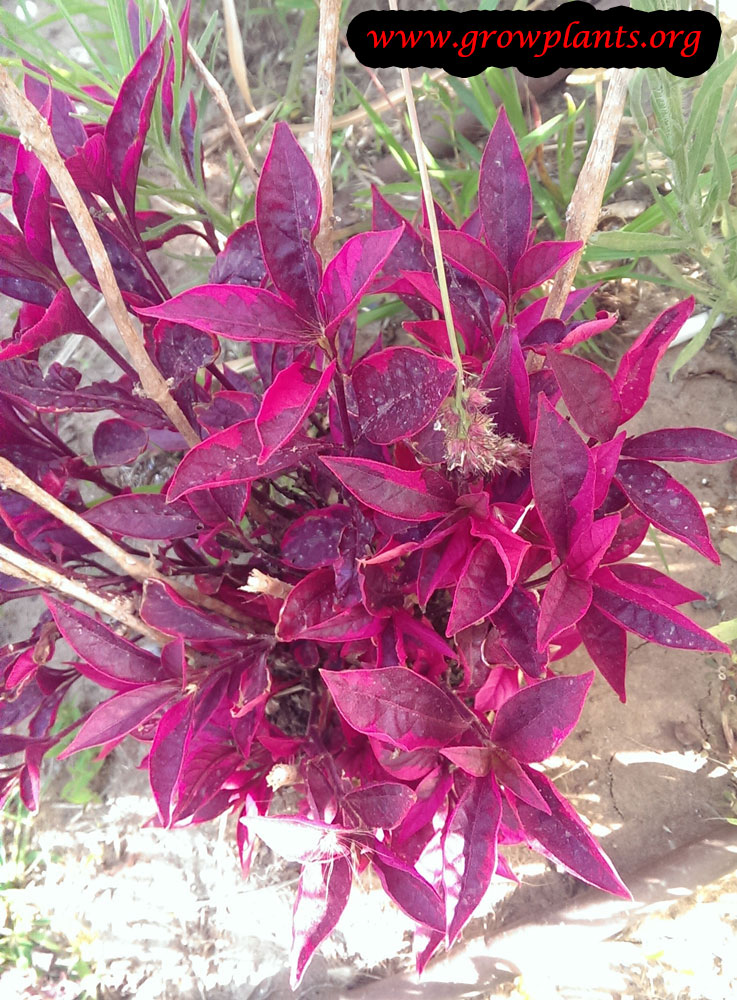
Overview: Alternanthera (joyweed) is a genus of colourful evergreen perennial ground-cover plants, typically 30-50 cm (12-20 in) tall, grown as annuals in cold climates. They are valued mainly as ornamental foliage plants, and some species have edible leaves.
Quick Specifications
| Specification | Attribute |
|---|---|
| Plant Type / Life Cycle | Perennial (grown as an annual in cold climates) |
| Foliage Type | Evergreen |
| Mature Size | 30-50 cm (12-20 in) tall |
| Growth Rate | Fast to moderate |
| Root System | Fibrous, shallow |
| Hardiness | USDA zone 9+ as perennial (species dependent; zone 4+ as annual) |
Growth Form & Structure
- Height & Spread: 30-50 cm (12-20 in) tall in the ground; in containers use a minimum 10-30 litre (2-6 gal) pot
- Growth Habit & Form: Low, spreading, bushy ground cover, often vigorous to aggressive
- Lifespan & Maturity: Short-lived perennial that establishes quickly; overwintered from cuttings where frost occurs
Anatomy & Physical Features
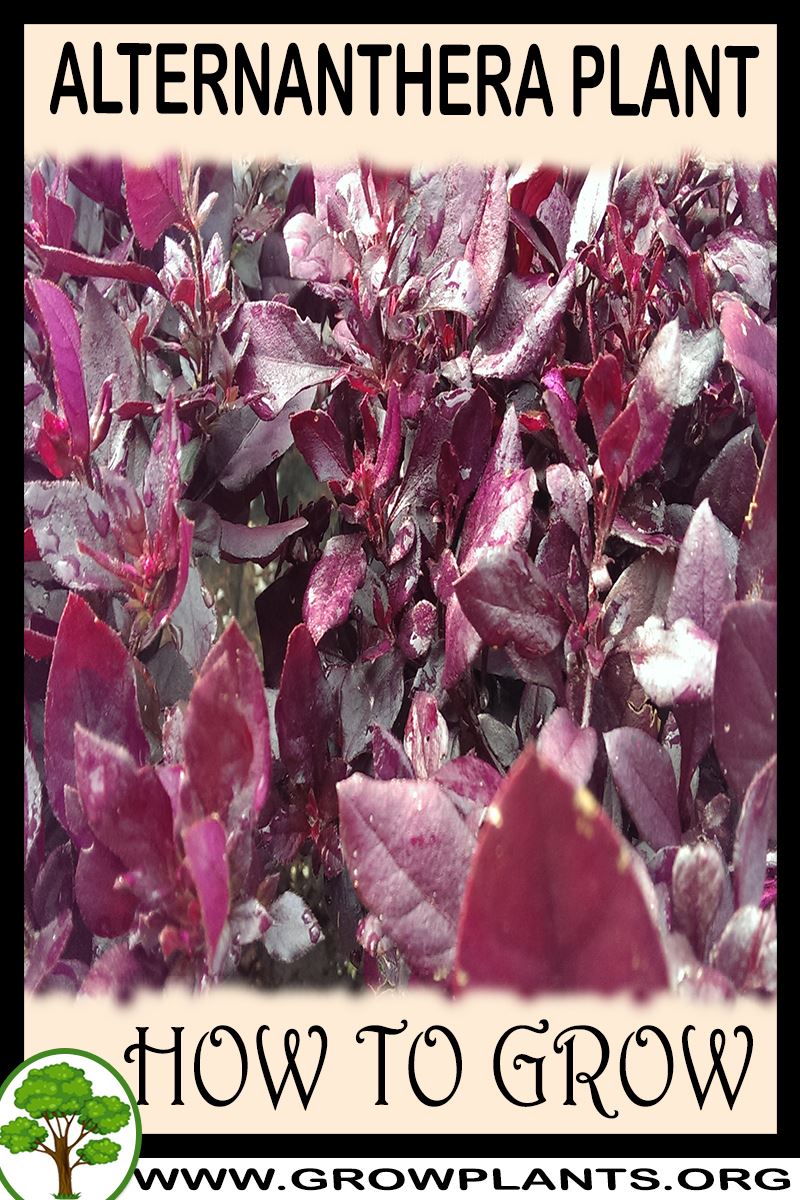
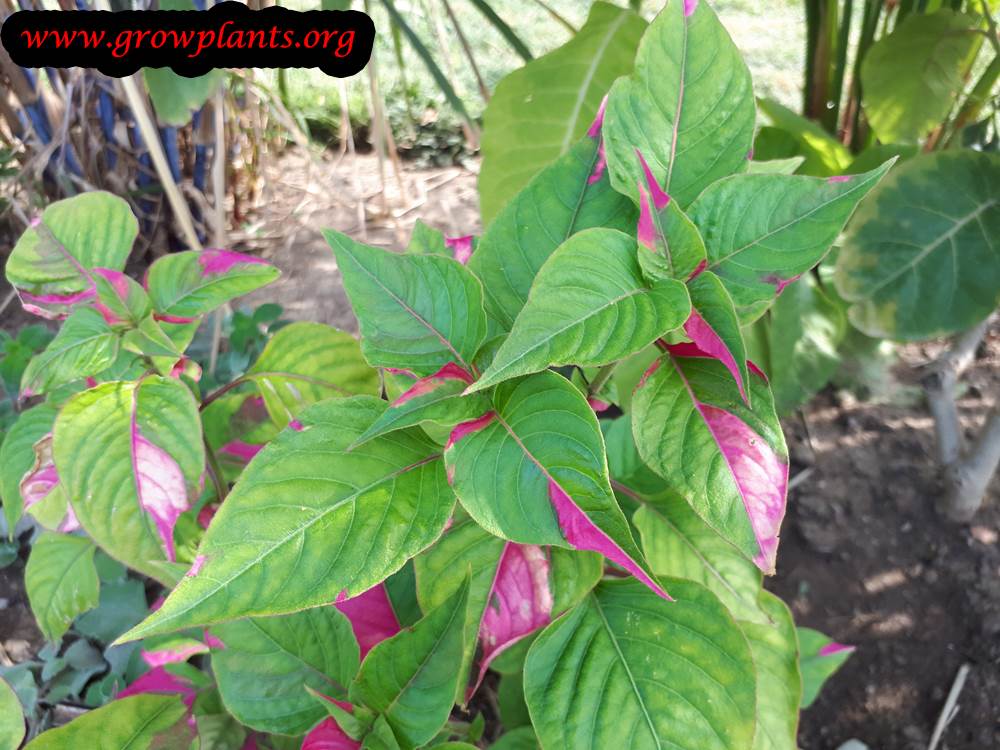
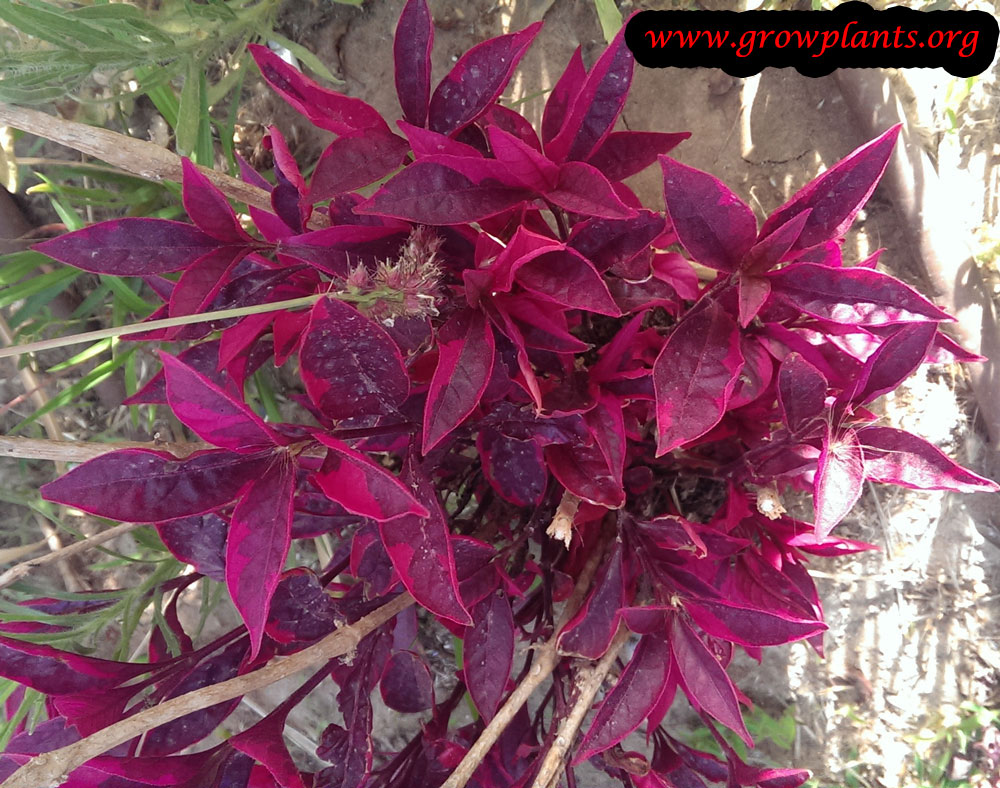
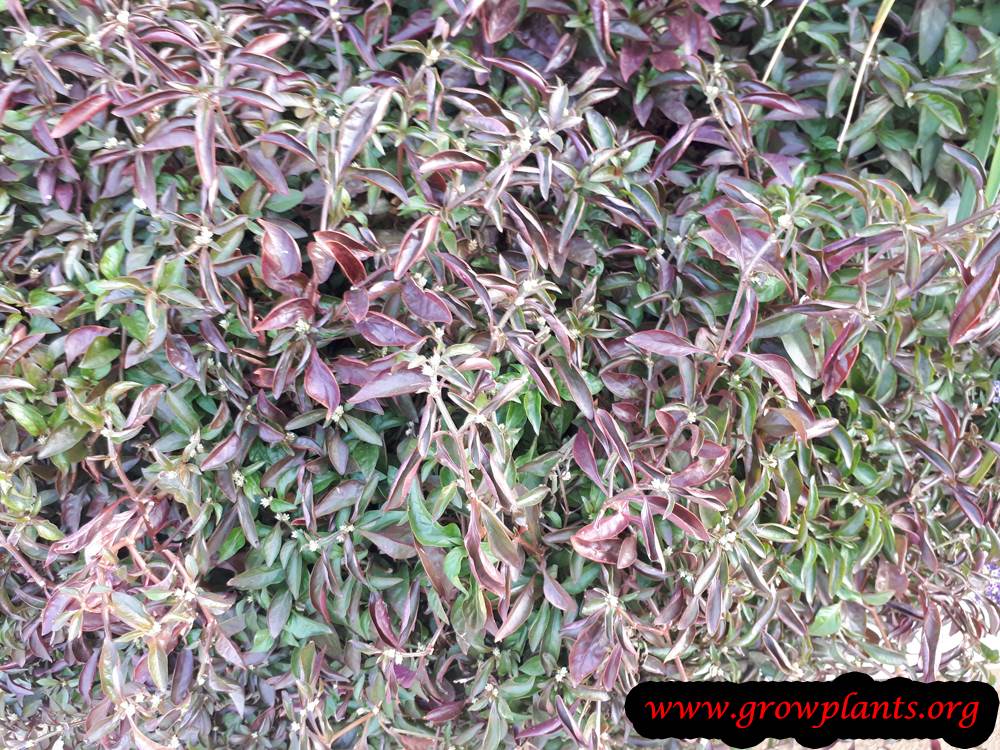
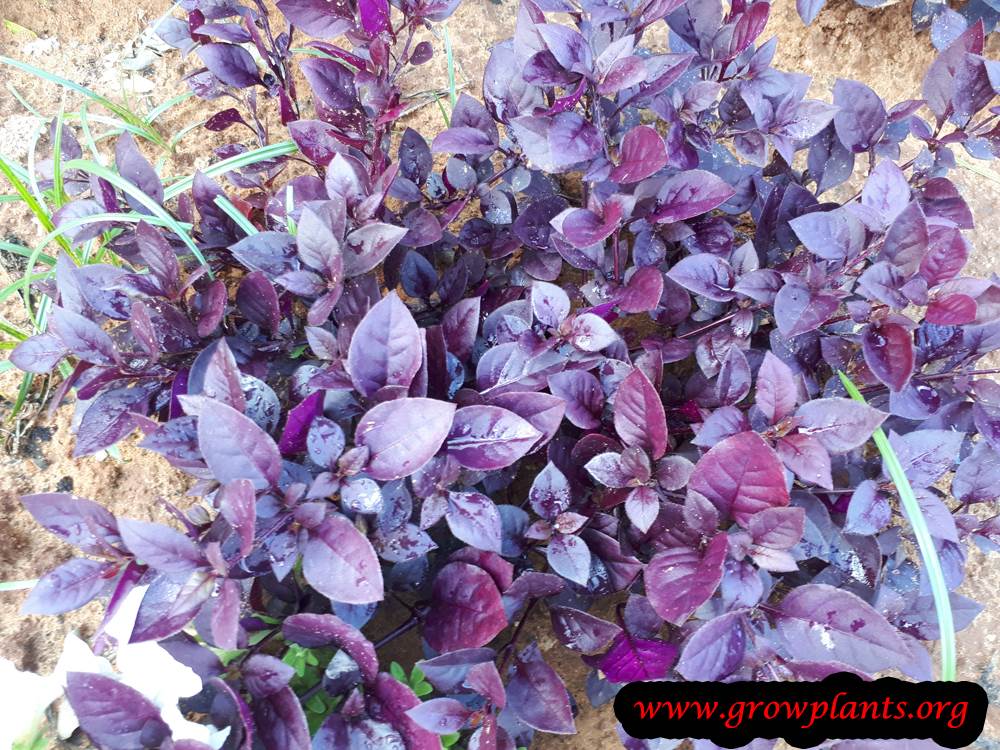
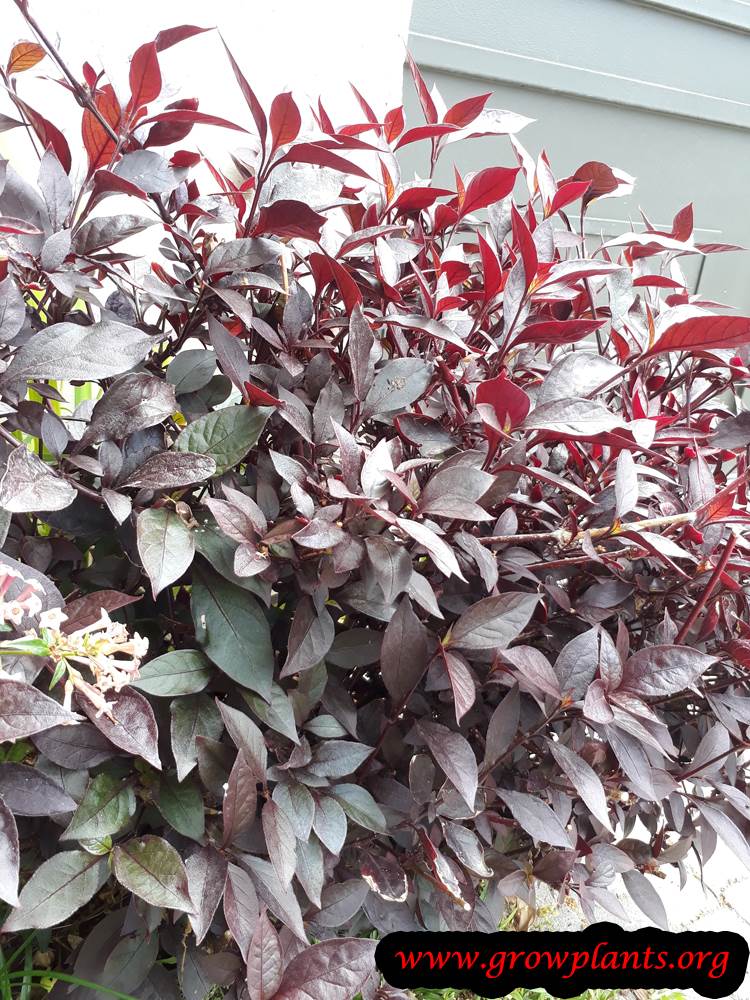
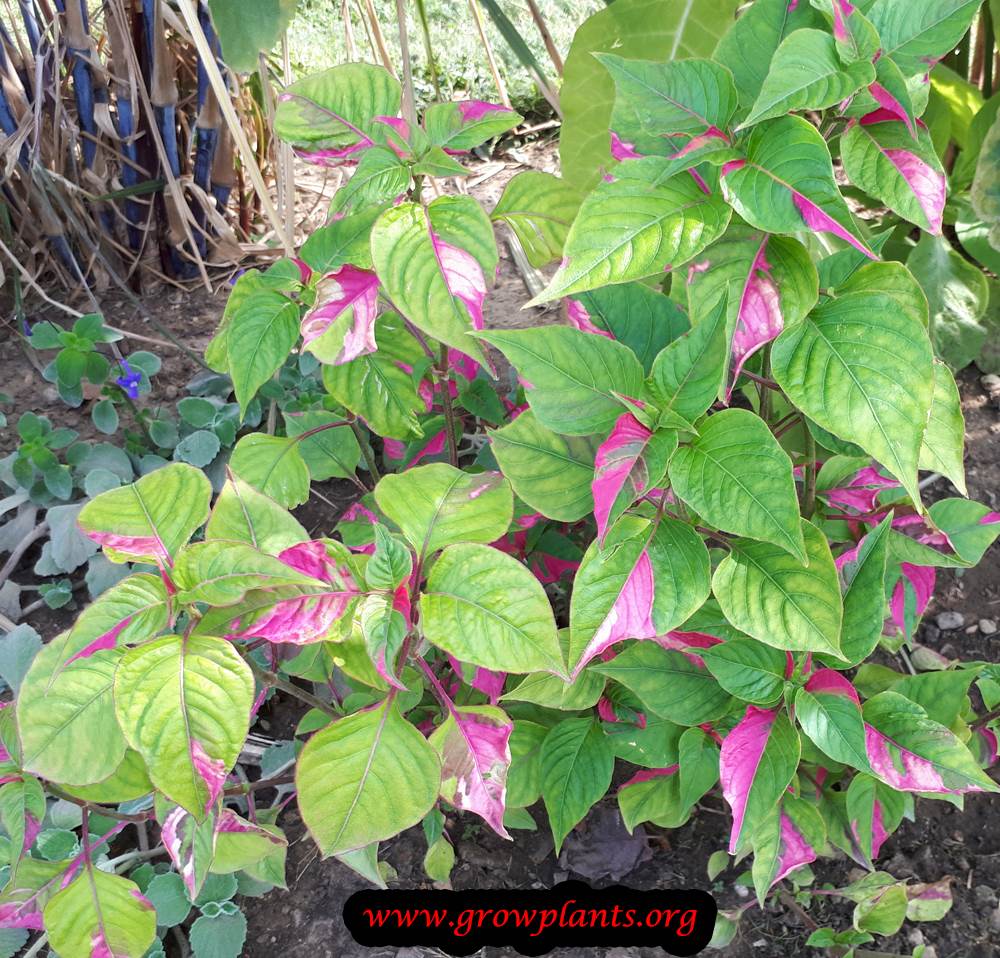
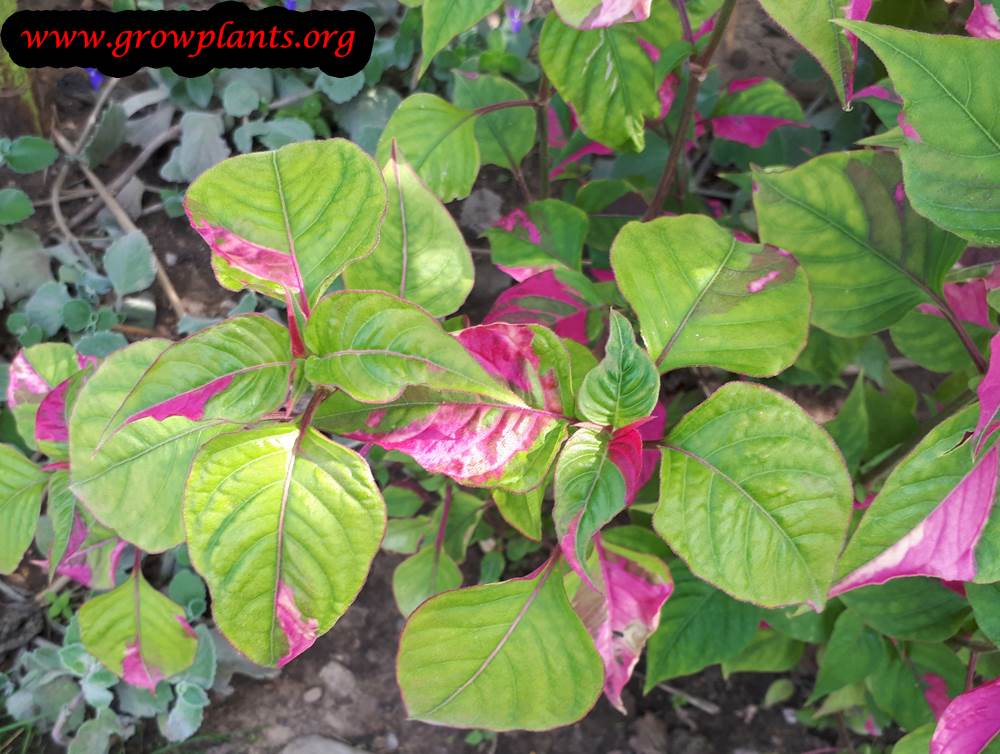
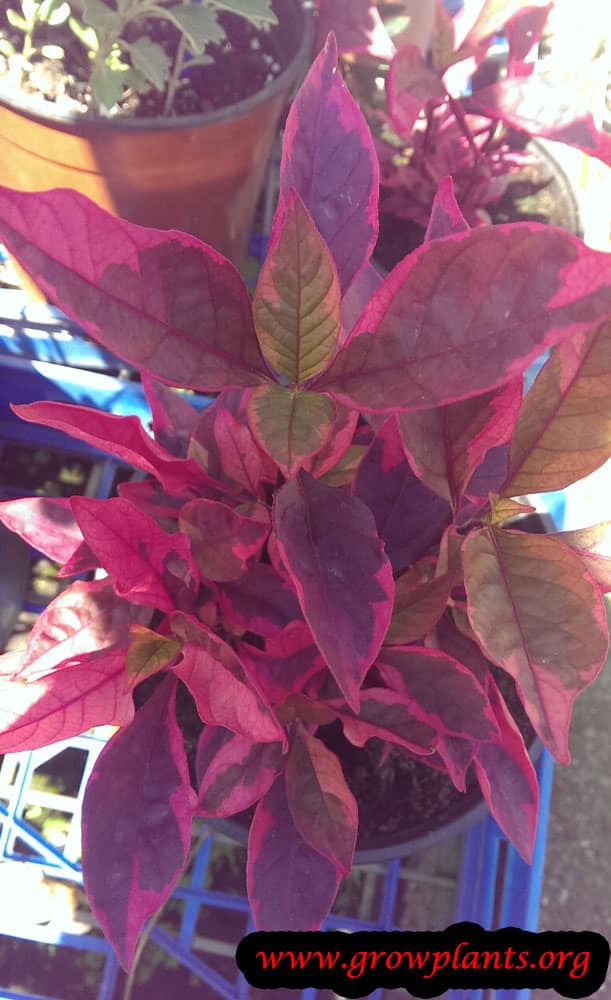
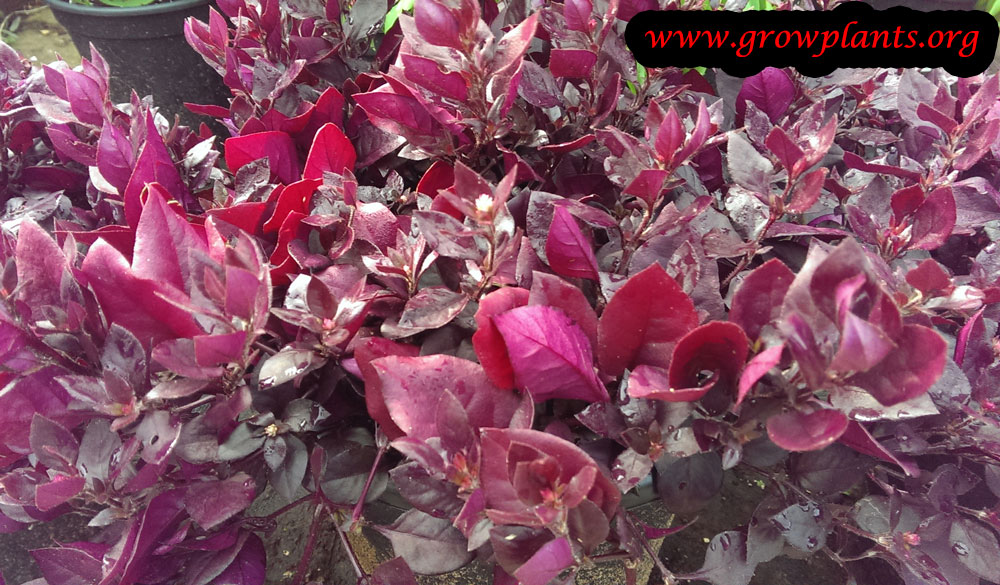
- Leaves & Foliage: Fleshy, elliptic to irregular leaves with wavy-curly, sometimes hairy margins, in green, pink, orange, brown, black, white, yellow, red, purple, magenta or multicoloured forms
- Flower Characteristics: Small white, green, yellow or purple flowers clustered into pompon heads (see the Bloom guide)
Primary Uses & Landscape Value
- Edible Uses: In some species the leaves are eaten raw, cooked, stir-fried or in salad
- Functional & Ornamental Roles: Colourful ground cover, bedding and container foliage plant
Care Guide: Planting, Soil & Watering
Overview: Alternanthera (Joyweed) is a tender foliage perennial – grown as an annual where winters are cold – that colours best in full sun to light shade in warm, frost-free conditions (perennial in hardiness zone 9-10b+, annual in 4+). It wants rich, organic soil kept consistently moist, with mulch to hold that moisture and steady warmth.
Quick Care Requirements
| Requirement | Ideal Condition |
|---|---|
| Planting Season | In spring once frost has passed, and on through the warm season; take cuttings indoors over winter in cold zones |
| Growth Rate | Moderate to Fast |
| Soil Type | Rich, moisture-retentive soil with plenty of organic matter |
| Water Need | Moderate – keep the soil evenly moist, without letting it dry out fully |
Planting & Establishment
- Best Planting Season: Plant out in spring after the last frost and through summer; in cold climates start with, or overwinter, indoor cuttings, since it will not survive frost.
- How to Plant:
- Hole Preparation: Dig a hole a little larger than the root ball.
- Soil Amendments: Mix in dead leaves and other organic matter, then mulch the surface to lock in moisture.
- Planting Depth: Set the plant at the same level it grew in its pot, keeping the crown at soil level, and firm it in.
- Growth Speed & Expectations: A fast, sometimes aggressive grower that quickly forms a mounded groundcover 30-50 cm across; increase watering for the first two weeks after planting to help it settle.
Soil, Watering & Drainage Care
- Soil Mix & Drainage Needs: Give it rich, well-aerated soil with good drainage so roots stay healthy despite the steady moisture; in containers use a potting or peat-based mix lightened with perlite or vermiculite, with ample drainage holes.
- Watering Schedule & Technique:
- Young / Newly Planted: For the first couple of weeks water generously and keep the root zone consistently moist as it establishes.
- Established: Maintain evenly moist soil; mulch helps hold that moisture and cuts how often you need to water.
- Seasonal Adjustments: Water more in heat and drought; if grown as a perennial, ease back in cool weather when growth slows.
Climate, Light & Hardiness
Joyweed (Alternanthera) is a tender tropical to subtropical foliage plant grown for its brightly coloured leaves, and it is perennial only in frost-free or nearly frost-free climates. It likes warmth, bright light and humidity, and has essentially no frost tolerance - cold weather forces it to be grown as a warm-season annual or lifted indoors over winter.
Quick Climate Specifications
| Climate Zones | Tropical, subtropical, Mediterranean and warm temperate; grown as a summer annual in colder regions |
| USDA Hardiness Zones | Approx. zone 9 and warmer as a perennial (species dependent); grown as an annual down to about zone 4 |
| Optimal Temp Range | Warm, roughly 18–30°C (64–86°F); roots best around 23–27°C (73–81°F) |
| Cold Damage Begins | Around 5°C (41°F) |
| Approx. Survival Minimum | Near 0°C (32°F) briefly - no frost |
| Frost Tolerance | None |
| Light Conditions | Full sun to half shade |
| Wind Tolerance | Low to Moderate |
Sunlight & Light Exposure
Optimal Light Setup
Bright light - full sun to half shade - brings out the richest leaf colour; in deep shade the colours fade and the plant grows loose and leggy.
Shade & Heat Management
In very hot, sunny climates some afternoon shade prevents leaf scorch while keeping the colour strong.
Best Exposure / Orientation
Use it as a warm-season groundcover or edging in an open, bright position; it is not grown as a permanent houseplant, but cuttings are easily kept indoors over winter.
Temperature Extremes & Hardiness
USDA Hardiness & Regional Limits
Reliably perennial in roughly zone 9 and warmer, though exact hardiness varies with the species and cultivar; in colder regions (down to about zone 4) it is grown as a warm-season annual and either discarded or overwintered indoors as cuttings. The zone rating reflects its outdoor winter-cold limit, not a heat preference.
Cold Damage & Winter Protection
Growth stalls in cool weather and chilling injury generally begins around 5°C (41°F). Where it is not hardy, take cuttings and overwinter them under cover, as fresh plants are far easier to keep going than to raise from the rarely viable seed.
Frost Sensitivity
Frost tolerance is none; any frost blackens the soft foliage, though an established plant may briefly survive close to 0°C (32°F).
Extreme Heat Tolerance
It relishes heat and grows fast in warm weather; provided it is not allowed to dry out, high summer temperatures suit it well.
Wind, Humidity & Microclimate
Humidity Preferences
It favours moderate to high humidity, which keeps the foliage lush; average garden humidity is fine in warm weather.
Dry-Air Tolerance
Dry-air tolerance is limited - hot, dry winds and very dry indoor air can brown the leaf edges.
Wind Tolerance
The soft stems are fairly brittle, so a position sheltered from strong wind keeps the low, spreading habit dense and tidy.
Microclimate Recommendations
Give it a warm, bright, sheltered spot; container root-zones heat and chill faster than open ground, so move pots indoors well before the first frost.
Growing in Pots, Balconies & Indoors
Alternanthera are tender, brightly coloured foliage plants that grow well in containers. The grower does not class them as true houseplants – they need strong light to keep their colour – but a bright, sunny windowsill suits them, and growing in a pot lets you shelter a tender plant under cover before frost.
Quick Details
- Container Size: 10-30 L (2-6 gal), sized to annual or perennial use
- Indoor Suitability: Not a true houseplant, but happy on a bright, sunny sill
- Best Spot: Full sun to part shade – brighter light means richer colour
- Soil & Drainage: Aerated, organic-rich mix with good drainage (potting mix or peat with perlite/vermiculite)
- Watering in Pots: Keep evenly moist – average to generous water, never bone dry
Indoors & On the Windowsill
- Houseplant limits: The grower does not rate them as indoor plants; in dim light the leaves fade and the stems stretch.
- Windowsill growing: A bright, sunny sill keeps them compact and colourful – turn the pot now and then for even growth.
- Overwintering: In cold climates, move a potted plant to a bright, frost-free spot indoors for winter, then return it outside once it warms.
On a Balcony or Patio
- Light & wind: Give it the sunniest spot you have. Walls, railings and paving reflect heat and dry pots quickly, so check moisture daily in warm weather and shelter or stake exposed plants against wind.
- Practicalities: Check that the filled pot’s weight is safe for the balcony and that drainage runoff can escape freely without pooling on the floor below.
Choosing the Pot, Soil & Long-Term Care
- Pot & drainage: Use a container of at least 10-30 L (2-6 gal), sized to whether you grow it as an annual or a longer-lived perennial. Make plenty of holes so water runs out freely – the soil should stay moist but never waterlogged.
- Potting mix: A well-ventilated mix with good drainage, rich in organic matter – a general potting mix, or peat soil with perlite or vermiculite.
- Keeping it moist: Lay a mulch over the surface to hold moisture, as pots dry faster than open ground.
- Feeding: Feed at least once a year with an organic-rich fertilizer; potted plants use up and leach nutrients faster than those in the ground.
- Repotting (as a perennial): Every few years, refresh the soil and prune back part of the roots and the top growth to keep it vigorous.
Growing this plant in a greenhouse
A greenhouse can give joyweed frost protection, cold protection, humidity control and extra warmth.
Greenhouse at a glance
| Greenhouse suitability | Conditional - depends on your climate |
|---|---|
| Main benefits | frost protection, cold protection, humidity control, extra warmth |
| Season extension | earlier spring & later autumn |
| Outdoor protection advisable below | about 5°C |
| Maintain greenhouse minimum | around 5°C for active growth |
| Suitable types | unheated greenhouse, polycarbonate greenhouse |
| Heating | Heating is optional - useful mainly for winter growing in cold areas. |
Related greenhouse guides
- Greenhouses: How to Choose the Right Greenhouse
- Polycarbonate Greenhouses: What to Look for Before Buying
Fertilizing & Feeding
A light feeder grown for colorful foliage: an occasional light balanced feeding through the warm season plus plenty of organic matter keeps leaf color rich, with feeding eased back while growth is slow.
Quick Fertilizing Specs
| Feeding Level | Light feeder |
|---|---|
| Main Nutrient Priority | Balanced feeding with adequate nitrogen for vivid leafy growth |
| Best Feeding Period | Spring through the warm active growing season |
| Organic Options | Compost, mulch, and rich soil with organic matter |
| Reduce/Stop Feeding | Ease back through cool weather and overwintering |
| Soil pH | Slightly acidic to near neutral |
Feeding by Growth Stage
Spring flush of growth
Support fresh, colorful foliage as growth resumes in warm weather.
| Nutrient direction | A balanced complete fertilizer with adequate nitrogen to fuel richly colored leaves. |
|---|---|
| Timing | As growth resumes in spring or the start of the warm season. |
| Frequency | A light feeding at the start of active growth. |
| Fertilizer types | A balanced complete fertilizer, Compost, mulch, and organic matter worked in |
| Precautions | Keep feeding light; rich soil and organic matter do much of the work for this plant. |
Warm-season active growth
Maintain vigorous, well-colored foliage through the growing season.
| Nutrient direction | Occasional light balanced feeding sustains the foliage without forcing soft growth. |
|---|---|
| Timing | Through the warm active growing season. |
| Frequency | An occasional light feeding, with mulch and organic matter renewed as needed. |
| Fertilizer types | A balanced complete fertilizer, Compost or mulch as a top-dressing |
| Precautions | Avoid overfeeding, which dulls leaf color and gives weak, leggy growth. |
Cool-season rest or overwintering
Let the plant coast through cool weather or overwintering without pushing new growth.
| Nutrient direction | None – withhold fertilizer while the plant is not in active growth. |
|---|---|
| Timing | During cool weather, overwintering, or indoor low-light rest. |
| Frequency | No feeding at this stage; resume only when active growth returns. |
| Fertilizer types | No feeding at this stage; do not fertilize until active growth resumes. |
| Precautions | Do not fertilize now; feeding a plant that is not actively growing wastes nutrients and risks salt buildup. |
Nutrient Deficiency Signs & Corrections
Older, lower leaves fade to pale green or uniform yellow and overall growth slows.
| Possible causes | low available soil nitrogen, nitrogen lost to leaching from heavy watering or rain, thin soil low in organic matter |
|---|---|
| Appears first on | older, lower leaves |
| What to check | recent feeding history, soil organic matter, watering and drainage |
| Possible correction | Apply a nitrogen-containing complete fertilizer and build soil organic matter, then water evenly. |
Interveinal yellowing on older leaves while the veins stay green.
| Possible causes | low soil magnesium, potassium-heavy feeding competing with magnesium uptake, leaching in light, sandy soils |
|---|---|
| Appears first on | older, lower leaves |
| What to check | soil magnesium status, how potassium-heavy recent feeding has been, soil texture and leaching |
| Possible correction | Apply a labeled magnesium source such as Epsom salt or a dolomitic amendment and rebalance feeding. |
Leaf margins brown or scorch and growth stalls despite adequate watering.
| Possible causes | fertilizer salt buildup in the root zone, under-watering that concentrates salts, excessive or too-frequent feeding |
|---|---|
| Appears first on | leaf margins and tips |
| What to check | recent fertilizer amounts, watering consistency, drainage, especially in containers |
| Possible correction | Ease off feeding, water thoroughly to rinse accumulated salts, then return to lighter feeding. |
Pruning, Training & Seasonal Maintenance
Alternanthera species grown as garden foliage plants (Joyweed) are soft-stemmed, fast-growing perennials — annual where winters are cold — that tolerate frequent light trimming without any woody structure to protect. The goal is a dense, colorful mound rather than a shaped framework, so cutting is safe throughout active growth, with a tidy-up after the spring/summer bloom being the most useful single trim since the small pompon flowers are incidental to the plant’s foliage display. Pruning has essentially no fruiting relevance and only a minor effect on flowering, but a large effect on habit and how well the leaf color shows.
Quick Pruning & Maintenance Specs
| Pruning Tolerance | High |
| Primary Pruning Window | Throughout active growth (spring–autumn) |
| Secondary Maintenance Window | After the spring/summer bloom |
| Typical Frequency | Light trims every few weeks; one annual renewal cut |
| Main Objective | Compact, dense, colorful foliage mound |
| Young Plant Priority | Pinch to establish branching |
| Mature Plant Priority | Renewal of leggy or bare-based growth |
| Best Tool Type | Precision snips |
| Avoid Heavy Pruning During | Just before first frost where grown as a marginal perennial |
Pruning by Plant Age & Size
Newly Established
Leave a fresh transplant or rooted cutting alone beyond removing any damaged growth; it needs its leaf area to establish roots.
Young / Formative
No structural training system applies; pinch growing tips once several leaf sets have formed so the plant branches low and fills in as a mound instead of stretching as single runners.
Mature / Established
Established clumps need periodic renewal — cut back stems that have become long and bare-based, and where a colored cultivar is involved, remove any plain-green reverted shoots, which outgrow the ornamental foliage.
Seasonal Pruning Schedule
| Stage | Objective | Remove | Do Not Remove | Response / Impact |
| Ongoing Sanitary | Keep foliage clean and dense | Dead, damaged or aphid-affected stems | Otherwise healthy foliage | Prompt regrowth from remaining nodes |
| Post-Flowering (spring/summer) | Refresh growth after bloom | Spent flower stems, stretched shoots | – | Stimulates a fresh flush of foliage |
| Pre-Dormancy (marginal zones) | Prepare for winter dieback | Only clearly dying tissue | Do not hard-prune close to frost | Minimizes frost damage to fresh growth |
Structural Pruning & Training
The main structural concern is spread and legginess, since the plant grows 30–50 cm and spreads readily; renewal pruning (cutting an overgrown clump back hard) is effective and well tolerated given the fast regrowth rate typical of the genus.
Special Growth to Remove
- Plain-green reverted shoots on variegated or colored-leaf cultivars, removed at the base
- Spent flower stems after bloom
- Winter-damaged stems in marginal zones, once new growth clarifies what survived
Container & Small-Space Pruning
In containers, regular pinching keeps growth compact instead of trailing; on perennial specimens kept over several years, repotting is the time to prune back part of the root mass along with top growth, since plants fill a 10–30 L container quickly.
Tools
- Precision snips — all stems are soft and thin; no other cut size occurs on this plant
Tool Hygiene & Disease Risk
Routine — clean, sharp snips are enough. Aphids and ants are the recurring issue, not disease spread by tools.
Cut Placement & Technique
Cut or pinch just above a leaf node; there is no branch collar on this soft growth, so a clean node-adjacent cut is sufficient to trigger branching.
Heavy Pruning & Rejuvenation
Well tolerated during the growing season — cutting a leggy plant back by half or more brings quick regrowth in warmth and moisture. Avoid close to the first frost in marginal plantings.
Post-Pruning Care
Keep soil consistently moist after cutting back (rich, organic, humid conditions suit this genus) and watch fresh regrowth for aphids. No extra feeding is needed right after pruning beyond the plant’s normal once-a-year fertilizing.
Common Pruning Mistakes
- Letting stems go bare-based and sprawling for a full season before the first cutback
- Hard-pruning right before cold weather where the plant is grown as a marginal perennial
- Leaving reverted green shoots on colored cultivars to overtake the display
When NOT to Prune
Avoid hard cutbacks in late autumn in zone 8–9 plantings, since soft regrowth will not survive frost; if overwintering cuttings indoors, hold off heavy pruning until light and warmth support quick recovery.
Recommended Tools (by task)
| Task | Tool Category | Why |
| Pinching, shaping, removing dead or reverted growth | precision_snips | Every cut on this soft-stemmed genus is fine work — no heavier tool is ever required |
Propagation Guide
Alternanthera (joyweed) is propagated almost entirely from stem cuttings, which root easily and keep the coloured foliage of the selection — viable seed is rarely available. Overall Easy.
Quick Propagation Specs
| Best Propagation Method | Stem cuttings |
| Alternative Methods | Ground layering |
| Propagation Difficulty | Easy |
| Seed True-to-Type | No — coloured selections vary, and viable seed is rarely available |
| Vegetative True-to-Type | Yes — a cutting reproduces the parent’s colour |
| Best Propagation Season | Warm season |
| Cutting Rooting Time | A couple of weeks in warm, humid conditions |
Stem Cuttings
Cutting Type & Setup
Take soft stem cuttings and root them either in water, changing it every few days, or in moist peat soil kept humid at about 23–27°C (73–80°F).
Rooting Hormone
Beneficial, though the soft shoots root readily on their own.
Air & Ground Layering
A low branch can be bent over, covered with soil until it roots, then separated from the parent — a simple alternative to cuttings.
Bloom & Flower Guide
Quick Details
- Bloom Season: Spring and summer
- Time to First Bloom: Grown mainly for foliage; flowers appear on established plants in the warm season
- Flower Appearance: Small pompon-shaped flower heads in white, green, yellow or purple
- Edibility: The flowers are ornamental and not eaten (in some species the leaves are edible)
Detailed Blooming Overview
Joyweed is grown as a colourful ground cover, valued for its foliage. In spring and summer it produces small pompon flowers – tiny blooms joined at the base into rounded heads – in white, green, yellow or purple. They are a quiet feature compared with the leaves.
Flower Characteristics
- Small flowers joined at the base into rounded, pompon-like heads.
- Colours range through white, green, yellow and purple; nectar is worked by bees.
Bloom Care & Thinning
- Managing the bloom: Trim to keep the ground cover dense; the flowers need no special care.
- Pollination: Carried out by bees.
Fruit & Uses
Within the Alternanthera genus, some species have fleshy, edible leaves that are eaten raw or cooked as a leafy green, while many others are grown purely as ornamental foliage or ground cover. Where a species’ leaves are documented as edible, they can typically be cut for the kitchen year-round once the plant is established.
Quick Edible Specs
| Edible Parts | Leaves (in edible species only) |
|---|---|
| Main Use(s) | Culinary – leafy green for salads, stir-fry and cooked dishes |
| Eaten Raw or Cooked | Both |
| Preparation Required | None required for edible species; rinse before use, cooking is optional |
| Harvest Season | All year |
| Time to First Harvest | Once the plant is well established |
| Safety/Toxicity Caveat | Edibility varies by species — confirm the exact species/cultivar before eating; not all Alternanthera are food plants |
Leaves & Greens
In species where the leaves are edible, the fleshy leaf – colour and shape vary widely across the genus (green, pink, orange, brown, black, white, yellow, red, purple, magenta or multicoloured; smooth, wavy, curly or hairy) – is the part used. Leaves are cut together with young branch tips once the plant has established itself, and can be picked repeatedly through the season rather than all at once. They are used fresh (raw) in salads, or cooked – stir-fried or added to cooked dishes.
Harvesting
Where a species is grown for food, harvest is cut-and-come-again: snip leafy branch tips as needed, all year round, once established. Regular cutting doubles as light pruning (see Pruning).
Preparation, Uses & Safety
No special cooking or detoxification step is documented for the edible-leaved species. Because this page covers the Alternanthera genus broadly and many species/cultivars in trade are selected purely for ornamental foliage or ground-cover use, always confirm the specific species before eating any Alternanthera, and treat unfamiliar species as ornamental only unless their edibility is independently confirmed.
Pests, Diseases & Troubleshooting
Overview: Alternanthera is a tender, warmth-loving foliage plant. Grown for its colourful foliage as bedding, edging and container plants, it is generally trouble-free outdoors but under glass or indoors is prone to sap-suckers (aphids, whitefly, spider mites, mealybugs) and to root/stem rots and leaf spots in wet, poorly drained or crowded conditions. Manage it culturally first: good light, airflow, warmth and restrained watering.
Quick Troubleshooting Overview
| Issue / Pest | Main Symptom | Primary Solution |
|---|---|---|
| Aphids | Curled, sticky new growth and sooty mould | Water-blast, beneficials, insecticidal soap |
| Whitefly | White flies rising from leaf undersides | Yellow sticky traps, Encarsia, insecticidal soap |
| Spider mites | Stippling and fine webbing in dry heat | Raise humidity, predatory mites, horticultural oil |
| Mealybugs | White cottony tufts in leaf axils | Dab with alcohol, wash off, horticultural oil |
| Foliar nematode | Angular brown blotches bounded by veins | Remove leaves, avoid wet foliage, dispose of debris |
| Root rot | Wilting, blackened stem base, collapse | Improve drainage, reduce watering, warm the mix |
Common Pests & Management
- Aphids (Aphis / Myzus spp.):
- Symptoms: Soft green, black or grey insects on shoot tips and leaf undersides, causing curling and sticky honeydew that blackens with sooty mould; often tended by ants.
- Prevention & Control: Dislodge with a water jet, conserve ladybirds and lacewings, control ant trails, and use insecticidal soap or neem for stubborn colonies.
- Whitefly (Trialeurodes vaporariorum / Bemisia tabaci):
- Symptoms: Tiny white flies that flutter up when foliage is disturbed; nymphs and honeydew coat leaf undersides, encouraging sooty mould.
- Prevention & Control: Hang yellow sticky traps, introduce Encarsia parasitic wasps, keep plants unstressed, and wash foliage or apply insecticidal soap to undersides.
- Two-spotted spider mite (Tetranychus urticae):
- Symptoms: Fine pale stippling, dulling and bronzing of leaves with delicate webbing beneath; flares in hot, dry, low-humidity settings, especially indoors.
- Prevention & Control: Raise humidity and avoid drought stress, hose foliage, release predatory mites (Phytoseiulus), and apply horticultural oil or insecticidal soap.
- Mealybugs (Pseudococcus / Planococcus spp.):
- Symptoms: White, cottony, waxy tufts in leaf axils and along stems, with honeydew and stunted, distorted growth; common on indoor and greenhouse plants.
- Prevention & Control: Spot-treat with an alcohol-dipped swab, wash plants down, introduce mealybug destroyer (Cryptolaemus) or lacewings, and use horticultural oil for persistent colonies.
- Caterpillars & loopers (Trichoplusia / Spodoptera spp.):
- Symptoms: Chewed, ragged leaves and dark frass from night-feeding larvae that disfigure the coloured foliage.
- Prevention & Control: Hand-pick, encourage natural predators, and apply Bacillus thuringiensis (Bt), which is selective and pollinator-safe.
- Foliar (leaf) nematode (Aphelenchoides spp.):
- Symptoms: Angular brown-to-black blotches on leaves that are sharply bounded by the veins, spreading upward in wet conditions; heavily infested leaves shrivel and drop.
- Prevention & Control: Remove and destroy affected leaves, avoid overhead watering and leaf wetness, space plants for quick drying, and discard badly infested plants – chemical control is limited.
Diseases & Fungal Issues
- Leaf spot (Cercospora / Alternaria spp.):
- Symptoms: Small brown to purplish spots, sometimes with yellow halos, that enlarge and merge in warm, wet, crowded conditions.
- Treatment & Management: Improve airflow and spacing, avoid wetting foliage, remove infected leaves and debris; apply a copper fungicide only if spread is severe.
- Root and stem rot / damping-off (Pythium / Rhizoctonia spp.):
- Symptoms: Seedlings collapse at the soil line; established plants wilt, blacken at the stem base and rot in cold, wet, poorly drained media.
- Treatment & Management: Use clean, free-draining mix and clean tools, keep the root zone warm, water sparingly, and avoid overcrowding cuttings.
- Southern blight (Sclerotium rolfsii):
- Symptoms: Sudden wilting with white fungal threads and small tan sclerotia at the stem base in hot, humid, wet soil.
- Treatment & Management: Improve drainage and airflow, remove infected plants with surrounding soil, avoid dense mulch against stems, and rotate plantings.
Growing Difficulties & Abiotic Problems
- Cold / frost damage:
- Cause & Symptoms: As a tropical plant it blackens and collapses below about 10 °C (50 °F); light frost kills it outright.
- Correction Strategy: Grow as an annual or bring indoors over winter in cool climates; protect with fleece and keep it warm and sheltered.
- Leggy growth & faded colour:
- Cause & Symptoms: Insufficient light causes stretched stems and washed-out, greenish leaves instead of bright colour.
- Correction Strategy: Give bright light (some direct sun for coloured cultivars), pinch tips to keep plants bushy, and avoid over-feeding with nitrogen.
- Overwatering / root rot:
- Cause & Symptoms: Soggy, airless soil causes wilting, yellowing and stem-base rot.
- Correction Strategy: Let the surface dry between waterings, use free-draining mix and pots with drainage, and reduce watering in cool weather.
What Helps – Products & Tools
Lean on cultural control and gentle products: insecticidal soap and horticultural/neem oil for aphids, whitefly, mites and mealybugs; yellow sticky traps for whitefly; Bacillus thuringiensis (Bt) for caterpillars; and a copper fungicide for leaf spot when needed. Spray oils in the evening to protect pollinators and follow the label.