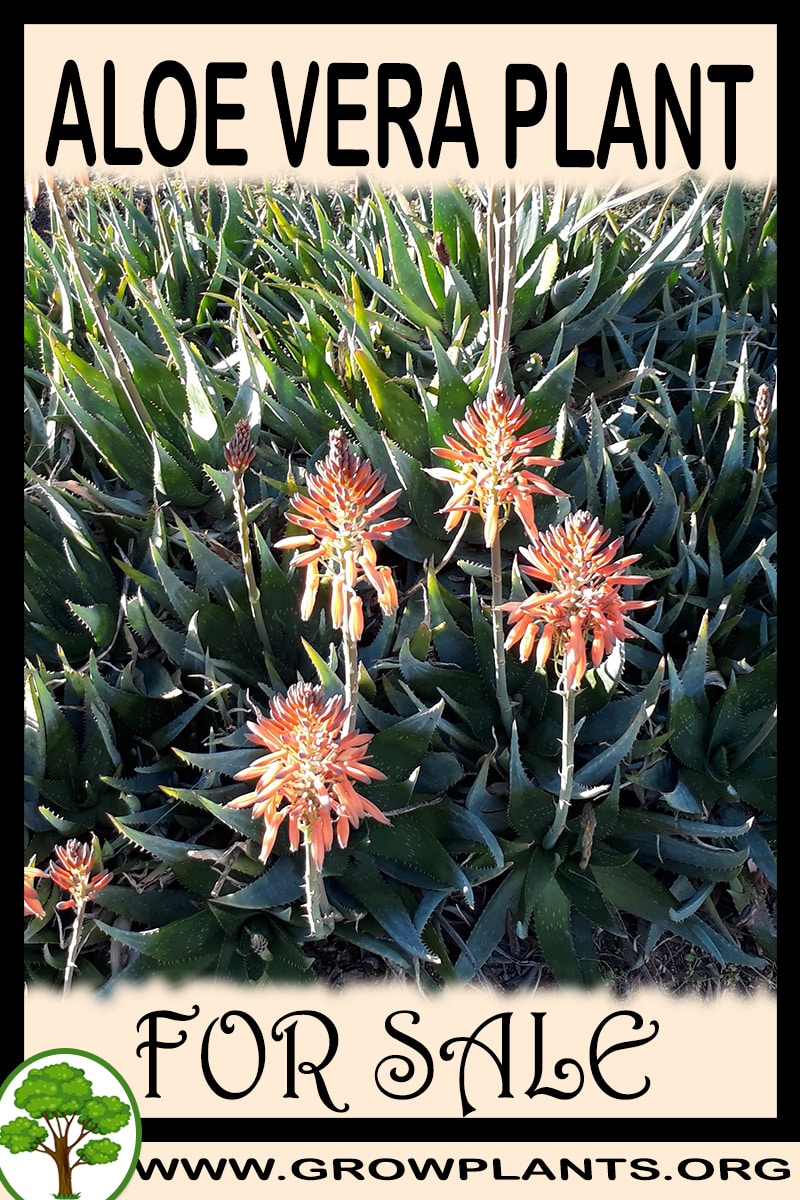
Aloe Vera is a popular, forgiving succulent that thrives indoors or outdoors with minimal care – here’s what to know before you buy, plus how to plant, water, and keep it healthy.
Aloe Vera Plants, Seeds & Supplies for Sale
As an Amazon Associate I earn from qualifying purchases.


Don’t see the exact variety you’re looking for?
Explore all live Aloe Vera plants, pots, and starter kits on Amazon ↗
At-a-Glance Specifications
Forgiving & low maintenance
Frost-sensitive – shelter in cold snaps
Varies by cultivar & pot size
Needs 4–6+ hours of direct light
Terracotta pot with drainage hole
Allow soil to dry fully between waterings
Pre-purchase considerations
- Propagation origin: Nursery stock is typically grown from vegetative offsets (“pups”) cloned from parent plants rather than from seeds.
- Varietal diversity: Varieties span compact, desk-sized rosettes to large 4-foot specimens, with leaf colors ranging from bright green to orange/purple hues depending on sun exposure and stress.
- Buying window: Purchase during dry, mild weather. Avoid shipping or buying live plants in extreme cold – their high leaf water content makes them frost-prone.
Growing tips before you buy
- Cold snap protection: Ensure you have an indoor windowsill, greenhouse, or sheltered patio space ready if your winter temperatures drop near the ~5 °C baseline.
- Container vs. in-ground planning: Check whether the plant’s adult root spread needs in-ground planting, or if it thrives in wide, shallow pots (like succulents) or deep containers.
- Sunlight mapping: Map out your light exposure beforehand – confirm you have a spot that gets 6+ hours of direct sun, or bright indirect light as needed.
- Drainage readiness: Confirm you have fast-draining, gritty soil mix and containers with large drainage holes ready, as standing water is the primary cause of root rot.
Cultivation & care standards
- Potting: Use a wide, shallow pot rather than a deep one, as roots spread laterally. Ensure at least one large drainage hole.
- Irrigation: Water deeply, then allow the soil to dry out completely between waterings. Reduce watering frequency significantly during winter dormancy.
- Light signals: Upright rosettes indicate optimal light; flat, splayed-out leaves signal inadequate sun.
- Propagation: Separate offsets from the base once their leaves unfurl. Allow cut stems to callus for 2–3 days before potting in dry soil.
- Troubleshooting: Watch for leaf rot caused by overwatering or poor drainage. Slow growth typically indicates overly alkaline soil, inadequate light, or root congestion.
🎬 Watch: Guide – What to Do When Your Live Aloe Vera Arrives
Uses & benefits
Aloe vera is prized not only for being easy to care for, but for its many practical uses. The inner-leaf gel is a popular topical remedy for burns, cuts and other skin irritations, and can also be consumed for collagen support, as a digestive aid, and for its immune-supporting, superfood properties. Even as a purely decorative houseplant, aloe vera adds sculptural, low-effort greenery to a home.
Frequently Bought Together
Everything you need to successfully plant and grow this specimen.
Healthy, nursery-grown & ready to pot
Nutrient-rich, well-draining mix
Breathable pot that prevents root rot
Feeds for healthy, vibrant growth
*As an Amazon Associate, we earn from qualifying purchases.*
Ready to grow? Check out our complete Aloe Vera Grow & Care Guide ↗ for detailed watering schedules, sunlight tips, and troubleshooting.